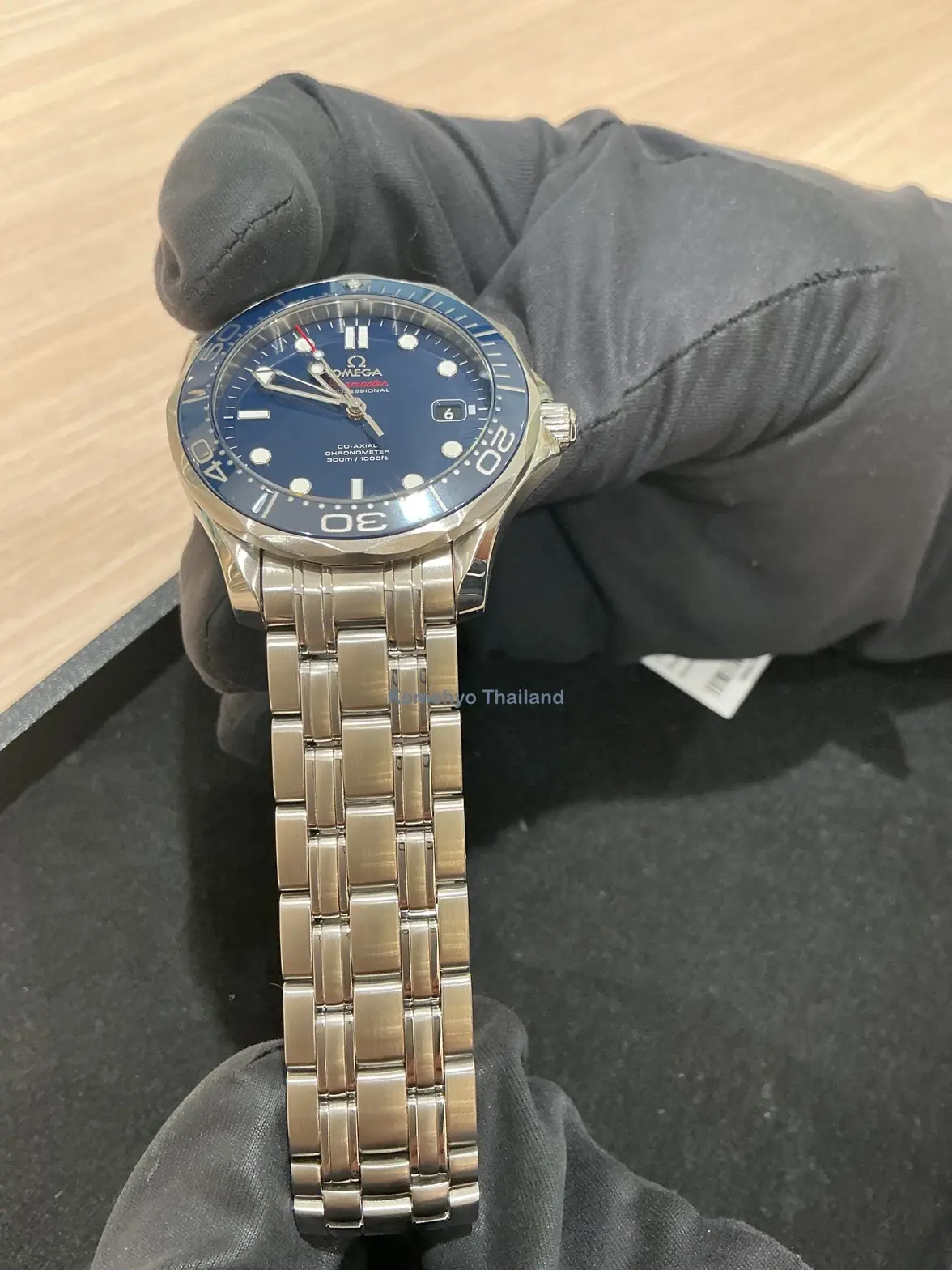
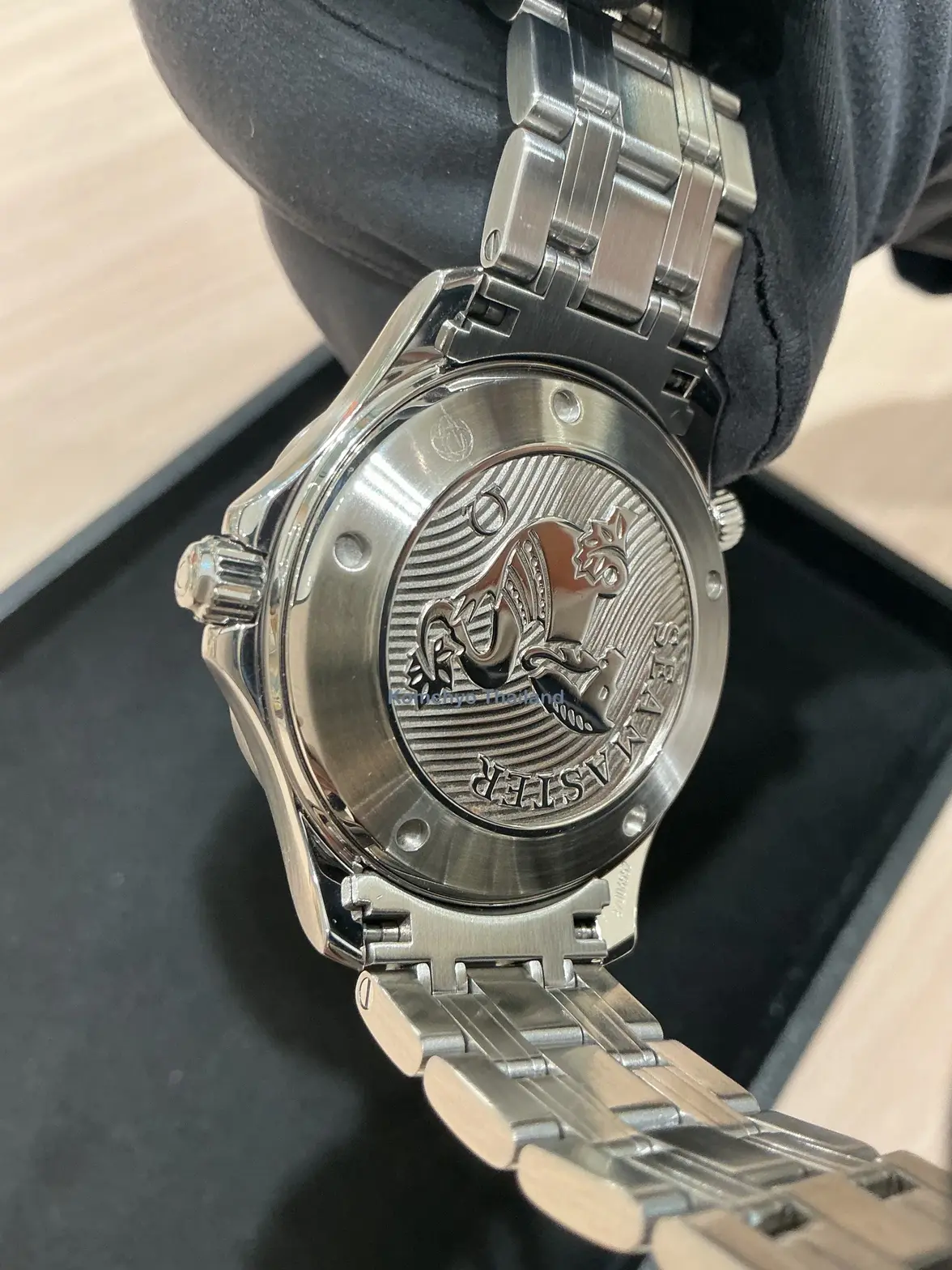
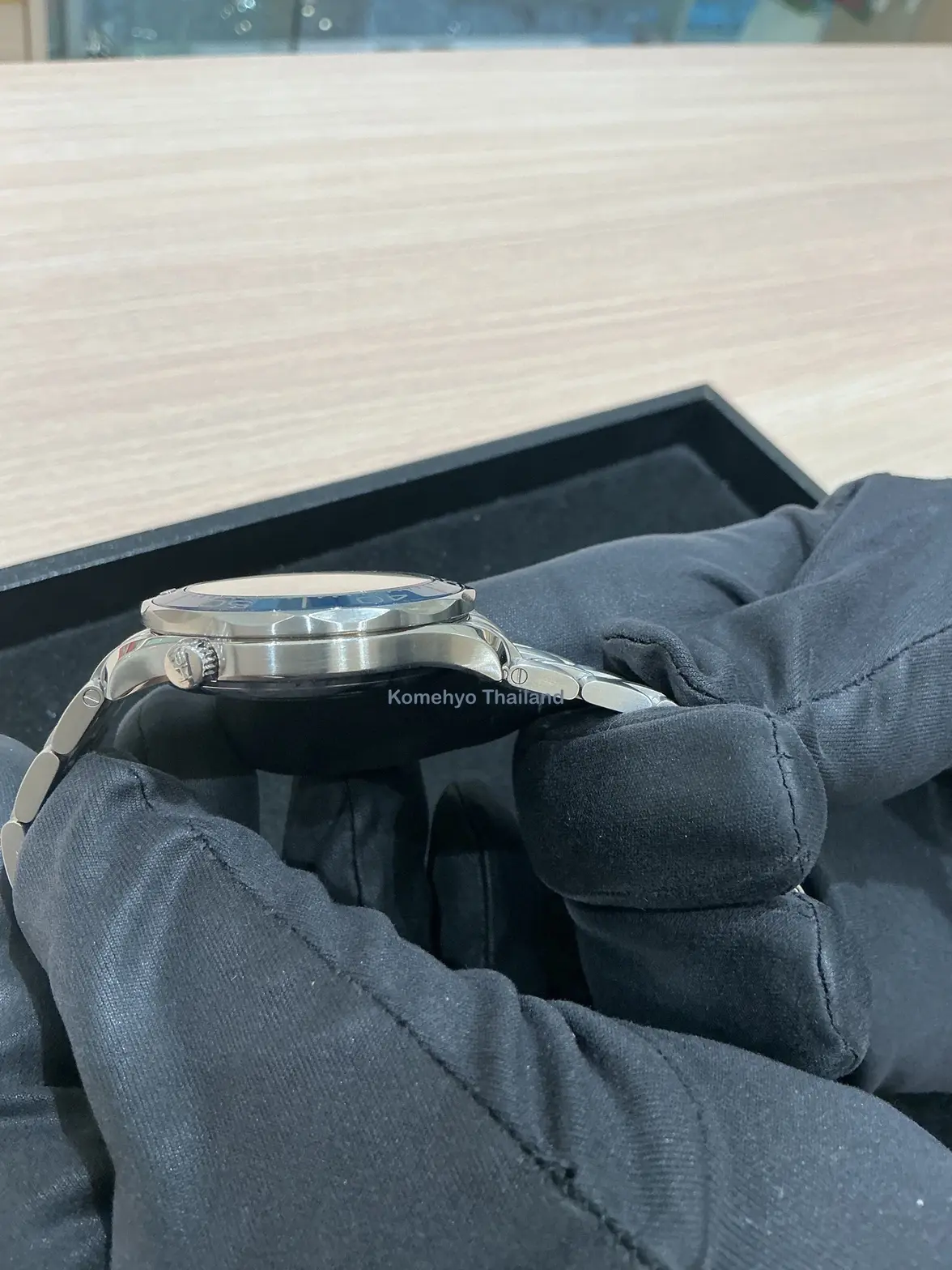
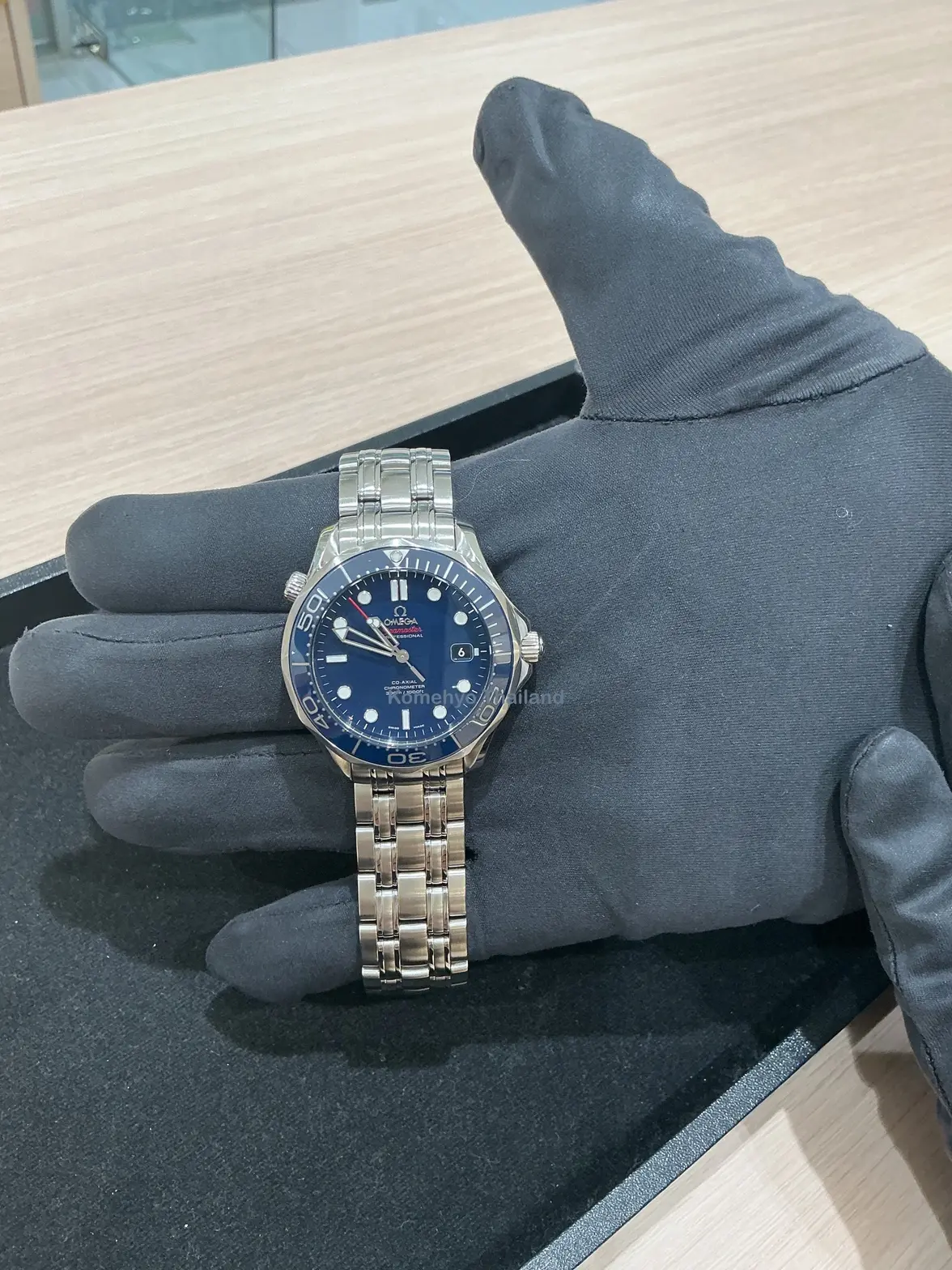
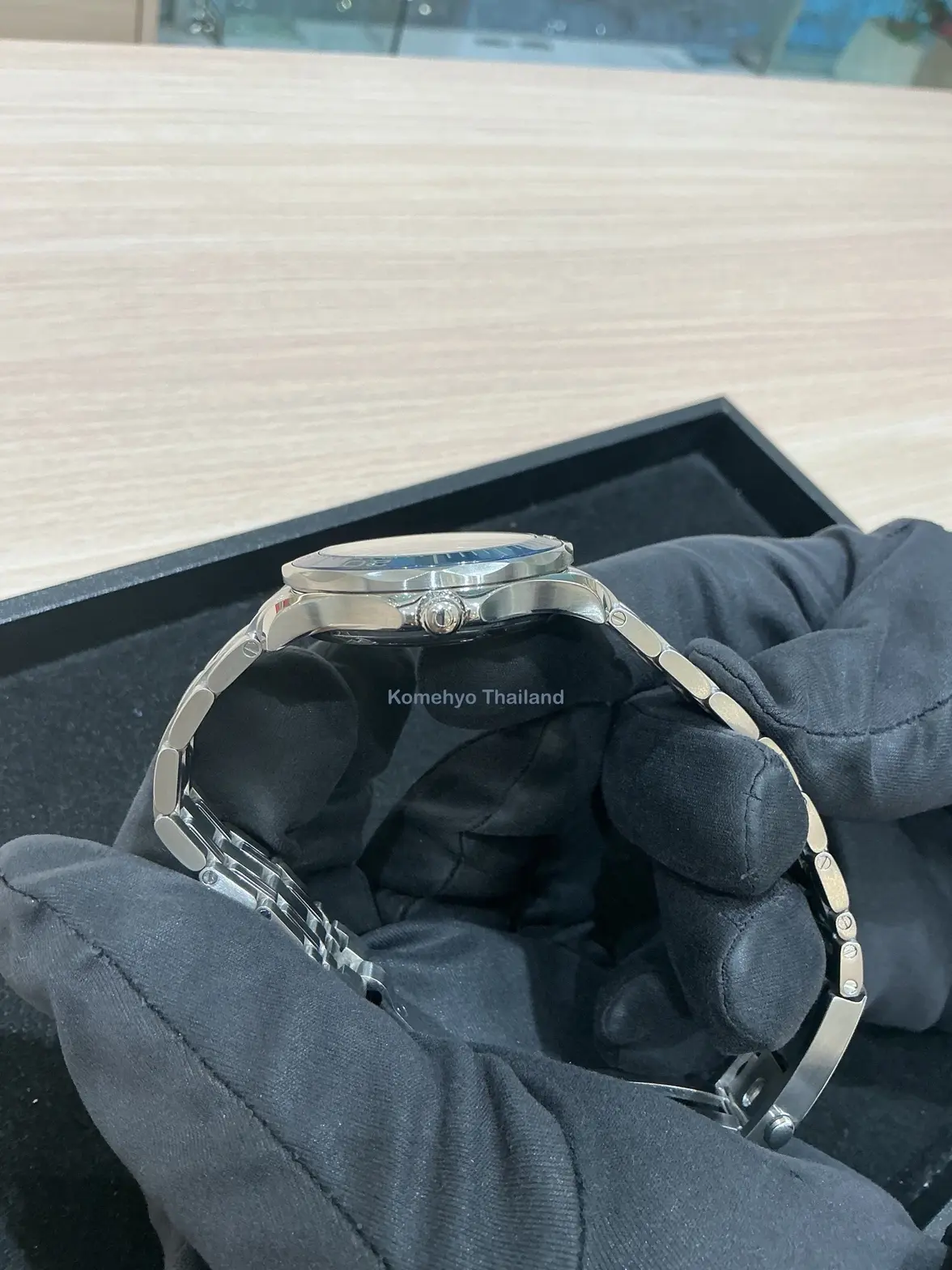
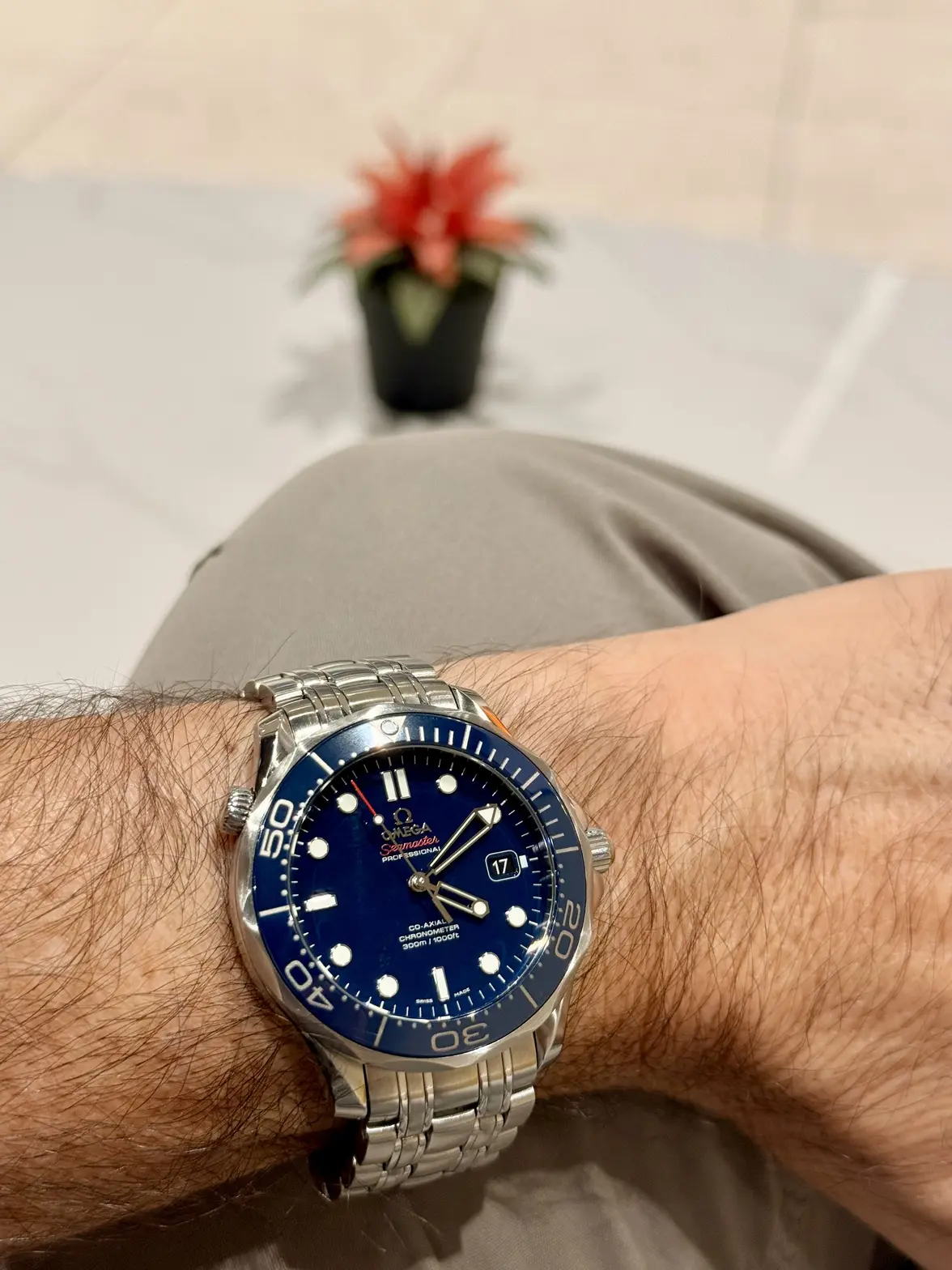
That said, rotor wear is one of the easiest things to spot if they have a movement photo, and these sorts of reputable sellers are typically happy enough to provide that in my experience.
It depends on the movement - I wrote a post that covered this and other wear that can be spotted from photos here:
This tip is great for many calibers, but just to caution you it's not so good for the 7750 based watches. You typically do not see any wear on the rotor itself or the bridges on these calibers, unlike say the 1120, or even vintage calibers like the 550/560 series. For these chronographs you might see a circle inside the case back, but by the time the rotor is doing that the bearing is really far gone and needs replacing long before it's flopping around enough to cause that mark. So looking at a photo, even a good photo, probably isn't gong to detect a worn rotor on these.
However, in the UK ‘thewatchprofessional’ is excellent, Omega accredited, ex in-house for a big jewellers’ chain (and Tag Heuer if my memory serves), and is £259 - about $350 to service these movements as of
right now.
That is incredibly cheap. Very unusual.
Years ago when I was younger and dumber, one quoted £967 - while another later sent high quality images and detailed explanations calling bull crap on almost all of the things that were supposedly needed, and did the work for 30% of the price.
Well, the main thing to keep in mind when comparing prices, is the scope of the work. As long as you are comparing apples to apples, then that's fair.
On that point, the other side of this is that some people are rip-off merchants, and it pays to get a second or even third opinion. I’ve been told new pushers, crowns, rotors, have been needed more than once by a couple of watch repairers that I consider to be little short of crooks.
Sorry you had a bad experience. There are good and bad in every profession, and watchmakers are no exception.
One thing to keep in mind is how a particular watchmaker approaches the need to replace something can be very different. For example seals - when a watch comes into my shop I perform a series of incoming tests, and that typically includes pressure testing. If the watch passes, what does that mean? Does it mean the seals don't in fact need replacing?
My answer would be - it depends. If the watch had been serviced recently by someone else, and came in for some sort of problem to be fixed, and I knew the seals had already been replaced, then no I would need to replace them. However if the watch is coming in and is 20 years old, passes the testing, does that mean the seals are okay? For me the answer is clear - no they are not. If you are servicing a watch like the Speedmaster above, replacing the relevant seals means replacing the pushers and crown if you are using genuine Omega parts (Omega does not sell those seals separately).
Seals in particular are a pass/fail test, and just because they pass now, doesn't mean they will in one year, one month, or even one week from now. That is the dilemma that all watchmakers face, and although seals are the most acute example I would say, it applies to all kinds of wear parts. Will a watch run fine with a slightly worn third wheel upper pivot? Yes, but will it run fine for the next 5-10 years that way? Not likely.
So there can be genuinely held differences of opinion on the condition of parts needing replacement or not. Personally, I tend to be rather brutal in judging the parts so if there's wear, it's gone because I'm not just servicing for good performance now (or just for the 2 year warranty provided), but for good performance going forward for
many years.