- Posts
- 8
- Likes
- 4
Gimic68
·Hello everyone,
I would appreciate your help identifying and assessing an unusual Omega-signed 18K gold ladies’ jewellery watch. You may also scroll down to SUMMARY, although the findings so far are pretty interesting in my opinion.
I have tried to document all physical details as accurately as possible. The main question is whether this could be an original Omega jewellery watch that received a replacement movement at some point, or whether it is a high-quality Swiss jewellery watch that was subsequently given Omega branding.
I am particularly interested in identifying the case maker (Poinçon de Maître hammer-head No. 12) and the 19.4 mm movement.
Measurements:
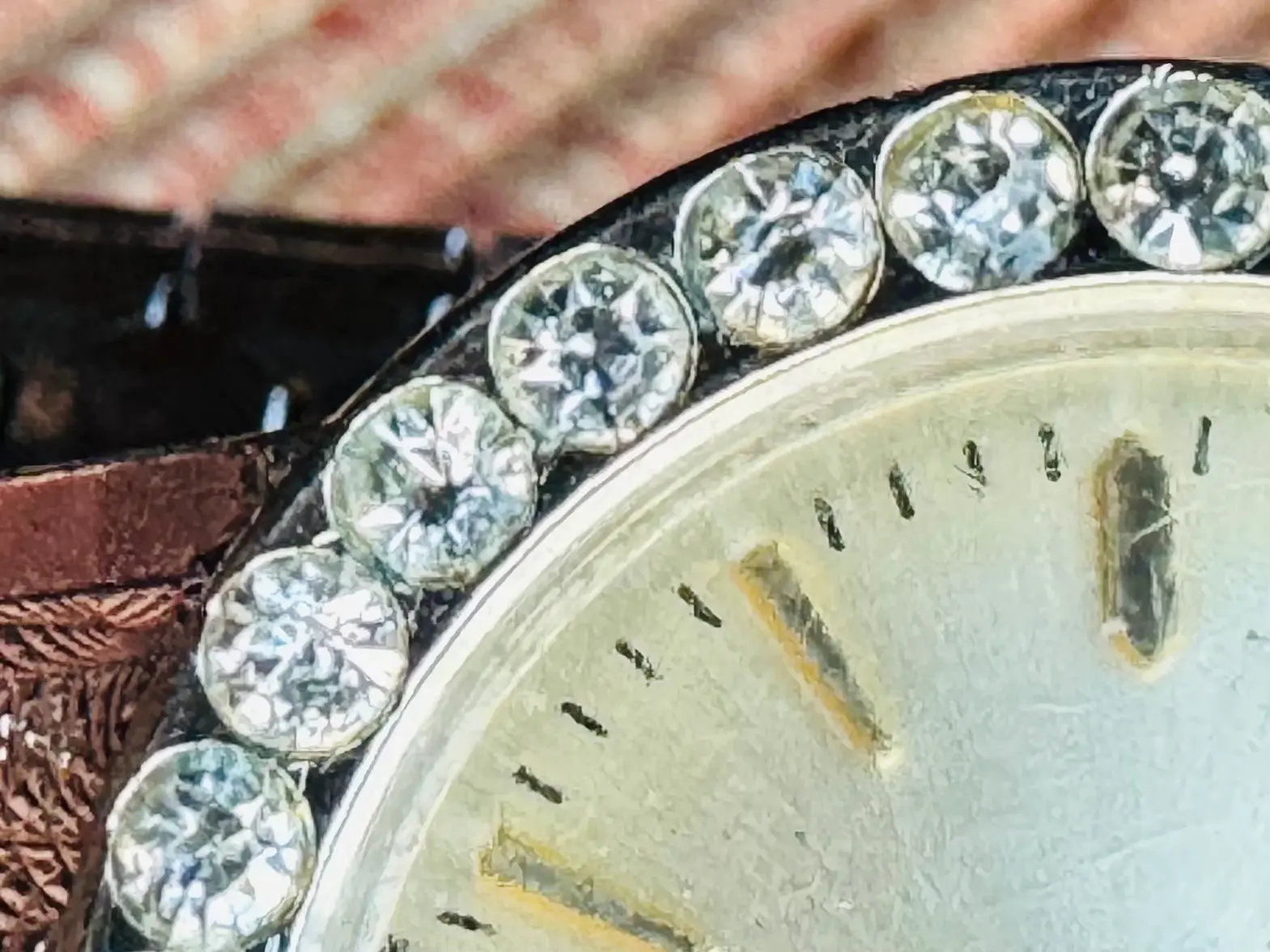
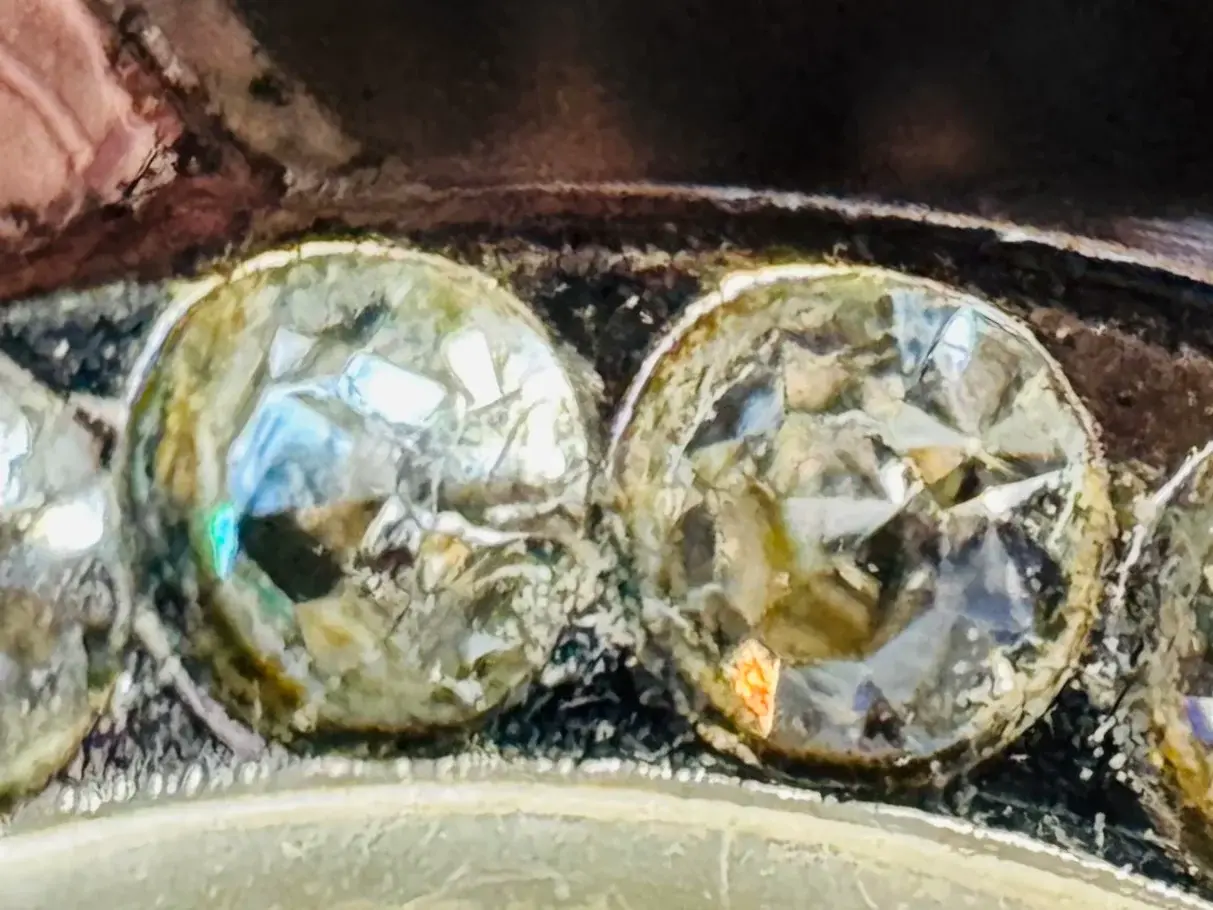
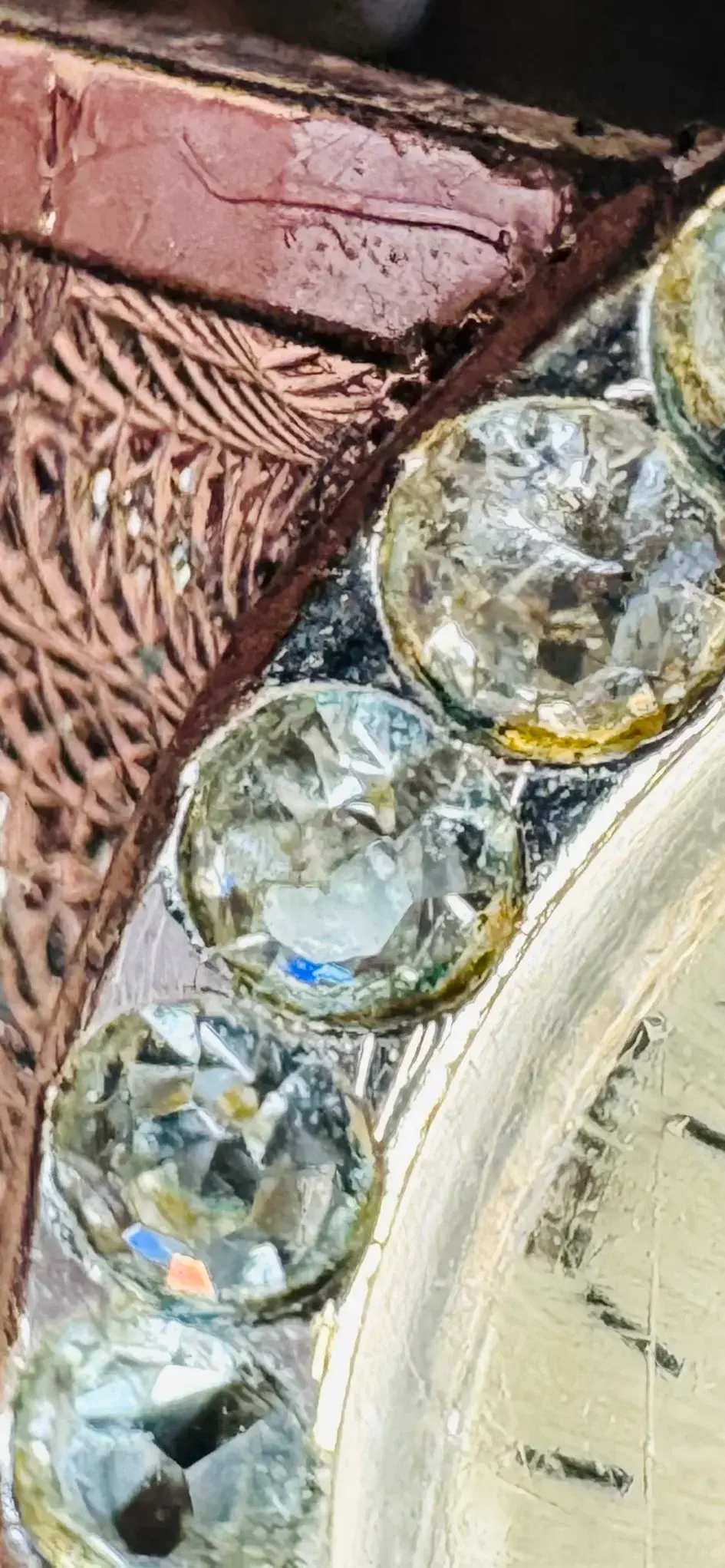
The bezel contains 30 small stones, positive tested diamonds with DS II 861.
I have subsequently separated the components:
Features:
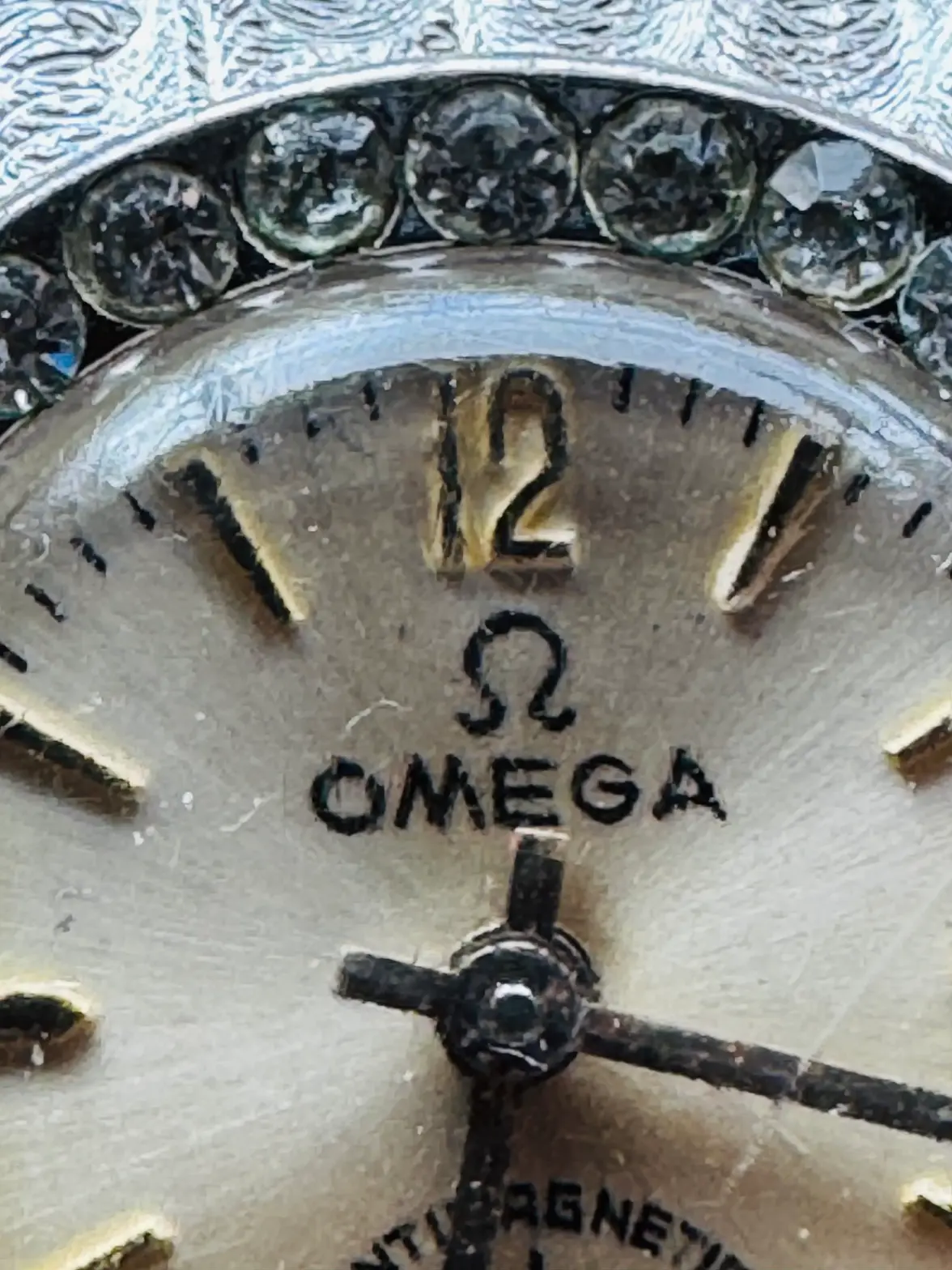
The authenticity/originality of the dial printing is one of the main questions.
Ω
OMEGA
and below/near it:
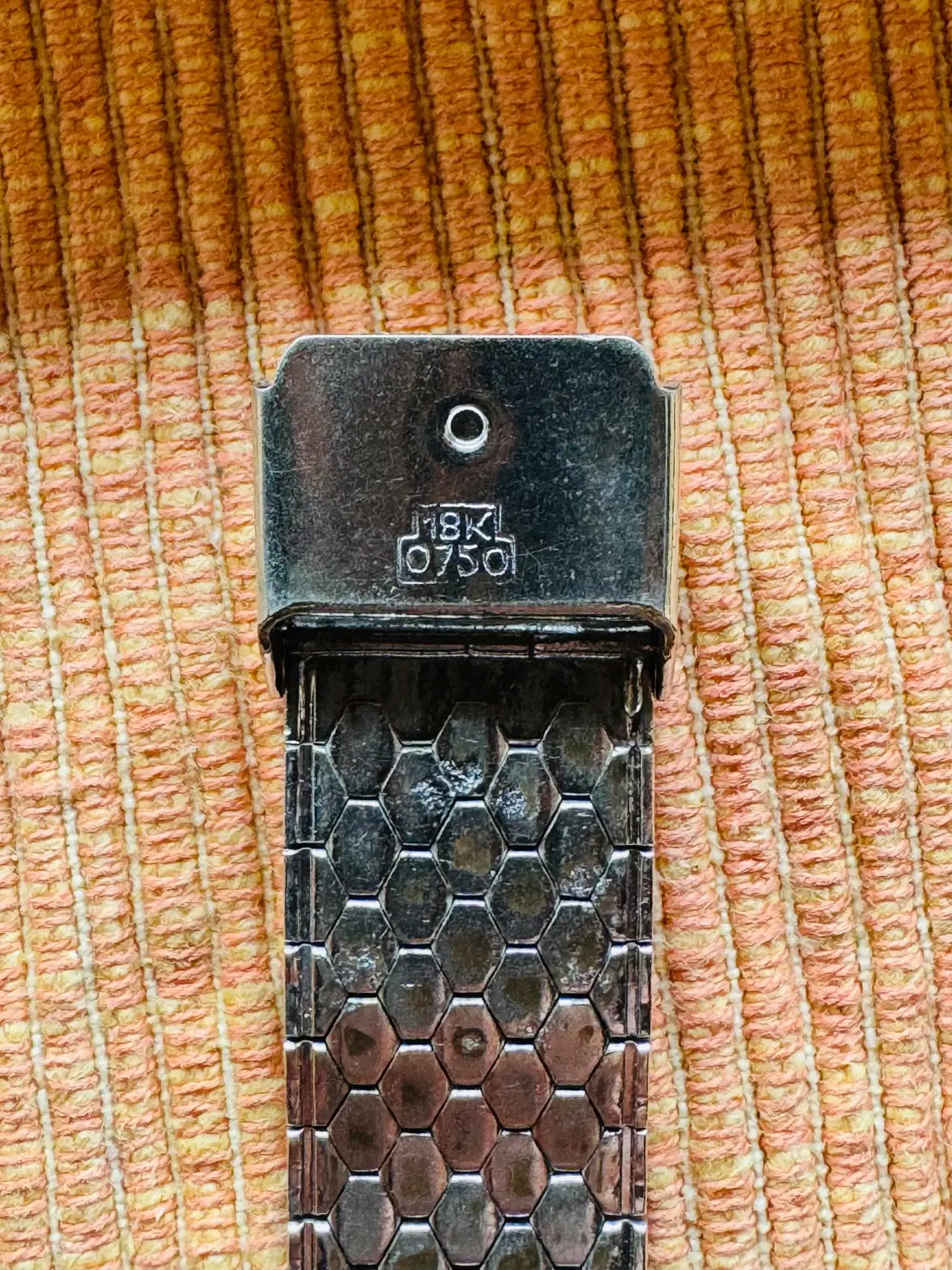
18K 0.750
together with Swiss precious-metal hallmarks.
The caseback is also numbered:
16203
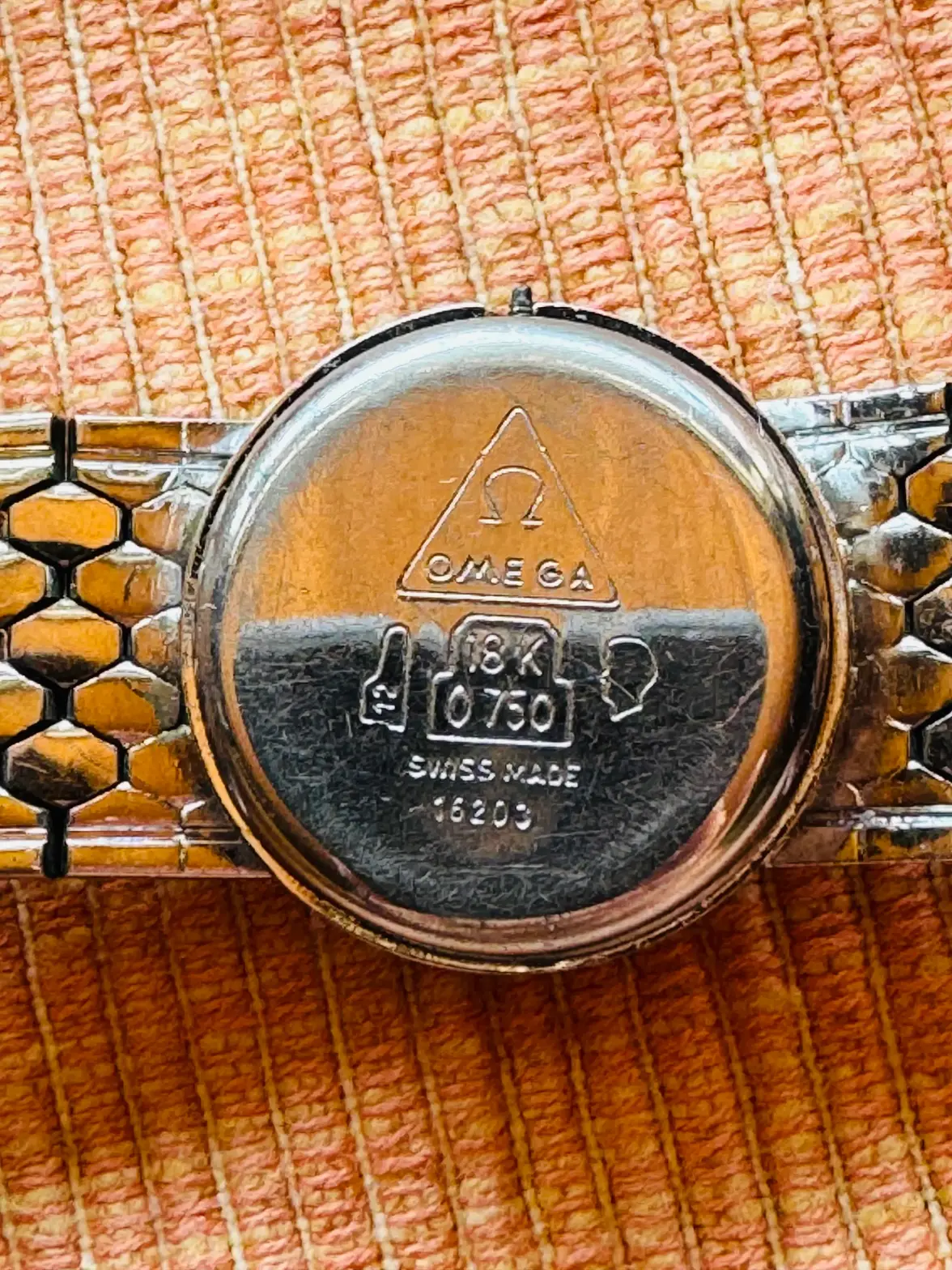
The Omega signature, gold marks and 16203 can be seen in the attached macro photographs.
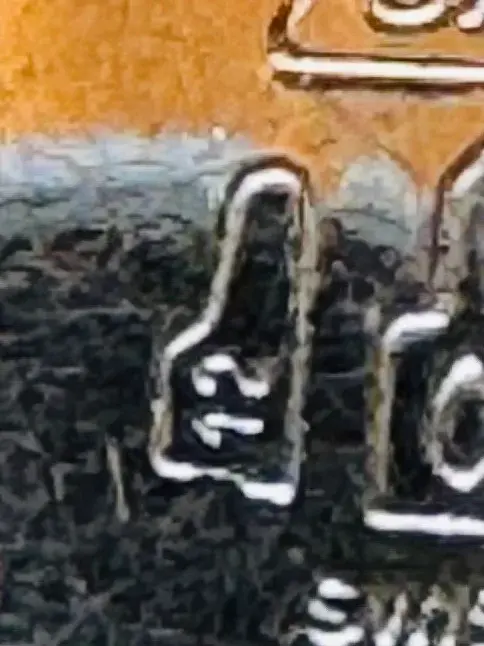
Poinçon de Maître No. 1 - “marteau sans manche” / hammer head
with the number:
12
followed by:
18K 0.750
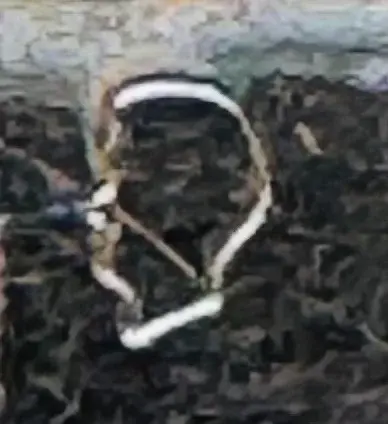
and the Swiss Helvetia head gold hallmark.
The hammer-head number is clearly 12 on close inspection.
My understanding is that the hammer-head is a Swiss collective responsibility mark used for precious-metal watch cases, with the number identifying the individual registered case manufacturer.
I have so far been unable to find a reliable surviving identification of hammer-head No. 12.
This is one of the main things I would particularly appreciate help with:
It appears to read:
31174
The first digit is less distinct than the others, but I believe 31174 is the most likely reading.
I do not know whether this is a case-maker production number, order number or another reference.
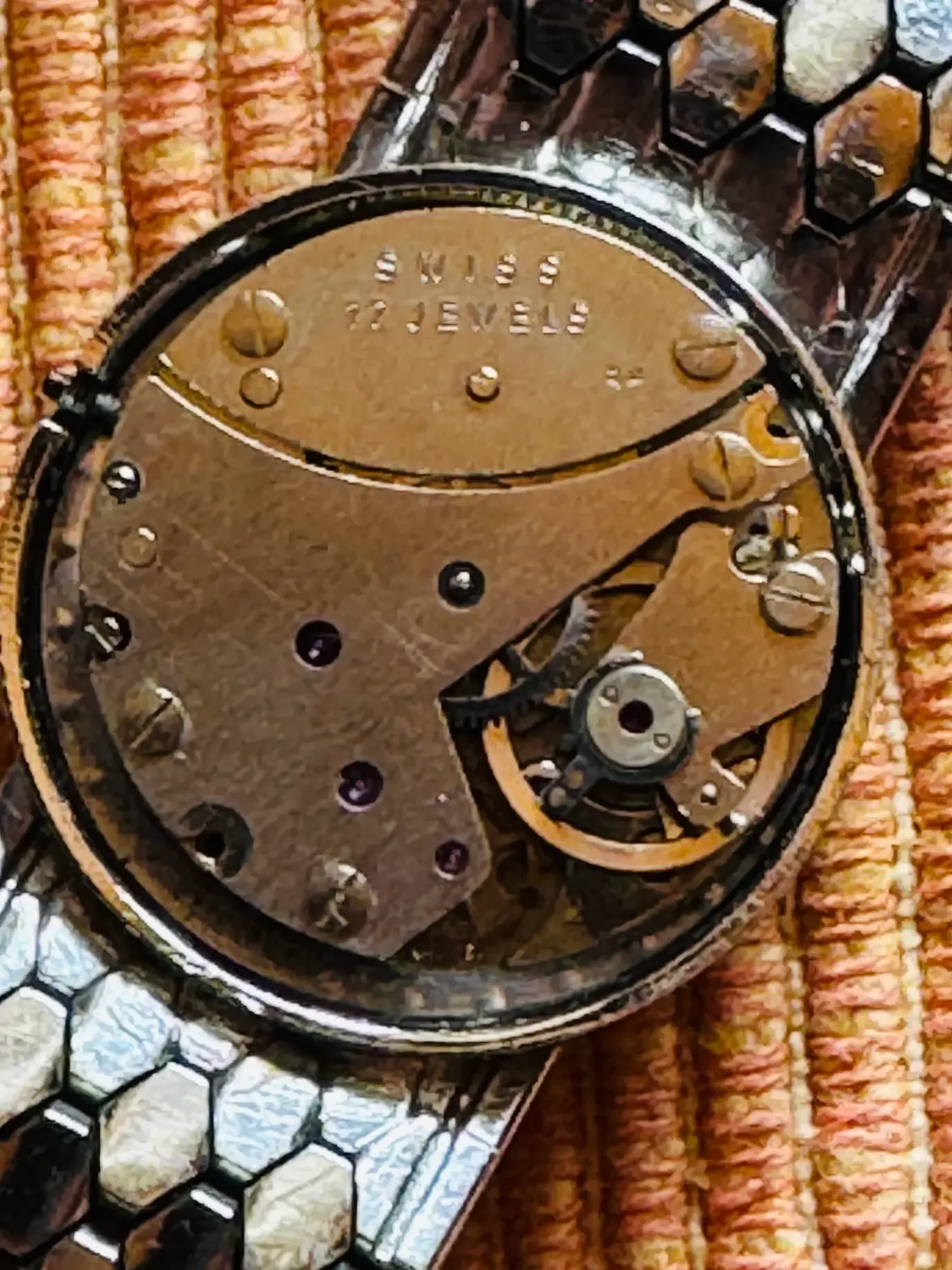
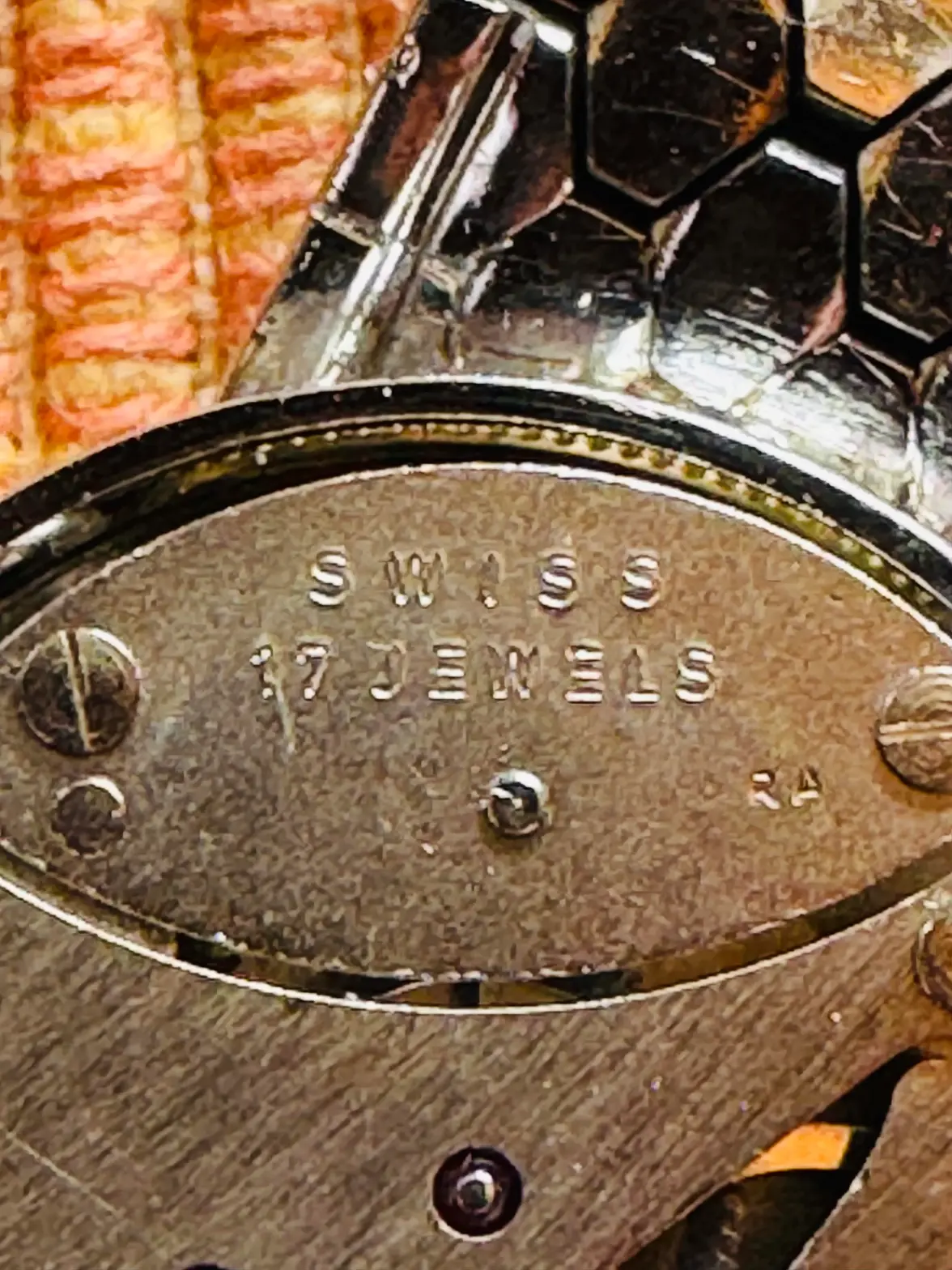
The watch contains a small round manual-winding Swiss movement with:
17 JEWELS
There is also a small marking which appears to read:
RA
The movement is not visibly signed Omega.
The movement is currently not running, and the crown is missing.
Photos of the movement are attached.
I would particularly appreciate a definitive identification of this movement from the bridge architecture.
Various Omega ladies’ calibres were considered, including the R11.5 / 210–213 family and the earlier Omega 19.4 family.
The visible movement, however, does not appear to match the bridge architecture of the Omega calibres examined, and the complete absence of Omega movement markings remains difficult to explain if this were the original movement.
A generic Swiss ébauche therefore currently seems more likely.
Ebauches Bettlach EB 1333 and A. Schild possibilities have been considered, partly because of the 19.4 mm dimension, but I do not regard the exact calibre identification as established yet.
I would therefore be grateful if someone familiar with Swiss ébauches could identify it from the photographs rather than relying on my preliminary research.
The exact 19.4 mm diameter is interesting because Omega itself used movements of this nominal size historically.
However, at present I have no positive evidence that this particular case originally housed an Omega 19.4 movement, so I do not want to assume this.
I would especially appreciate opinions on whether the movement mounting/case construction shows evidence of adaptation or whether the present movement appears to belong naturally in the case.
At least one other 16203 example reportedly contained an A. Schild AS 1130 rather than an Omega movement.
This raises the possibility that:
16203 may not be an Omega reference at all, but rather a case/model number belonging to an independent Swiss case/watch manufacturer.
That would potentially explain why more than one Omega-signed “16203” has appeared with a non-Omega movement.
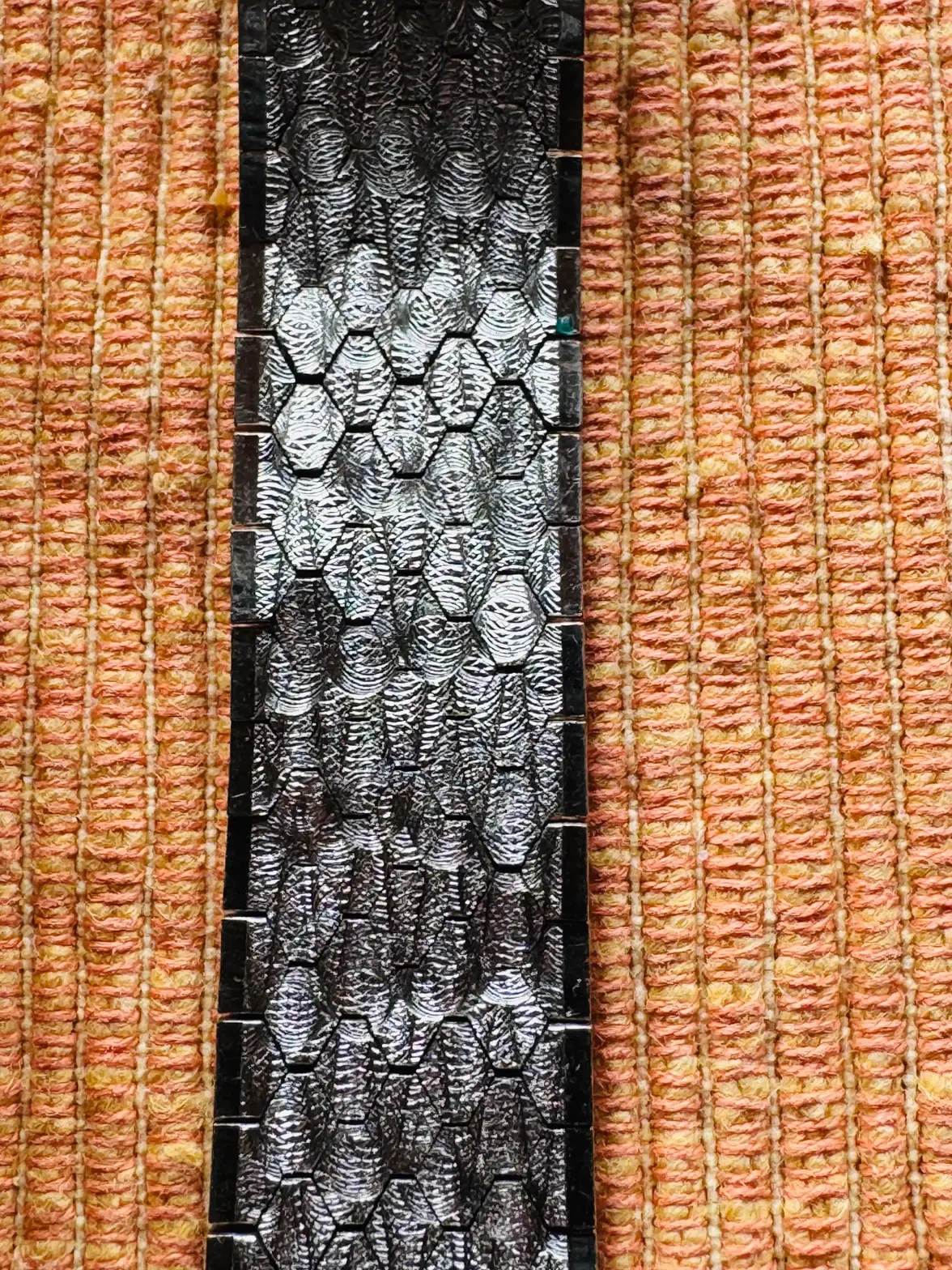
On the other hand, my watch is clearly not a lightweight plated watch. The case and unusually elaborate integrated bracelet weigh approximately 37 g without the movement/dial, and the case carries Swiss 18K/0.750 and Helvetia hallmarks together with the numbered hammer-head responsibility mark.
So I think two separate questions need to be distinguished:
I would prefer not to assign a precise date until the movement and case maker have been identified.
This would explain the Omega-signed case/dial together with the unsigned movement, but would require evidence that the case and dial are genuinely Omega.
B. High-quality Swiss 18K jewellery watch from another manufacturer, later re-signed as Omega
This currently seems a serious possibility, particularly because other “16203” Omega-signed watches with non-Omega movements appear to exist.
C. Original Omega as presently configured
This seems the least likely possibility because I would expect an original Omega mechanical watch of this period to have a properly signed/numbered Omega movement.
Omega-signed Swiss ladies’ jewellery watch
Case: 18K / 0.750
Case diameter: 22.5 mm
Dial: 18 mm
Movement: 19.4 mm, manual wind, 17 jewels, small seconds, unsigned Omega
Case number: 16203
Inside case number: probably 31174
Poinçon de Maître: hammer-head / marteau sans manche No. 12
Swiss hallmark: Helvetia head
Integrated bracelet: 15–16 mm wide
Overall length: 195 mm
Approx. 30 stones around bezel
Total weight: 42 g
Case + caseback + bracelet: 37 g
Movement + dial: 5 g
Condition: movement not running, crown missing
I am attaching detailed photographs of the complete watch, dial, bracelet, caseback, hallmarks, inside caseback and movement.
Any information from Omega catalogues, case-maker registers or experience with similar jewellery watches would be greatly appreciated.
Thank you all so much for any input available!
I would appreciate your help identifying and assessing an unusual Omega-signed 18K gold ladies’ jewellery watch. You may also scroll down to SUMMARY, although the findings so far are pretty interesting in my opinion.
I have tried to document all physical details as accurately as possible. The main question is whether this could be an original Omega jewellery watch that received a replacement movement at some point, or whether it is a high-quality Swiss jewellery watch that was subsequently given Omega branding.
I am particularly interested in identifying the case maker (Poinçon de Maître hammer-head No. 12) and the 19.4 mm movement.
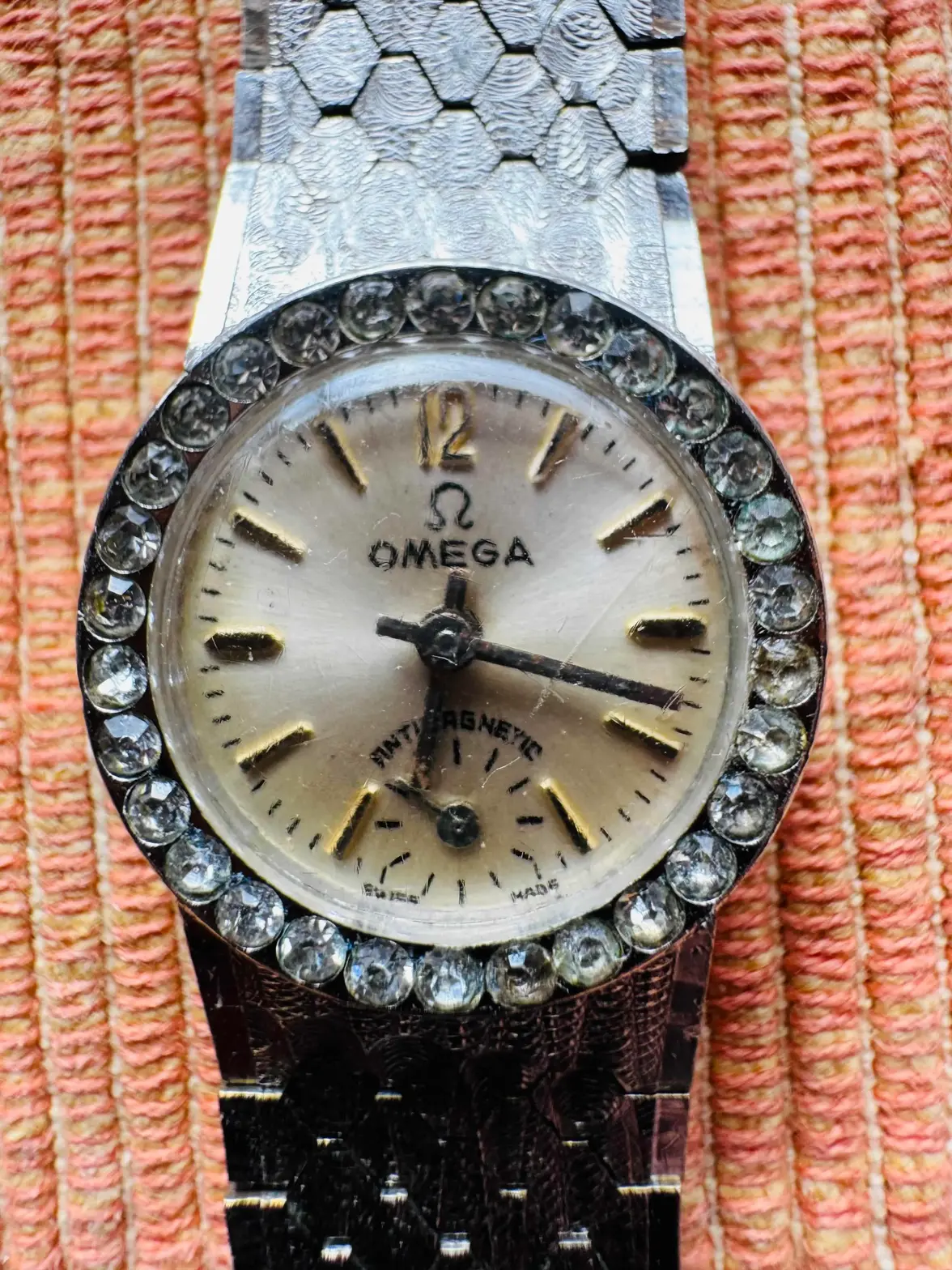
Basic DESCRIPTION
The watch is a small ladies’ jewellery/cocktail watch with an integrated bracelet.Measurements:
- Case diameter: approximately 22.5 mm
- Dial diameter: approximately 18 mm
- Movement diameter: 19.4 mm
- Bracelet width at case: approximately 16 mm
- Bracelet width at clasp: approximately 15 mm
- Overall length: approximately 195 mm
- bracelet sections approx. 110 + 75 mm
- clasp approx. 10 mm
The bezel contains 30 small stones, positive tested diamonds with DS II 861.
The complete watch weighs approximately is 42 gI have subsequently separated the components:
- movement + dial: approximately 5 g
- case + caseback + complete integrated bracelet: approximately 37 g
Features:
- applied Omega symbol at 12
- OMEGA below it
- applied block/baton hour markers, except at 12
- small seconds at 6
- ANTIMAGNETIC
- SWISS MADE at the bottom
The authenticity/originality of the dial printing is one of the main questions.
Caseback markings
The outside of the caseback carries:Ω
OMEGA
and below/near it:
18K 0.750
together with Swiss precious-metal hallmarks.
The caseback is also numbered:
16203
The Omega signature, gold marks and 16203 can be seen in the attached macro photographs.
Swiss hallmarks
The precious-metal marks appear to be:Poinçon de Maître No. 1 - “marteau sans manche” / hammer head
with the number:
12
followed by:
18K 0.750
and the Swiss Helvetia head gold hallmark.
The hammer-head number is clearly 12 on close inspection.
My understanding is that the hammer-head is a Swiss collective responsibility mark used for precious-metal watch cases, with the number identifying the individual registered case manufacturer.
I have so far been unable to find a reliable surviving identification of hammer-head No. 12.
This is one of the main things I would particularly appreciate help with:
Does anyone have access to an early Swiss Poinçon de Maître register that identifies marteau sans manche No. 12?
Number inside caseback
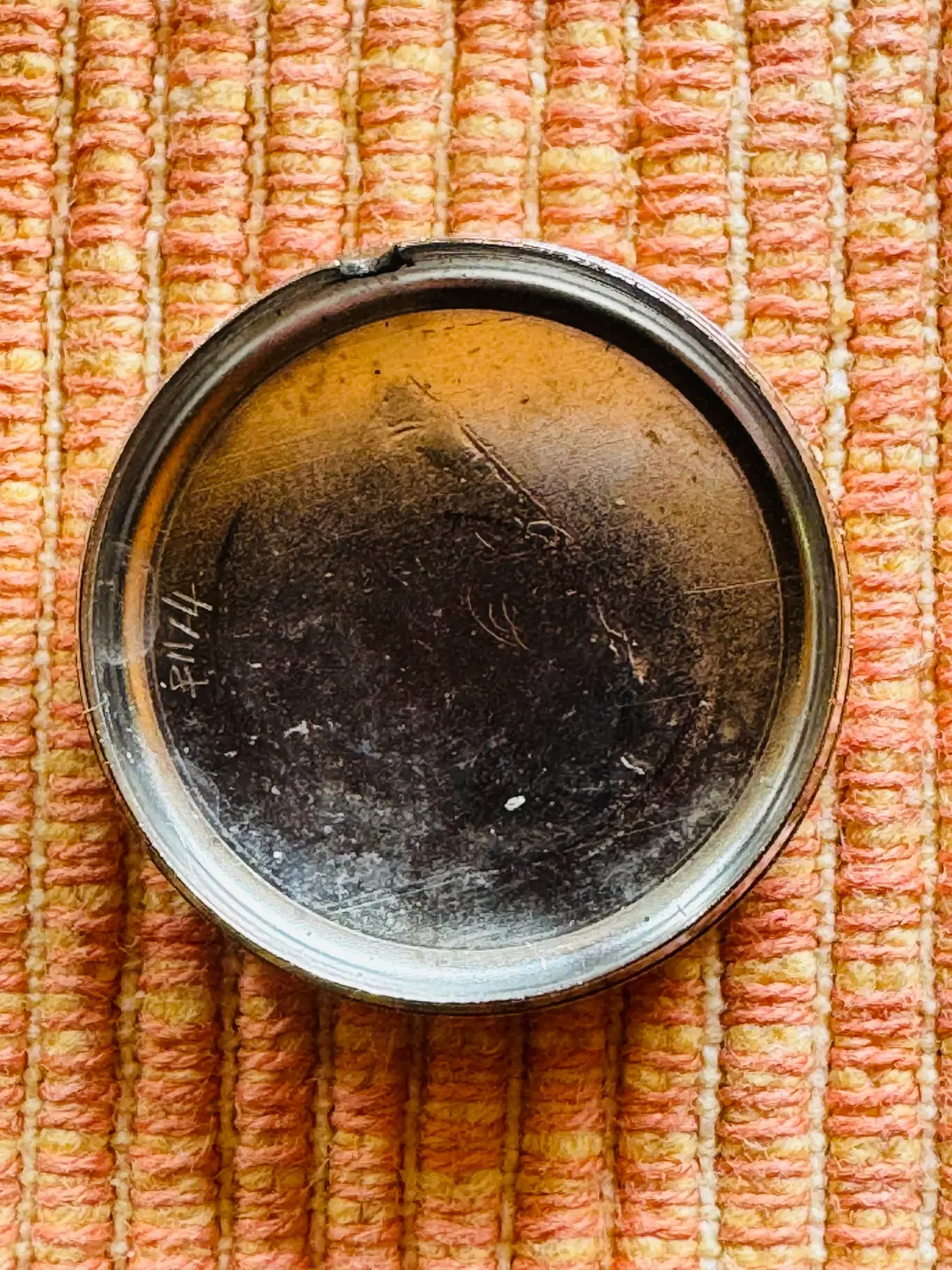
Inside the caseback there is another stamped five-digit number.It appears to read:
31174
The first digit is less distinct than the others, but I believe 31174 is the most likely reading.
I do not know whether this is a case-maker production number, order number or another reference.
Movement
This is where the main authenticity problem arises.The watch contains a small round manual-winding Swiss movement with:
- diameter: 19.4 mm
- small seconds
- 17 jewels
- inscription:
17 JEWELS
There is also a small marking which appears to read:
RA
The movement is not visibly signed Omega.
The movement is currently not running, and the crown is missing.
Photos of the movement are attached.
I would particularly appreciate a definitive identification of this movement from the bridge architecture.
Movement identification investigated so far
The 19.4 mm diameter initially raised several possibilities.Various Omega ladies’ calibres were considered, including the R11.5 / 210–213 family and the earlier Omega 19.4 family.
The visible movement, however, does not appear to match the bridge architecture of the Omega calibres examined, and the complete absence of Omega movement markings remains difficult to explain if this were the original movement.
A generic Swiss ébauche therefore currently seems more likely.
Ebauches Bettlach EB 1333 and A. Schild possibilities have been considered, partly because of the 19.4 mm dimension, but I do not regard the exact calibre identification as established yet.
I would therefore be grateful if someone familiar with Swiss ébauches could identify it from the photographs rather than relying on my preliminary research.
Could the movement be a later replacement?
One possibility I have considered is:original Omega jewellery watch → original Omega movement subsequently failed or was lost → later 19.4 mm Swiss replacement movement installed.
However, at present I have no positive evidence that this particular case originally housed an Omega 19.4 movement, so I do not want to assume this.
I would especially appreciate opinions on whether the movement mounting/case construction shows evidence of adaptation or whether the present movement appears to belong naturally in the case.
The number 16203 is particularly concerning
During research I found other watches described as Omega / Seamaster / Antimagnetic / 18K / 16203 that have already been discussed in thi Omega Forums and questioned as non-original Omegas.At least one other 16203 example reportedly contained an A. Schild AS 1130 rather than an Omega movement.
This raises the possibility that:
16203 may not be an Omega reference at all, but rather a case/model number belonging to an independent Swiss case/watch manufacturer.
That would potentially explain why more than one Omega-signed “16203” has appeared with a non-Omega movement.
On the other hand, my watch is clearly not a lightweight plated watch. The case and unusually elaborate integrated bracelet weigh approximately 37 g without the movement/dial, and the case carries Swiss 18K/0.750 and Helvetia hallmarks together with the numbered hammer-head responsibility mark.
So I think two separate questions need to be distinguished:
- Is the 18K Swiss jewellery case genuine?
The hallmarks and construction strongly suggest that it is. - Was this jewellery watch actually manufactured/sold as an Omega?
This remains unresolved.
Approximate period
Stylistically, the watch appears to be a mid-century Swiss ladies’ jewellery/cocktail watch, probably somewhere around the 1940s–1950s, although I would welcome corrections.I would prefer not to assign a precise date until the movement and case maker have been identified.
Current working assessmentAt present I see three possible explanations:
A. Original Omega jewellery watch with a later replacement movementThis would explain the Omega-signed case/dial together with the unsigned movement, but would require evidence that the case and dial are genuinely Omega.
B. High-quality Swiss 18K jewellery watch from another manufacturer, later re-signed as Omega
This currently seems a serious possibility, particularly because other “16203” Omega-signed watches with non-Omega movements appear to exist.
C. Original Omega as presently configured
This seems the least likely possibility because I would expect an original Omega mechanical watch of this period to have a properly signed/numbered Omega movement.
Questions for Omega Forum specialists
I would particularly appreciate help with the following:- Is 16203 known anywhere as a genuine Omega case/reference number?
- Has anyone seen this exact case/bracelet construction on another Omega or under another brand?
- Can anyone identify Poinçon de Maître No. 1, hammer-head / marteau sans manche No. 12?
- Can anyone identify the 19.4 mm, 17-jewel “SWISS / RA” movement from the photographs?
- Does the Omega stamping on the caseback look period-correct and factory-applied?
- Does the dial appear to be an original Omega dial, a refinished Omega dial, or a completely re-signed/non-Omega dial?
- Could this case plausibly have originally contained an Omega 19.4 mm movement?
- Does the present movement appear to be a later replacement, or does the case/movement fit suggest that it was designed around this type of generic ébauche?
- Does anyone recognize the internal number 31174?
- Has anyone documented another 16203 with the same hammer-head No. 12 hallmark?
Summary
The physical specifications are:Omega-signed Swiss ladies’ jewellery watch
Case: 18K / 0.750
Case diameter: 22.5 mm
Dial: 18 mm
Movement: 19.4 mm, manual wind, 17 jewels, small seconds, unsigned Omega
Case number: 16203
Inside case number: probably 31174
Poinçon de Maître: hammer-head / marteau sans manche No. 12
Swiss hallmark: Helvetia head
Integrated bracelet: 15–16 mm wide
Overall length: 195 mm
Approx. 30 stones around bezel
Total weight: 42 g
Case + caseback + bracelet: 37 g
Movement + dial: 5 g
Condition: movement not running, crown missing
I am attaching detailed photographs of the complete watch, dial, bracelet, caseback, hallmarks, inside caseback and movement.
Any information from Omega catalogues, case-maker registers or experience with similar jewellery watches would be greatly appreciated.
Thank you all so much for any input available!