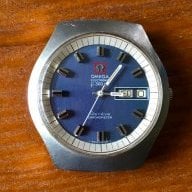
hell! looking for some information

Posts
4
Likes
1
Hello!
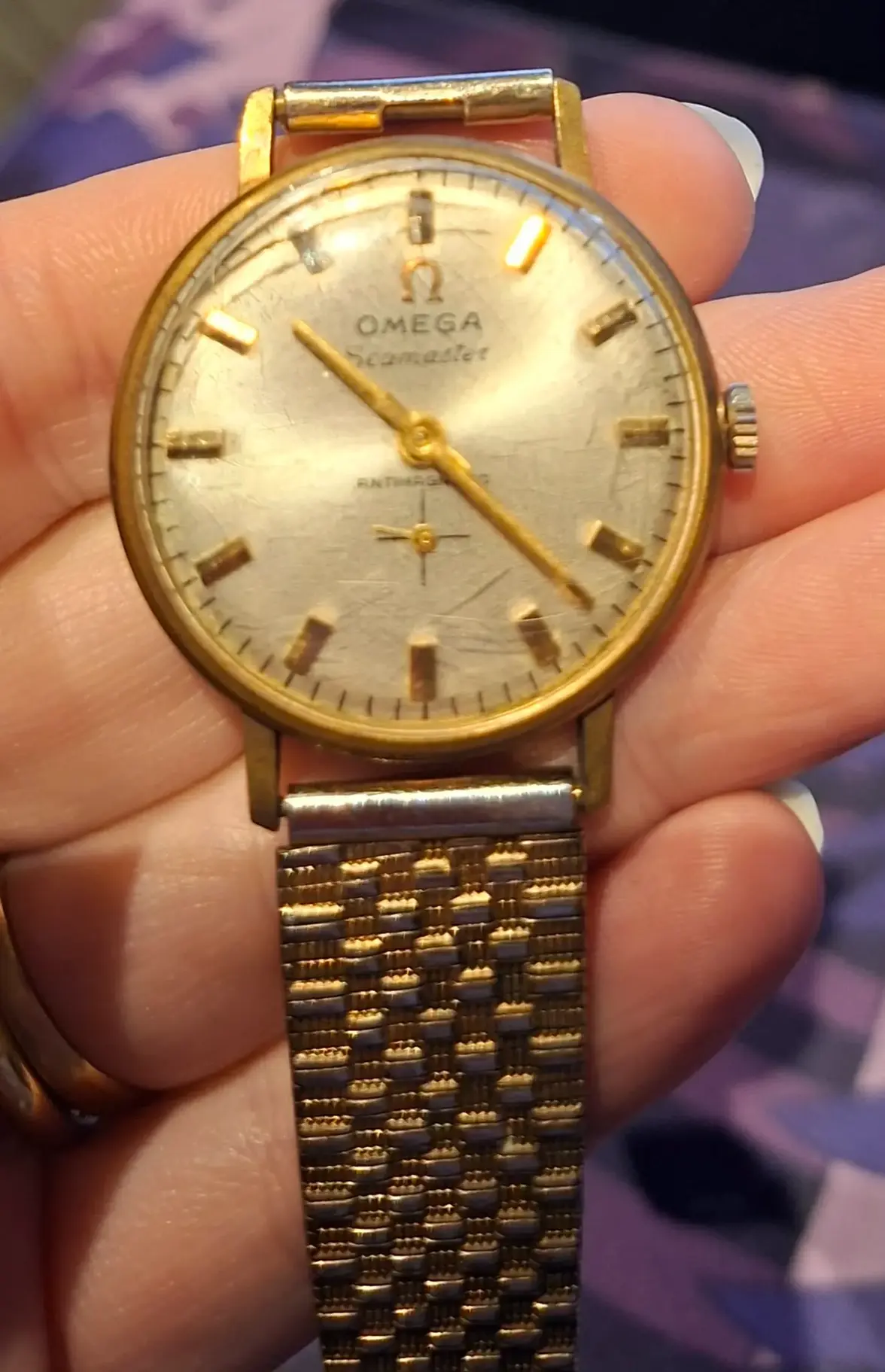
I was looking to get some information about an old watch i received from an inheritance.
If possible, also to know if its worth to get it done up again, since it does have a crack in the top glass and no longers works.
I have no knowledge about watches and have tried (and failed) to find this model of watch online. I only know its an omega seamaster watch that is swiss made.
If someone could please help a girl out, i would really appreciate it!
 
Posts
10,506
Likes
16,412
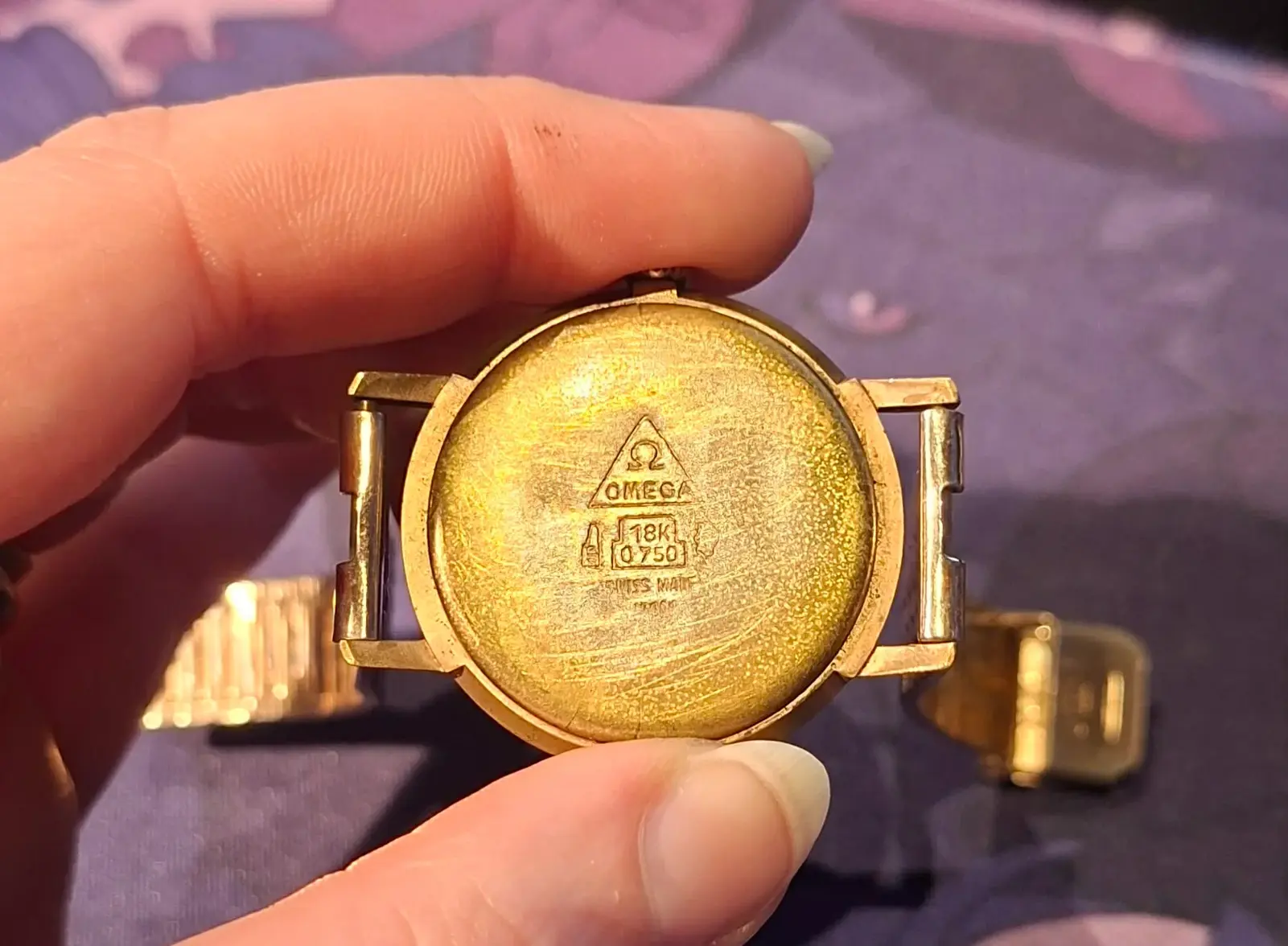
Fake junk worth nothing unfortunately.
 
Posts
486
Likes
2,846
I am not an expert but aware that there was a thriving market for fakes like this in the 1960s. Here is some of what I recall fleshed out with the help of some internet searching:

The fake Omega Seamasters sold to tourists in the 1960s were part of a wave of "classic fakes" produced primarily in Japan and distributed through popular travel hubs like Mallorca, Spain, and various Southeast Asian seaside resorts. Sometimes referred to as "Autobahngold," these watches were designed to look like high-end 18K gold luxury pieces but were made of cheap, gold-plated base metals that would eventually corrode or flake off.

These vintage forgeries have distinct tells that never appeared on genuine 1960s Omegas:

  • External Caseback Hallmarks: Genuine vintage Omegas never featured the Omega triangle stamp or gold purity hallmarks (like 18K/0.750) on the outside of the caseback. If you see these markings on the exterior, it is a 100% confirmed fake.
  • "Antimagnetic" Text: Authentic Seamaster dials from this era never used the word "Antimagnetic". This was a common buzzword added by counterfeiters to make the watch seem more sophisticated to unsuspecting tourists.
  • "Swiss Ultra Flat" Engravings: Many 1960s forgeries feature grandiloquent phrases like "Swiss Ultra Flat" or "Waterproof" embellished across the back in fonts Omega never used.
  • Engraved vs. Raised Logos: Authentic 60s Seamaster casebacks typically featured a raised, detailed Seahorse (Hippocampus) logo, whereas tourist fakes often have a shallow, crudely engraved logo or no logo at all.

Some specific 1960s tourist forgeries have become "cult fakes". While they are horologically worthless, some enthusiasts collect them as historical novelties representing the early days of global watch counterfeiting.
 
Posts
4
Likes
1
I am not an expert but aware that there was a thriving market for fakes like this in the 1960s. Here is some of what I recall fleshed out with the help of some internet searching:

The fake Omega Seamasters sold to tourists in the 1960s were part of a wave of "classic fakes" produced primarily in Japan and distributed through popular travel hubs like Mallorca, Spain, and various Southeast Asian seaside resorts. Sometimes referred to as "Autobahngold," these watches were designed to look like high-end 18K gold luxury pieces but were made of cheap, gold-plated base metals that would eventually corrode or flake off.

These vintage forgeries have distinct tells that never appeared on genuine 1960s Omegas:

  • External Caseback Hallmarks: Genuine vintage Omegas never featured the Omega triangle stamp or gold purity hallmarks (like 18K/0.750) on the outside of the caseback. If you see these markings on the exterior, it is a 100% confirmed fake.
  • "Antimagnetic" Text: Authentic Seamaster dials from this era never used the word "Antimagnetic". This was a common buzzword added by counterfeiters to make the watch seem more sophisticated to unsuspecting tourists.
  • "Swiss Ultra Flat" Engravings: Many 1960s forgeries feature grandiloquent phrases like "Swiss Ultra Flat" or "Waterproof" embellished across the back in fonts Omega never used.
  • Engraved vs. Raised Logos: Authentic 60s Seamaster casebacks typically featured a raised, detailed Seahorse (Hippocampus) logo, whereas tourist fakes often have a shallow, crudely engraved logo or no logo at all.

Some specific 1960s tourist forgeries have become "cult fakes". While they are horologically worthless, some enthusiasts collect them as historical novelties representing the early days of global watch counterfeiting.
oh wow, it really mightve been a part of this! I got this as a piece of an inheritage of my grandparents, so that would fit the timeframe at least. very interesting, thank you so much for helping out!
 
Posts
18,078
Likes
37,729
The fake Omega Seamasters sold to tourists in the 1960s were part of a wave of "classic fakes" produced primarily in Japan
These were actually produced in Switzerland, generally using Swiss movements (AS 1130 etc).
Later, probably mid 1970s, counterfeit production seems to have moved to Asia where it's still going on.
 
Posts
486
Likes
2,846
These were actually produced in Switzerland, generally using Swiss movements (AS 1130 etc).
Later, probably mid 1970s, counterfeit production seems to have moved to Asia where it's still going on.

Thanks, I’m always hazy on theses details. I also recall reading about some cheap French movements in counterfeit watches at some point in the history but can’t recall exactly.