Hasselblad, the First Camera Worn on the Moon

Posts
1,572
Likes
5,710
Hasselblad-NASA-Moonlanding-1922-1-867x650.jpg
Already mentioned in our La Lune Exhibition visit report, at Fratello, we love things related to space travel, ignited by the Omega Speedmaster Professional, a.k.a. The Moonwatch, however, easily extended to other items. Our special interest goes to flown objects, watches at best, but objects like pens and cameras appeal to us as well. And it’s no secret […]

Visit Hasselblad, the First Camera Worn on the Moon to read the full article.

 
Posts
6,873
Likes
12,627
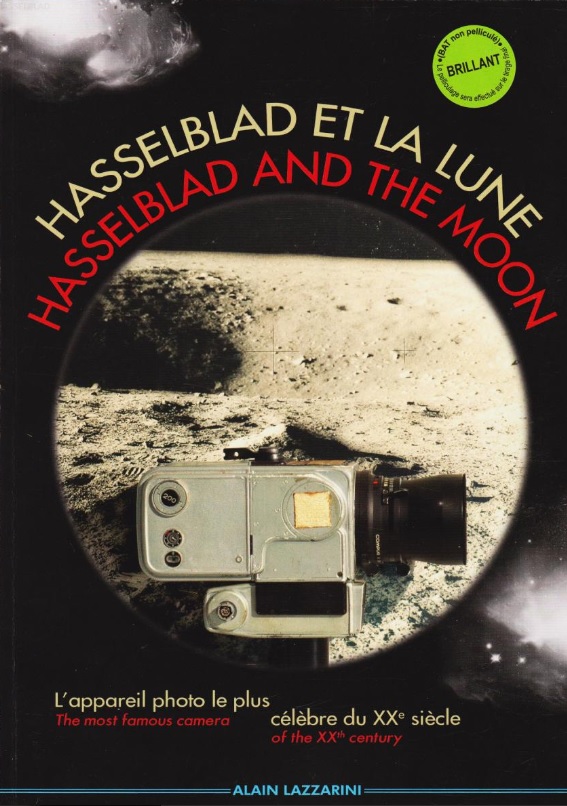
Hint: Interested in the Apollo-Hasselblad link & history, get the Hasselblad and the Moon book by Alain Lazzarini
.
 
Posts
1,615
Likes
3,859
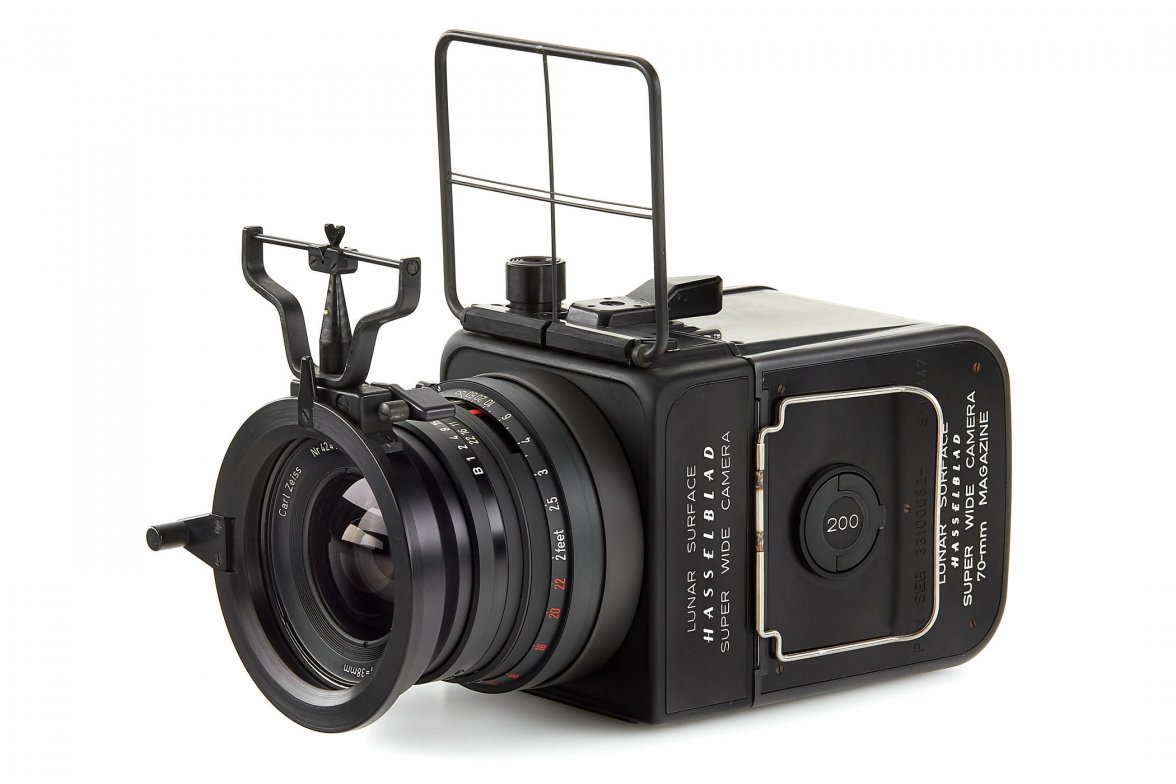
Isn't this a modified Super Wide and not a 500C (wrong caption)?

Hasselblad-NASA-Moonlanding-0000329.jpg
 
Posts
1,589
Likes
5,747
Isn't this a modified Super Wide and not a 500C (wrong caption)?

Exactly…
 
Posts
2,123
Likes
11,375
@Robert-Jan next time you are with Jim Ragan you should ask him about his work procuring and running the camera program for NASA. It is a subject that he really enjoys sharing, maybe even more so than watches.

Jim worked closely with Leonov and was one of the first NASA engineers allowed into Star City to work with the Russians setting up the planned photography for the ASTP mission. There was lots of logistics and many hours taking photographs in the Soyuz mockup so he could work with the filters so their interior images did not appear orange and matched the blue color the of the US lighting. Jim said the Russians were amazed at how quickly he could turn around a photograph and actually have it printed on paper vs. the time it took the Russians to do it.

Maybe he had a plan all along and that's why there are so many great Speedmaster pictures from ASTP.
 
Posts
9
Likes
20
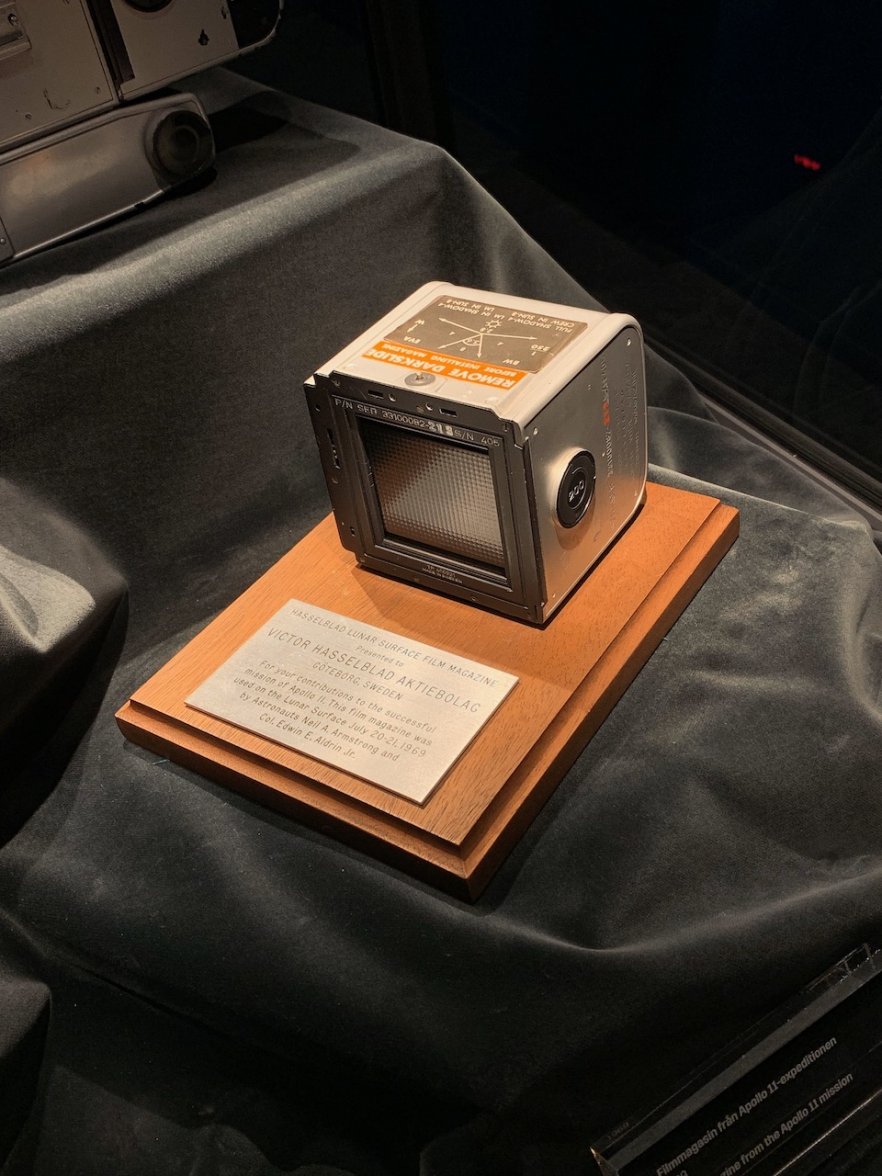
I live in Gothenburg, Sweden, where Hasselblad comes from. They have an exhibition hall called Hasselblad Center here that I visited this summer. To celebrate the 50 year anniversary they opened an exhibition called Hasselblad on the moon. It was a rather small exhibition but I was surprised to see they had one of the film magazined used on the moon during the Apollo 11 mission on display.

 
Posts
3
Likes
12
Thank you for your comment. I have checked it and partly altered the descriptions.

The camera is described exactly by NASA as an LSC (Lunar Surface Camera). While an SWC should have a fixed (38mm) lens, this camera has a removable lens. This is the information I got in full: "SWC is correct, though not a fixed lens. This one is removable. The SWC was needed by NASA. It was first used before the Apollo program, for the inside of the capsule, a very tight environment. The base Body is that of the 500 though"

Isn't this a modified Super Wide and not a 500C (wrong caption)?

Hasselblad-NASA-Moonlanding-0000329.jpg
 
Posts
1,572
Likes
5,710
@Robert-Jan next time you are with Jim Ragan you should ask him about his work procuring and running the camera program for NASA. It is a subject that he really enjoys sharing, maybe even more so than watches.

hi,

thanks for your comment. When I was in Singapore and Hong Kong earlier this year for the Speedy Tuesday events we spoke about cameras with Jim, who was our special guest. He talked a lot about Nikon during our trip, but I am sure he knows his stuff very well on Hasselblad as well. However, I am not so knowledgable about cameras and I didnt write this article. It is written by Gerard, who also responded in this thread. He was also joining me in Singapore and Hong Kong and perhaps had longer discussions on cameras with Jim than I had. I am mainly a watch guy, but I enjoyed Jim’s talk on Fischer Spacepens as well. But that’s for another time 😀
 
Posts
469
Likes
999
Thank you for your comment. I have checked it and partly altered the descriptions.

The camera is described exactly by NASA as an LSC (Lunar Surface Camera). While an SWC should have a fixed (38mm) lens, this camera has a removable lens. This is the information I got in full: "SWC is correct, though not a fixed lens. This one is removable. The SWC was needed by NASA. It was first used before the Apollo program, for the inside of the capsule, a very tight environment. The base Body is that of the 500 though"

wow Gerard, your first post on OF 😉 welcome 😀
 
Posts
3
Likes
12
Thanks @orlis

I didn't realize it, I've been 'lurking' for almost 5 years. But it seems true, the profile stats indicate it as well ;-)

JOINED: MAR 14, 2014
POSTS: 1
LIKES: 3

Cheers!

wow Gerard, your first post on OF 😉 welcome 😀
 
Posts
6,873
Likes
12,627
During Gemini X in July 1966, astronaut Michael Collins had to perform two spacewalks at & near the Agena target vehicle. On EVA 1, as he was concentrating on keeping his tether clear of the Gemini and Agena, Collins' Hasselblad camera worked itself free and drifted away, so he was unable to take photographs during the spacewalk... Hasselblad space debris
 
Posts
177
Likes
147
Isn't this a modified Super Wide and not a 500C (wrong caption)?

Hasselblad-NASA-Moonlanding-0000329.jpg
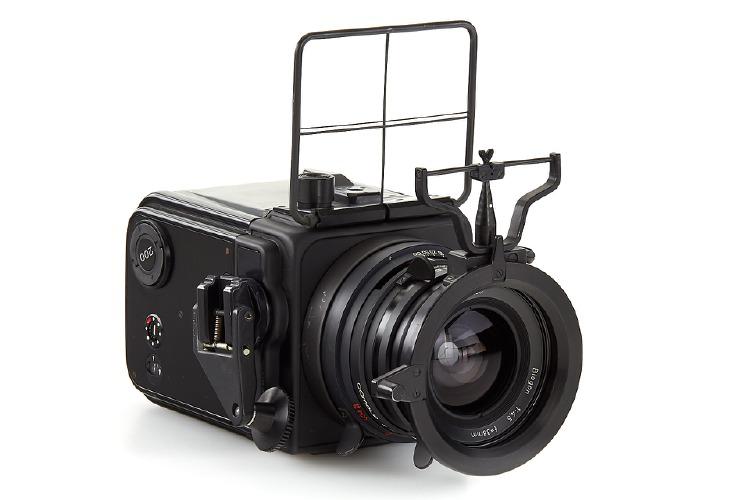
Yes, this is a customized Hassy Superwide with the 38mm Biogon, there is no regular viewfinder on top , and replaced with a frame finder because the long special magazine ( 70mm perforated film) on the back won't allow the viewing the regular viewfinder . they also added the ears on the focusing helicoid and the shutter speeds/F stops gear of the Biogon, for better handling using gloves. would be nice to see the other side where the advance crank is , to see how they modified that too
 
Posts
177
Likes
147
I just found that one of these Superwides moon cameras was just sold at the last Leitz Photographic Auction back in june 2020 for EU 43,200
so...these cameras are sought after !!
 
Posts
6,193
Likes
21,198
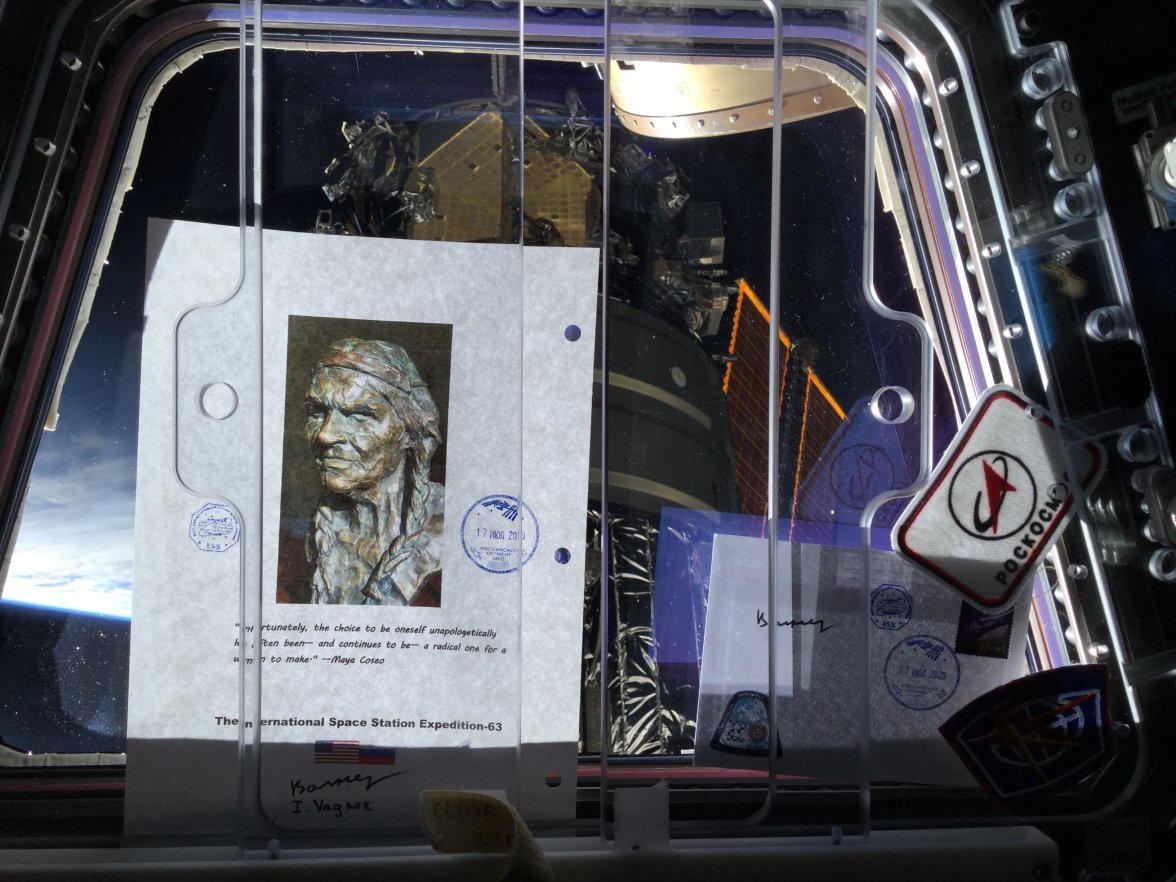
Times have certainly changed. Here is a photo recently taken with an Apple iphone on the ISS.


Not too shabby. Probably anathema to a Hasselblad aficionado.

(It's also shows a quote by my daughter and a bronze statue by a friend.)
 
Posts
531
Likes
1,183
There was the eternal Rolex vs Omega. Was there a Hasselblad vs Leica (or something else) and those juicy test episodes?
 
Posts
6,873
Likes
12,627
During American spaceflight missions, it was John Glenn who took the first hand-held camera onboard Mercury-Atlas 6 in February 1962
Glenn used a modified "Robot Recorder" with 35 mm lens as he became the first American to orbit the Earth during a 4 Hours 55 minutes flight.

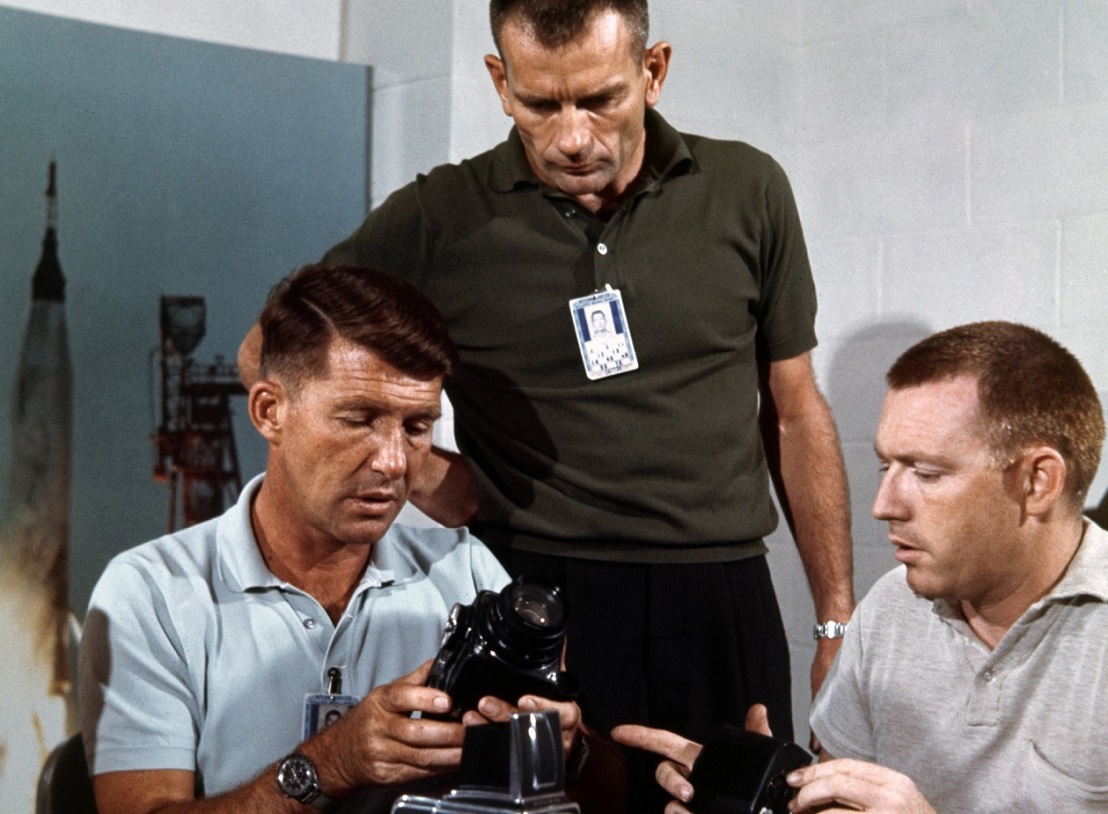
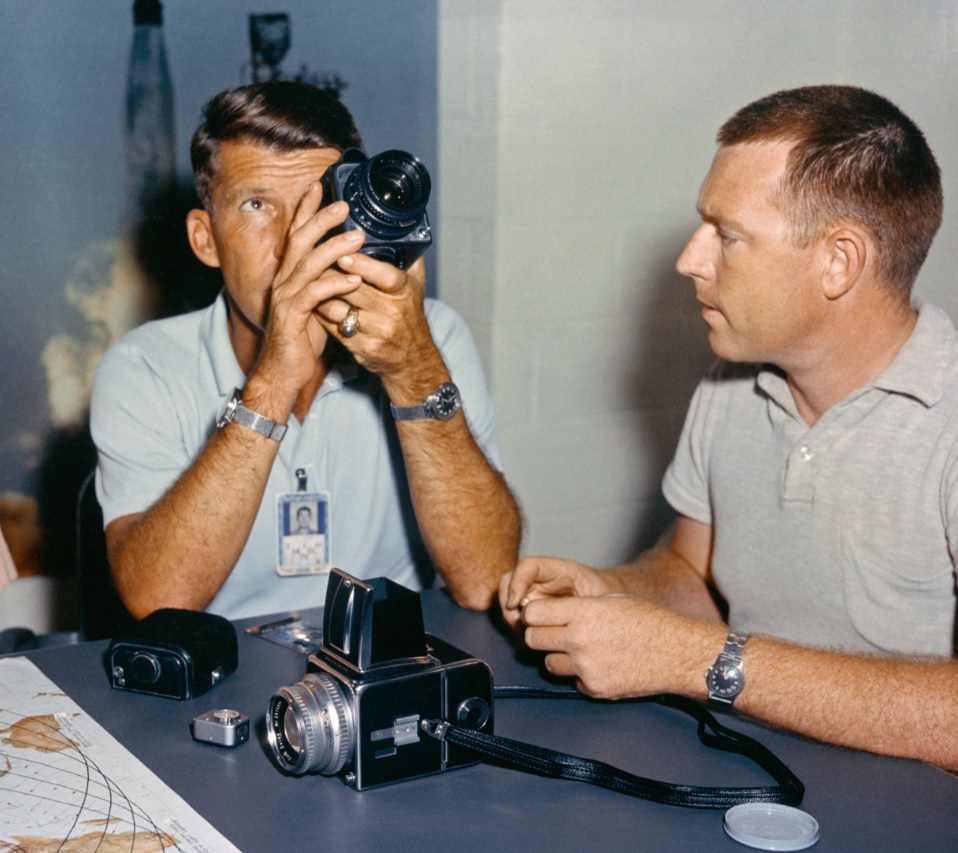
It looks like astronaut Walter "Wally" Schirra was a keen photographer and already owned a Swedish-made Hasselblad camera, so he proposed to use a single lens Hasselblad 500C reflex camera during his upcoming MA-8 "Sigma 7" spaceflight mission in October 1962.
Here's a September 1962 NASA photo series showing Schirra being briefed by engineer Roland "Red" Williams who modified the Hasselblad camera in order to save weight. Modifications included the removal of the large view finder & internal mirror so a straight eye-level could be used and the camera could carry larger film rolls...
.

.
 
Posts
6,873
Likes
12,627
Although, during MA-9 "Faith-7" astronaut Gordon Cooper made a lot of photographs using the same ANSCO "Robot Recorder" camera John Glenn had used previously... The usage of of hand-held photo cameras on US spaceflight missions really took off during the two man Gemini project.
NASA engineers had a preference for the robustly built Hasselblad cameras as flight requirements included interchangeable lenses and easy to load film rolls so the astronauts could switch between black & white and color of different sensitivity in the same camera body... by gloved hands !

First, NASA engineers modified the Hasselblad cameras themselves in order to save weight but soon a cooperation with the camera manufacturer was established. Hasselblad made an important improvement to their 70 mm magazine, so it could carry thinner film rolls...
COTS - Commercially Of The Shelf film rolls were about 6 meters long permitting 70 exposures, but for NASA, by eliminating the cartridge, this changed into 12 meters long permitting 200 exposures...
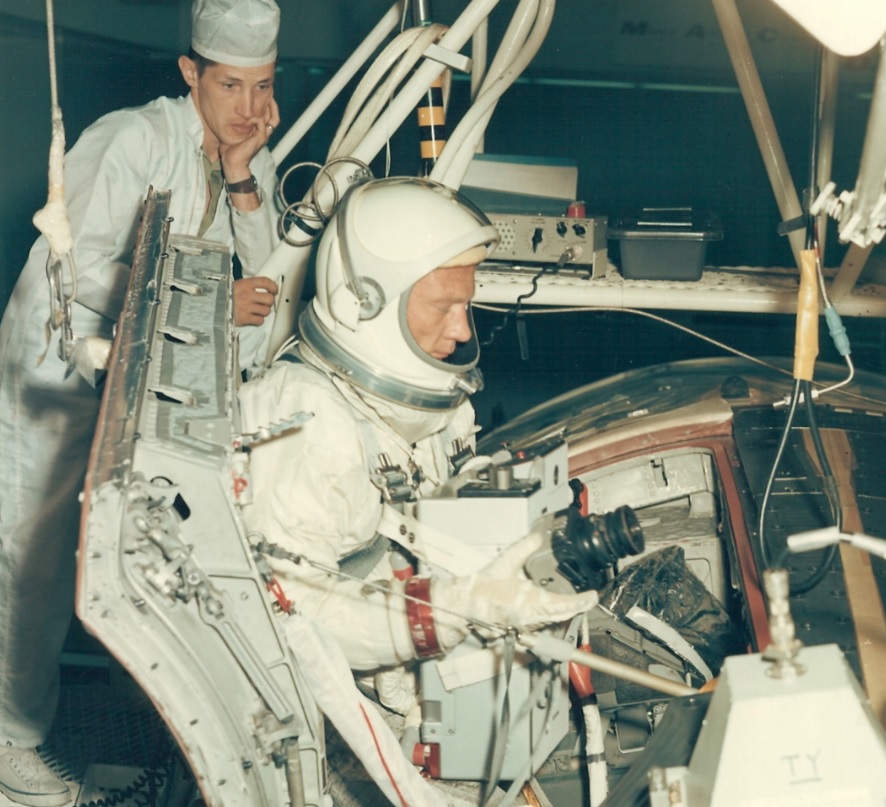
Here's a 1966 NASA photo showing astronaut Buzz Aldrin holding a Hasselblad camera during Gemini XII training... also note the NASA-issued Omega Speedmaster chronograph on a long white velcro strap over his left forearm;
.
 
Posts
6,873
Likes
12,627
June 1966, the first American-Swedish NASA - Hasselblad conference was held at MSC Houston, Texas and Victor Hasselblad himself took a great interest in NASA's challenging photographic requirements for the upcoming Apollo program.
Hasselblad set up a special technical department in Göteborg Sweden and the first NASA contract was signed in April 1967...
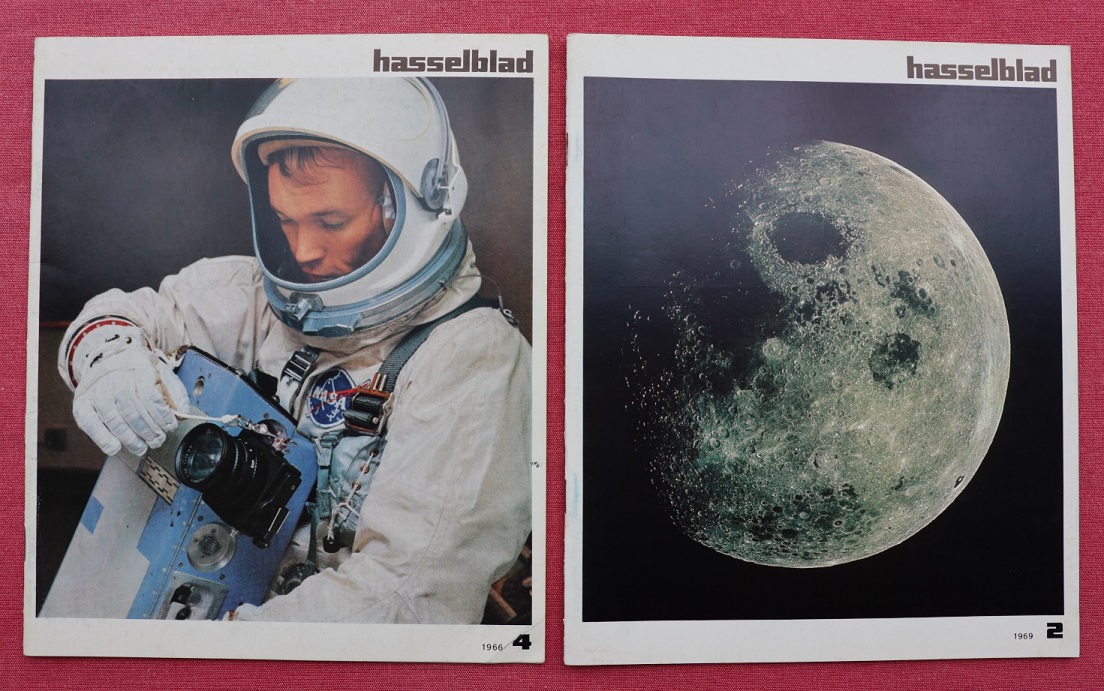
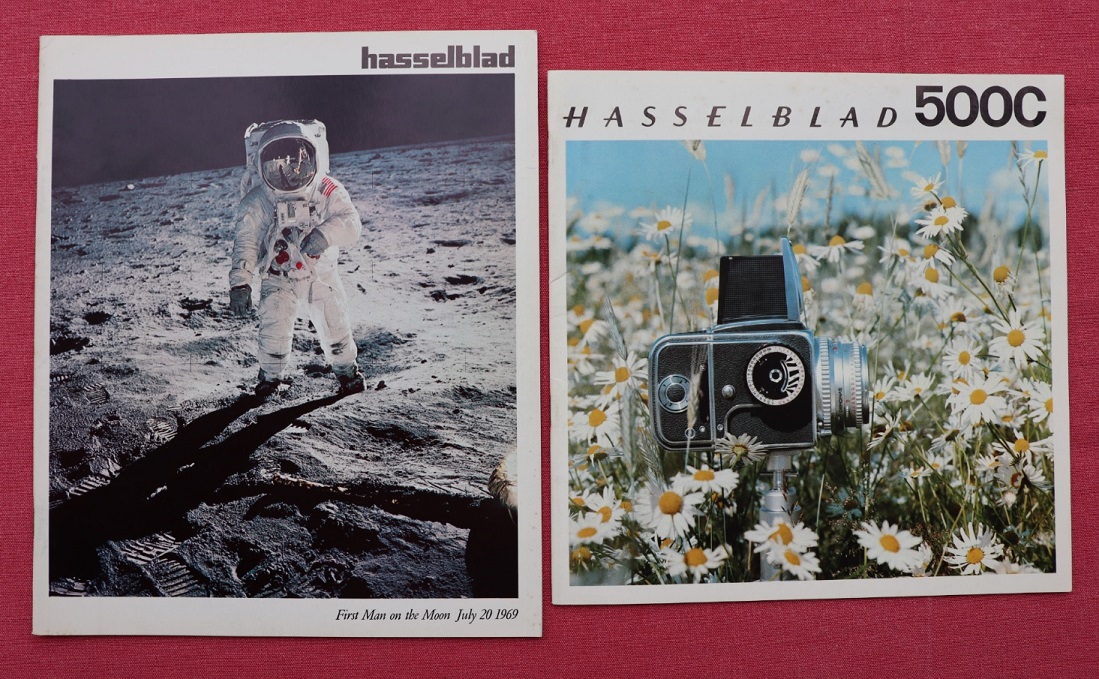
I like the fact that Hasselblad published informative articles in their 1960s Hasselblad brochures, a few examples seen hereunder;
(Photos: MoonwatchUniverse)
.

.