Great Grand Father’s Omega

Posts
12
Likes
0
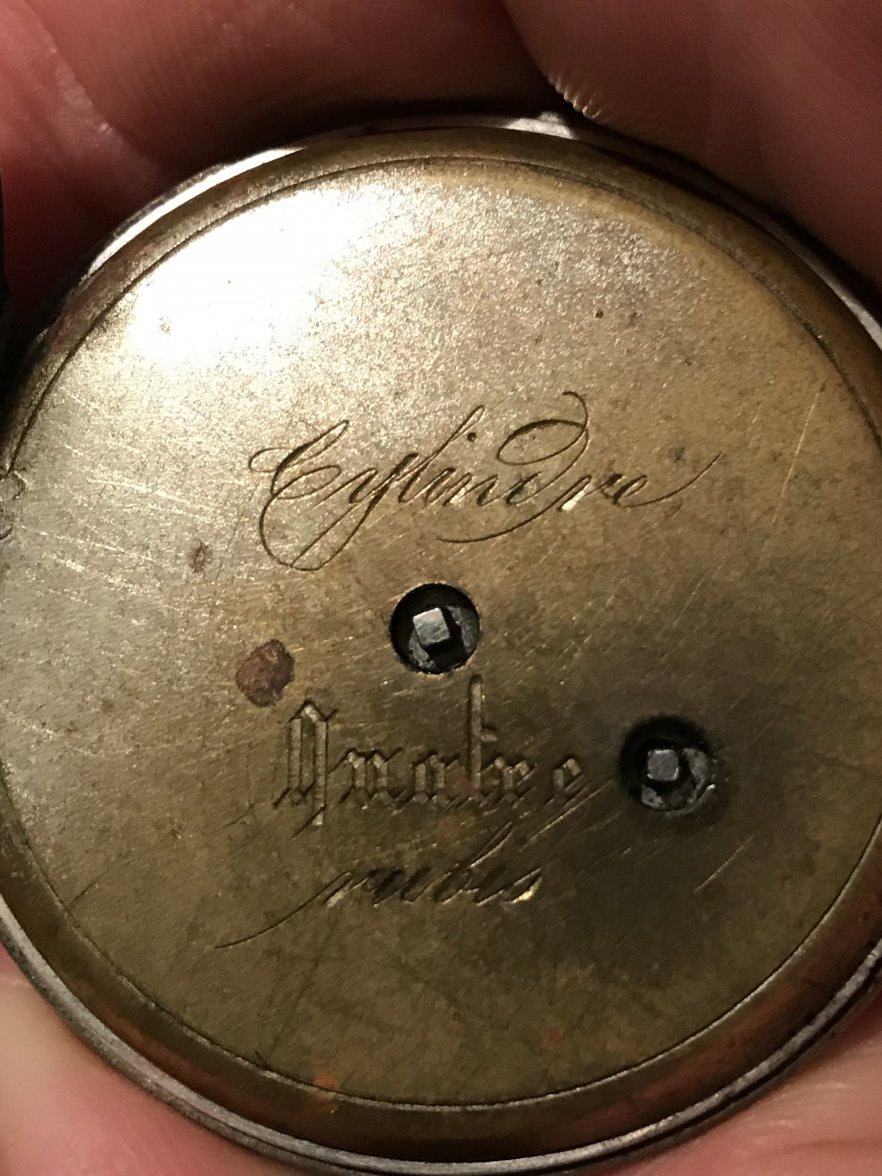
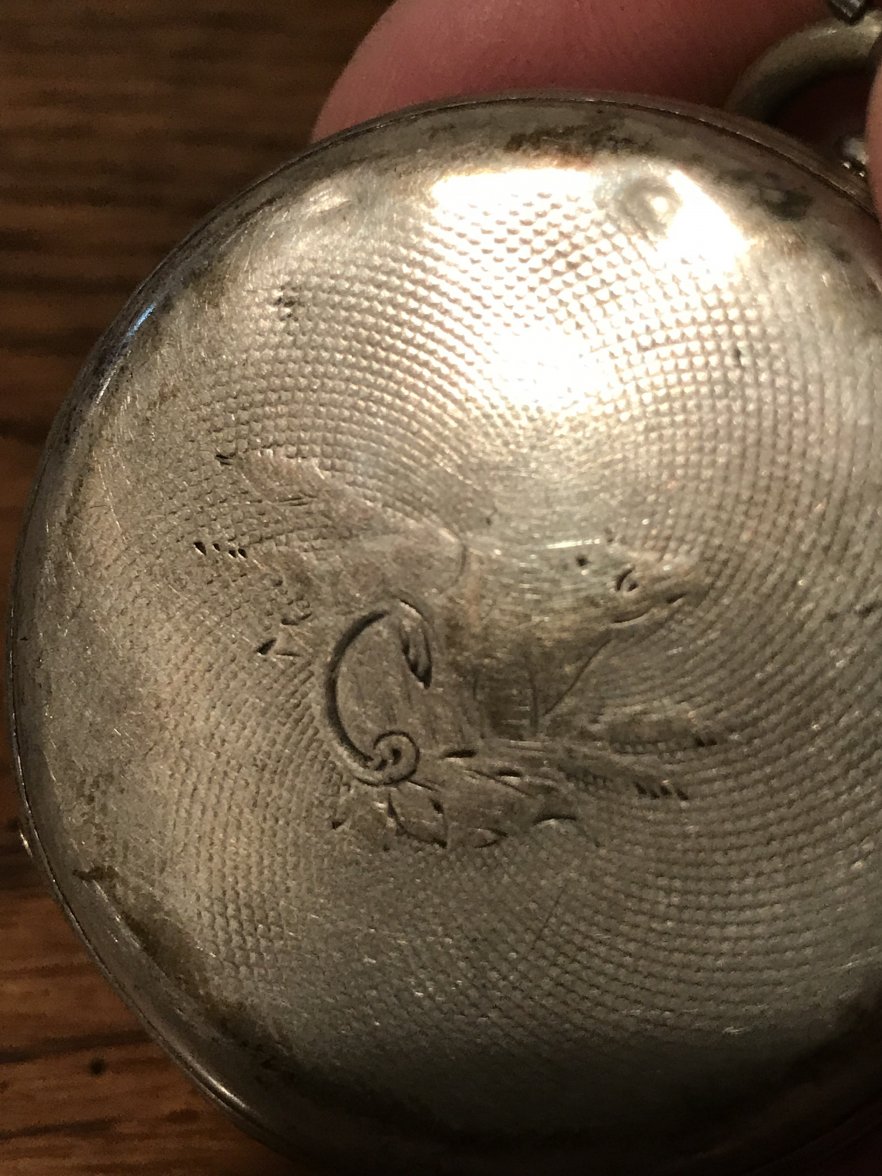
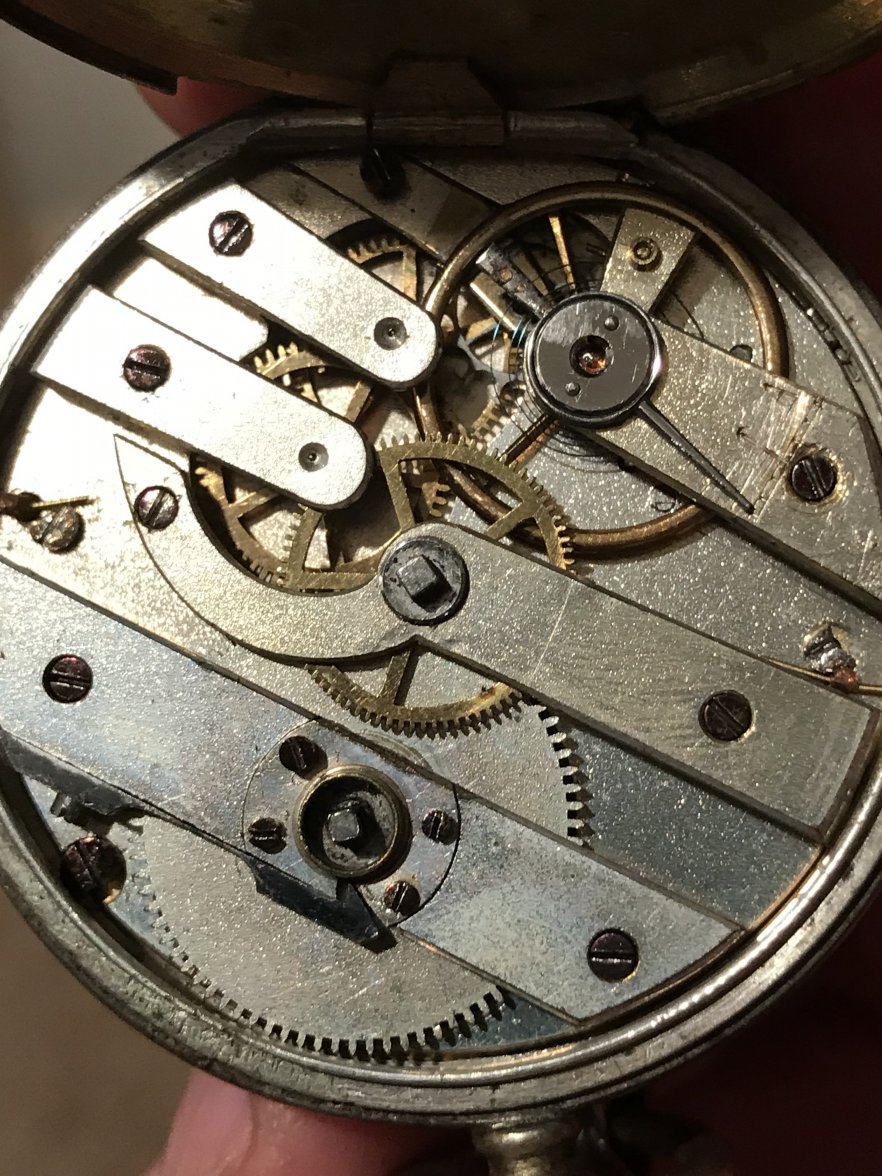
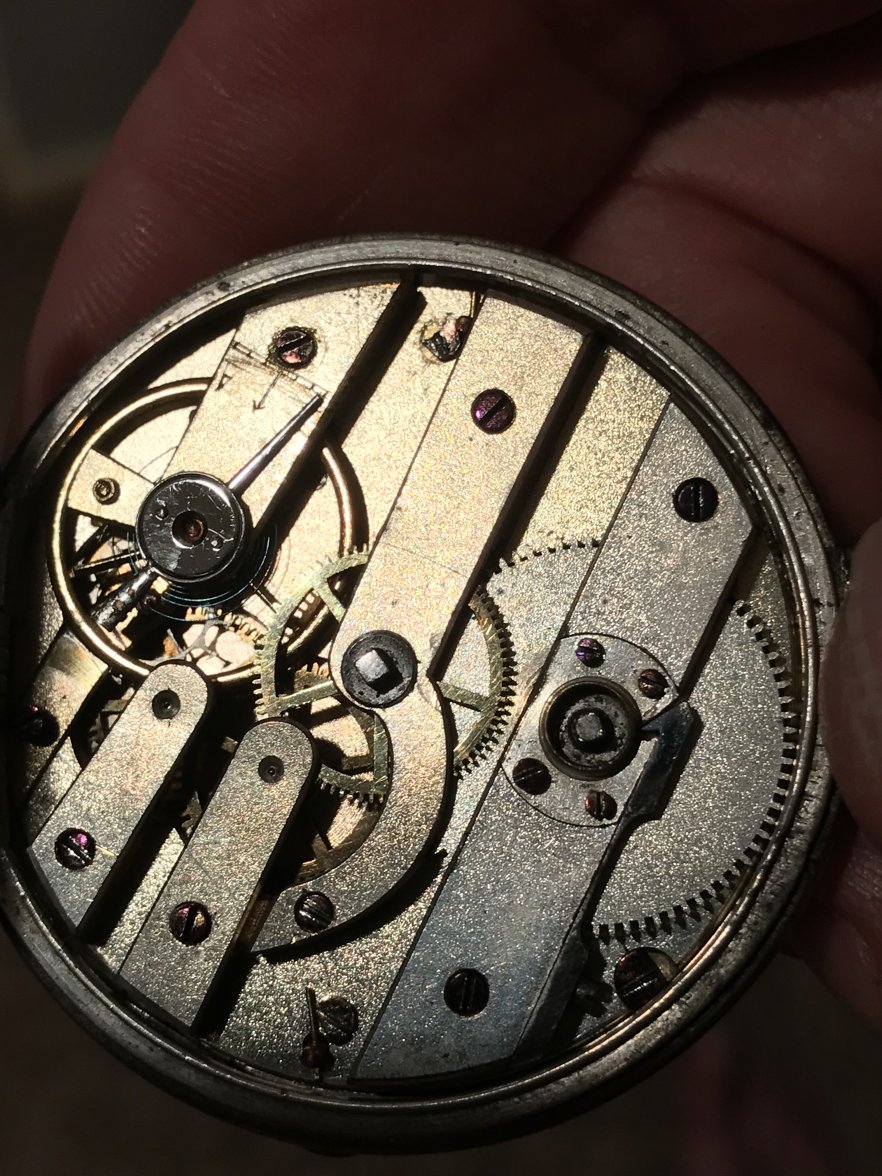
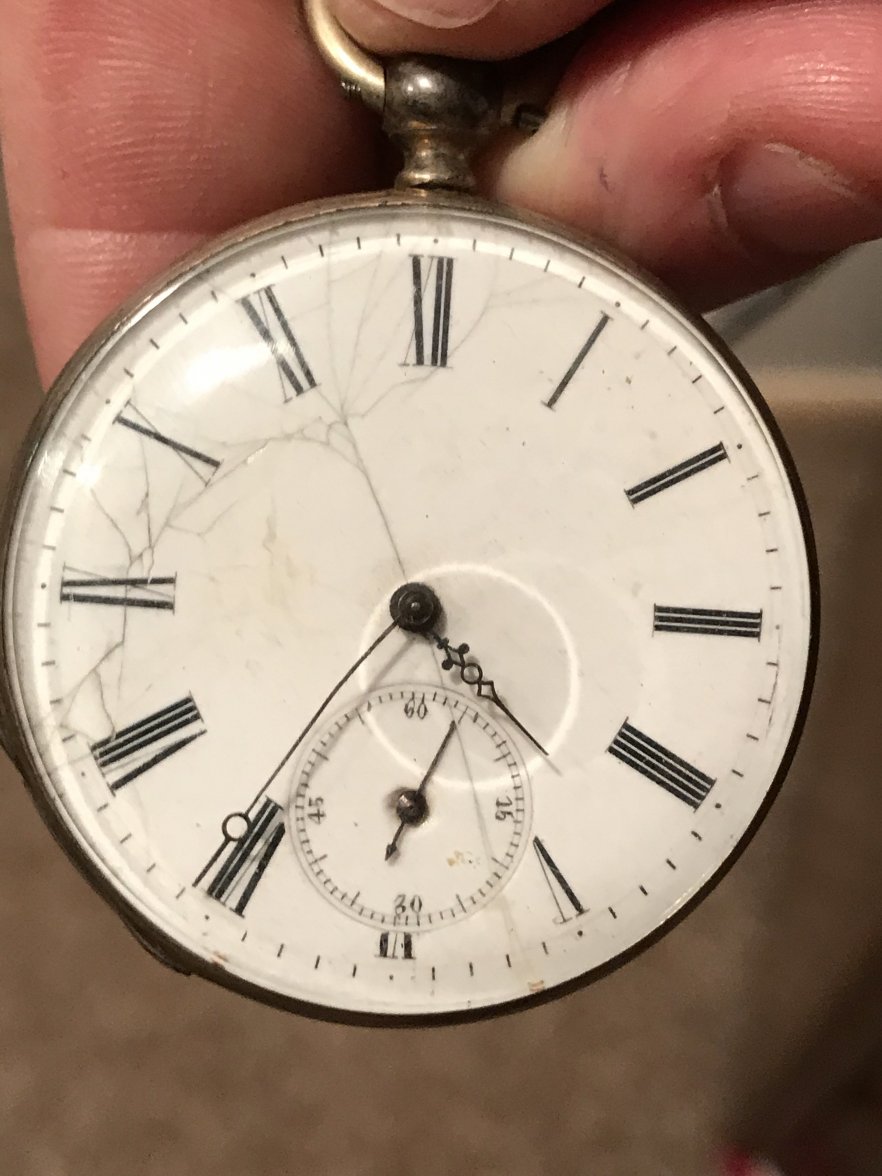
These are pics of my other Great Grand fathers watch. Any ideas on its provenance? I believe it to be older.
 
Posts
2,510
Likes
3,732
Regarding the mystery of the OPs watch movement.

I think it's one of Omega sister brands, before the company adopted the Omega name. The company made at least a dozen other brands like Patria, Labrador, Decimal, Regina and possibly the one of most interest here, Gurzelen.

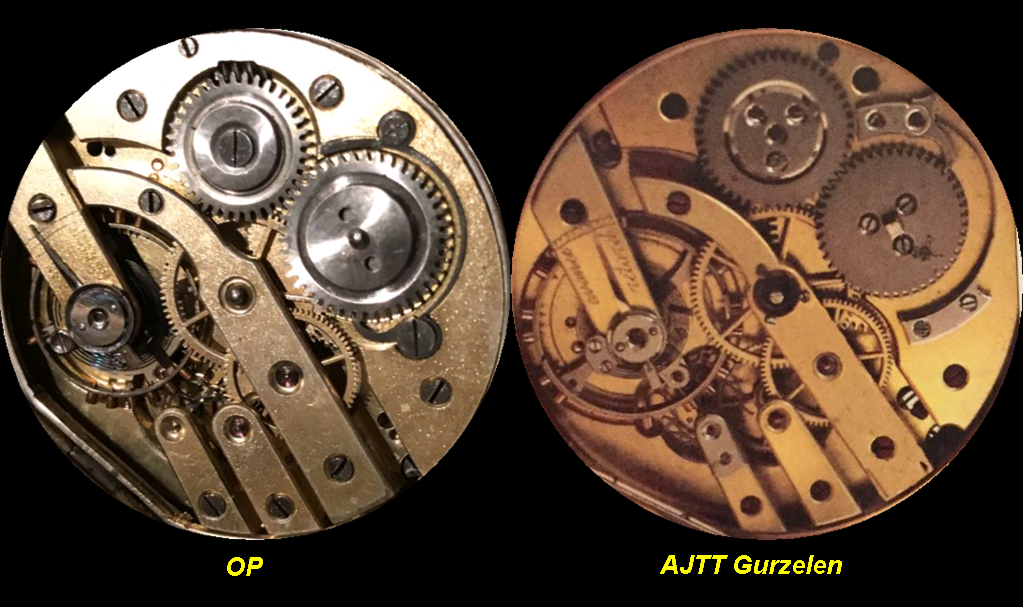
The OPs movement is, I am sure, a Gurzelen, possibly a Caliber 19'''.

The Brandt family were expanding rapidly toward the end of the 1800s and it's possible that a watch from the Gurzelen factory received an Omega dial to use old movement stock or to supply to a specific market. As so much time has passed, I can only offer suggestions.

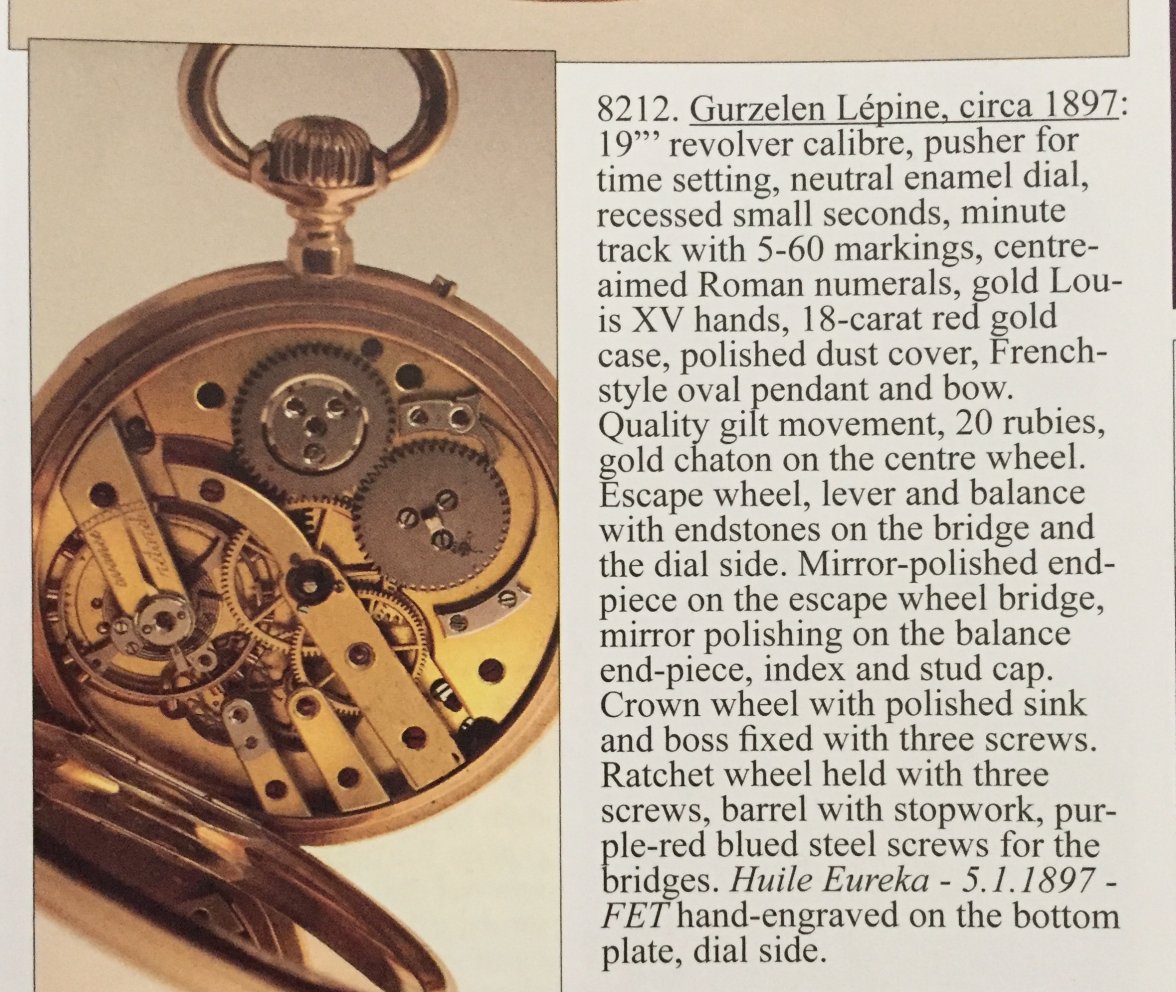
Here is a pic of a Gurzelen movement almost identical to the OPs.


I think the movement in the OP's watch seems to be more closely matched to the FHF 18":

FHF_18.jpg

It's not exact, but some of the details are a bit closer, such as the font of "Advance" and "Retard" as well as the visibility of the winding gear, and whatever the name for the spring is that goes around the large wheel gear.

http://www.ranfft.de/cgi-bin/bidfun-db.cgi?10&ranfft&2&2uswk&FHF_18
 
Posts
23,462
Likes
52,146
I think the movement in the OP's watch seems to be more closely matched to the FHF 18":

OK, that's two votes for Fontainemelon and one for Gurzelen. (Unfortunately, this is not a democracy and @JimInOz seems to be the most knowledgeable.) Where are those dial-side photos? 😀
Edited:
 
Posts
17,613
Likes
36,839
I think the movement in the OP's watch seems to be more closely matched to the FHF 18":

FHF_18.jpg

It's not exact, but some of the details are a bit closer, such as the font of "Advance" and "Retard" as well as the visibility of the winding gear, and whatever the name for the spring is that goes around the large wheel gear.

http://www.ranfft.de/cgi-bin/bidfun-db.cgi?10&ranfft&2&2uswk&FHF_18

Cylinder escapement, solid balance, setting pin position, different click/spring.

While it may look similar, there were many ebauche makers using this style with finger bridges and brands such as Langendorf, IWC etc also had very similar designs. Until we can see the dial side and the setting works I guess we are all guessing.
 
Posts
12
Likes
0
Anyone know a good watchmaker in Detroit and I’ll have it looked at?
 
Posts
560
Likes
1,440
Sorry, I come late to the party (working too hard!). I refer only to the OP's first watch.

I think JiminOz has covered most of this. I have a few comments to offer.

What we know from the case is that it’s a 15-jewel lever escapement movement, with a compensated balance and Breguet balance (nice!).

The case number (641298) could be from within the Louis Brandt ‘group’ - and if so could date it at about 1890 - 1892 (impossible to be more accurate). But this is not an Omega product - so the dial must have been replaced at some time (as already mentioned).

An excellent spot by JiminOz, to pick up the Gurzelen from AJTT. As he himself said, many makers used this layout of finger bridges etc. However, what is particularly close (and unusual) is the location of the cover hinge (‘bottom left’ in the images) - please see the attached image for comparison. There are (many) differences - but at the same time, Gurzelen would have produced this movement over many years and no surprise that there were differences.

 
Posts
560
Likes
1,440
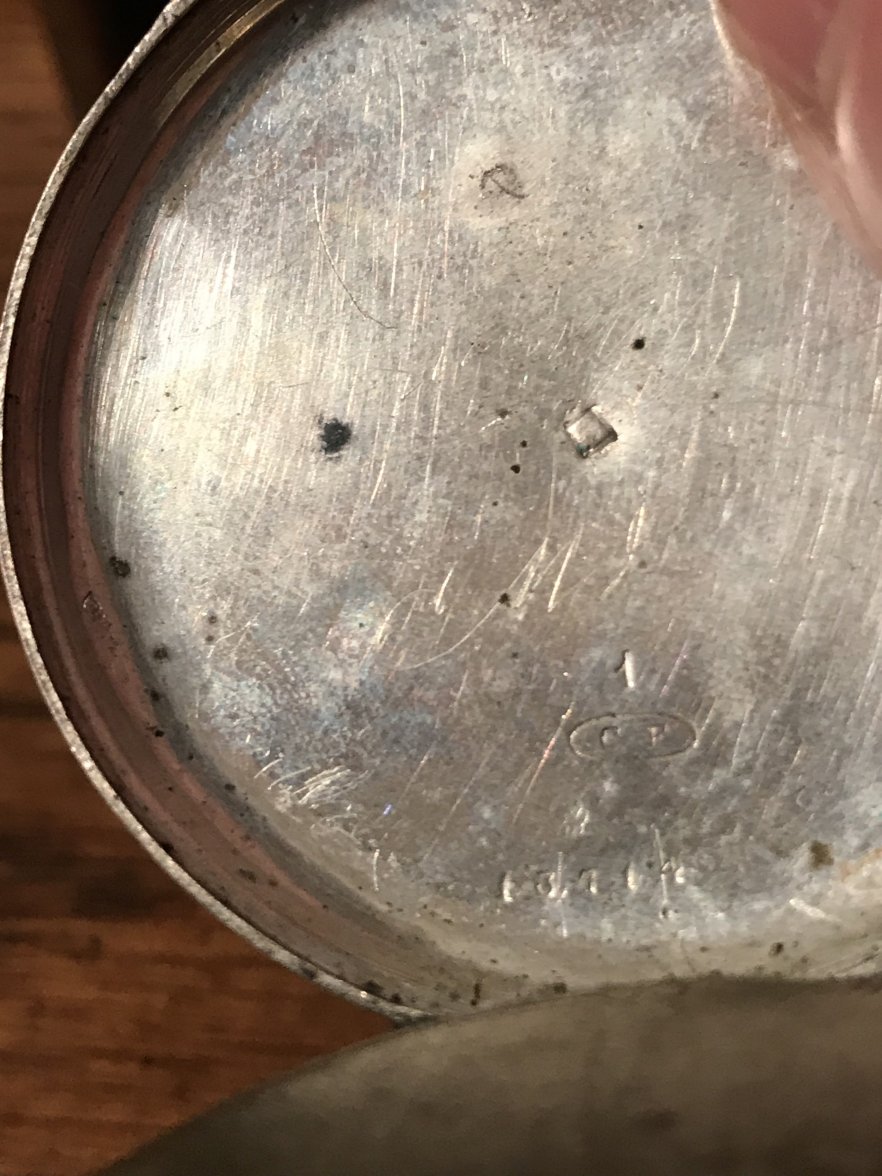
800 German silver
With all due respect, 'German silver' is a colloquialism for the nickel alloy Argentan (which contains no silver). This is a hallmarked silver case (albeit 800 not 925 - or even 935!).
Edited:
 
Posts
17,613
Likes
36,839
With all due respect, 'German silver' is a colloquialism for the nickel alloy Argentan (which contains no silver). This is a hallmarked silver case (albeit 800 not 925 - or even 935!).

Maybe I should have said "German 800 silver" (due to the crescent/crown hallmark) 😟.

Thanks for the pick up Tom.

Regarding the OPs movement compared to the "Gurzelen". I've researched all of my available resources (Jobin, Catalogue Officiel Tomes 1/2 and Paulsons and internet) and while I've found many similar movements, I could find none with the particular click/spring configuration, as well as one or two other "fingerprints".

I hope we can see the dial side of the movement soon.
 
Posts
12
Likes
0
I'm finding someone to work on it so I will get the pics of the dial side asap
 
Posts
602
Likes
548
Really enjoyed reading this thread, thanks for the contributions. The hands on the OP's watch are particularly interesting, any idea how these were made? were they stamped out ?
 
Posts
12
Likes
0
@JimInOz and @OMTOM any thoughts on the other watch I posted. I’m working on getting the first worked on so I can post pics of the dial side!!
 
Posts
2,520
Likes
17,831
Thread of the week, for me at least. I love it when we’ve provoked the sages to come out of their caves. 😀
 
Posts
17,613
Likes
36,839
@JimInOz and @OMTOM any thoughts on the other watch I posted. I’m working on getting the first worked on so I can post pics of the dial side!!

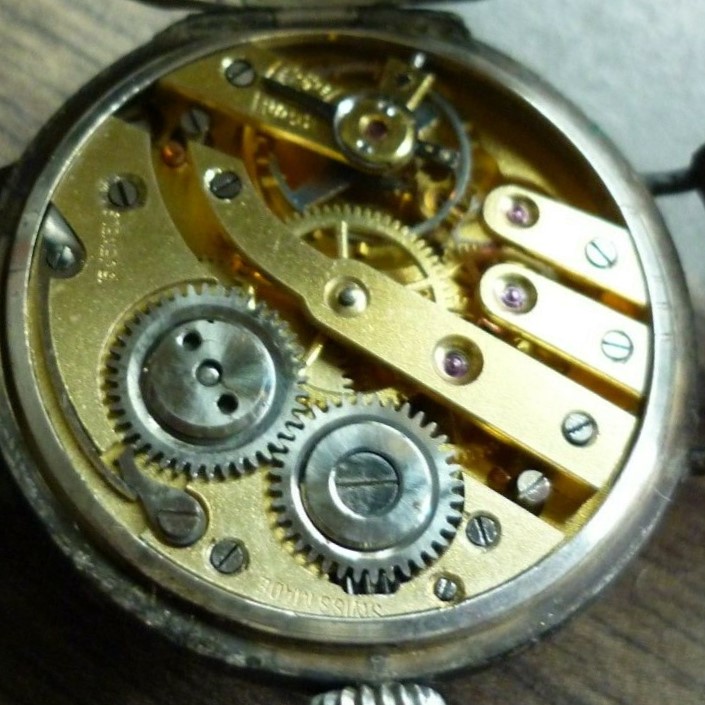
My thoughts on this one.

It's a basic Swiss key wind movement, possibly from the mid to late 1800s and very similar to some of the watches produced by the company of Henry Capt of Geneva.

It has a cylinder escapement and a low jewel count (4 jewels). This is not unusual for a cylinder escapement as they don't require a jewel on the balance wheel or pallet jewels. Winding and time setting is done at the back of the watch with a key normally attached to the watch chain.

Once again, the lack of makers marks on the case and movement and no brand on the dial make it hard to identify it as anything other than an old Swiss key wind pocket watch.

The only way to find further information is to check the mainplate under the dial in the hope that there are some stamps or marks there but I suspect this is a caliber from one of the hundreds of watchmakers working in "Watch Valley" at the time.
 
Posts
17,613
Likes
36,839
Coincidently, I just received this today in a newsletter from my watch broker 😉.

Note the construction of the movement, but finished a a much higher grade and with a lever escapement.

205j7xFCNMydy7vuVGOun-iB_pdpo8aYDmOOgOf_PtxJjqGI2lBBBV0OkfEdlilOLKvEfkajAcFRHfbktwZ4gQWEl7WxHjOMWB3s9k45nKqQPjQ_Pes=s0-d-e1-ft

The full description for general interest.

1870 Serkisoff Pocket Watch Silver Case

Serkisoff was an Armenian who had a watch trading business in Constantinople. The watch movements were made by Zenith, signed Billodes. The watch business was successful and plenty of Serkisoff's pocket watches have survived to this day. However, most of them are heavily worn out, with cracked porcelain dials and beaten up silver cases.

Our pocket watch dates from around 1870. Key wound and key set, with a silver case. This was the very watch that was sold at the time as a 'status symbol' - a kind of Rolex of today, worn proudly on a silver chain.

I am not even going to spoil your research on "Turkish Numerals", wealthy merchants and the whole story of how an Armenian Christian managed to run such a successful watch business in the heart of the Ottoman Empire. What I can guarantee is that the more you emerge yourself in research the more you will appreciate this piece - and this is what horology is all about.

Price $1,250

II13QTdeXl7nEPDviGJk4cJcObF9yYrGH4gznhYbC44Nwb-239BlTGFZ--fCixSHKgWt75za2ltc8hPM5gSLGjDc6kMYlvFE_ccX_mN2f94L5IVe-rs=s0-d-e1-ft

r7ntXTFguzpChRkw616OaNluT8IiAuTZB1O_bLFLAiEexuWcFr6jYoVFd1GdqfrutI26HQDKZvLm1iM6vfhKyb77qqmWnNtqVNqv3UyoYZwnsYDA3V-_=s0-d-e1-ft
 
Posts
428
Likes
1,447
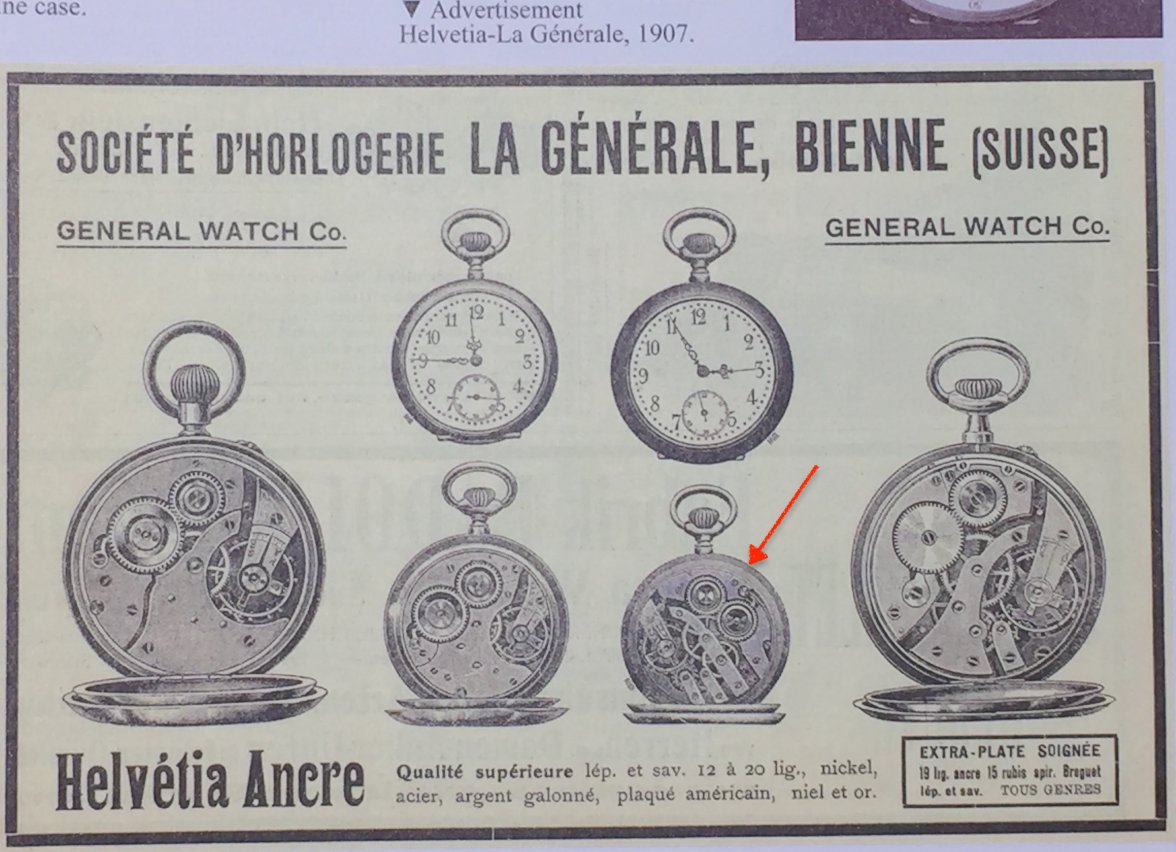
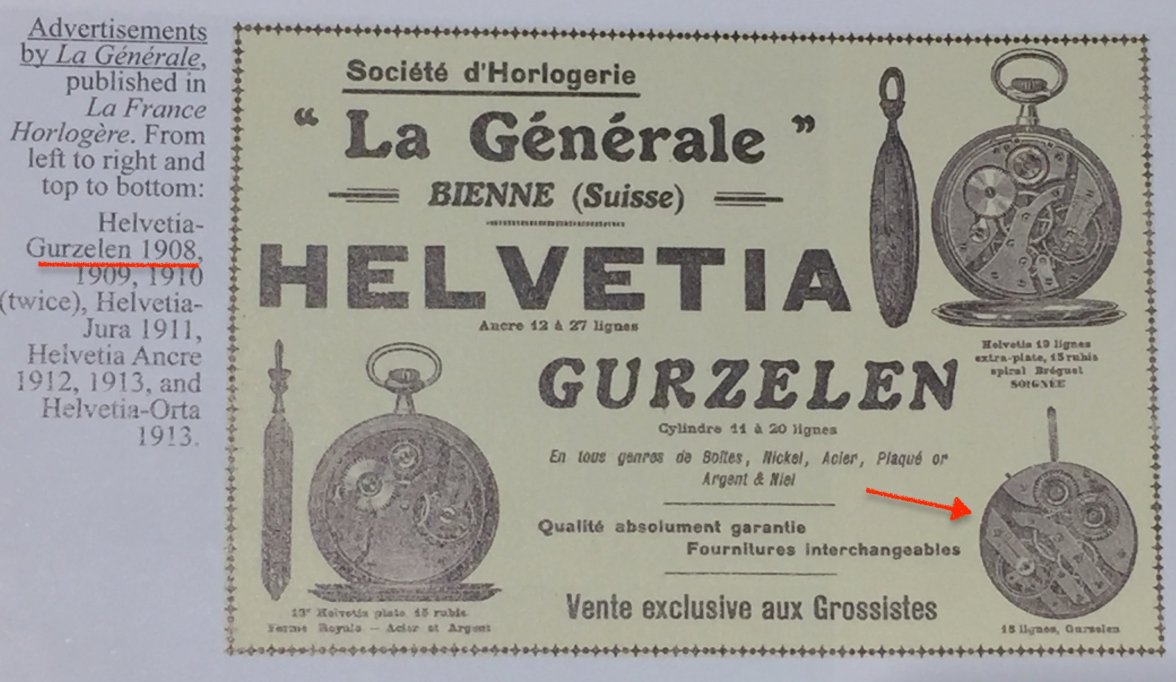
The Gurzelen movement is also shown in Brandt company (La Gènèrale) advertising in 1907 and 1908, which is after the Omega brand was established and leads me to the conclusion I stated above.


Hello Jim,

I am trying to tie down the early history of the General Watch Company and Helvetia as a separate company from Omega. Do the adverts you posted above relate to the company when it was still part of the Brandt family do you know? Is there any clue in the text of the book?

I was led to believe they were independent by about 1905 but that seems too early looking at these adverts.

Thanks for your help. Carl.
 
Posts
428
Likes
1,447
Regarding the mystery of the OPs watch movement.

I think it's one of Omega sister brands, before the company adopted the Omega name. The company made at least a dozen other brands like Patria, Labrador, Decimal, Regina and possibly the one of most interest here, Gurzelen.

The OPs movement is, I am sure, a Gurzelen, possibly a Caliber 19'''.

The Brandt family were expanding rapidly toward the end of the 1800s and it's possible that a watch from the Gurzelen factory received an Omega dial to use old movement stock or to supply to a specific market. As so much time has passed, I can only offer suggestions.

Here is a pic of a Gurzelen movement almost identical to the OPs.


Sorry, I come late to the party (working too hard!). I refer only to the OP's first watch.

I think JiminOz has covered most of this. I have a few comments to offer.

What we know from the case is that it’s a 15-jewel lever escapement movement, with a compensated balance and Breguet balance (nice!).

The case number (641298) could be from within the Louis Brandt ‘group’ - and if so could date it at about 1890 - 1892 (impossible to be more accurate). But this is not an Omega product - so the dial must have been replaced at some time (as already mentioned).

An excellent spot by JiminOz, to pick up the Gurzelen from AJTT. As he himself said, many makers used this layout of finger bridges etc. However, what is particularly close (and unusual) is the location of the cover hinge (‘bottom left’ in the images) - please see the attached image for comparison. There are (many) differences - but at the same time, Gurzelen would have produced this movement over many years and no surprise that there were differences.
Hello,

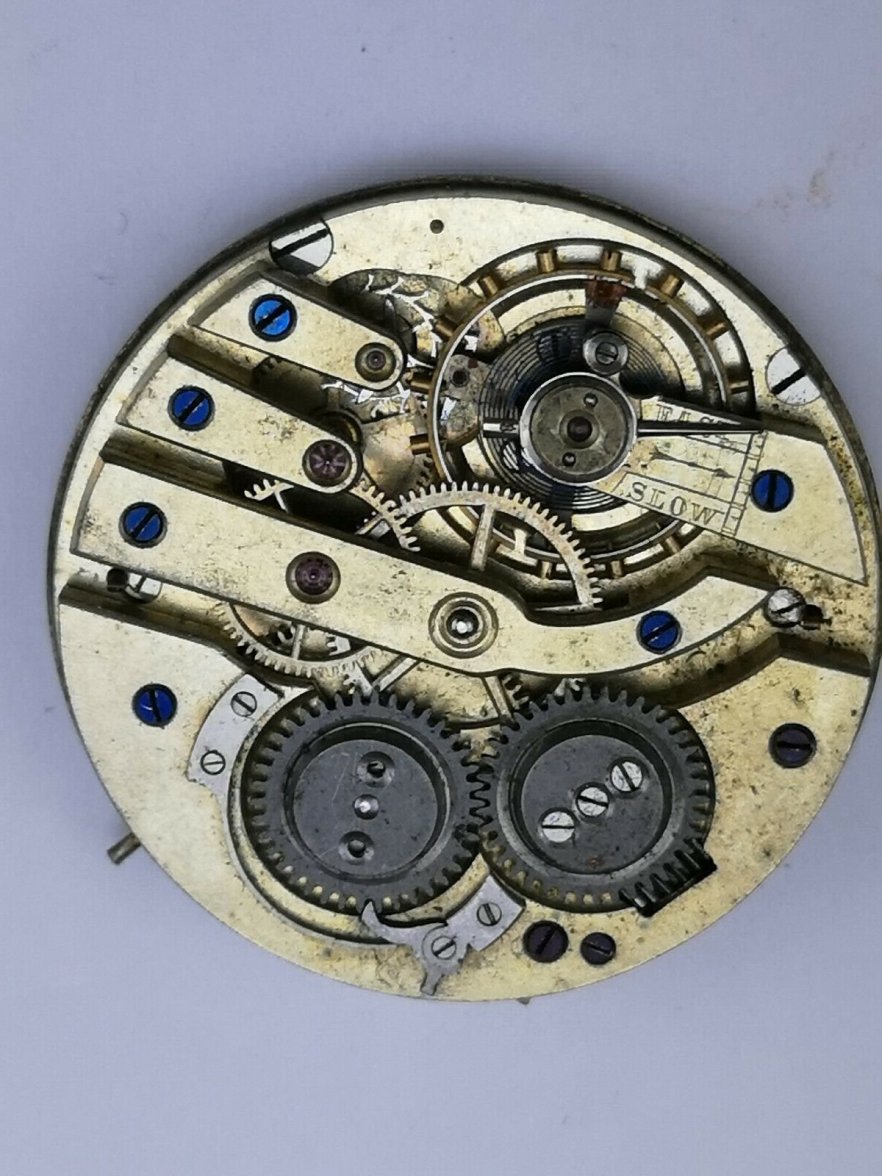
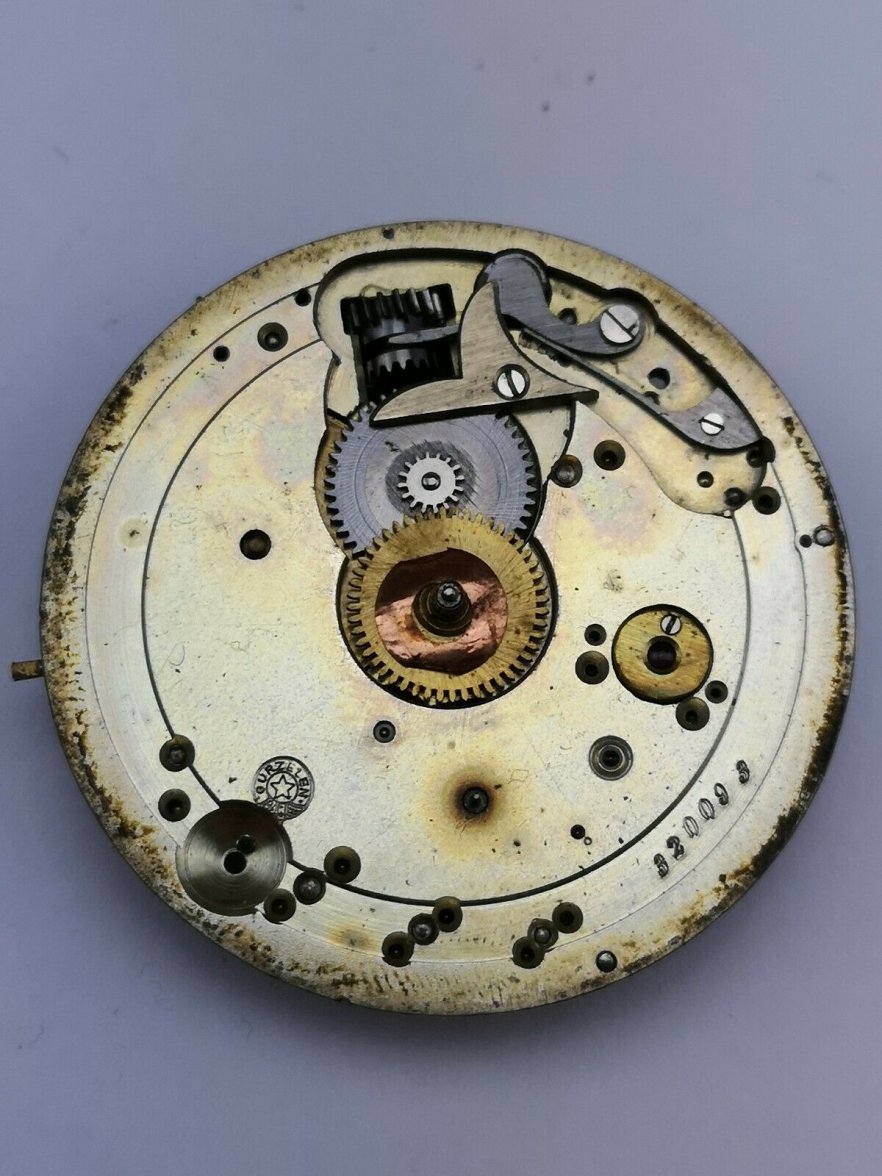
Thought I'd resurrect this as I have been looking at Gurzelen movements lately.

Here is a Gurzelen marked movement that just sold on eBay, I'm 99% sure it is a version of the OPs. The hand setting mechanism is similar to later General Watch Co/Helvetia trench watch movements.


And here is another for sale on Etsy in a watch marked George Favre-Jacot who was the founder of Zenith I believe so a bit of a puzzle. General Watch Co were quite a large supplier of movements to other manufactures at the time however. This one looks almost identical to the on in the advert @JimInOz posted.


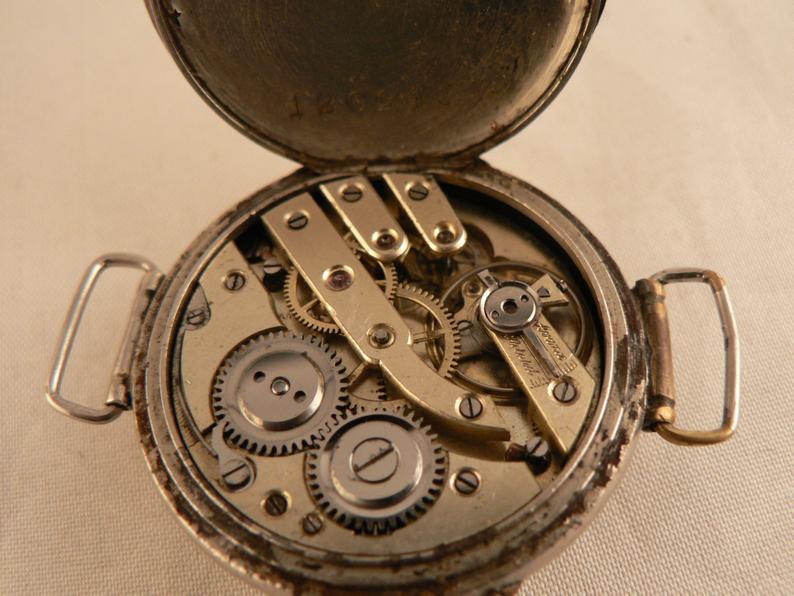
The reason I am interested is that I have just bought a Trench watch with the movement below which I believe is again a version of the Gurzelen movement. The dial is, unusually for the time (1917), Marked 'Helvetia 15 Jewels Lever Swiss made'. Helvetia were a brand alongside Gurzelen in the General Watch Co stable so it makes sense that this could be a Gurzelen. I did think it might be an A Schild 137 but now I am leaning towards the Gurzelen. When it arrives I will check out the setting mechanism.


What do you think? Thanks. Carl.
Edited: