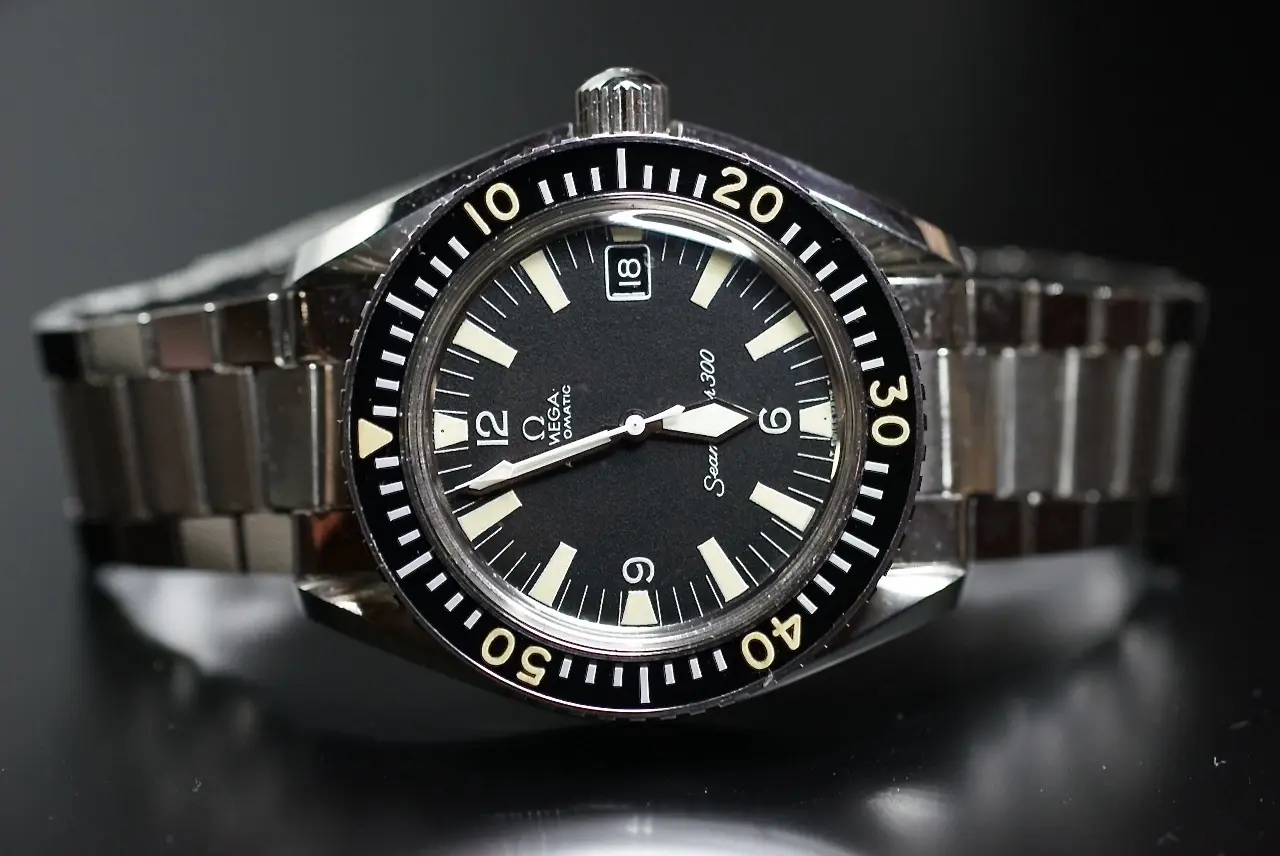
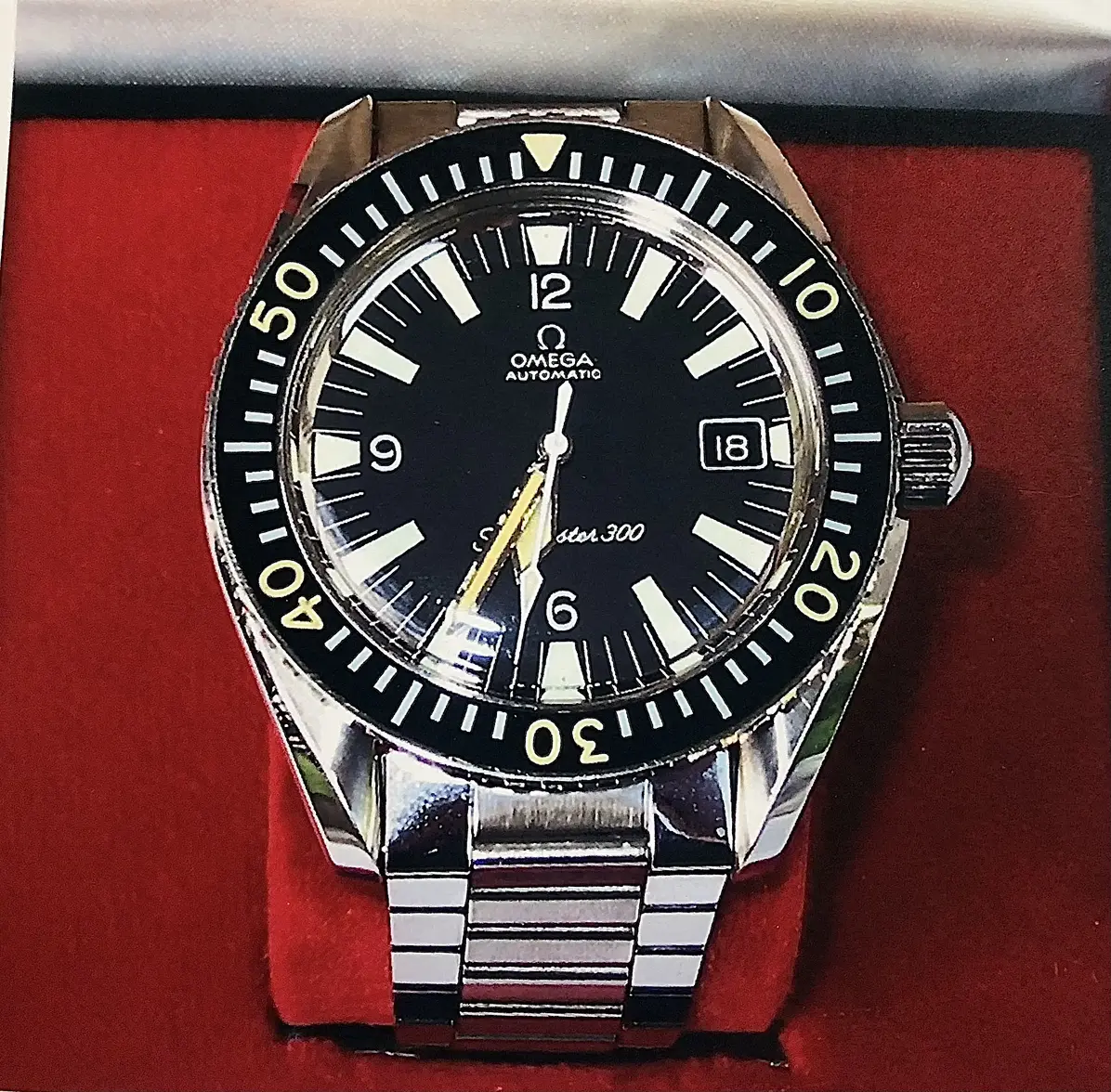
General Interest photo of a Seamaster 300

Posts
84
Likes
104
A photo for general interest which I took in the 1980’s with the view of asking Omega what went wrong here.The hour and minute hands chrome edging developed rust over their surface. Watch had never been opened nor near water.
 
Posts
5,505
Likes
9,405
Looking back on this 40 or so years later, what is your best guess/ theory on the rust?
 
Posts
23,679
Likes
52,618
It seems unequivocal that rust is caused by moisture. As the seals degrade, moisture can enter.
 
Posts
2,827
Likes
5,792
Do you still have the watch? What’s its current condition? Photos?
 
Posts
2,449
Likes
3,829
Probably galvanic corrosion from dissimilar metals in contact between the handset and the center wheel pivot combined with internal humidity. There's a reason modern luxury watch hands are rhodium-plated, painted, or made of gold.

Don't call it rust. Call it "patina" to sell it for a higher price!
 
Posts
718
Likes
752
Doesn’t look like rust, but pitting on the hands. Pretty common with Omega hands from this era. Could be caused by the lume binder reacting witj the metal or humidity where the watch was stored.
 
Posts
84
Likes
104

Heres a bit of watch history of about what not to do


Ive discussed this before it doesn’t hurt to go over the hole I fell into regarding keeping originality .
From the early 1980’s when i noticed these hands appeared rusted, I was so disappointed with this watch i put the watch in a box and forgot
about it for about 25 years .In 2004 very naively I sent the watch thru the local Omega retailer’s service department to Swatch for what I thought would be just replacing the hands, mind you at that stage I wasn’t in any forum or had any peer group advice.
I’d never encountered the words “ keep the watch original” until I joined this forum in 2015.
Yes they replaced the hands with the current genre and the crown and the crystal and a dis mantle and clean to boot , for a princely sum of a bit over $600 (AUD 2004)
Look was I happy with the outcome , yes the work was done by a top guy from Bienne working here in Melbourne was first class. I was disappointed with scratched case back and dented 1039 band.
 
Posts
84
Likes
104
Looking back on this 40 or so years later, what is your best guess/ theory on the rust?
thankyou, Ive got no idea, but I had a suspicion it may of had something to do with the tritium
 
Posts
84
Likes
104
It seems unequivocal that rust is caused by moisture. As the seals degrade, moisture can enter.
Moisture a contributor but, watch seals were all good.
 
Posts
23,679
Likes
52,618
Moisture a contributor but, watch seals were all good.
So the watch was pressure tested regularly? That's the relevant issue, not just whether the seals were apparently "good". Many people can sadly testify that a watch is water-tight ... until it isn't. That's by far the most likely scenario.
Edited:
 
Posts
718
Likes
752
Is it a WatchCo Seamaster 300?
No, seems to be an original, especially given the back story with OP having it stored away from the 1980s to 2004.

Moisture a contributor but, watch seals were all good.
So the watch was pressure tested regularly? That's the relevant issue, not just whether the seals were apparently "good". Many people can sadly testify that a watch is water-tight ... until it isn't. That's by far the most likely scenario.
I echo Dan’s comment.

1980 is 10+ years from when this watch was new. Were the caseback gasket and crown replaced at regular service intervals? The crowns have a non-servicable gasket inside.

Alternatively, you could have opened the crown to set the time in a very humid environment, resulting in some moisture being locked inside.

Keep in mind that this is a watch designed in the mid-1960s and probably produced in the late 60s or 1970ish. Dial and hand makers were still experimenting in this period with materials, paints, varnishes, and waterproofing designs.
 
Posts
3,373
Likes
6,572
Nice looking SM300. Safe queen currently or being used ?