- Posts
- 2,829
- Likes
- 4,945
DirtyDozen12
·Some Background
Longines serial numbers began in 1867 (source: Patrick Linder). It was at this time that Longines began to produce its own movements (source: Patrick Linder). Most early pieces have serial numbers that are only visible on the cases rather than the movements. These early cases often had no markings that mention Longines. Up until the Swiss introduced standard hallmarks for precious metals in 1880, silver cases (at least) often had no hallmarks either (source: http://www.swisshallmarks.com/). In the same year, Longines set up a workshop to make their own silver cases (source: http://www.watkinsr.id.au/Francillon.pdf).
An Early Example
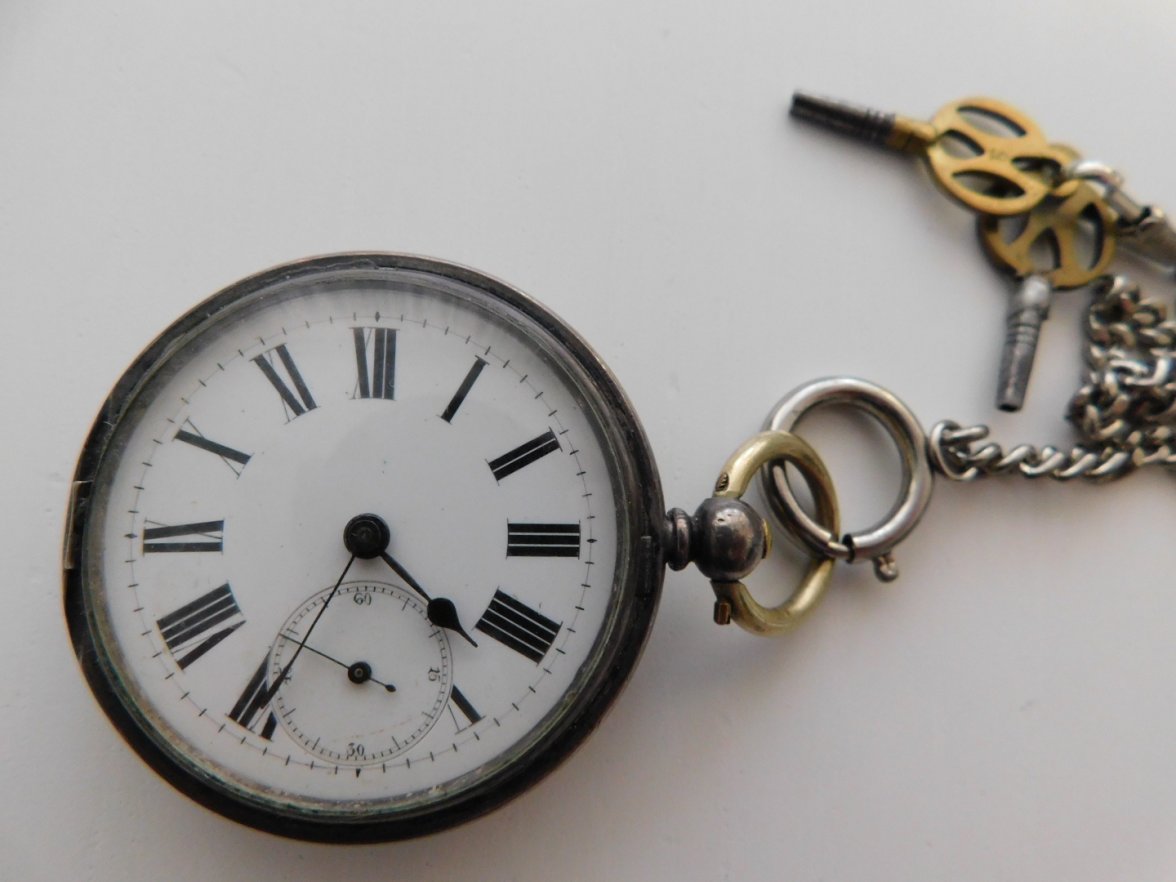
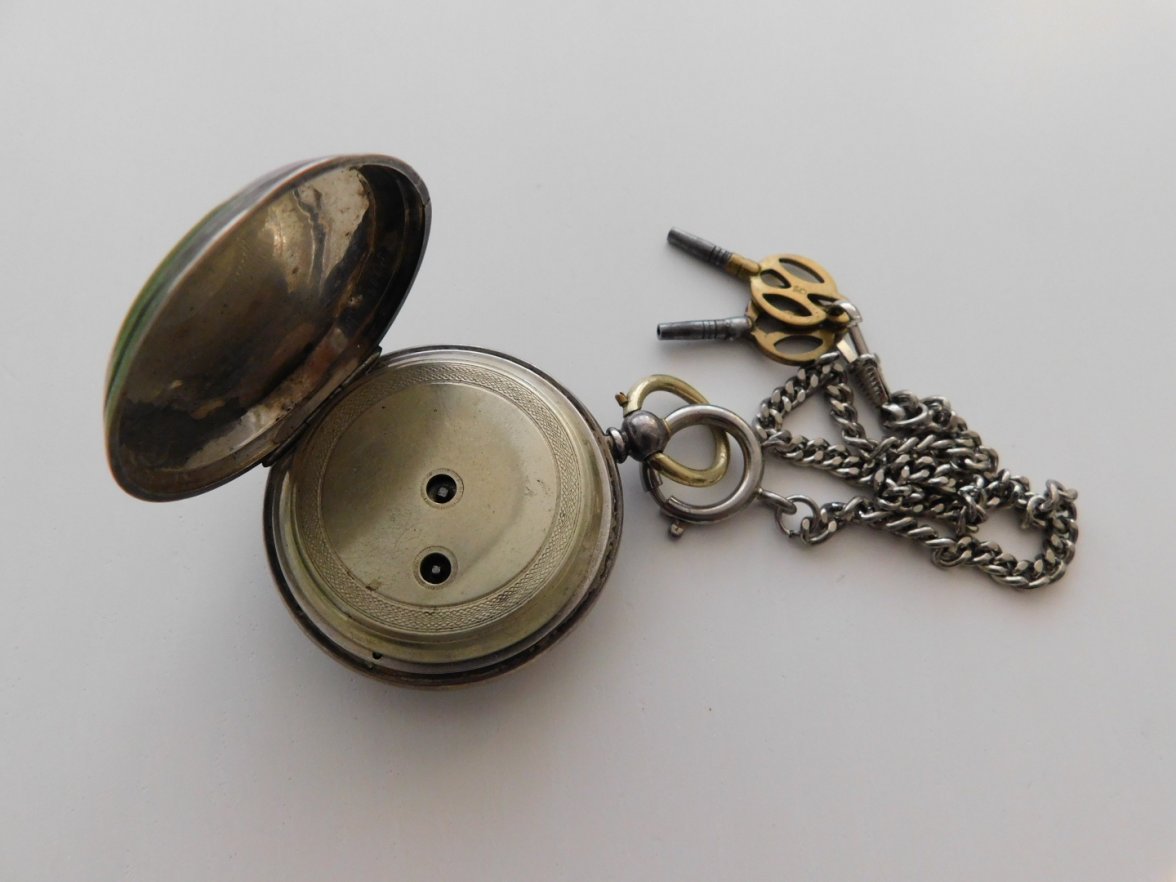
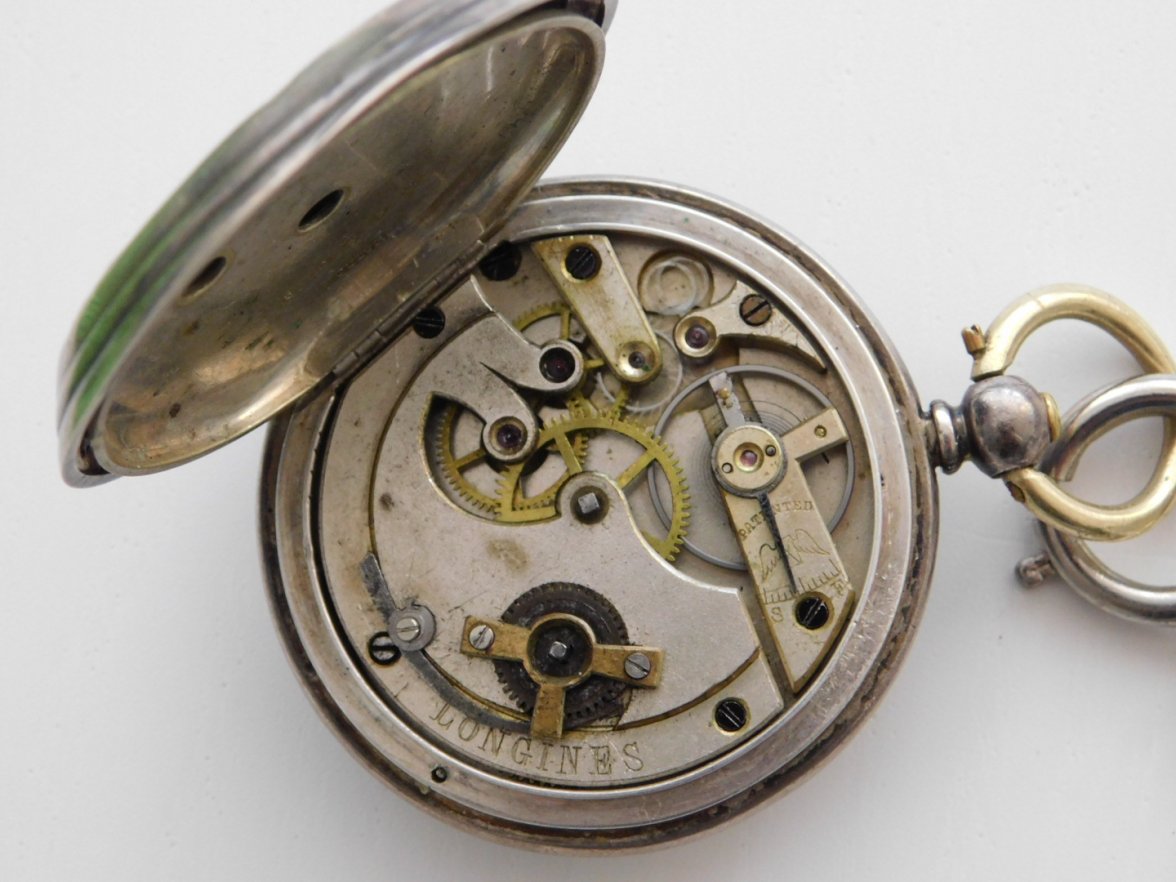
Serial number 45'084 identifies a silver hunter case that houses a caliber 20B, and was originally invoiced to Berlin, Germany on April 17, 1894 (source: Longines' Heritage Department). This watch came from Florida in 2020.
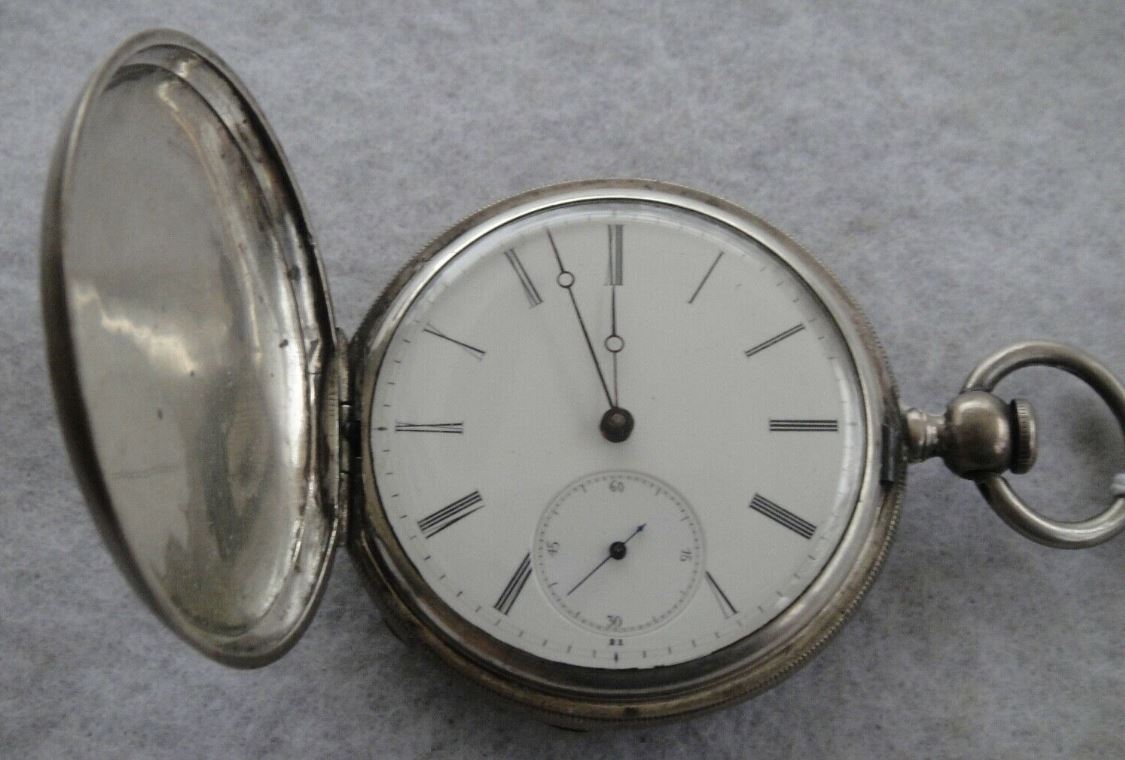
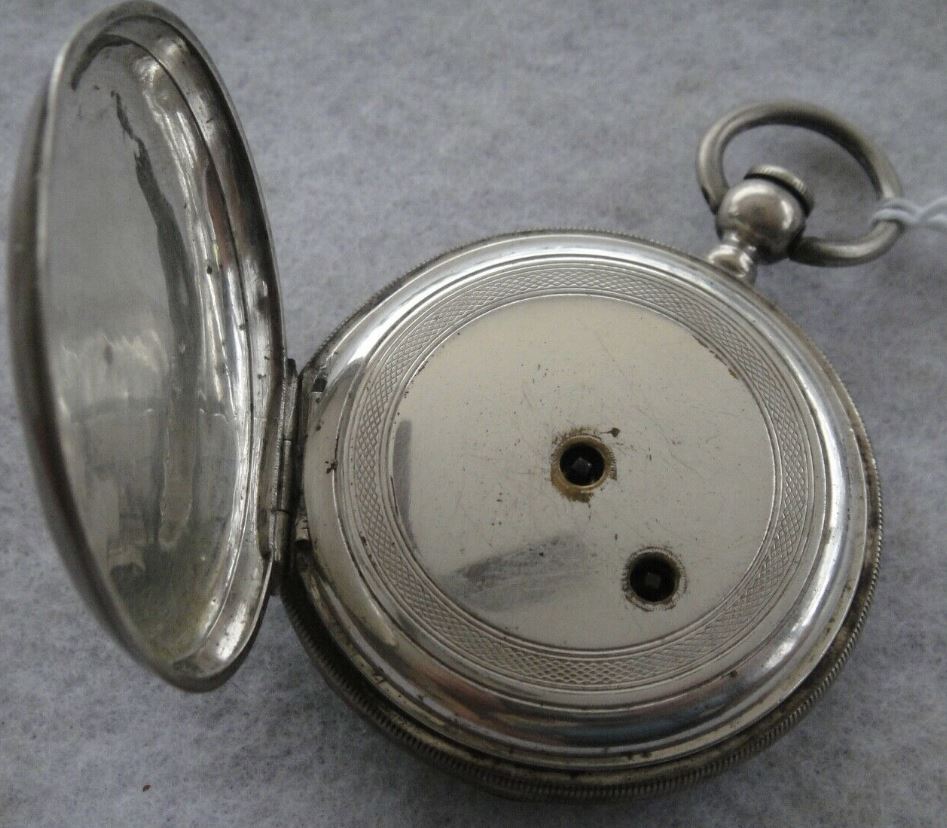
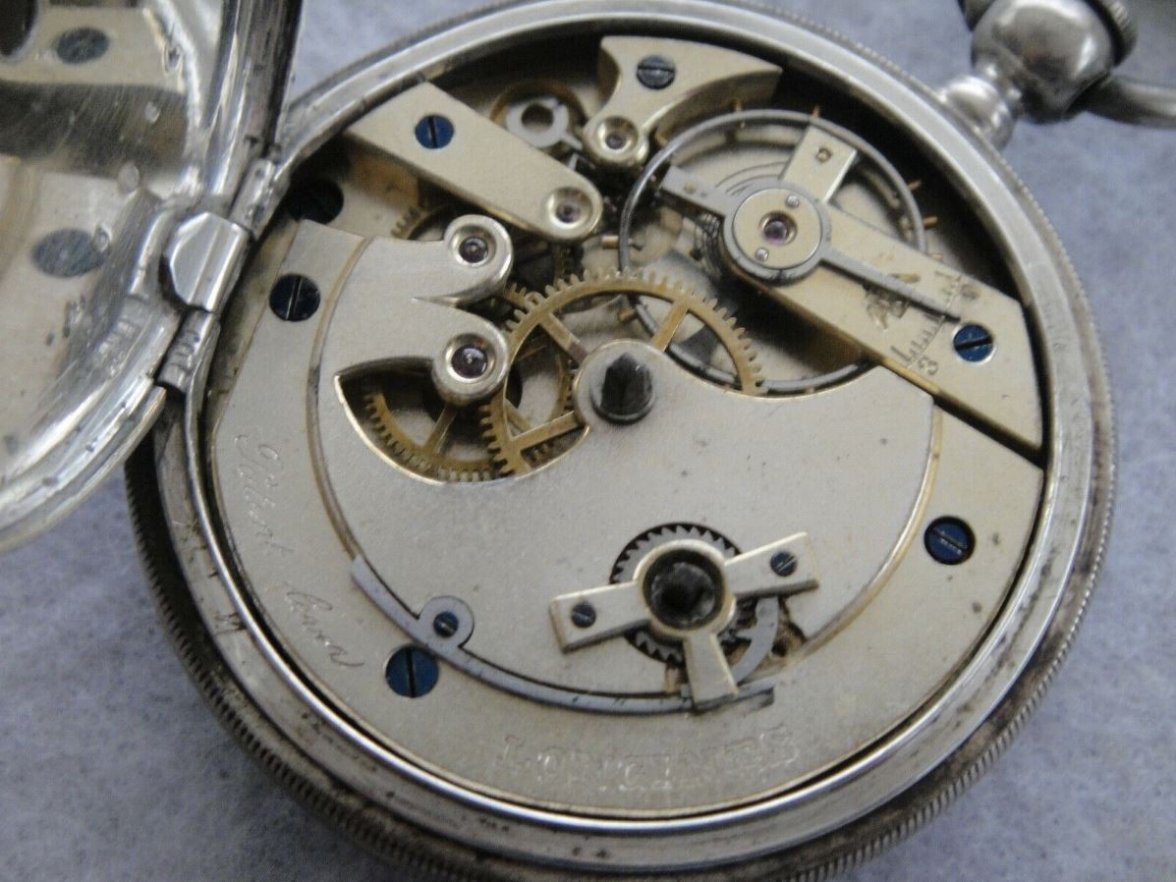
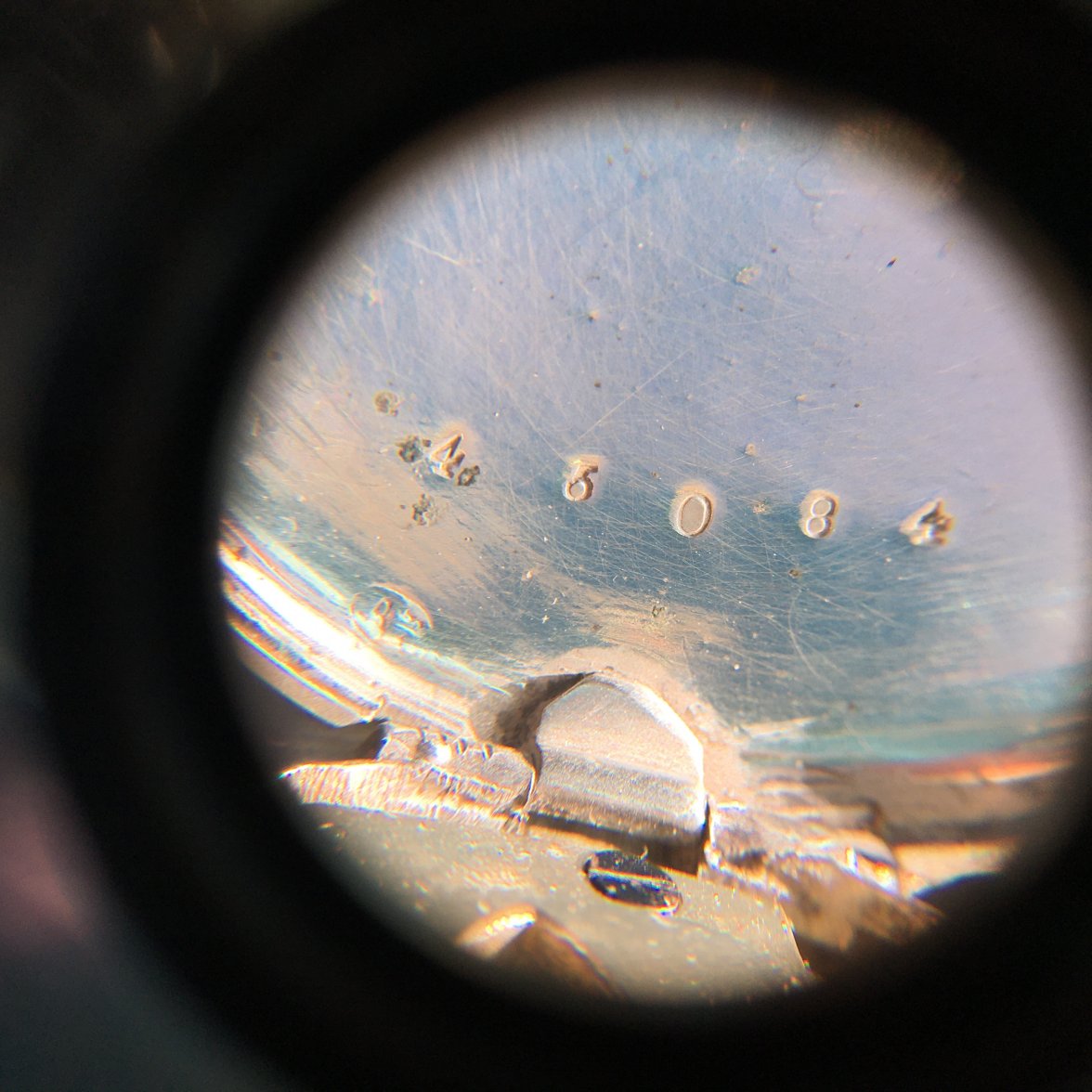
(sources: eBay and myself).
Discussion Part 1
When I received the information above from Longines' Heritage Department, I was taken aback. Everything seemed to fit except for the year of the original invoice. Below is an admittedly small sample of similar Longines from the period (I have many more on file). Their serial numbers and corresponding invoice years are as follows: 63'915 and 1874, 72'935 and 1874, 98'349 and 1878 (source: Longines' Heritage Department). As is evident, a serial number of 45'084 and an invoice year of 1894 is unexpected.
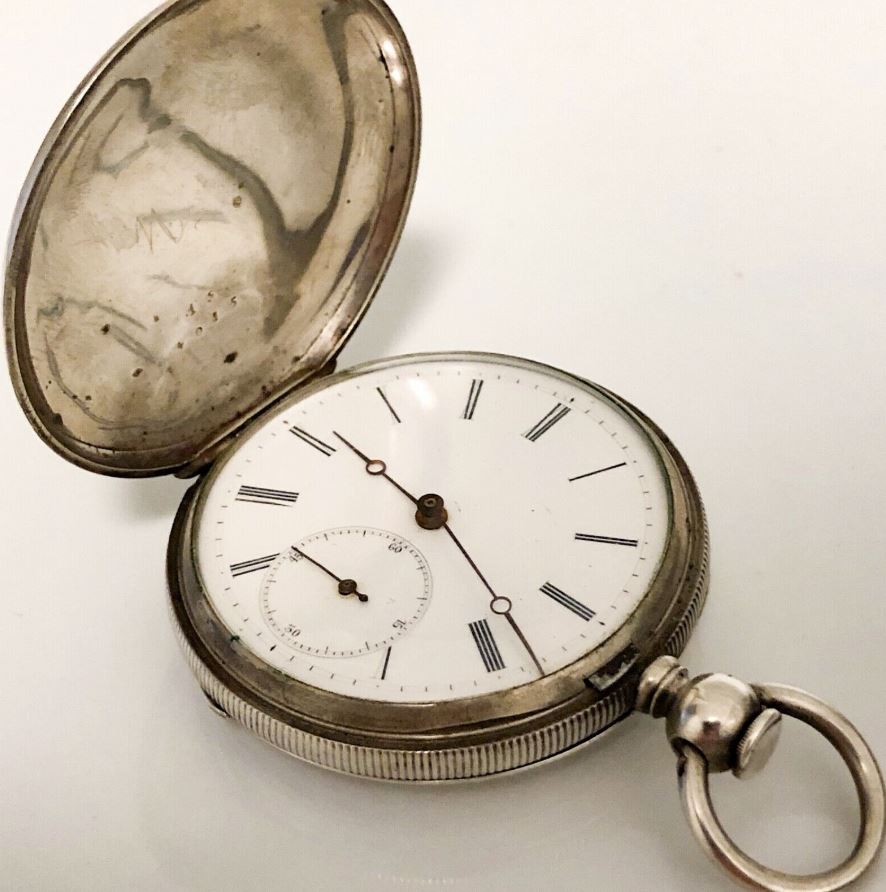
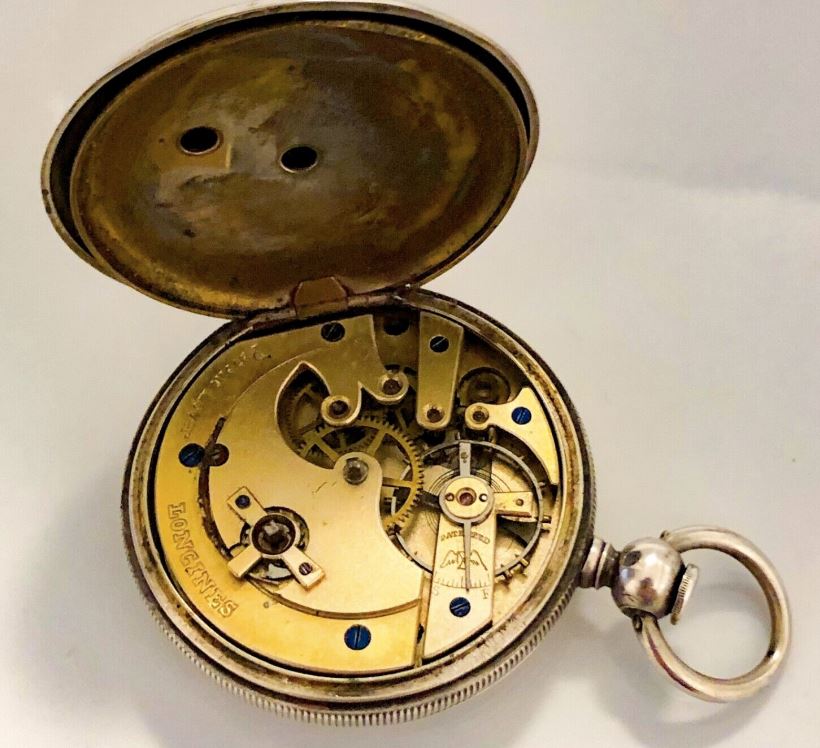
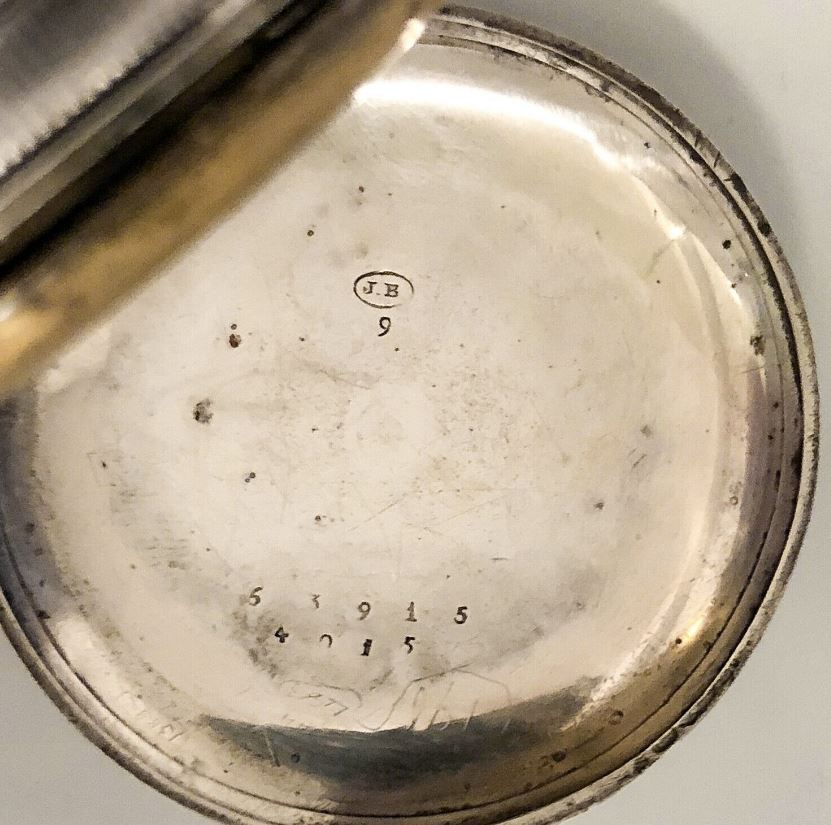
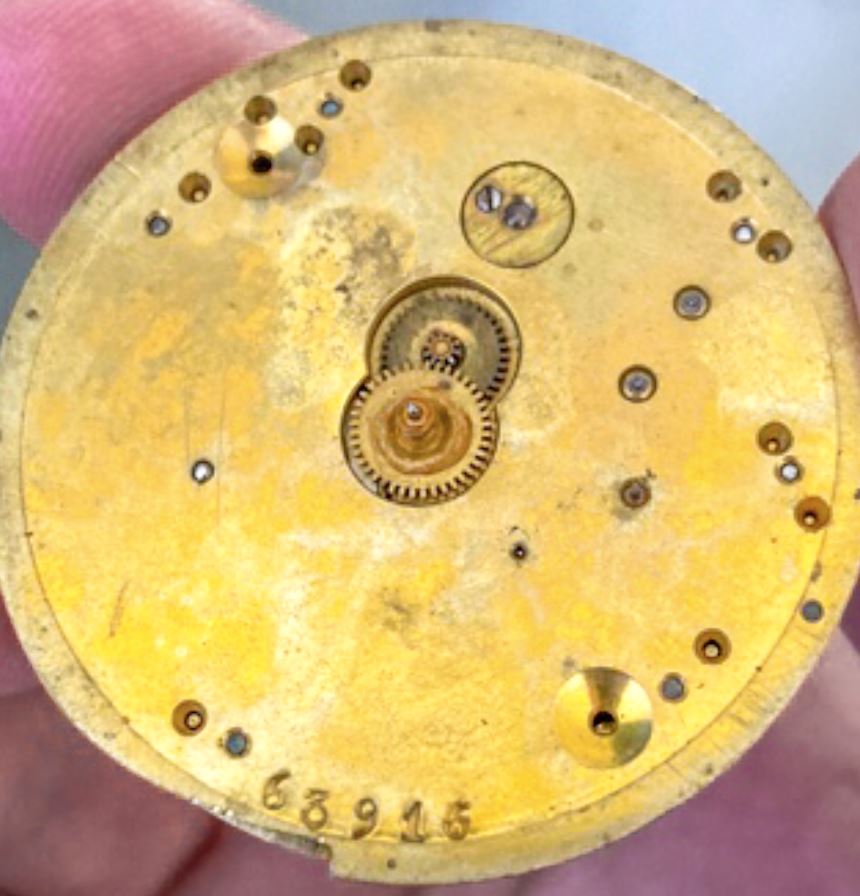

(source: eBay).
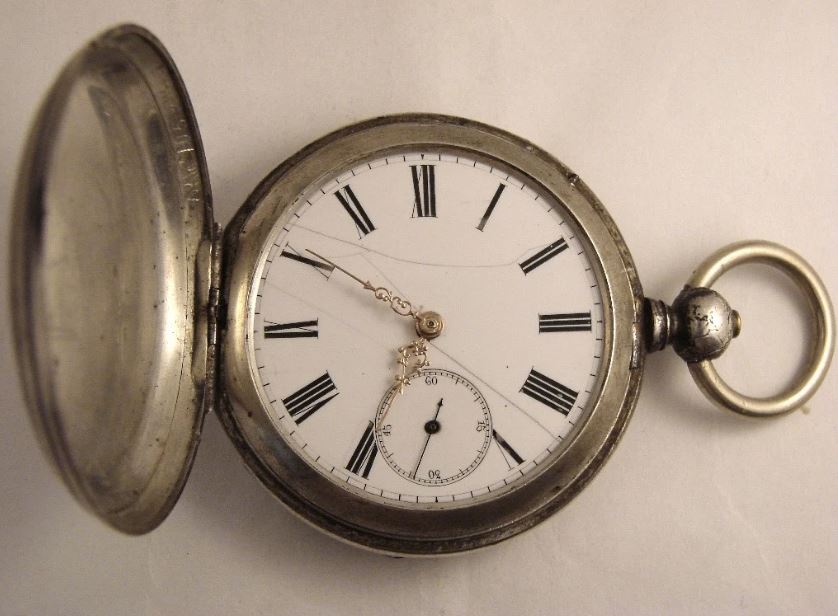
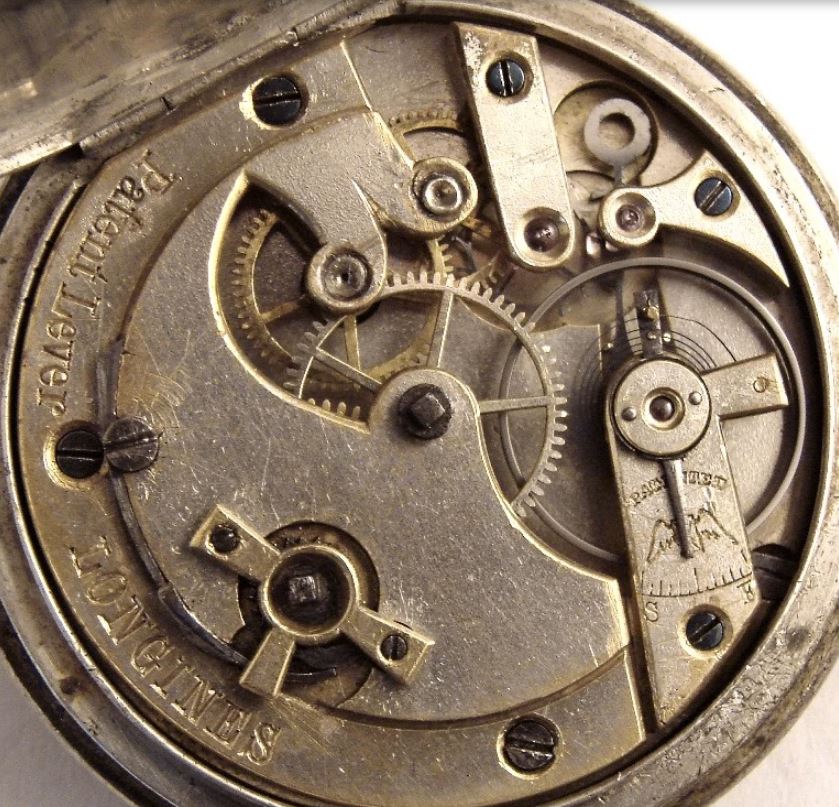
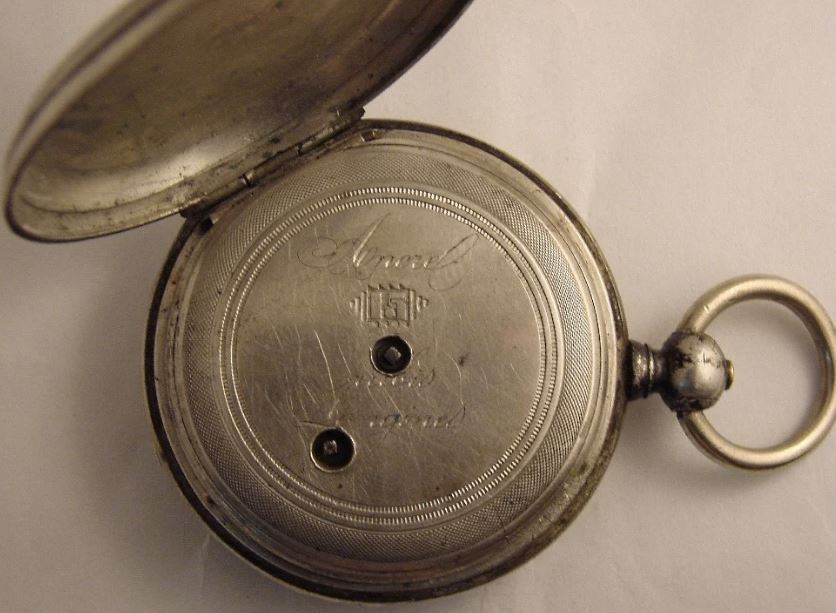
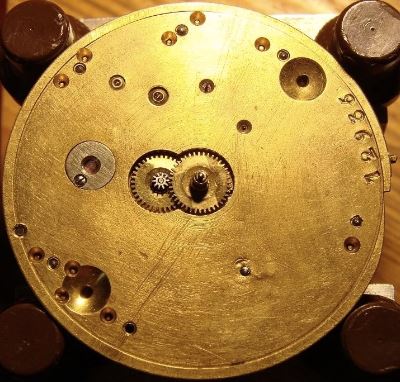
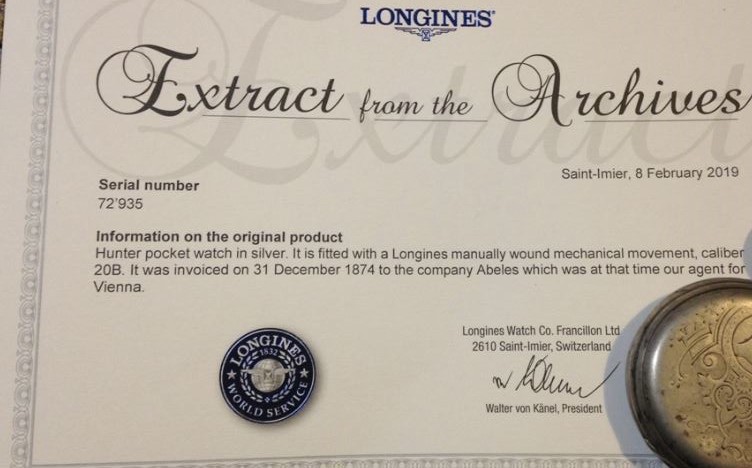
(source: https://www.watchuseek.com/threads/a-longies-that-has-not-had-an-easy-life.4500745/).
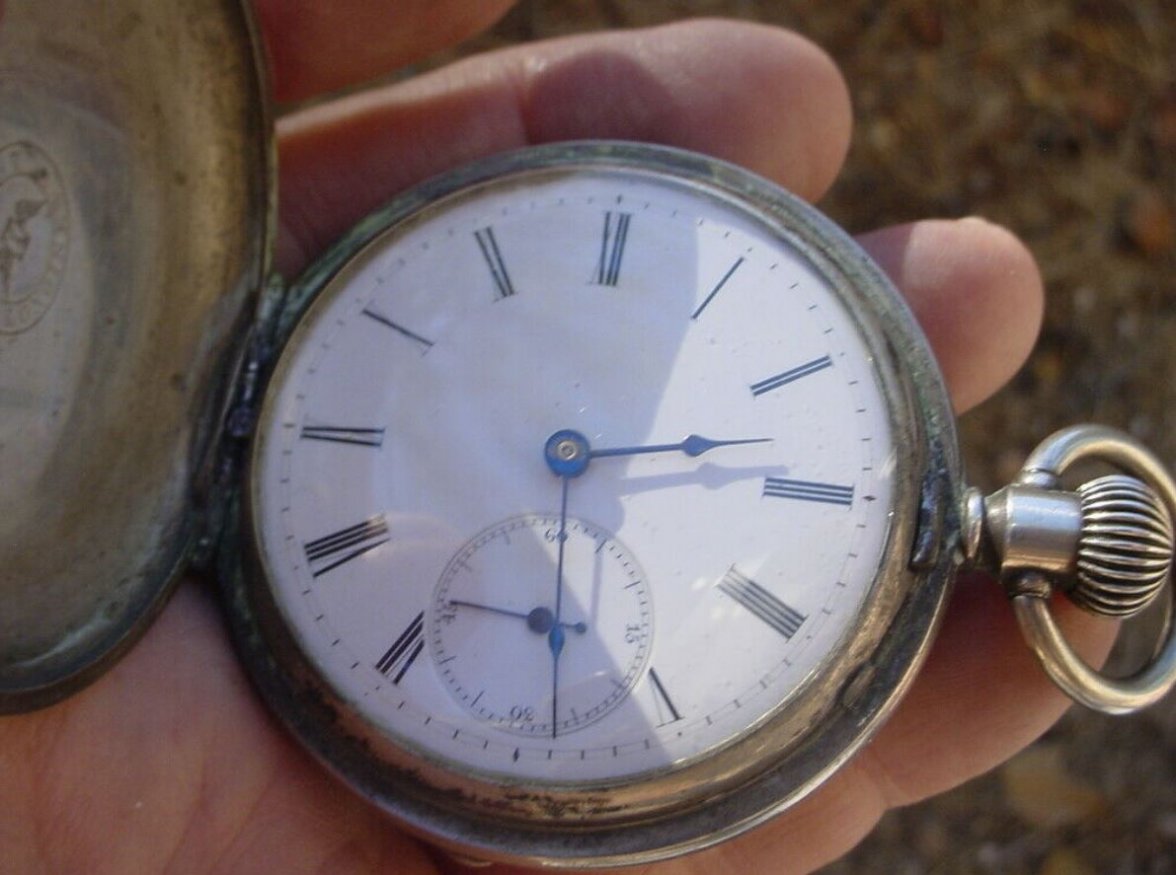
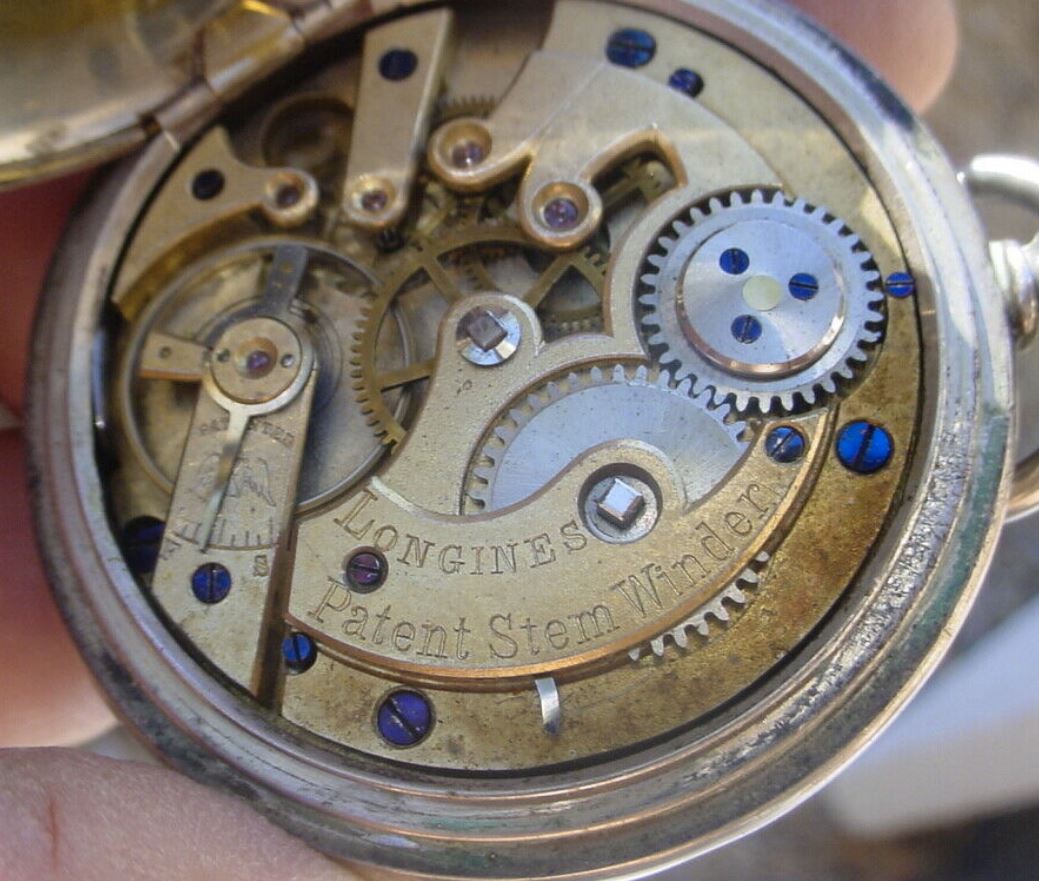
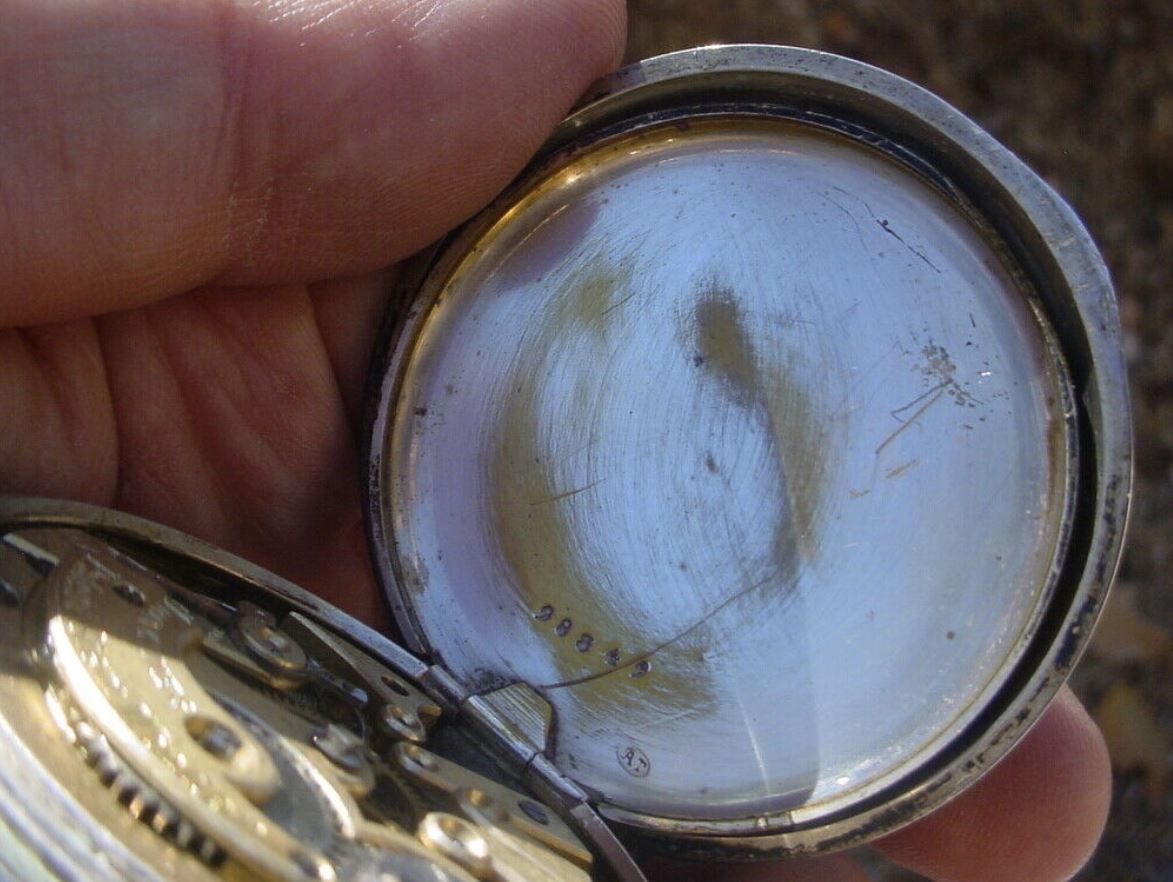
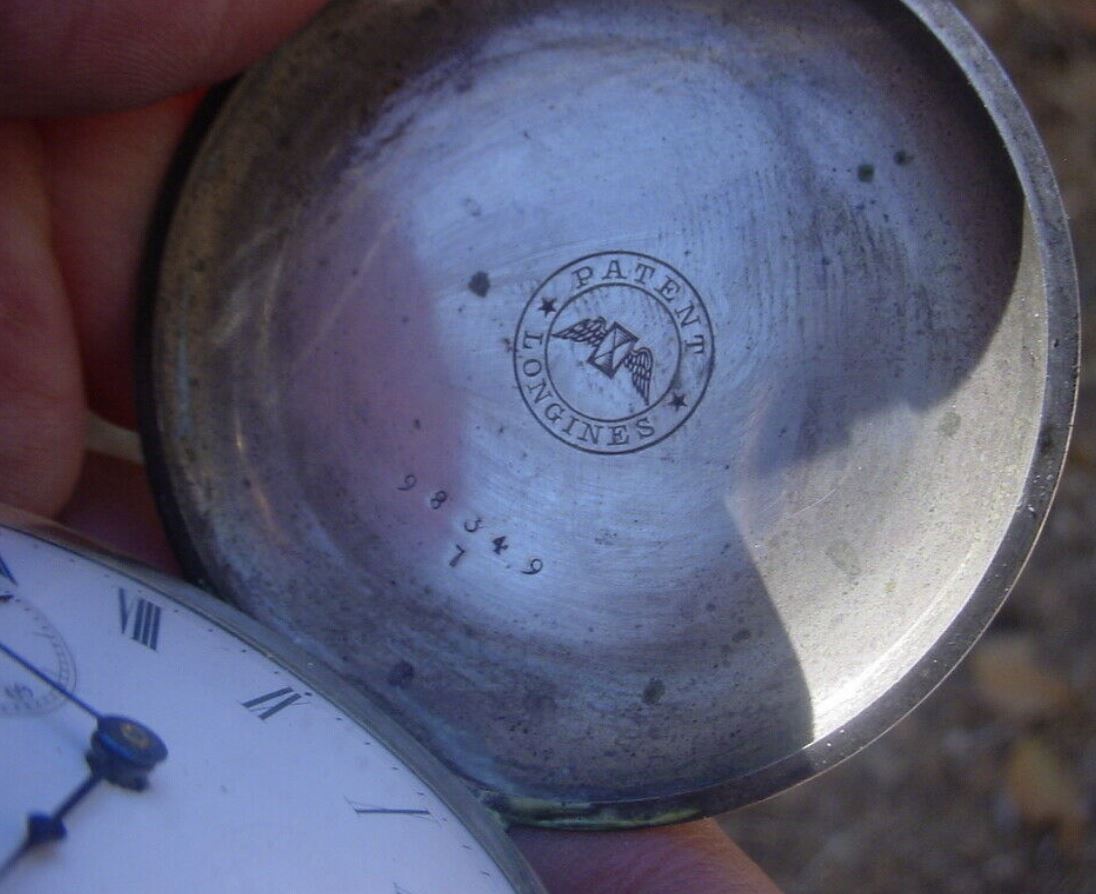

(source: eBay).
Discussion Part 2
Below is a watch with serial number 766'357 and an invoice date of September, 1894 (source: Longines' Heritage Department). This example is evidence of an approximate serial number that one would expect to correspond with an invoice year of 1894. This example also illustrates a feature that was typical of Longines watches from the late 19th century, pendant or crown winding. While many of Longines' first calibers were key-wound and set, Longines had almost entirely shifted to key-less movements by the late 19th century (source: Patrick Linder). One notable exception was the caliber 17.61 that was specifically intended for the Ottoman market (sources: Patrick Linder and Longines' Heritage Department). An example of a caliber 17.61 can be seen further below. As you may have noted, my watch (serial 45'084) is key-wound and set.
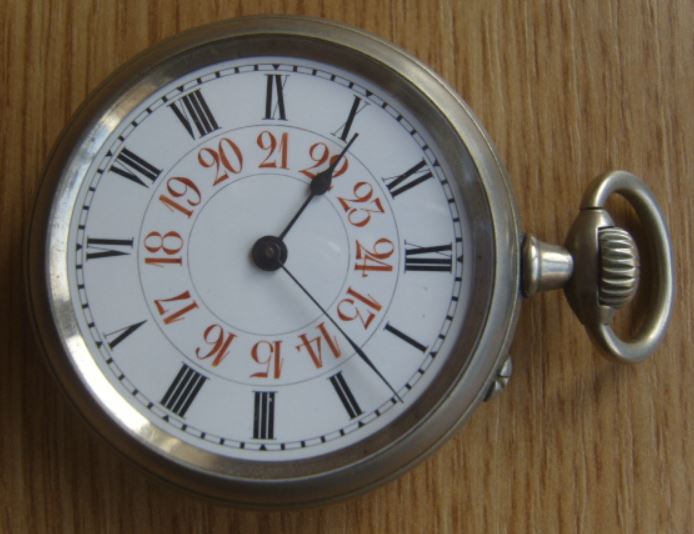
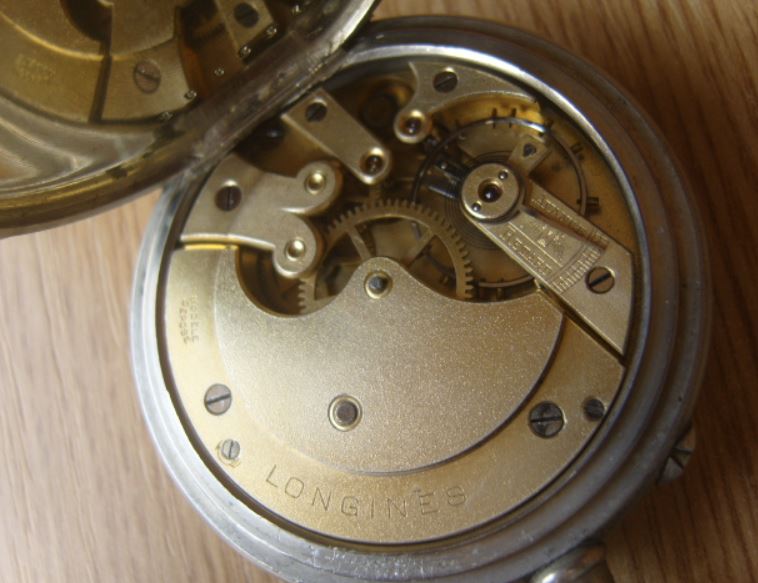
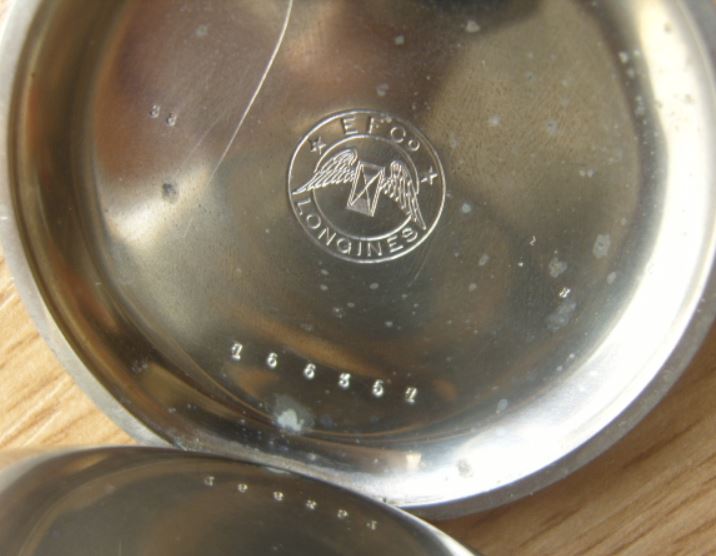
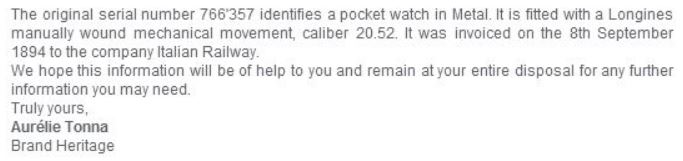
(source: myWatchMart).
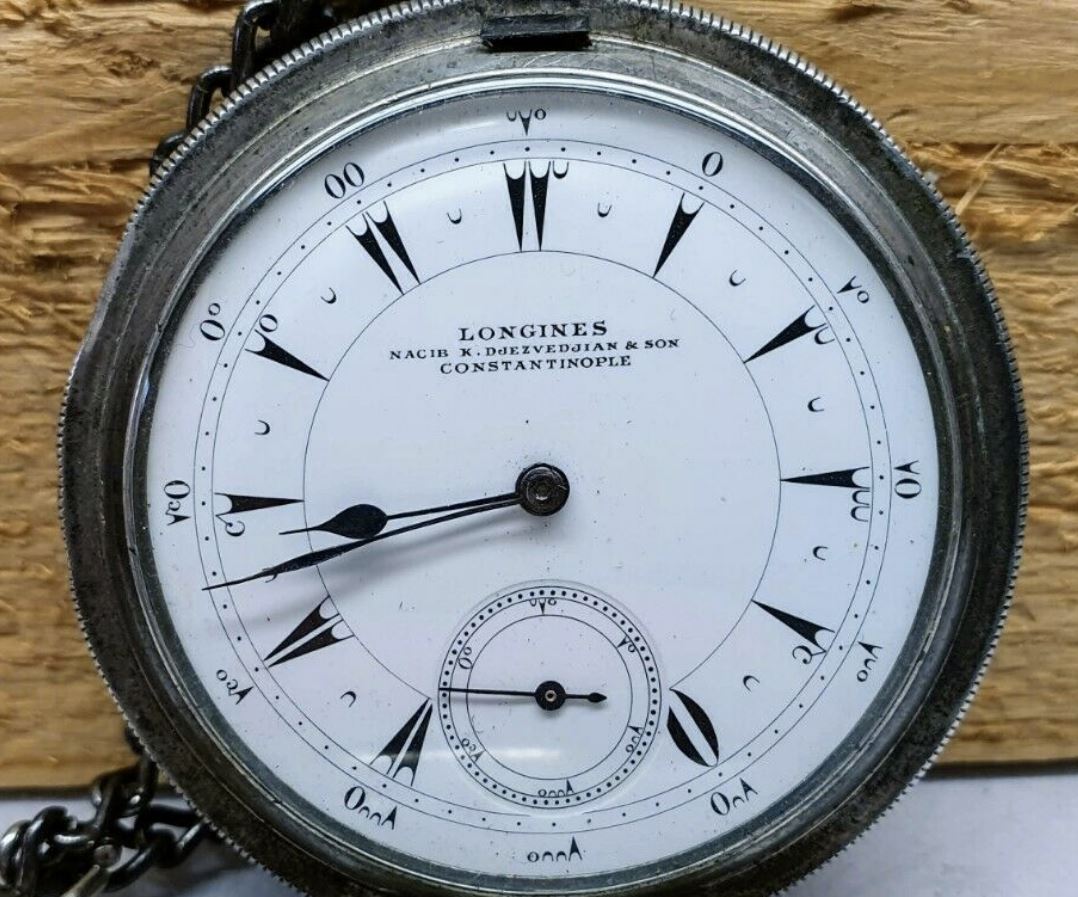
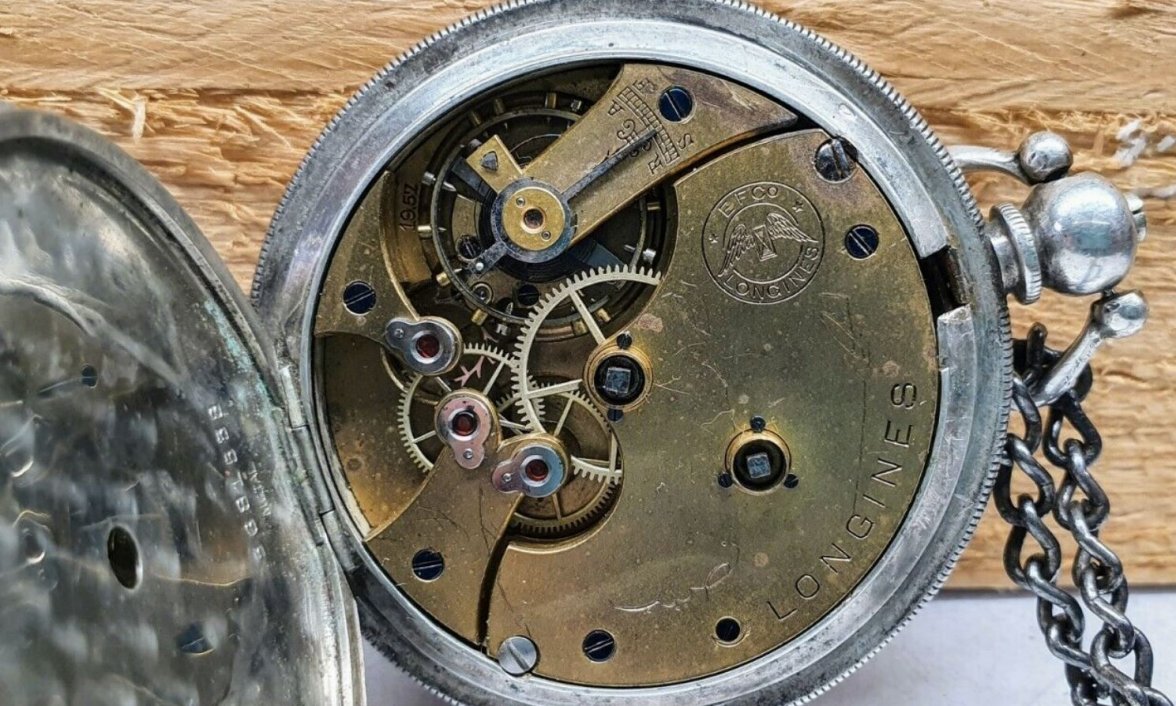
(source: eBay).
Discussion Part 3
Quite confident that my watch was produced long before its original invoice date of April 17, 1894, I was struggling to reconcile the roughly 20 year discrepancy. Did the watch really remain at the factory for two decades only to then be sold without any special mention? At my request, Longines' Heritage Department looked into the matter but came up dry. The only potential lead was that the watch was invoiced to Berlin, Germany, rather than a German agent (source: Longines' Heritage Department). As it turns out, "[o]n April 1, 1894, the company of Saint-Imier opened a branch in its name, on Jerusalemerstrasse in the heart of Berlin" (source: http://www.watkinsr.id.au/Francillon.pdf). Below is an advert for the Berlin branch from 1900.
(source: https://www.hifi-archiv.info/Uhren-Werbung/Longines/Longines 1900.jpg).
Discussion Part 4
It is still unclear why my watch apparently went unsold for such a long time. However, it would seem that Longines took the opportunity to offload old stock when it opened its Berlin branch: "the factory provided [Berlin] with watches of a lower quality, bought everywhere and intended more 'to reduce the expenses of the house and transport' than to gain customers" (source: http://www.watkinsr.id.au/Francillon.pdf). Another possibility is that Longines was low on stock for Berlin and grabbed whatever was laying around. Though old at the time, I would argue that the caliber 20B in my watch was not one of the "watches of a lower quality."
Another mystery about my watch is who made the case. There is a small "AT" marking on the inner case-back (seen below) that can also be found on serial 98'349 above. Neither I nor Longines' Heritage Department have been able to attribute this marking to a maker. If anyone has any information, I would be most grateful.
(source: myself).
Longines serial numbers began in 1867 (source: Patrick Linder). It was at this time that Longines began to produce its own movements (source: Patrick Linder). Most early pieces have serial numbers that are only visible on the cases rather than the movements. These early cases often had no markings that mention Longines. Up until the Swiss introduced standard hallmarks for precious metals in 1880, silver cases (at least) often had no hallmarks either (source: http://www.swisshallmarks.com/). In the same year, Longines set up a workshop to make their own silver cases (source: http://www.watkinsr.id.au/Francillon.pdf).
An Early Example
Serial number 45'084 identifies a silver hunter case that houses a caliber 20B, and was originally invoiced to Berlin, Germany on April 17, 1894 (source: Longines' Heritage Department). This watch came from Florida in 2020.
(sources: eBay and myself).
Discussion Part 1
When I received the information above from Longines' Heritage Department, I was taken aback. Everything seemed to fit except for the year of the original invoice. Below is an admittedly small sample of similar Longines from the period (I have many more on file). Their serial numbers and corresponding invoice years are as follows: 63'915 and 1874, 72'935 and 1874, 98'349 and 1878 (source: Longines' Heritage Department). As is evident, a serial number of 45'084 and an invoice year of 1894 is unexpected.
(source: eBay).
(source: https://www.watchuseek.com/threads/a-longies-that-has-not-had-an-easy-life.4500745/).
(source: eBay).
Discussion Part 2
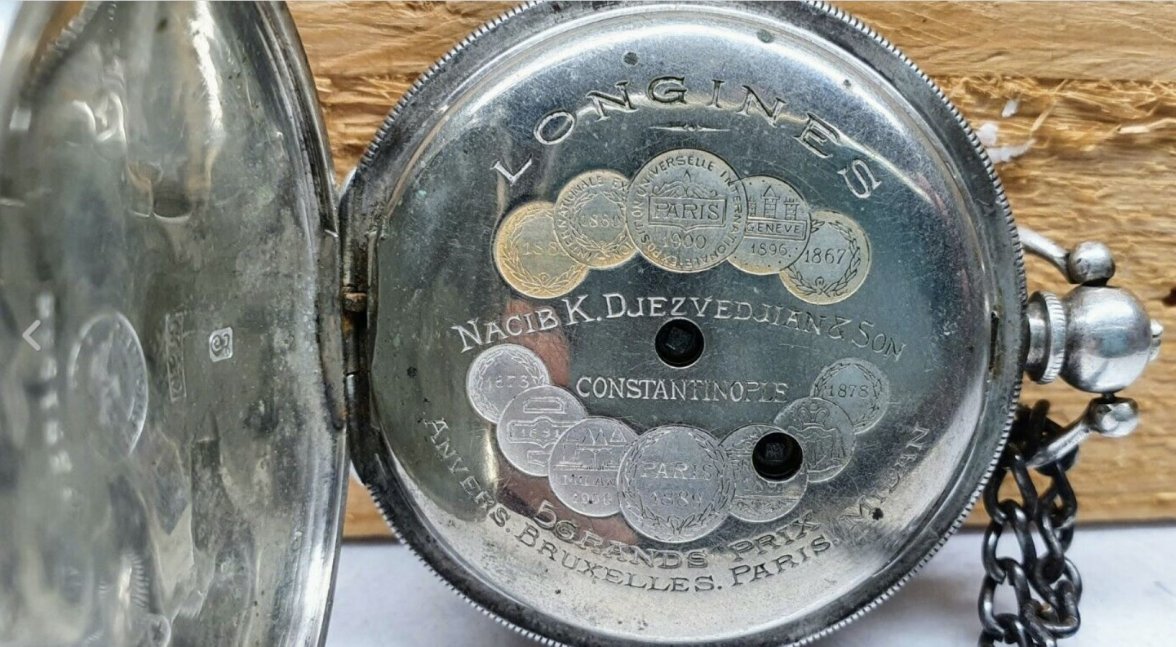
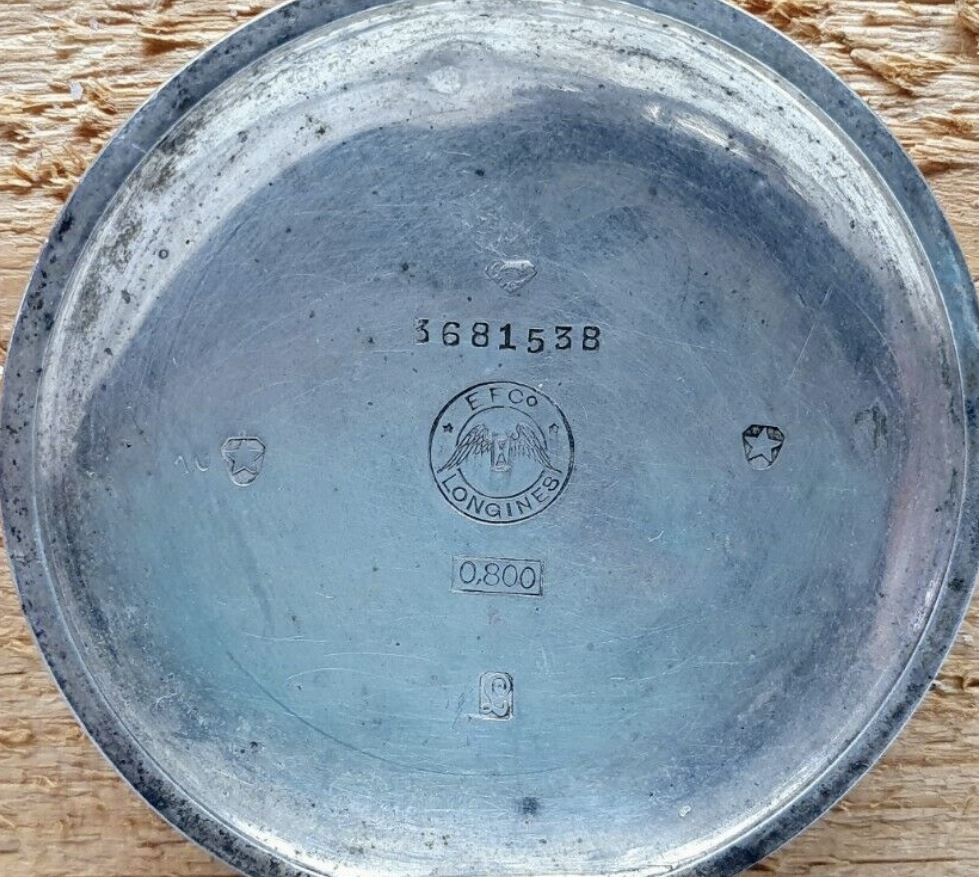
Below is a watch with serial number 766'357 and an invoice date of September, 1894 (source: Longines' Heritage Department). This example is evidence of an approximate serial number that one would expect to correspond with an invoice year of 1894. This example also illustrates a feature that was typical of Longines watches from the late 19th century, pendant or crown winding. While many of Longines' first calibers were key-wound and set, Longines had almost entirely shifted to key-less movements by the late 19th century (source: Patrick Linder). One notable exception was the caliber 17.61 that was specifically intended for the Ottoman market (sources: Patrick Linder and Longines' Heritage Department). An example of a caliber 17.61 can be seen further below. As you may have noted, my watch (serial 45'084) is key-wound and set.
(source: myWatchMart).
(source: eBay).
Discussion Part 3
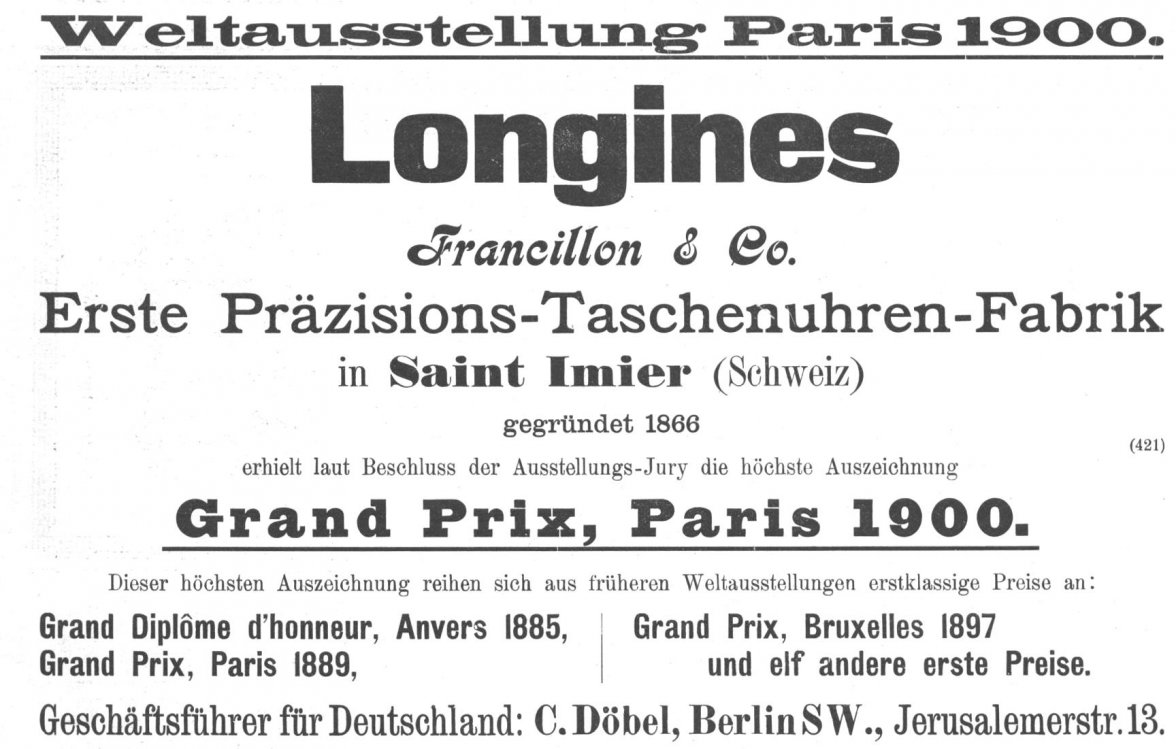
Quite confident that my watch was produced long before its original invoice date of April 17, 1894, I was struggling to reconcile the roughly 20 year discrepancy. Did the watch really remain at the factory for two decades only to then be sold without any special mention? At my request, Longines' Heritage Department looked into the matter but came up dry. The only potential lead was that the watch was invoiced to Berlin, Germany, rather than a German agent (source: Longines' Heritage Department). As it turns out, "[o]n April 1, 1894, the company of Saint-Imier opened a branch in its name, on Jerusalemerstrasse in the heart of Berlin" (source: http://www.watkinsr.id.au/Francillon.pdf). Below is an advert for the Berlin branch from 1900.
(source: https://www.hifi-archiv.info/Uhren-Werbung/Longines/Longines 1900.jpg).
Discussion Part 4
It is still unclear why my watch apparently went unsold for such a long time. However, it would seem that Longines took the opportunity to offload old stock when it opened its Berlin branch: "the factory provided [Berlin] with watches of a lower quality, bought everywhere and intended more 'to reduce the expenses of the house and transport' than to gain customers" (source: http://www.watkinsr.id.au/Francillon.pdf). Another possibility is that Longines was low on stock for Berlin and grabbed whatever was laying around. Though old at the time, I would argue that the caliber 20B in my watch was not one of the "watches of a lower quality."
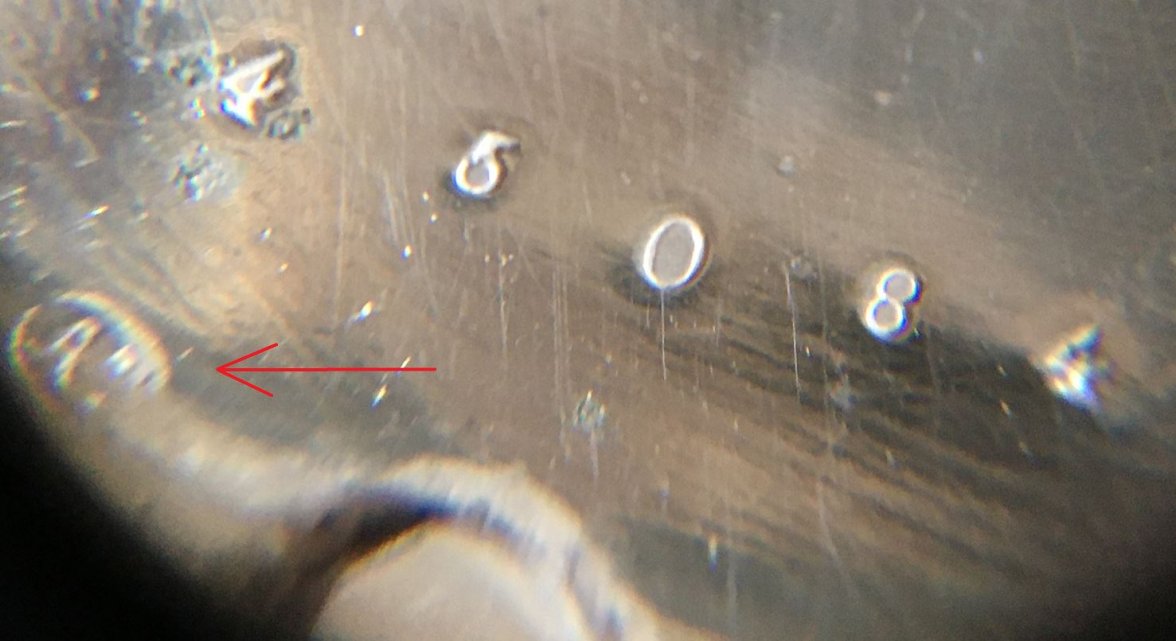
Another mystery about my watch is who made the case. There is a small "AT" marking on the inner case-back (seen below) that can also be found on serial 98'349 above. Neither I nor Longines' Heritage Department have been able to attribute this marking to a maker. If anyone has any information, I would be most grateful.
(source: myself).
Edited: