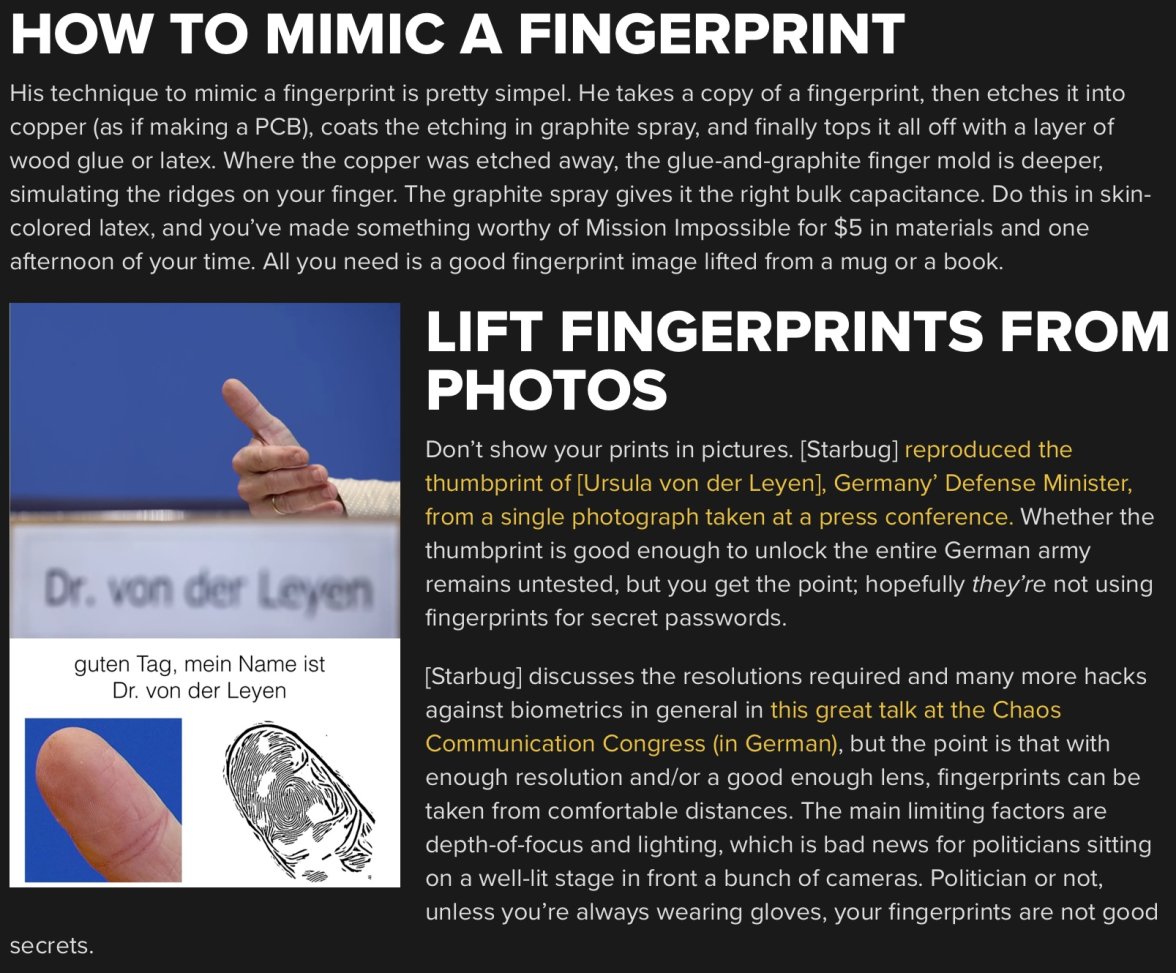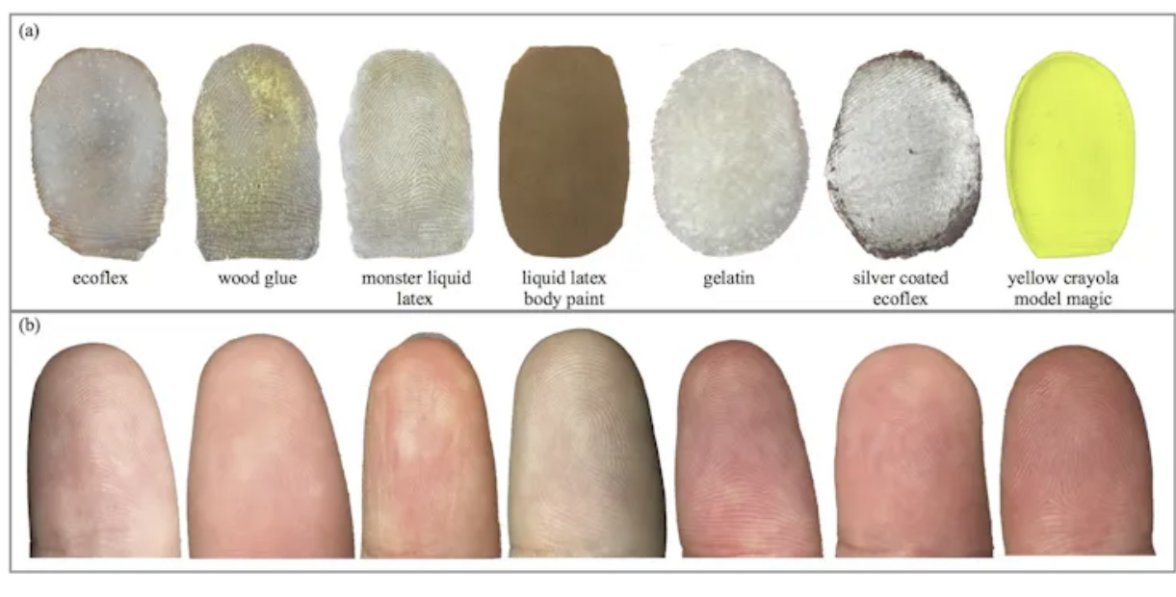
Digital security. Hacking your accounts might be at their fingertips soon.

Posts
4,704
Likes
17,825
Ok actually at your fingertips….
As biometric data takes off and scammers and hackers get more sophisticated, it is harder to stay anonymous online. More and more people use Touch ID these days so finger print data becomes more valuable.
If you worry about someone online knowing your birthdate or location, then letting them having your fingerprints must also be a concern? AI will also probably make it easier to scan and enhance data from photos overtime.
Watch photography has lots of macro shots as we know and those steel cases capture prints better than a scene of crime officer ;o)
Probably a way off as a serious risk but something to keep in mind, and you can’t change your fingerprints like a password every six months.
Another reason to break out the white gloves (apart from also sparing us fingernails close up ;0)

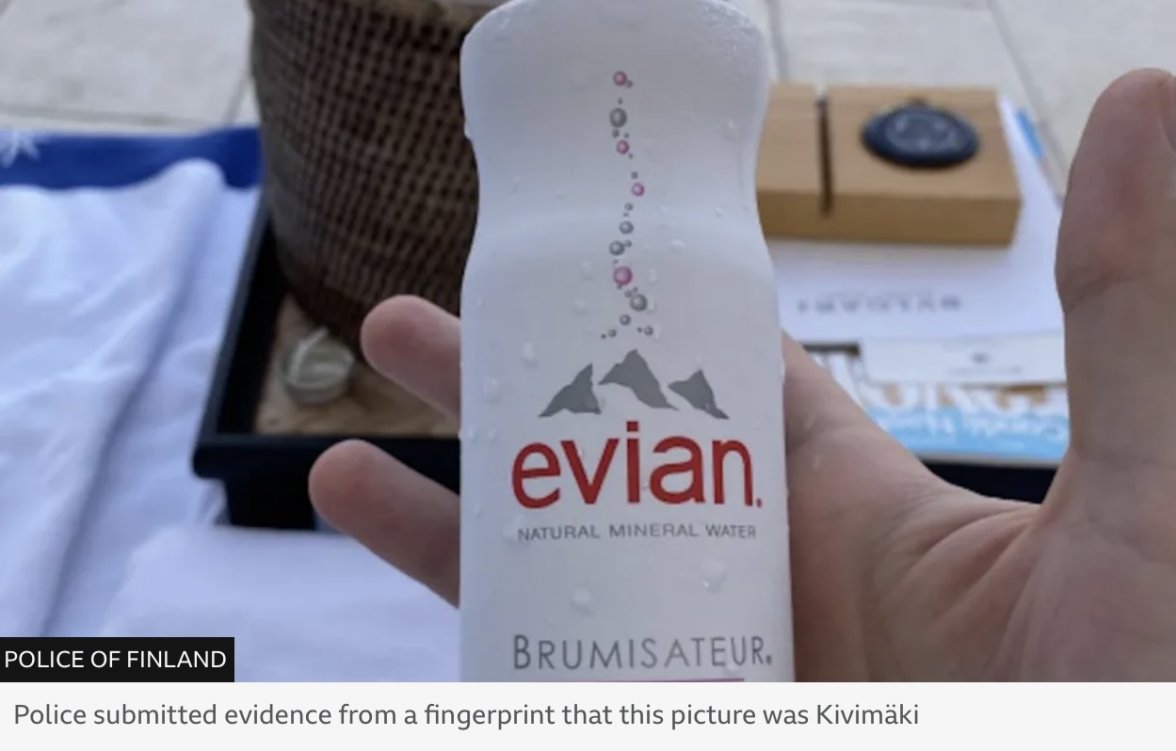
if you think it is not an issue and never happens…… think again….
.
 
Posts
18,162
Likes
37,904
On a similar trajectory.

I was watching an episode of Antiques Roadshow and saw two instances of where significant documents had beem lightly blurred in the predominately "informative" areas.

One was a copy (written by a scribe) of a document written by Oliver Cromwell. An example of early photocopying?

The other was a copy of a letter written by KGV to his tailors, Benson & Clegg. The letter, held by B&C was quite clear in most places but again the guts of the image had faint blurring.

Possibly to prevent forgers reproducing "rare documents"?
 
Posts
4,704
Likes
17,825
On a similar trajectory.

I was watching an episode of Antiques Roadshow and saw two instances of where significant documents had beem lightly blurred in the predominately "informative" areas.

One was a copy (written by a scribe) of a document written by Oliver Cromwell. An example of early photocopying?

The other was a copy of a letter written by KGV to his tailors, Benson & Clegg. The letter, held by B&C was quite clear in most places but again the guts of the image had faint blurring.

Possibly to prevent forgers reproducing "rare documents"?

At a museum event I organised last year we had photo permissions and could capture exhibits incidentally. We were not allowed to photo any artwork directly / specifically photograph it in a way which could allow it to be reproduced in any format, so I guess that is a thing.
 
Posts
9,886
Likes
55,936
Yay, like I needed another reason to hate scammers. 😡
 
Posts
711
Likes
1,687
As biometric data takes off and scammers and hackers get more sophisticated, it is harder to stay anonymous online. More and more people use Touch ID these days so finger print data becomes more valuable.
If you worry about someone online knowing your birthdate or location, then letting them having your fingerprints must also be a concern?

You're right, but biometrics are usually used for convenience i.e. to avoid having to enter a PIN every time you unlock your phone, not because they're inherently more secure. Other, more secure authentication methods will be around for the long haul. But also, the industry won't adopt biometrics if they're easy to forge - actually they're already not in use for higher security applications. There are better ways to tick the "something you have" multi-factor box.

AI will also probably make it easier to scan and enhance data from photos overtime.

It doesn't work like that. AI enhancing, upscaling etc works by "filling in the blanks" with similar information. It's just guessing, it does not and cannot pull additional information out of the photo that isn't there. If your fingerprint isn't already visible in the original photo, AI will never be able to magically pull it out of thin air.

Watch photography has lots of macro shots as we know and those steel cases capture prints better than a scene of crime officer ;o)
Probably a way off as a serious risk but something to keep in mind, and you can’t change your fingerprints like a password every six months.
Another reason to break out the white gloves (apart from also sparing us fingernails close up ;0)

Again, if the fingerprint isn't already visible in the photo, nothing can ever add it back in - the information flat out doesn't exist. If it is partially visible, then yes, all bets are off.