Calling all Pocket Watch Buffs

Posts
8,757
Likes
62,107
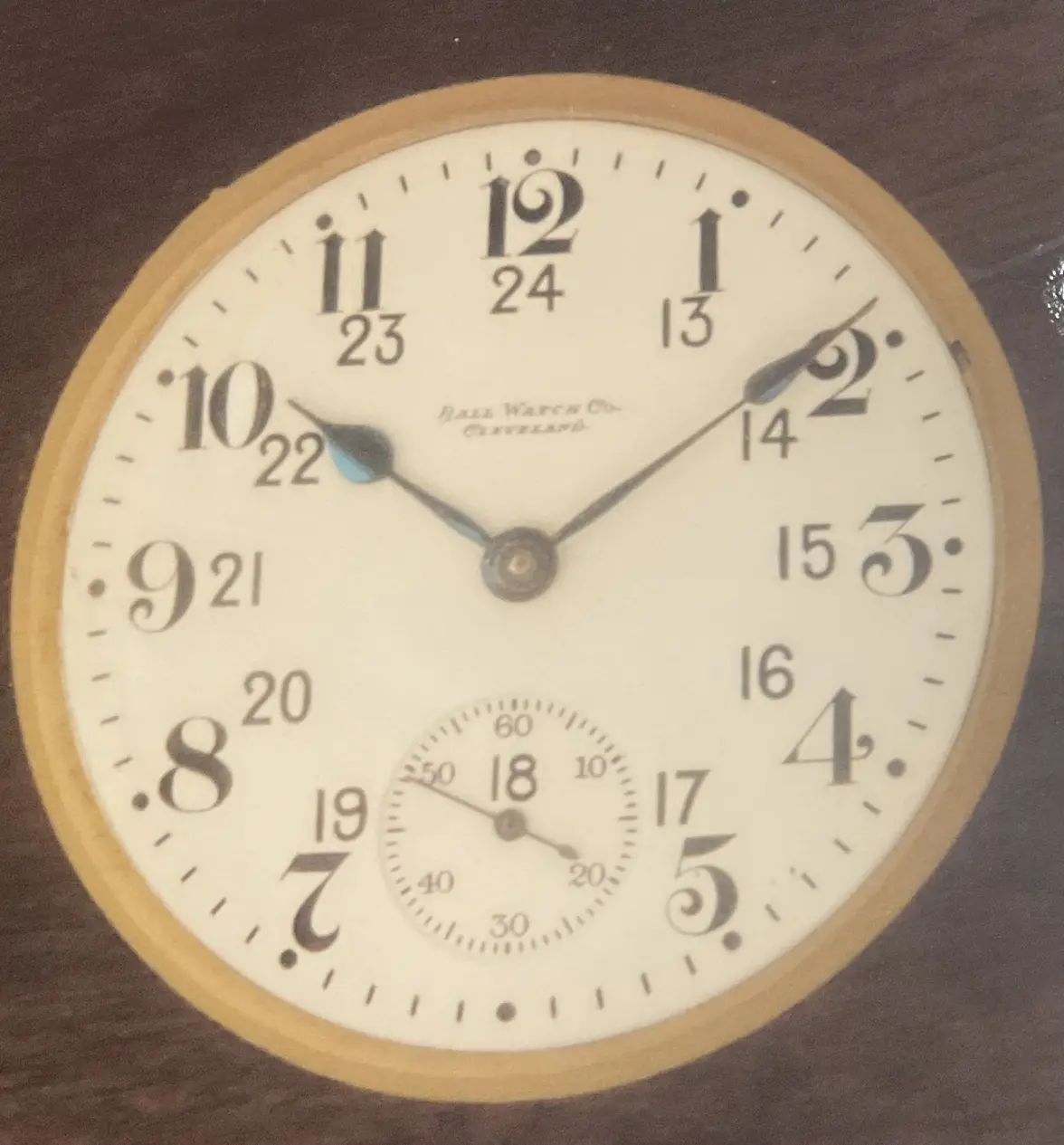
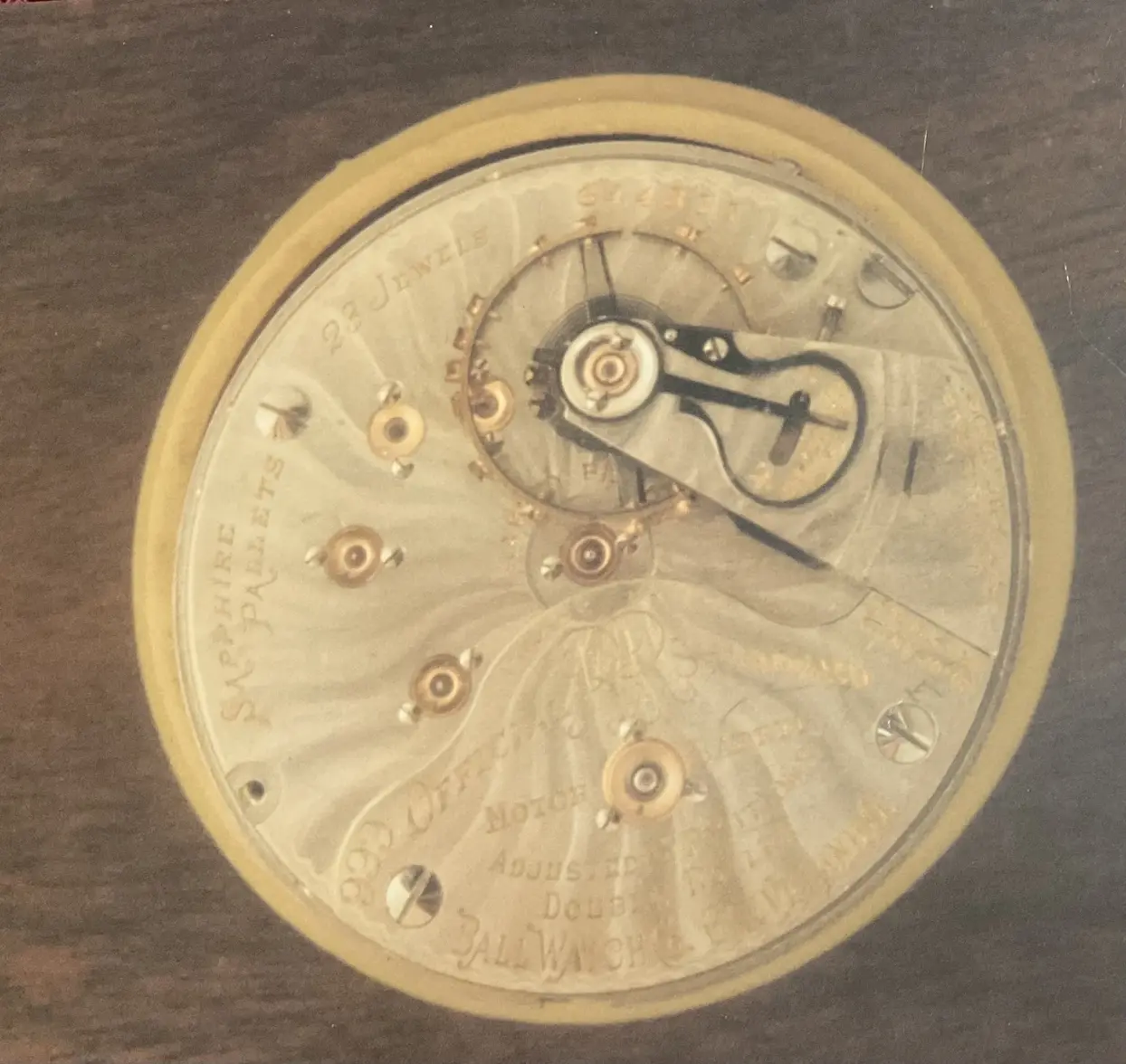
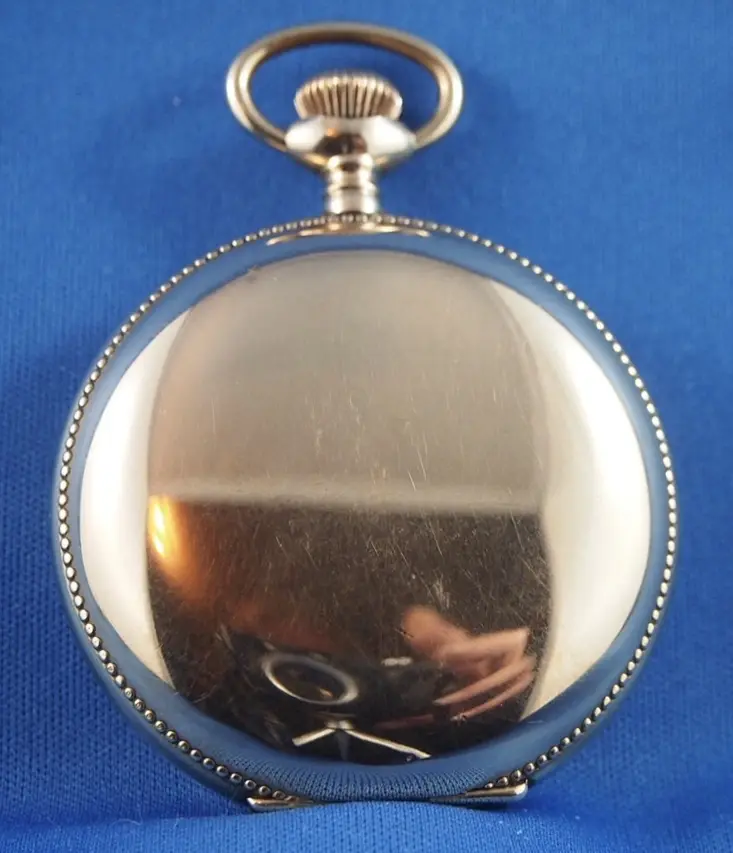
Webb C Ball hated double sunk dials, saying they were too fragile

I have one RR grade 18s I've posted here before circa 1899. It slipped out.

Here it is.....


Ive seen more Ball double sunk dials on their Commercial grade watches, which I also have an example or two.
Edited:
 
Posts
8,757
Likes
62,107
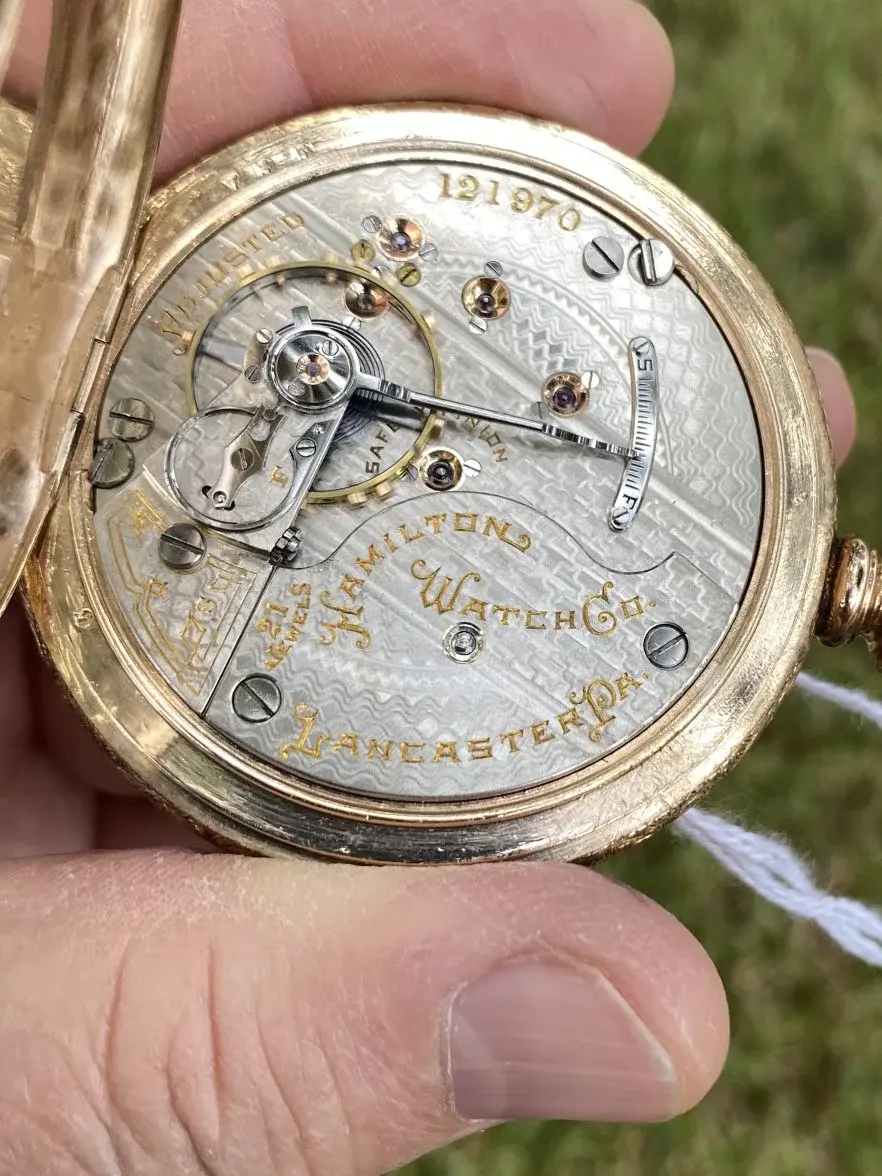
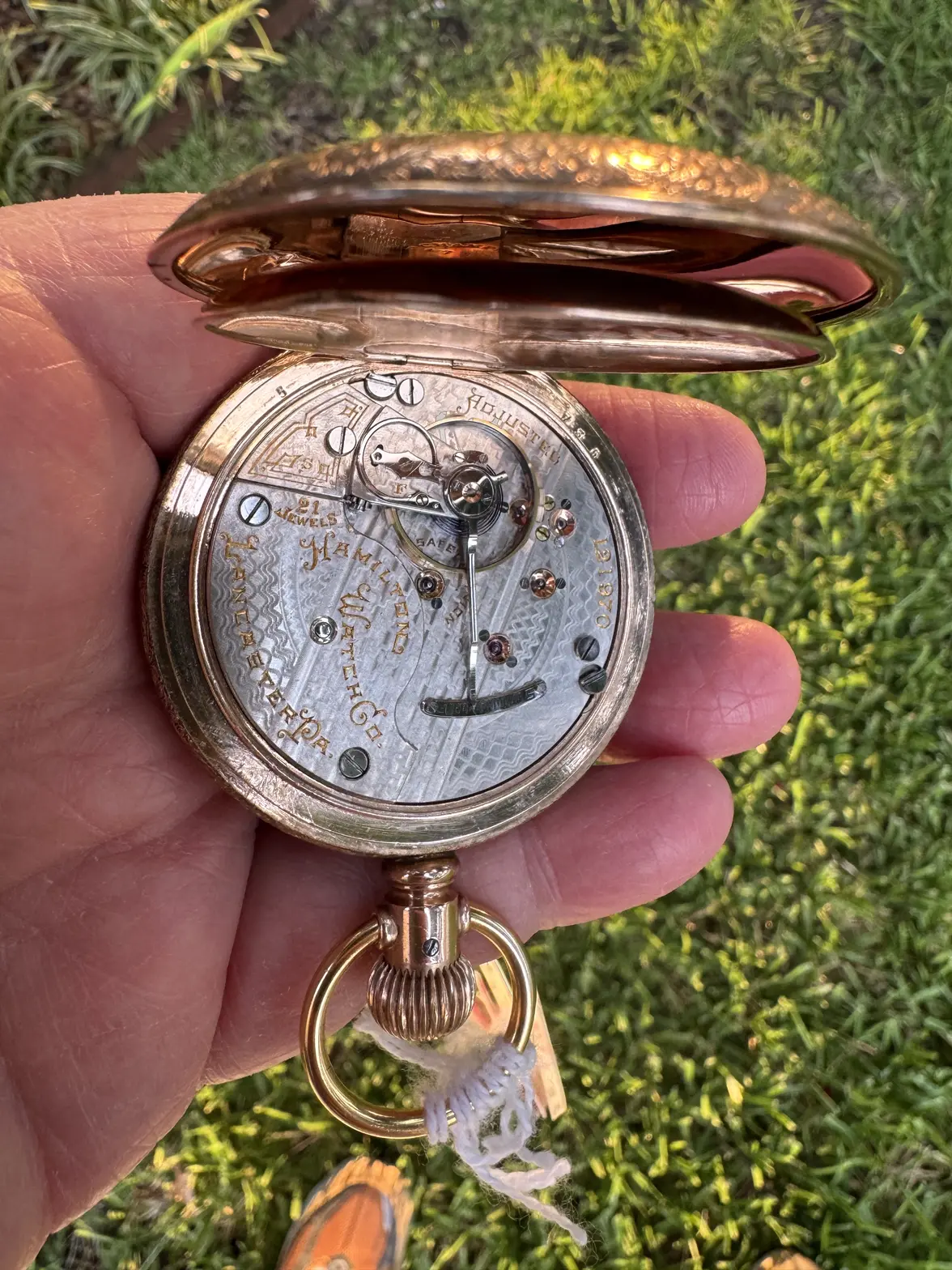
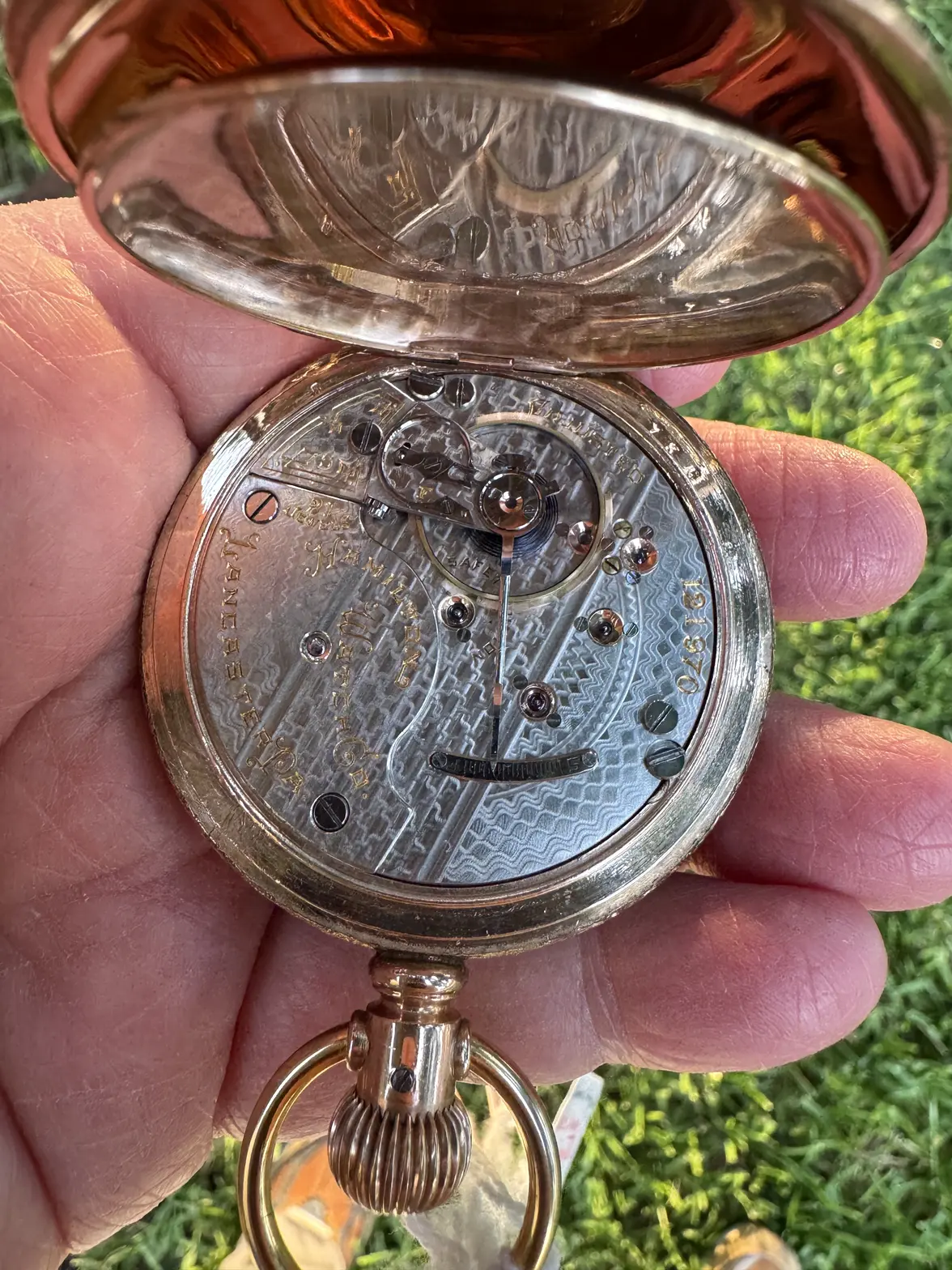
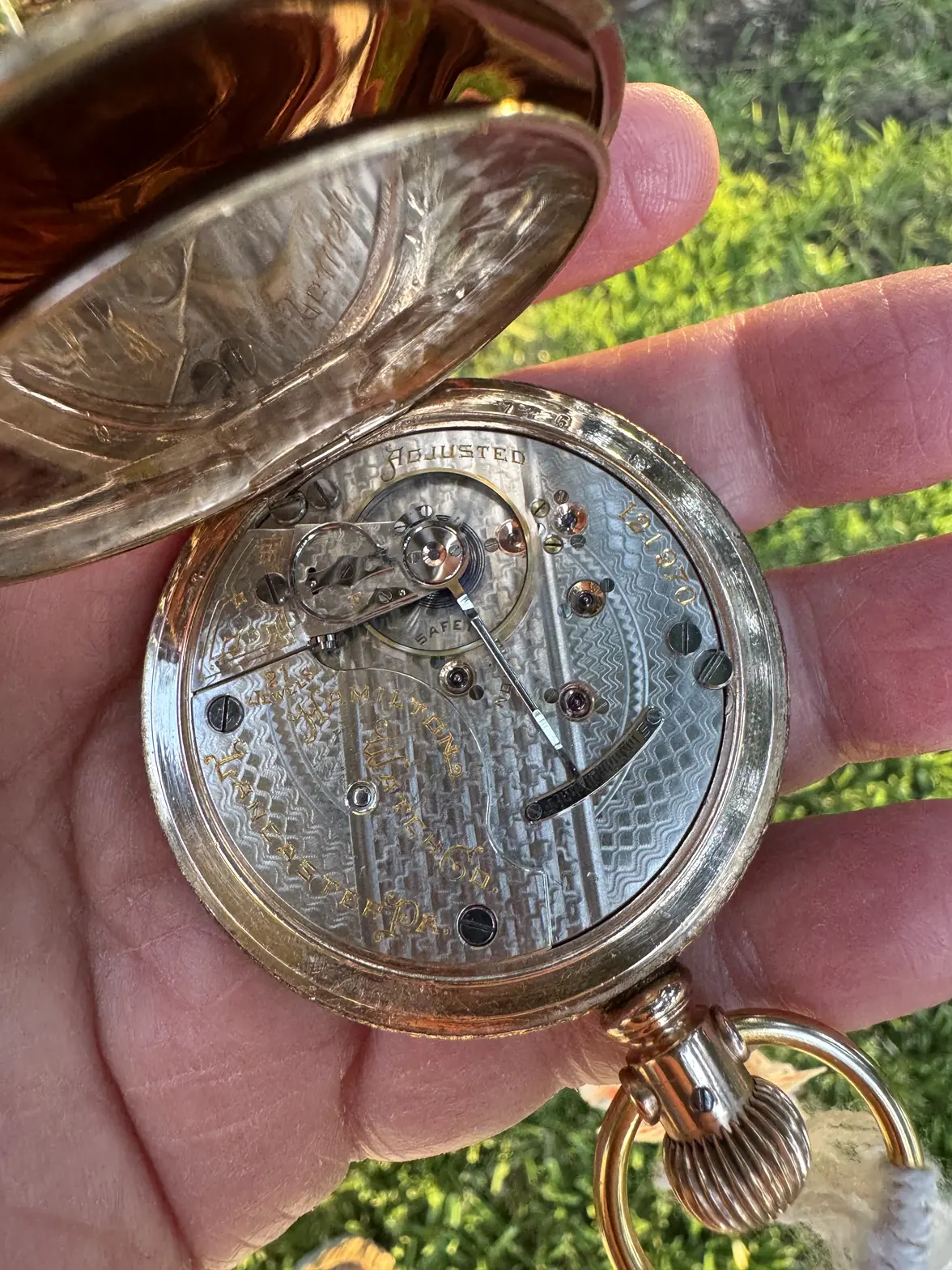
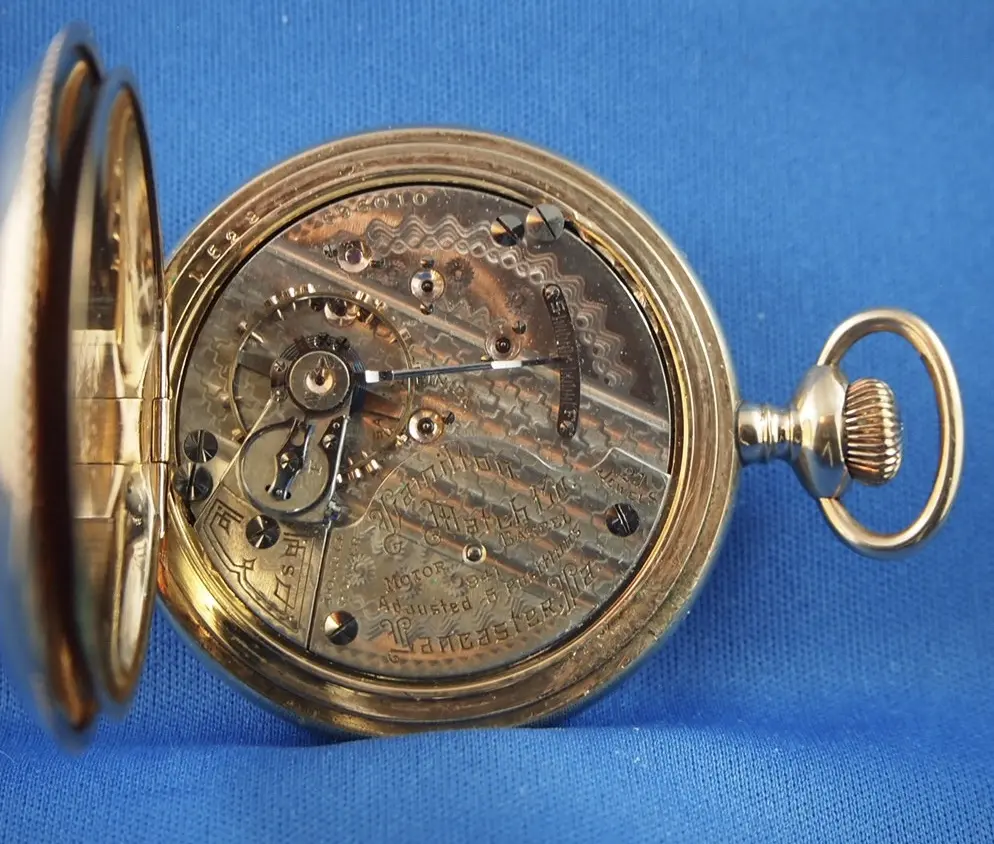
and to continue on cool, rare movements....the Hamilton Grade 943 circa 1902. About 2400 produced and it is estimated about 20 have survived from the comments of the NAWCC and 185 Horology Club watch forum gurus.

Highest grade(select) of parts and highly finished and chamfered


View attachment 3410748
Edited:
 
Posts
209
Likes
1,471
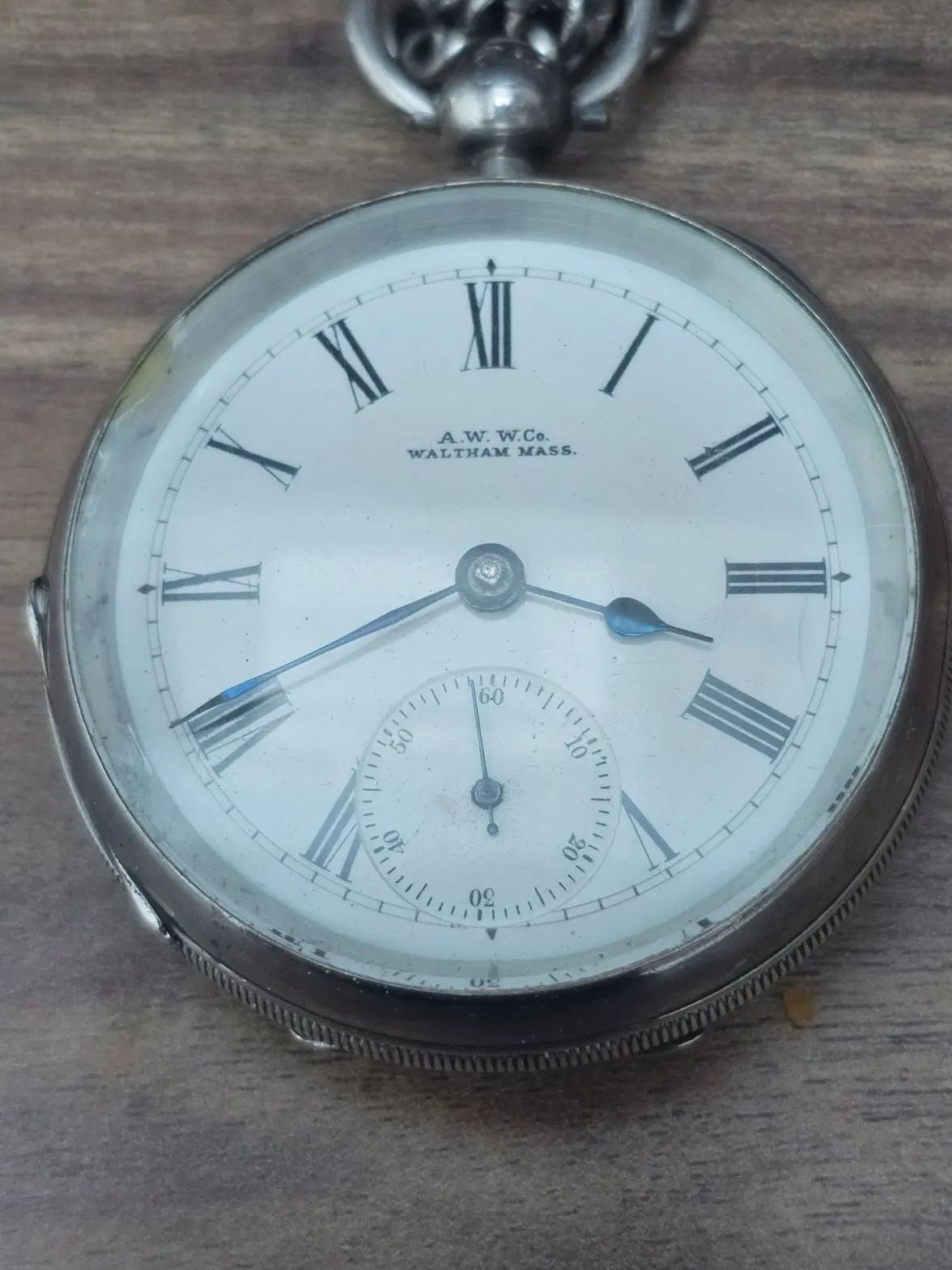
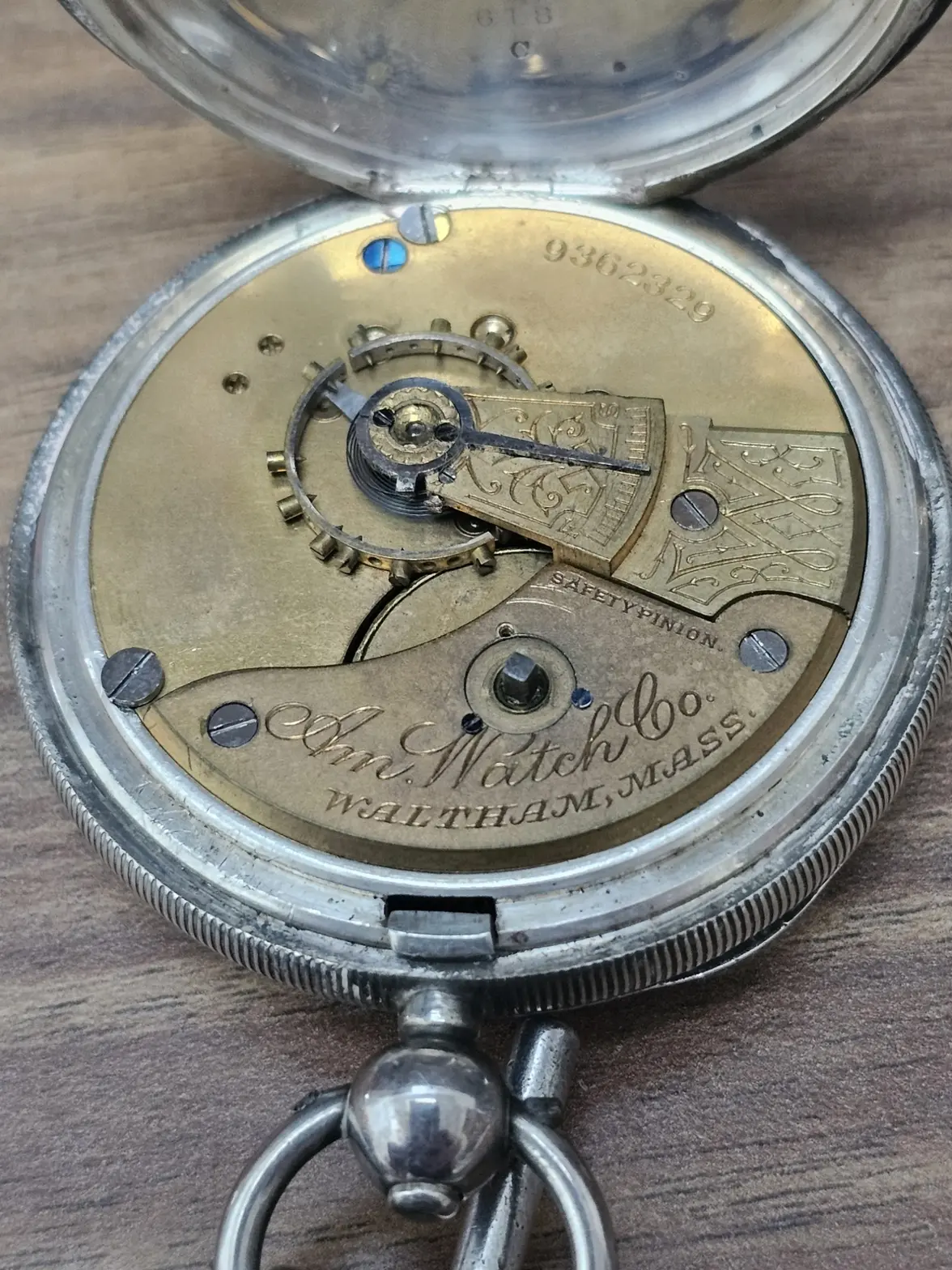
I've got a few, most of which I found in the 'ancestral archive'. First up, is this Waltham, dating from about 1899/1900. I'm not an expert, so opinions are welcome. I'll put some more up when I have time.
 
Posts
15,796
Likes
47,333
I've got a few, most of which I found in the 'ancestral archive'. First up, is this Waltham, dating from about 1899/1900. I'm not an expert, so opinions are welcome. I'll put some more up when I have time.
Likely a coin silver case.

From the pocketwatchdatabase site.

https://pocketwatchdatabase.com/search/result/waltham/9326329

It seems to me to be quite late for a key winder with an estimated production date of 1899.
 
Posts
5,126
Likes
52,212
I've got a few, most of which I found in the 'ancestral archive'. First up, is this Waltham, dating from about 1899/1900. I'm not an expert, so opinions are welcome. I'll put some more up when I have time.

Looks quite nice, great if it has sentimental value. If you want to collect PW's it's best to go for those with a higher Jewel count with 15 Jewels being your minimum unless it's for a particular rare or low production, special inscription etc otherwise 15 to 23 jewels. The other feature to look for is the words adjusted or adjusted to X number of positions. Rail Road grade watches are ultimately always good value and many collectors just look only for those.
The good thing about PW's is that they are abundant though as I say avoid the lower Jewel counts.
 
Posts
15,796
Likes
47,333
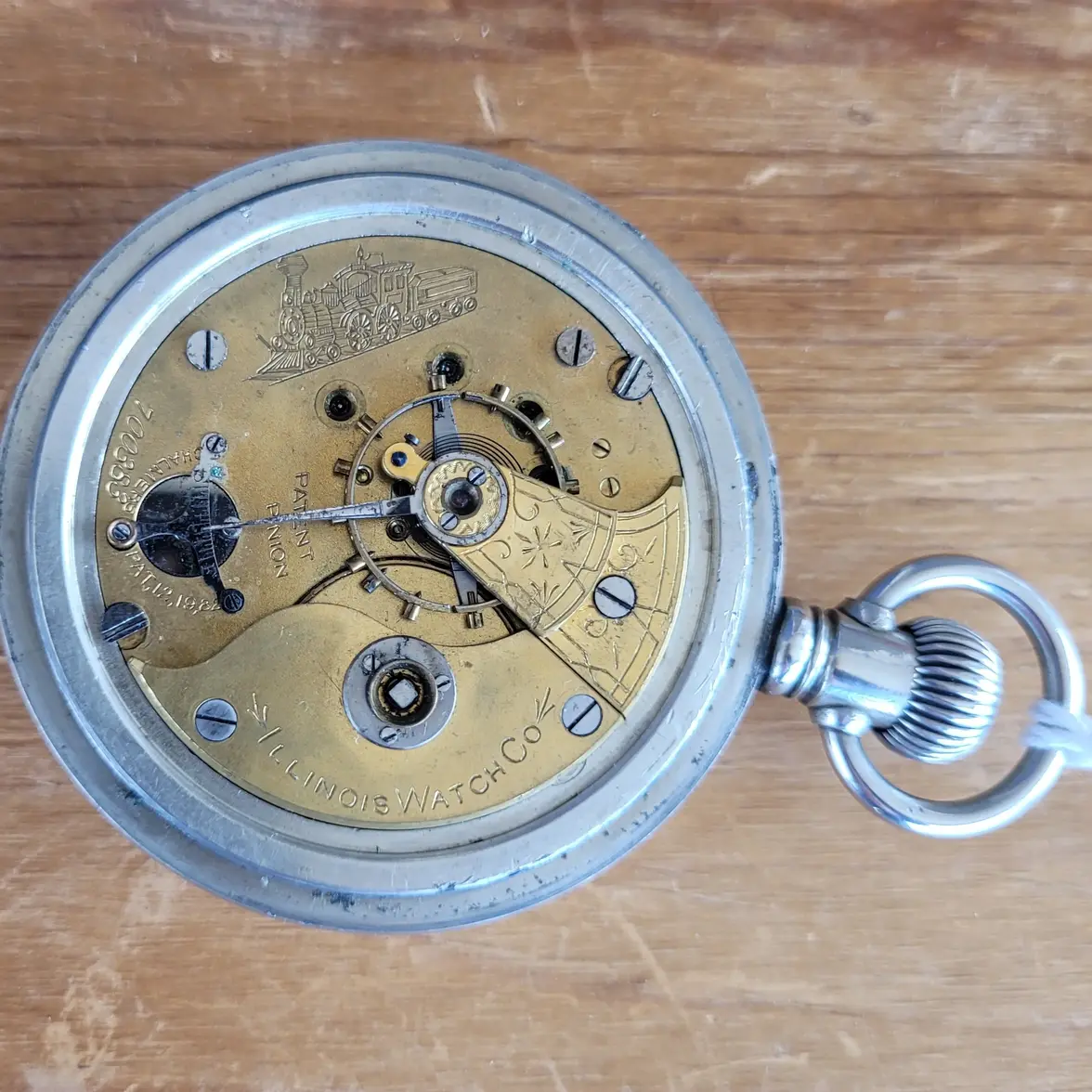
I have two 7-jewel pocket watches in my collection. One is an 18-size Elgin that belonged to my late paternal grandfather who died in 1908. Another is an Illinois model 1 (key winder) in a coin silver hunter case. Call the Elgin sentimental. However, I also have several 11-jewel models. These I don’t normally collect. But two of these are Illinois “Railroaders”. These are neither rare, nor are they railroad grade. But they are the only Illinois 18-size watches that have an image on the bridge. The image is of a woodburning locomotive. All my 11-jewel watches are in hunter cases.
 
Posts
4,233
Likes
12,283
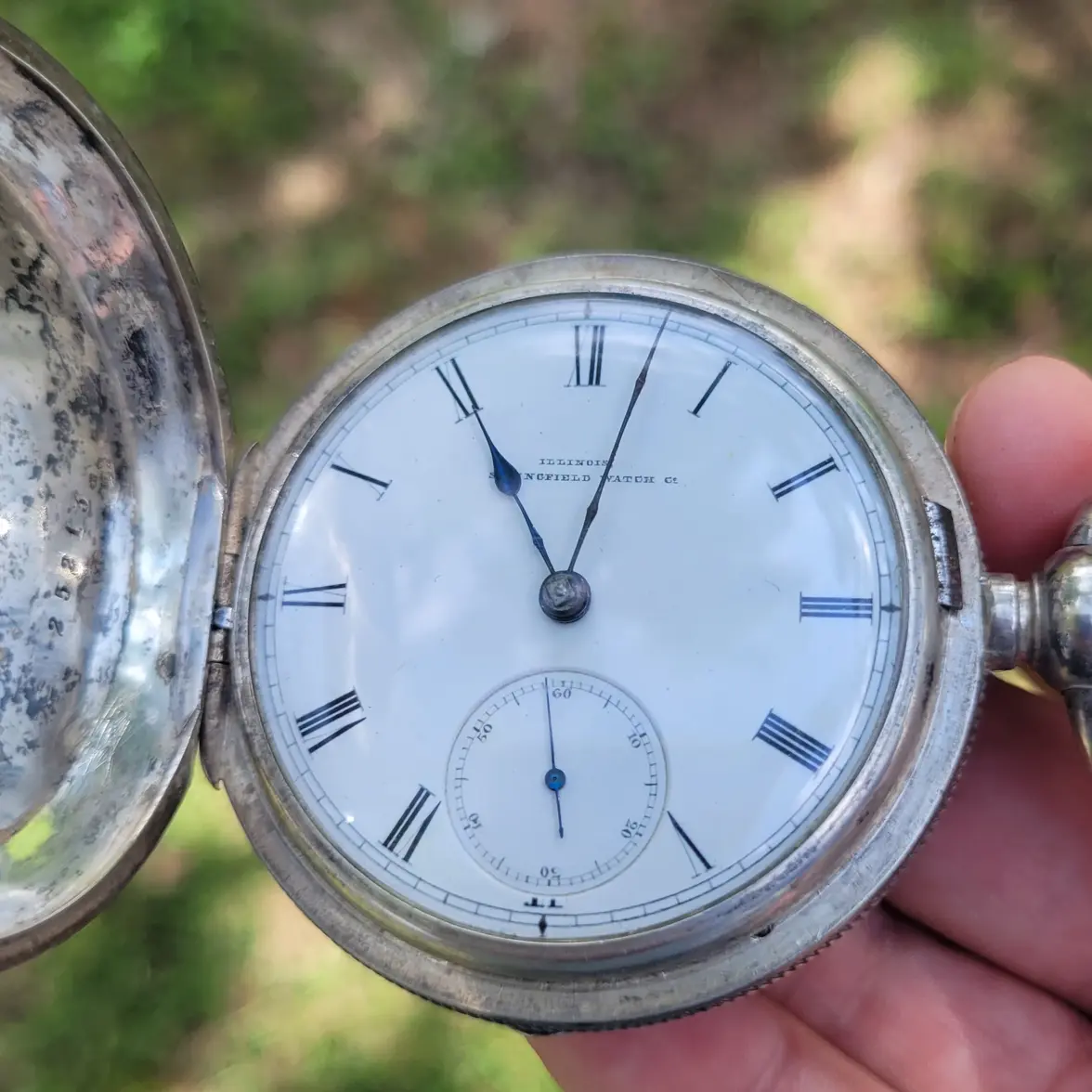
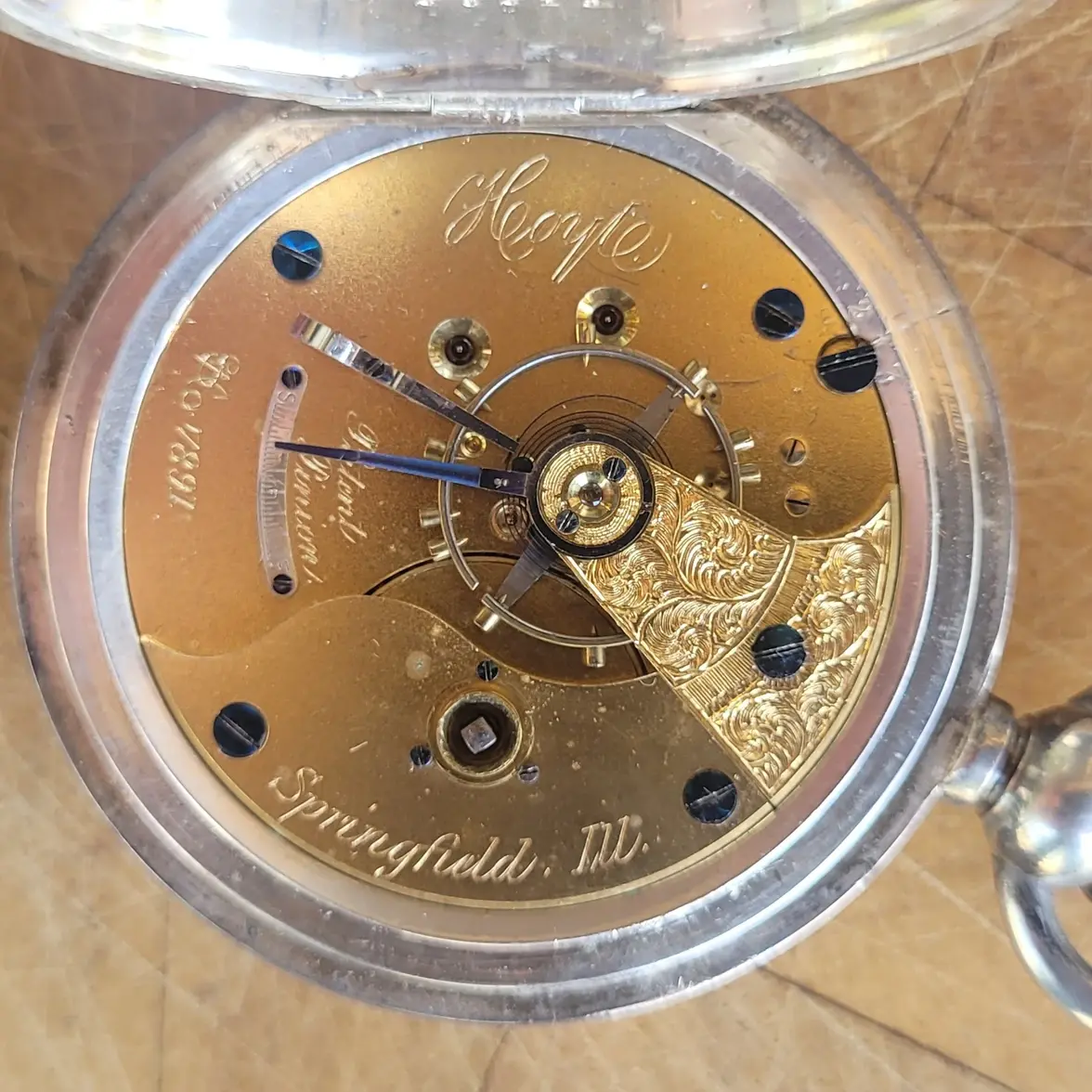
I have a few 7j -11j watches. I also have my share of 23j watches. I collect what I like. One of my favorite watches is an early Illinois, Model 1, grade Hoyt, that's in incredible shape. It's only a 9j watch but it's a great runner and keeps good time (about +20 sec/day) for a watch that's over 150 years old.

Here's my Hoyt and under it is one of the 11j Illinois "Railroaders" @Canuck mentioned.
 
Posts
15,796
Likes
47,333
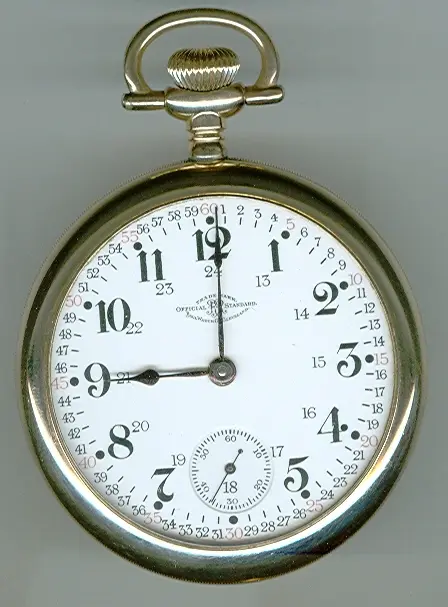
All the discussion lately of Ball watches has given rise to a question I have long wondered about. In particular, regarding a Ball grade 999, 18-size, 23-jewel watch that I worked on, probably 30 to 35 years ago. This watch is one of 100 of this model produced for Ball by the Hamilton Watch Co. in 1911.

This watch came to me from a member of the watch repair community who’d had it on his bench for months. He’d been unable to obtain a balance staff for it, after repeated attempts. We went to his shop, and I recognized it right off as a Hamilton. Closer examination revealed it was a Ball, 18-size, 23-jewel, grade 999. I told him that a balance staff for any 18-size Hamilton double roller model (grade 940, 941, 942, 943, 944, or 946) was the same balance staff as the Hamilton Ball, 18-size, grade 999. I told him I had staffs for it, and that I’d do it and have it back the next day. I had the staff (grade 940), so I fitted it and had it back the very next day!

As it happens, I took pictures of the watch while I had it, and which I include herein. My apologies for the quality of the pictures, but they were taken many decades ago.

This watch had belonged to the present owner’s grandfather who had been foreman on a track maintenance crew, about 100 years ago. When the old guy died, it went to his son who also died, the watch ending up (broken) in possession of the guy who owned it when I worked on it. He may well be dead, too!

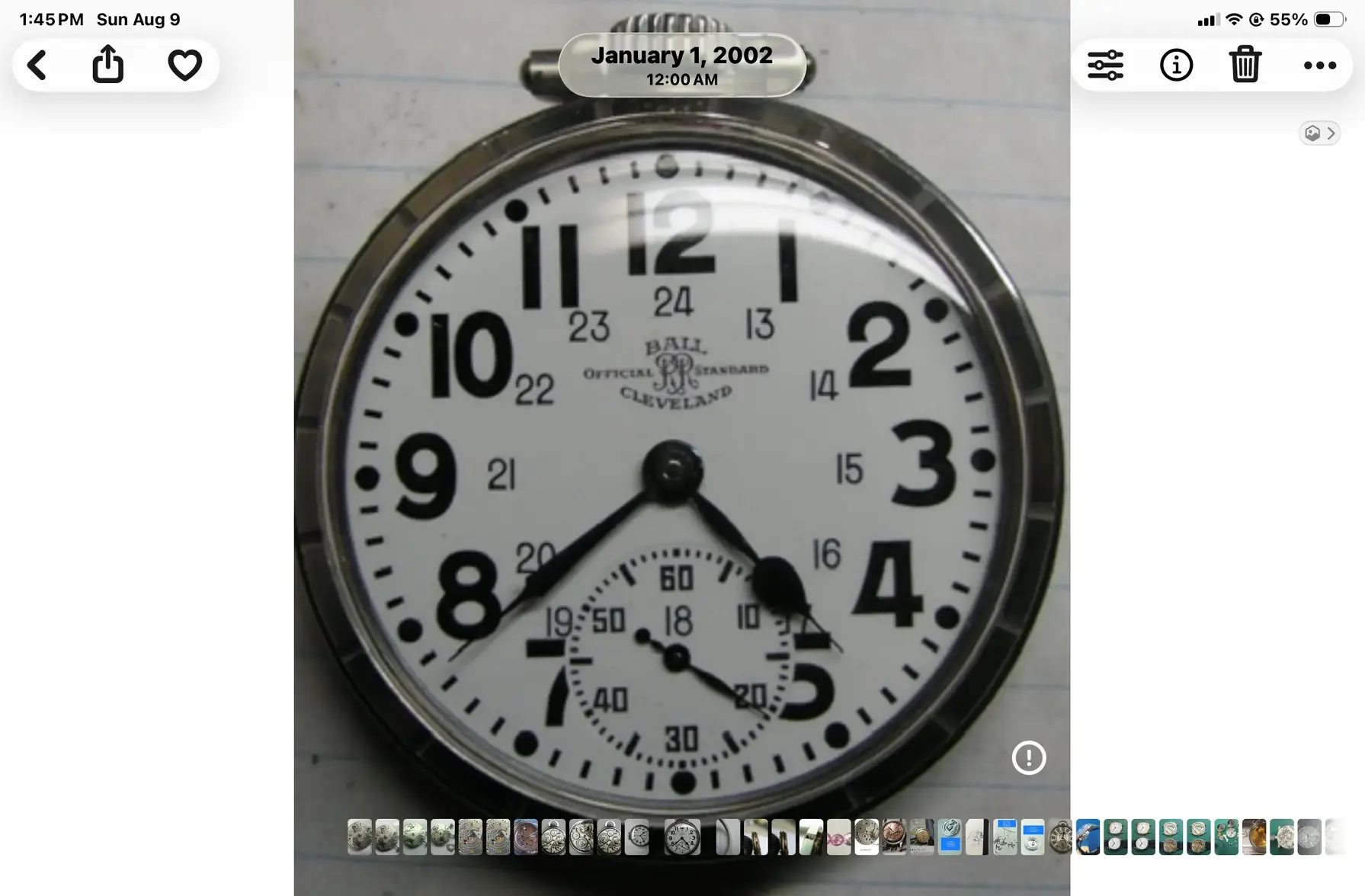
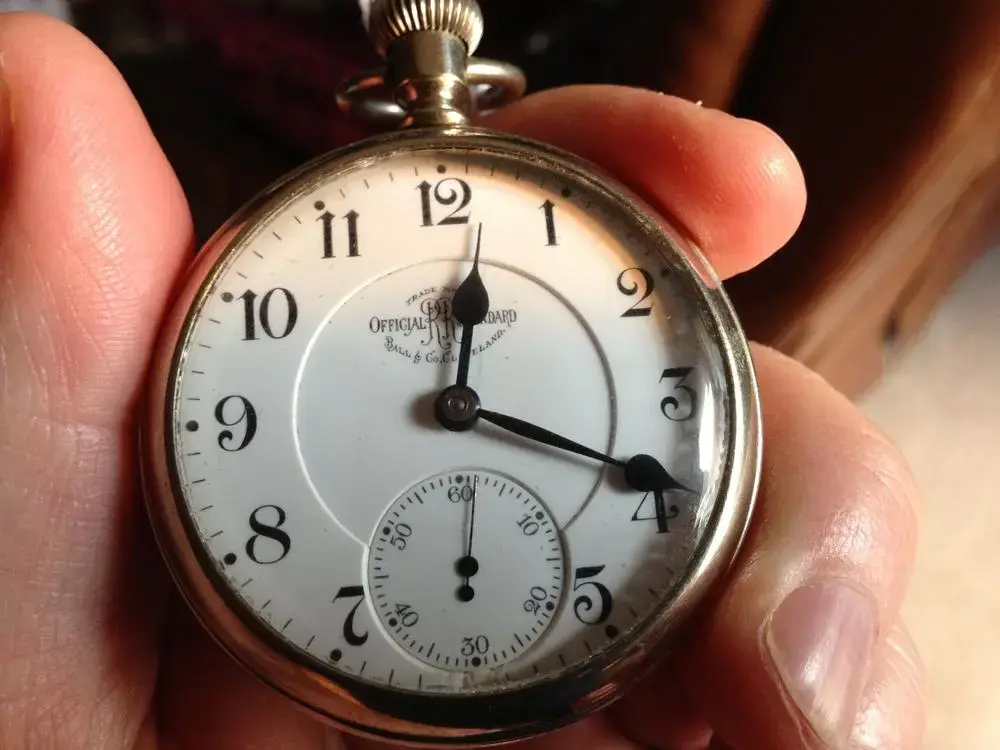
I did an article for the NAWCC Bulletin publication regarding this watch. Some b _ _ _ _ y poohbah who read the article jumped all over it and declared it a FAKE! His reasoning was the lack of the typical Ball ORRS logo on the 24-hour dial! This gives reason for my question. Since this watch was produced for the Canadian market, and because the (apparent) lack of availability of a 24-hour dial WITH the Ball ORRS logo on the dial, this dial could have been a “one-off” just for this watch. Did Ball market 24-hour ORRS dials for the Canadian market?

 
Posts
8,757
Likes
62,107
I see them out there in the forums, periodically

Edited:
 
Posts
15,796
Likes
47,333
Thanks @TexOmega ,

In particular, I am wondering about much earlier Ball ORRS dials as might be found on early 20th century, 18-size railroad watches. Or even earlier examples. I don’t recall ever having seen an earlier Ball 24-hour dial than the example I posted. I just went through dozens of listings on eBay showing Ball watches. Everything currently listed is 16-size, and all were 12-hour dials except for two that were 24-hour dials. There was one 12-hour 16-size dial that lacked the ORRS logo.
 
Posts
15,796
Likes
47,333
and to continue on cool, rare movements....the Hamilton Grade 943 circa 1902. About 2400 produced and it is estimated about 20 have survived from the comments of the NAWCC and 185 Horology Club watch forum gurus.

Highest grade(select) of parts and highly finished and chamfered


View attachment 3410748
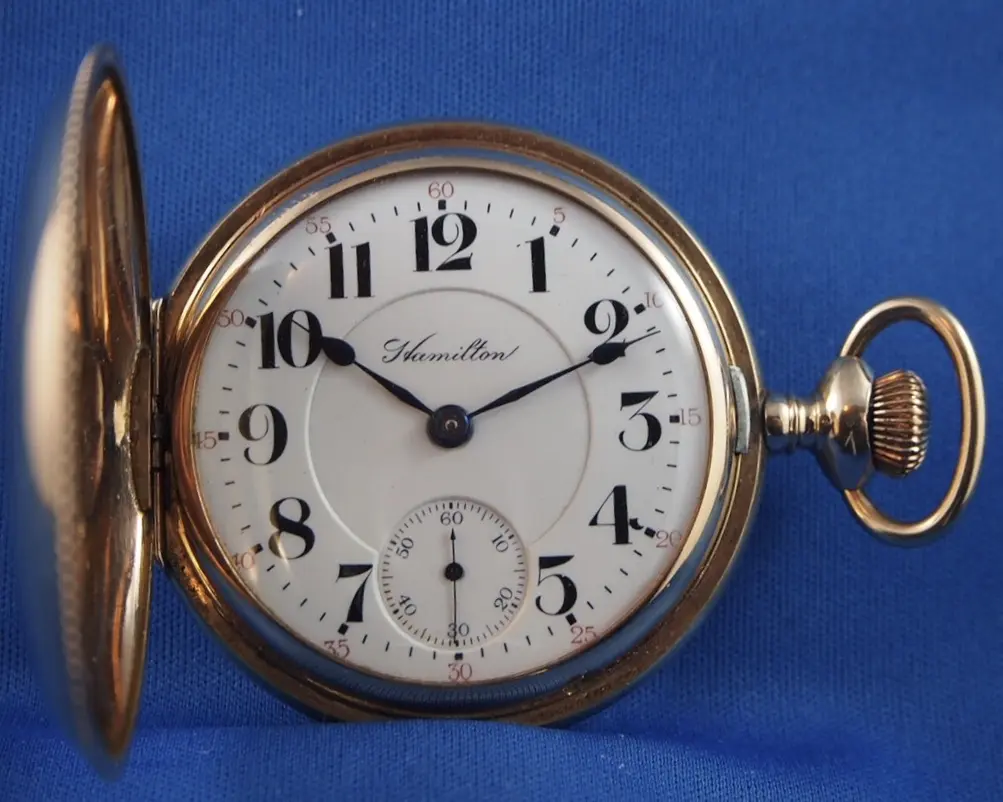
I’ve posted a picture of my Hamilton grade 941. This is the hunter cased version of the Hamilton grade 940. The 941 has everything the 940 has, but this one is not railroad approved. Likely a watch for a business man who rode trains a lot, and wanted a railroad watch, but preferred the hunter cased watch to the open faced watch. This one is not nearly as scarce as @TexOmega ’s Hamilton grade 943, as there were over 26,000 of the grade 941 produced. This 941 is not lever set like the 940. It is stem set. Seems to me that Hamilton was inclined to make a minor change to an existing grade of movement, then allot a different grade number to the altered model.

 
Posts
18,564
Likes
38,554
Beautiful movement. Is there a name for that style of regulator?
 
Posts
15,796
Likes
47,333
Beautiful movement. Is there a name for that style of regulator?
https://pocketwatchdatabase.com/search/result/hamilton/696010

The regulator on many 18-size, railroad standard pocket watches in known as .”Goldthwait.” Who or what was Goldthwait, you might well ask. Since this regulator appears to be only found on Hamiltons, it might be a Hamilton patent. In my Shugart, Engel, and Gilbert Bible, the picture of this regular is listed only as “Hamilton”.
 
Posts
8,757
Likes
62,107
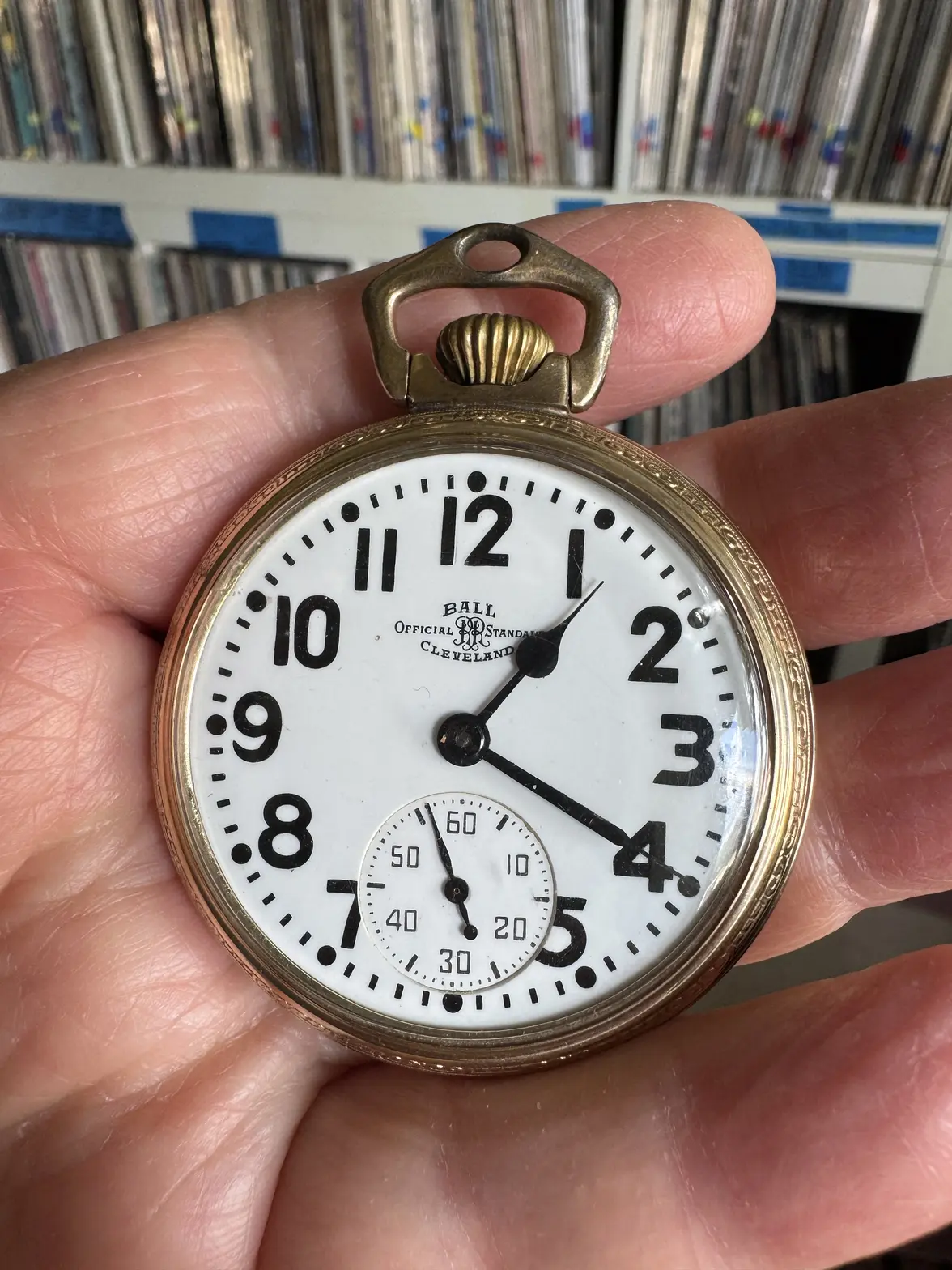
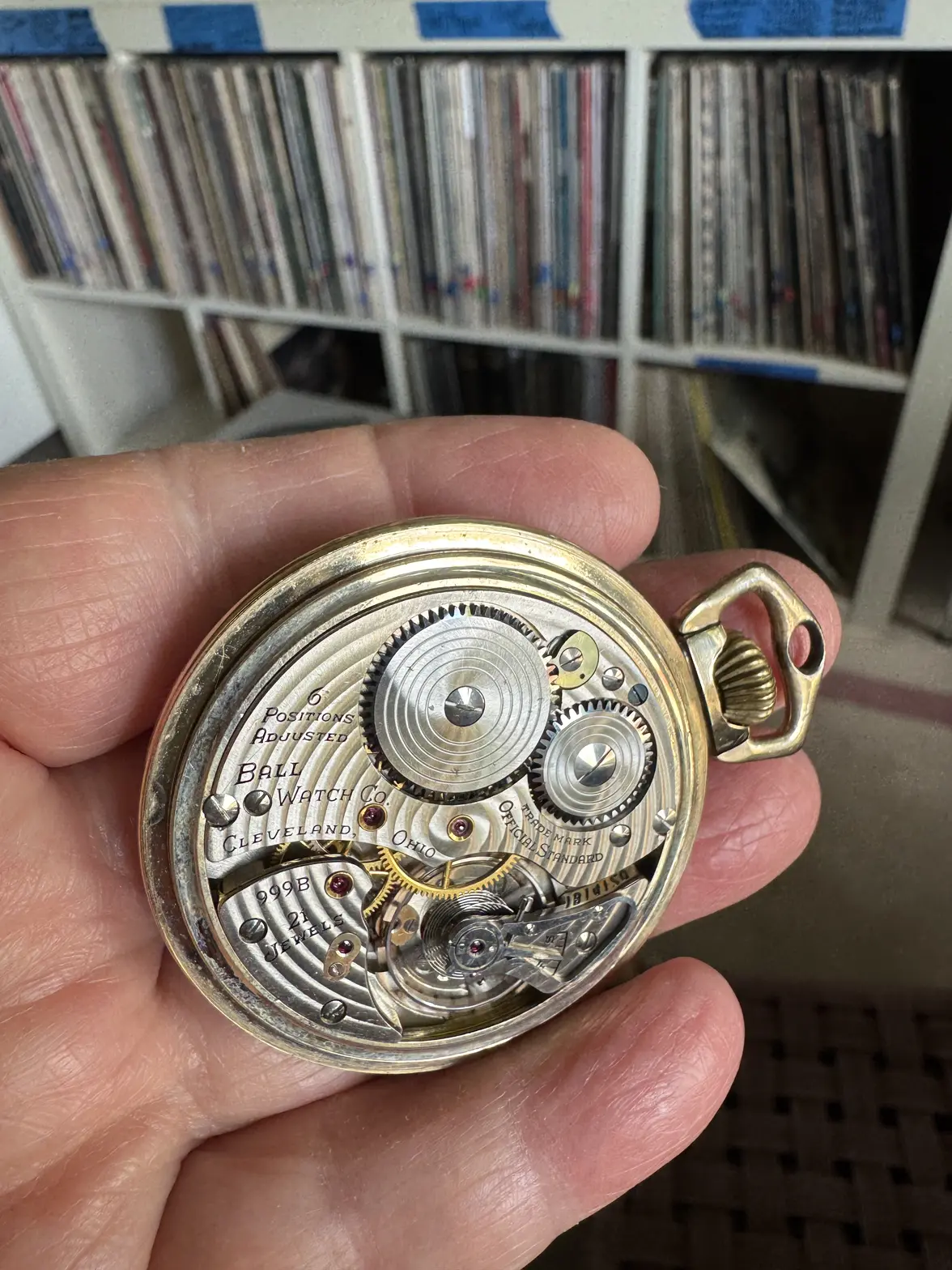
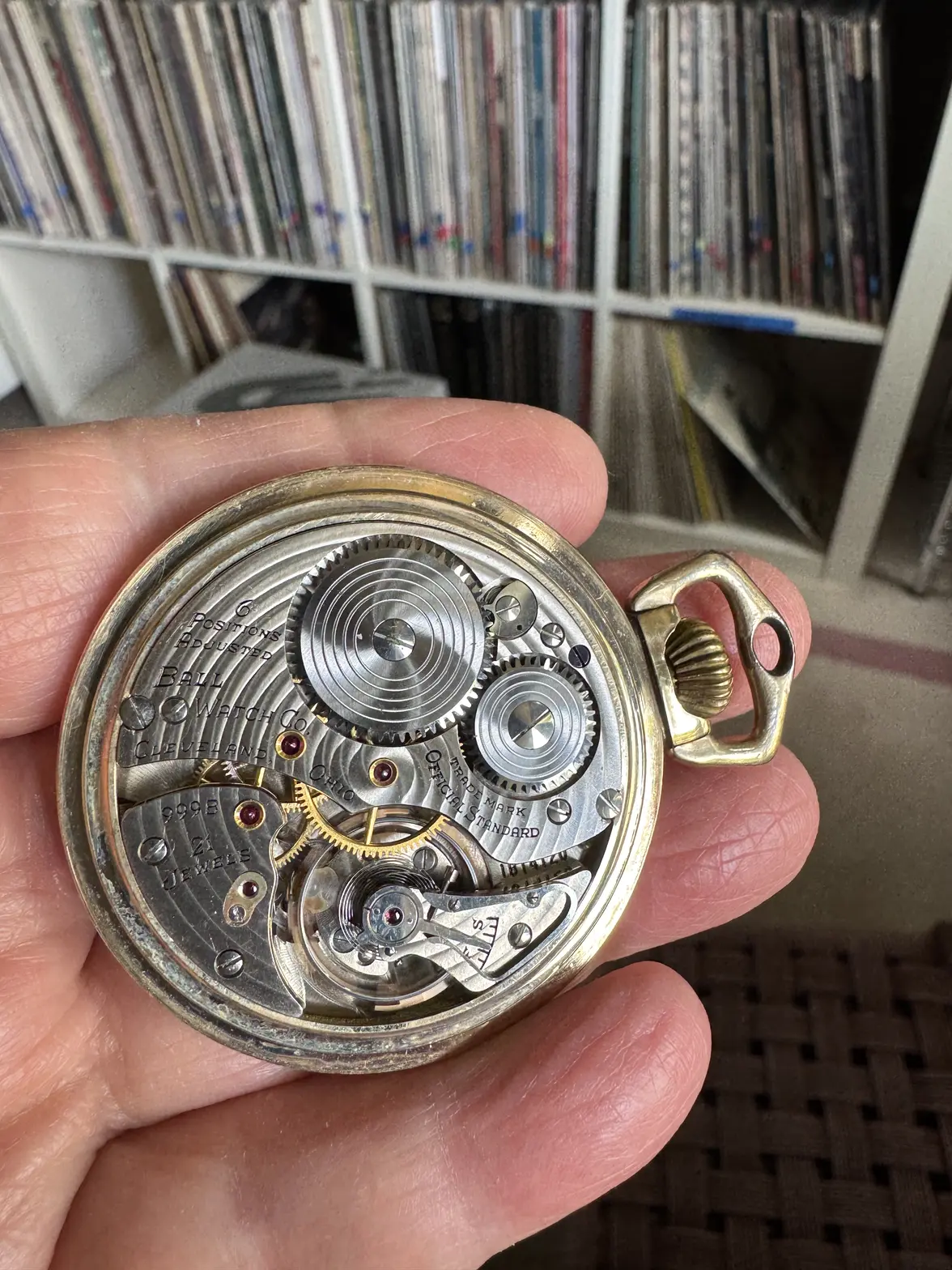
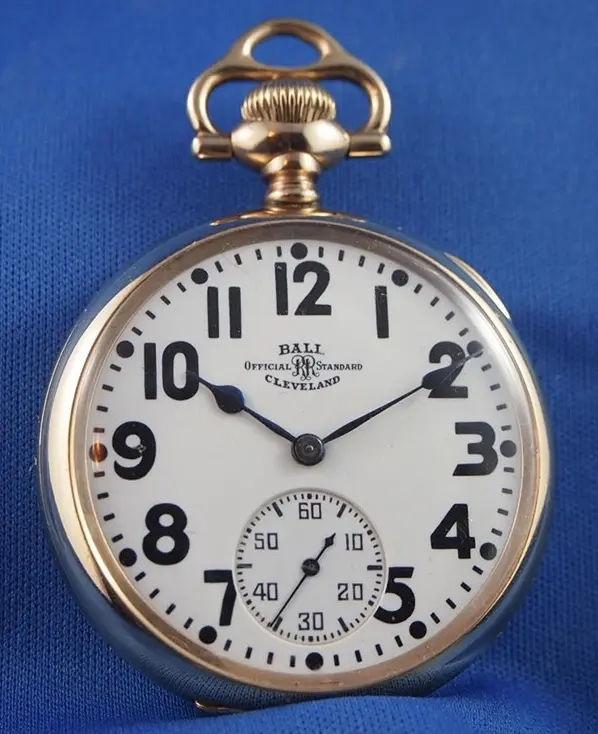
With this one, a 1949 Ball 999B, kinda getting towards the end for the supremacy of pocket watches for the RR employees and therefore slowed sales for the manufacturers.
Hamilton introduced Ball 999B in 1943 as the Ball version of the 992B and discontinued in 1954-5 as wrist watches gained ground, acceptance and proved reliability.

Ball, for example was importing Swiss watches by 1955, and Hamilton was essentially done by 1960-61, as 10 years of R&D resulted in a hybrid electric wrist watch so fragile that the Bulova Accutron took that Market completely and Hamilton shut the doors in 1969 after running out their stock of parts and pieces with additional 992B's.

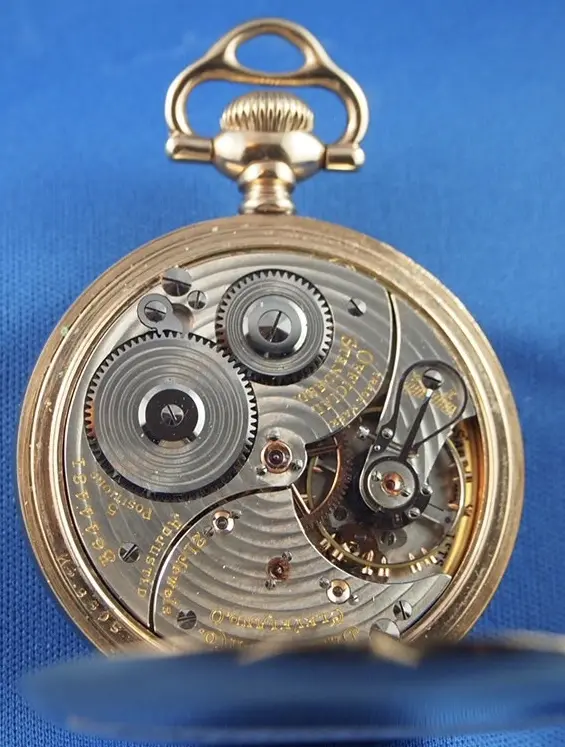
High quality pocket watch with the Elinvar Extra hairspring and monometallic balance as was in the 992B. Ball requested a differing look, so the plates were redesigned.
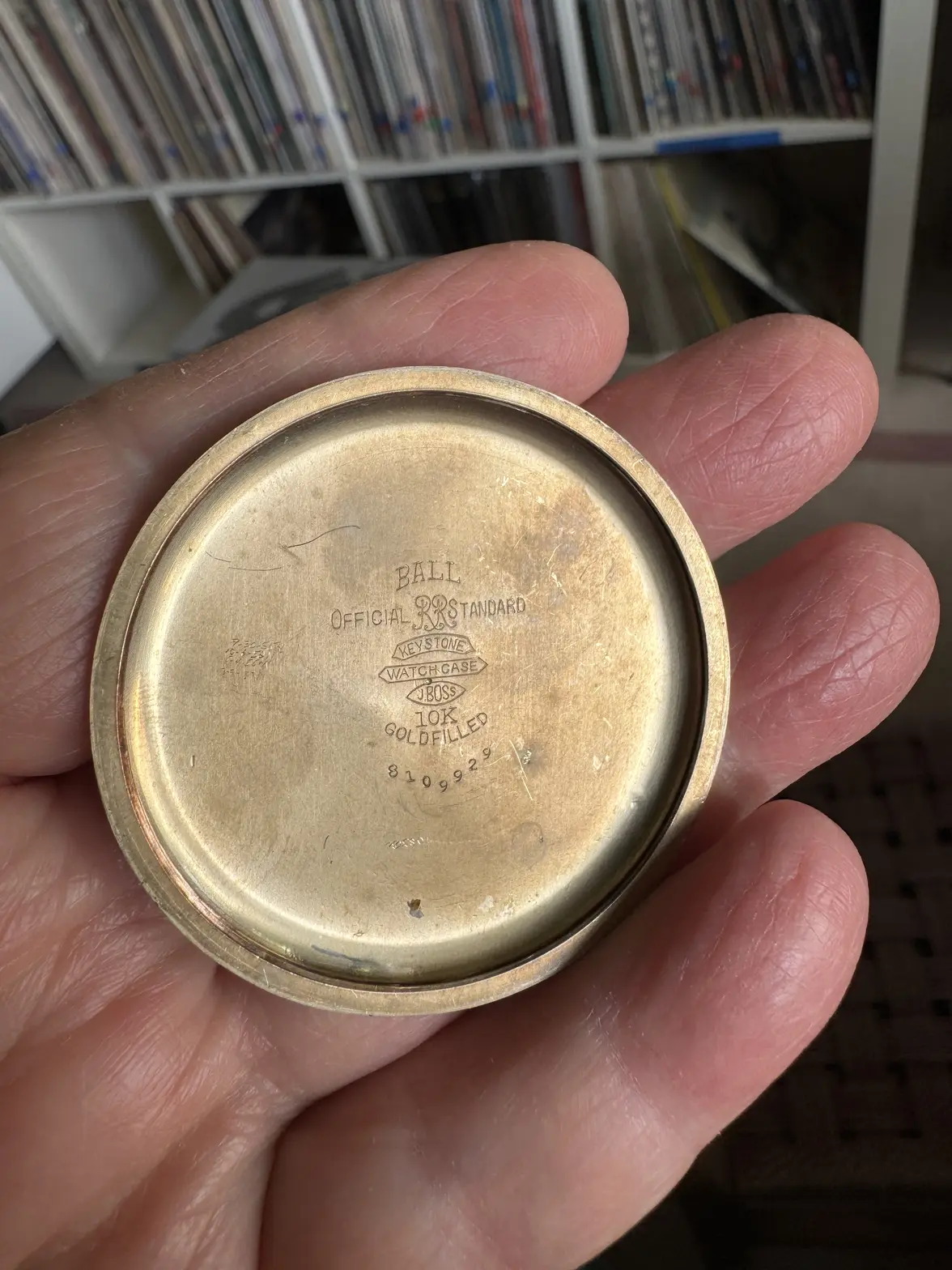
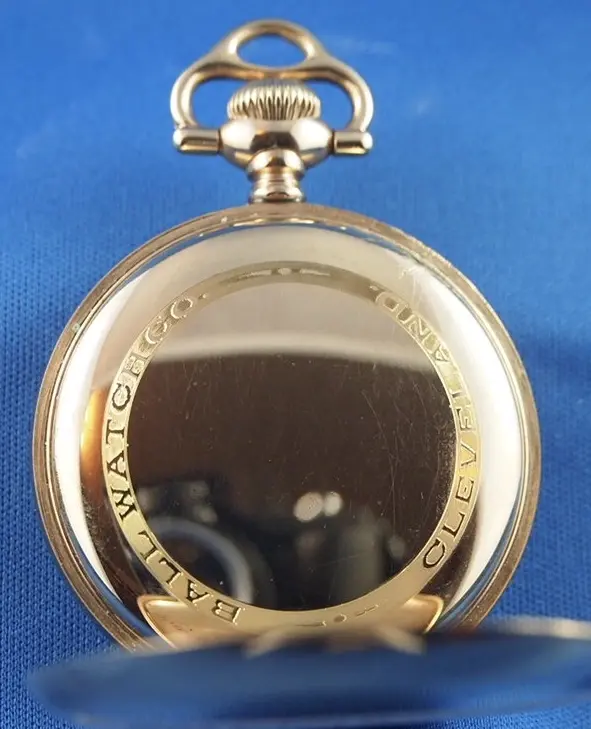
And Ball did some cosmetic things and cased them with Ball ORR Standard "stirrup" cases(in this example).

Edited:
 
Posts
15,796
Likes
47,333
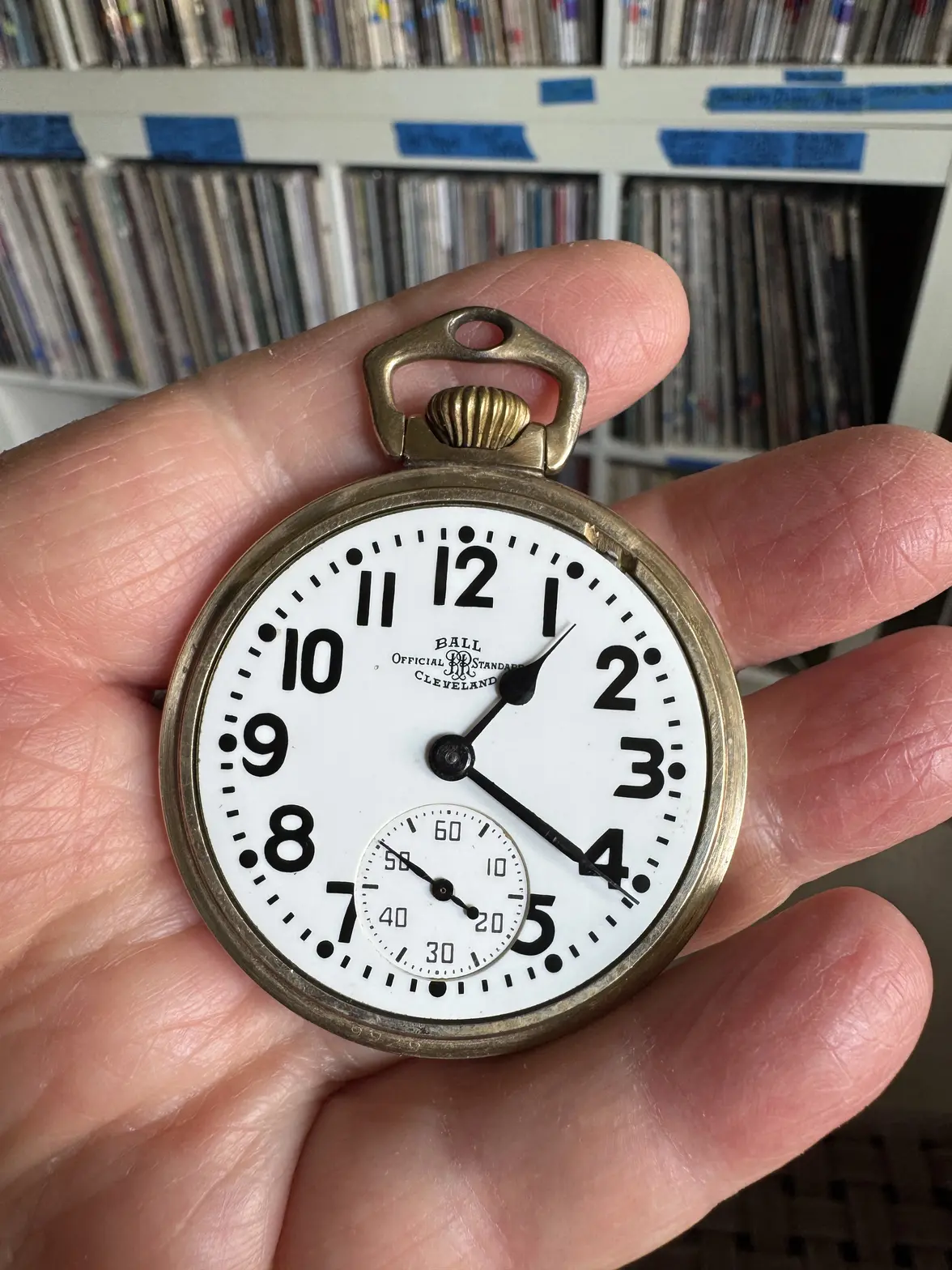
My Ball ORRS pocket watch has the same movement as the one posted by @TexOmega . One major difference is that his is in a correct Ball case. Mine is in a Ball 20th Century case that originally would have contained a 23-jewel movement. My Ball came to me in a Waltham case. In my collection at that time, I had a Waltham Vanguard movement in this very Ball 20th Century case. Presto changeo, the Waltham Vanguard movement was moved to the Waltham case, and the Ball movement was moved to the (incorrect) Ball 20th Century case. I live with the result. Pretty good for a watch that is about 89 years old! One difference that pops out at me is that the bridges over the train wheels on the two watches are different. That might be because my earlier Ball is based on the Hamilton 992E, while the one shown by @TexOmega appears to be later, and based on the 992B.

Edited:
 
Posts
8,757
Likes
62,107
How the mighty has fallen
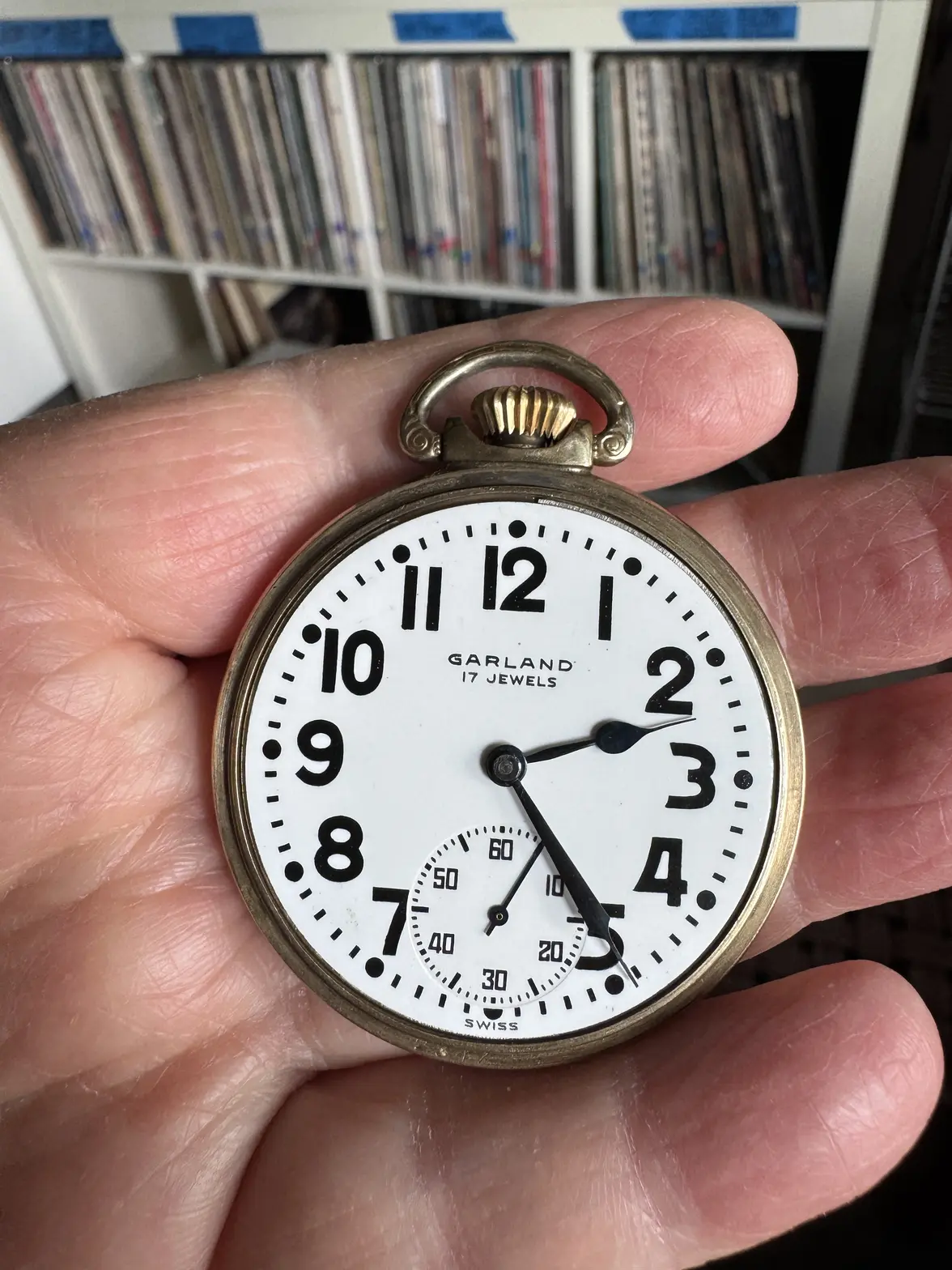
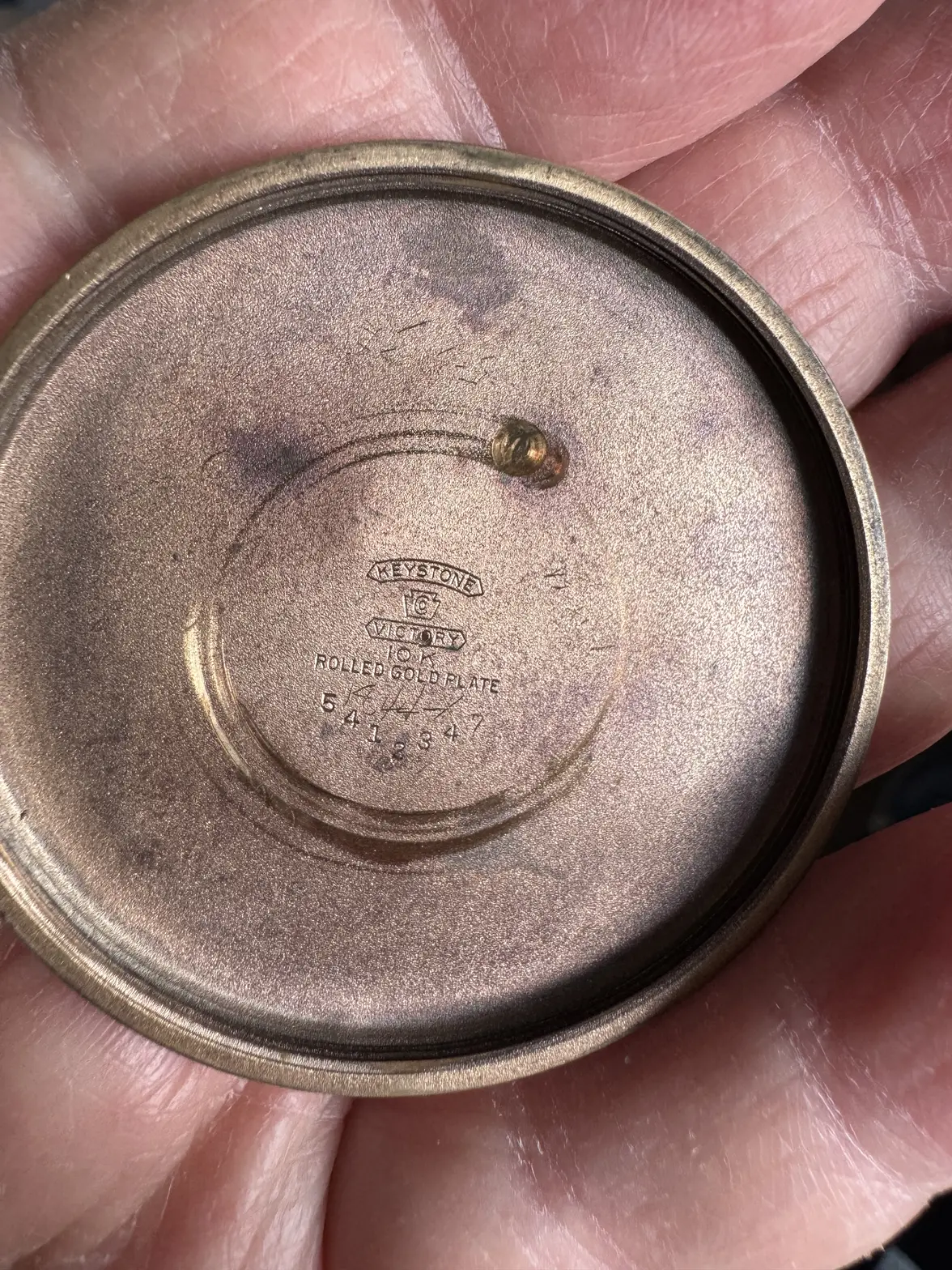
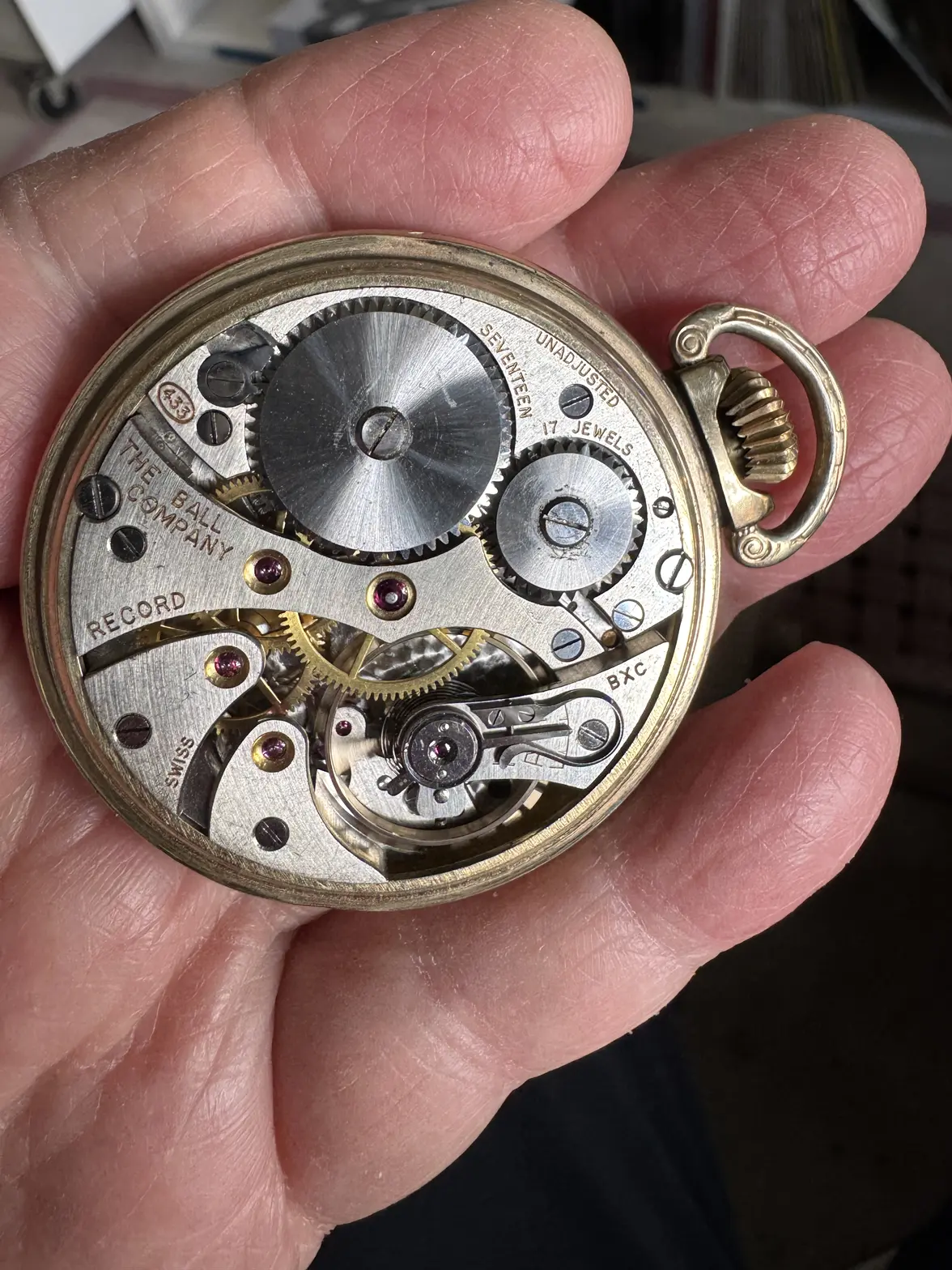
This is the grade 433, a pendant set pw
The grade 435 was lever set

NOT RR GRADE!


Webb C. Ball was spinning’

 
Posts
15,796
Likes
47,333
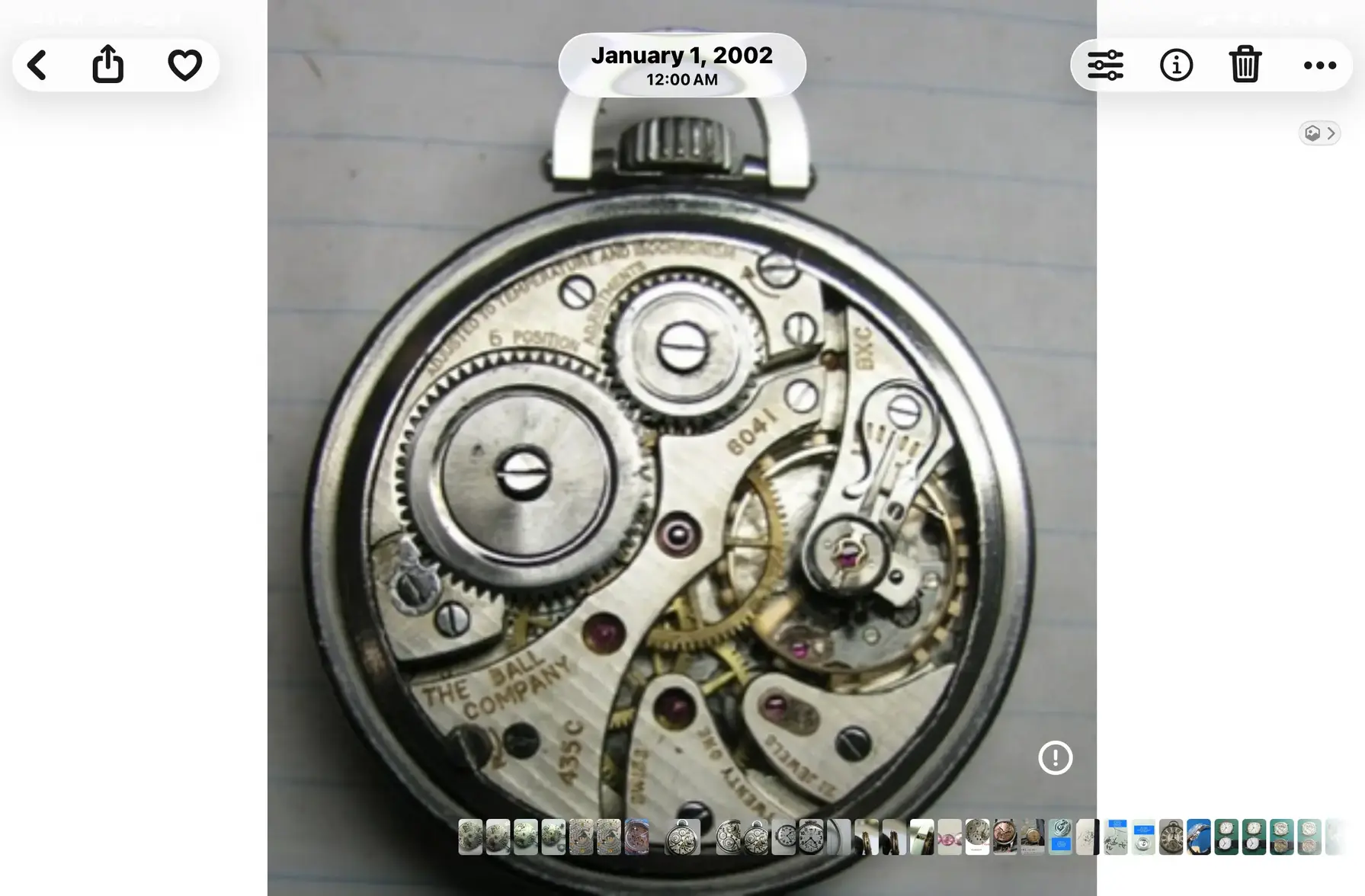
When Ball considered using the Record (Swiss) movement in Ball railroad standard watches, they had Record alter their production model movement to somewhat reflect features about the Hamilton 992B. In particular, the Hamilton method of fitting cap jewels. In particular, the cap jewels over the pallet arbor and the top pivot of the escape wheel, and the cap jewels on the pillar plate over the balance, pallets, and escape wheel. I’ve only ever worked on one Record Ball grade 435C in my life. And I swear I’ll never work on another one!
 
Posts
15,796
Likes
47,333
How the mighty has fallen
This is the grade 433, a pendant set pw
The grade 435 was lever set

NOT RR GRADE!


Webb C. Ball was spinning’

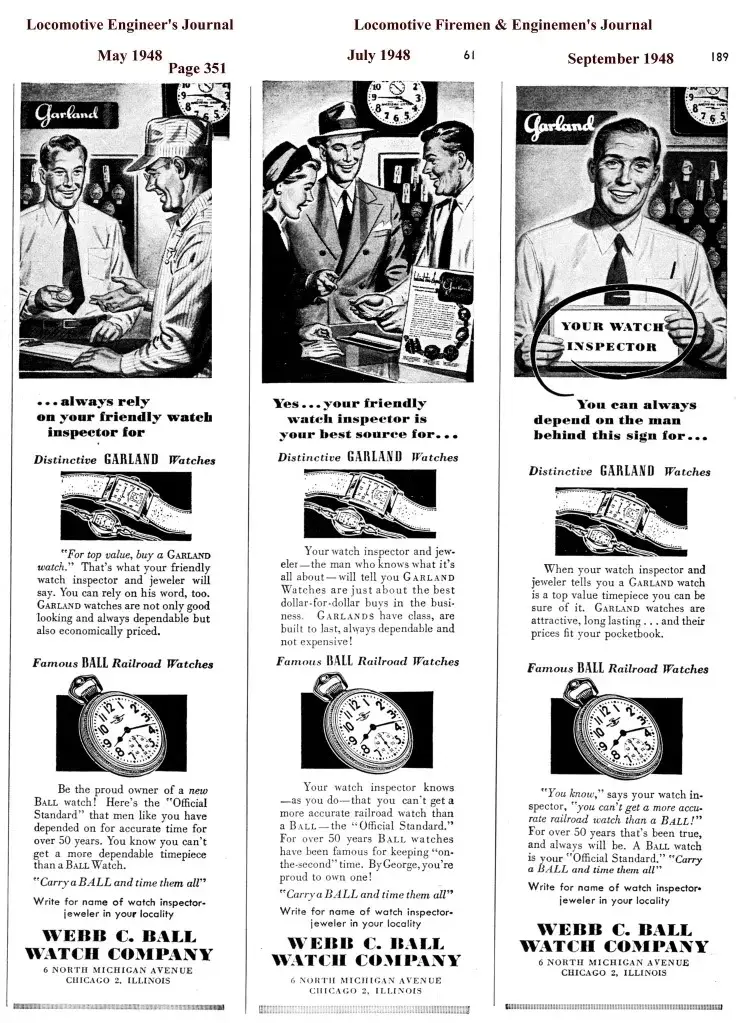
The watch brand name GARLAND on the Garland pocket watch shown by @TexOmega was a brand name owned by the Ball Watch Co., and it was used on some (none were ORRS) watches imported from Switzerland. Including this Garland pocket watch shown by @TexOmega . Webb Ball was long out of the scene by the time the last new American made watch wore the ORRS logo. He could well be “spinning” in his grave. The Record movement used by Ball ORRS watches was the only Ball watch that was shock protected. The Record grade 433 Garland watch shown in this thread is NOT shock protected.

The BXC marking you see on the balance cock is the import code for the Ball Watch Co., Avis, and Garland. So Ball also owned the Avis name! Who knew?
 
Posts
8,757
Likes
62,107
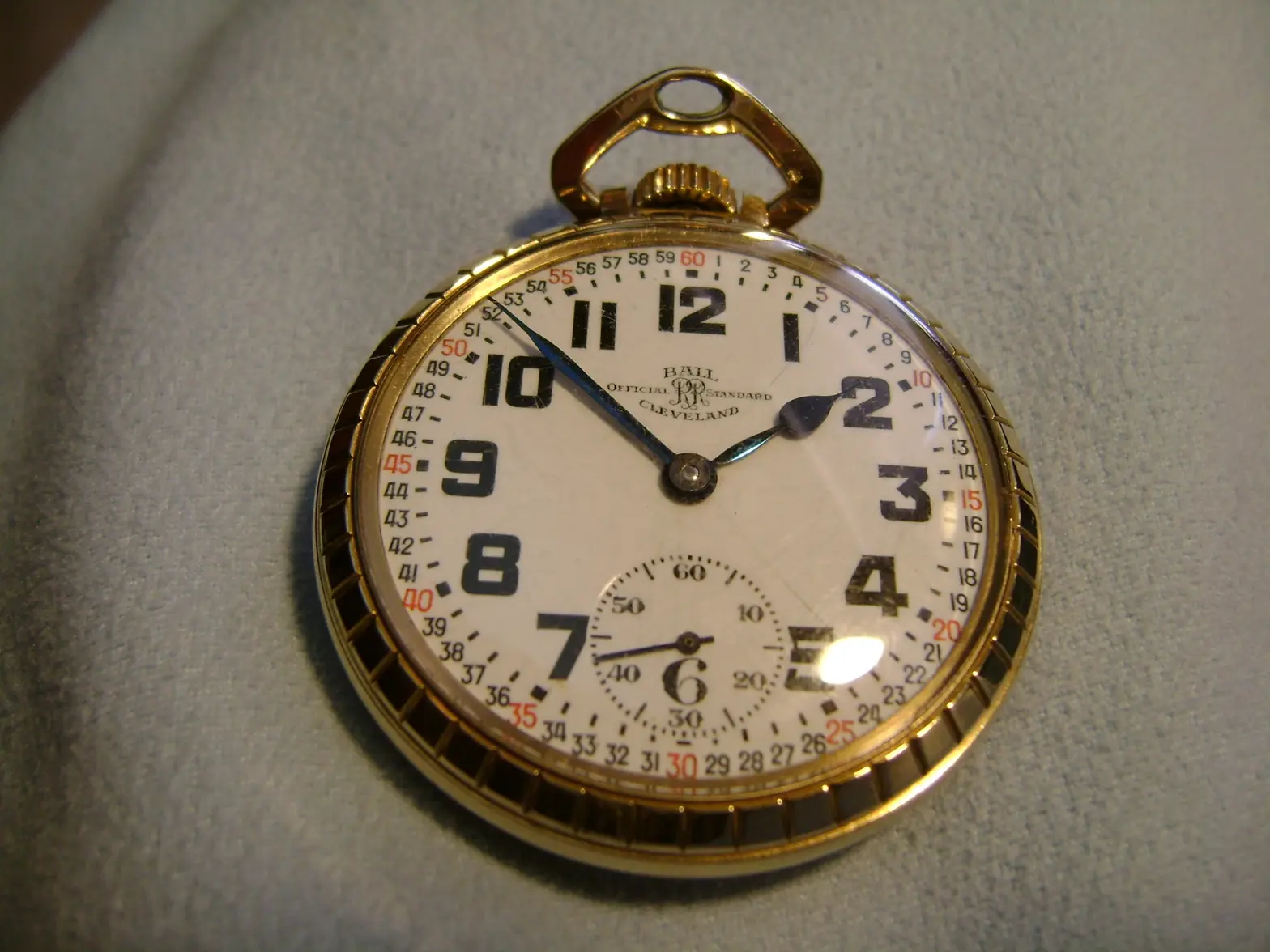
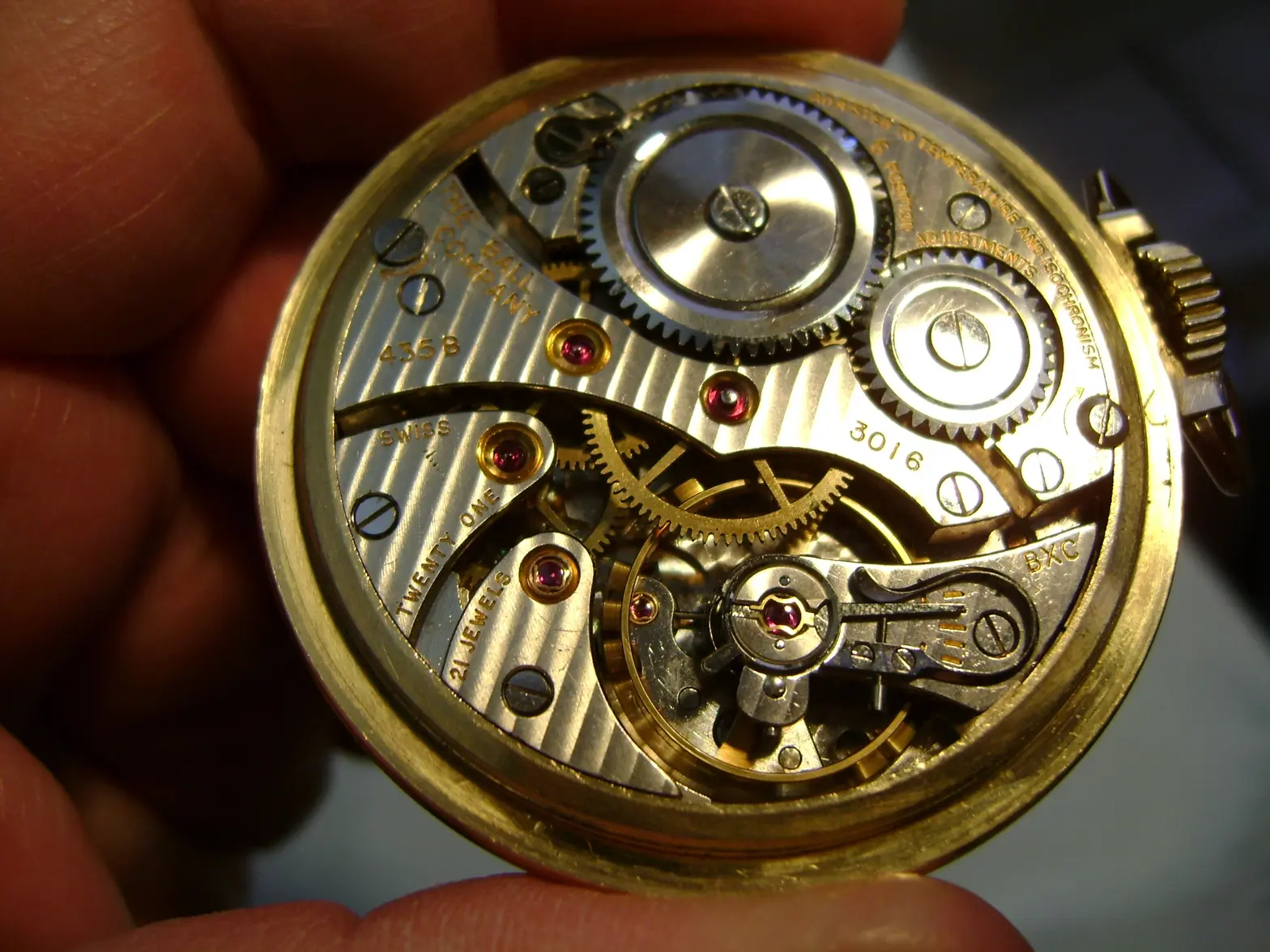
The Ball ORRS grade 435B and as mentioned above by @Canuck, is shock protected.

And Webb C. would be spinningx3.....Swiss/Marginal Minutes/ RED COLOR, oh my!!
😀

 
Posts
15,796
Likes
47,333
The Ball ORRS grade 435B and as mentioned above by @Canuck, is shock protected.

And Webb C. would be spinningx3.....Swiss/Marginal Minutes/ RED COLOR,
The main difference between the Ball Record 435C and the 435B is the manner in which the cap jewels over the top pallet arbor pivot and the top escape wheel pivot are fitted. The 435B set the cap jewels the Swiss way, and the 435C has them set like Hamilton set them.