Calling all Pocket Watch Buffs

Posts
4,104
Likes
11,700
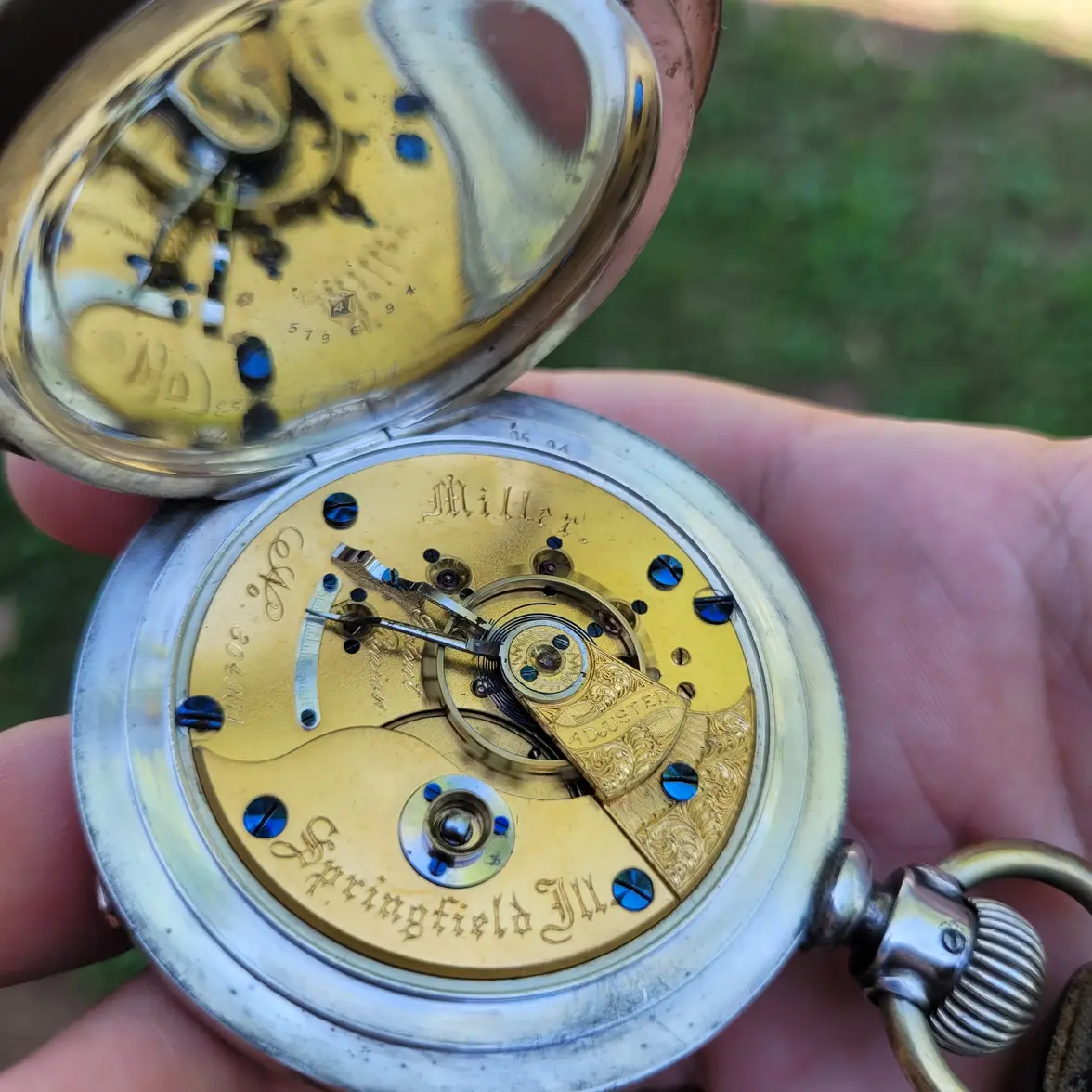
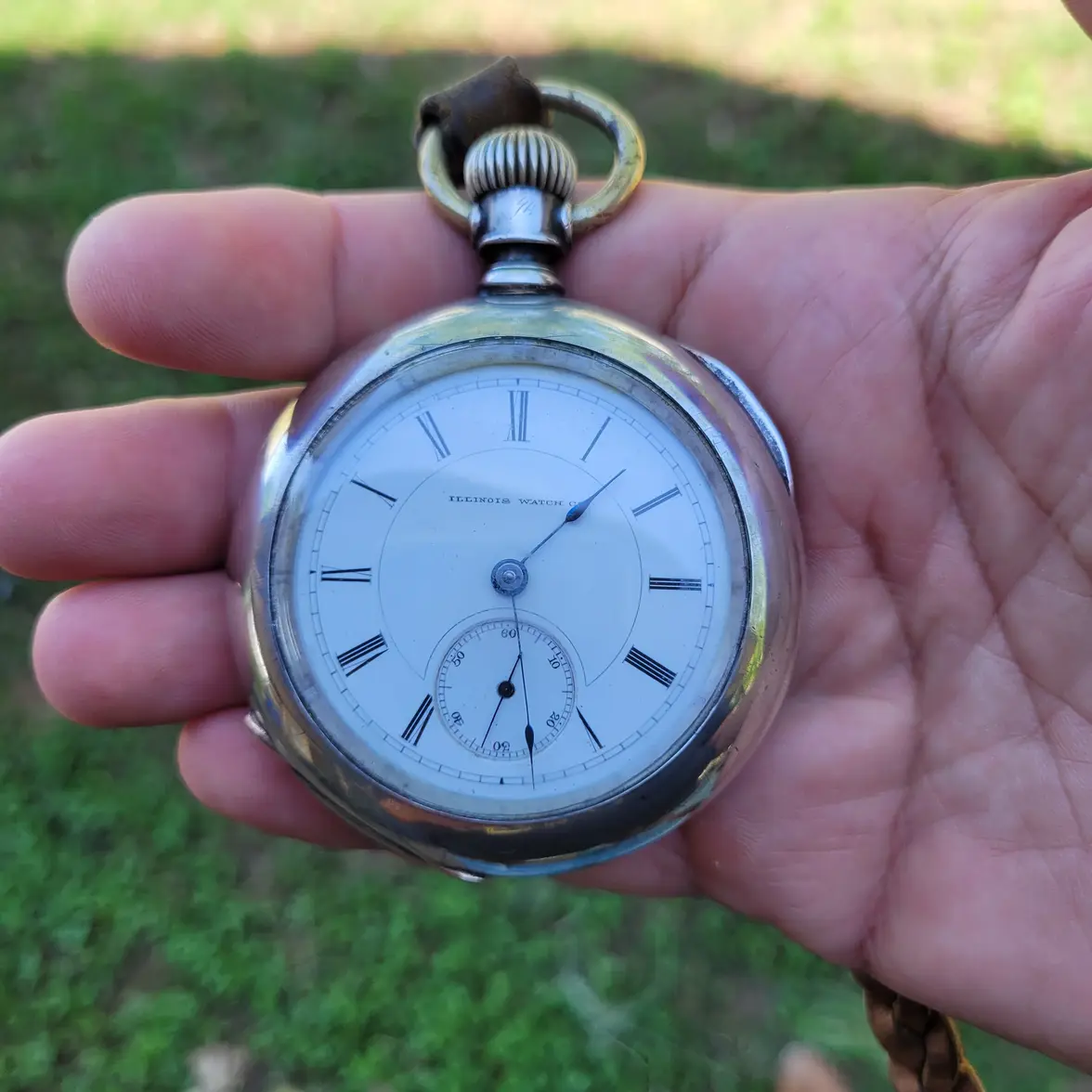
I bought this Illinois Model 3, Miller at the beginning of April for $340 USD. I definitely paid a hefty premium for the watch in large part because it's in a 4 oz. coin silver case. At the same time, the melt value of the case is about $270 USD, so maybe it won't prove to be a bad deal in the long term.

 
Posts
4,927
Likes
49,806
I bought this Illinois Model 3, Miller at the beginning of April for $340 USD. I definitely paid a hefty premium for the watch in large part because it's in a 4 oz. coin silver case. At the same time, the melt value of the case is about $270 USD, so maybe it won't prove to be a bad deal in the long term.


That's the perspective I have been applying to silver PW purchases, look at the melt value then go wow that movement is a bargain at the remainder price!

As an aside if I added up the 50 plus silver PW's in my collection that makes quite a few kilos of silver....oops best not think like that or tell the wife, a melting we will go.
 
Posts
4,104
Likes
11,700
That's the perspective I have been applying to silver PW purchases, look at the melt value then go wow that movement is a bargain at the remainder price!

As an aside if I added up the 50 plus silver PW's in my collection that makes quite a few kilos of silver....oops best not think like that or tell the wife, a melting we will go.
A man who uses the same rationale as me. It's good to see. With watches in precious cases it is the only thing that makes sense right now, you can't expect someone to sell a watch for less than the spot price of the case.

Like you, I also look at the small fortune I now posses in silver cases.
 
Posts
68
Likes
171
That's the perspective I have been applying to silver PW purchases, look at the melt value then go wow that movement is a bargain at the remainder price!

As an aside if I added up the 50 plus silver PW's in my collection that makes quite a few kilos of silver....oops best not think like that or tell the wife, a melting we will go.
I can't disagree with your thinking. I am of the same notion that buying silver cased pocket watches at this point makes sense and I actively pursue them if the combination of silver value and movement value/condition warrants. The last two silver hunters in 4 oz cases were fabulous deals at less than the silver melt value but once recased with higher end movements just so much better.
 
Posts
154
Likes
1,981
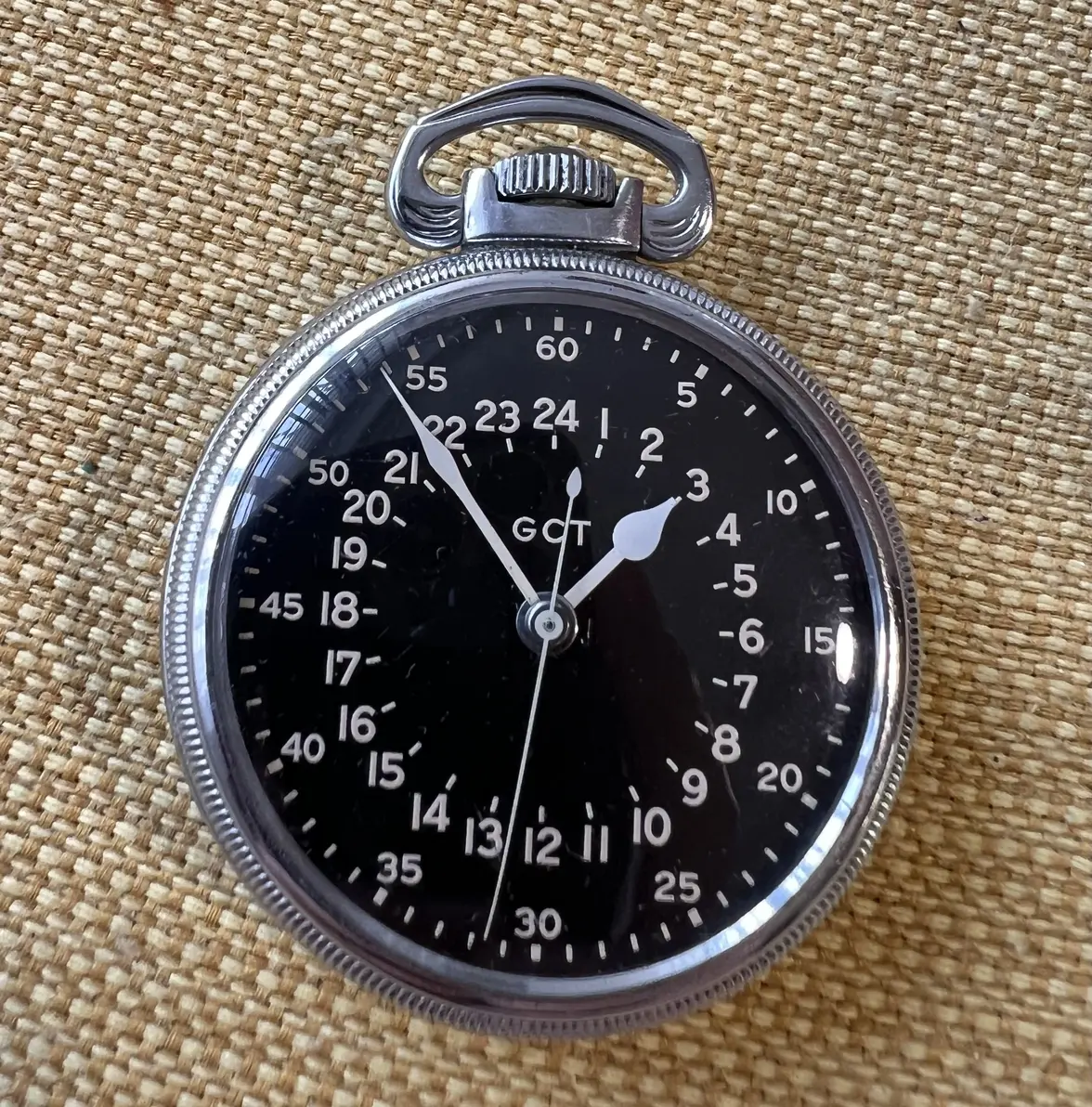
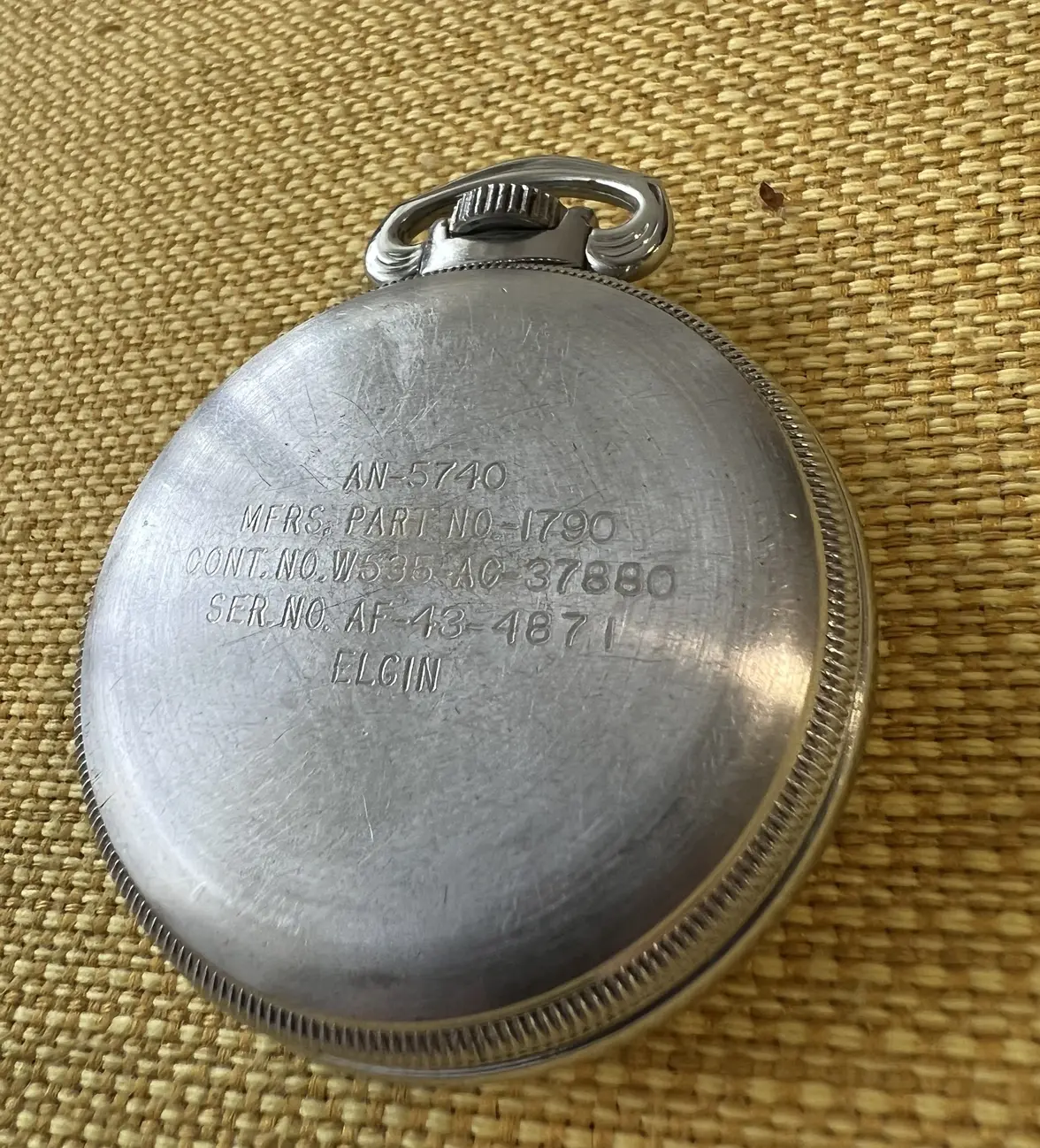
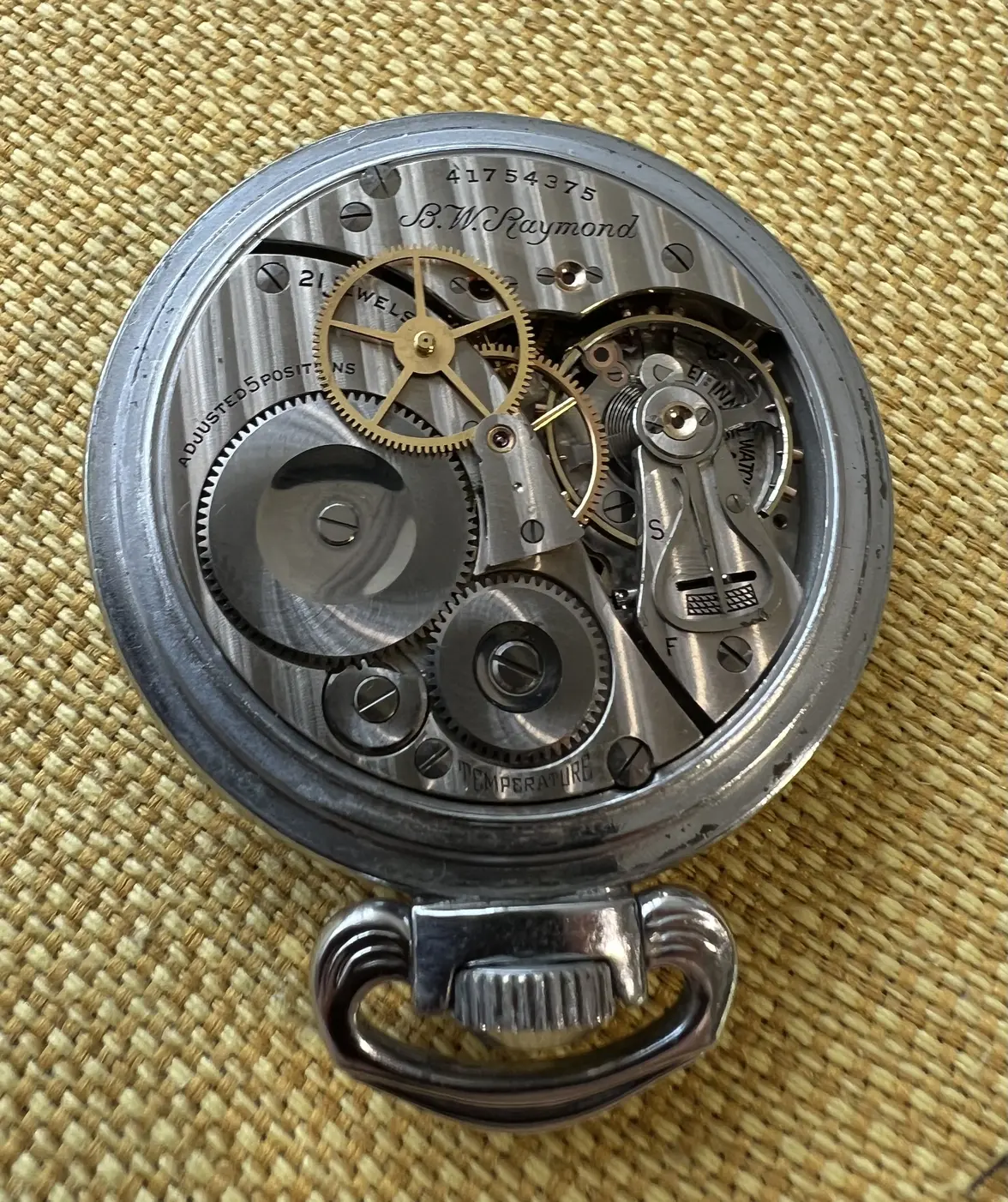
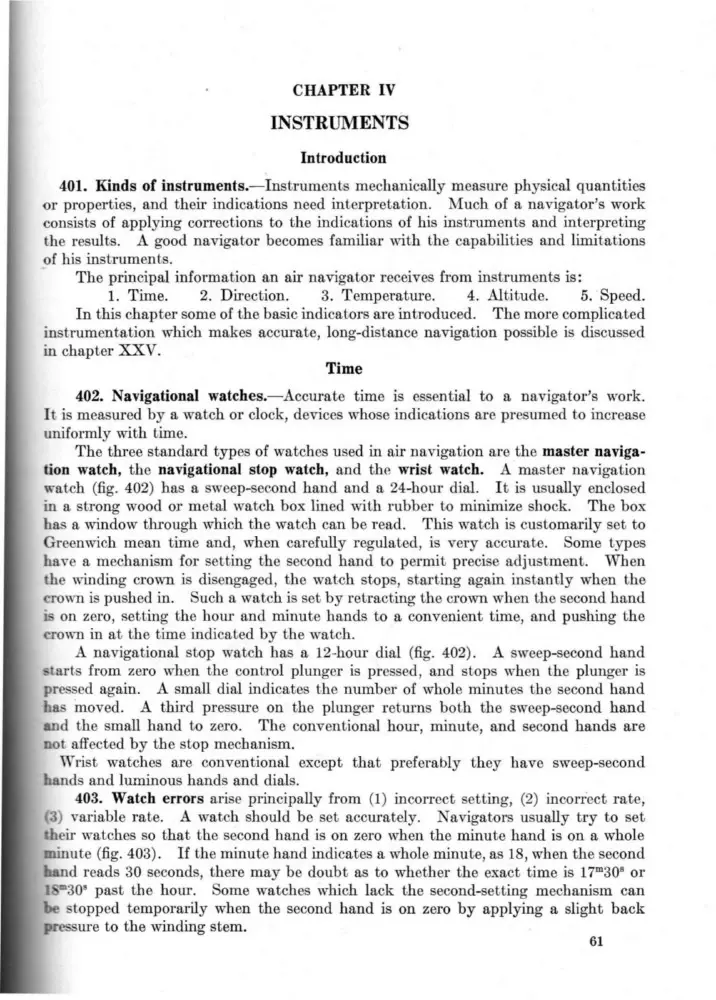
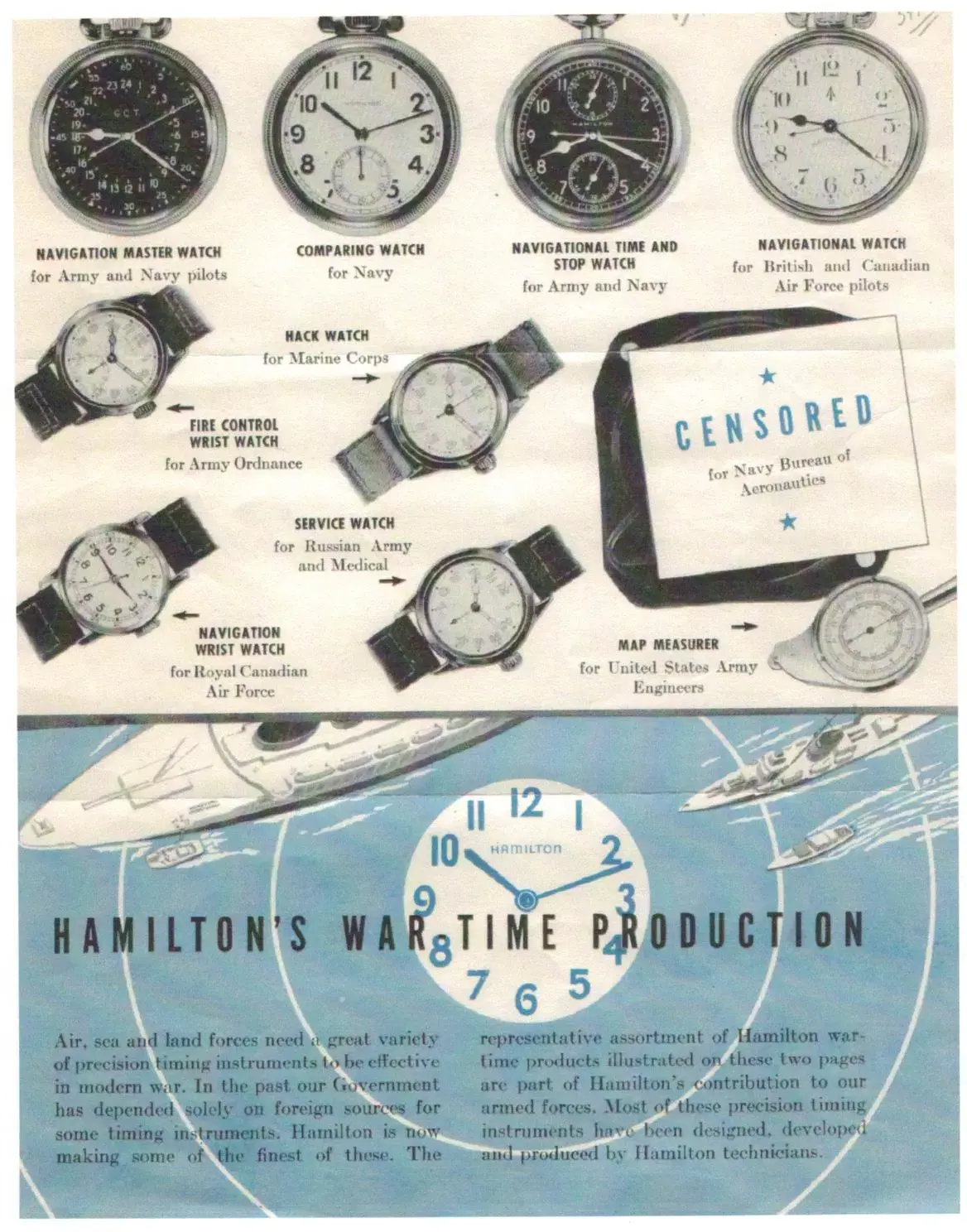
Elgin 24 hours GCT (Greenwich Civil Time) Master Navigational Watch from 1942, grade 581 og type AN5740. Used by Army Air Force, Navy Bureau of Aeronautics, and Air Council of UK.
 
Posts
158
Likes
1,186
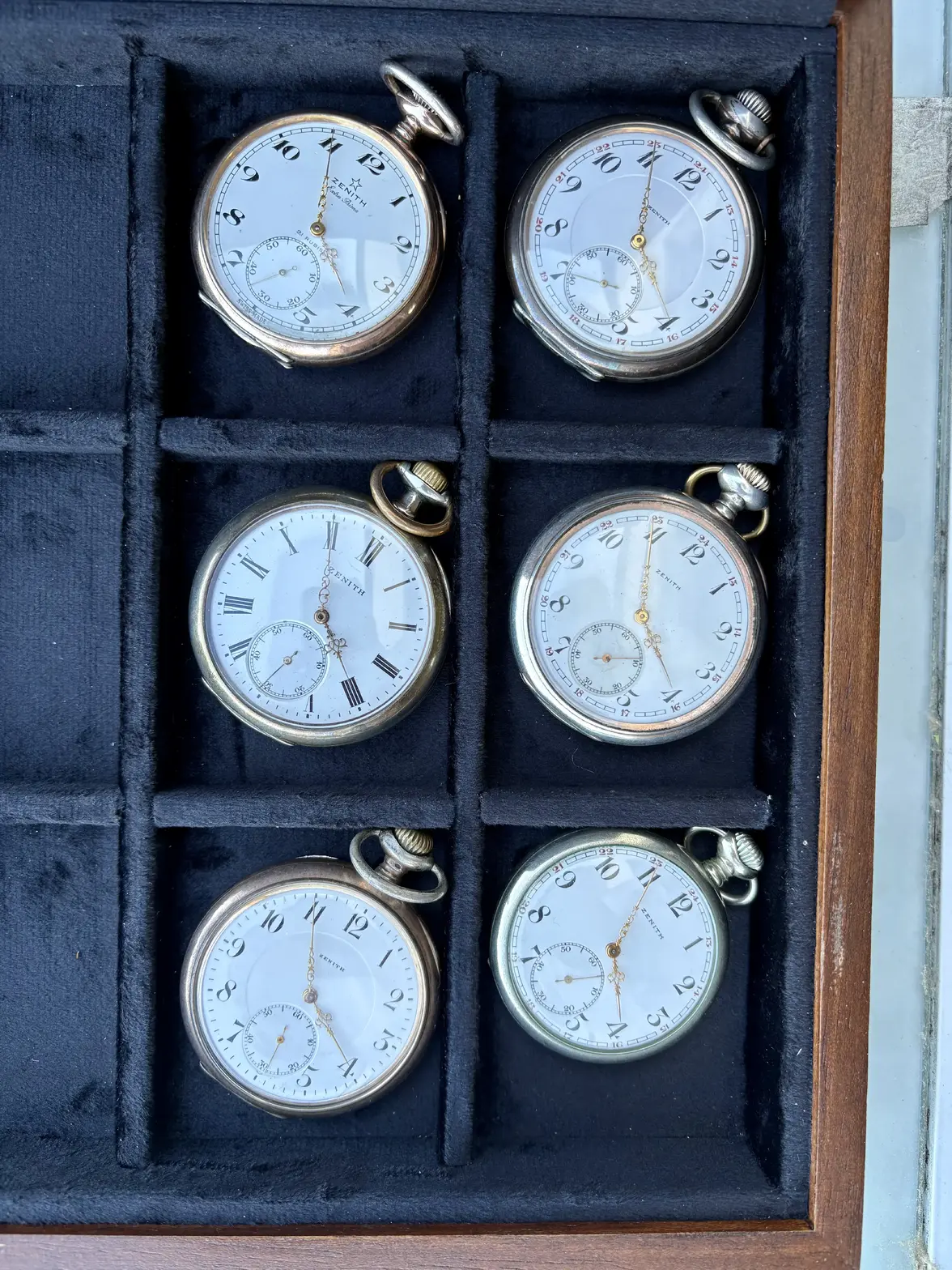
I have a soft spot for Zenith and sure enough I blew over half of my budget on Zenith pocket watches. 😅 They just kept appearing one after the other on the local market places. All except one are 0.800 silver so I don't feel too bad about this (and there was some method to madness even if it may not look like it). I'll dissect them one by one in next several days. But these are next level challenging compared to American made pocket watches for sure. Good times!

Edited:
 
Posts
68
Likes
171
I would be interested in what you mean by challenging. I always wanted a nice representative Zenith to go with my Swiss collection and came across one in April very similar in appearance to yours but marked as not running. I enjoyed seeing the movement detail but just got scared away fearing something difficult to replace or service might result in the watch being both expensive and a waste of time. I particularly liked the regulator as I recall. Ive made that mistake with more than half of my British made pocket watches some not running due to a broken staff others with issues no one wanted to deal with in these parts. You have a nice collection of Zenith. Maybe when I find one in working condition I will try and acquire it but right now my interests in Swiss gravitate to Omega/Regina, Tavannes and Longines with a growing interest in acquiring a few more of the Swiss american like Railroad 16 Size pocket watches targeting railroad usage here in Canada in the pre war 1930s and for a few years after the war especially those with Montgomery Dials.
 
Posts
158
Likes
1,186
I would be interested in what you mean by challenging.

I meant identifying movement (and it's 'grade', if any), identifying regulator, dating the watch and developing some mental model of it's place in Zenith pocket watch timeline/history, confirming jewel count (when it's not written on the movement) and things of this nature. Pocket watch DB is pretty thin on information here. I am / will be leaning to information in Manfred Rösslers Zenith book, and writings of late Joël Duval (he also has written a book on Zenith, and I need to check if local library can get a copy of it), and then what ever I can find on online forums - more on these later.

Servicing will come next. Looks like I may need to talk to some watchmakers other than my regulars for this, but first impression was that Zenith (and Omega or Longines) would be 'business as usual' - sort of. Whereas I am not entirely sure if prevailing emotion was dread or curiosity when I showed my Waltham/Vanguard movement while picking up some watches this week...
Edited:
 
Posts
158
Likes
1,186
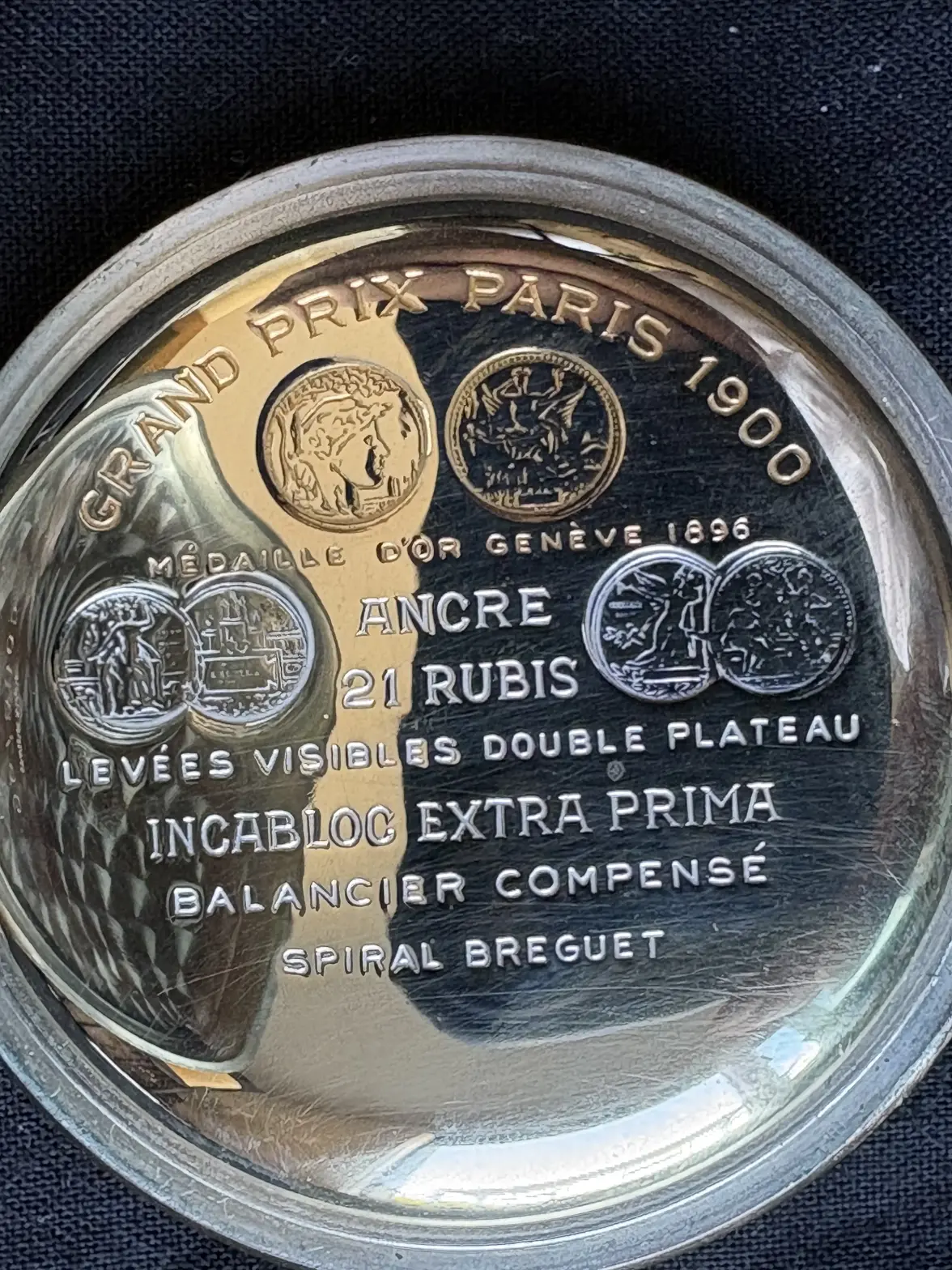
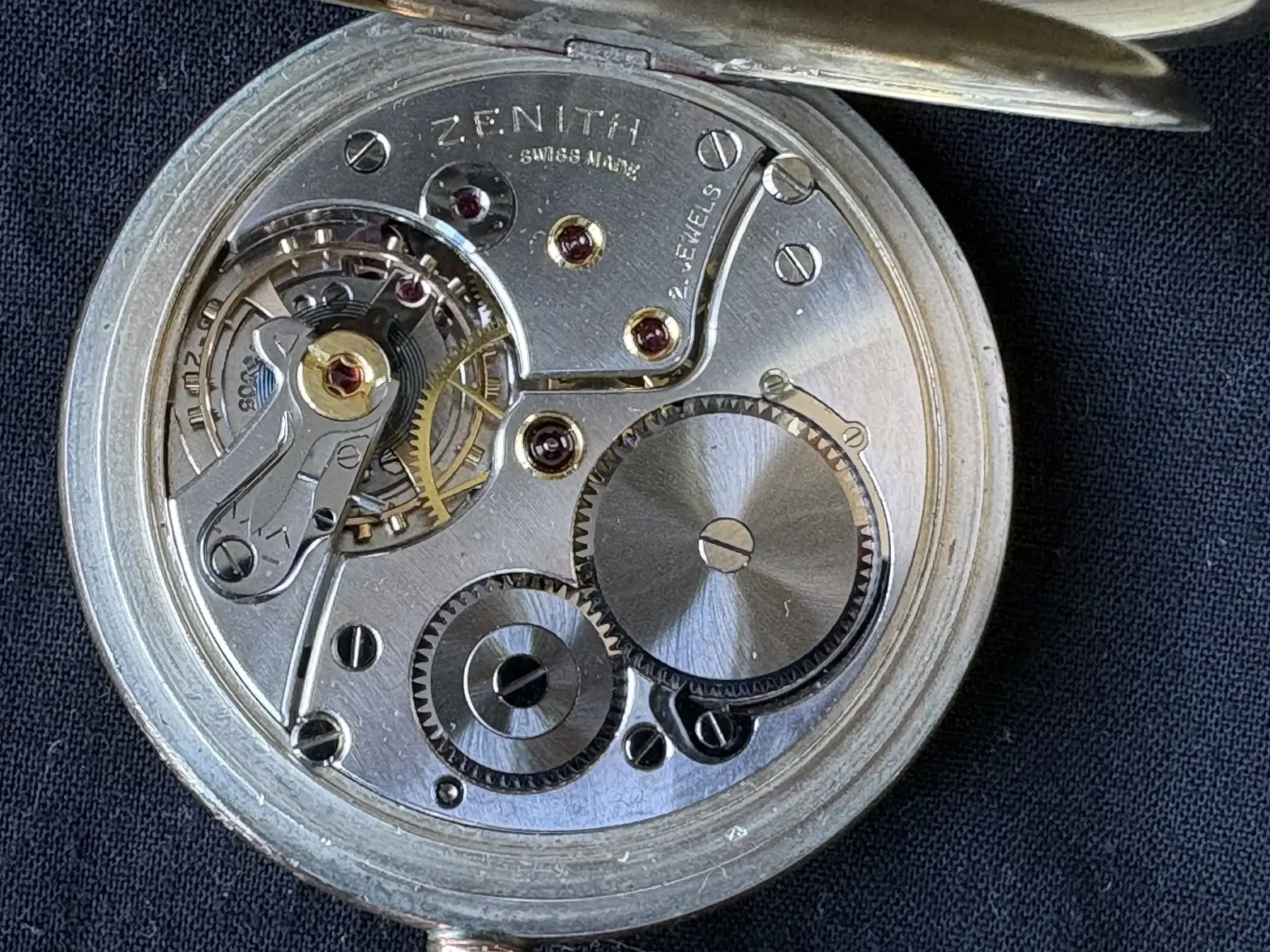
Let's start with the Zenith Extra Prima. For this, I am using French Forum A Montres and Manfred Rössler's Zenith book as primary sources.

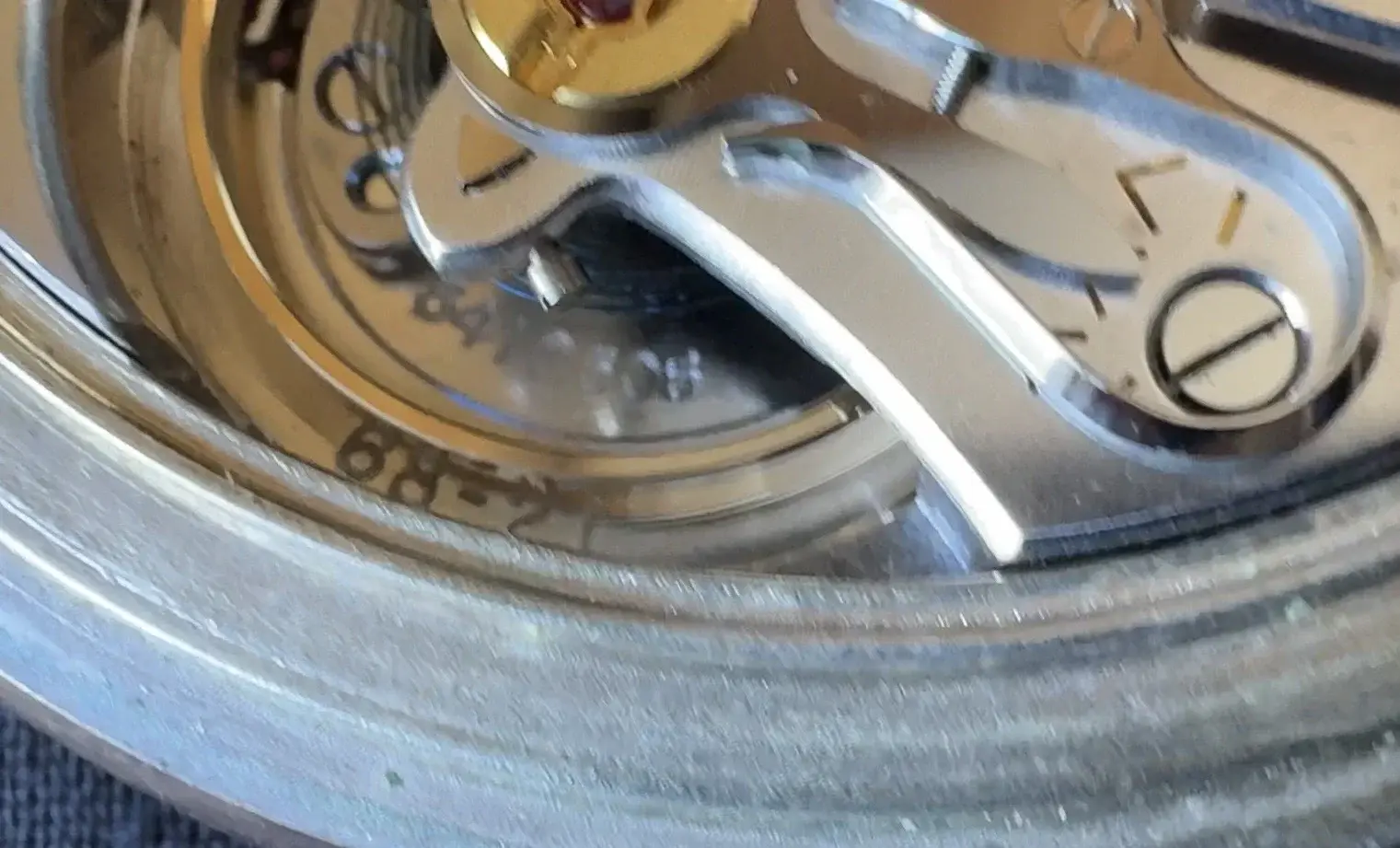
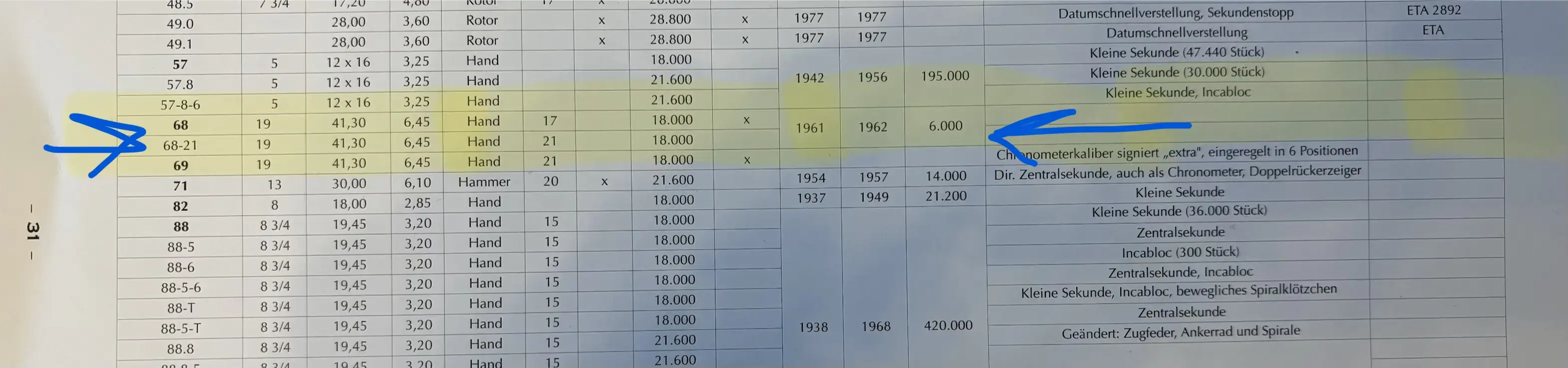
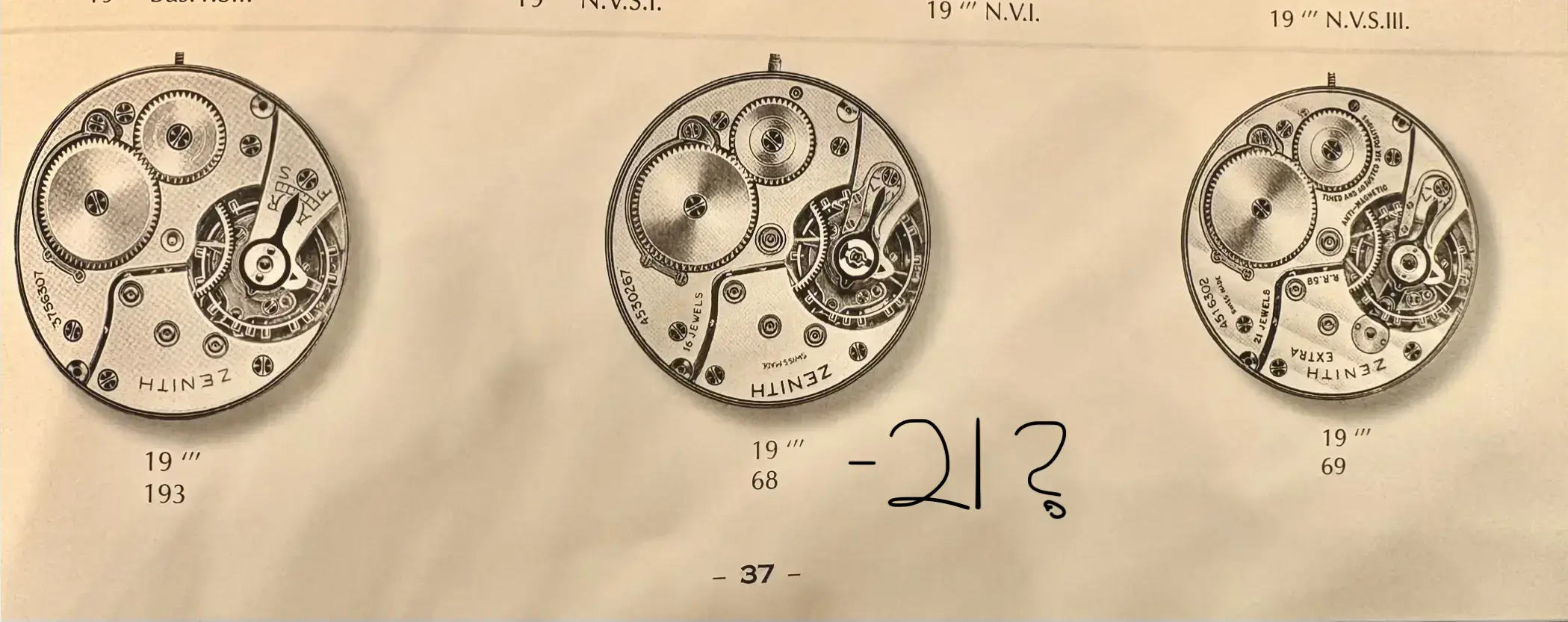
Rössler has extensive list of images of Zenith movements. But not the 19" ligne, 41,3mm movement in this watch that has 68-21 written under the balance wheel (and visually resemble Zenith Cal 69). The book doesn't have photos, or otherwise mention Zenith Extra Prima either (caveat emptor, it may still be hiding somewhere there). In the movement table however one can find 68-21: 19" ligne, 41.3mm wide, 6.45mm thick, 21j, 18000bph movement manufactured between 1961 and 1962 with total 6000 manufactured. This largely corresponds with information found from [NAWCC] and [WUS] threads for this PW.


But the story doesn't end here. In fact, it appears to start in 1906. It was also hiding in 'plain' sight at French speaking Forum A Montres[FAM1][FAM2]. Below I am quoting 'verbatim' parts of automatic translation (French to English) of postings made by late Joël Duval (ZEN):

-----

"In 1906, the [Zenith] design office conceived a caliber, reference number 68. Equipped with a large balance wheel, this 19-ligne (41.30 millimeter) movement aimed for ultimate precision. The engineers would have liked to make it a competition-winning machine. Unfortunately, Zenith's chronometer experts, tasked with preparing watches for international chronometry competitions, particularly those of the Neuchâtel Observatory, saw things differently and preferred to work on 20.5-ligne calibers, which were easier to regulate. Sandwiched between the so-called "Zenith" 18-28 caliber and the 20.5 ligne movement, this 19 ligne caliber was not immediately manufactured and remained in storage for nearly 40 years! Indeed, the manufacture only launched production of a small series of these high-end movements in 1943 under reference 69. A few watches were equipped with it, notably for export to North American markets. The movement was then shelved again, and it would be another 13 years before it was brought back into production.

....

It wasn't until the mid-1950s that Zenith decided to utilize its movement blanks after the Canadian Railways placed an order with the Le Locle manufacture. More precisely, at the end of 1955, Peter [Kushnir], then Zenith's representative in Canada and who would become head of chronometry for the Canadian Railways in 1964, faced a shortage of movements for assembling the country's official railway watches. ... Peter Kushnir therefore requested that the manufacture modify the Calibre 69 to adapt it to the railway's specifications.

....

This movement, measuring 41.30 mm in diameter and 6.45 mm in height, is referenced as number 69 in the manufacture. It is of Extra quality with 21 jewels, Breguet regulation, and a regulator system. Featuring a Côtes de Genève finish, it has been regulated in six positions and temperatures and beats at 18,000 vibrations per hour. While the ébauches date from the first half of the 1940s, the movements were completed in 1956. ZENITH therefore put this RR56 into production...

ZENITH therefore did not opt for its patented eccentric disc regulator, introduced in 1903 and used by the manufacture until the 1960s. This 19-ligne movement is a 21-jewel movement made specifically for this exceptional order. Nicknamed " The Canadian " in the ZENITH workshops, the RR56, its name for distribution to the Canadian railways, is considered one of the manufacture's most aesthetically pleasing movements. The quality of its finishing certainly plays a significant role in this.

...

Zenith delivered 1,100 examples of its RR56 movement .... The manufacturer thus reserved a large portion of the manufactured movements either for after-sales service or, presumably, in anticipation of future orders, likely following an agreement that stipulated the outright exchange of calibers in case of retirement or failure.

....

The 68 movement, a close relative of the RR 56, reappeared later under the reference 68-21 in 1961, this time with 6,000 pieces delivered in 1961 and 1962, based on the 1943 movement blanks.

Including the RR 56 versions, a little over 7,000 pieces were distributed in total. The caliber 68[-21] has a smooth, rhodium-plated finish and is equipped with shock protection. Its counter-pivot plate with the anchor escapement is almost entirely in its original condition, barely adjusted on the edge of the mainplate. It features the same swan neck as the RR 56, but instead of the " Prima" designation assigned to the RR 56, the movement became "Extra Prima ," meaning the highest-end in Zenith's catalog.

...

Rather rare, this caliber 68-21, though easier to find than the RR56, shares with its sibling movement extreme precision and a distinctive architectural beauty.

---------

Above are but short snippets from the original post. Please go check it out if at all interested; it has much more detail + photos. Thankfully nowadays at least Chrome and Safari have the automated translate button in the address bar (don't ask how is my French). Personally I found the translation through Chrome much better.

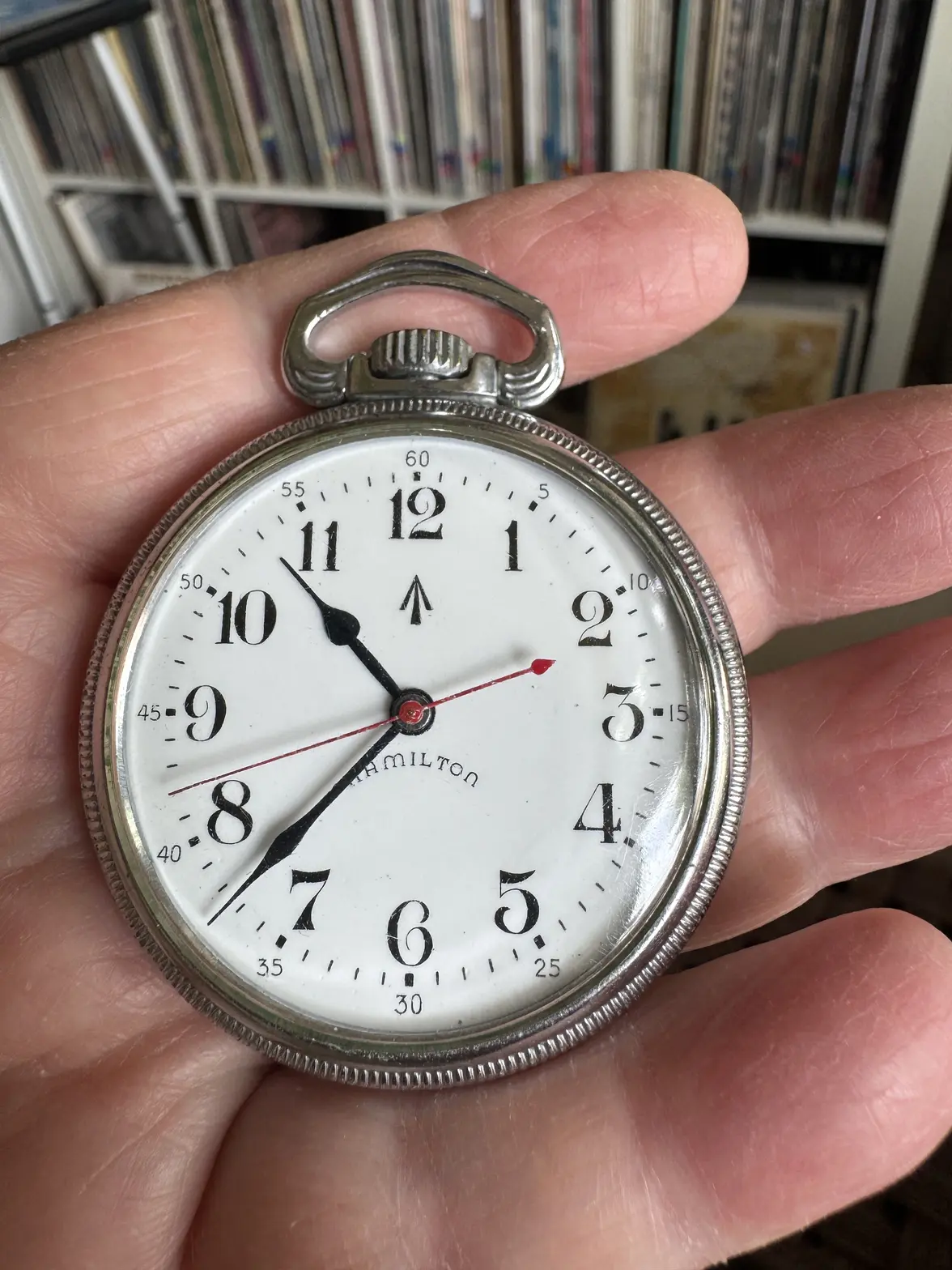
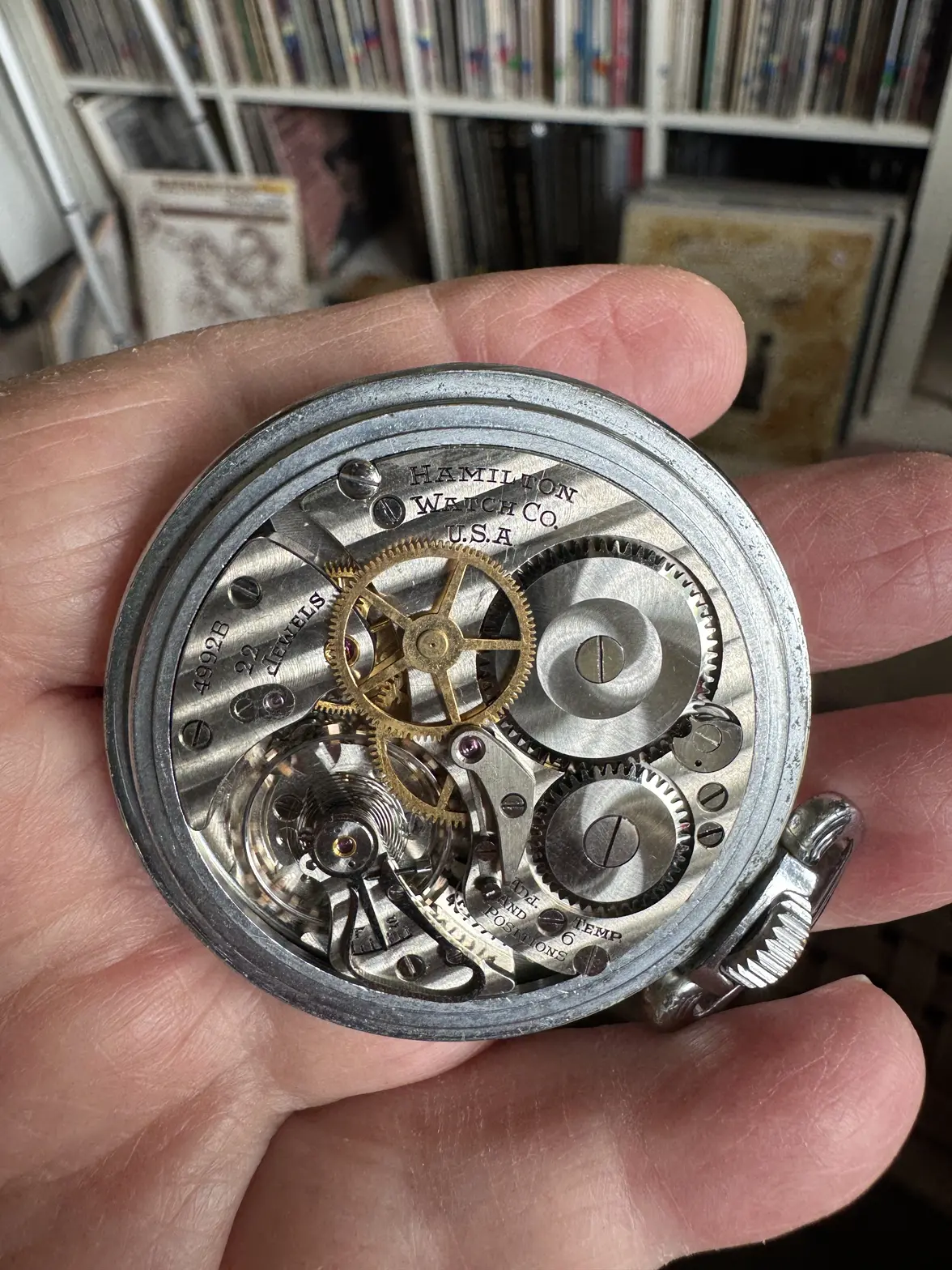
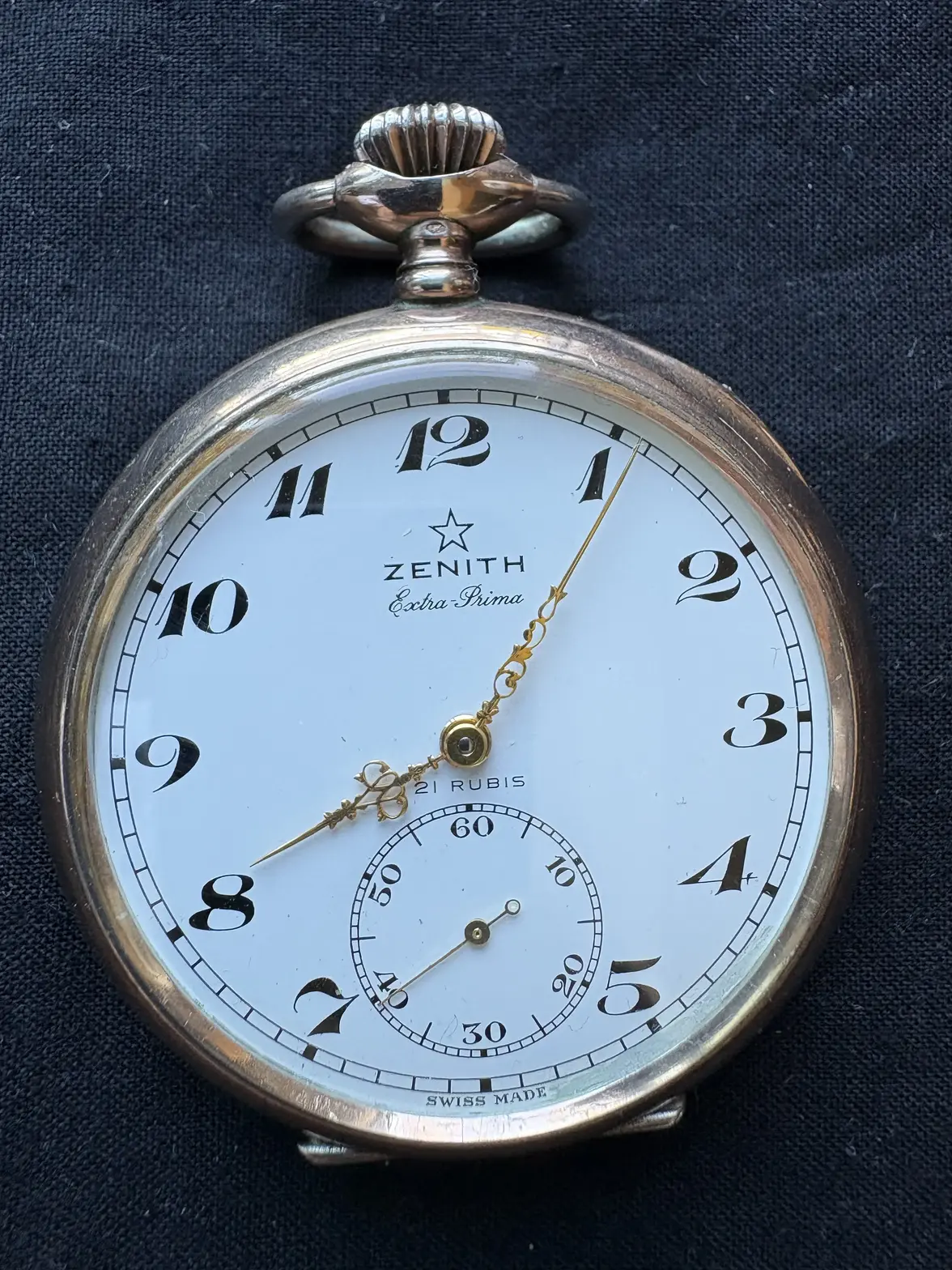
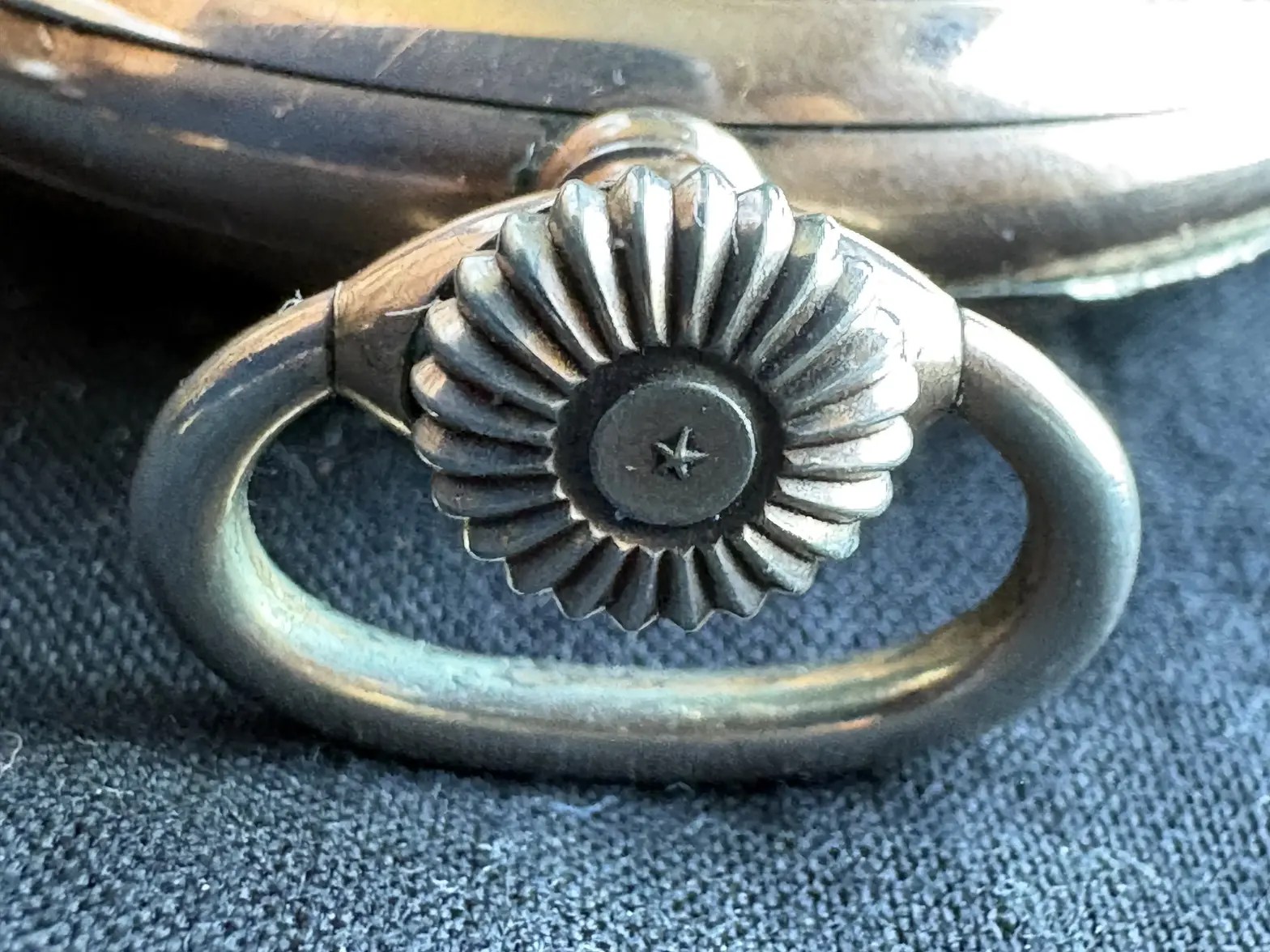
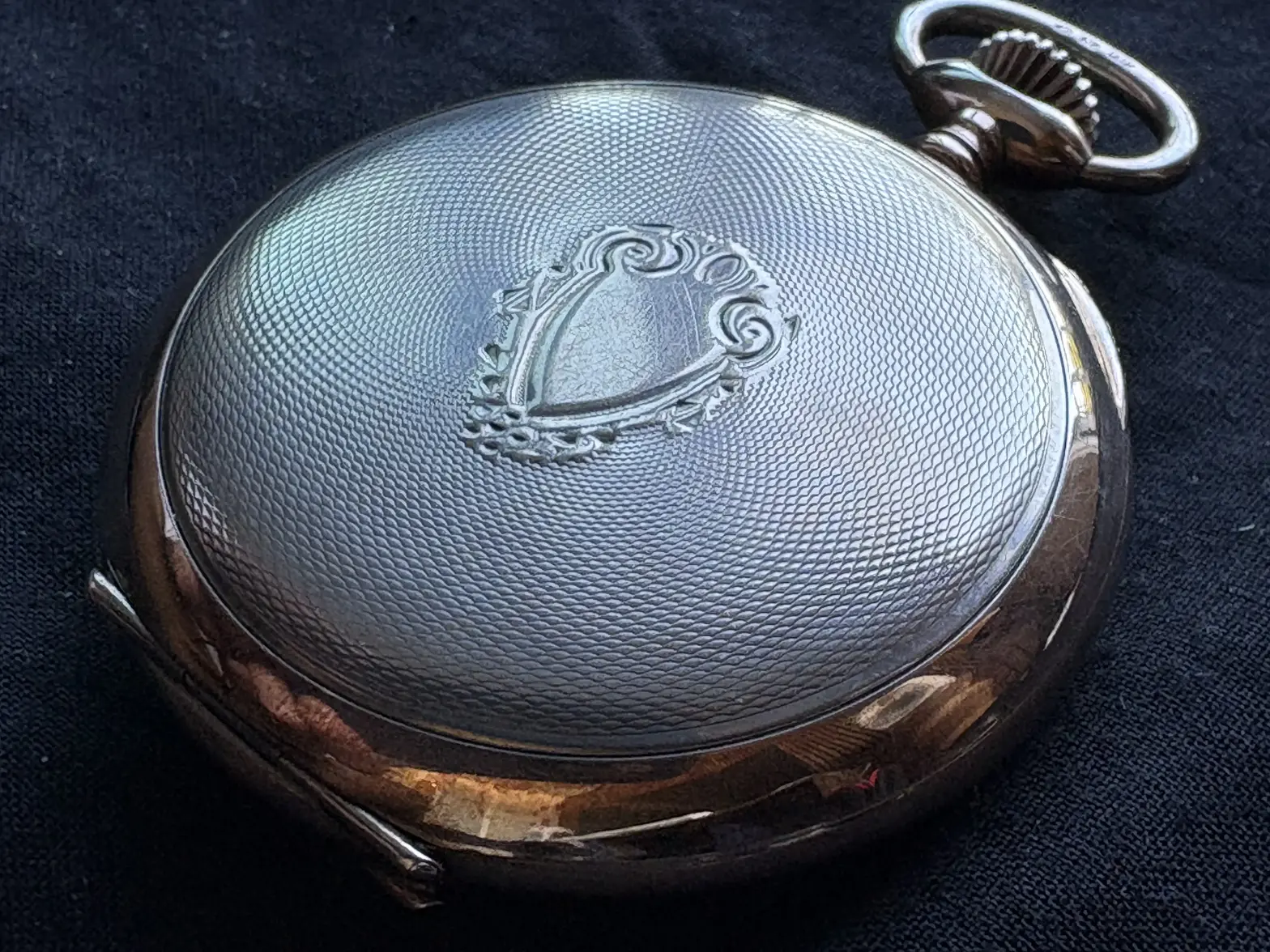
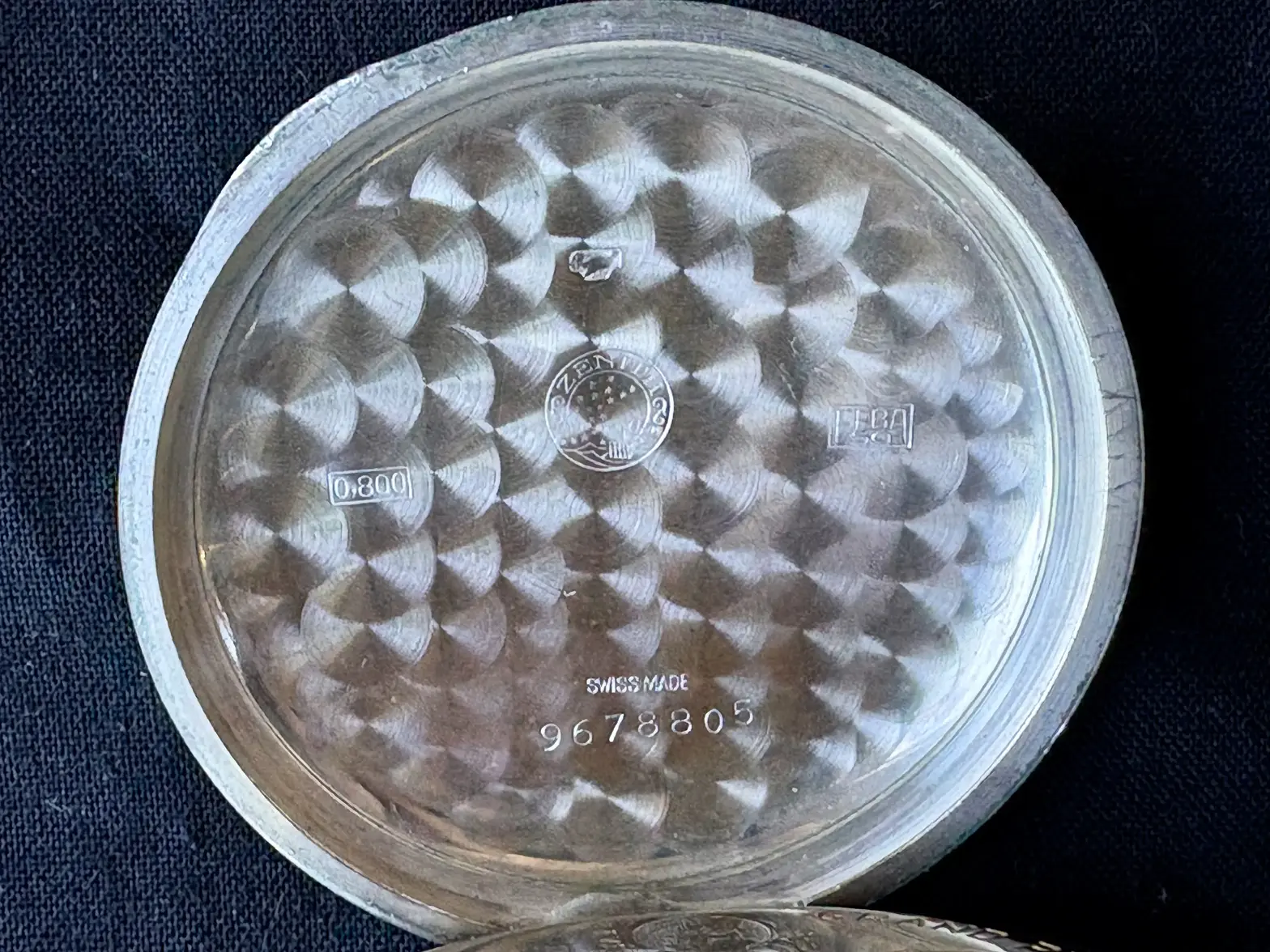
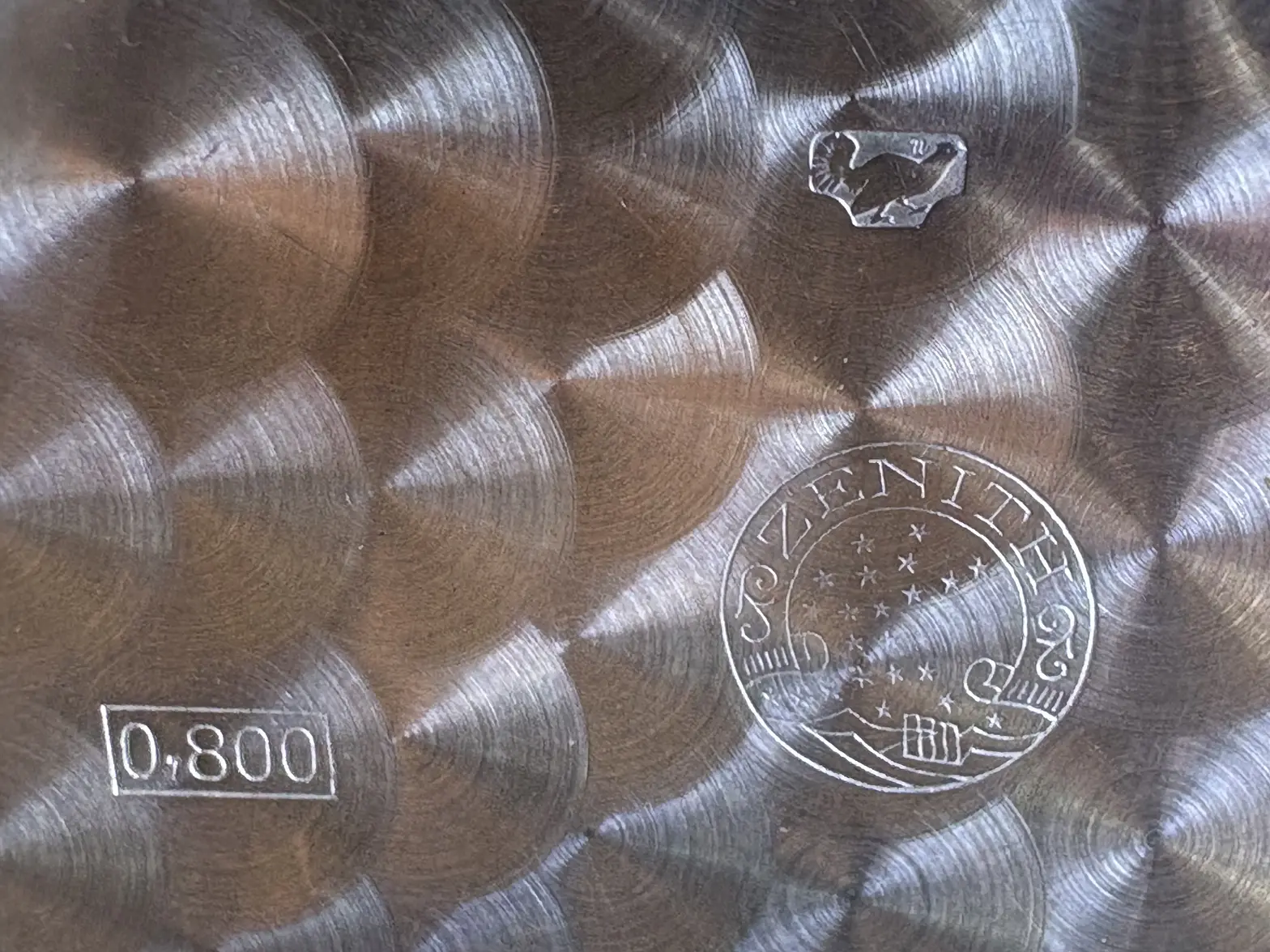
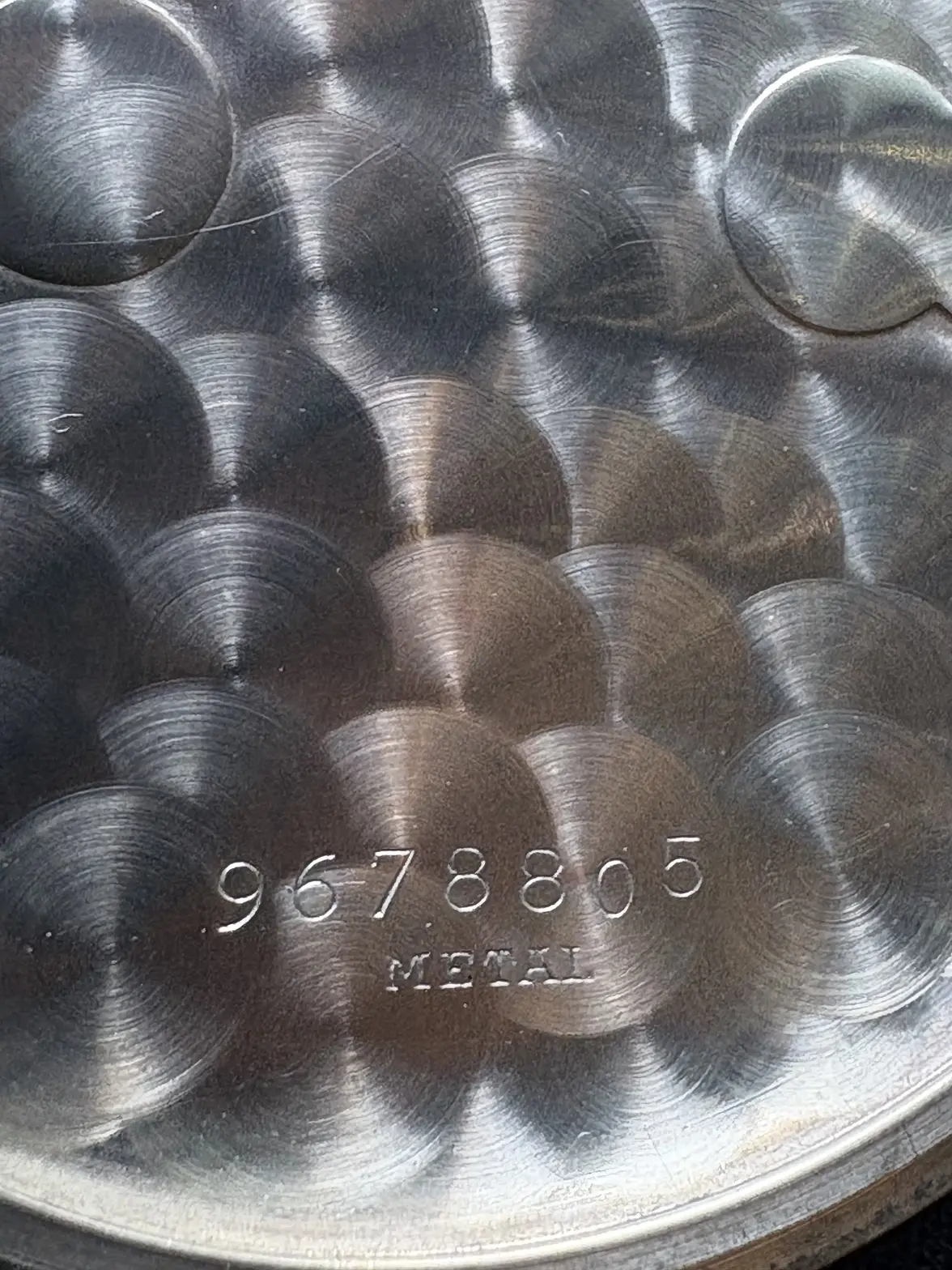
And lastly, here are photos of my watch (note that the dial has slight damage around 5; 52.4mm diameter, 109g, movement serial number I think is hiding under balance wheel, 0.800 silver outer case /w metal inner case, case n😲 9678805). I am going to call beginners luck on this one!


[FAM1] https://forumamontres.forumactif.com/t208957-zenith
[FAM2] https://forumamontres.forumactif.com/t197540-zenith-de-poche-23-et-25-rubis
[NAWCC] https://mb.nawcc.org/threads/zenith-extra-prima-21-jewels-calibre-68.177792/
[WUS] https://www.watchuseek.com/threads/zenith-extra-prima-21-rubis.3508850/
[Kushnir] https://www.ucc.ca/wp-content/uploads/2019/09/Peter-Kushnir-the-last-CPR-clockman-spoke-a-rare-‘horological’-dialect-The-Globe-and-Mail.pdf

Edited:
 
Posts
4,104
Likes
11,700
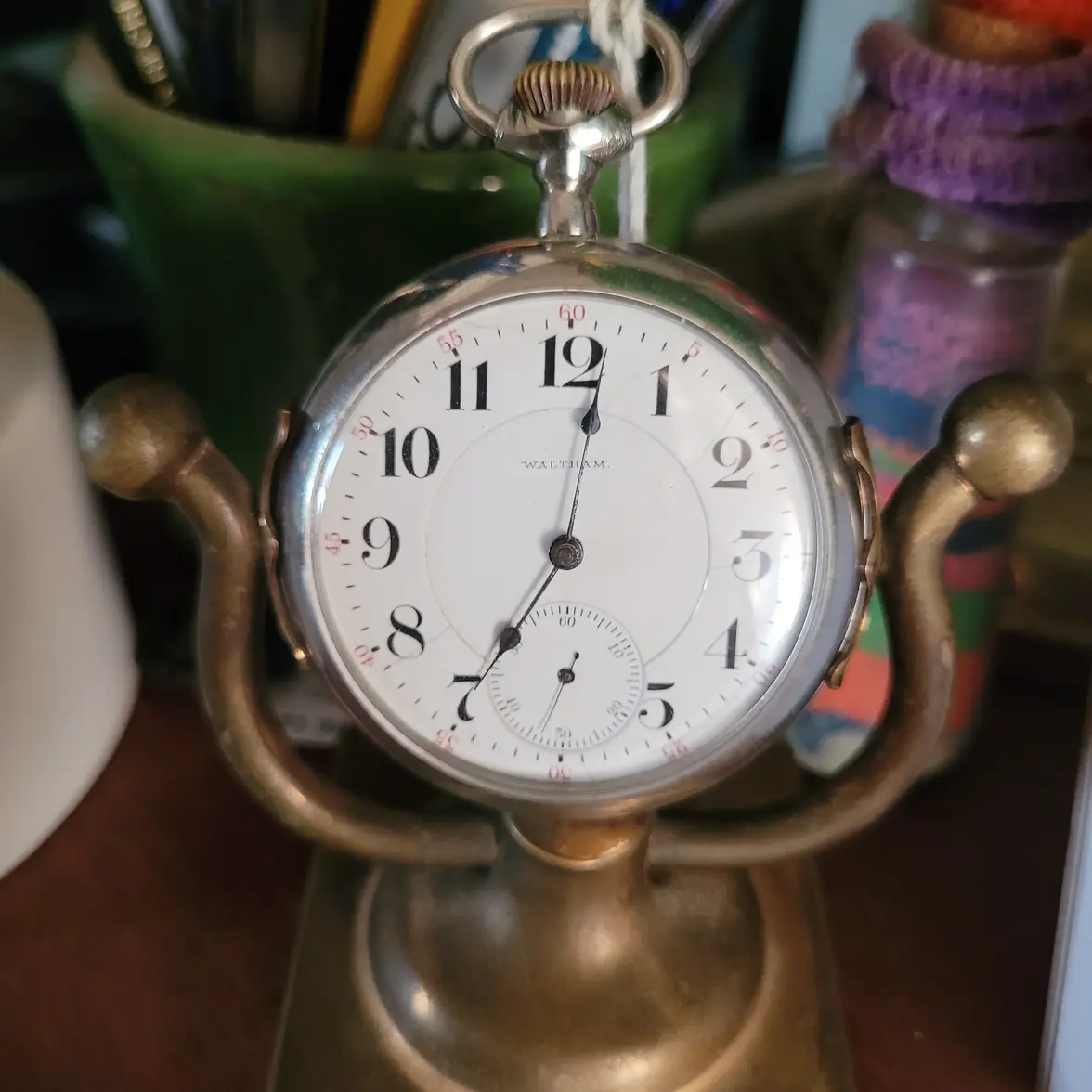
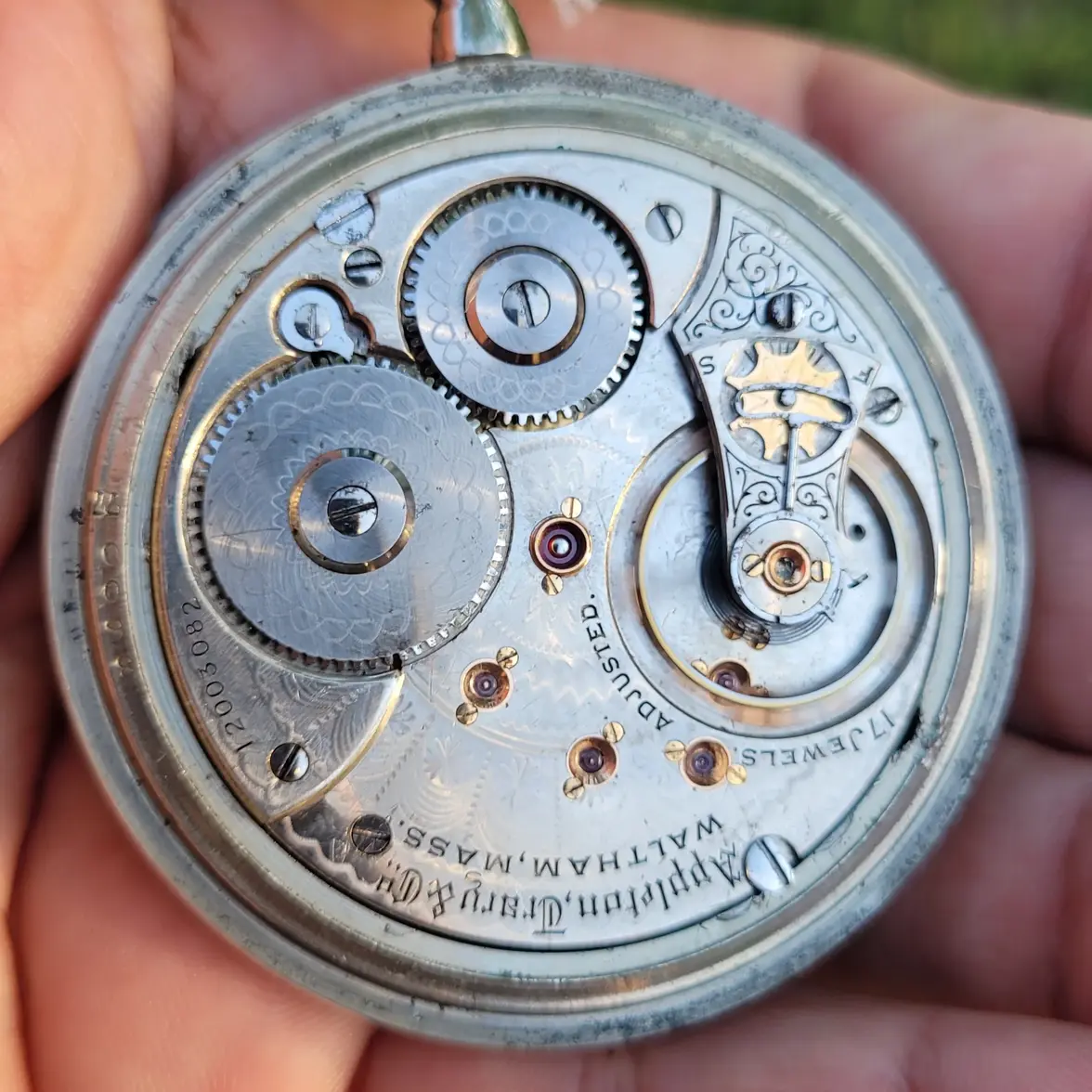
This Waltham 1892, A.T. & Co. doesn't really get worn much, but it definietly gets used a lot as my desk clock.
 
Posts
68
Likes
171
I really like the Appleton Tracy &Co models Waltham deployed. In my neck of the wood the PS Bartletts are far more common but Barry Goldberg and others rank the ATC models as better and in the early years ie. key wind models of 1857 and 1877 the ATC models were the best Waltham offered in the marketplace. Here are the Goldberg's comparisons by model
https://barrygoldberg.net/watchguide/walthamgrades.htm
I rely on the pocket watch database to highlight special watches like the Waltham Canadian Railroad Timing Service as being an Appleton Tracy & Co grade in this case 1883 model. You have a really nice watch I hope you are enjoying it. All my Appleton Tracys are in running condition but only one has recently been restored via a complete thorough cleaning. This is the case with my 18S Model 1883 ATC CRTS...running well but needing a detailed cleaning and upgraded case. I only mention the case as the watch dates to very early 1900 and the original 25 year goldfilled case is completely roached with zero gold filling remaining on its backside. A tribute really to a watch that likely served a family for several generations and much care and cleanings!! The dial is excellent except for two minor hairlines hardly noticeble and movement immaculate. I am tempted to keep it the way it is but I am pretty sure I won't be doing that for too long....quite the conversation piece....
 
Posts
15,631
Likes
46,611
Here is the PWDB report on @Waltesefalcon ‘s handsome 1892. It is listed as lever set, 17-jewel, and railroad approved. It seems odd to me that these 1892s, even in stem set models, were also considered as railroad approved in Canada.

https://pocketwatchdatabase.com/search/result/waltham/12003082

Same is true of the several 1883 models in my collection. Even though mine are all single roller models. Just a sign of how standards for railroad approved watches evolved over the decades.

Right now, I have on long term test, my private label 1883 Waltham (16-jewels), following a thorough service. I find that the power reserve on this one (as with many older 18-size watches) is such that I frequently find it, run down! Seems like it just makes it over about 30 hours on the complete wind. I’ll have to make a conscious decision to test it for run time.
Edited:
 
Posts
68
Likes
171
Here is the PWDB report on @Waltesefalcon ‘s handsome 1892. It is listed as lever set, 17-jewel, and railroad approved. It seems odd to me that these 1892s, even in stem set models, were also considered as railroad approved in Canada.

https://pocketwatchdatabase.com/search/result/waltham/12003082

Same is true of the several 1883 models in my collection. Even though mine are all single roller models. Just a sign of how standards for railroad approved watches evolved over the decades.

Right now, I have on long term test, my private label 1883 Waltham (16-jewels), following a thorough service. I find that the power reserve on this one (as with many older 18-size watches) is such that I frequently find it, run down! Seems like it just makes it over about 30 hours on the complete wind. I’ll have to make a conscious decision to test it for run time.
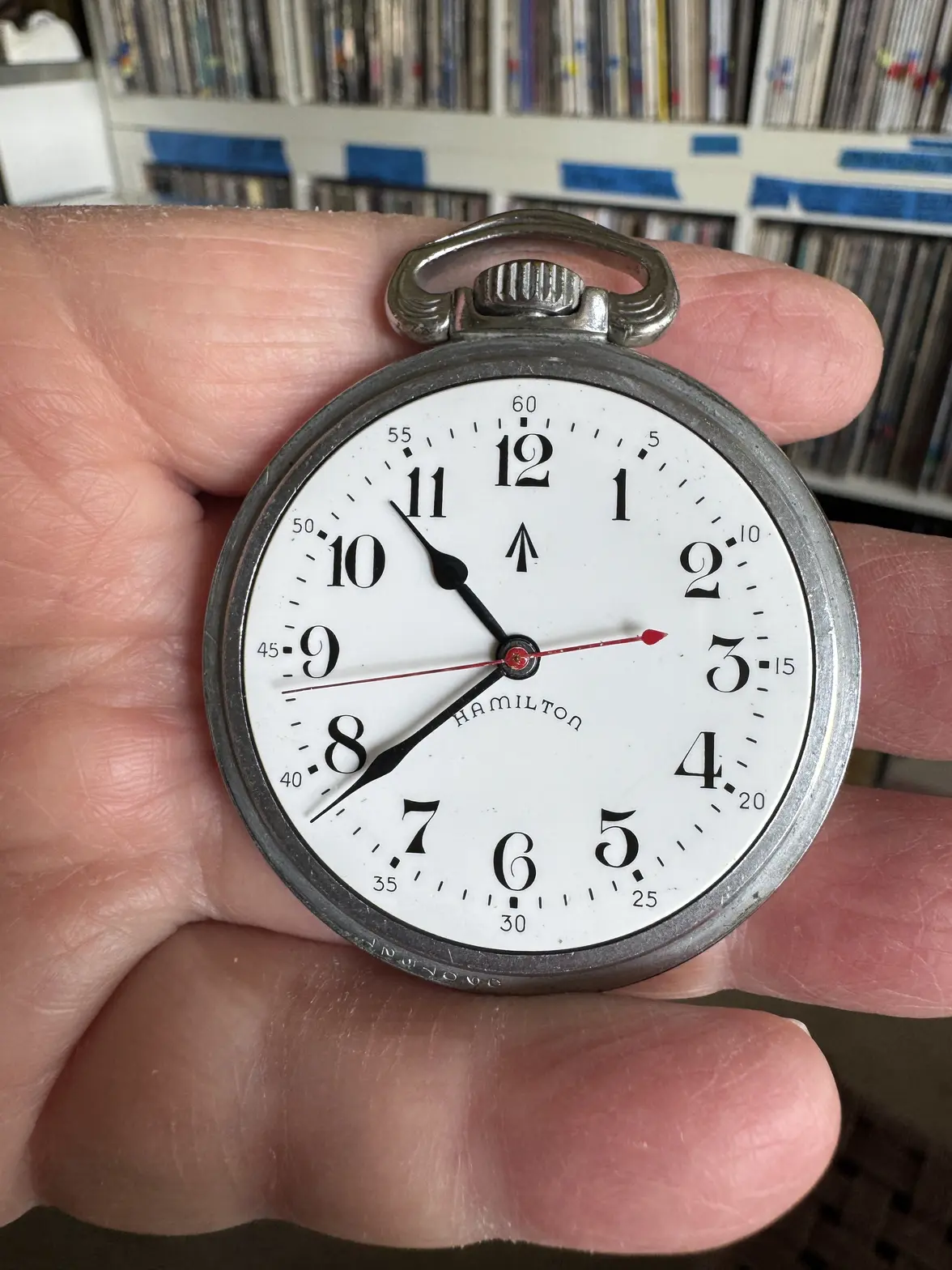
My recent 18S 17J Mdl 1883 Canadian Railroad Timing Service is a Canadian approved Railroad Watch made in 1904 and its stem set. I had an earlier Canadian Pacific Mdl 1883 15J stem set and it was approved as well. I know that Regina (the Omega 'Trade' Brand) made railroad watches with their higher end 17J and 21J 16 size stem set watches I have each of these in my collection. There is no doubt if a Waltham Vanguard or high end Crescent Street was bought here in Canada post 1900 it was likely going to be lever set but it isn't always the case. I have several Hamiltons 18S and 16S all leverset even if done via Private Label. Burlington has an interesting history here as well. They were popular sold mailorder which was important in largely rural Canada and for their 21J basic 16S railroad watch probably the least expensive...made almost always by Illinois until Illinois went out of business and instead of turning to Hamilton they went to Henry Moser in Switzerland for fabulous movements that sold into the same market here in Canada but my Burlington Bulldog Moser is stem wind and made in 1928 which I thought was really late to see a stem wind..all my earlier Burlington Illinois all lever set.....and these Burlington Mosers are not in the PWDB at least mine was not when I looked a couple years ago. The evolution of railroad grade is fascinating and the inconsistency I think shows a Canadian tolerance for exceptions. The process I am thinking leaned heavily on the time checking which was mandatory before each shift and timing certification every 6 months.....
 
Posts
8,625
Likes
61,386
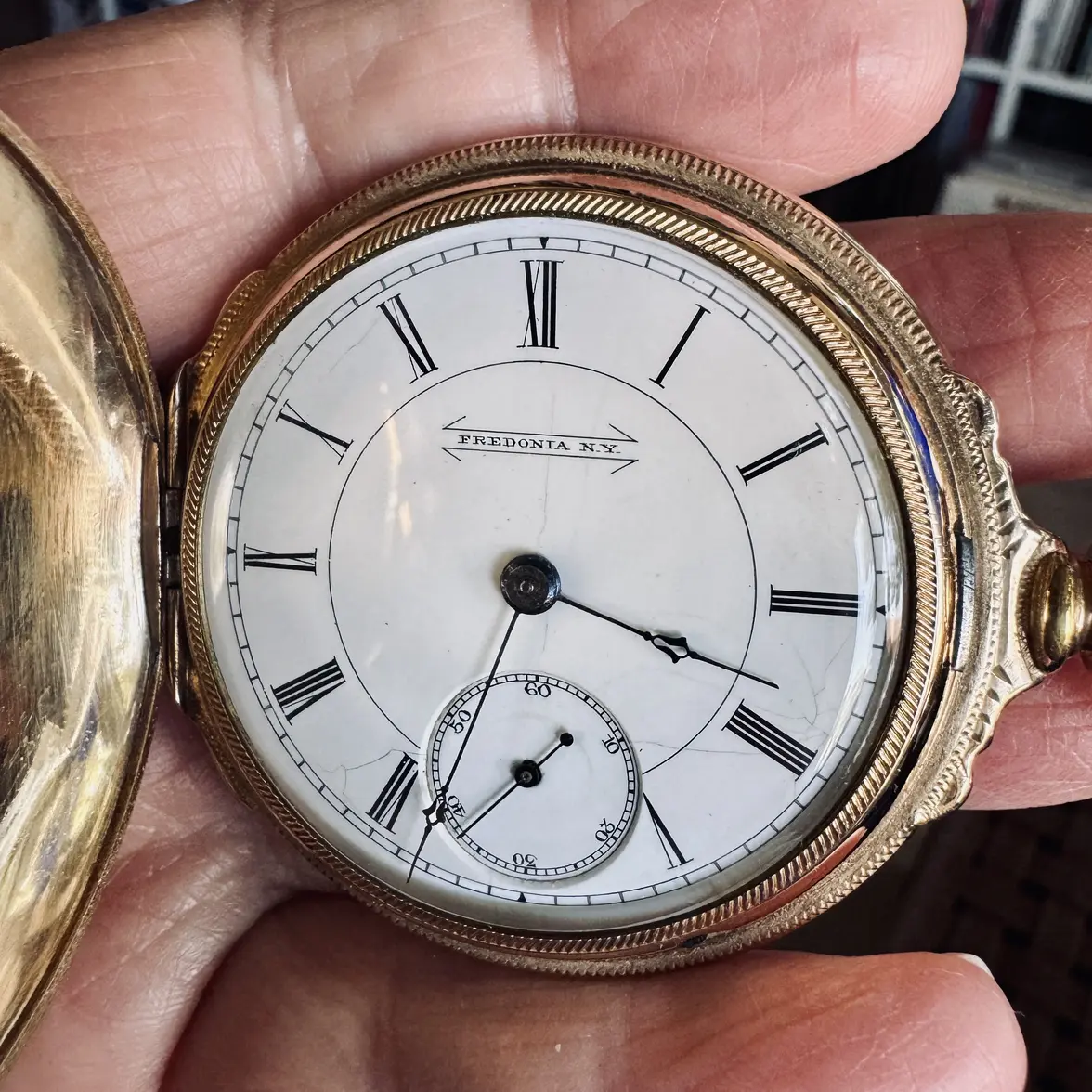
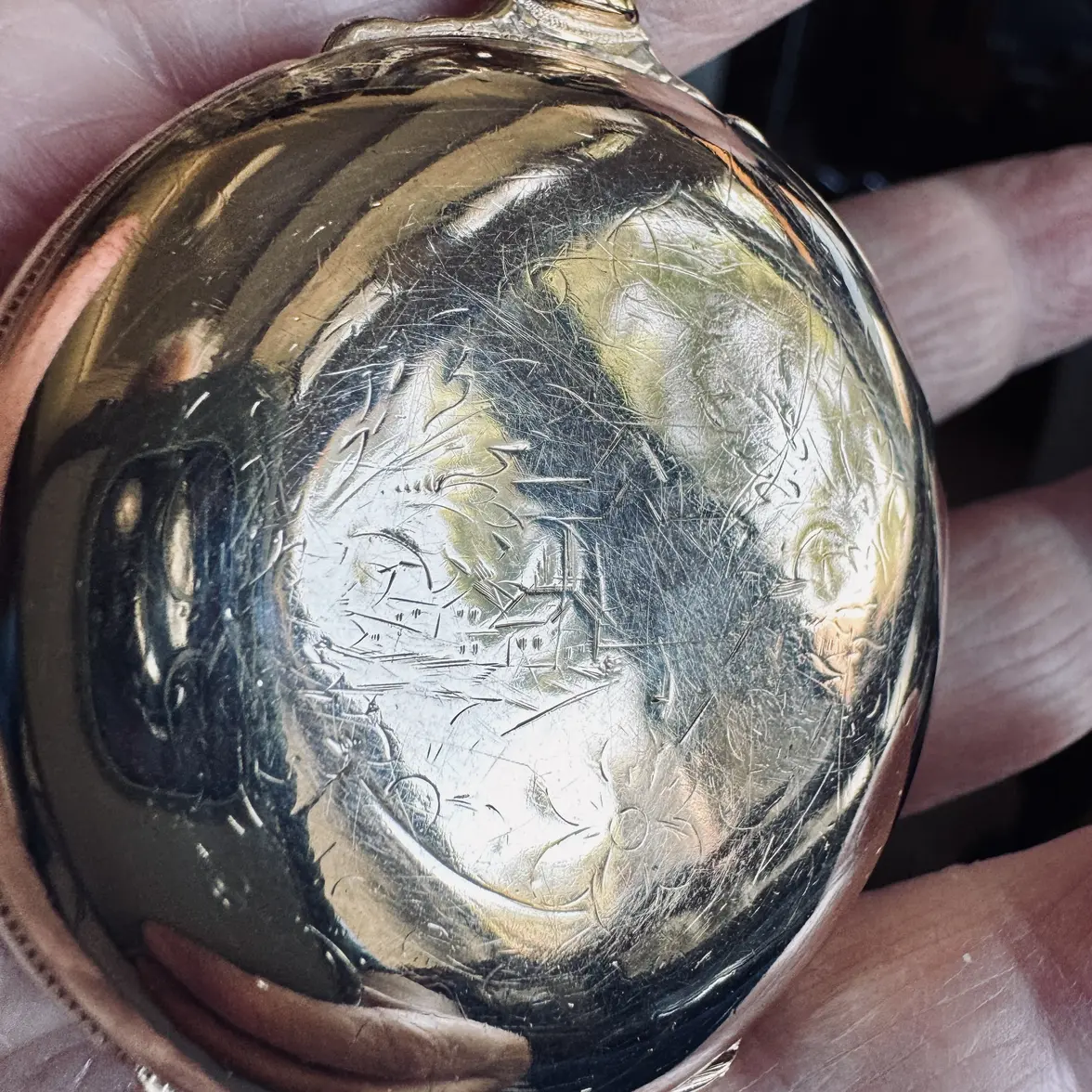
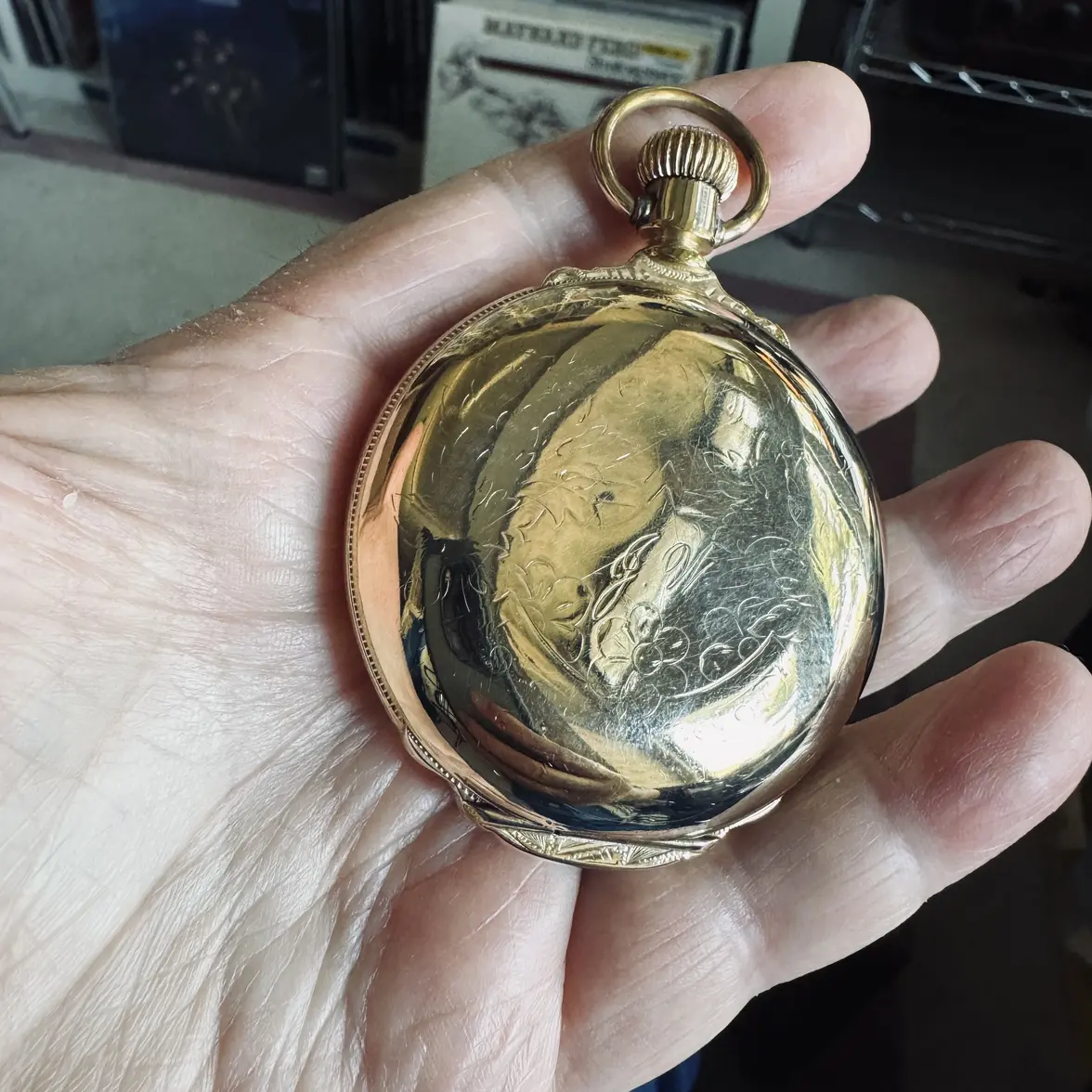
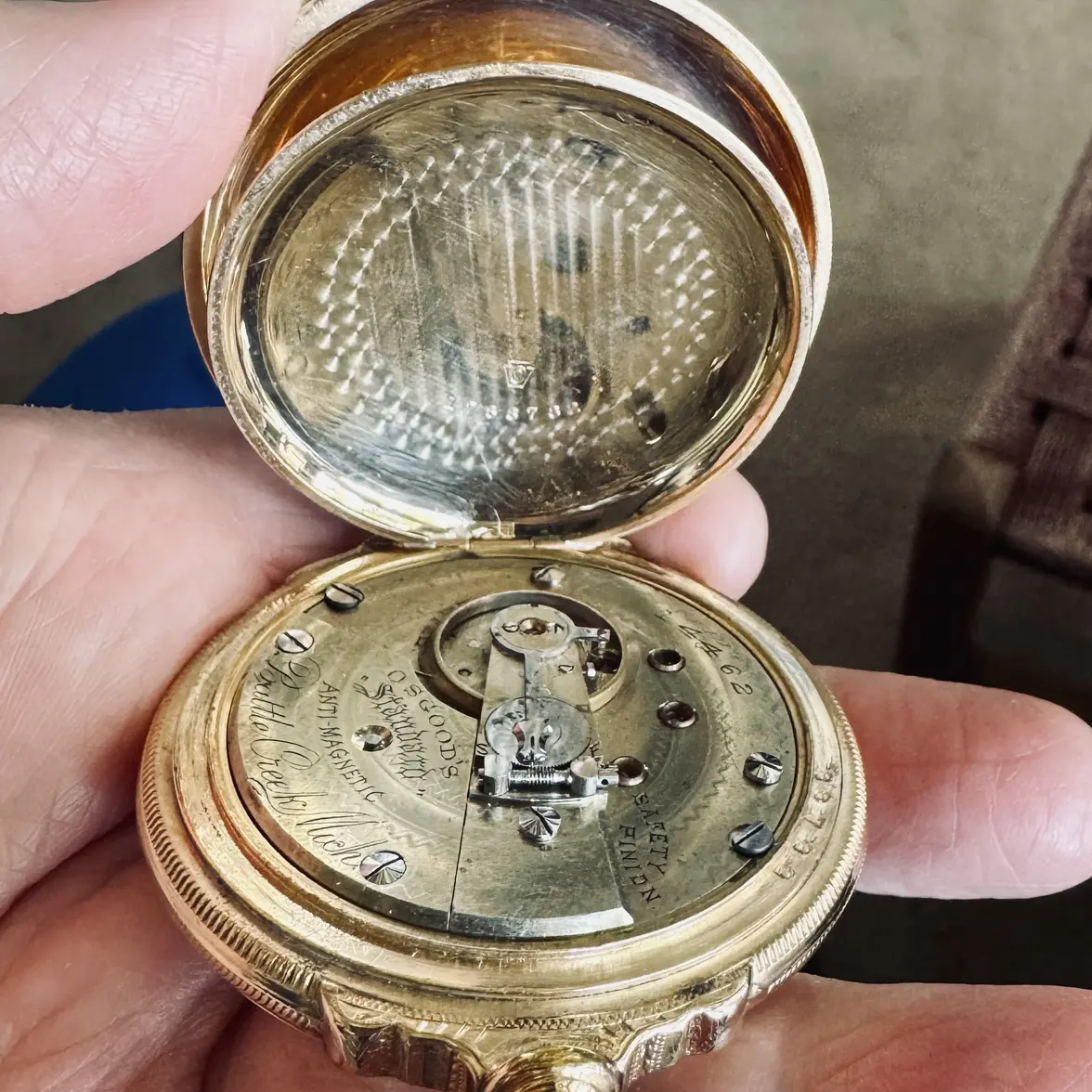
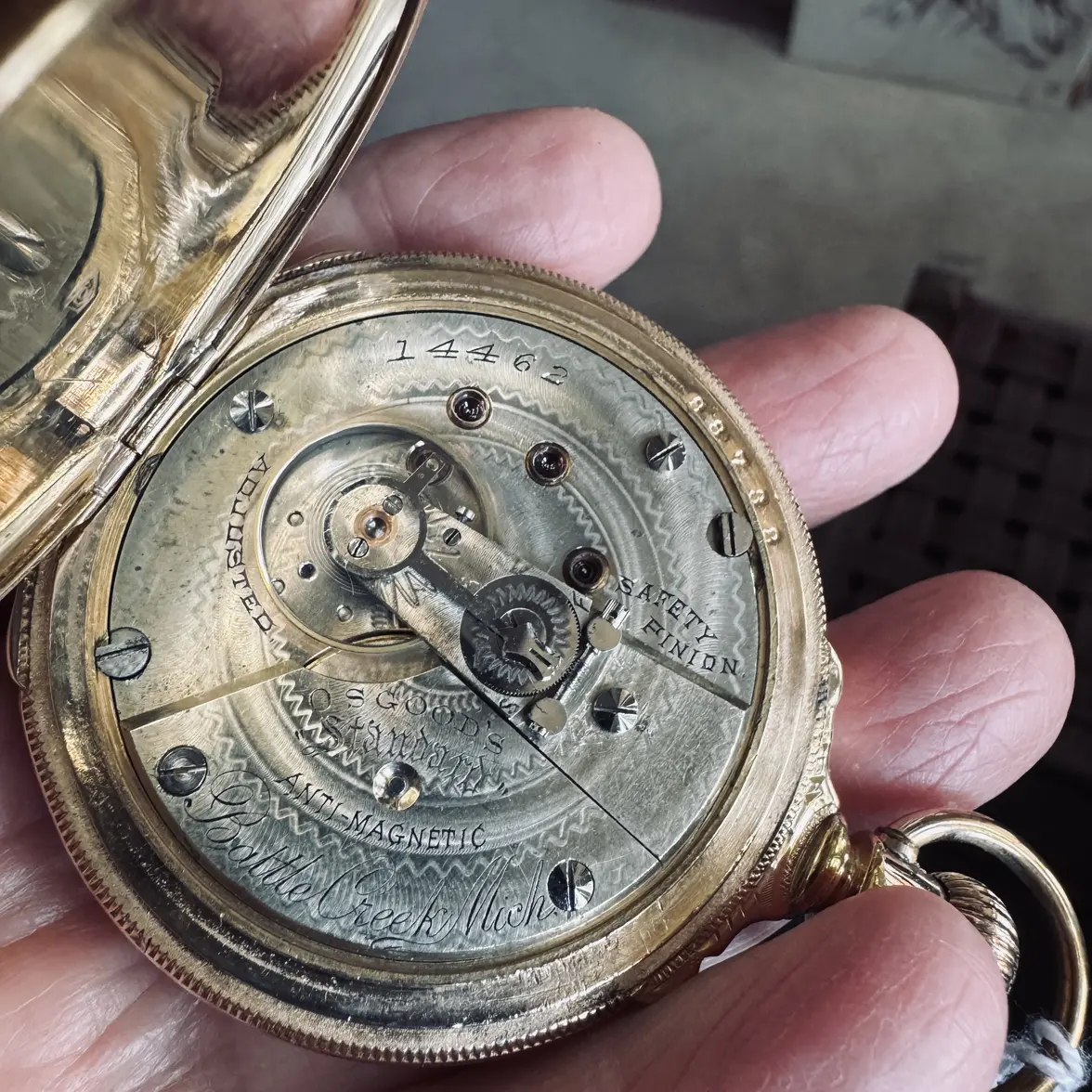
18s Fredonia Watch Co circa 1884 with nifty cool micro regulator and Box Hunter gf case.
Lever set

They sold to Peoria Watch Co. in 1885 lasting 4-5 years only.

Osgood’s was a jewelry store.

I would guess it was RR approved for the era, just look at that micro regulator. Anybody have a name for such?

Love the open Morning Glory Hands.

 
Posts
15,631
Likes
46,611
My recent 18S 17J Mdl 1883 Canadian Railroad Timing Service is a Canadian approved Railroad Watch made in 1904 and its stem set. I had an earlier Canadian Pacific Mdl 1883 15J stem set and it was approved as well. I know that Regina (the Omega 'Trade' Brand) made railroad watches with their higher end 17J and 21J 16 size stem set watches I have each of these in my collection. There is no doubt if a Waltham Vanguard or high end Crescent Street was bought here in Canada post 1900 it was likely going to be lever set but it isn't always the case. I have several Hamiltons 18S and 16S all leverset even if done via Private Label. Burlington has an interesting history here as well. They were popular sold mailorder which was important in largely rural Canada and for their 21J basic 16S railroad watch probably the least expensive...made almost always by Illinois until Illinois went out of business and instead of turning to Hamilton they went to Henry Moser in Switzerland for fabulous movements that sold into the same market here in Canada but my Burlington Bulldog Moser is stem wind and made in 1928 which I thought was really late to see a stem wind..all my earlier Burlington Illinois all lever set.....and these Burlington Mosers are not in the PWDB at least mine was not when I looked a couple years ago. The evolution of railroad grade is fascinating and the inconsistency I think shows a Canadian tolerance for exceptions. The process I am thinking leaned heavily on the time checking which was mandatory before each shift and timing certification every 6 months.....
I’m almost certain that if a particular railroad subscribed to Webb Ball’s standards for railroad watches, they likely would conform entirely to those standards. However, not all railroads subscribed to Ball’s standards. Most railroads had a general time inspector who set acceptable standards for his railroad, and there appears to have been some latitude as to which standards he enforced, and others he was more informal about. CPR continued to accept stem set, single roller Waltham 1883 watches, well into the 20th century. My 17-jewel, stem set, model 1892 emblazoned with the CPR logo, was approved by CPR. So it seems that what was important and what was not so important regarding standards for railroad watches, was not engraved in stone.
 
Posts
4,104
Likes
11,700
My favorite standard of Ball's was that no PL watches would be accepted, yet he ran one of the largest PLs around and approved those for RR use. 🤣
 
Posts
15,631
Likes
46,611
My favorite standard of Ball's was that no PL watches would be accepted, yet he ran one of the largest PLs around and approved those for RR use. 🤣
Does anyone know how Ball managed to have his operation in Cleveland, become to be defined as a “manufacturer” of watches? He bought semi-finished movements from numerous watch manufacturers, finished them in his shops in Cleveland, and was able to become known as a manufacturer. Go figure!

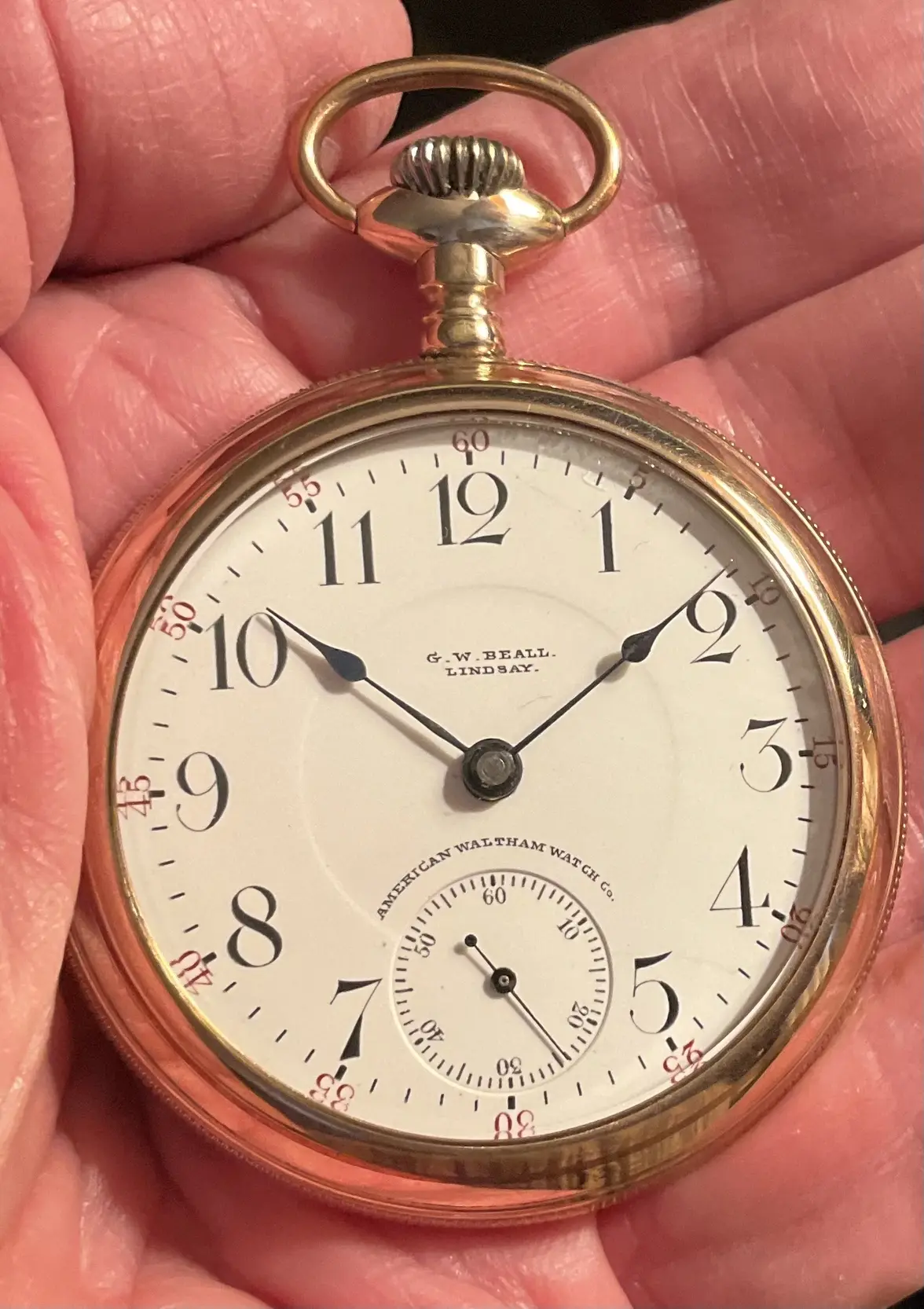
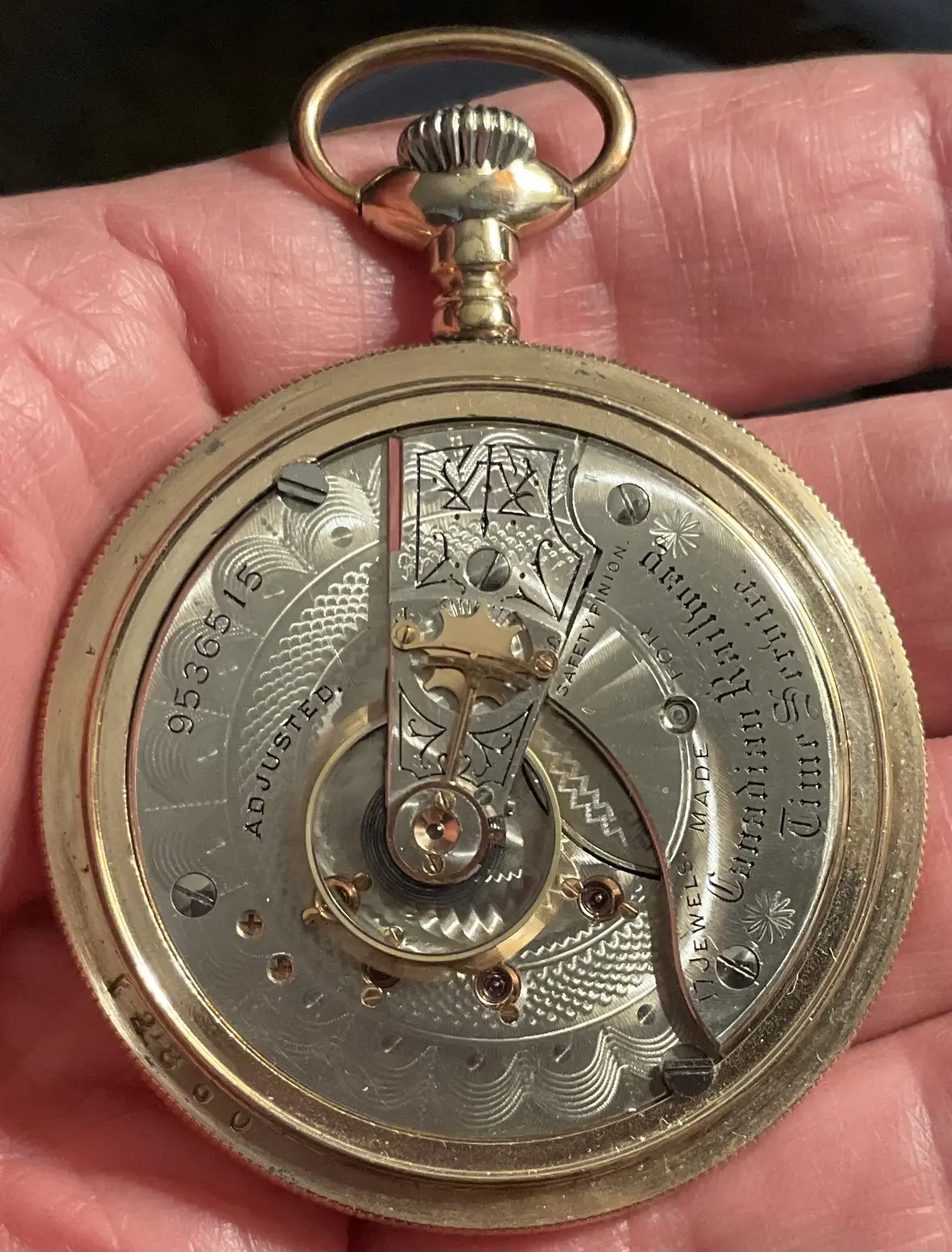
I have a curious watch in my collection. It is a Waltham 1883 model, railroad grade, movement marked Canadian Railway Time Service, and the dial marked as a private label watch. BUT, around the seconds bit is marked WALTHAM, the actual maker of the watch. So, in effect, there are THREE name brands on the watch. But importantly, the actual maker’s name is there.

The dial is marked for retail jewellery G W Beall, Lindsay (Ontario). Around the seconds bit is American Waltham Watch Co. The movement is marked for the Canadian Railway Time Service. Triple marked! Never seen anything like it!

 
Posts
68
Likes
171
Does anyone know how Ball managed to have his operation in Cleveland, become to be defined as a “manufacturer” of watches? He bought semi-finished movements from numerous watch manufacturers, finished them in his shops in Cleveland, and was able to become known as a manufacturer. Go figure!

I have a curious watch in my collection. It is a Waltham 1883 model, railroad grade, movement marked Canadian Railway Time Service, and the dial marked as a private label watch. BUT, around the seconds bit is marked WALTHAM, the actual maker of the watch. So, in effect, there are THREE name brands on the watch. But importantly, the actual maker’s name is there.

The dial is marked for retail jewellery G W Beall, Lindsay (Ontario). Around the seconds bit is American Waltham Watch Co. The movement is marked for the Canadian Railway Time Service. Triple marked! Never seen anything like it!

I live close to Lindsay Ontario and have to say I am just gobsmacked with your watch....Ive tried unsuccessfully a few times to win Beal watches but your watch is just unreal. A private label reputable jeweler on a private label waltham run for CRTS....just seems unbelievable.....