Calling all Pocket Watch Buffs

Posts
1,053
Likes
4,264
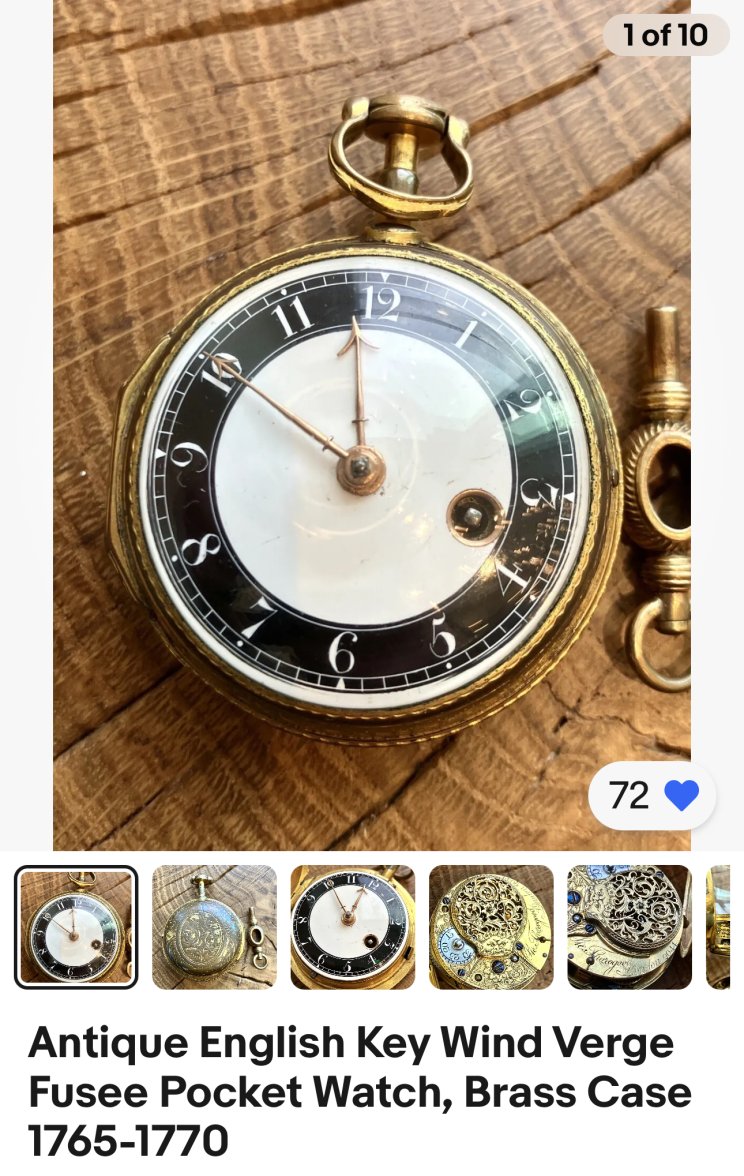
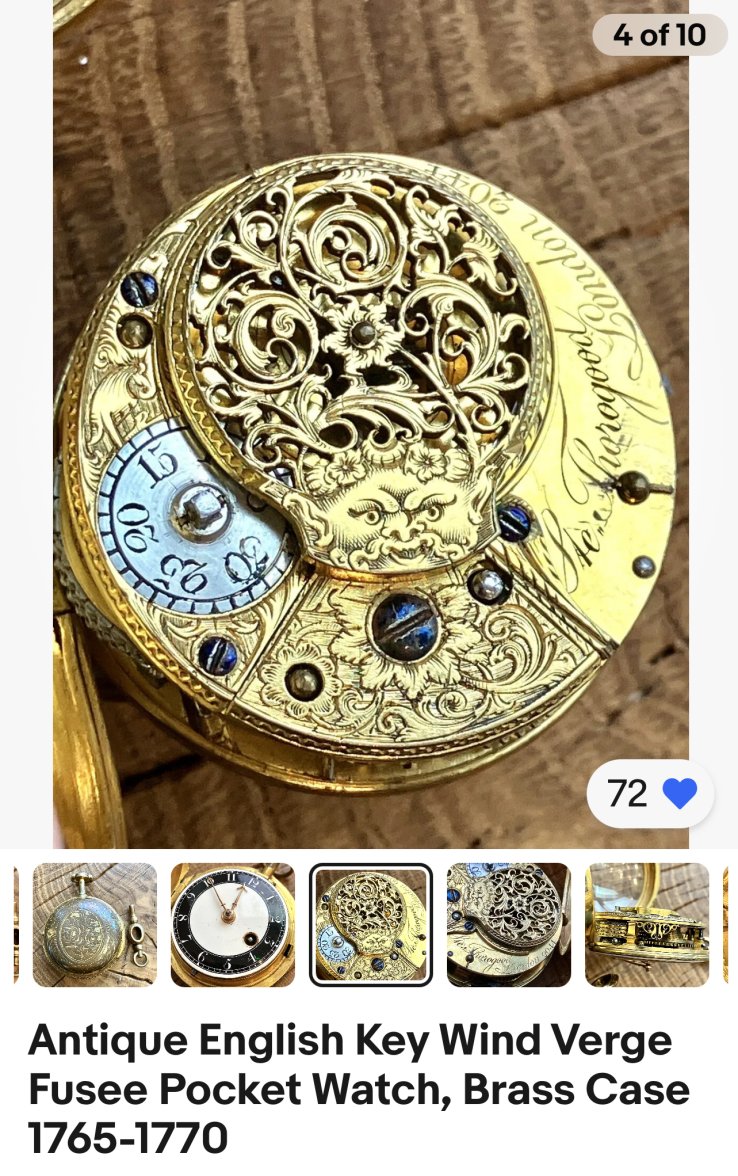
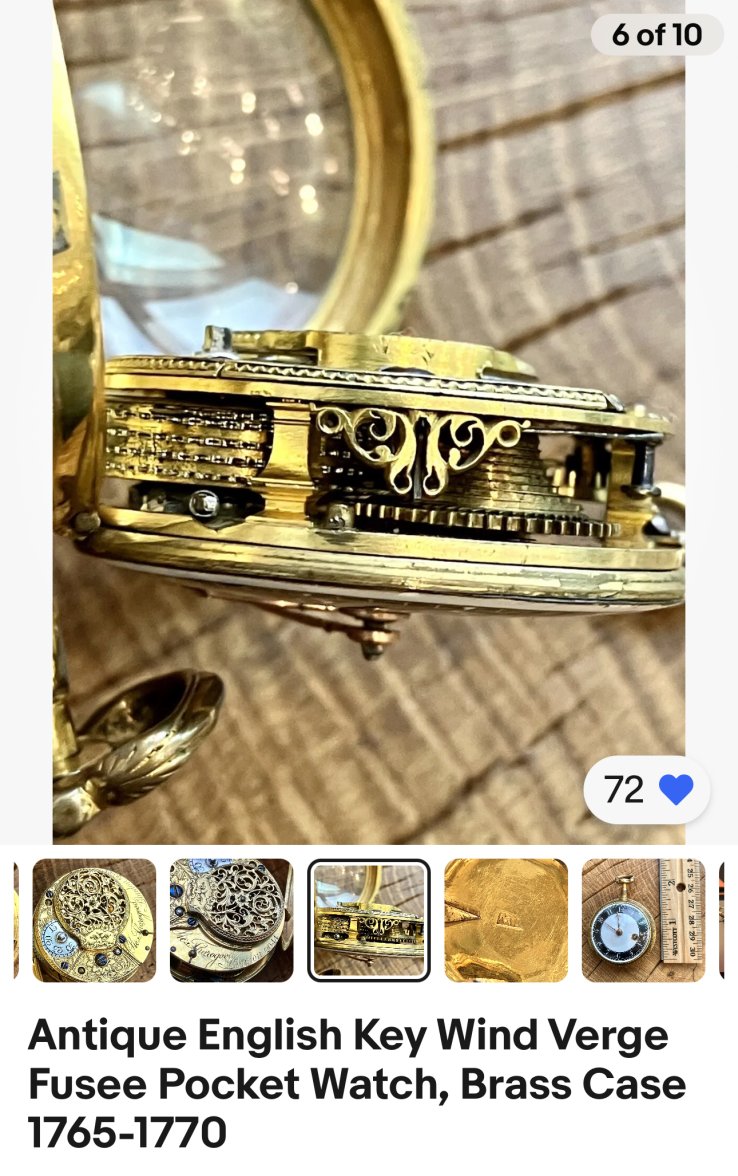
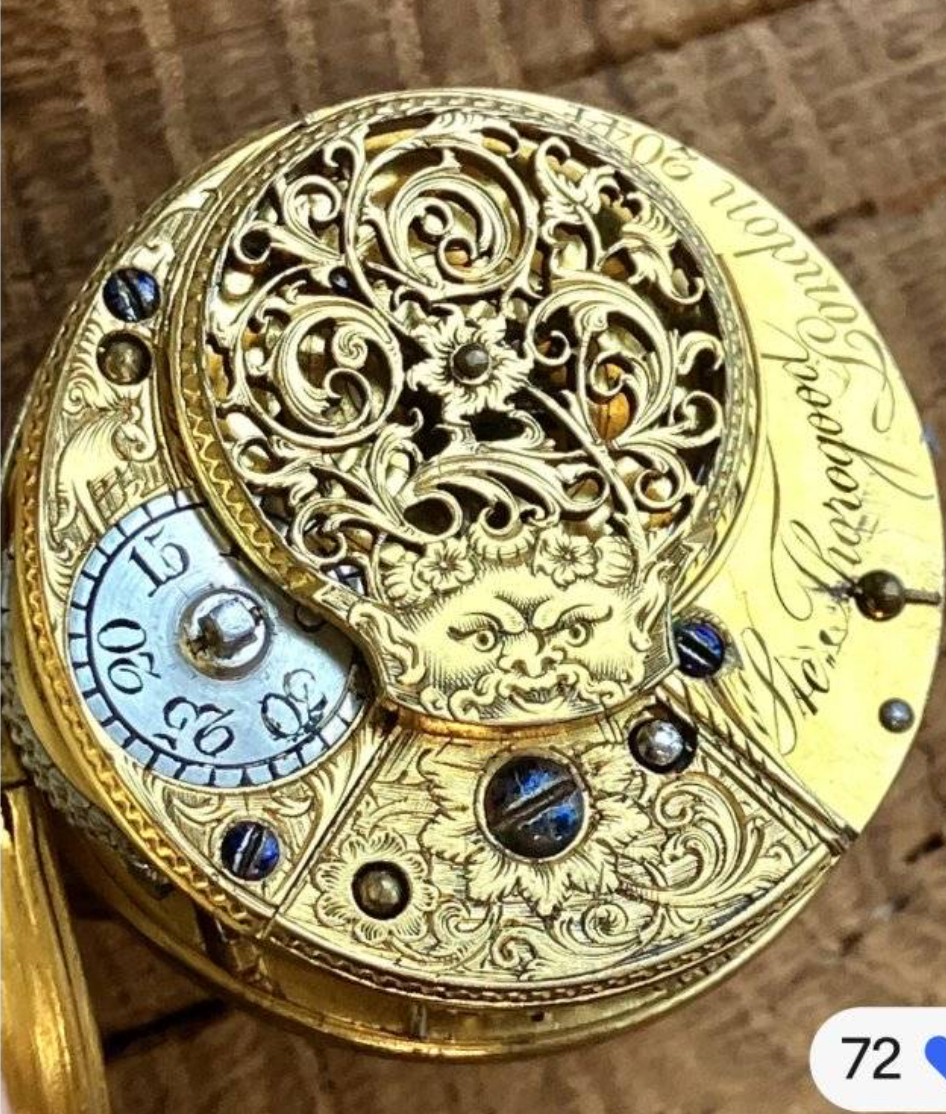
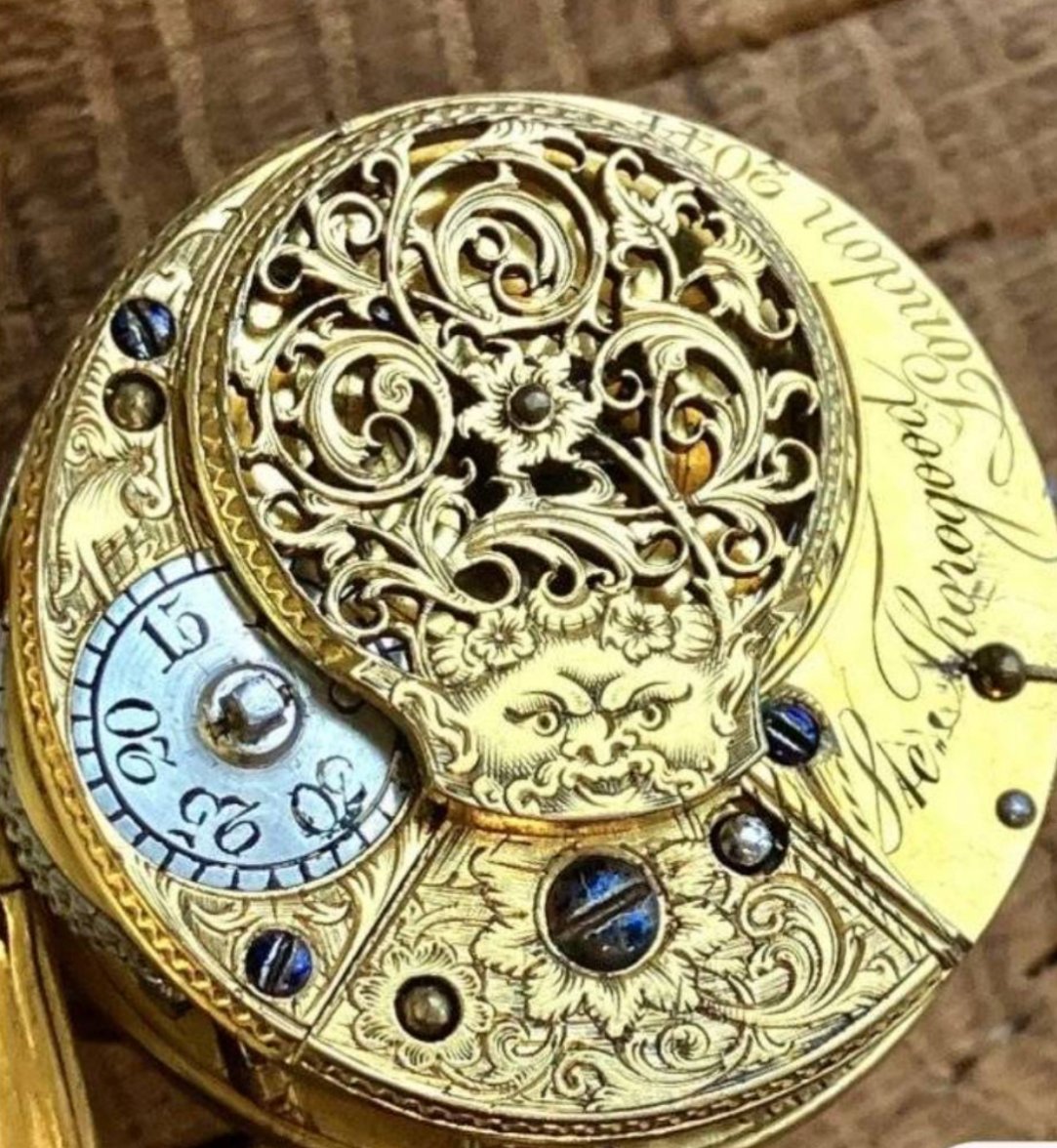
Interesting English Key Wind Verge Fusee Pocket Watch, Brass Case 1765-1770. Movement is made by Stefano Thorogood of London England. It’s currently on the ‘Bay and is just south of $250 at the moment. I like it but don’t know enough about these movements. We’ll see where it lands. Any thoughts?
 
Posts
15,242
Likes
44,766
“It would need service to keep accurate time”! I quote the sender. English verge watches with fusees likely weren’t great timekeepers 250 years ago! Opinions may vary. Not something I would buy.
 
Posts
15,242
Likes
44,766
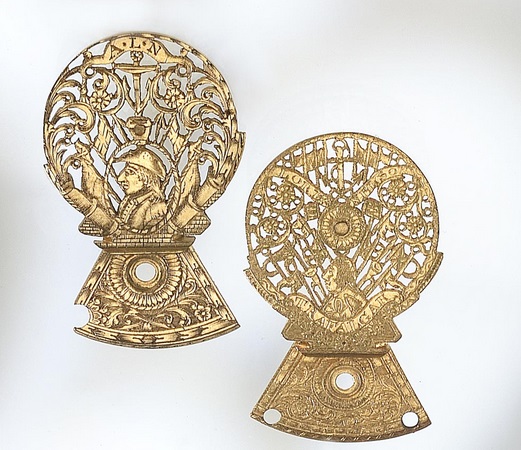
Some years ago (when I was a member), the NAWCC Bulletin included an article describing these ornate balance cocks. They were hand pierced and hand engraved, no two being identical. Anybody with access to the Bulletin index which is available on line, could probably give you a lot of information.
 
Posts
5,081
Likes
15,687
How did they make such ornate covers?

Did you never wonder where the early timekeeping technology came from?

 
Posts
627
Likes
2,095
Any thoughts?

I tend to be sure that dial and hands are later additions. I would also take a closer look at the movement, because winding through the dial was quite unusual for English pocket watches (it did occur though). As a "serious" collector I would pass.

A verge will never "keep good time" in todays sense. A verge in really good fettle will have a daily rate of up to 2 minutes per day. 5-10 minutes per day would also not give rise to serious complaints.
Edited:
 
Posts
627
Likes
2,095
How did they make such ornate covers?

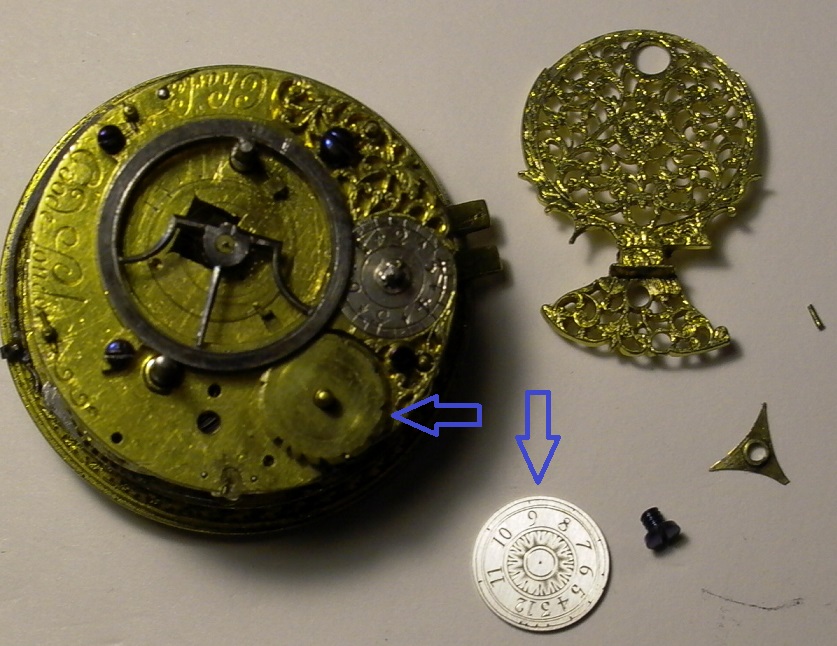
Manual skills were amazing. But still exist today. In this clock watch (ca. 1690) the count wheel had been replaced at some juncture. Now a hand engraver (he really works with a hand engraver and microscope only) has made the silver disk. It still needs to be finished mechanically by myself, the engraved recesses need to be filled with a black wax, and finally polished. Then it will be looking just as it was originally, similar to the original regulator disk. Note: I ordered the engraver so sign and date the new disk on the underside.

Edited:
 
Posts
1,053
Likes
4,264
“It would need service to keep accurate time”! I quote the sender. English verge watches with fusees likely weren’t great timekeepers 250 years ago! Opinions may vary. Not something I would buy.
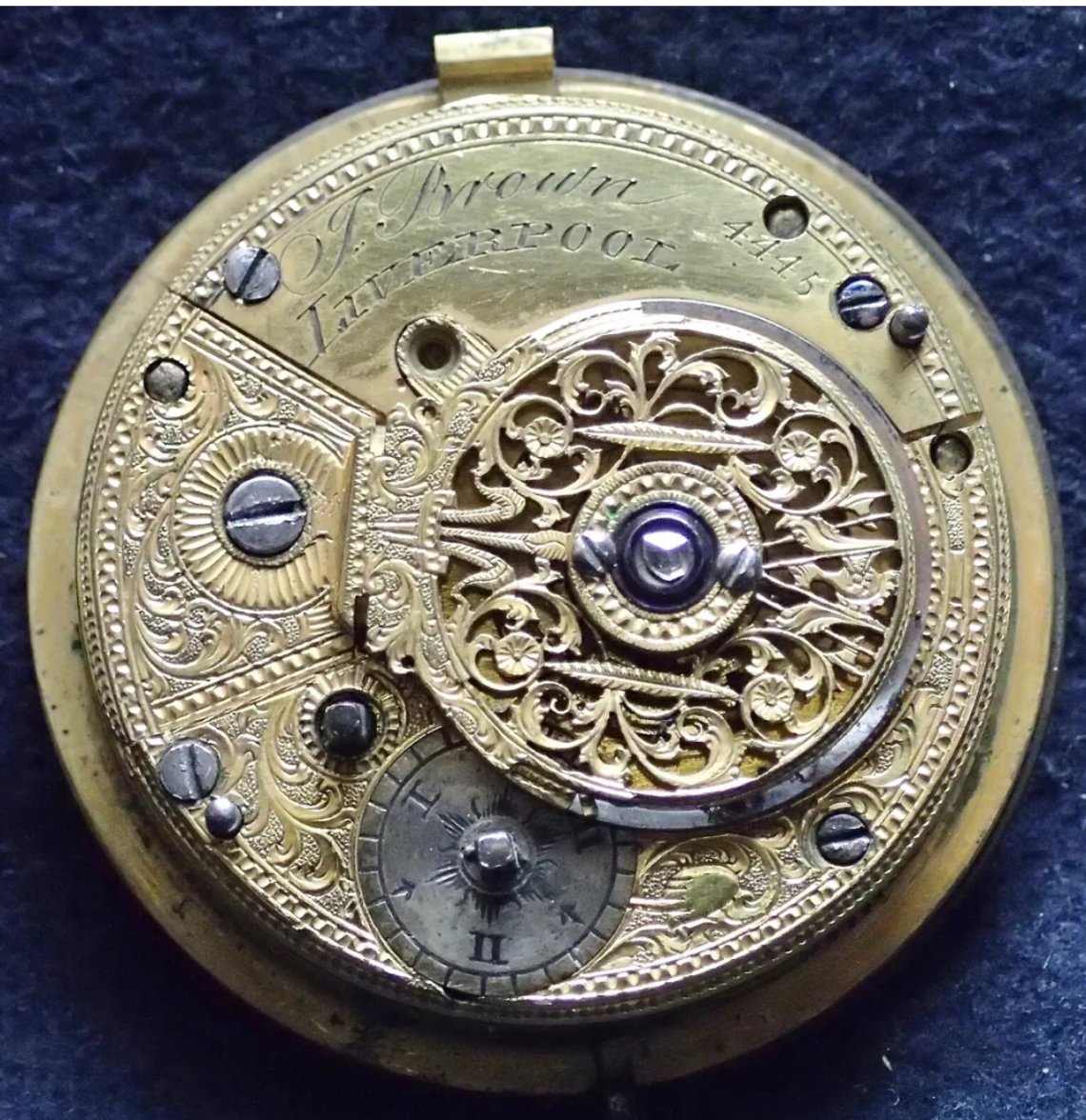
My interest would only be for the unique and intrinsic value as an artistic (artisan) time piece. Then again, I could just buy this movement far more cheaply and enjoy the artistry as well (I rather like it better anyway even though it is a century younger than the original one I posted.)
 
Posts
17,419
Likes
164,518
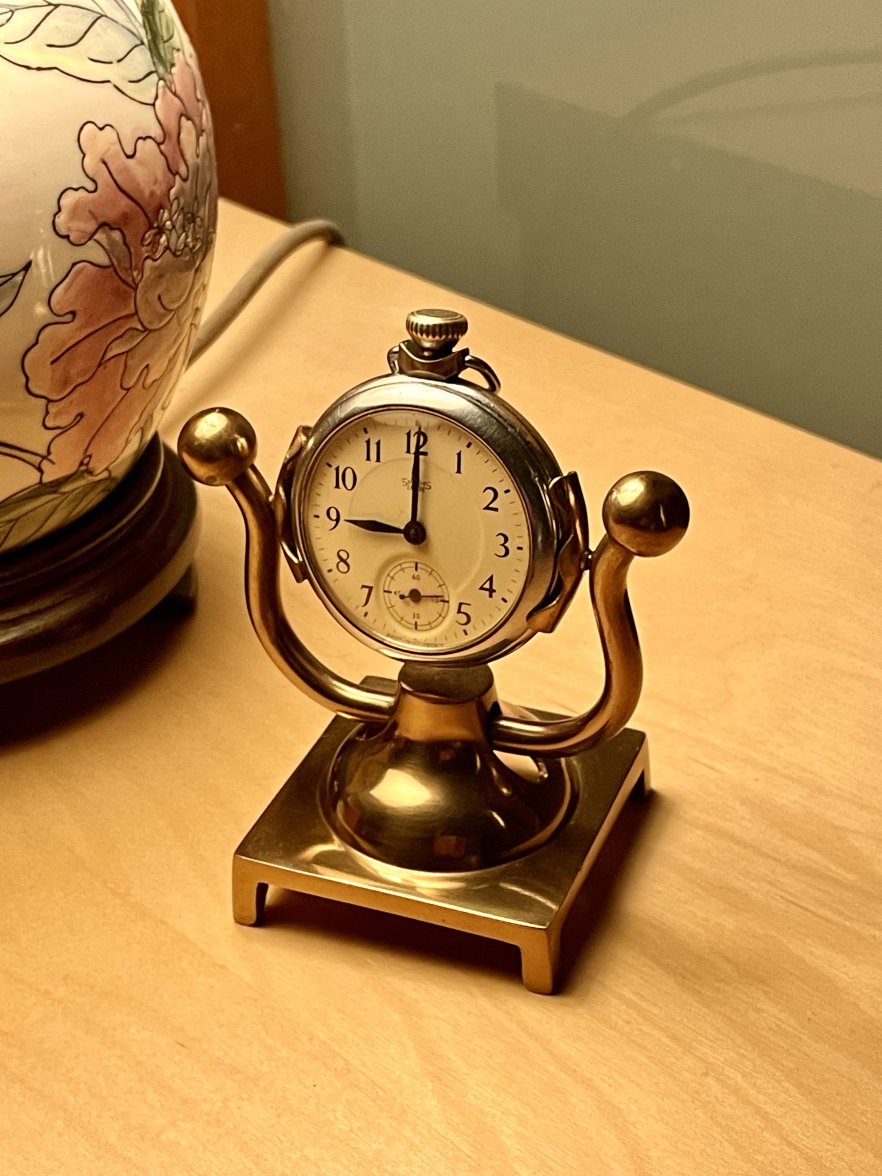
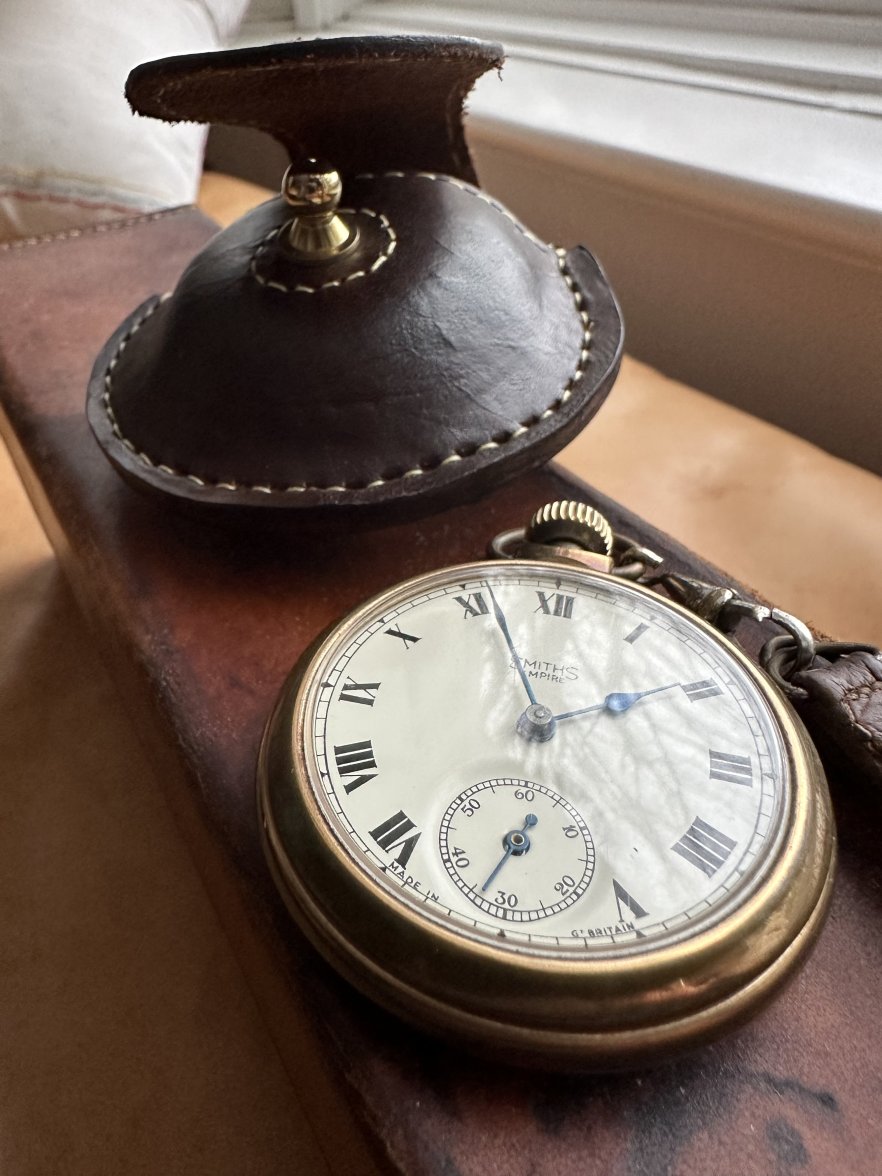
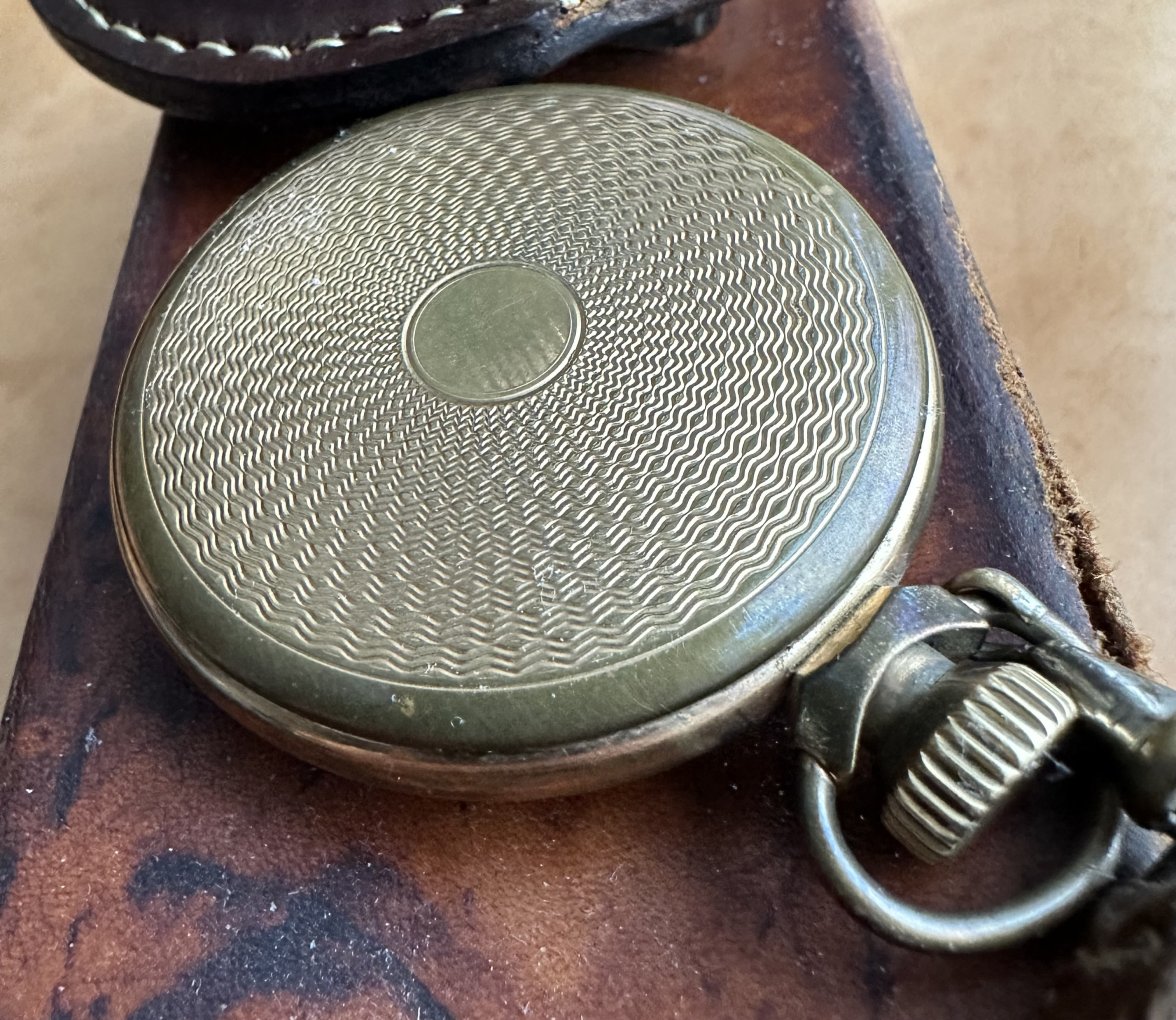
Smiths Empire in service today, certainly a poor relation to the many beautiful pieces on this forum but it was a UK manufactured piece and that works just fine for me 😀

 
Posts
3,058
Likes
32,263
For those mainly interested in the artistry of workmanship, it might be worthwhile considerung purchasing or even collecting balance cocks, see e.g.

https://www.ebay.com/sch?_from=R40&_trksid=p4406038.m570.l1313&_nkw=balance+cock&_sacat=0

This is not listed in the exemplary eBay listings:

Am I right to think that these balance cocks are the result of silver cases meeting their demise in the crucible? One reason why I am glad to have scooped mine. Perhaps it will outlive whoever gets it after I start my dirt nap.
 
This website may earn commission from Ebay sales.
Posts
15,242
Likes
44,766
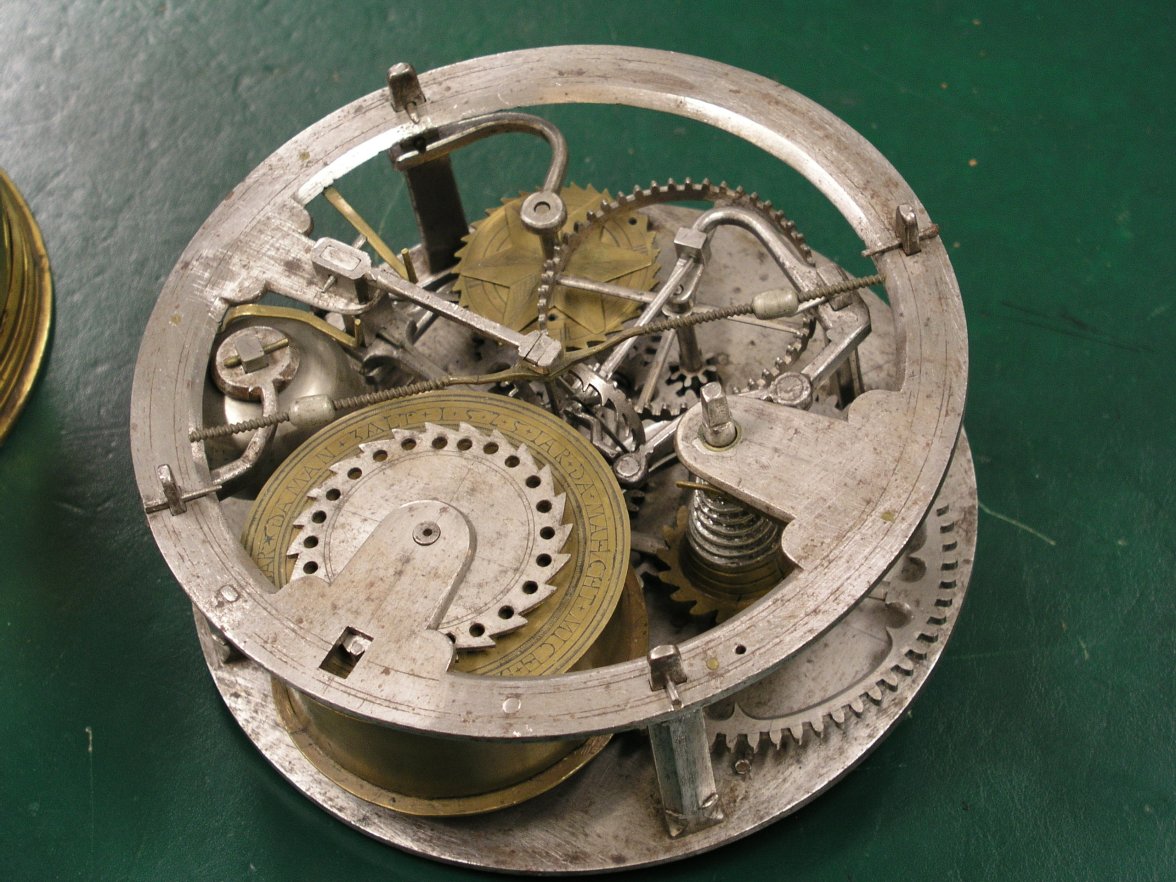
Did you never wonder where the early timekeeping technology came from?


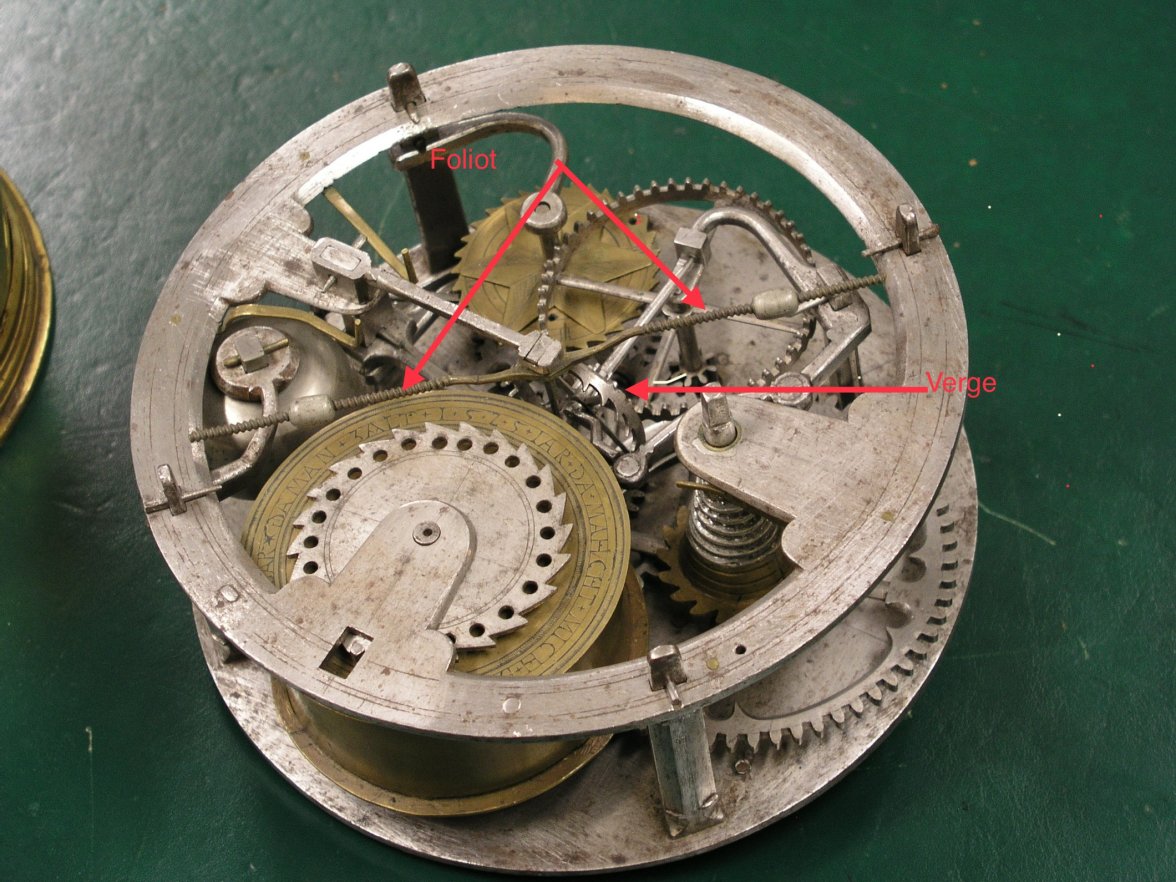
The earliest known time keeping device that had a mainspring in conjunction with a verge & foliot escapement is believed to be the clock shown. The verge and foliot escapement had been around for about 200 years or so before this clock was made circa 1525. But such a timepiece was not possible until the invention of the mainspring! Weight driven clocks with verge and foliot had to be hung on a wall. This timepiece could be used on a table top. Evolution of mechanical timepieces in the ensuing 500 years are the product of millions of infinitesimal advances, one step at a time, the result being the modern mechanical watch. This is where it started, you know where it is today, and I leave it to the reader to fill in the blanks!

I have seen this timepiece twice, on two visits to the Guild Museum of Watches & Clocks in London. This picture is in my copy of Brittens watch & clockmakers volume.

View attachment 1718317

Edited:
 
Posts
5,081
Likes
15,687
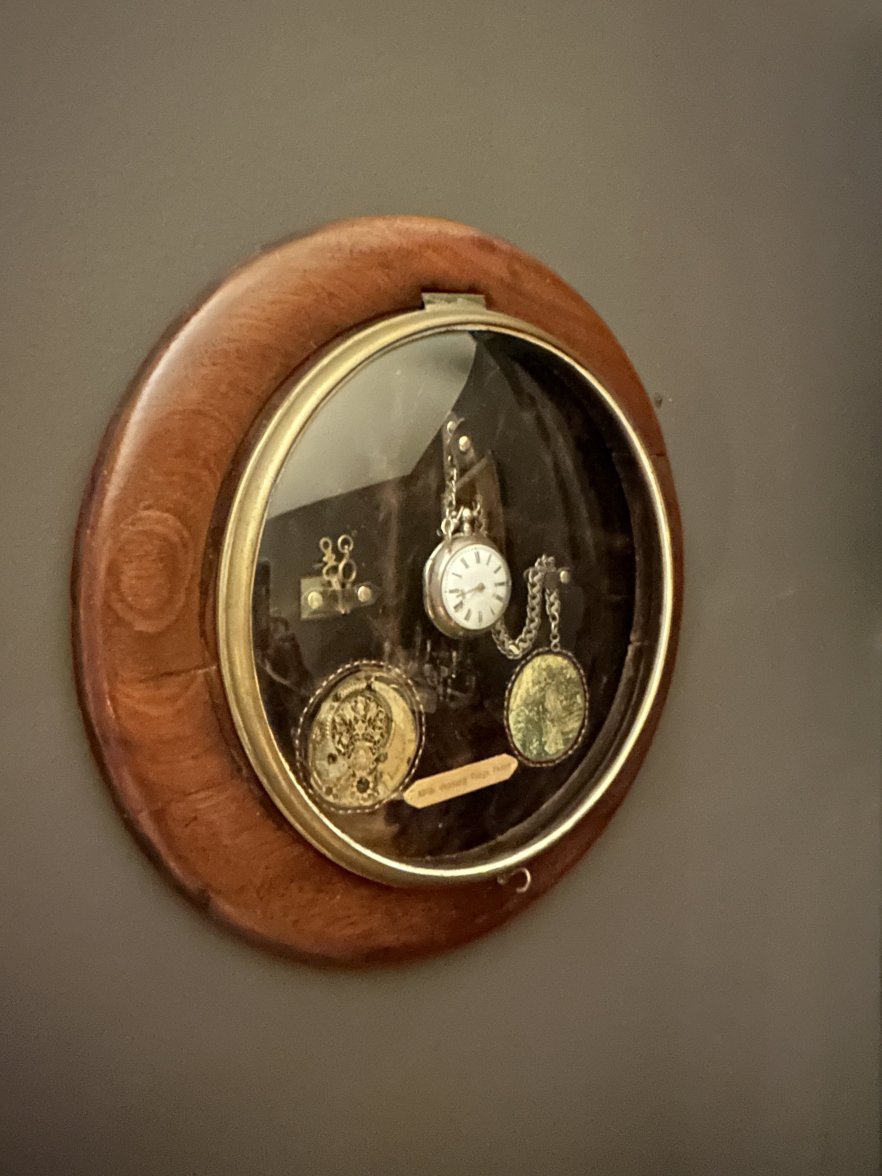
Am I right to think that these balance cocks are the result of silver cases meeting their demise in the crucible? One reason why I am glad to have scooped mine. Perhaps it will outlive whoever gets it after I start my dirt nap.

I really like that display case 🥰
 
Posts
3,058
Likes
32,263
I really like that display case 🥰
Thank you. And I like yours, the one with the Rail stations of Southwest Ontario.
 
Posts
643
Likes
978
Smiths Empire in service today, certainly a poor relation to the many beautiful pieces on this forum but it was a UK manufactured piece and that works just fine for me 😀


Nice! I keep looking at these as a cheap way into pocket watches but keep getting distracted by some of the amazing movement decoration regularly posted in this forum.
 
Posts
3,058
Likes
32,263
Nice! I keep looking at these as a cheap way into pocket watches but keep getting distracted by some of the amazing movement decoration regularly posted in this forum.
Be like me. Get one, know absolutely nothing about how to open it, and imagine that it looks like the beautiful movements shown in this thread.
 
Posts
15,242
Likes
44,766
I posted a picture of the “Jacob the Czech” clock earlier in this thread. The picture was copied out of my Britten’s volume, and was not a great picture. I have seen this clock twice over the years, on visits to England, and I knew I had photographed it on those trips. Well, this morning, I found a picture I had taken. This will show you much better detail of what is believed to be the earliest clock ever built that had a fusee, mainspring, and verge & foliot escapement, dated circa 1525.

I’ve added arrows to the picture to show the verge and the foliot.

Edited: