- Posts
- 8,811
- Likes
- 62,401
Please consider donating to help offset our high running costs.





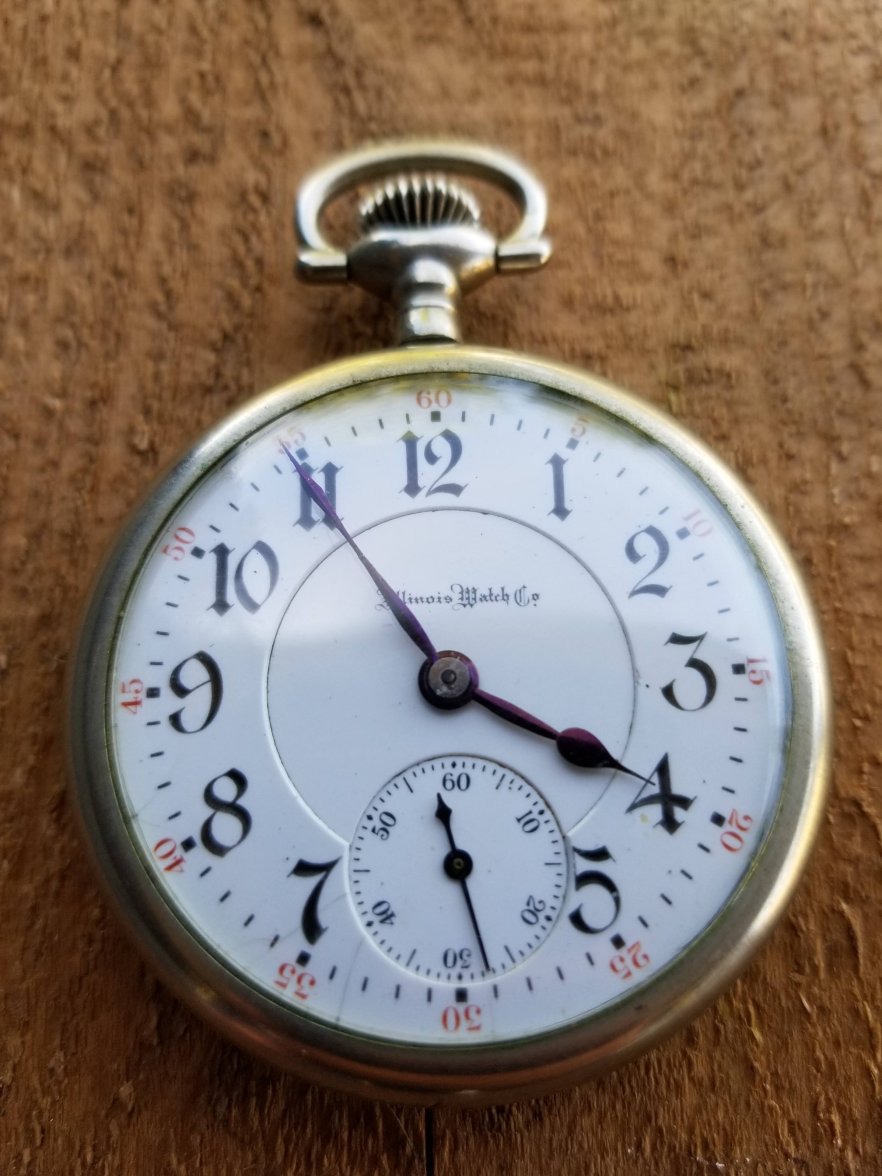
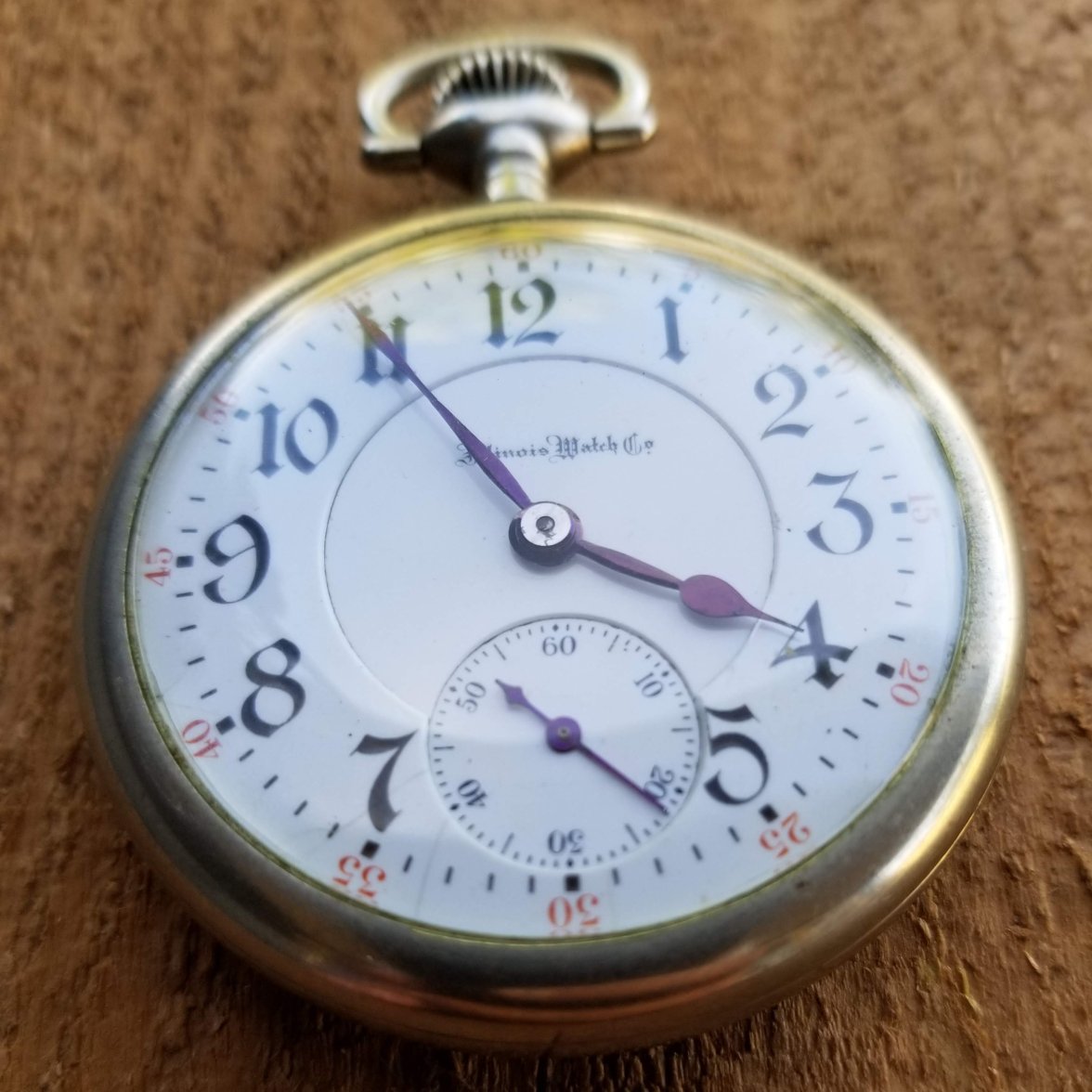

It certainly could be a10-size considering the diameter. My reference (Shugart, Engel, & Gilbert) doesn’t show that plate layout in a10-size. But considering that this is a Waltham, anything is possible. I am most puzzled by the pocketwatchdatabase listing showing this serial number range being made in 1908, but the serial number/date listing in Shugart shows it being made in 1881! Just goes to show how the standard reference material on occasion, is no help at all!
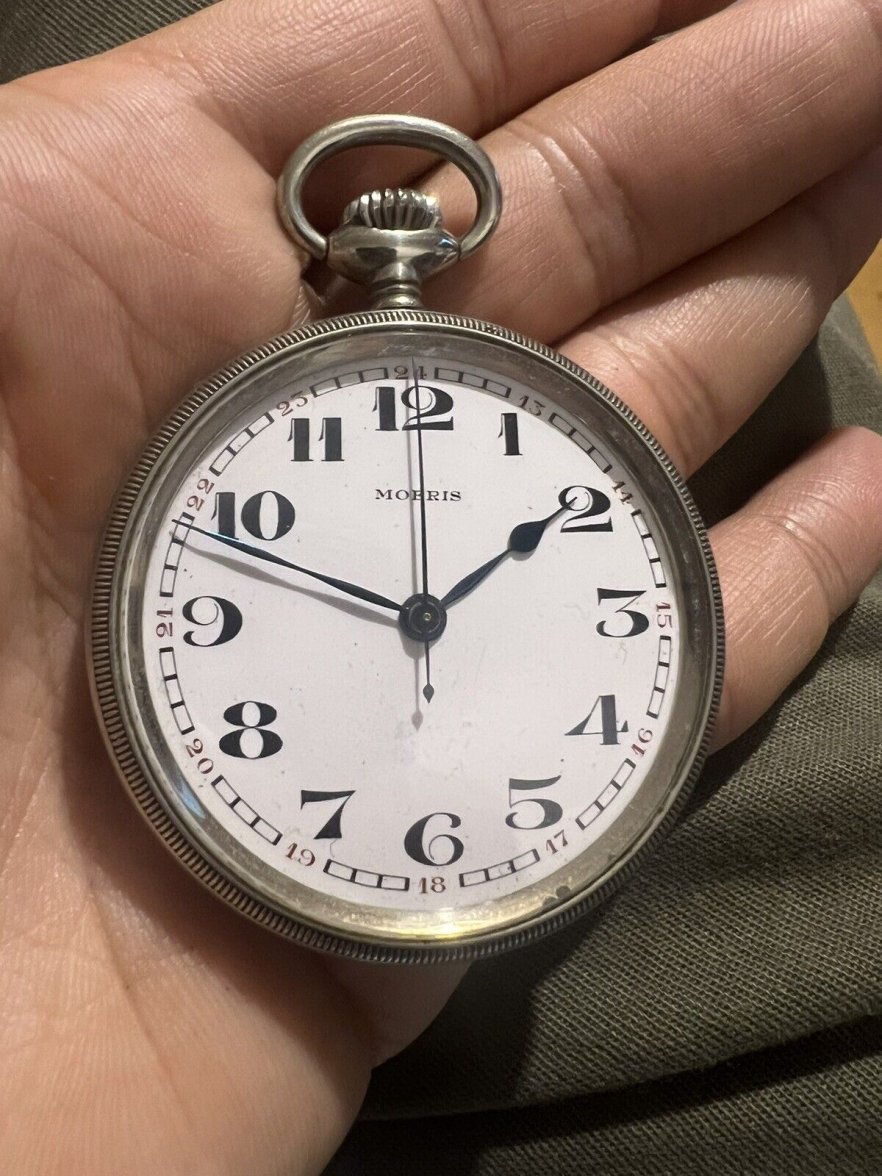
Just took a chance on this one: I'll see when it arrives if it is a dud and what is the case material (steel or white nickel)... Likely a Moeris 19h with a central second in a Borgel front loading case. Uncommon bird.
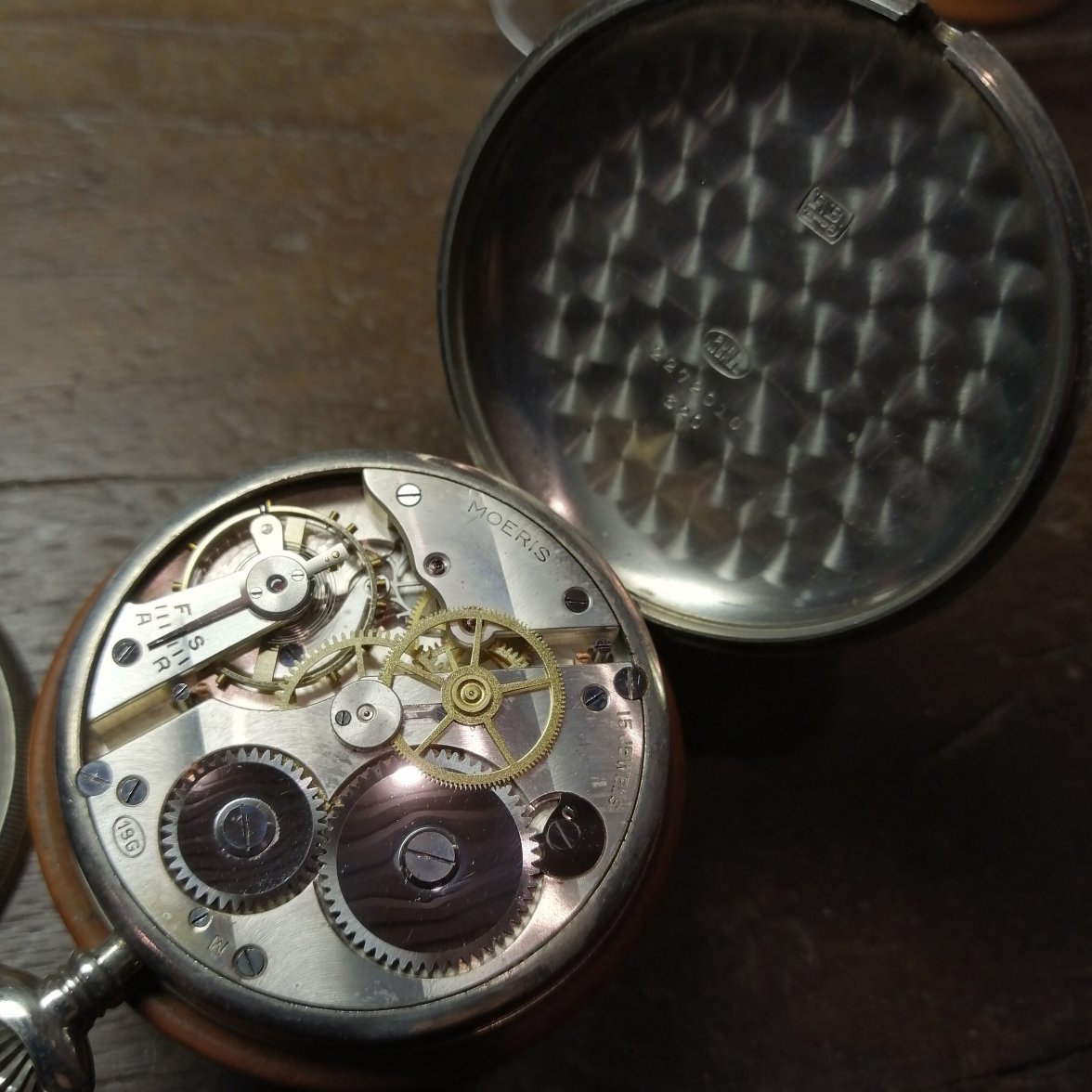
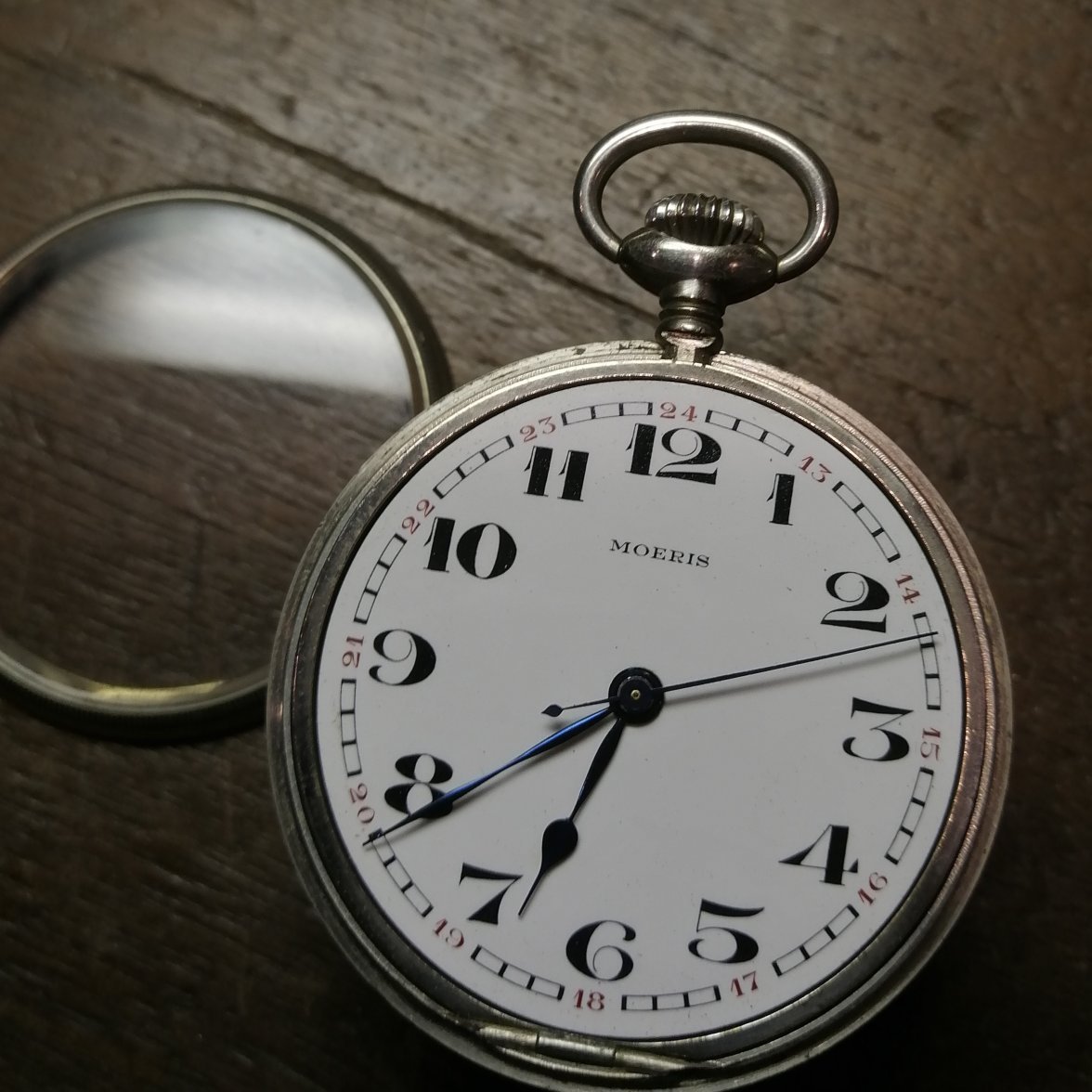
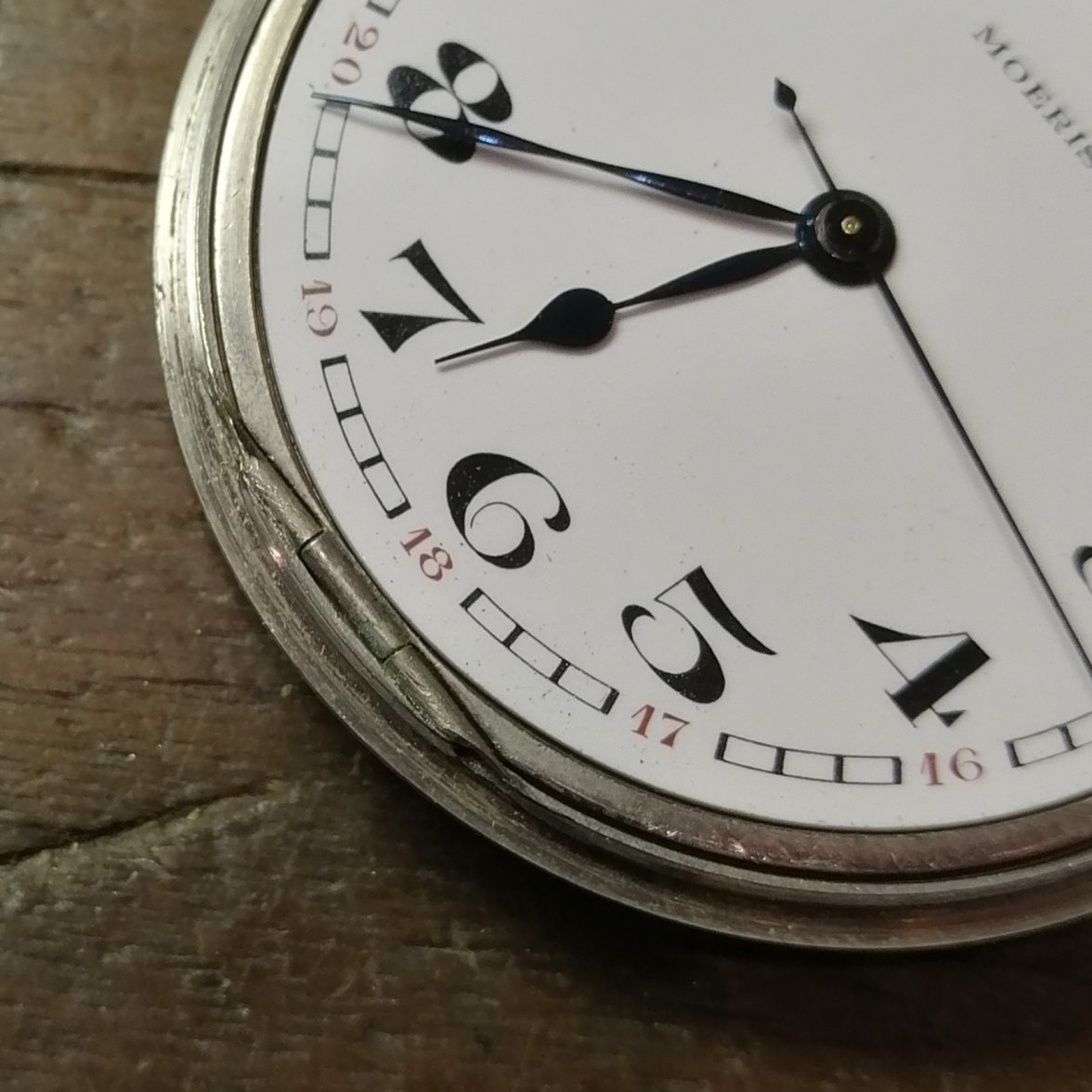
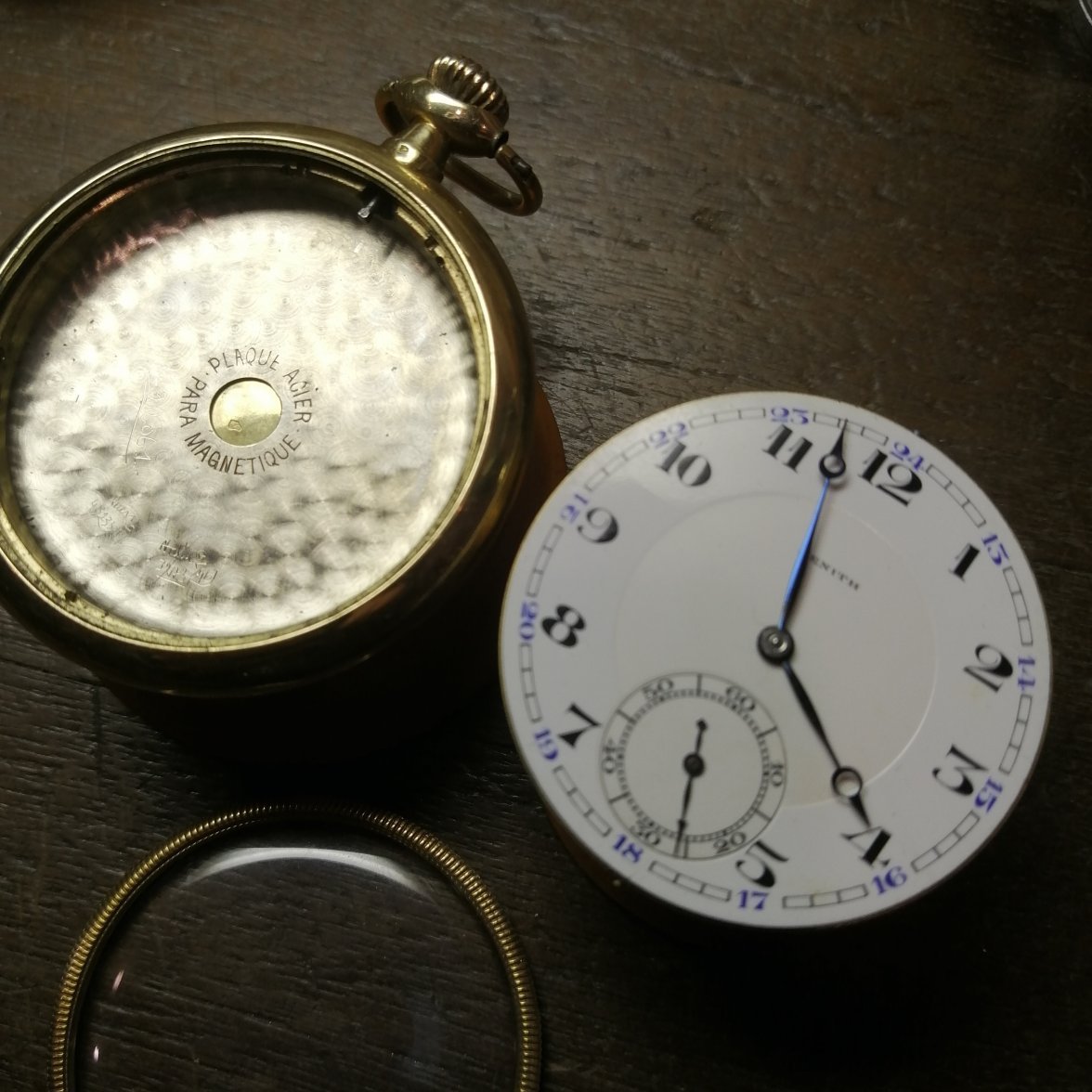

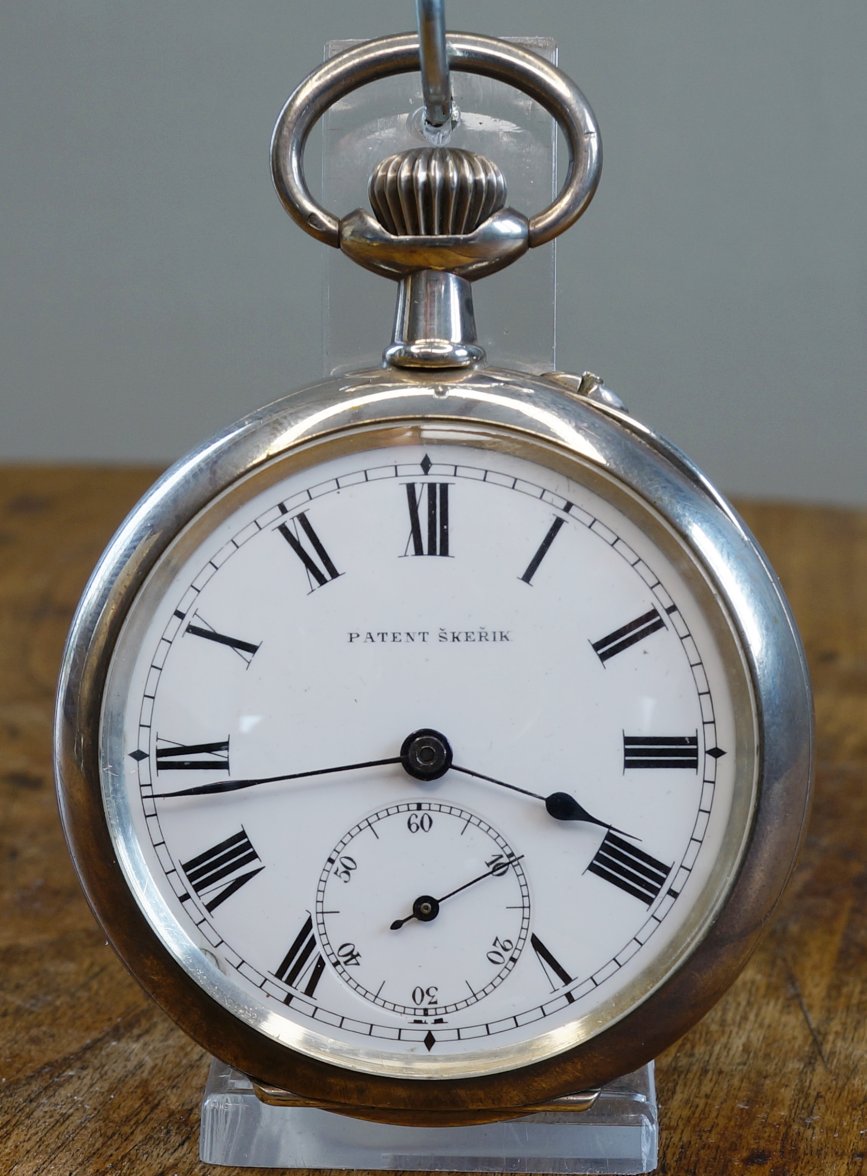
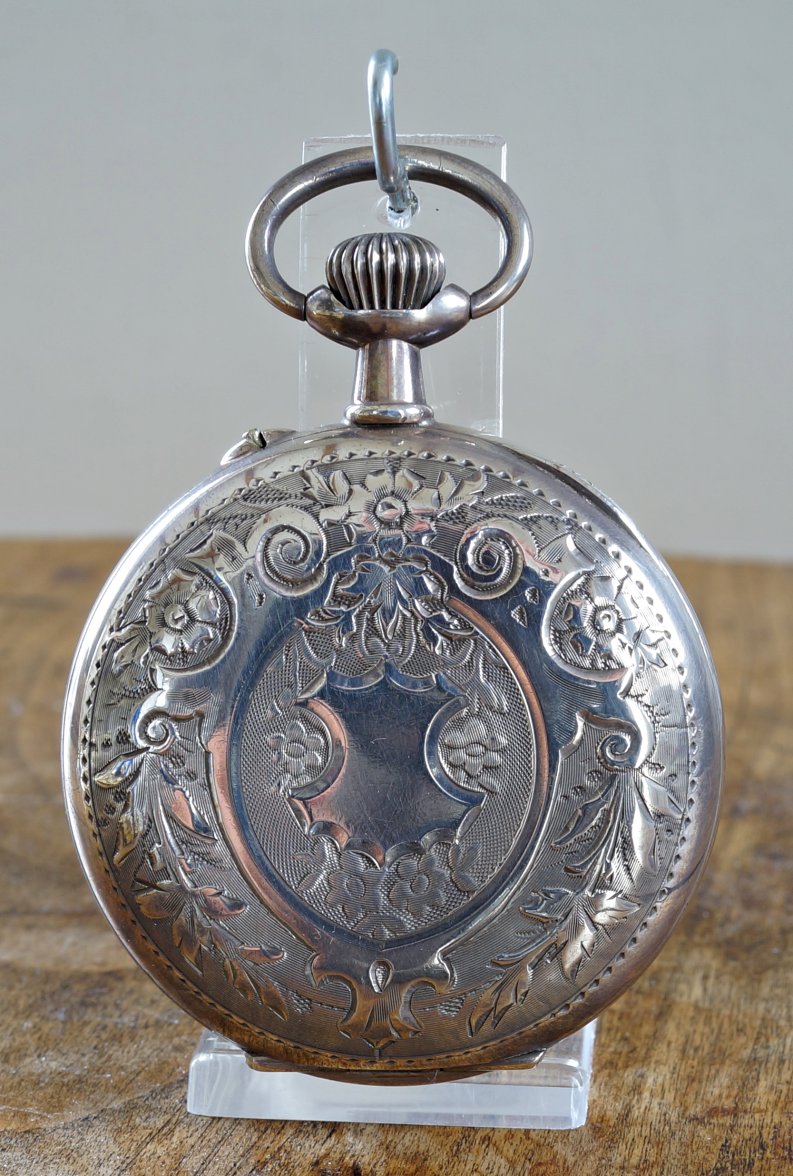
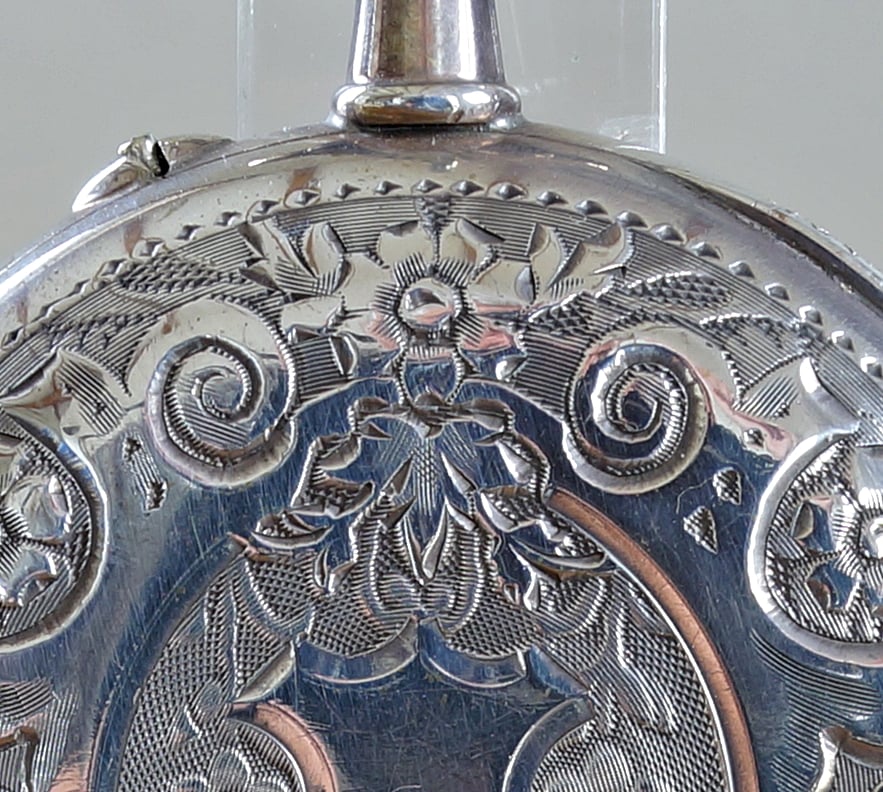
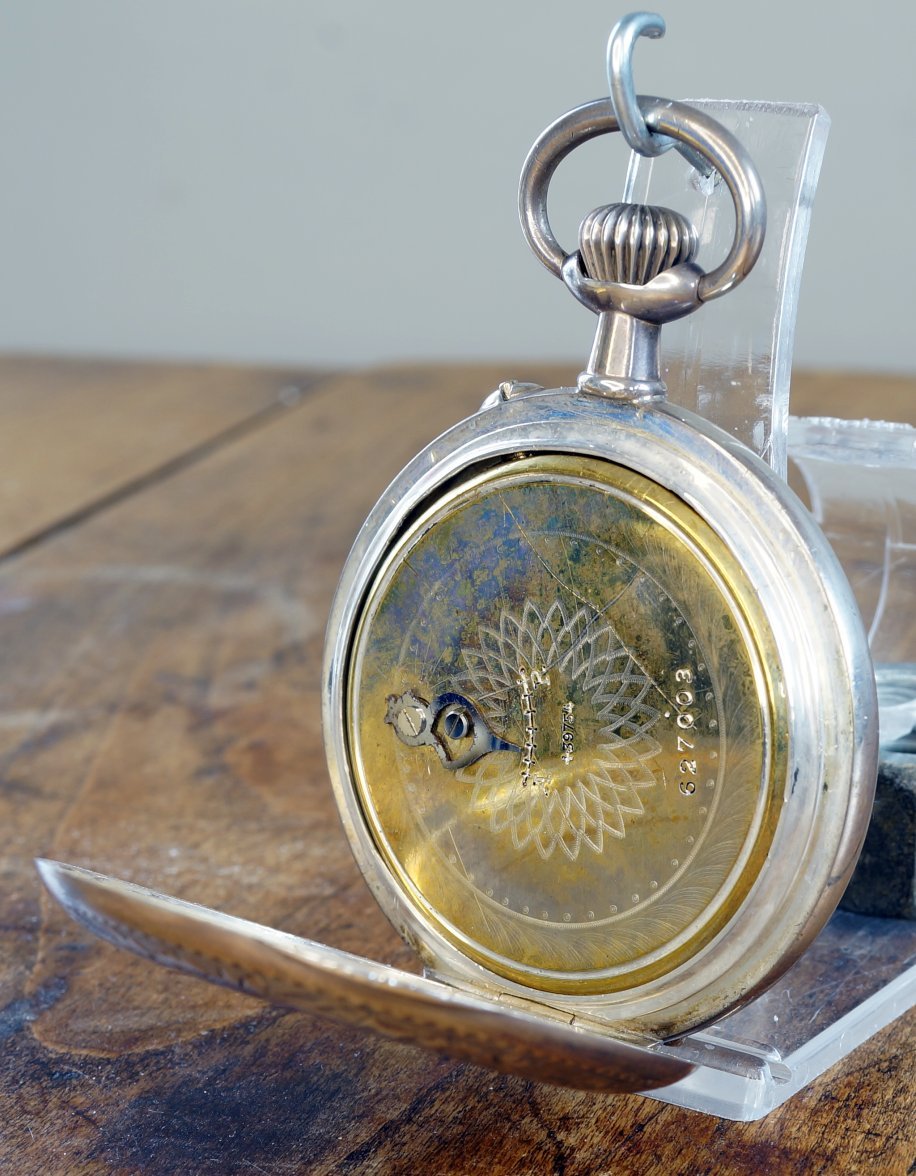
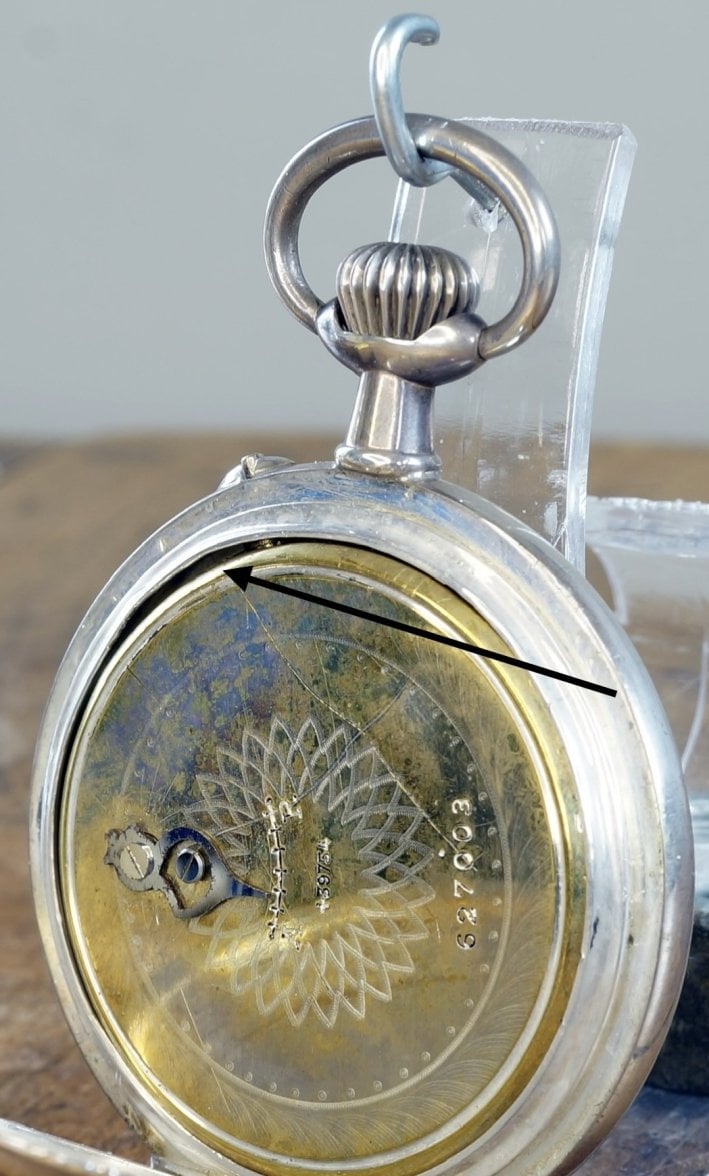
I will try to open the front, but I am afraid to damge the case.... 😟. I can see a fugue/gap : what kind of tool can I use? A camping-plastic knive?

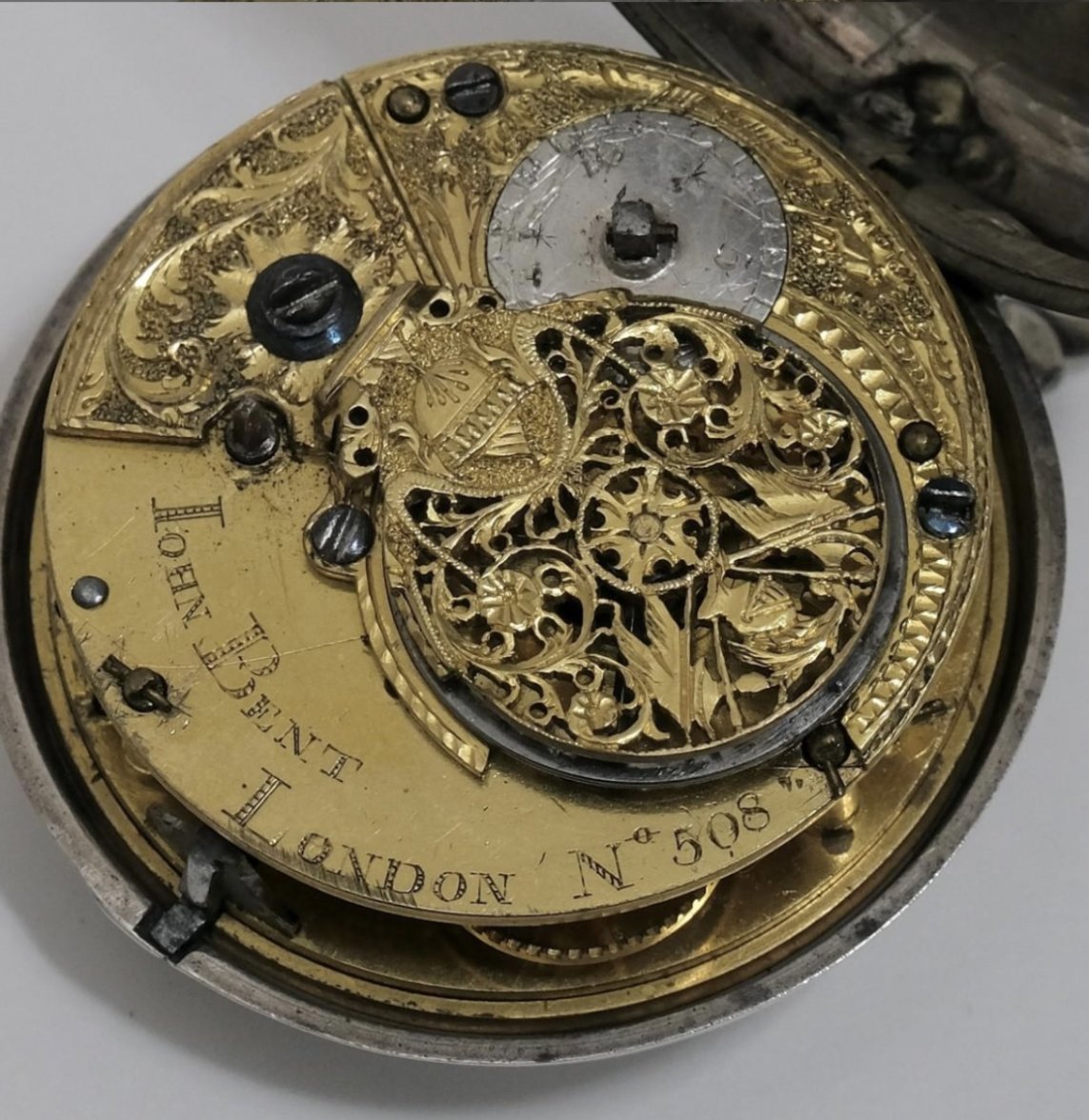
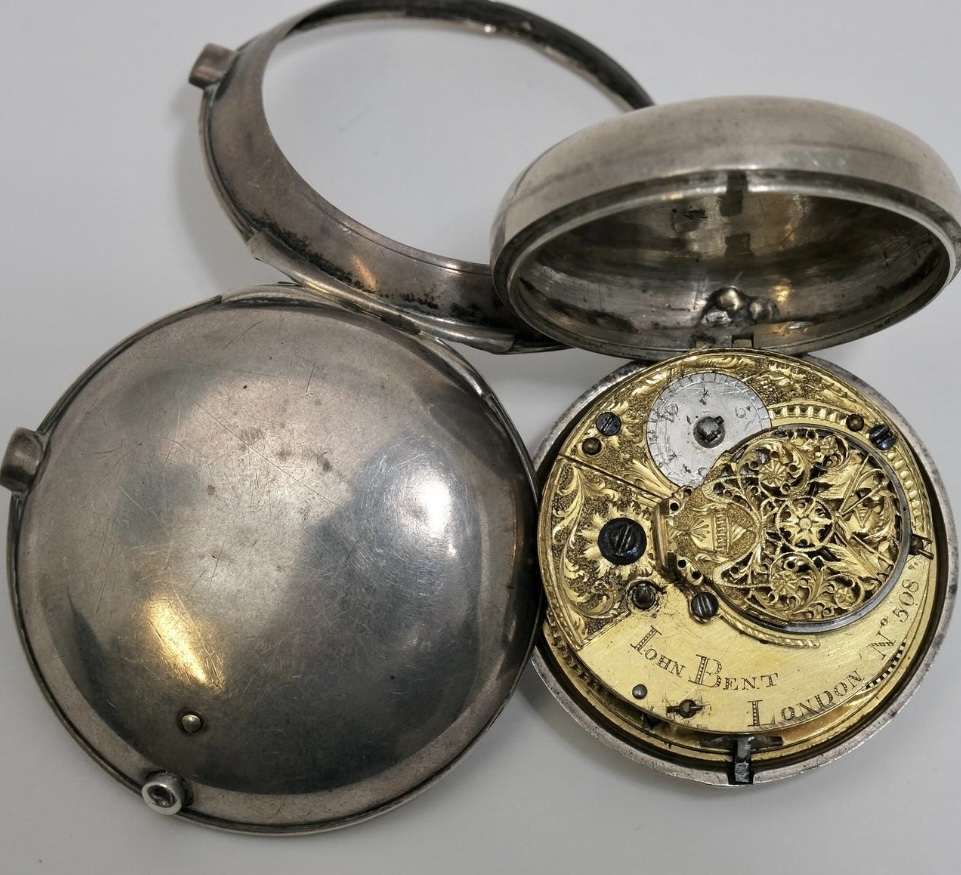
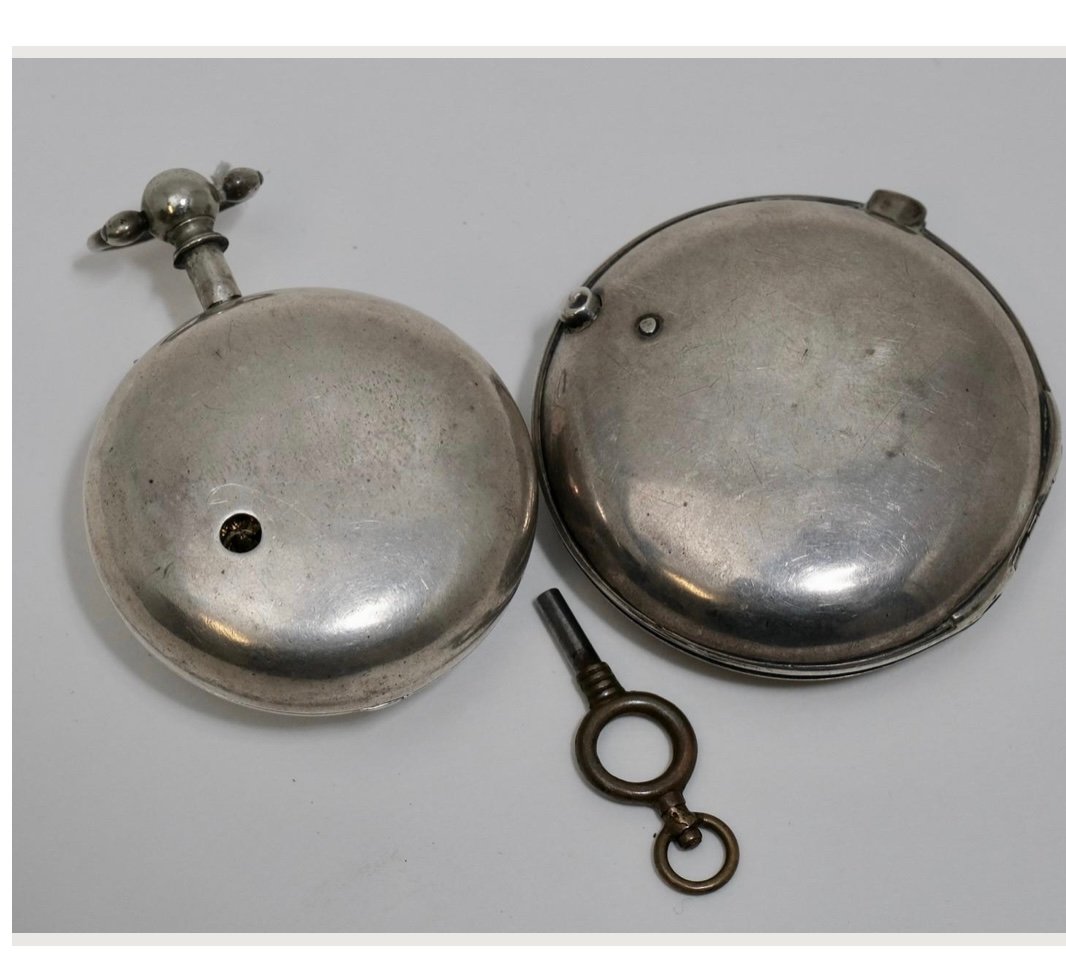
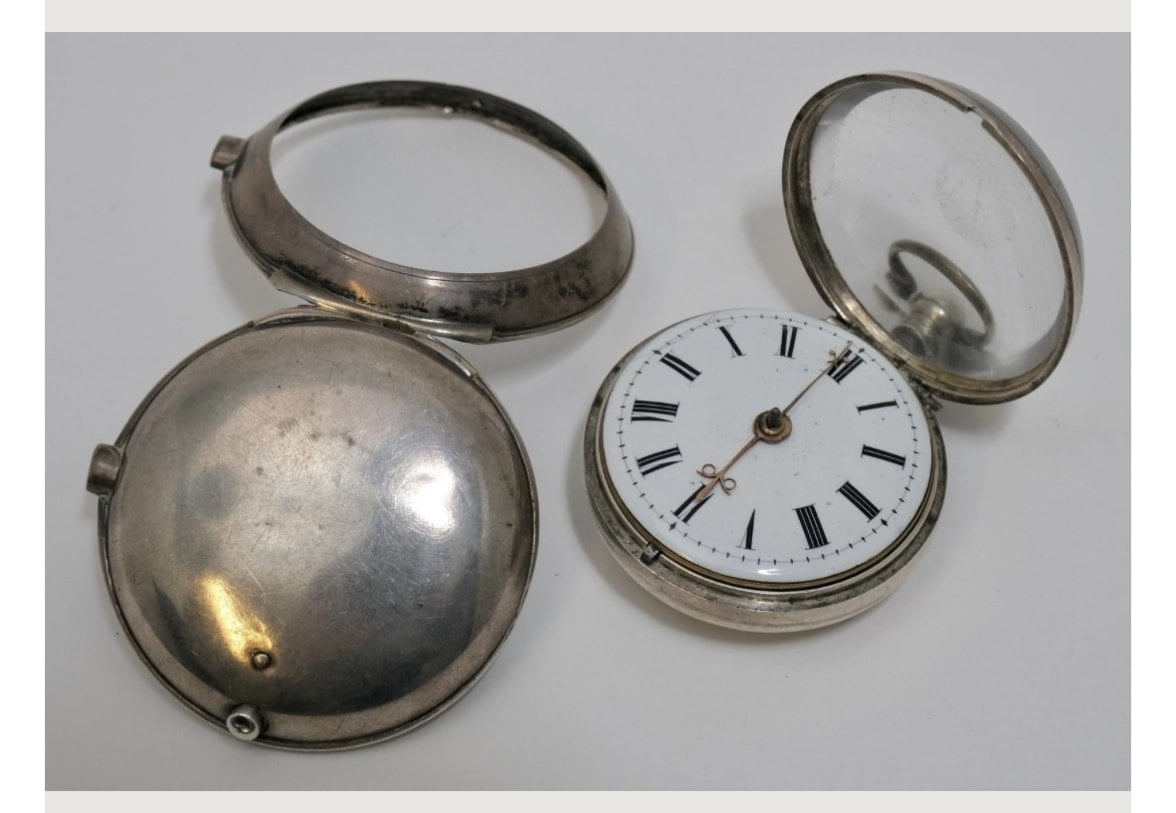
-John Bent, London, 1734, listed in Baillie.
-John Bent, Garbaldisham, (pronounced Garboldsham), Norfolk, 1836-1846, listed in Loomes.
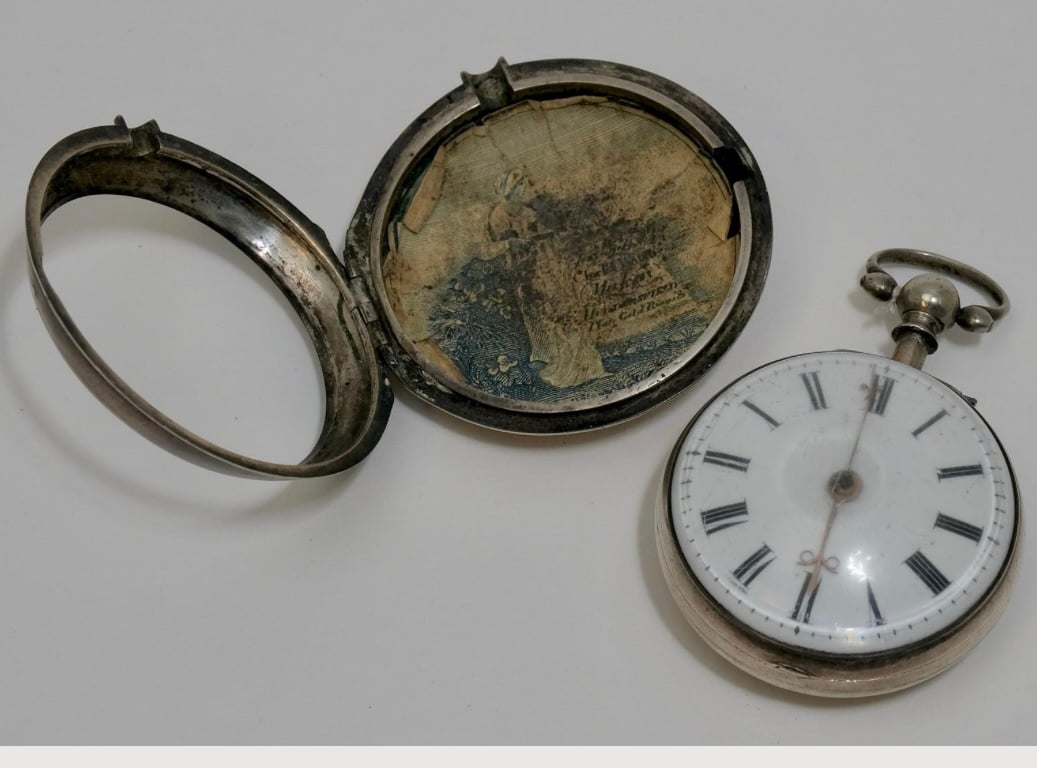
The watch is a verge with fusee, pair case, key wind, key set. Regarding originality? I suspect the inner case would be original, but there is no way to know for certain. The outer case? Likewise. When you get it, you might consider removing the case papers, carefully, and comparing hallmarks, standard marks, date letters, and case maker trade marks on the cases. Also, look for serial numbers inside both cases. This information will answer a lot of questions. I have Phillip Priestley’s excellent book on English watch case maker’s trade marks. Give us a good picture of those marks, and we should be able to tell you a lot.
By 1836-46 (see above), most English watches had evolved to the English lever escapement, and the pair case had gone the way of the dodo bird. I suspect your watch is likely from circa the 1734 date. But the hallmarks in the case(s) may either confirm, or tell a different story. Let us know what you find out.
What might silver scrap sell for nowadays? Not very much, I fear.