Calatrava?

Posts
538
Likes
2,522
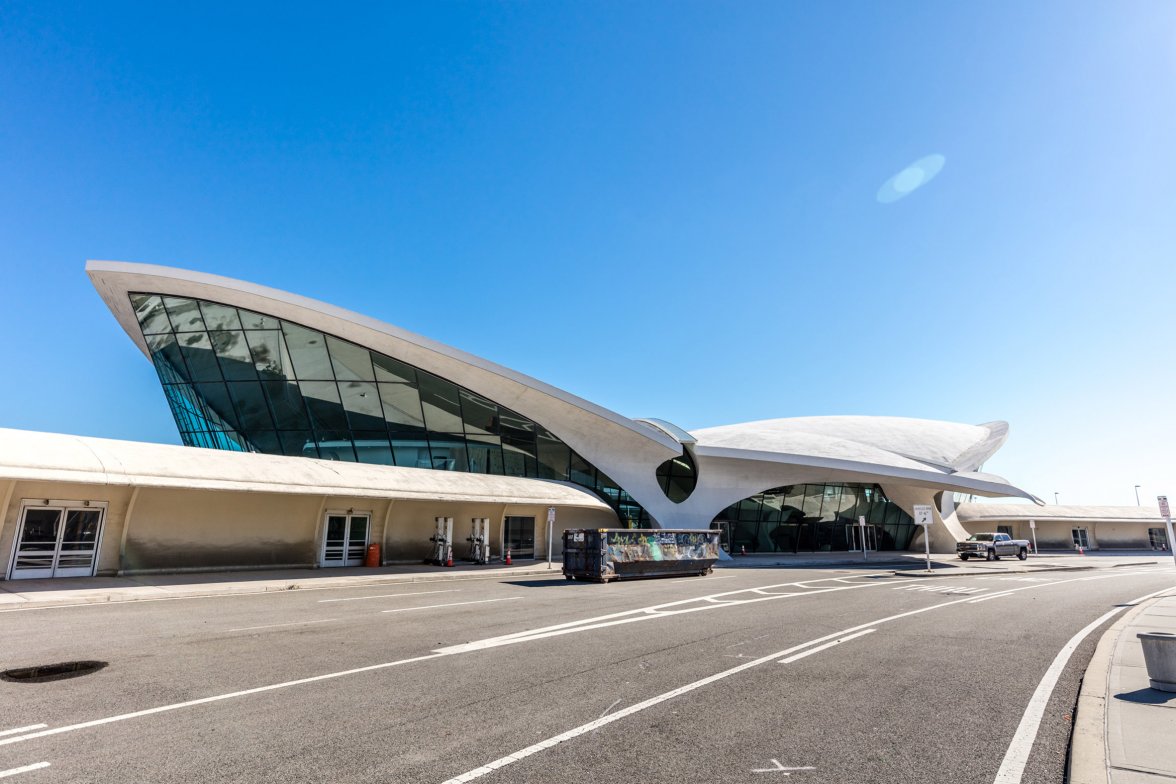
As a structural engineer, I personally hate Calatrava's work. It often has no contextual link to the environment around it, requires specialized fabricators, and often a shit ton of change orders because his designs often forget practicalities like actually being able to stand up.

The opposite of the watch in every way.

I'm most familiar with his bridge by the train station in Venice, and it's just that - an exercise in architect's vanity which lacks respect for its surroundings. Though this could be said of most of the most famous architects these days (Gehry, Hadid, etc)

 
Posts
204
Likes
802
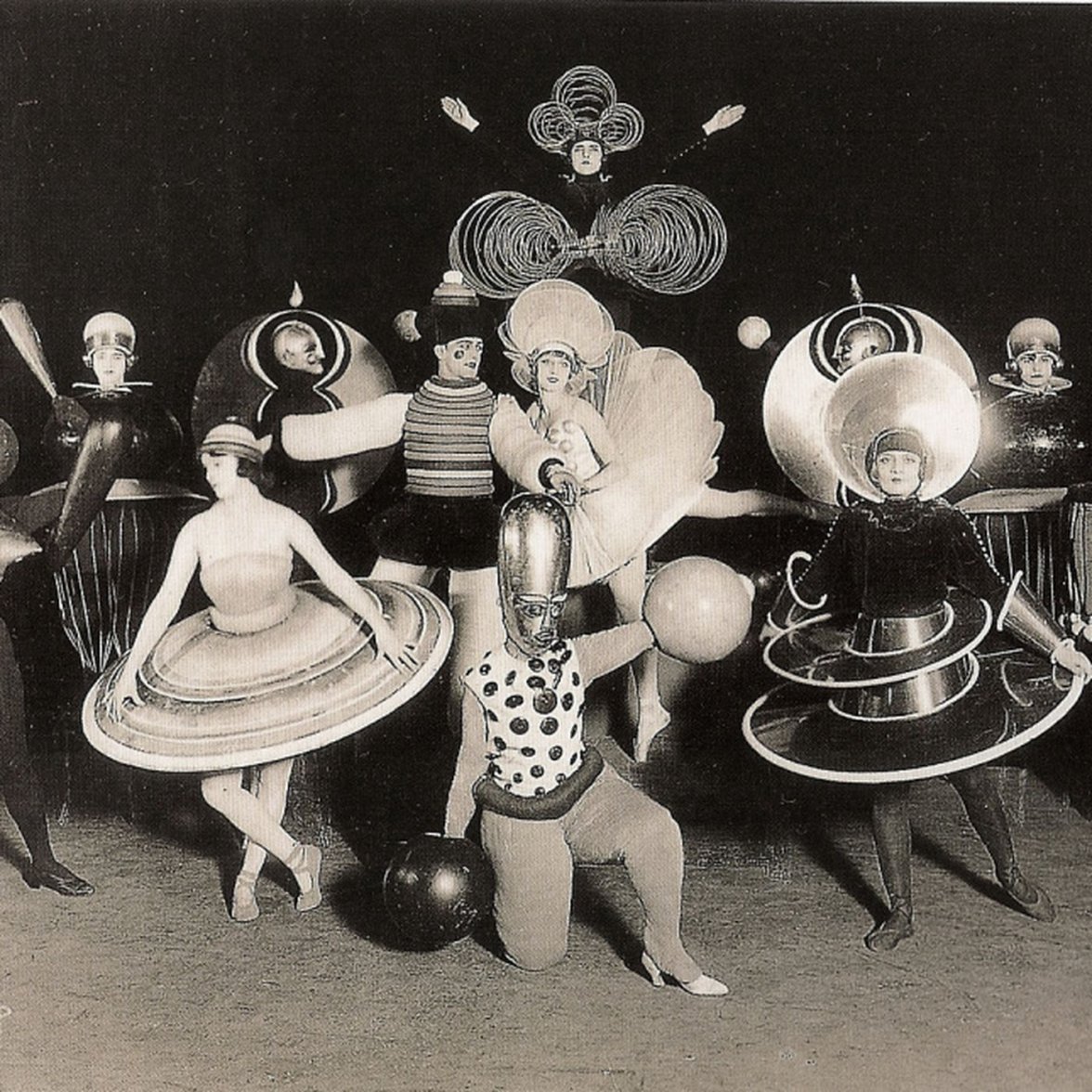
Thank goodness the furniture that came out of the Bauhaus was better than its architecture.

Or its parties... impossible to drink a beer and have a snack in those pretentious costumes...

 
Posts
2,326
Likes
7,547
What, pray, is a "Calatrava" and is it related at all to designer Santiago Calatrava, who is now an honorary citizen of Milwaukee?

https://woondu.com/modern-milwaukee-art-museum-by-santiago-calatrava/

horologically, it is a PP model (their thin dress watches).

it seems it also refers to a case type. Even patek does so.

The patek website currently describes the 5327J as:

“5327J
GRAND COMPLICATIONS
SELF-WINDING
A new self-winding perpetual calendar has been added to the Patek Philippe collection. It comes in a Calatrava case with beautifully scalloped lugs and applied Breguet numerals.
The yellow- and rosegold models feature ivory lacquered dials with recessed counters. The white-gold version has a blue sunburst dial. The watches come with a sapphire-crystal case back and an interchangeable solid-gold back.”

So it is not a Calatrava model (since it is in the Grand Complications Collection and not the Calatrava Collection) but it comes in a Calatrava case?

Or it is also a Calatrava model?

Do the perpetual calendar chronographs like the 3970E also come in a Calatrava case?

in any case, the name was derived from the cross of the order of calatrava.
 
Posts
16,305
Likes
45,005
I'm most familiar with his bridge by the train station in Venice, and it's just that - an exercise in architect's vanity which lacks respect for its surroundings. Though this could be said of most of the most famous architects these days (Gehry, Hadid, etc)
Not just these days- and not just reserved to Architects, engineers have been known to show their vanity as well.


Whether we see it as vanity or creativity is very subjective.
 
Posts
1,372
Likes
2,000
Not just these days- and not just reserved to Architects, engineers have been known to show their vanity as well.


Wether we see it as vanity or creativity is very subjective.

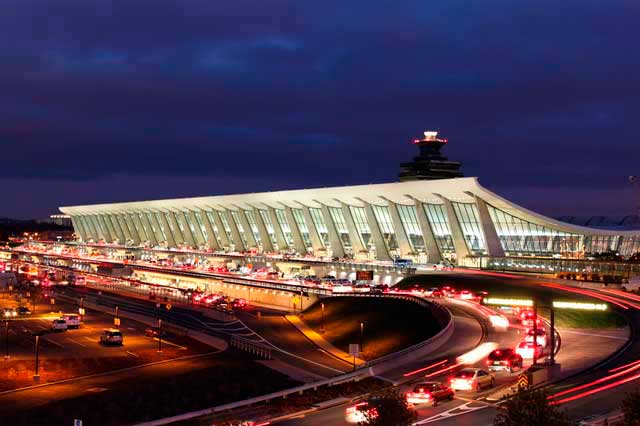
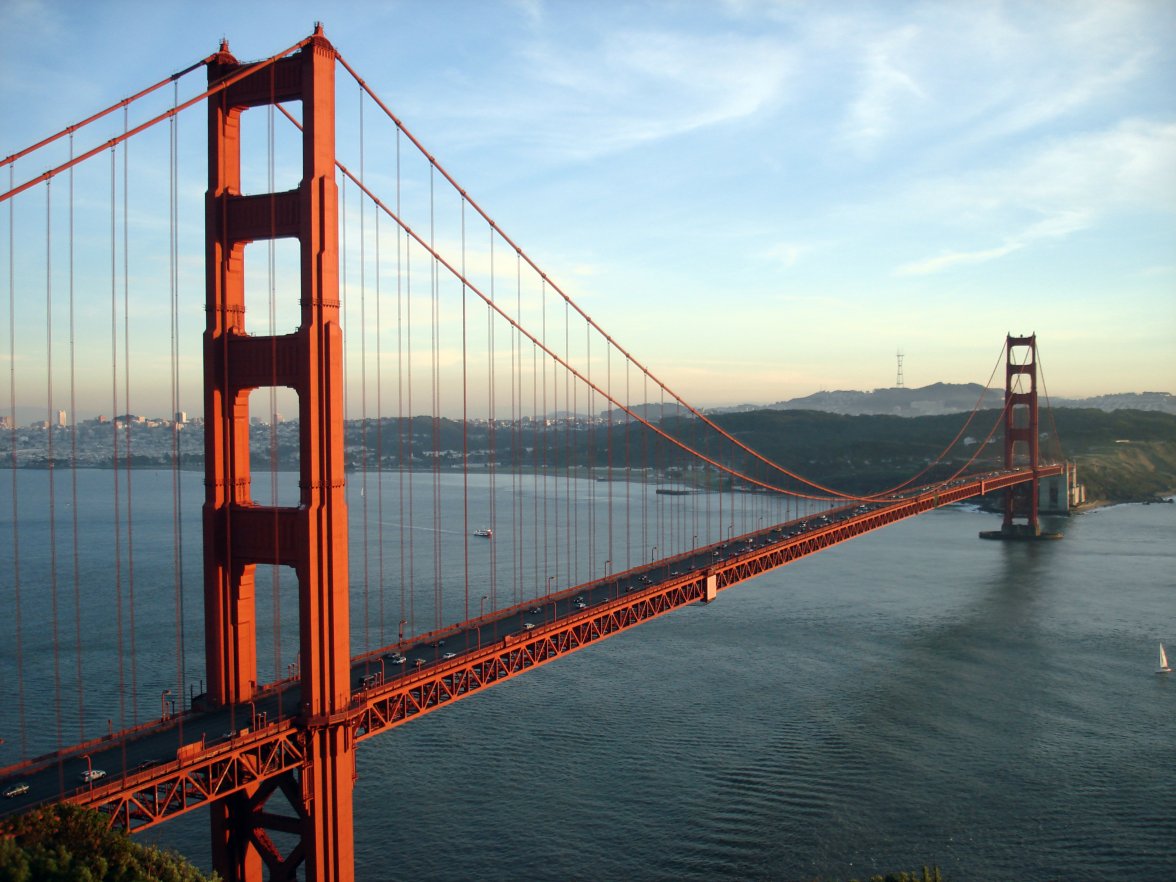
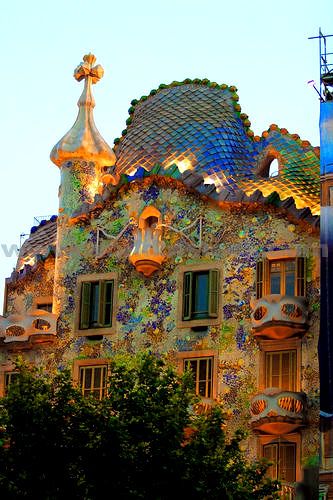
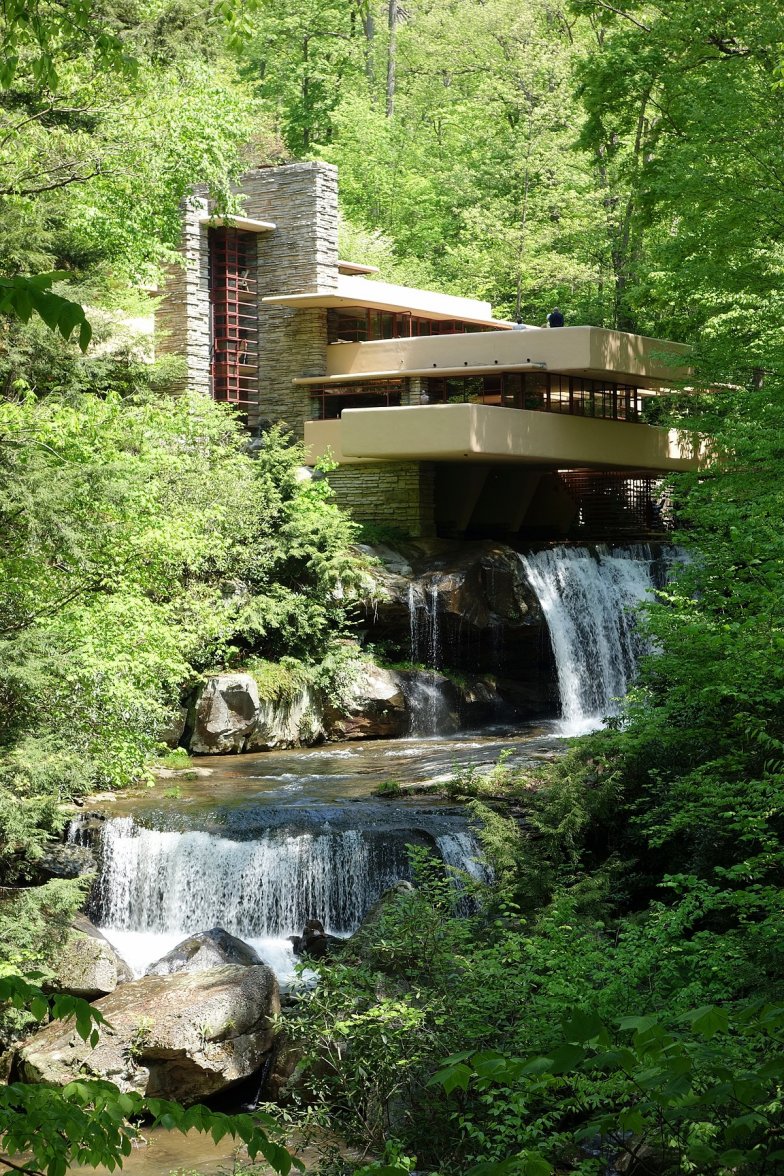
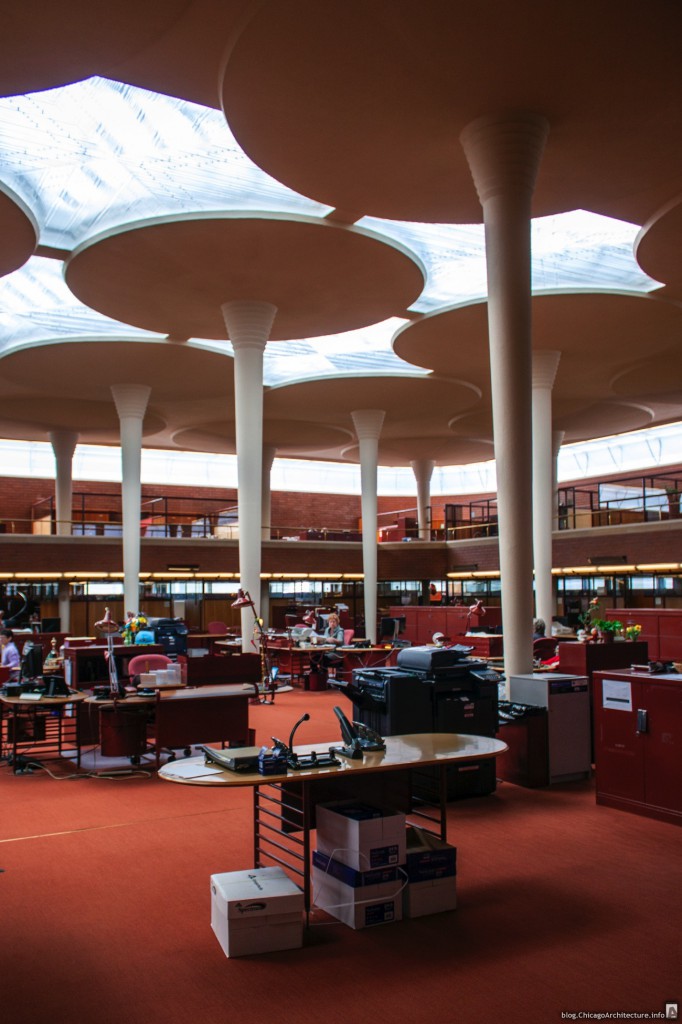
There's a difference between designing a structure that reflects it's purpose, structural demands, and environment (Golden Gate Bridge, Fallingwater, Willis (formerly Sears Tower), Sagrada Familia, the Dulles main terminal) and drawing something up on paper and having it built because you can. Othmar Amman, Wright, Candela, Isler, and Gaudi are examples of the former. Calatrava and Ghery are examples of the latter.
 
Posts
1,372
Likes
2,000
You mean it's like he's an architect? 😉
He bills himself as a "structural designer". 🤮 sorry, this has clearly hit a bit of a nerve.😎
 
Posts
16,305
Likes
45,005
There's a difference between designing a structure that reflects it's purpose, structural demands, and environment (Golden Gate Bridge, Fallingwater, Willis (formerly Sears Tower), Sagrada Familia, the Dulles main terminal) and drawing something up on paper and having it built because you can. Othmar Amman, Wright, Candela, Isler, and Gaudi are examples of the former. Calatrava and Ghery are examples of the latter.
I’m with you, just making a point that historically, all of the aforementioned architects/engineers were seen as vain and arrogant (Wright being known as a diva) and are now considered visionary. Who’s to say Calatrava or Ghery won’t be seen the same way in the future. Like anything design oriented (structures, watches, cars, furniture, dish-ware...) it’s highly subjective.
 
Posts
5,528
Likes
9,451
Wright's buildings were reportedly nightmares for the structural engineers -- and these days they are nightmares for the structural engineers who have to fix all the concrete issues. And from a leak perspective, many things were detailed in a manner that thumbed a nose at good waterproofing detailing convention.

Ghery gives me heartburn as well. The city library right down the street from me was designed by him/ his firm. It has been a big, out-of-place eyesore. Loads of water penetration issues as well. It's about 20 years old now, and many of the issues are finally getting addressed.

Dulles isn't too bad. But it admittedly lost some of it's feel when they extended it a decade or two ago. Too much of a good thing?
 
Posts
5,631
Likes
5,812
It's unfortunate how crappy many of these architects were. I've heard that Wright's furniture is nearly unsuable. He certainly wasn't an engineer.

I have more respect for the industrial designers like Henry Dreyfuss (name his horological fame!) and Brooks Stevens (same hometown as me).
 
Posts
6,481
Likes
10,011
It’s rather sad to see so many pragmatists voicing their unchallenged opinions in this thread.

So, here is a vote for the idealists (whether architect or inspired engineer)

We certainly don’t all have to agree on what is good architecture and some designs may be less technically successful than they could but without the visionaries we would be living in a very dull world indeed.
 
Posts
5,631
Likes
5,812
It’s rather sad to see so many pragmatists voicing their unchallenged opinions in this thread.
Well, they have a point. Doesn't matter how pretty it is if it falls down around you and on your head.
 
Posts
5,528
Likes
9,451
In my opinion it's one thing to have a vision and push for it while incorporating meaningful feedback, and another to say "I don't care if it isn't technically feasible -- do it anyway!" When this happens with large buildings, particularly ones in the public sector, the taxpayers get saddled with substantial extra burden.
 
Posts
1,130
Likes
1,686
Or its parties... impossible to drink a beer and have a snack in those pretentious costumes...


I don't think any of those people need a beer.

And they look like they've had plenty of "snacks."
 
Posts
2,327
Likes
2,542
First I heard of the Calatrava was in an episode of "Elementary". Sherlock Holmes father Moreland Holmes was murdered and they were able to trace one of the killers when he tried to sell Moreland's watch.
 
Posts
1,301
Likes
2,575
There's a difference between designing a structure that reflects it's purpose, structural demands, and environment (Golden Gate Bridge, Fallingwater, Willis (formerly Sears Tower), Sagrada Familia, the Dulles main terminal) and drawing something up on paper and having it built because you can. Othmar Amman, Wright, Candela, Isler, and Gaudi are examples of the former. Calatrava and Ghery are examples of the latter.

Yes! There's a Gehry "because you can" building in Sydney.

The company that supplied the bricks says this about the project on their website (Source: https://www.brickworks.com.au/project/dr-chau-chak-wing-building):

- "Gehry’s design required brickwork that curves in three dimensions, not only horizontally but also vertically. There lies the problem."

- "Substantial areas of brickwork in the Dr Chau Chak Wing Building are not vertical, but actually progressively sloping outwards toward or away from the bricklayer at about 26 degrees from the vertical."

- "In the UTS building, unless the brickwork is somehow restrained the force of gravity would cause it to collapse before the mortar had set."

- “The brick engineering was quite a complicated feature of the building, perhaps one of the most complicated in the history of bricks,”

Here is Frank Gehry’s initial sketch for the Dr Chau Chak Wing Building. Image courtesy of Gehry Partners LLP -

Dr-Chau-Chak-Wing-Building_treehouse-sketch_credit-Gehry-Partners-LLP.jpg

And the result -

6063990-3x2-940x627.jpg
Dr_Chau_Chak_Wing_Building_7906.jpg
 
Posts
2,327
Likes
2,542
Yes! There's a Gehry "because you can" building in Sydney.

The company that supplied the bricks says this about the project on their website (Source: https://www.brickworks.com.au/project/dr-chau-chak-wing-building):

- "Gehry’s design required brickwork that curves in three dimensions, not only horizontally but also vertically. There lies the problem."

- "Substantial areas of brickwork in the Dr Chau Chak Wing Building are not vertical, but actually progressively sloping outwards toward or away from the bricklayer at about 26 degrees from the vertical."

- "In the UTS building, unless the brickwork is somehow restrained the force of gravity would cause it to collapse before the mortar had set."

- “The brick engineering was quite a complicated feature of the building, perhaps one of the most complicated in the history of bricks,”

Here is Frank Gehry’s initial sketch for the Dr Chau Chak Wing Building. Image courtesy of Gehry Partners LLP -

Dr-Chau-Chak-Wing-Building_treehouse-sketch_credit-Gehry-Partners-LLP.jpg

And the result -

6063990-3x2-940x627.jpg
Dr_Chau_Chak_Wing_Building_7906.jpg
Looks inspired by one of the cardboard buildings from an old Japanese Kaiju movie after being drop kicked by Godzilla.
 
Posts
1,301
Likes
2,575
Looks inspired by one of the cardboard buildings from an old Japanese Kaiju movie after being drop kicked by Godzilla.
You're not far off. It's the crumpled brown paper bag building.
 
Posts
5,528
Likes
9,451
Yes! There's a Gehry "because you can" building in Sydney.

The company that supplied the bricks says this about the project on their website (Source: https://www.brickworks.com.au/project/dr-chau-chak-wing-building):

- "Gehry’s design required brickwork that curves in three dimensions, not only horizontally but also vertically. There lies the problem."

- "Substantial areas of brickwork in the Dr Chau Chak Wing Building are not vertical, but actually progressively sloping outwards toward or away from the bricklayer at about 26 degrees from the vertical."

- "In the UTS building, unless the brickwork is somehow restrained the force of gravity would cause it to collapse before the mortar had set."

- “The brick engineering was quite a complicated feature of the building, perhaps one of the most complicated in the history of bricks,”
At least the glazing manufacturer(s) appear to have told him to 'eff-off', as none of the glazing is curved.

Hopefully Sydney is in an area of low seismic risk.
 
Posts
2,510
Likes
3,734
That initial "sketch" has got to be a joke right?
 
Posts
16,305
Likes
45,005
Yes! There's a Gehry "because you can" building in Sydney.

The company that supplied the bricks says this about the project on their website (Source: https://www.brickworks.com.au/project/dr-chau-chak-wing-building):

- "Gehry’s design required brickwork that curves in three dimensions, not only horizontally but also vertically. There lies the problem."

- "Substantial areas of brickwork in the Dr Chau Chak Wing Building are not vertical, but actually progressively sloping outwards toward or away from the bricklayer at about 26 degrees from the vertical."

- "In the UTS building, unless the brickwork is somehow restrained the force of gravity would cause it to collapse before the mortar had set."

- “The brick engineering was quite a complicated feature of the building, perhaps one of the most complicated in the history of bricks,”

Here is Frank Gehry’s initial sketch for the Dr Chau Chak Wing Building. Image courtesy of Gehry Partners LLP -

Dr-Chau-Chak-Wing-Building_treehouse-sketch_credit-Gehry-Partners-LLP.jpg

And the result -

6063990-3x2-940x627.jpg
Dr_Chau_Chak_Wing_Building_7906.jpg
I think the brick manufacturer and construction contractor deserve the awards on that one.