- Posts
- 38
- Likes
- 116
Please consider donating to help offset our high running costs.


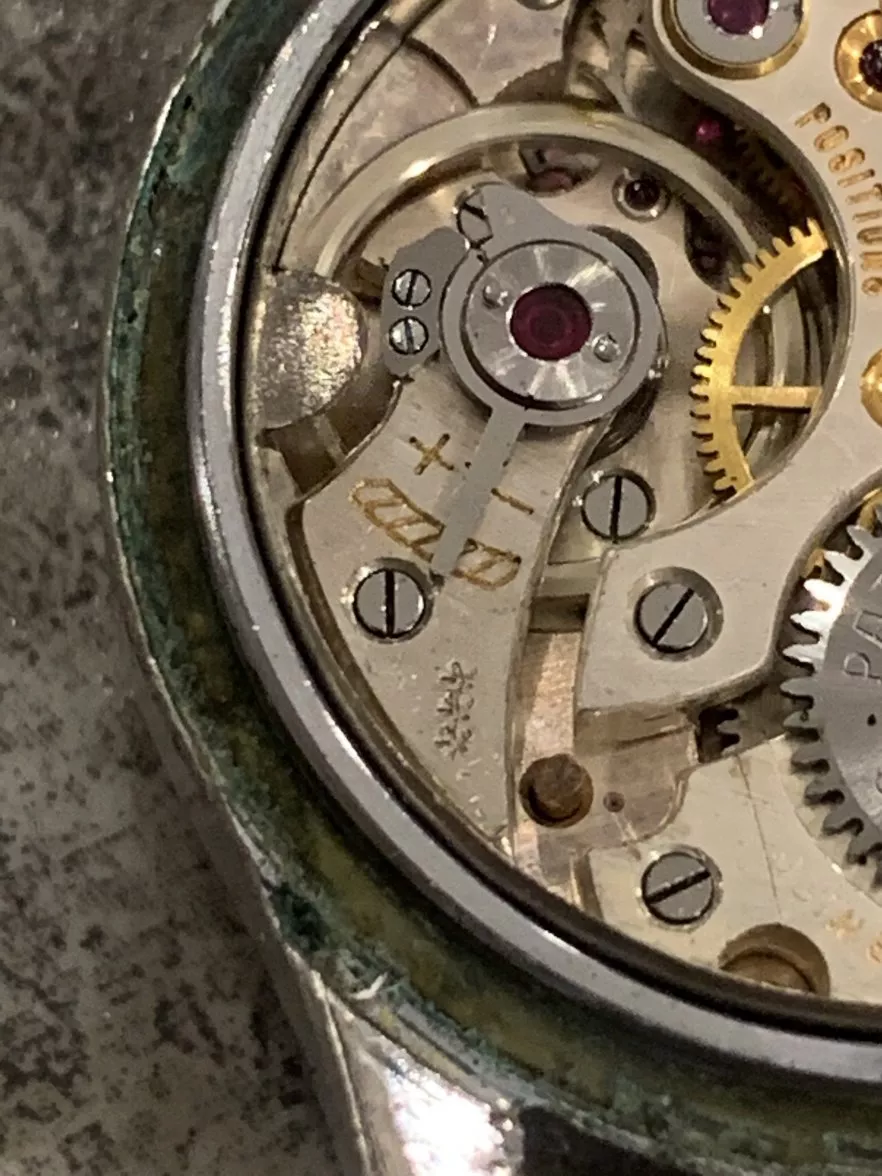

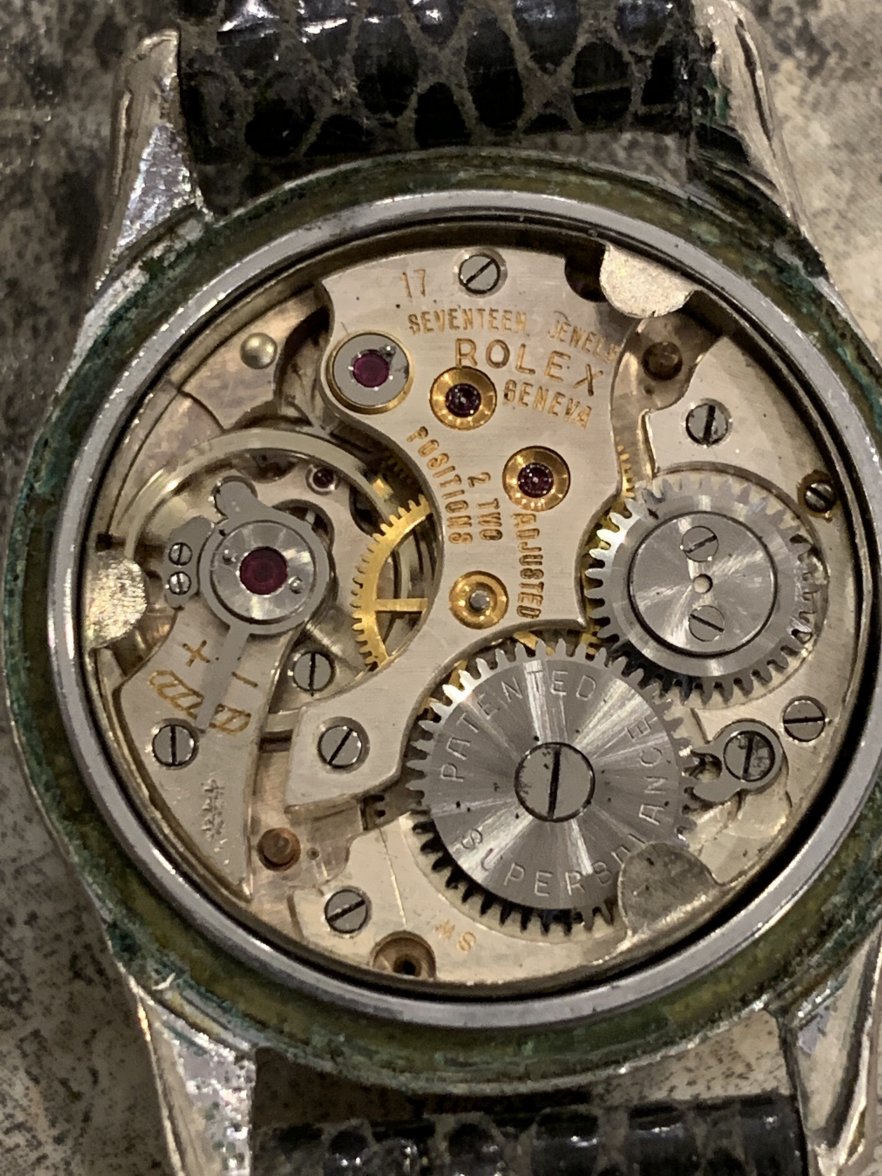
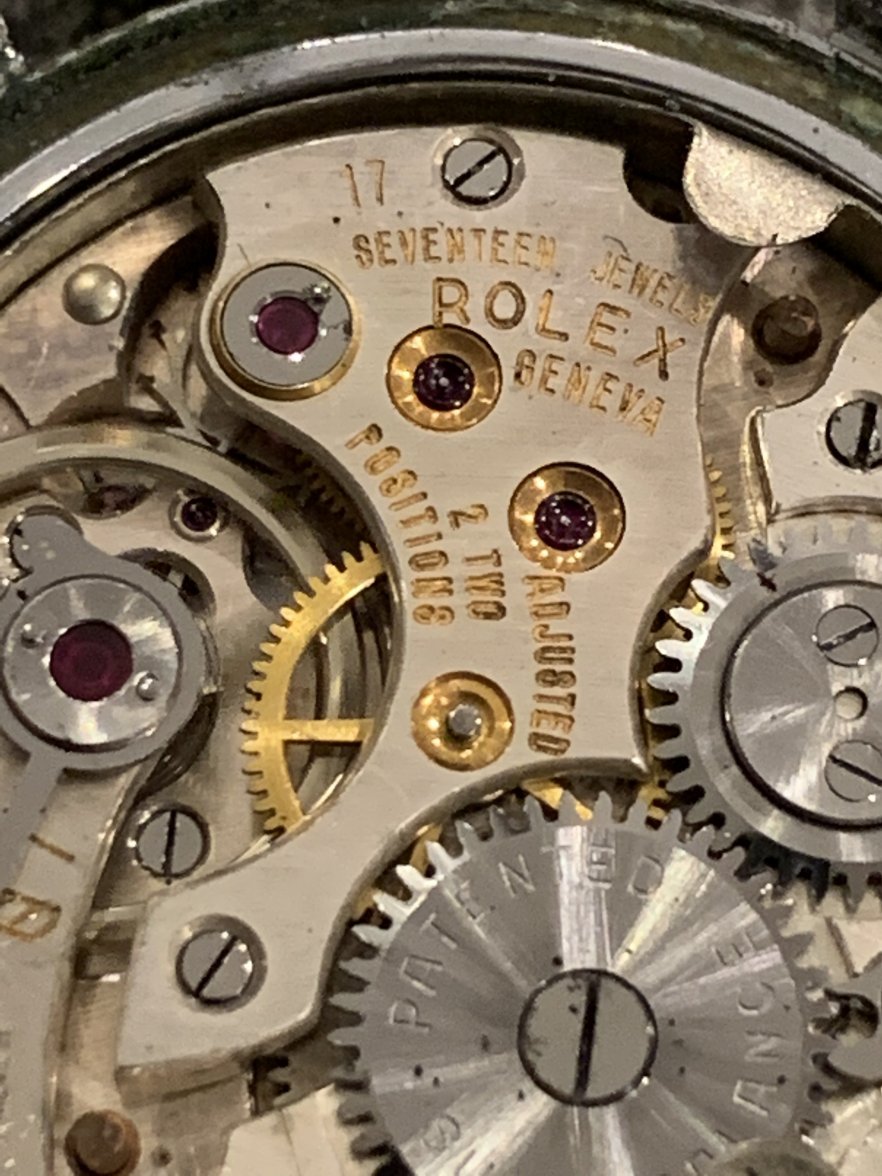
That movement is Rolex caliber 600, and it was made for Rolex by Aegler with whom Rolex had a partnership. Jules Jurgensen and Gruen also used this basic movement. It was made in several grades, including a chronometer grade with patent regulator, and centre sweep seconds hand, adjusted for temperature, and six positions. I am baffled that the dial on the subject watch is marked Observatory (implying chronometer), yet the movement has a standard regulator, and is adjusted to only two positions! Odd! As to vintage? My copy of the Ehrhardt, Demesy, and Specht book, Vintage American & European Wrist Watch Price Guide (book 2), lists that basic movement as being 1933. This book is the best reference that I know of, for vintage Rolex watches. It is out of print, but it can be found if you look for the ISBN # 0-913902-56-X.
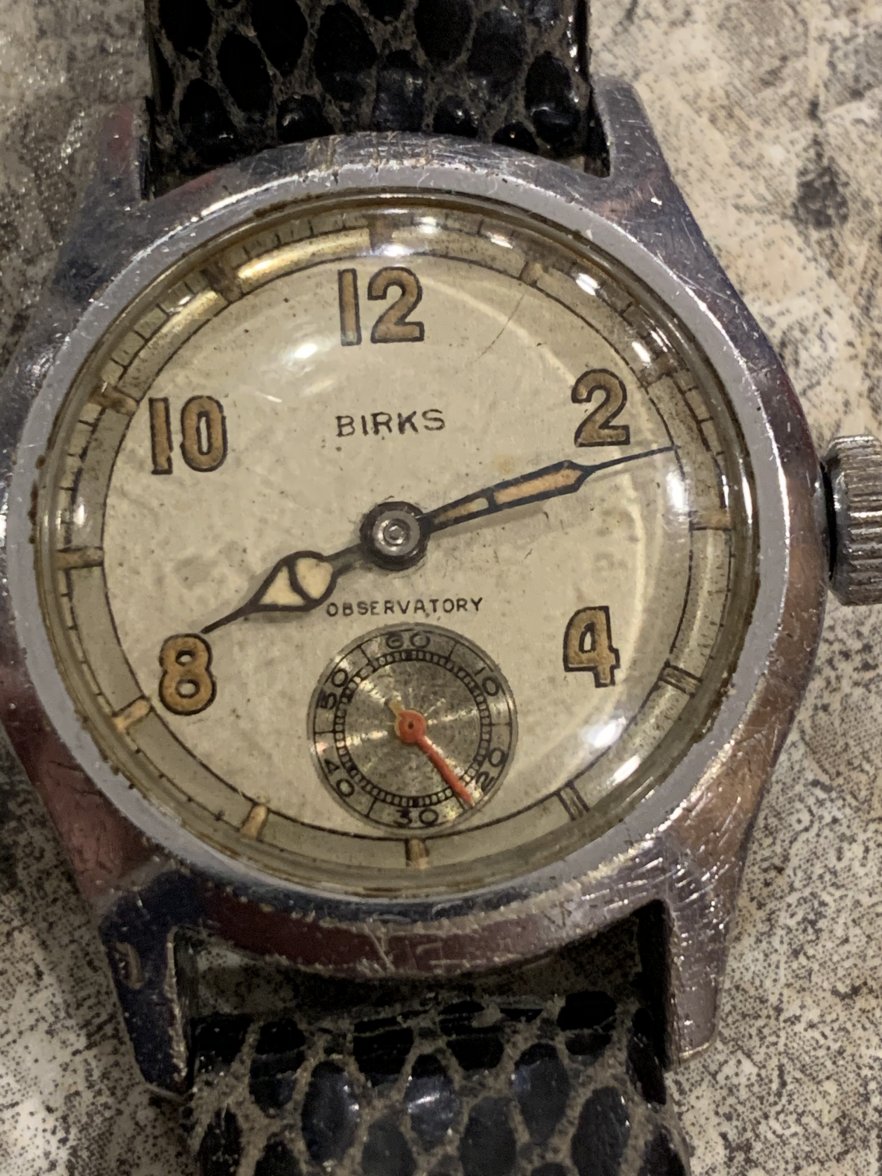
Birks Jewellers is a Canadian firm (Henry Birks & Sons Ltd.). This watch was produced in an era when Rolex was still in the “private label” business. As well as Birks, Rolex also did private label watches for the T. Eaton Ltd. company in Canada. Rolex started out doing private label watches, before Hans Wilsdorf (founder) copyrighted the Rolex name, and started selling Rolex brand watches, primarily. The private label business gradually dwindled over the decades. But Rolex did private label watches for retailers, all over the world.
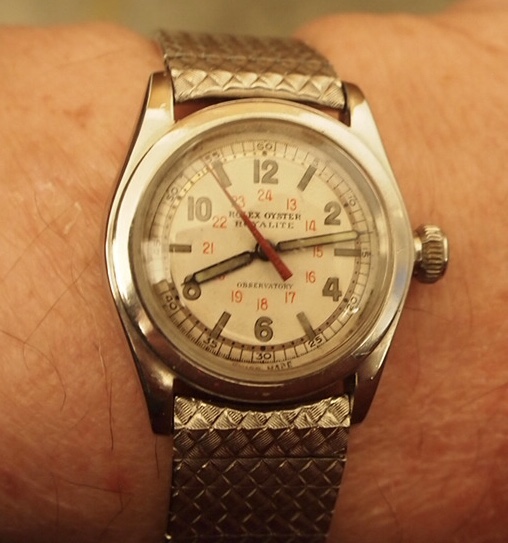
This is my chronometer grade version of that same movement. This one is a Royalite Observatory with sweep seconds hand, 18-jewels, adjusted to 6-positions. In other words, it is a chronometer.
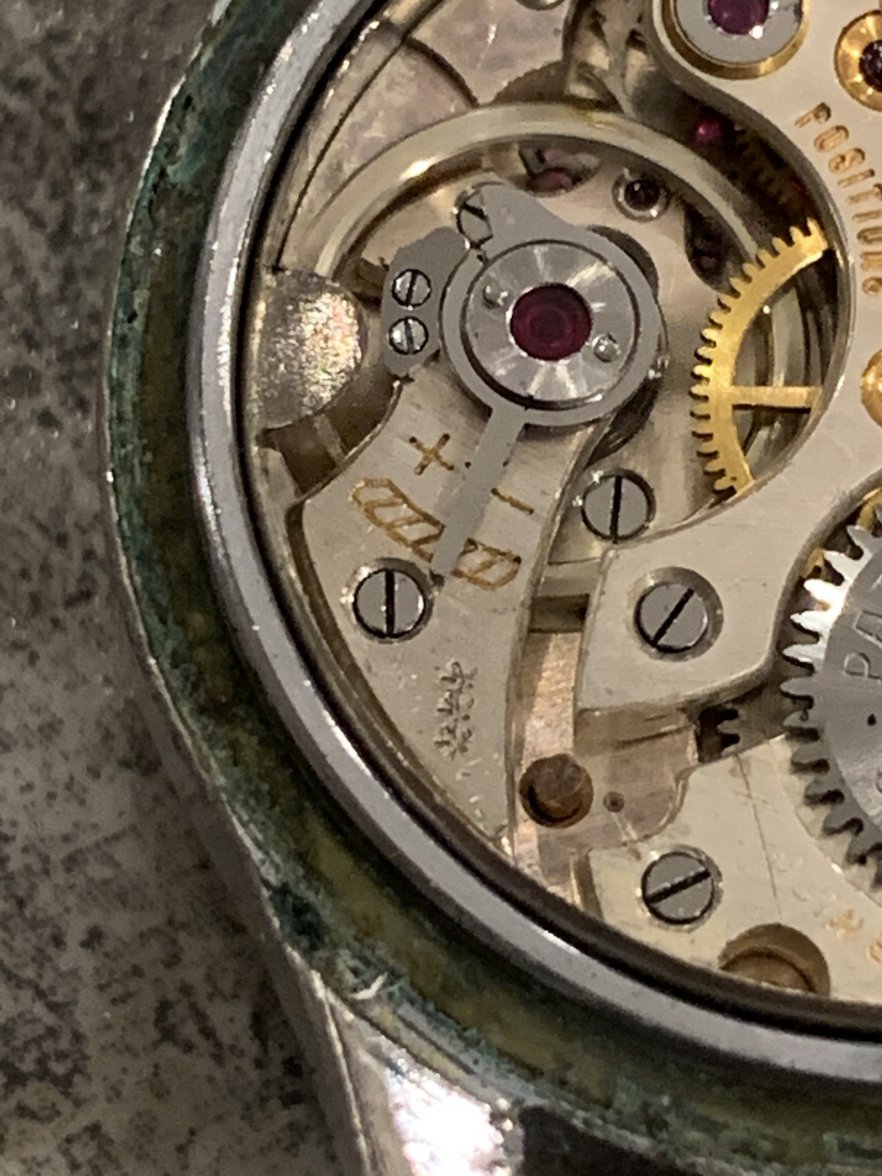
Something about the above picture troubles me. Specifically, the 3 asterisks near the balance cock. Looks like there was a US 3 character export code there that was erased for some reason. That and the fact there is no way that is an original dial makes me wonder what the deal is with this watch.
I would run away from this one.
gatorcpa
That movement is Rolex caliber 600, and it was made for Rolex by Aegler with whom Rolex had a partnership. Jules Jurgensen and Gruen also used this basic movement. It was made in several grades, including a chronometer grade with patent regulator, and centre sweep seconds hand, adjusted for temperature, and six positions. I am baffled that the dial on the subject watch is marked Observatory (implying chronometer), yet the movement has a standard regulator, and is adjusted to only two positions! Odd! As to vintage? My copy of the Ehrhardt, Demesy, and Specht book, Vintage American & European Wrist Watch Price Guide (book 2), lists that basic movement as being 1933. This book is the best reference that I know of, for vintage Rolex watches. It is out of print, but it can be found if you look for the ISBN # 0-913902-56-X.
Birks Jewellers is a Canadian firm (Henry Birks & Sons Ltd.). This watch was produced in an era when Rolex was still in the “private label” business. As well as Birks, Rolex also did private label watches for the T. Eaton Ltd. company in Canada. Rolex started out doing private label watches, before Hans Wilsdorf (founder) copyrighted the Rolex name, and started selling Rolex brand watches, primarily. The private label business gradually dwindled over the decades. But Rolex did private label watches for retailers, all over the world.
This is my chronometer grade version of that same movement. This one is a Royalite Observatory with sweep seconds hand, 18-jewels, adjusted to 6-positions. In other words, it is a chronometer.
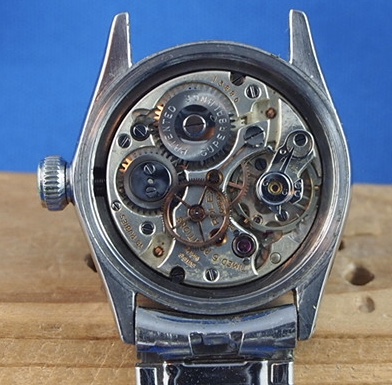
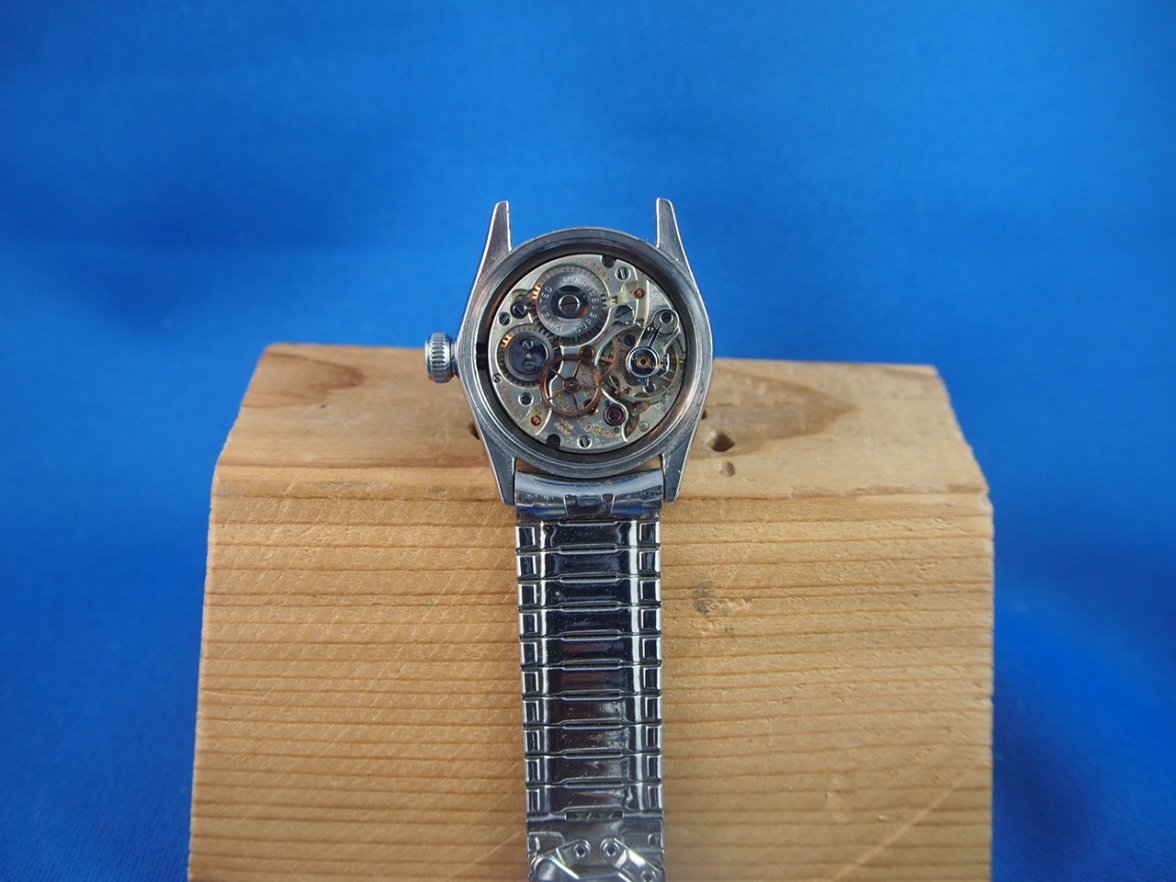
I have uploaded a better picture of the movement in my Rolex Royalite, Observatory movement. What puzzles me is that the watch that is the subject of this thread has a dial marked Observatory, yet the movement is not a chronometer grade movement! It is in a chrome plated, non-Oyster case! This was a Canadian watch. Rolex allowed the Canadian distributor a lot of latitude, back in the day. I think it would be worth owning, but it certainly wouldn’t bring a premium price.

If I gave you more information than you wanted, review the whole thread, particularly what was also said by others. You have enough information to permit you to buy with eyes open. If you are planning on flipping it, ethically, you should tell the potential buyer everything you’ve found out about it.
If I gave you more information than you wanted, review the whole thread, particularly what was also said by others. You have enough information to permit you to buy with eyes open. If you are planning on flipping it, ethically, you should tell the potential buyer everything you’ve found out about it.
Everything about that movement screams it was made to look better then it was to me.
the engraving looks added and too busy for what you would expect.
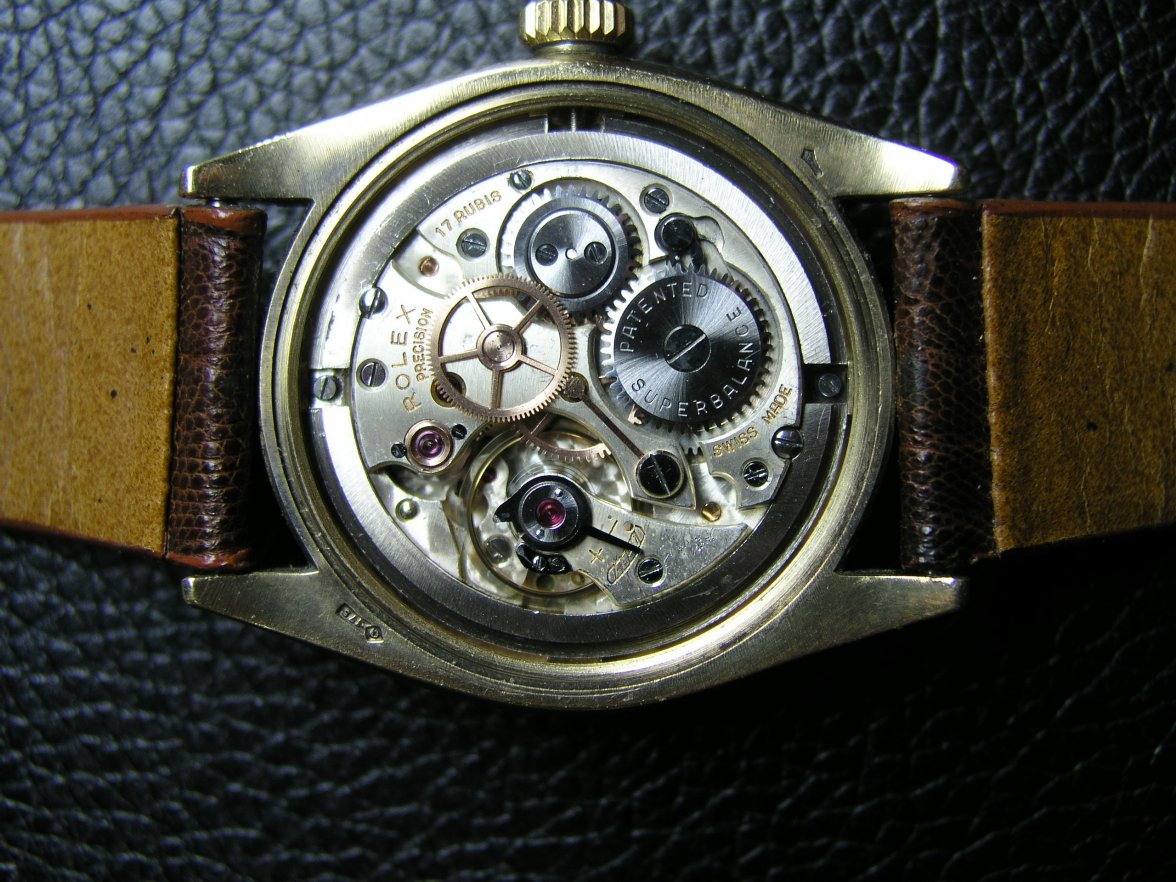
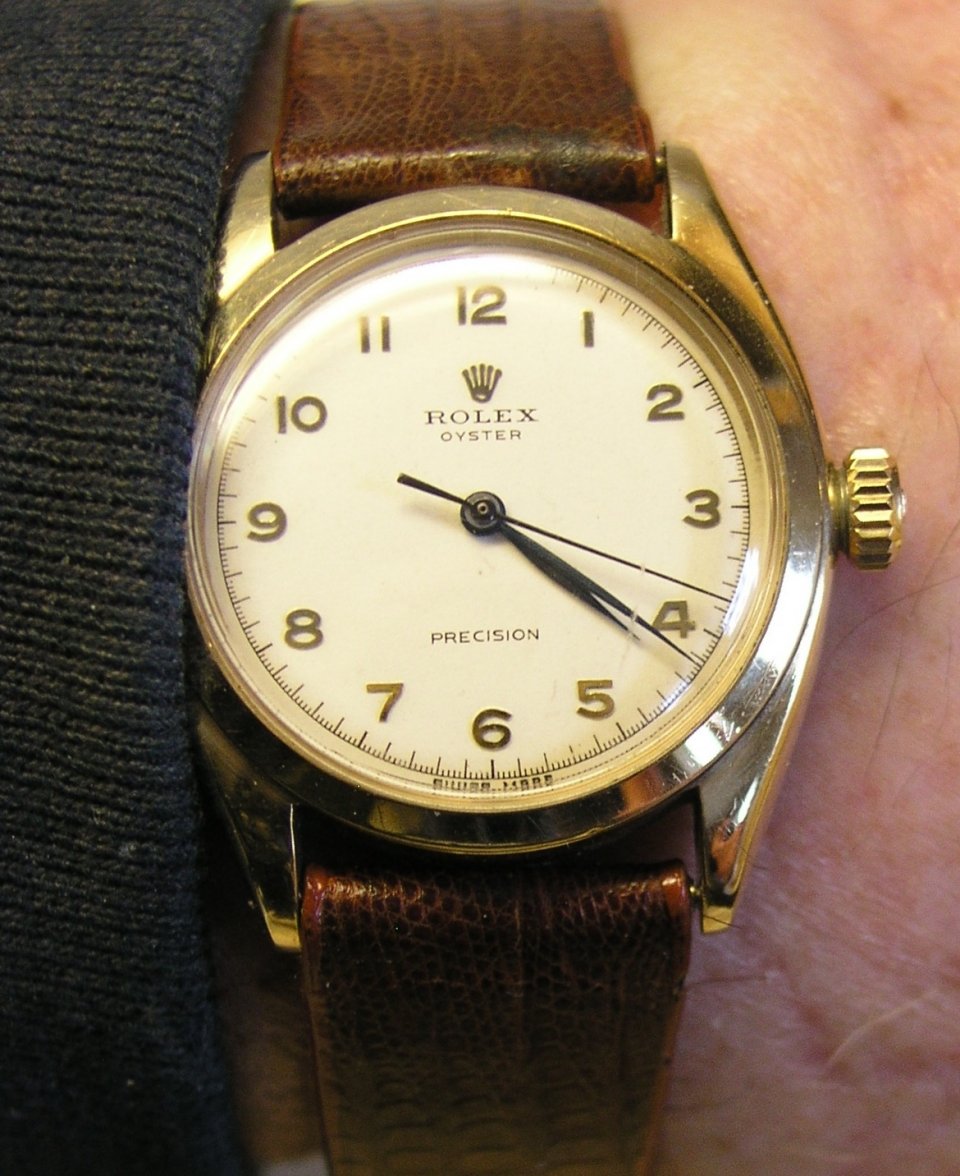
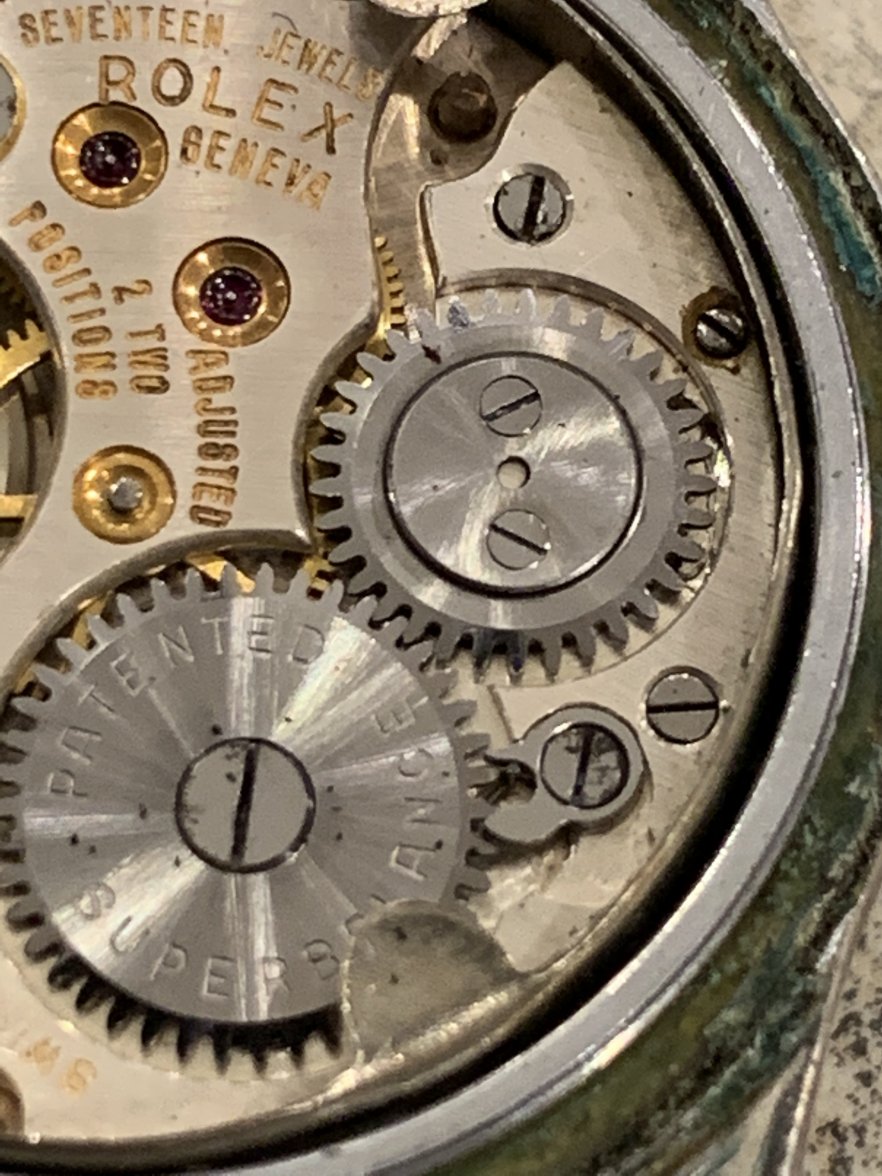
Compare the markings on the subject watch to the markings on the one I have just uploaded. Different, because this one has the sweep seconds feature. Except for the three asterisks, the movement is marked just the way I would expect it to be marked. The movement I have uploaded is the same movement, same grade, and verified authentic. Again, compare the markings. This one, to the subject watch. Again, the subject watch might be considered to be worth owning, but it is not a premium example, but if you can pick it up for cheap………….! Why not?
OK would you expect that movement in a non rolex case, and a birks redial?
I would suggest that you go over what I have written thus far, regarding the watch in question. Rolex and Oyster watches sold in Canada in the 1930s and 1940s were often sold in non-Rolex, non Oyster cases. Rolex Canada, did a lot of that sort of thing, so we run into such watches, frequently! As I mentioned earlier in this thread, the subject watch was a private label for a Canadian company, sold in a chrome plated, non Oyster case. I am not suggesting that you should LIKE the watch for those reasons, but I am suggesting that for what it is, it is typical. You want to make an issue of it, don’t talk to me. Talk to other Canadian collectors who accept these for what they are. Or talk to Rolex! Also, I said in an earlier post that the fact that the dial is marked OBSERVATORY, but that it is not a chronometer movement, puzzles me. The Birks name on the dial doesn’t concern me one iota. This is typical of a Rolex private label. I also suggested that a non-chronometer movement behind a dial that implied the watch was a chronometer, in a non-Oyster, chrome plated case would not be a premium item. If you got a point to make, you’re wasting your time trying to make it with me. In spite of everything, knowing what they now know. somebody might want the watch. It clearly won’t be you!
You implied in an earlier contribution to this thread that the engraving looked like it had been added, to make the watch appear to be something it isn’t. I showed two examples of Rolex movements in my collection to try to illustrate that the engraving on the subject watch, while different to my examples, are about what I would expect on the movement in the subject watch. Prove your point by likewise, showing an example that illustrates your point!
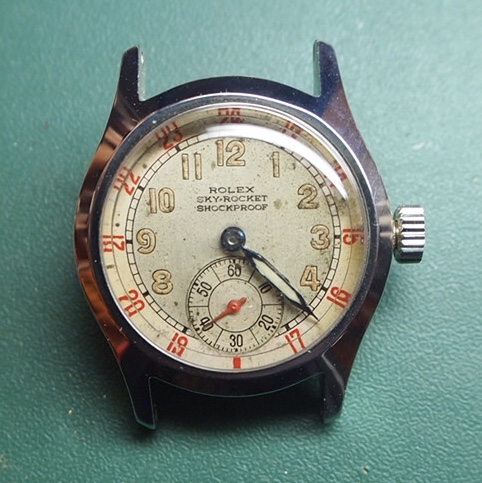
I would suggest that you go over what I have written thus far, regarding the watch in question. Rolex and Oyster watches sold in Canada in the 1930s and 1940s were often sold in non-Rolex, non Oyster cases. Rolex Canada, did a lot of that sort of thing, so we run into such watches, frequently! As I mentioned earlier in this thread, the subject watch was a private label for a Canadian company, sold in a chrome plated, non Oyster case. I am not suggesting that you should LIKE the watch for those reasons, but I am suggesting that for what it is, it is typical. You want to make an issue of it, don’t talk to me. Talk to other Canadian collectors who accept these for what they are. Or talk to Rolex! Also, I said in an earlier post that the fact that the dial is marked OBSERVATORY, but that it is not a chronometer movement, puzzles me. The Birks name on the dial doesn’t concern me one iota. This is typical of a Rolex private label. I also suggested that a non-chronometer movement behind a dial that implied the watch was a chronometer, in a non-Oyster, chrome plated case would not be a premium item. If you got a point to make, you’re wasting your time trying to make it with me. In spite of everything, knowing what they now know. somebody might want the watch. It clearly won’t be you!
You implied in an earlier contribution to this thread that the engraving looked like it had been added, to make the watch appear to be something it isn’t. I showed two examples of Rolex movements in my collection to try to illustrate that the engraving on the subject watch, while different to my examples, are about what I would expect on the movement in the subject watch. Prove your point by likewise, showing an example that illustrates your point!