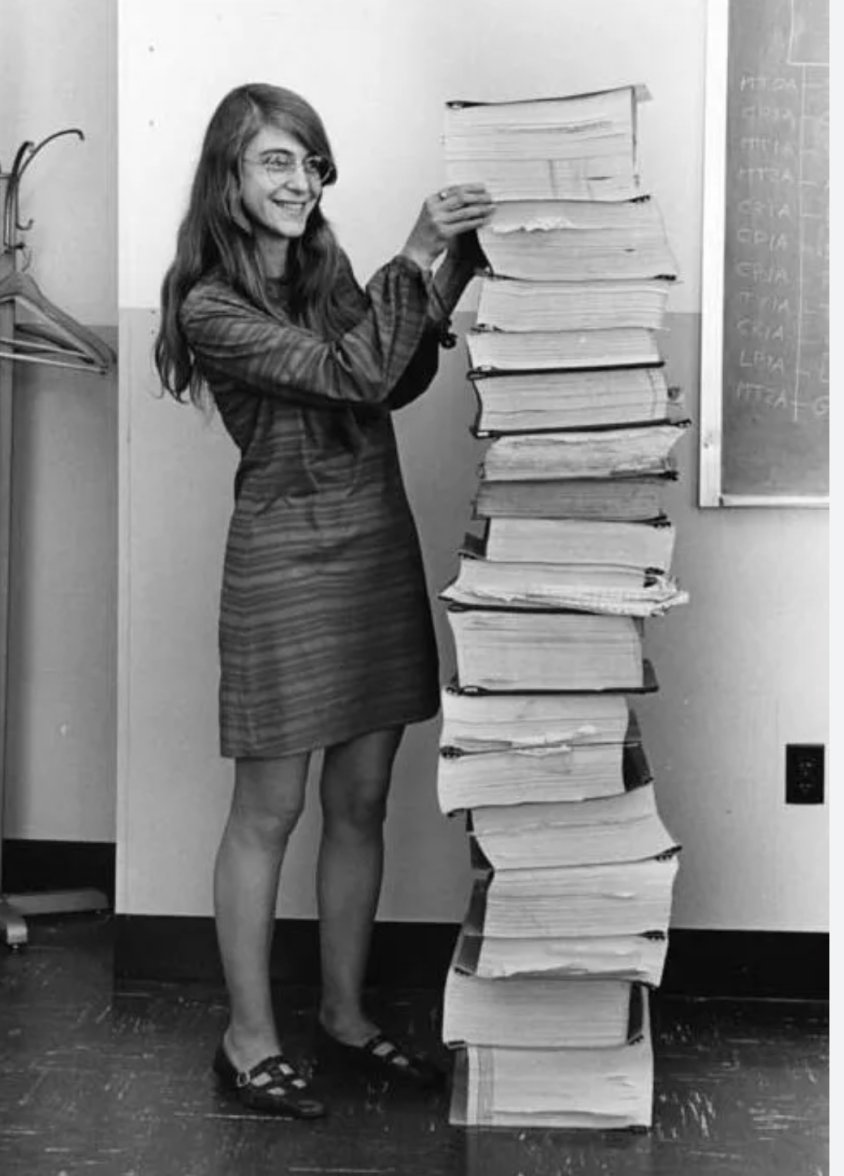
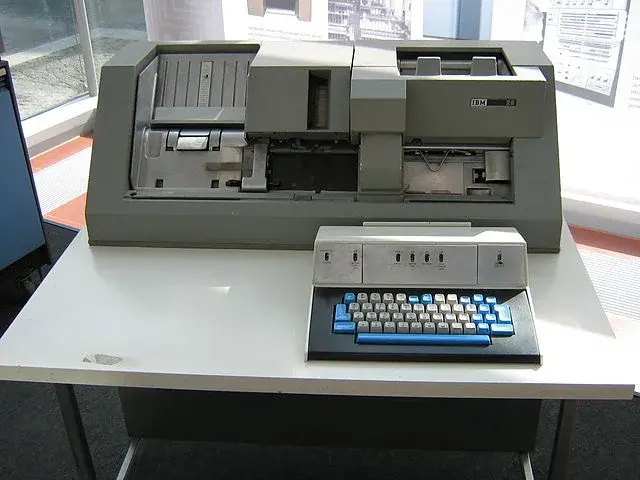
That is a fairly well known photograph.
It is interesting that back in the 1960s computing was seen as a primarally secritarial task. Sort of how I inderectly got into computing.
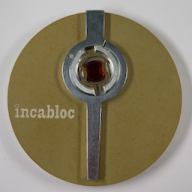
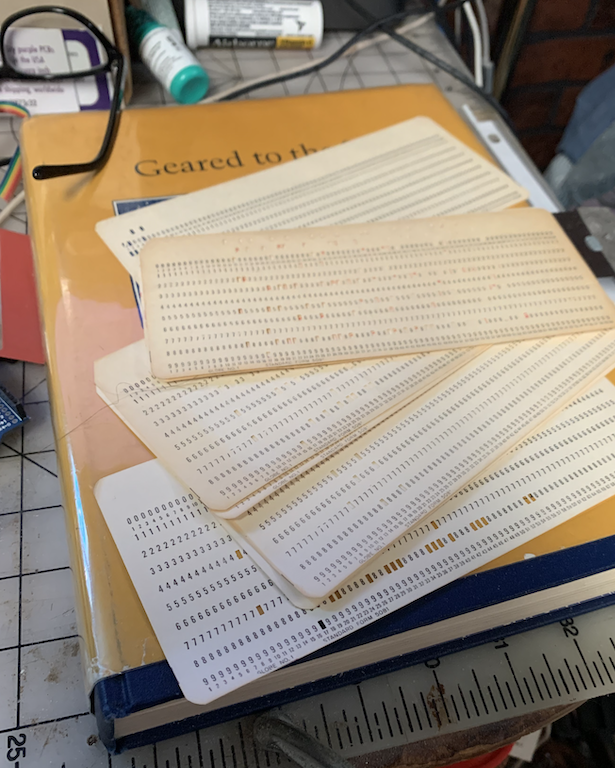
When I was little we used to use the punch cards for crafts project. In church Sunday School of all places. One could fold the corners and make wreaths with them. Then spray paint then silver or gold. Or even green.
I am obsessed with Mariner 9.
This is one of my favorite pictures of the unsung people who worked hard with little credit.
I recently found a bunch of cards. Not a complete program I tended to use them as bookmarks. Wish I still had them in a way apart from they took up a
lot of space.
I also got a book which I still have which is basically the algorithm guide to the VICAR program. I wound up translating some of it to postscript which can read and render IBM Ebcedic and even parse the old IBM 360 floating point.
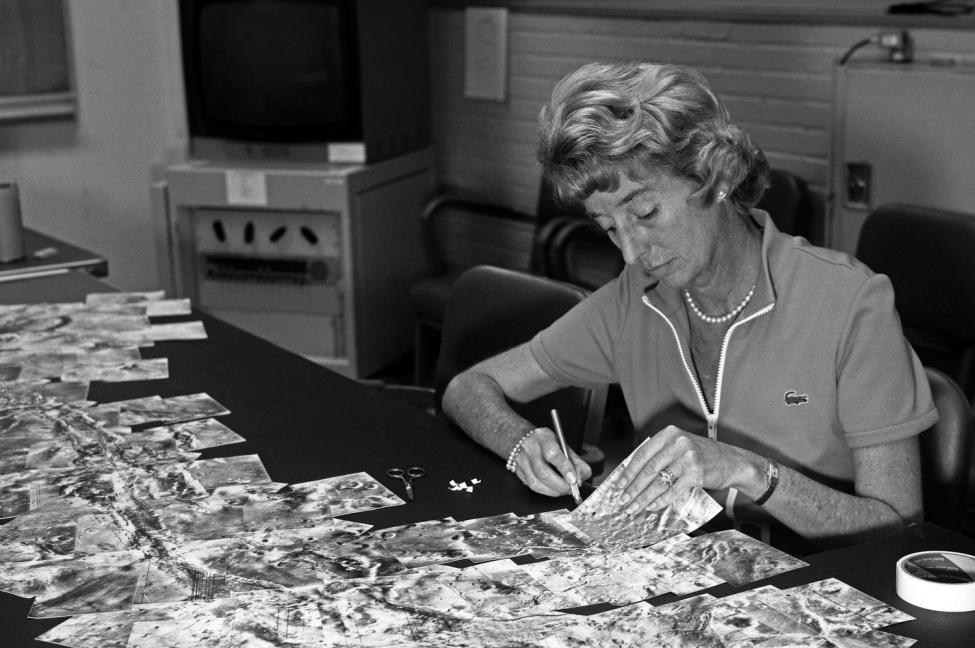

I was able to extract and decode some of the Mariner 9 images directly from the raw data on the JPL planetary database. The tapes were not stable, so only fragments of backup tapes survive. The work the lady above was doing is stored in a salt mine. These though were what at the time was high resolution (at the time) prints, and subject to the printing technology of the 1970s.
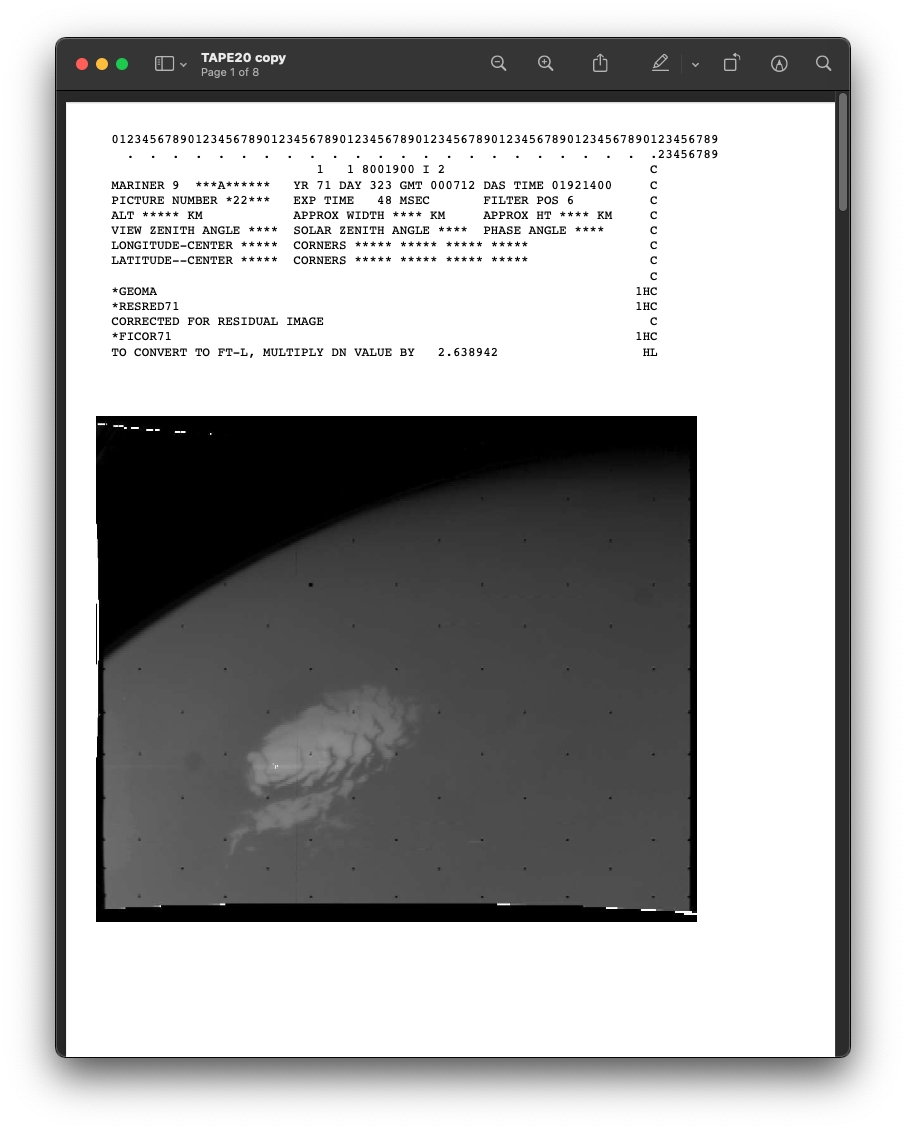
Converting the PDF to png seems to dump all the pages. Here is a screenshot page 1 for those who can not tolerate the 'core dump.' It does make for an interesting animation as the spacecraft crossed the pole.
This is the martian south pole.
The first part of each image are records which came from (and could reproduce the) punch cards. Since this was an interim backup the orbital parameters have not been fully entered. This data is in another database, which can be correlated with these images. From time to time i type in a few more. I was doing this on the 50th anniversary. But it got overwhelming. There are nearly 8000 images!
Some of the tapes do have some Telemetry data encoded in the retrace frame. Guess who worked on some of this. Carl Sagan. (you can often detect his prose in the reports.) This encoding method was the Maguffin in the Contact movie.
The data is a mess. I worked with the guys who built the cameras. They were basically television cameras. Sensitive to the cold. There was also RF interference from the heaters and other experiments. The latent image would still be present for the next few frames. Does make for interesting animations.
Sadly no one is really interested in my work on this (Unless it came with research funding.) Some of the stuff is in the wrong folders. There really is no one to contact who can fix the database. It was converted from tape to CD, then the CDs were simply dumped online. Looks like the program ended as there are too many dropout errors. The encoding is really wierd. The images are 9 bits deep. The tapes could only store 8 bits. So they spirally encoded them as 7 bits. rotating the bits with each write.
Another backup did encode the data as 8 bits. removing the 9th bit which was below the noise floor and said to contain no recoverable information.
Last I heard the orbiter was still circling mars. It was expected to impact the surface sometime in 2021 or 2022. I have not heard if it did or did not. Would have been fun if the more recent probes could photograph it de orbiting.
The twin Mariner 8 failed at launch. The protective shroud failed to open. I never could find if it impacted in the ocean, or if it is some heliocentric orbit. There were quite a few of these mariner probes. I think about half of them succeed. The Pioneer, Viking and Voyager programs pretty much overshadowed these early probes, which were the first to photograph other planets.
Edit: in reviewing this after a post I notice she is wearing a little square cocktail watch. I wonder what brand it is?