A question for Seamaster 300 Heritage owners…

Posts
1,437
Likes
1,459
Probably Reddit. But they were referring to this specific model, not all models and all companies.
I suspect the person who complained about it didn't have the proper tools for the job.

If you ever have a problem in the future I would send the watch to Omega for service and they will have the proper tools to deal with it. But I really wouldn't let this issue affect how you use your watch. Just enjoy it.

 
Posts
4,136
Likes
8,854
Probably Reddit. But they were referring to this specific model, not all models and all companies.

At this point, I think reddit is much more highly a disinformation machine than reliable data.
 
Posts
30,285
Likes
78,160
This is what our brilliant ai friends have to say. To me, it makes no sense at all, but maybe I’m missing something:

Clockwise immediately:

  • The crown may be slightly misaligned.
  • The first thread can catch against the wrong part of the mating thread.
  • Applying additional pressure can cause cross-threading.
  • You may create localized wear or damage.

Counter-clockwise first:

  • The threads aren't being forced into engagement.
  • The crown can rotate until the thread starts naturally align.
  • You feel the slight drop when the thread starts register.
  • Reversing direction allows the threads to engage correctly.
I guess it depends on the watch - this goes back to the crown and case tube design we talked about at length in the other thread you made. How stable is the crown when it's unscrewed? I have 2 Rolex watches here with externally threaded case tubes - they are both vintage, one twinlock and one triplelock. When I unscrew the crown, I can make the crown wobble off axis quite easily (in particular on the twinlock). The reason is that the seals inside the case tube are acting on the post of the crown, and there's a fair bit of flexibility there. It would actually be pretty easy to screw this down in a misaligned state.

In contrast on Omegas where the case tube is threaded internally, and the seal inside the crown acts on the outside diameter of the case tube, it is more difficult to manipulate the crown in such as way as to cause it to cross thread. The case tube sort of guides the crown down into the threads in a more aligned fashion.

That doesn't mean that it can't be cross threaded, but that it's much less likely to happen. Of course depending on the brand there might be other factors, such as the thread pitch, material used for both parts, machining tolerances, etc.

I think if you are going to use the backwards turn trick to get the thread started, you just need to be careful not to put too much pressure on the crown as you do that. Just enough that you can feel the start of the thread as you are turning the crown CCW.
 
Posts
7,392
Likes
23,861
I think if you are going to use the backwards turn trick to get the thread started, you just need to be careful not to put too much pressure on the crown as you do that. Just enough that you can feel the start of the thread as you are turning the crown CCW
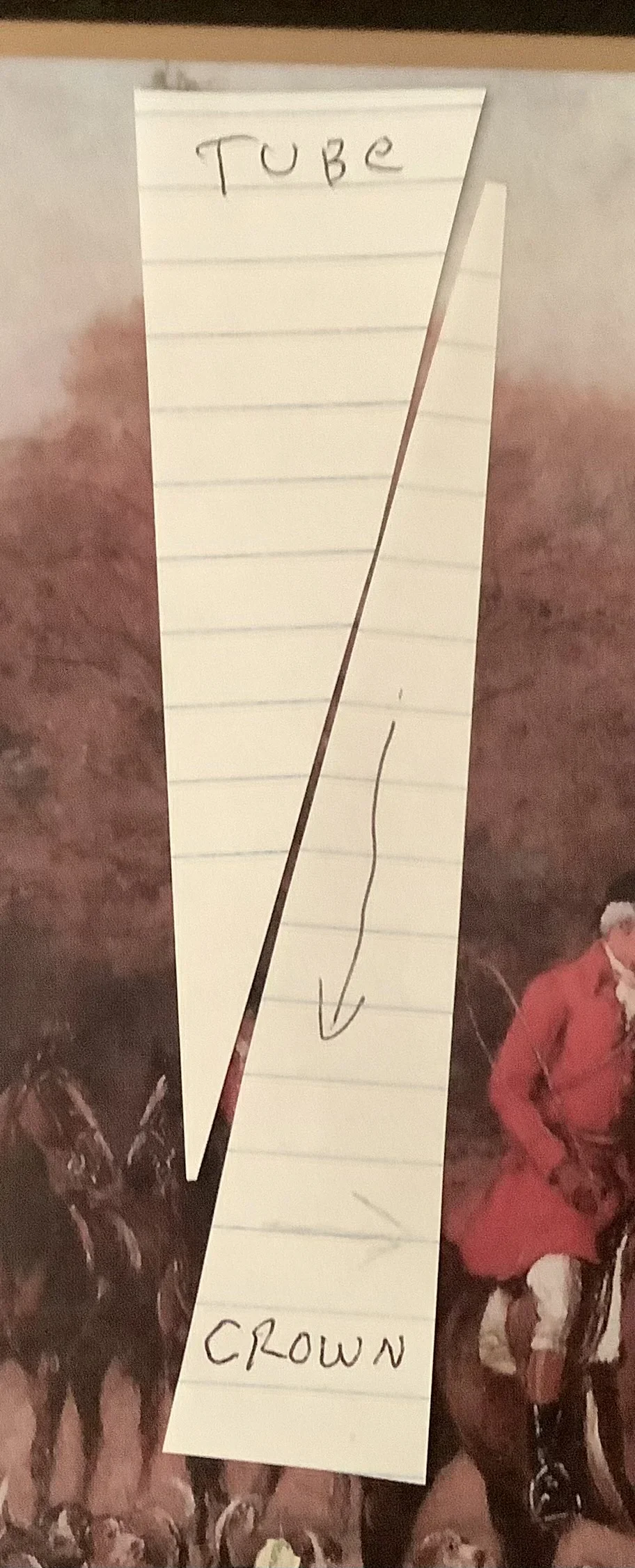
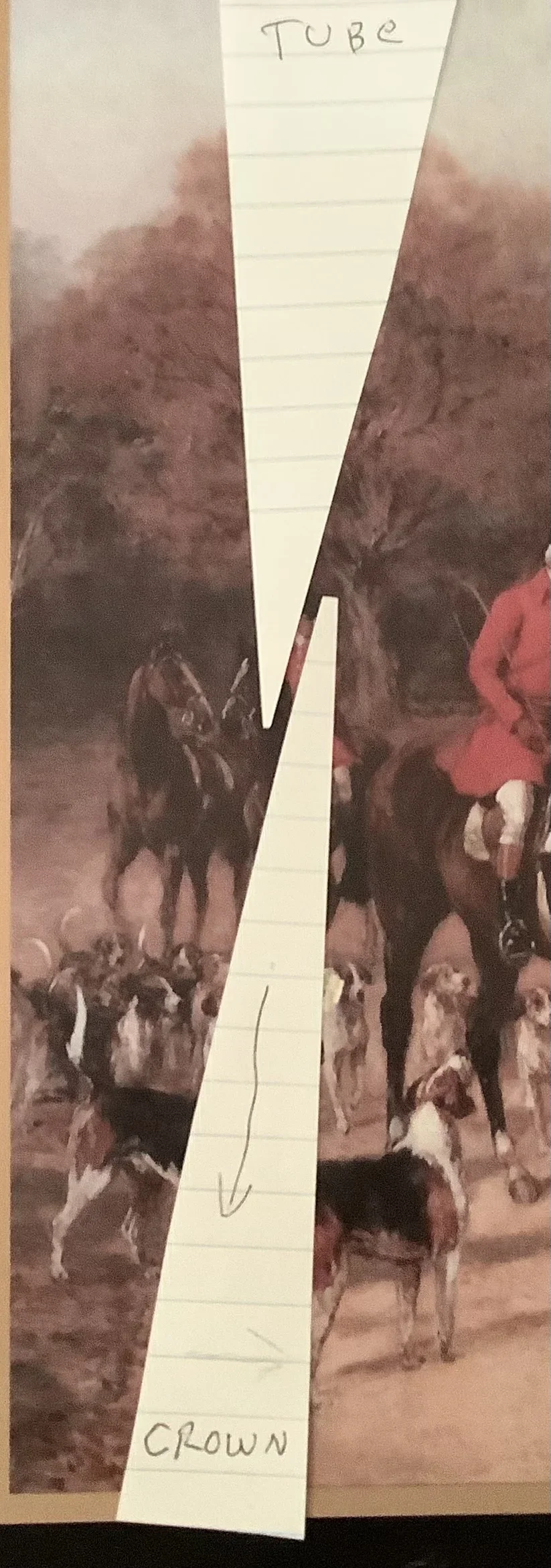
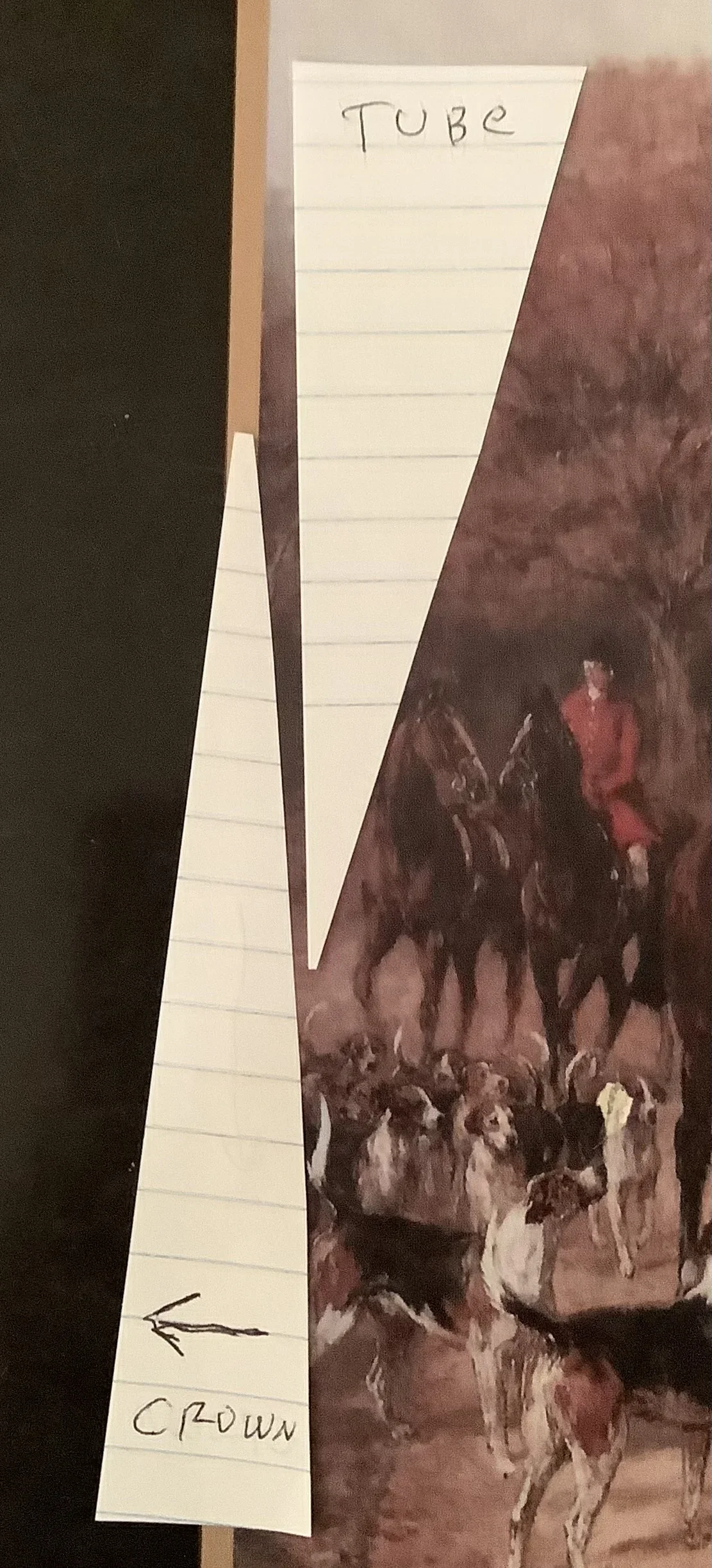
Yes! As I started to think about it, it’s maybe not such a good idea after all. Why? My amateur reasoning tells me that with CCW pressure, there is a point where the two thread opening tips are pushing against one another, with less material to bear the pressure:


However…if the crown is spun CW, the crown thread opening tip is pushing against the thread immediately to the left, and does not press against the tube thread opening tip:


So, theoretically, less wear or potential damage?

Edit: Al, our ai friends agree with you. The question is, mechanically, whether the spring-loaded crown/tube interface requires more pressure than optimal to make the CCW maneuver a suggested practice for hobbyists:

Why Counterclockwise Pressure Causes Stress
    • Cross-Threading Risk: Pushing downward while turning the wrong way forces the male and female thread crests to ride over each other instead of sliding into the grooves. This localized pressure easily bends, flattens, or shears off the delicate entry threads.
    • Fine Thread Fragility: Fine threads have a much shallower groove depth and a sharper pitch angle than coarse threads. Because there is less metal supporting each individual ridge, the entry point deforms under very little misalignment or downward force.
    • Galling and Metal Transfer: When bare metal threads (especially stainless steel, aluminum, or titanium) rub together under downward load, friction generates microscopic heat. This can cause the surfaces to cold-weld and tear away chunks of metal right at the opening.

The Safe Exception: Finding the Start
    • Light Reverse Turning: Mechanics often turn a screw counterclockwise without downward pressure until they hear or feel a faint click. That click indicates the leading thread has dropped cleanly into the start of the matching groove.
    • Zero Downward Load: For this technique to work safely, you must only rest the weight of the fastener on the opening rather than pushing down. Once it clicks into place, you immediately reverse direction and turn clockwise to engage the threads smoothly.
Edited:
 
Posts
7,392
Likes
23,861
You are way overthinking this, I have to say. Just don't worry about it.
No, I’m not over thinking it; I enjoy discussing the mechanics and engineering aspects.
 
Posts
4,136
Likes
8,854
No, I’m not over thinking it; I enjoy discussing the mechanics and engineering aspects.

You enjoy thinking it through and talking it through.

Another lost art over on reddit