1950s Lecoultre Powermatic

Posts
191
Likes
64
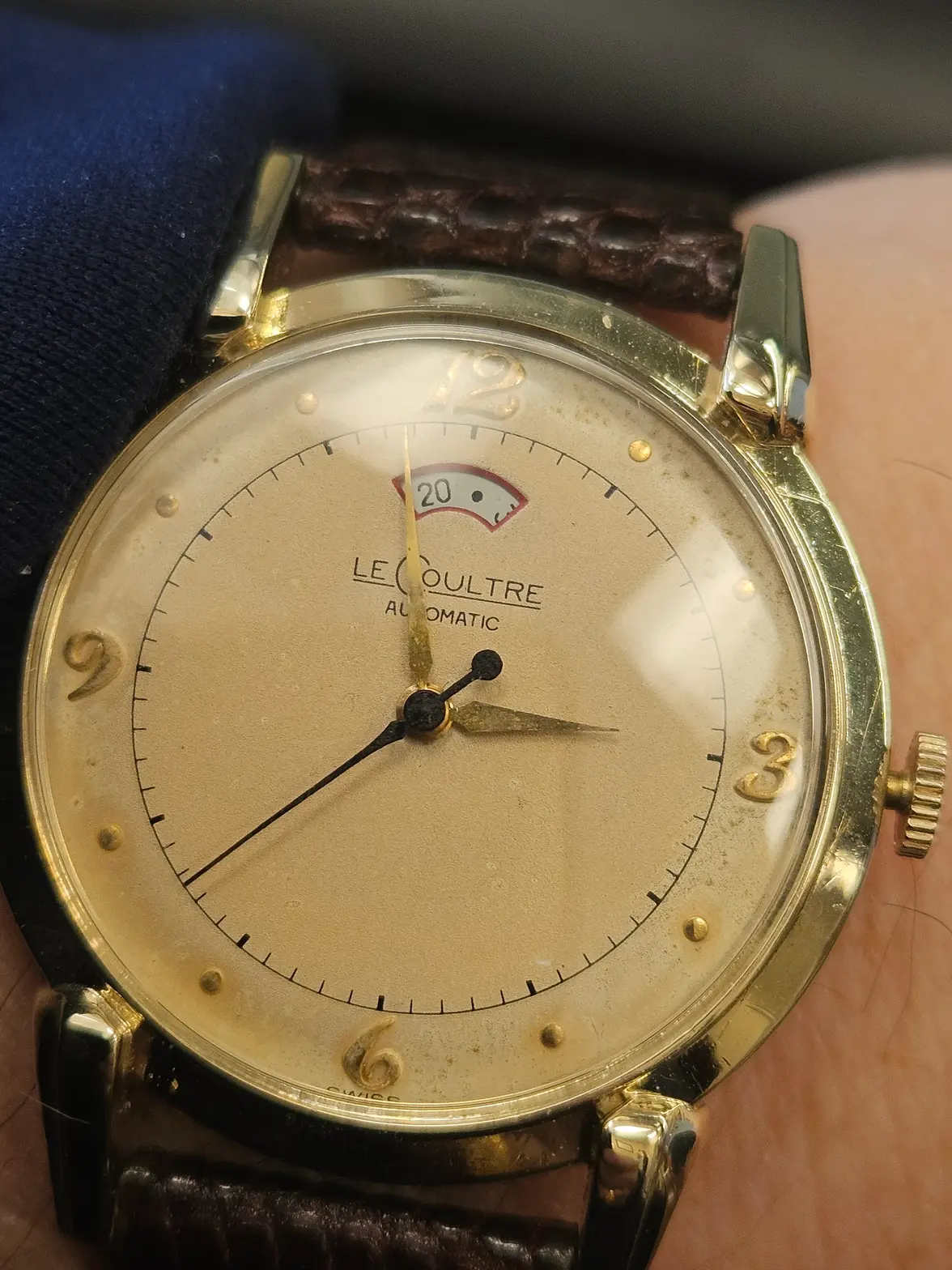
Watch I picked up last year 2025:

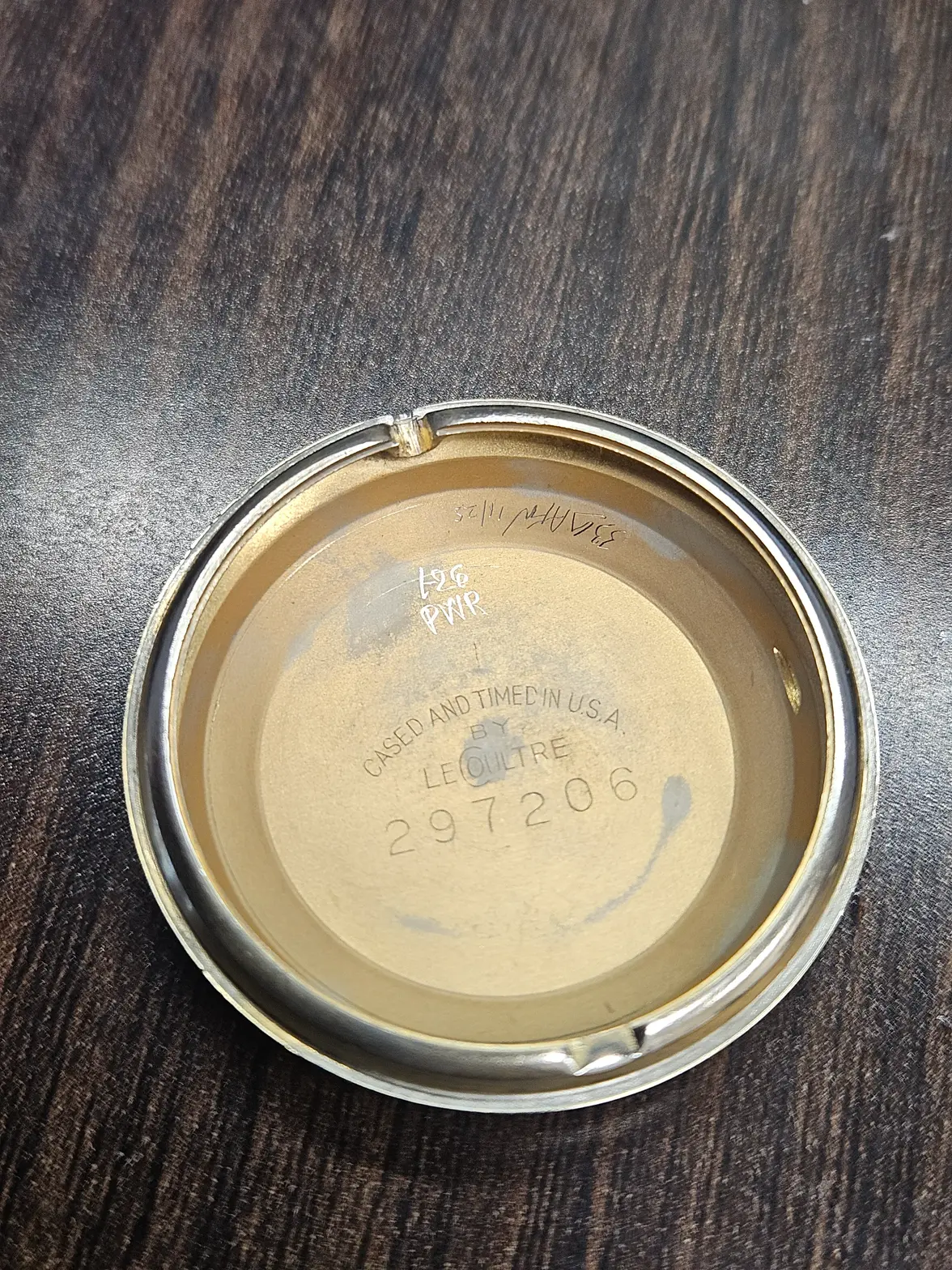
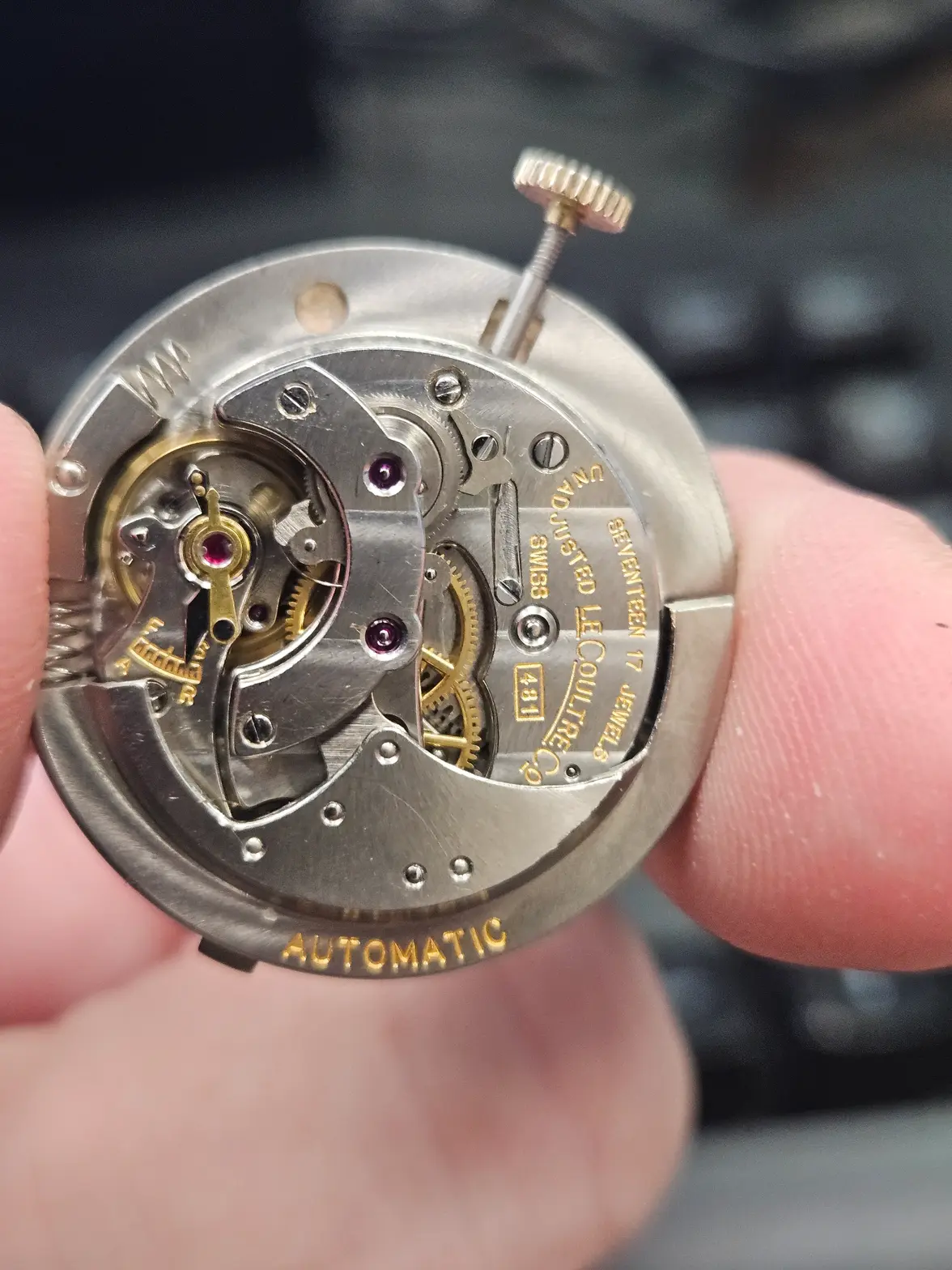
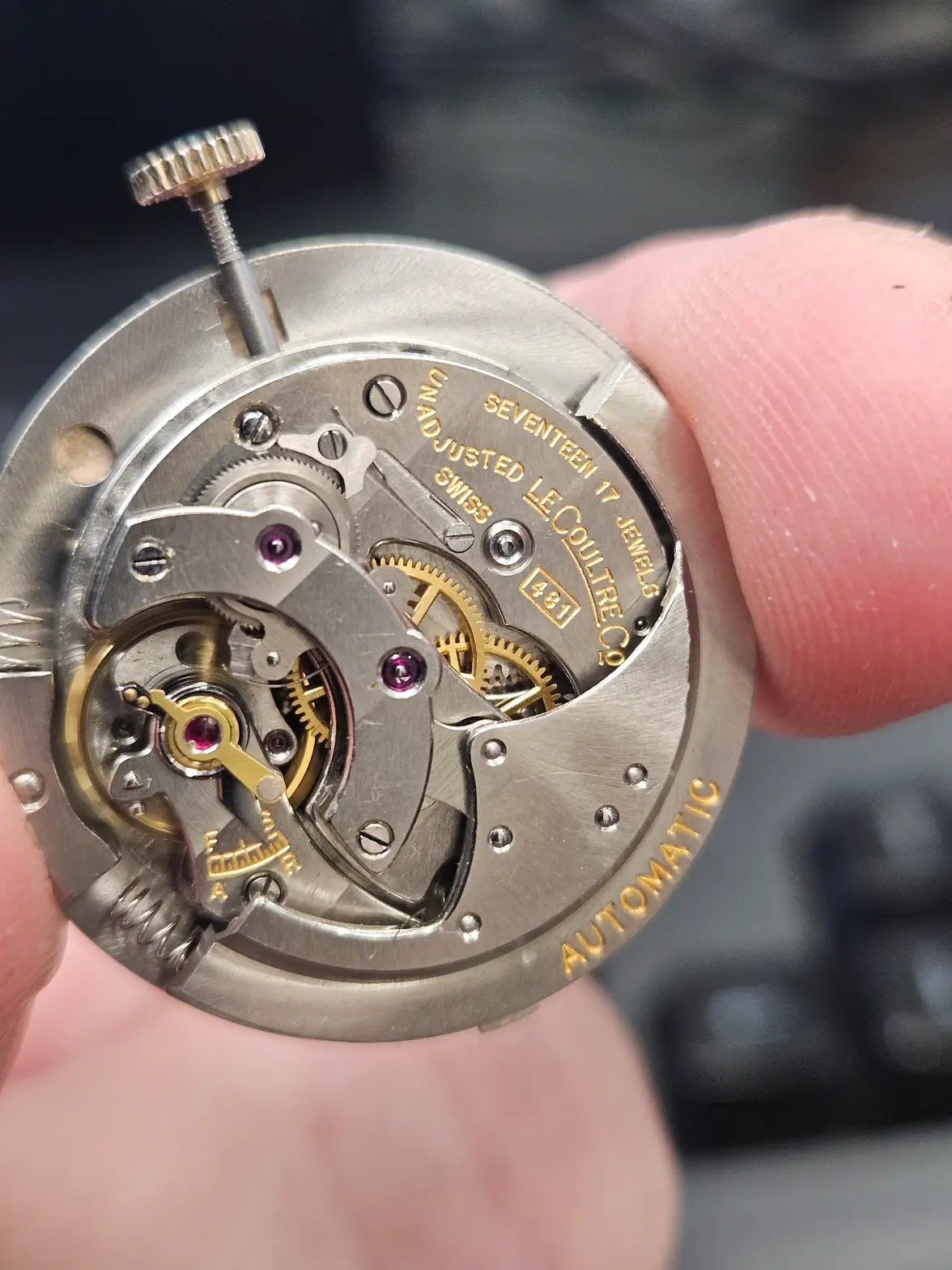
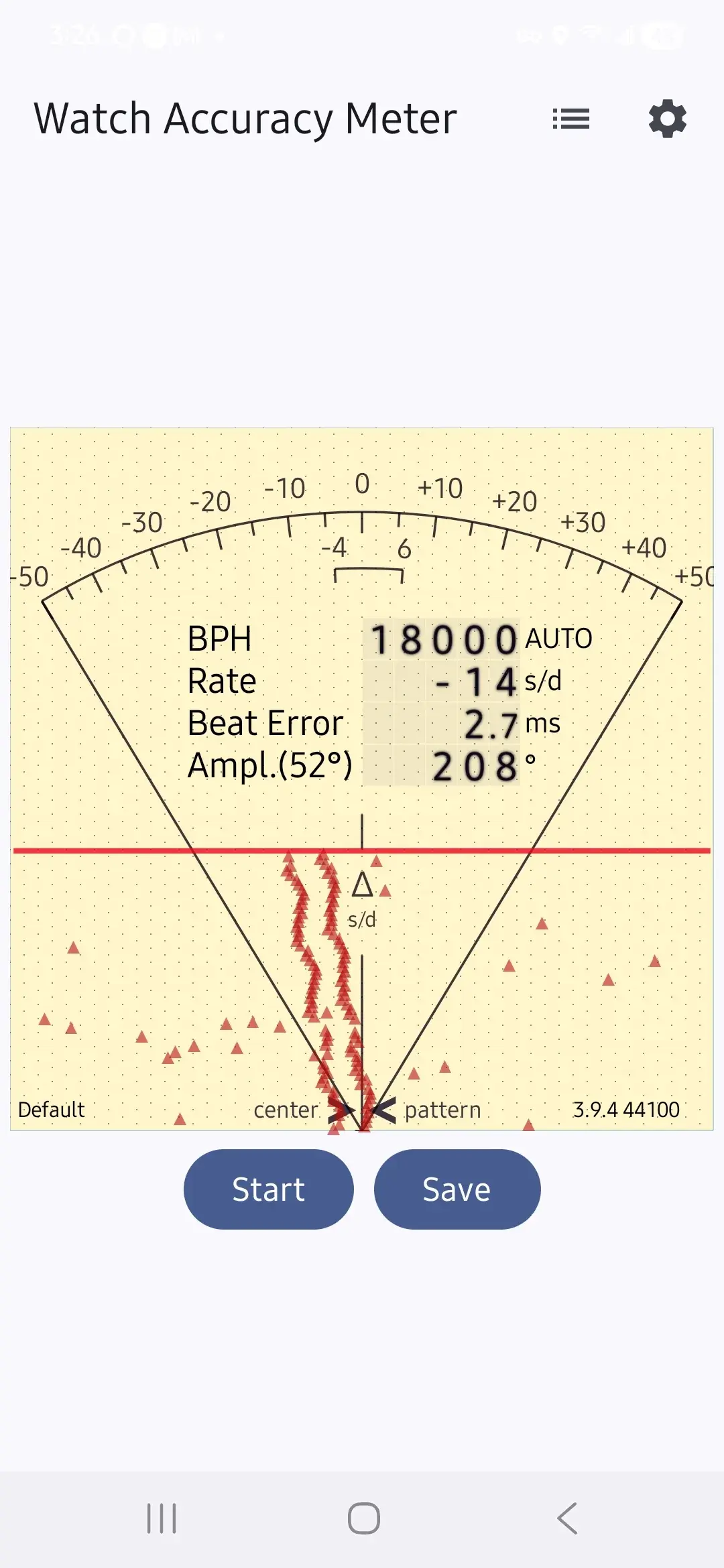
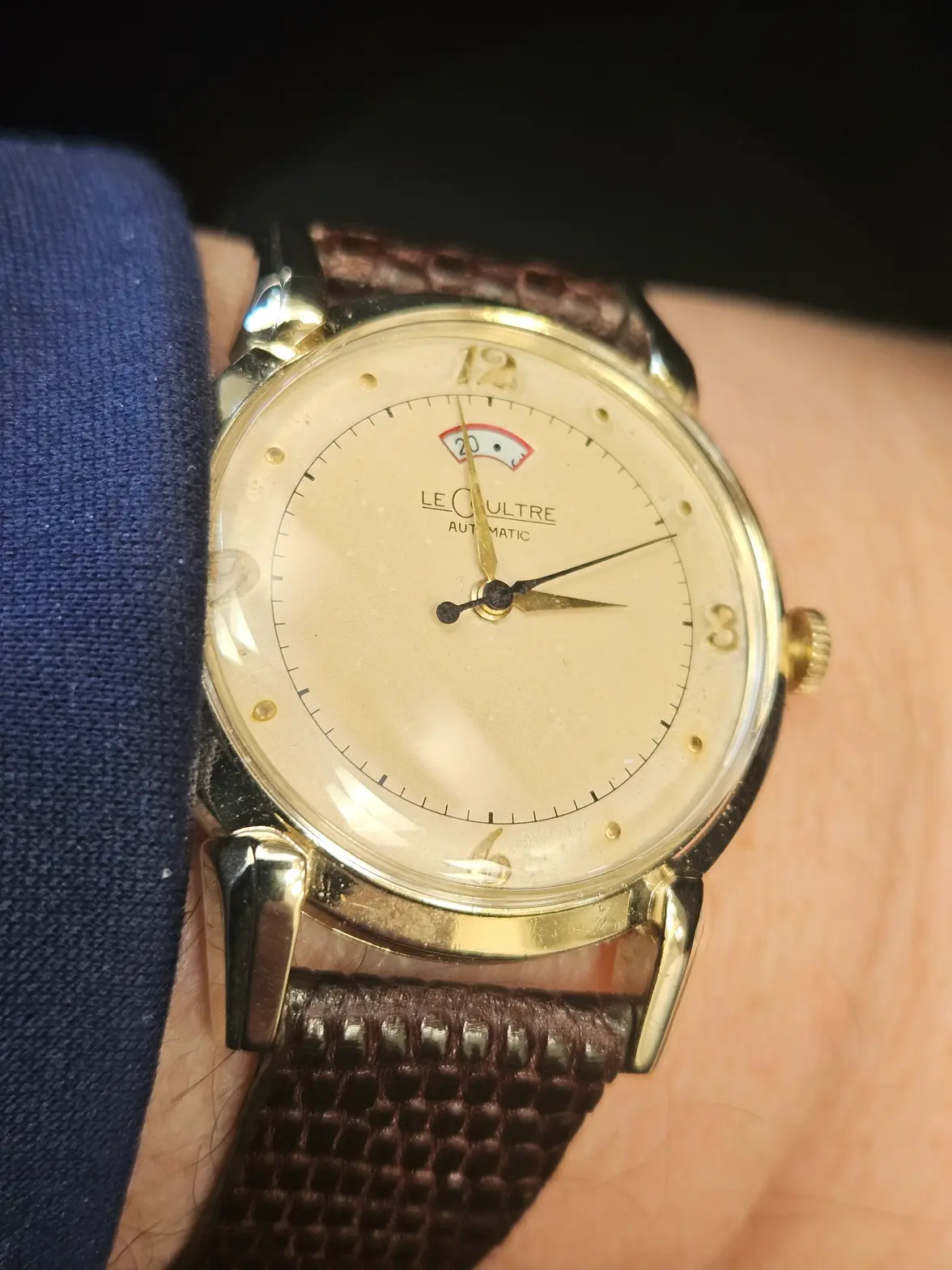
U.S.-signed LeCoultre Automatic with power-reserve (cal. 481) and wanted to get some eyes on it. Fair dial with honest patina, applied numerals, and the power-reserve arc at 12. Movement is correctly signed, cased and timed in the U.S., and recently serviced. Currently running around -14 s/day with ~208° amplitude on the timegrapher, which seems reasonable for a mid-century automatic. Curious to hear thoughts, especially on dial originality and overall condition.

Thx

Artis
 
Posts
1,770
Likes
1,853
You shouldn't touch the dial or movement with your bare hands, the oils from your hand can damage both.
 
Posts
191
Likes
64
You shouldn't touch the dial or movement with your bare hands, the oils from your hand can damage both.
Great point thx for the advice!
 
Posts
24,004
Likes
53,350
Based on the poorly fitting stem and low amplitude, I would not put too much faith in the quality of any service performed recently. And I'm not too convinced by the dial, TBH. The texture of the surface looks really strange.
 
Posts
1,770
Likes
1,853
Based on the poorly fitting stem and low amplitude, I would not put too much faith in the quality of any service performed recently. And I'm not too convinced by the dial, TBH. The texture of the surface looks really strange.
Ooof, I missed that. Yeah, 200 amp is REALLY bad, even for vintage. I can't speak to the dial though.
 
Posts
191
Likes
64
Ooof, I missed that. Yeah, 200 amp is REALLY bad, even for vintage. I can't speak to the dial though.
Thx is the beat error of importance?
 
Posts
191
Likes
64
Based on the poorly fitting stem and low amplitude, I would not put too much faith in the quality of any service performed recently. And I'm not too convinced by the dial, TBH. The texture of the surface looks really strange.
Yeah, I wonder if the dial has maybe some water stains on the edge. Thanks for your input. As for the stem, I thought it was aftermarket but functions, and although I agree it doesn't fit well, I am hesitant really to change it, I think I'll just wear it and see how it goes.
 
Posts
191
Likes
64
Ooof, I missed that. Yeah, 200 amp is REALLY bad, even for vintage. I can't speak to the dial though.
Yeah, this was an app on my phone.I'll put it on the better time grapher and send you the results. Thx
 
Posts
191
Likes
64
I really appreciate the input. That's why I've taken a break from buying any more watches until I learned more and this is a great learning venue
Thank you
 
Posts
1,770
Likes
1,853
Thx is the beat error of importance?
Yes, beat error and amplitude are perhaps the most important of the figures. Rate, while owners care about more, are much less important (unless way out) for determining whether a watch is healthy.
 
Posts
191
Likes
64
Yes, beat error and amplitude are perhaps the most important of the figures. Rate, while owners care about more, are much less important (unless way out) for determining whether a watch is healthy.
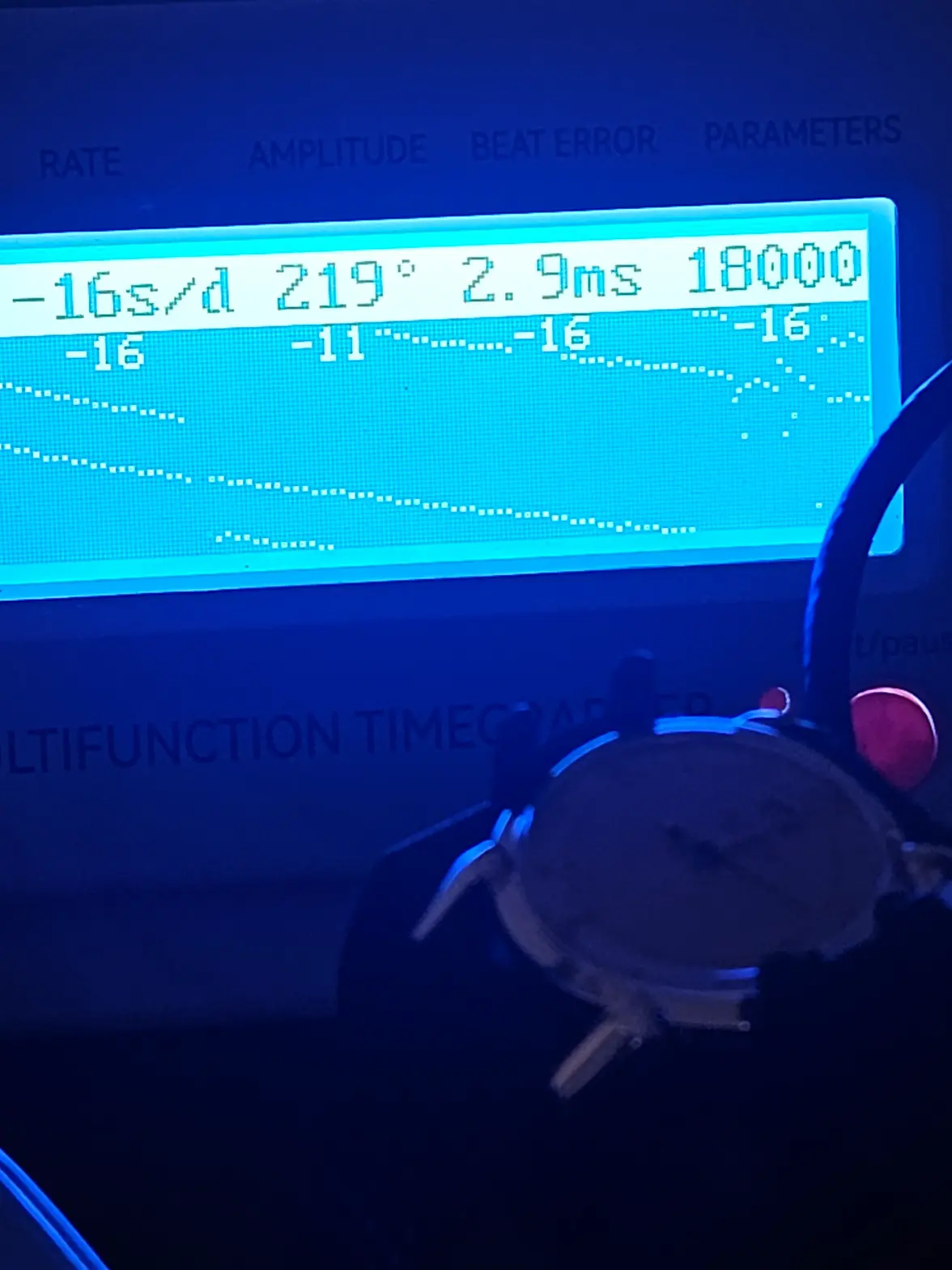
Yeah pretty similar on my time grapher so that app is pretty decent I guess
 
Posts
1,770
Likes
1,853
Yeah pretty similar on my time grapher so that app is pretty decent I guess
The algorithm/software for timegraphers are pretty trivial and have been pretty well solved for decades. The only reason phone apps tend to be bad is because the microphone on the phone (if using the integrated one) is awful.

219 amplitude is quite a bit low, most swiss movements should do 250 minimum if cleaned/oiled properly. Heck, my 342 bumper, which arrived to me as a non-runner, ended up being 270 after I was done cleaning it!

That beat error is really bad too, even fixed-studs should be sub-1ms. That watch desperately needs a watchmaker.
 
Posts
24,004
Likes
53,350
Thx is the beat error of importance?
I think that most good watchmakers will try to leave a movement in good condition after a service, so if any of the values are way out of whack, it can be a sign that the watch wasn't serviced recently, or at least not serviced well.

I think that amplitude is particularly important, because low amplitude can mean that there is excessive friction or wear in the movement, so it can be providing useful information about the health of the movement. I suppose there are benign reasons for low amplitude (e.g. weak mainspring), but a low amplitude is often cause for concern.

Low beat error is important for good movement performance, but I don't think that high beat error in itself is a danger sign, i.e. the movement won't necessarily by damaged by continued use. Similarly, poor timekeeping can just mean that the watch wasn't well regulated. But of course people usually care about timekeeping for practical reasons.
 
Posts
1,770
Likes
1,853
I think that most good watchmakers will try to leave a movement in good condition after a service, so if any of the values are way out of whack, it can be a sign that the watch wasn't serviced recently, or at least not serviced well.

I think that amplitude is particularly important, because low amplitude can mean that there is excessive friction or wear in the movement, so it can be providing useful information about the health of the movement. I suppose there are benign reasons for low amplitude (e.g. weak mainspring), but a low amplitude is often cause for concern.

Low beat error is important for good movement performance, but I don't think that high beat error in itself is a danger sign, i.e. the movement won't necessarily by damaged by continued use. Similarly, poor timekeeping can just mean that the watch wasn't well regulated. But of course people usually care about timekeeping for practical reasons.
Dirt/crud/etc in the movement can also cause beat error. It is not uncommon for pre-clean beat error to get better after cleaning.

Any modern watchmaker can use a timegrapher and I would expect even meh watchmakers to get sub 1ms. So anything higher than that means it either hasnt seen a watchmaker in a while, or worse, was seen by a poopie one.
 
Posts
191
Likes
64
I think that most good watchmakers will try to leave a movement in good condition after a service, so if any of the values are way out of whack, it can be a sign that the watch wasn't serviced recently, or at least not serviced well.

I think that amplitude is particularly important, because low amplitude can mean that there is excessive friction or wear in the movement, so it can be providing useful information about the health of the movement. I suppose there are benign reasons for low amplitude (e.g. weak mainspring), but a low amplitude is often cause for concern.

Low beat error is important for good movement performance, but I don't think that high beat error in itself is a danger sign, i.e. the movement won't necessarily by damaged by continued use. Similarly, poor timekeeping can just mean that the watch wasn't well regulated. But of course people usually care about timekeeping for practical reasons.
Thank you