What is the Blue Liquid Cleaning this Vintage Watch Dial??

Posts
77
Likes
71
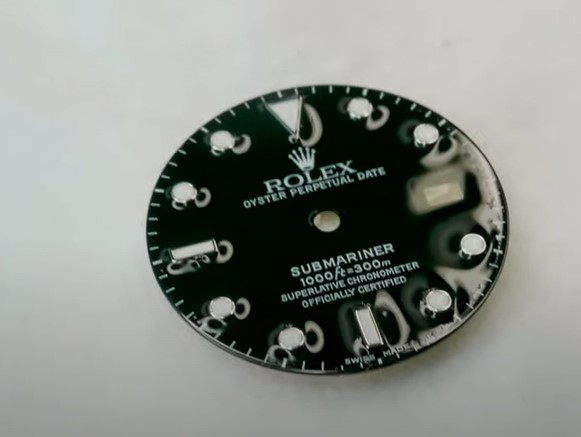
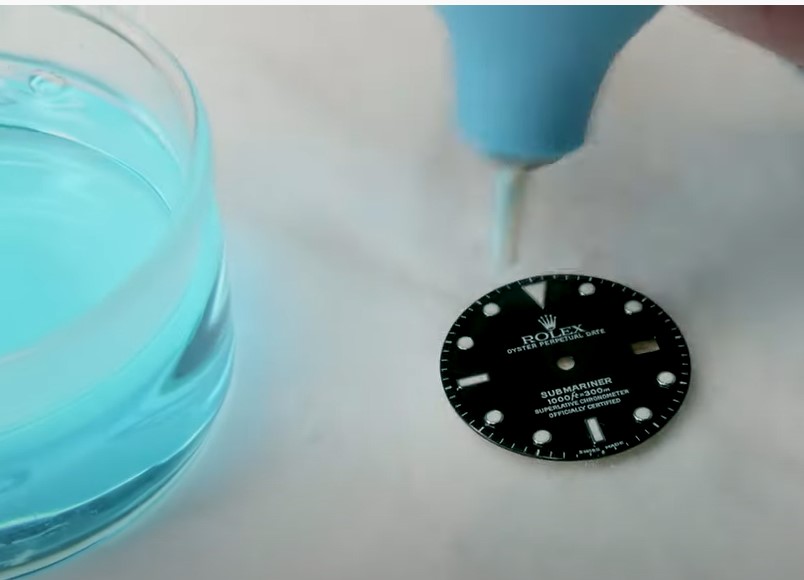
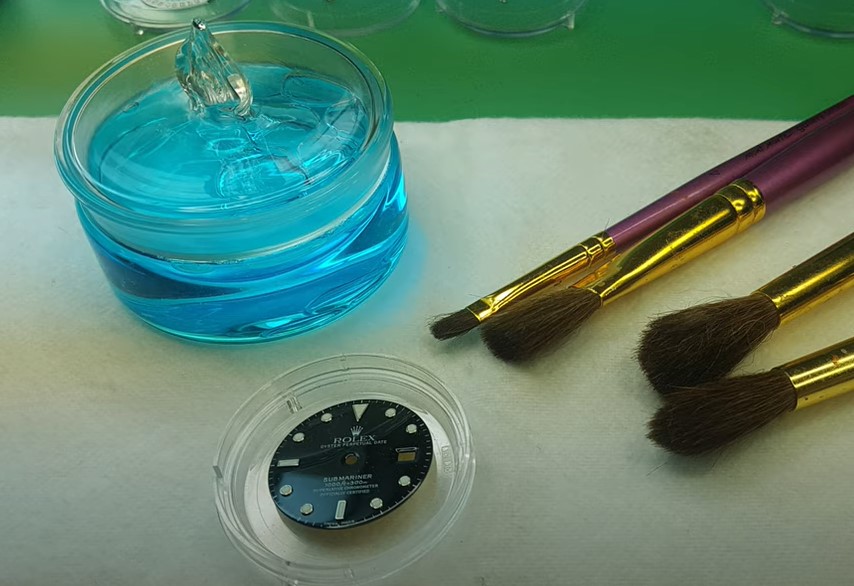
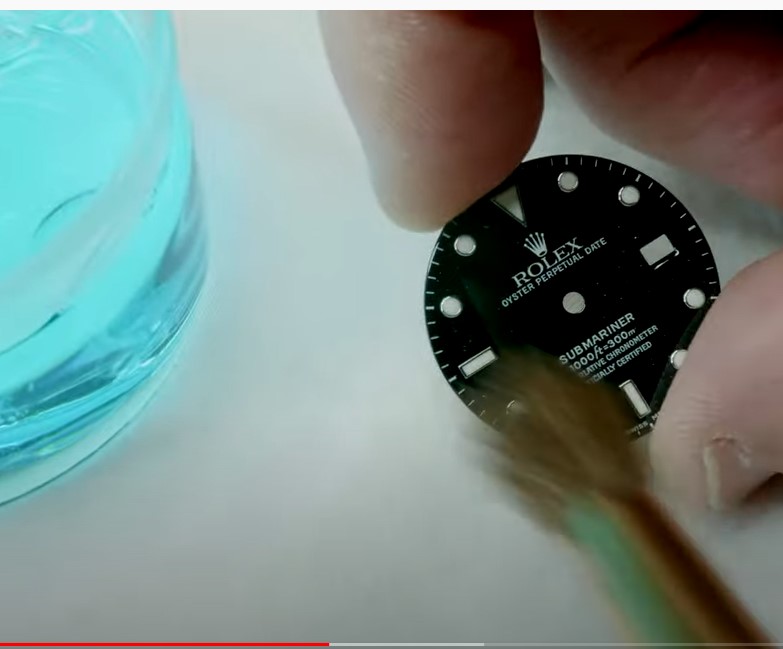
Ok its not an Omega but a vintage Rolex having its dial cleaned in this video by a Master Watch Maker at 5:21.


The blue liquid is applied by a brush and completely covers the dial before it is evaporated using a blower.

Any idea what it is?
 
Posts
17,968
Likes
37,558
Ok its not an Omega but a vintage Rolex having its dial cleaned in this video by a Master Watch Maker at 5:21.


The blue liquid is applied by a brush and completely covers the dial before it is evaporated using a blower.

Any idea what it is?


Why don't you ask him?

Or did you already?

馃榿
 
Posts
77
Likes
71
Why don't you ask him?

Or did you already?

馃榿

Someone asked on the YouTube thread, and he replied that it was "a little trade secret." hopefully someone here might have a better idea.
 
Posts
6,888
Likes
12,656
It surely looks a bit like Joseph Lister's invention... Antiseptic mouthwash 馃
 
Posts
67
Likes
102
Or perhaps a thin coating of self smoothing resin to fill any small scratches?
 
Posts
77
Likes
71
It surely looks a bit like Joseph Lister's invention... Antiseptic mouthwash 馃

Listerine has had a bunch of uses, not sure if watch dial repair is one of them.
 
Posts
77
Likes
71
Or perhaps a thin coating of self smoothing resin to fill any small scratches?

Definitely not a resin.
 
Posts
2,449
Likes
7,051
There are products for optical component cleaning that one applies, let dry and then peel off to remove debris, etc. For instance...

 
Posts
7,178
Likes
23,259
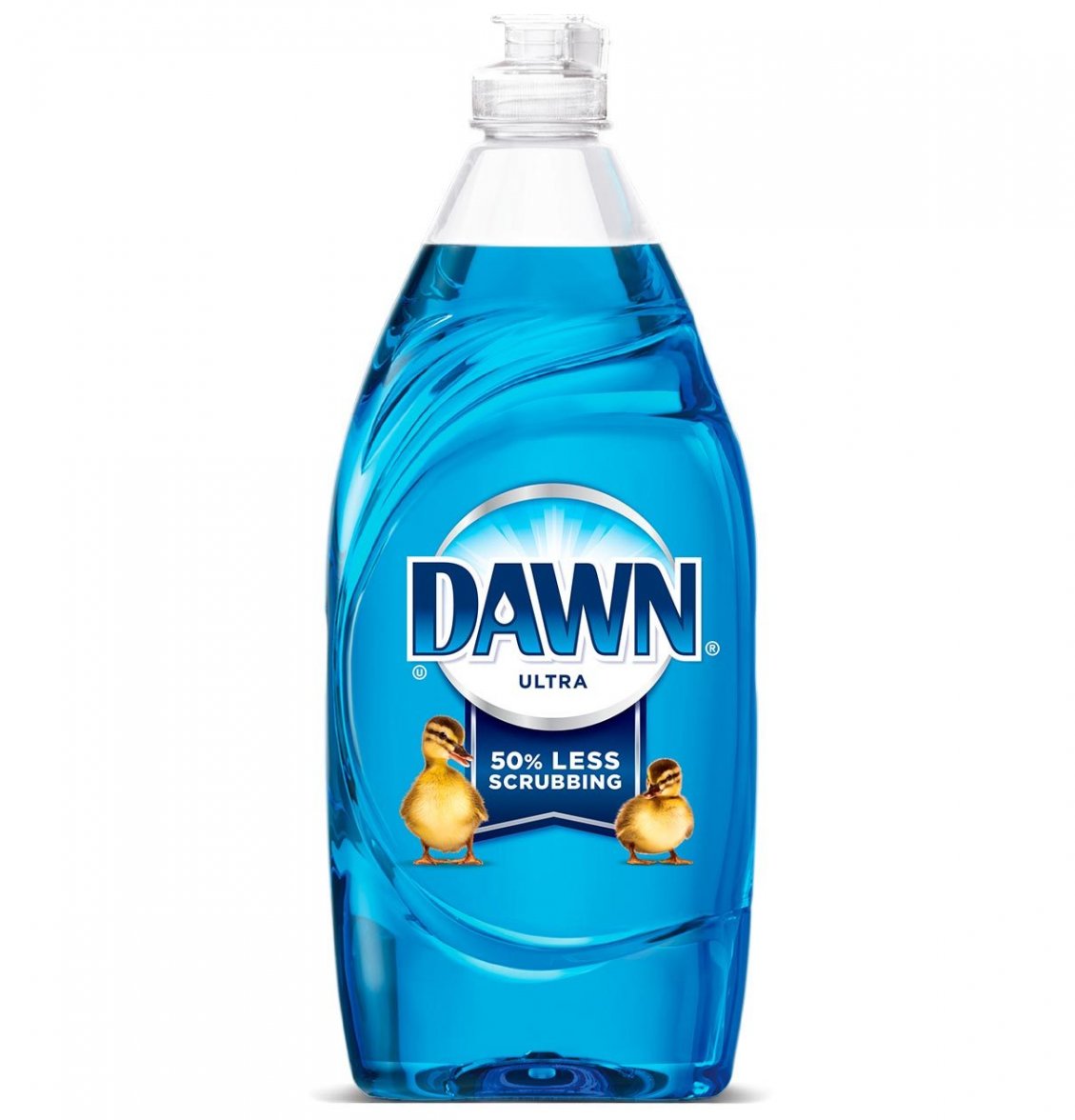
If in the USA, maybe this. Used in many an ultrasonic cleaner:

 
Posts
2,165
Likes
1,351
If blown dry. It has to be a diluted form of alcohol.

Diluted to avoid eating right through the lacquer finish of the dial, but just enough to remove some aging.

DON
 
Posts
1,372
Likes
2,000
Could also be some kind of petroleum based solvent. My first thought was naptha, but wrong color.
 
Posts
29,705
Likes
76,892
A common bench solvent used by watchmakers is known as "Solvent H", which is n-Heptane. It is generally colourless, and getting more difficult to obtain from what I hear, so this may be some sort of substitute for that.

MSDS here:

https://shop.ottobock.us/media/pdf/083A2_en-US.pdf

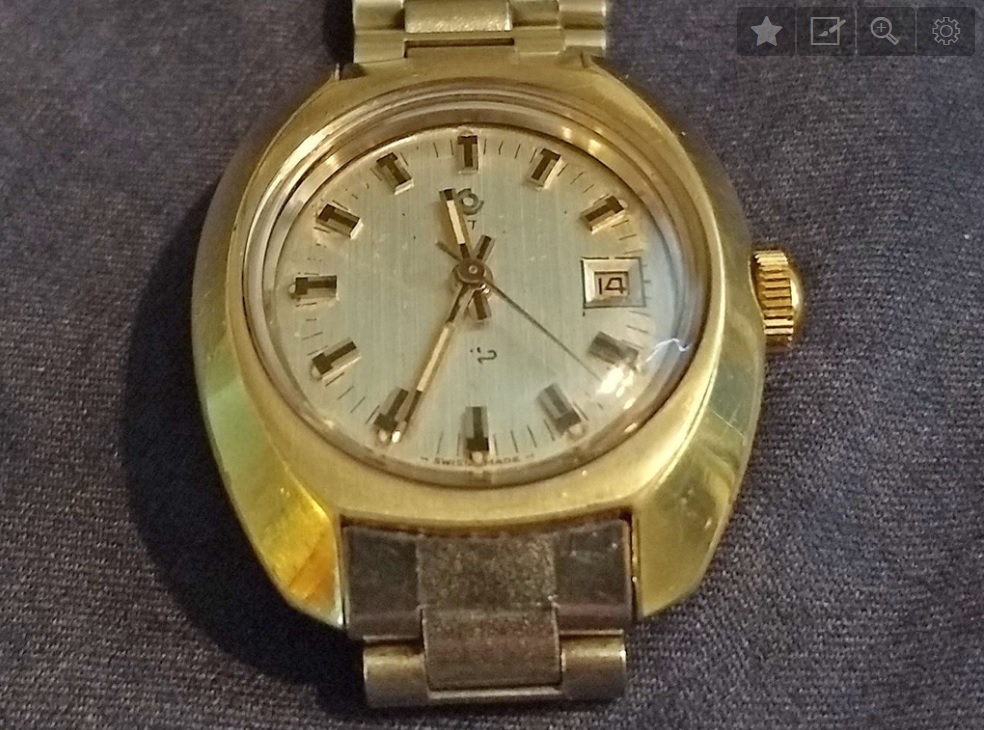
Personally, this is something I would never do. Putting a solvent on a dial can cause a lot of damage, as this example that a customer of mine sent me of a watch that someone else serviced for him, and he cleaned the dial using Solvent H, and the printing (that was fully intact) came off in many places.


To make matters worse, the watchmaker didn't tell the customer - he opened the box after getting the watch shipped back to find this...this was a CW21 certified watchmaker in the US, so when people throw around titles, that often means nothing...

Cheers, Al
 
Posts
77
Likes
71
If in the USA, maybe this. Used in many an ultrasonic cleaner:


Don't think so because it's drying quickly with a blower.
 
Posts
77
Likes
71
A common bench solvent used by watchmakers is known as "Solvent H", which is n-Heptane. It is generally colourless, and getting more difficult to obtain from what I hear, so this may be some sort of substitute for that.

MSDS here:

https://shop.ottobock.us/media/pdf/083A2_en-US.pdf

Personally, this is something I would never do. Putting a solvent on a dial can cause a lot of damage, as this example that a customer of mine sent me of a watch that someone else serviced for him, and he cleaned the dial using Solvent H, and the printing (that was fully intact) came off in many places.


To make matters worse, the watchmaker didn't tell the customer - he opened the box after getting the watch shipped back to find this...this was a CW21 certified watchmaker in the US, so when people throw around titles, that often means nothing...

Cheers, Al

Thanks for the input.
 
Posts
77
Likes
71
Would that evaporative without residue?

Now I'm reading about Windex. Turns out it can be a fairly strong cleaner. I wonder if it's too aggressive. Also the product being used evaporates quickly.