- Posts
- 2,826
- Likes
- 4,941
DirtyDozen12
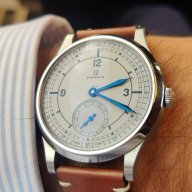
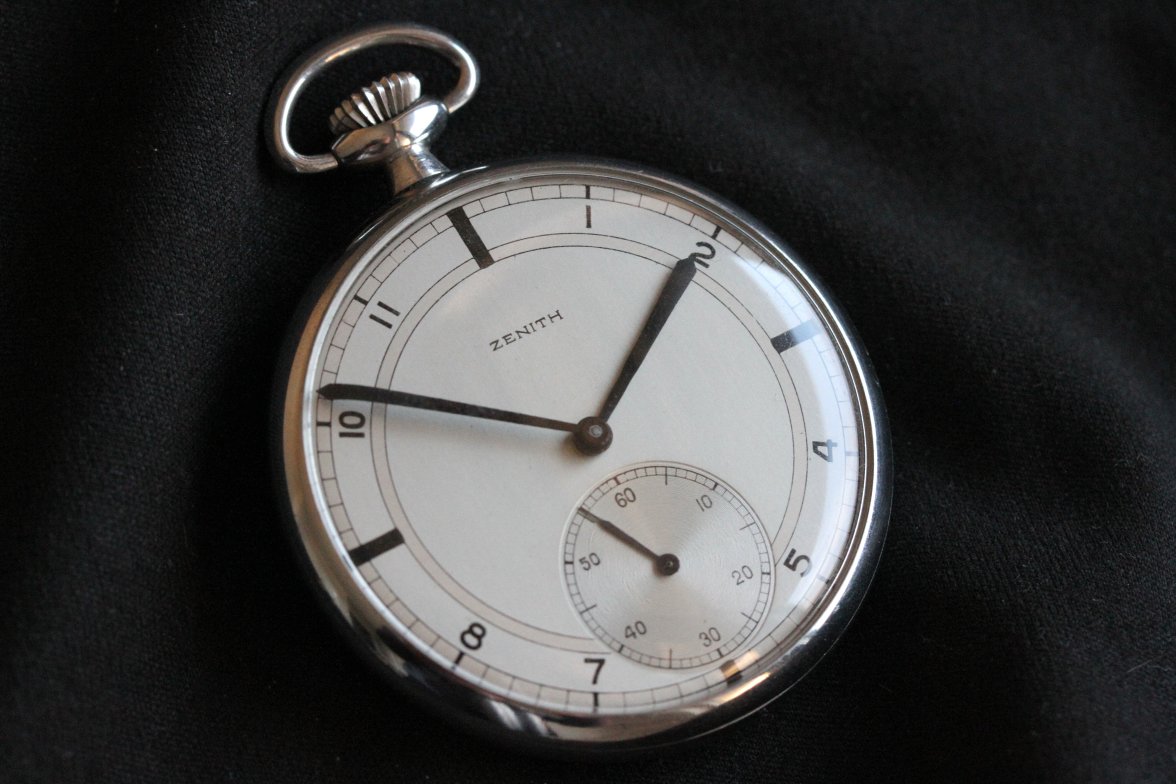
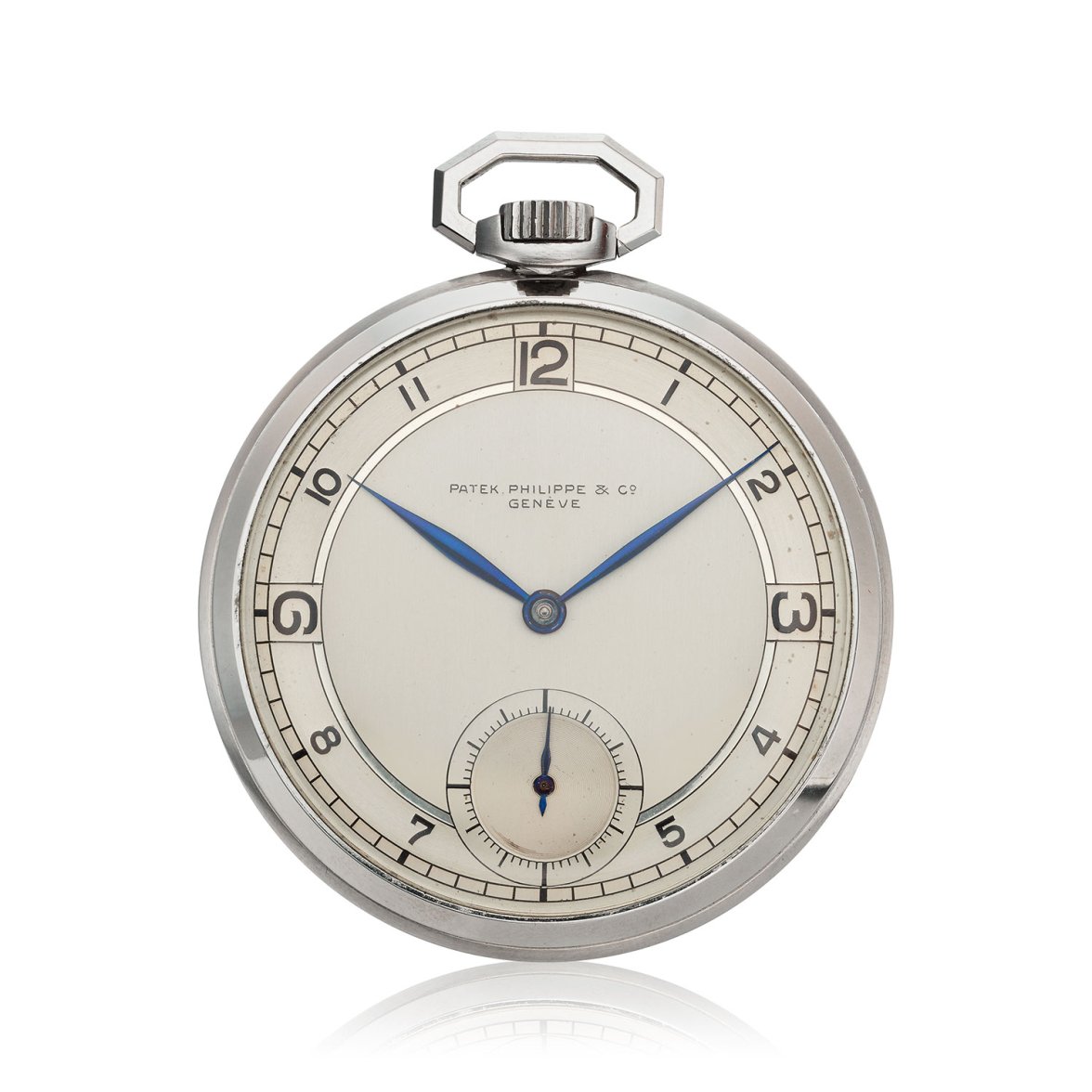
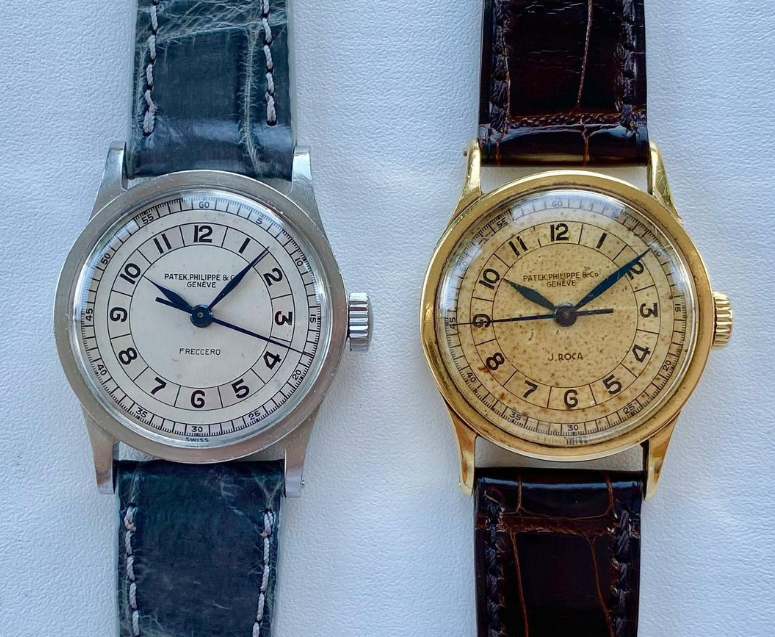
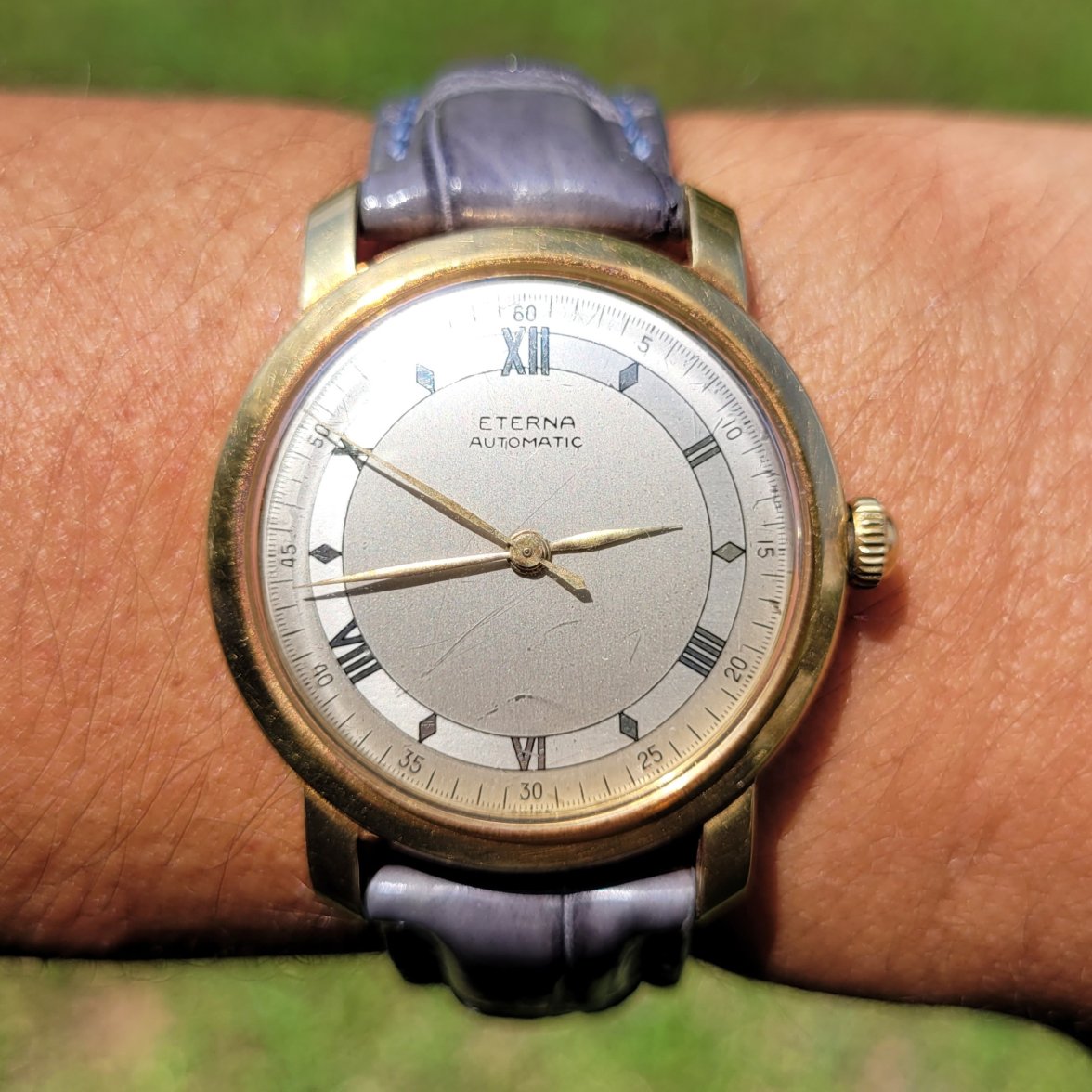
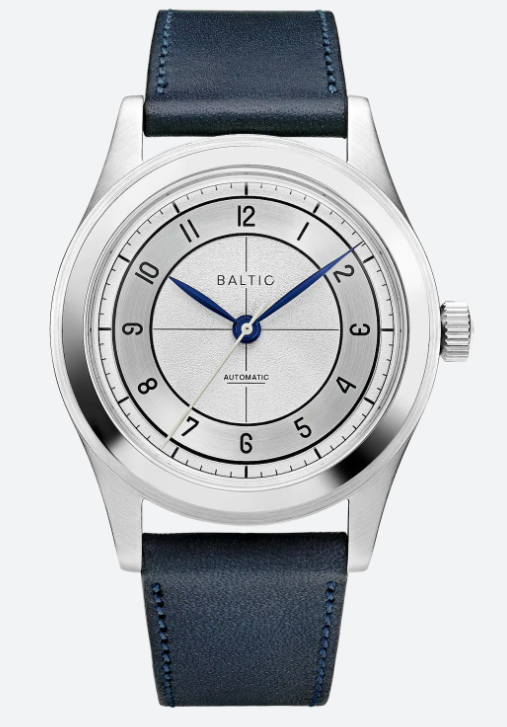
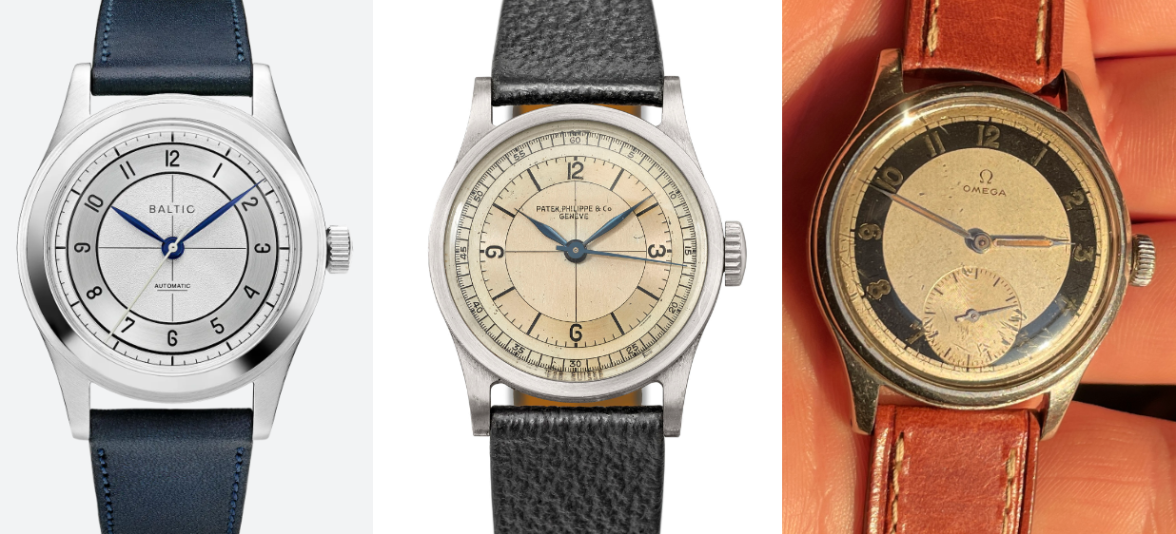
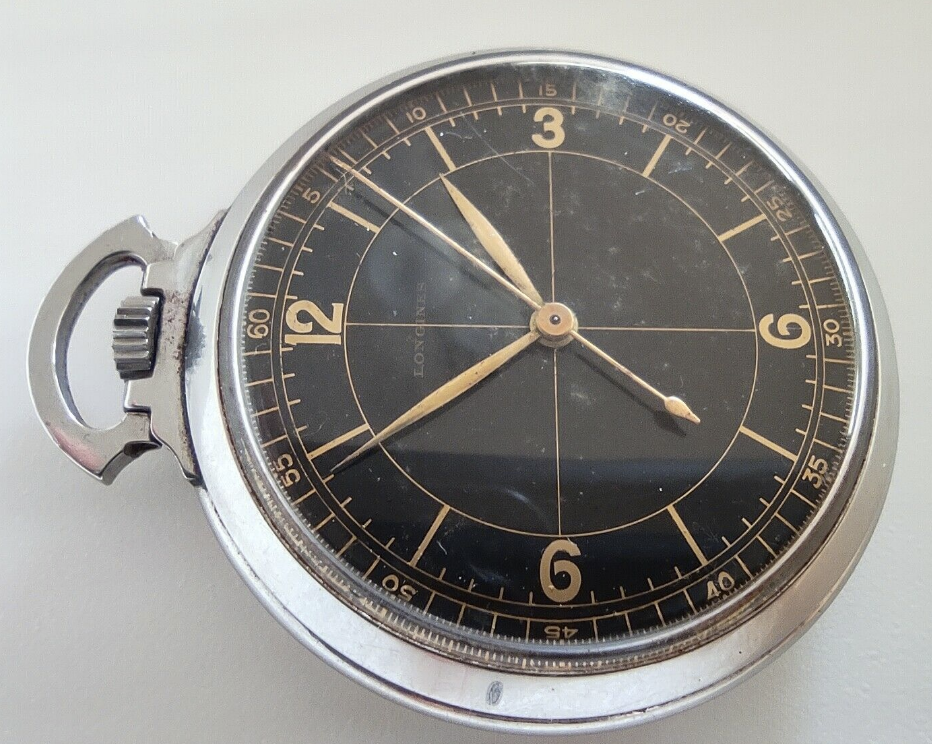
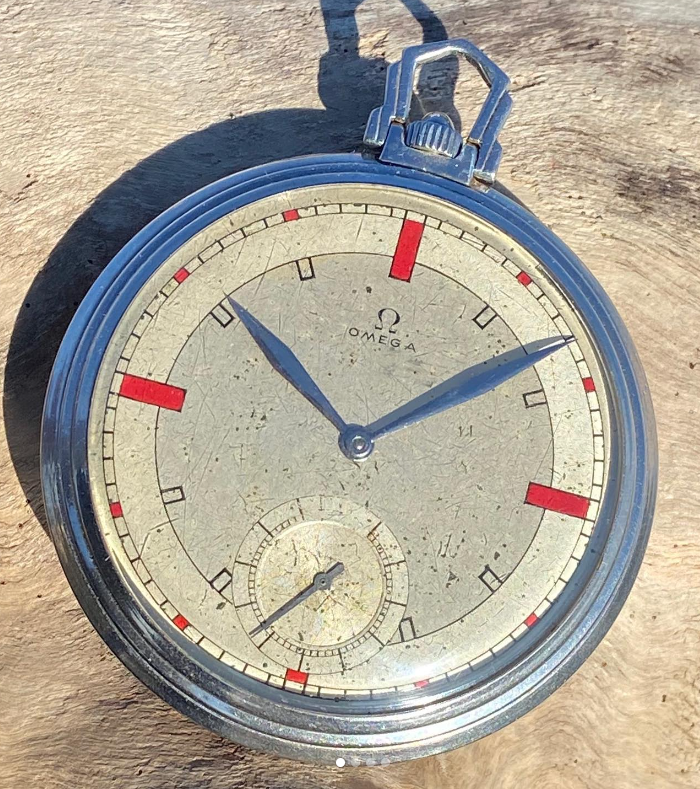
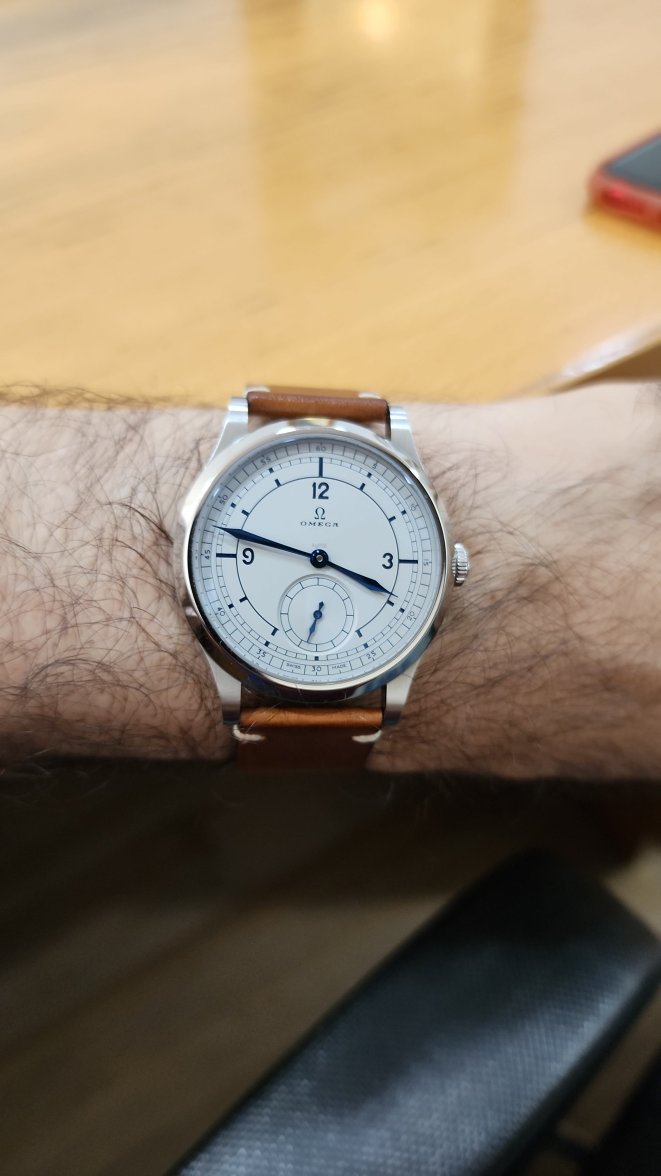
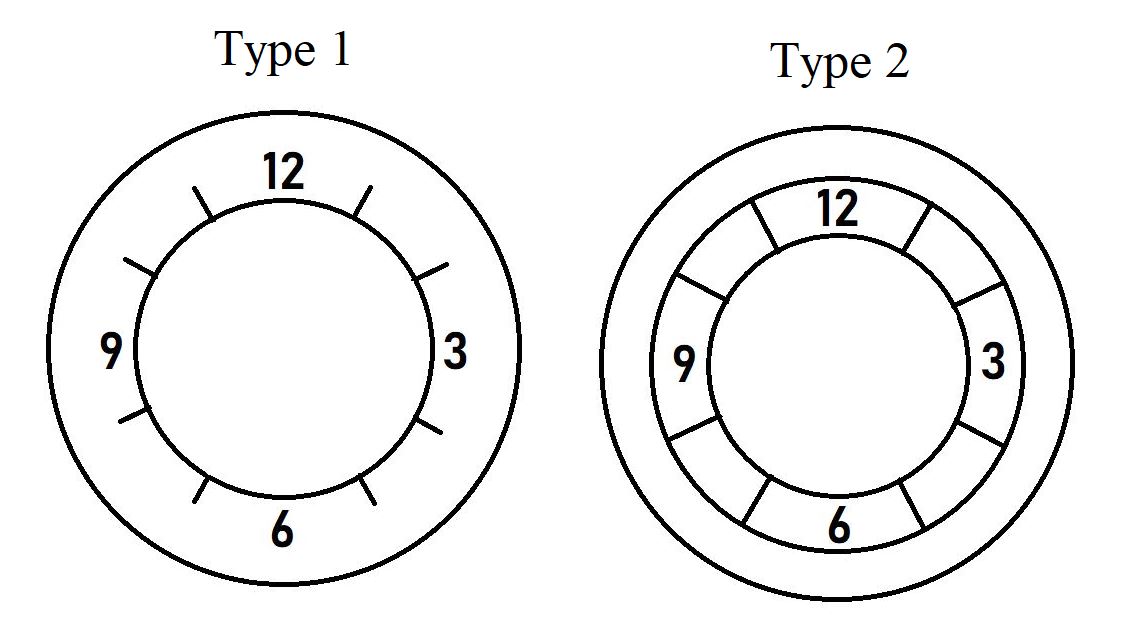
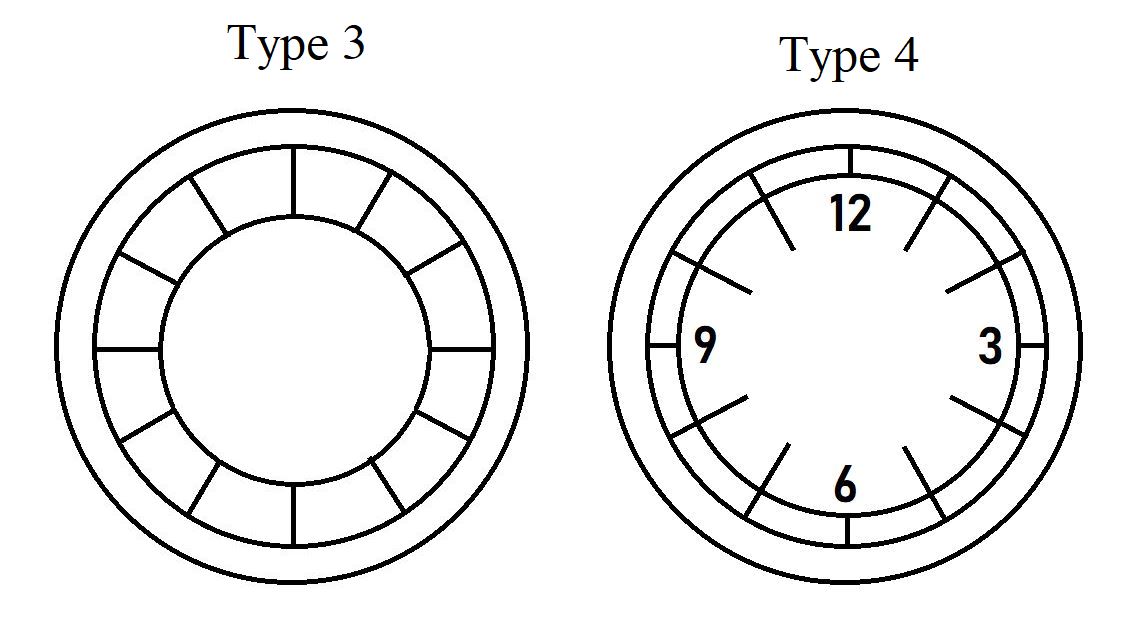
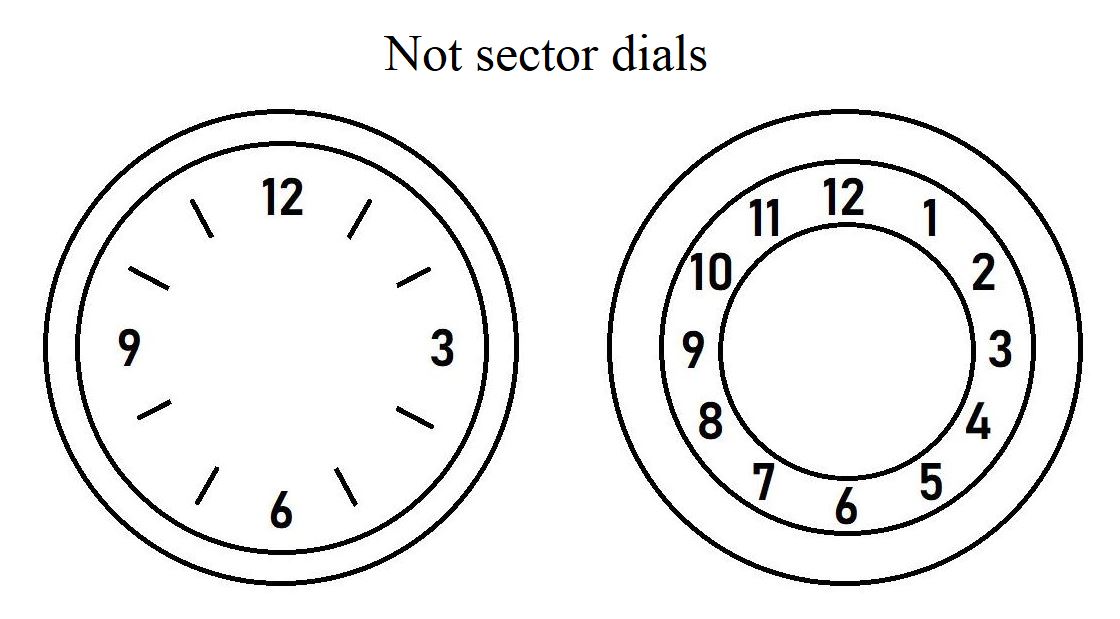
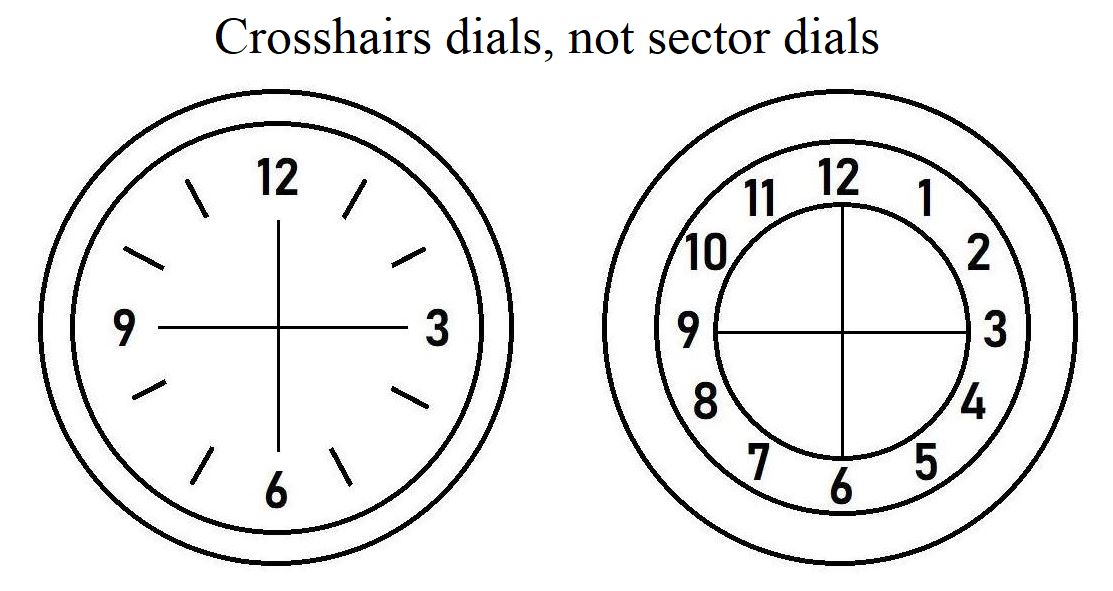
·Over the years, I have seen the term "sector dial" applied to an increasing number of dial designs. I do not know where the term originated from, but my association with it is certain dials from the 1930s and 1940s. These dials combine at least some linear hour markers with a circular element. In my view, the linear hour markers should connect or come very close to the circular element. Of the designs below, I consider Type 1, Type 2, and Type 3 to be archetypal sector dials. On the other hand, Type 4 is on the edge of what I would count as a sector dial. This is because the circular elements of the dial look more like a minute track than part of the hour markers. Dials that are similar in design to Type 4 are prevalent, and I would be reluctant to uniformly call them sector dials.
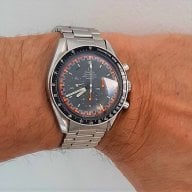
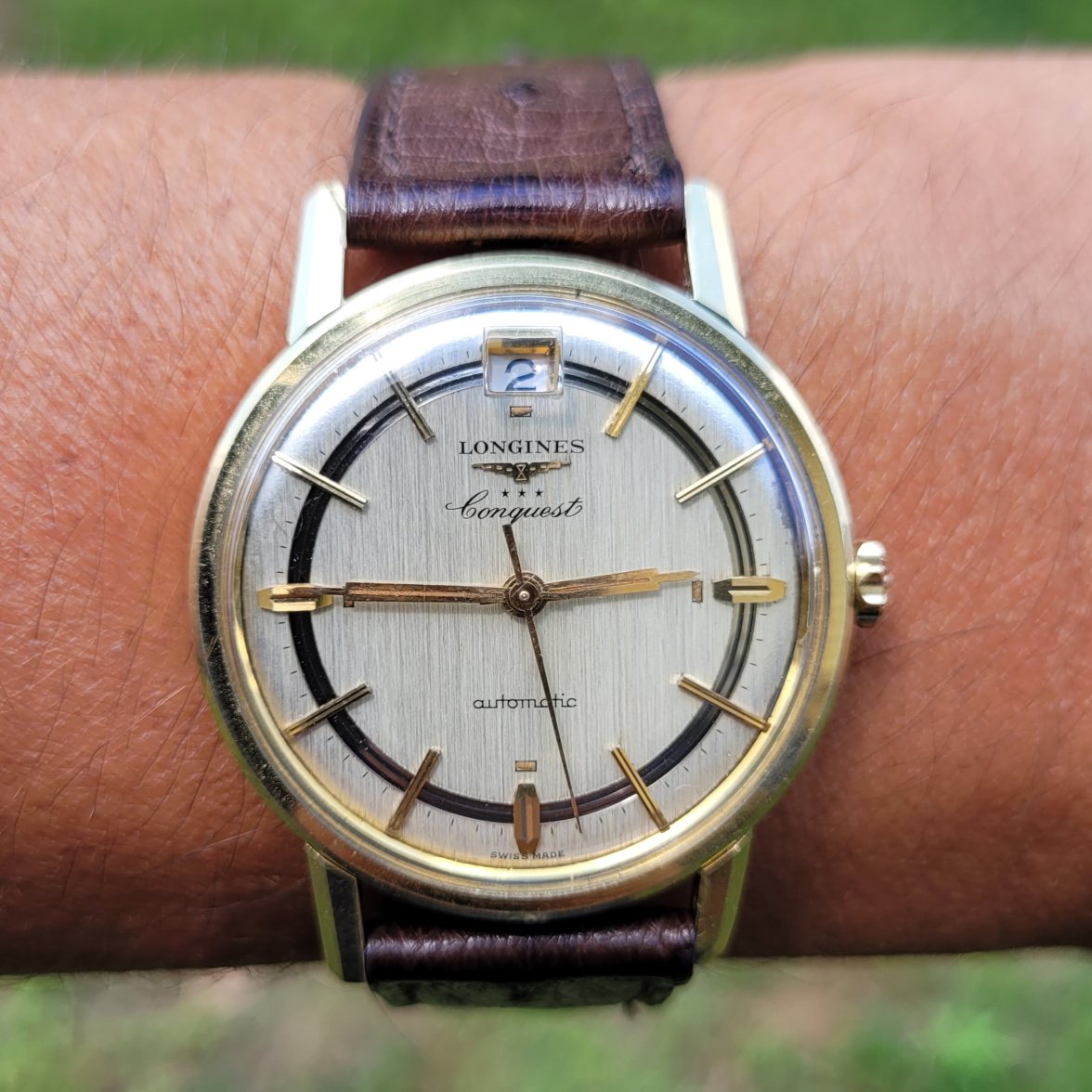
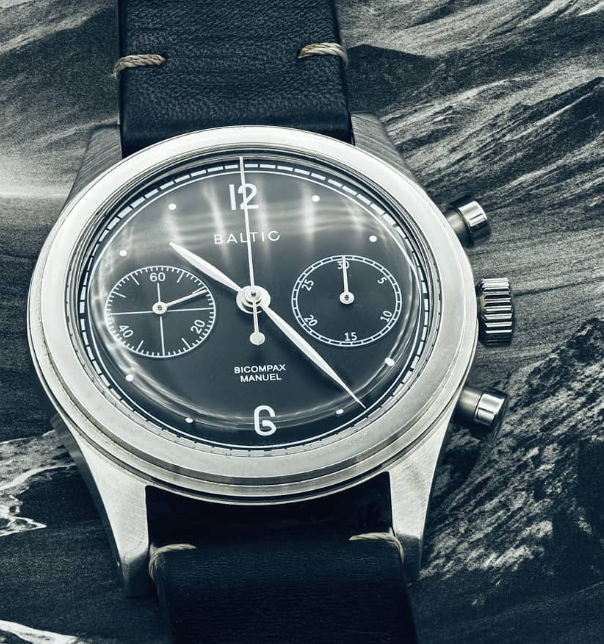
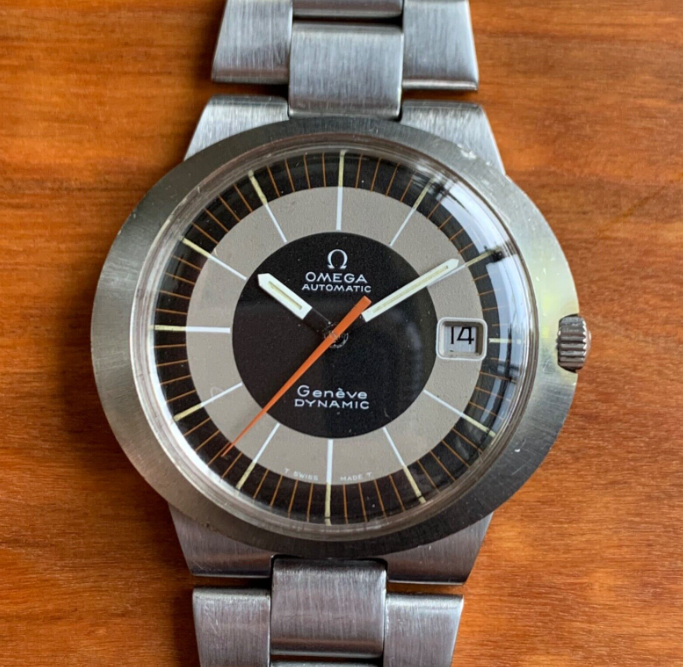
Moving on to dials that I would not consider to be sector dials. Obviously, this category is vast so I have chosen a few dials that might cause confusion. Immediately below are dials that either lack close proximity between the linear hour markers and a circular element (below left), or lack linear hour markers altogether (below right). Further below are the same dials but with the addition of crosshairs. In my view, the presence or absence of crosshairs should have no bearing on whether or not a dial is considered to be a sector dial. Feel free to disagree!
Moving on to dials that I would not consider to be sector dials. Obviously, this category is vast so I have chosen a few dials that might cause confusion. Immediately below are dials that either lack close proximity between the linear hour markers and a circular element (below left), or lack linear hour markers altogether (below right). Further below are the same dials but with the addition of crosshairs. In my view, the presence or absence of crosshairs should have no bearing on whether or not a dial is considered to be a sector dial. Feel free to disagree!