- Posts
- 30,064
- Likes
- 77,618
Archer
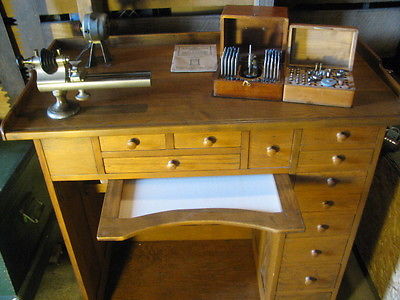
·So the watchmaker's lathe is an invaluable piece of equipment for any watchmaker's shop. I use mine on and off, but lately have been doing a few smaller things, so I thought I'd show some of that for those who might be interested. I received a watch for servicing that wasn't well supported in the case, and only had this flimsy spring holding it all in place:

The case back would press on the tabs, and that was supposed to hold it all solid in the case, but any impact would not end well. I hesitate to even call it a spring it was so thin and ineffective, so I wanted to make a spacer for it. After looking through my usual materials, I didn't have brass that was quite large enough, or some other plastics that I have used in the past, but what I did have was some Lexan sheeting, so step one was cutting out a piece to turn on the lathe. I found the closest hole saw I had to the OD I needed (quite a bit oversize), and cut the sheet:

I then drilled the center hole out large enough for a bolt that would act as a mandrel:

Now I've mounted that in the 3-jaw chuck, and I'm ready to start:

That plan lasted all of about a minute - turns out Lexan is quite difficult to cut, and I had a lot of material to remove. It was really grabbing at the gravers and was stalling out the lathe (belt slipping):

So rather than approach it from the OD, I cut from the face - here I've etched some rough guidelines for the spare, leaving myself a lot of room to fine tune:

Now I'm plunging the graver pretty much straight in from the face, just to remove stock from the OD:

Lots of white makes it difficult to see the details, but I've tried to show where I've cut the deep groove in the face - almost broken through at this point:

And not long after, here is the ring I wanted to cut off - this made a good dry run:

Still had some stock to remove from the OD, but getting there now:

Test fit - perfectly snug fit on the case:

Now I make another face cut to form a doughnut essentially, so I've added some arrows to show the wall thickness of the spacer:

Now that I have the OD and ID thr right sizes, I cut the ring off using a jeweller's saw:

Basically run the lathe, and let the saw do the work:

Here is the rough spacer:

Test fit in the case - looking good:

After some deburring and a thorough cleaning, a test fit with the movement - looks good for ID and OD, but it's a little too thick with the dial taken into account:

Back to the lathe, this time chucking the work from the ID:

Bringing it to the final thickness:

Now I need room for the stem to pass through:

Round file does the job well:

Now done - the flimsy spring has been eliminated, and the movement is very secure in the case:

This wasn't the only lathe work for this specific watch...this one has Kif Trior shock protection, and these are loose shock springs with 3 tabs that are rotated to remove and install them. Easy to remove just with tweezers, but to install them you must compress all three tabs at once, then turn the spring:

Photo from before service by the way. I have used peg wood to make installation tools before, but the one I had on hand was too large, so I decided to make one out of brass rod for this watch:

Turned down the OD, then cut a recess in the very end:

This recess allows clearance for the cap jewel, so I can press down just on the very edges of the shock spring:

And here it is in action - worked great:

I have cut various types of materials on the lathe, so brass, steels (including stainless), but I have to say that Lexan was ugly. Tips of my fingers were sore from the graver getting so hot I couldn't hold it. Never had that happen with any other material, so I'll find some better stock for future spacers I think.
Cheers, Al

The case back would press on the tabs, and that was supposed to hold it all solid in the case, but any impact would not end well. I hesitate to even call it a spring it was so thin and ineffective, so I wanted to make a spacer for it. After looking through my usual materials, I didn't have brass that was quite large enough, or some other plastics that I have used in the past, but what I did have was some Lexan sheeting, so step one was cutting out a piece to turn on the lathe. I found the closest hole saw I had to the OD I needed (quite a bit oversize), and cut the sheet:

I then drilled the center hole out large enough for a bolt that would act as a mandrel:

Now I've mounted that in the 3-jaw chuck, and I'm ready to start:

That plan lasted all of about a minute - turns out Lexan is quite difficult to cut, and I had a lot of material to remove. It was really grabbing at the gravers and was stalling out the lathe (belt slipping):

So rather than approach it from the OD, I cut from the face - here I've etched some rough guidelines for the spare, leaving myself a lot of room to fine tune:

Now I'm plunging the graver pretty much straight in from the face, just to remove stock from the OD:

Lots of white makes it difficult to see the details, but I've tried to show where I've cut the deep groove in the face - almost broken through at this point:

And not long after, here is the ring I wanted to cut off - this made a good dry run:

Still had some stock to remove from the OD, but getting there now:

Test fit - perfectly snug fit on the case:

Now I make another face cut to form a doughnut essentially, so I've added some arrows to show the wall thickness of the spacer:

Now that I have the OD and ID thr right sizes, I cut the ring off using a jeweller's saw:

Basically run the lathe, and let the saw do the work:

Here is the rough spacer:

Test fit in the case - looking good:

After some deburring and a thorough cleaning, a test fit with the movement - looks good for ID and OD, but it's a little too thick with the dial taken into account:

Back to the lathe, this time chucking the work from the ID:

Bringing it to the final thickness:

Now I need room for the stem to pass through:

Round file does the job well:

Now done - the flimsy spring has been eliminated, and the movement is very secure in the case:

This wasn't the only lathe work for this specific watch...this one has Kif Trior shock protection, and these are loose shock springs with 3 tabs that are rotated to remove and install them. Easy to remove just with tweezers, but to install them you must compress all three tabs at once, then turn the spring:

Photo from before service by the way. I have used peg wood to make installation tools before, but the one I had on hand was too large, so I decided to make one out of brass rod for this watch:

Turned down the OD, then cut a recess in the very end:

This recess allows clearance for the cap jewel, so I can press down just on the very edges of the shock spring:

And here it is in action - worked great:

I have cut various types of materials on the lathe, so brass, steels (including stainless), but I have to say that Lexan was ugly. Tips of my fingers were sore from the graver getting so hot I couldn't hold it. Never had that happen with any other material, so I'll find some better stock for future spacers I think.
Cheers, Al