- Posts
- 3
- Likes
- 3
QQirQQ
·Given the expertise I found on this forum I thought I'd give this a try.
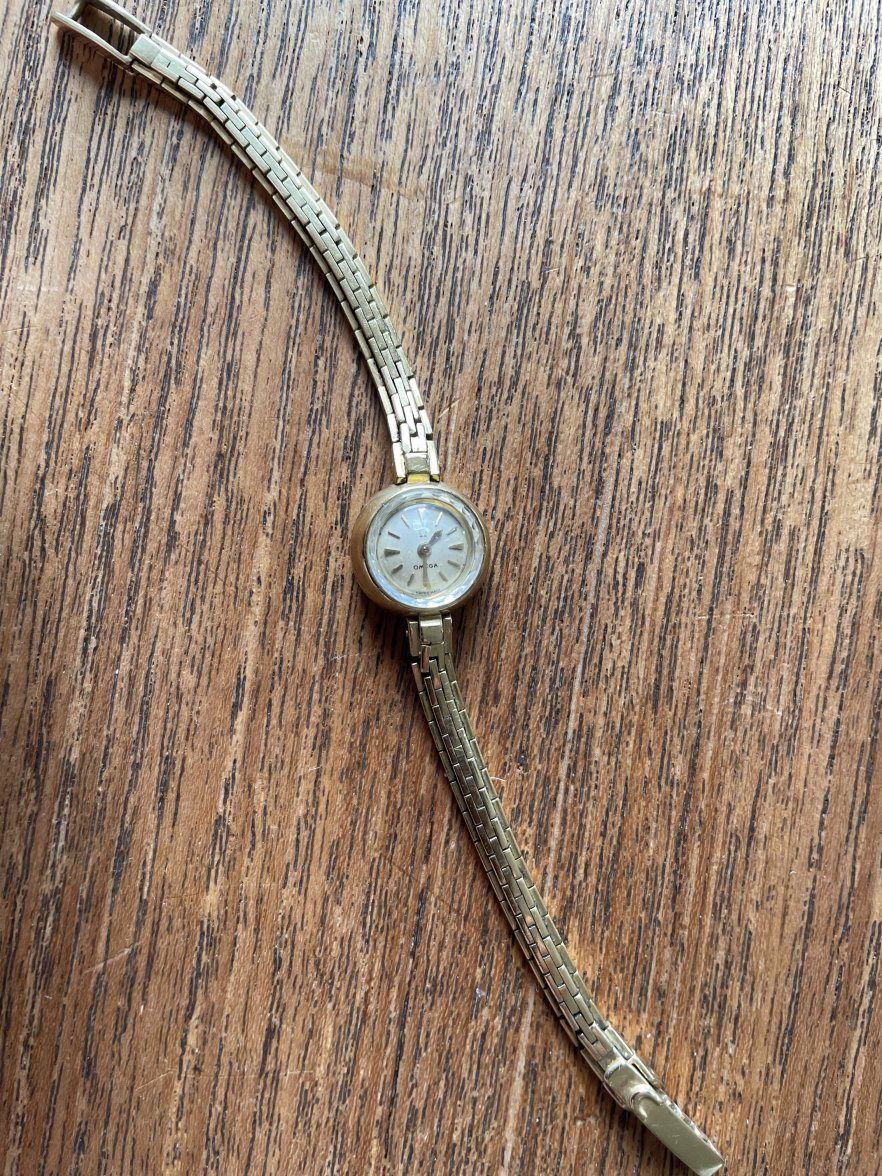
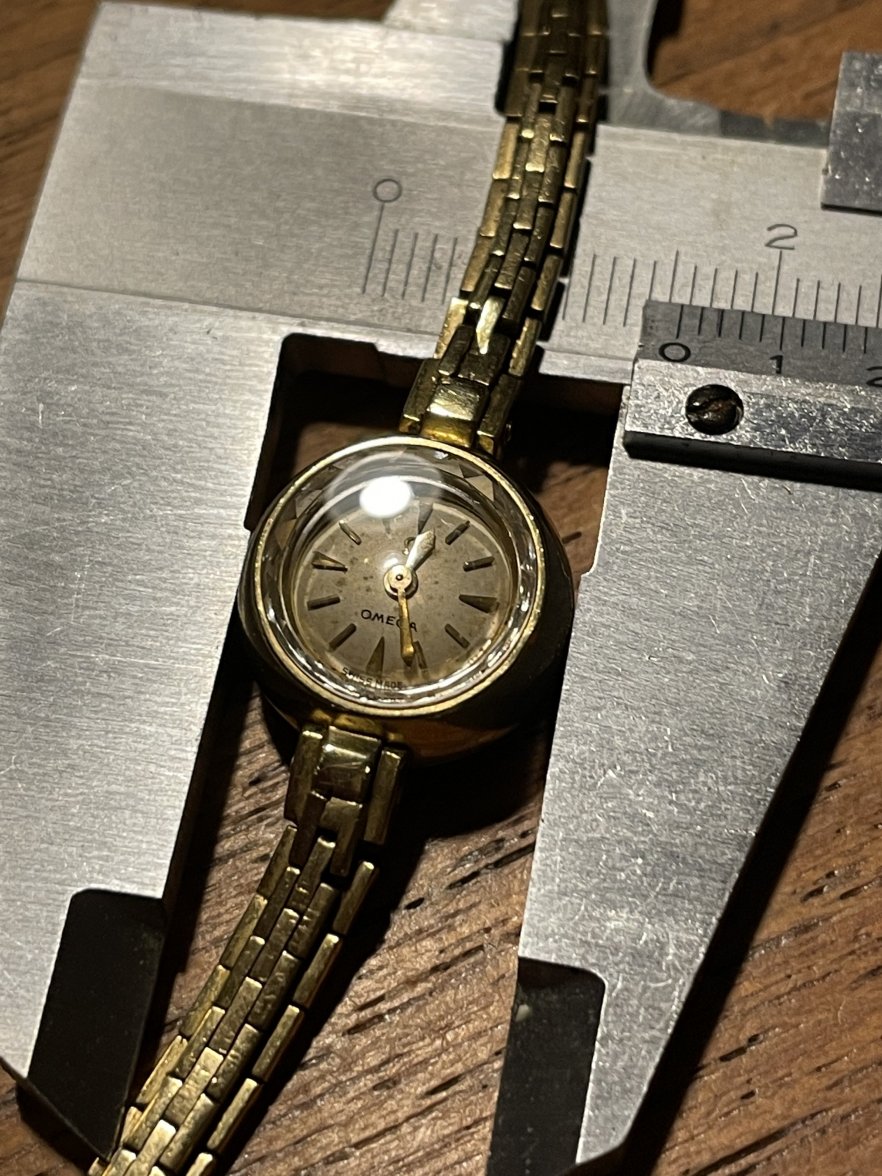
My mother passed away last year and I ran into this forgotten watch when cleaning up her house. Probably bought late 50's or early 60's, probably somewhere in the Caribbean. Runs fine, but for short periods of time (just 5-6 hours or so, but perhaps I'm just too careful trying not to overwind it). Could use some internal cleaning I suppose. Like the dial, that shows a few tiny spots.
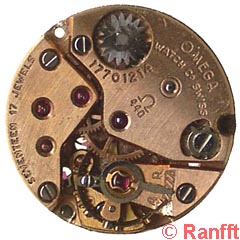
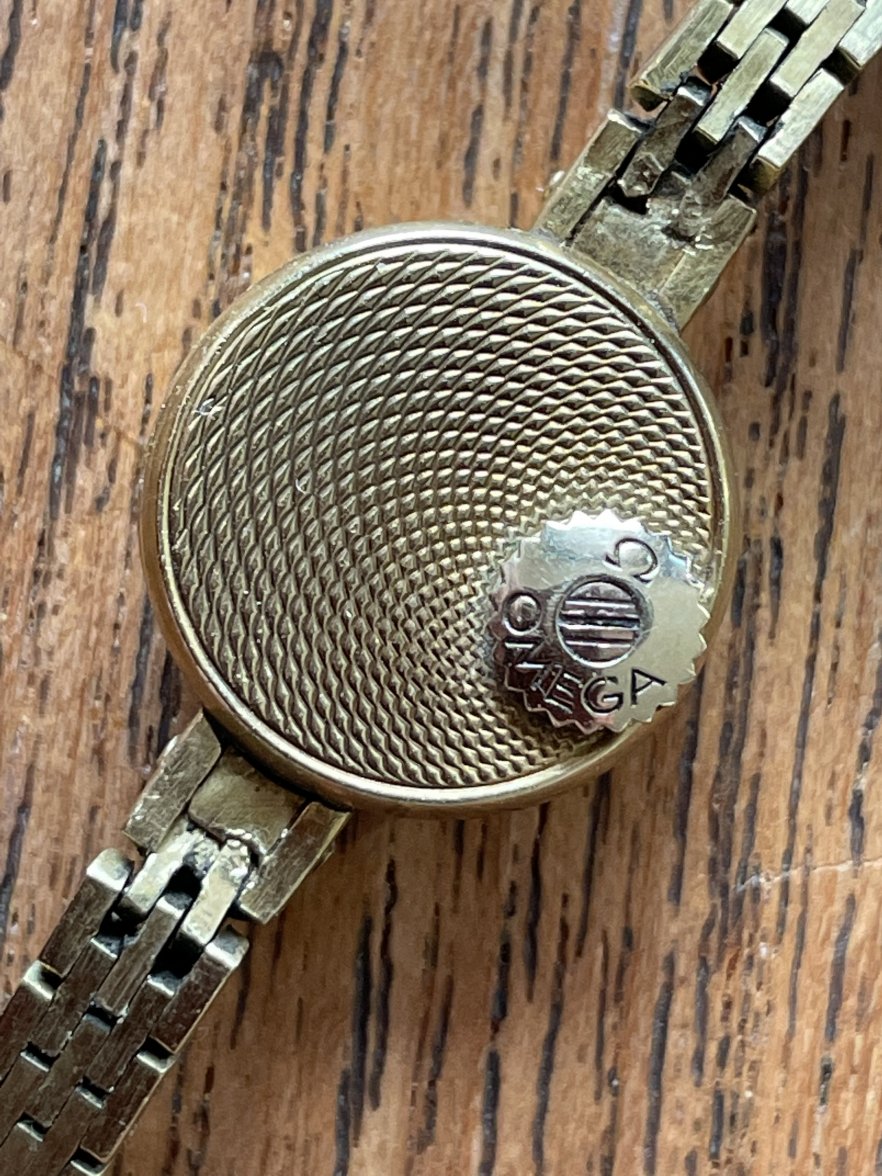
I'm aware that the backplate needs to come off for proper identification, but all the instructions I've read thus far are side-wound in stead of this unusual back-wound watch. It is tiny: 15.5mm at its widest point of the case.
I've spend a good few hours trying to find out more about this watch but couldn't find much. The closest I found was this one, obviously also without serial number or other type or series indication.
https://watchestobuy.com/shop/omega-solid-gold-rare-cocktail-watch-1950s/
Right, pictures then. I'd be grateful for anyone's thoughts. Especially in terms of: would regular watchmakers know how to handle this micro thing or would it require a specialist? And is it worth the investment of having it serviced? I'm not interested in selling it, and although I'd never wear it I have it anyway, so I thought I might as well bring it back in good shape. Ideally I'd turn it into a project and do it myself; I like such challenges. But man, this thing is so tiny!

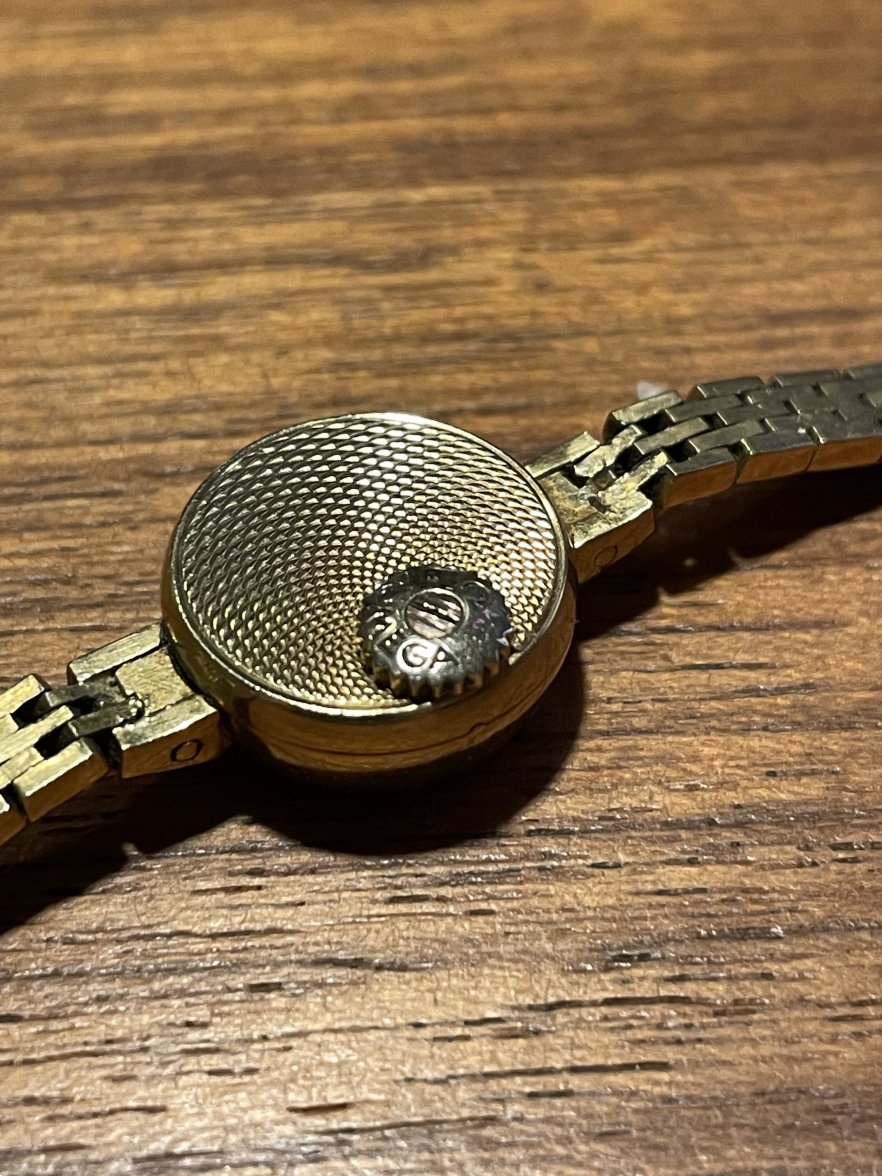

My mother passed away last year and I ran into this forgotten watch when cleaning up her house. Probably bought late 50's or early 60's, probably somewhere in the Caribbean. Runs fine, but for short periods of time (just 5-6 hours or so, but perhaps I'm just too careful trying not to overwind it). Could use some internal cleaning I suppose. Like the dial, that shows a few tiny spots.
I'm aware that the backplate needs to come off for proper identification, but all the instructions I've read thus far are side-wound in stead of this unusual back-wound watch. It is tiny: 15.5mm at its widest point of the case.
I've spend a good few hours trying to find out more about this watch but couldn't find much. The closest I found was this one, obviously also without serial number or other type or series indication.
https://watchestobuy.com/shop/omega-solid-gold-rare-cocktail-watch-1950s/
Right, pictures then. I'd be grateful for anyone's thoughts. Especially in terms of: would regular watchmakers know how to handle this micro thing or would it require a specialist? And is it worth the investment of having it serviced? I'm not interested in selling it, and although I'd never wear it I have it anyway, so I thought I might as well bring it back in good shape. Ideally I'd turn it into a project and do it myself; I like such challenges. But man, this thing is so tiny!
Edited: