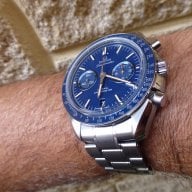
- Posts
- 1,530
- Likes
- 3,594
Stufflers Mom
·
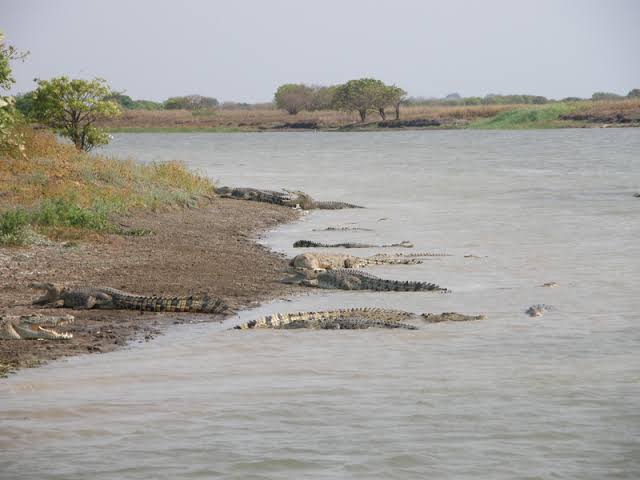
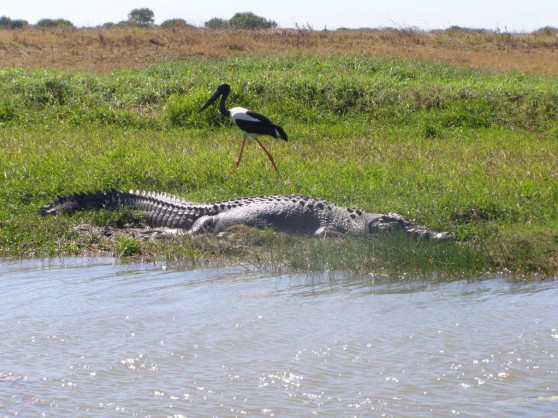
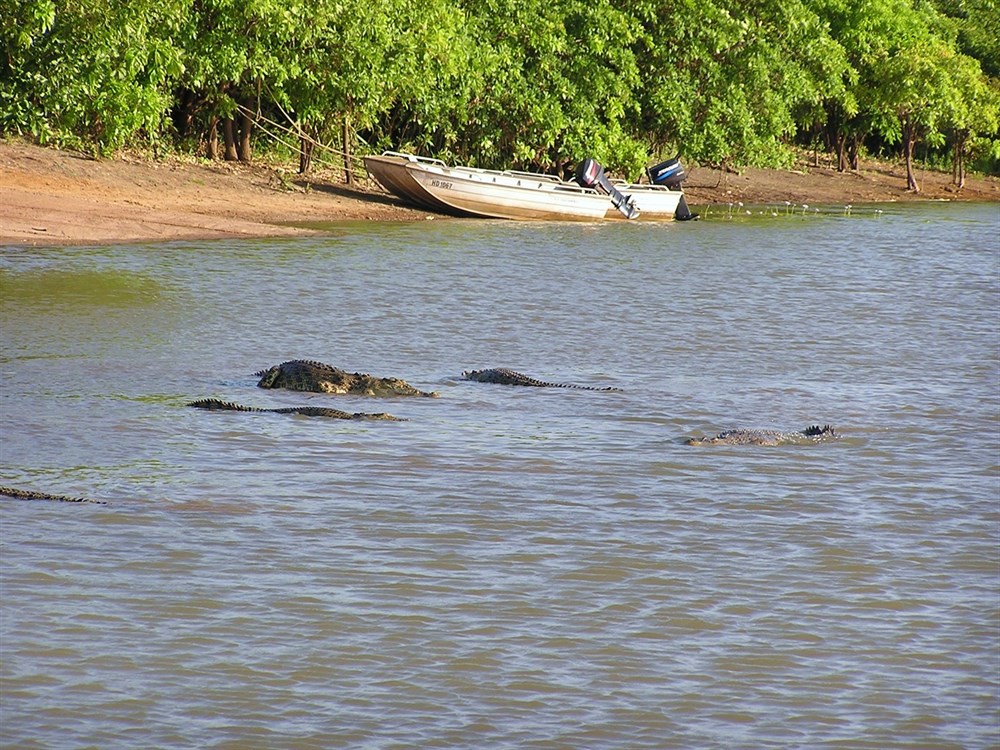
By the looks of things you might be safer at 50m down.
Please consider donating to help offset our high running costs.



Please someone lock this thread as it spins relentlessly around the toilet bowl of inanity.
If you don't trust Omega, don't wear your Speedy in the water. If you do and your watch has been serviced somewhat recently (or is fairly new), go for it! The need for people to control each other's actions about how they treat THEIR watches is just getting silly.



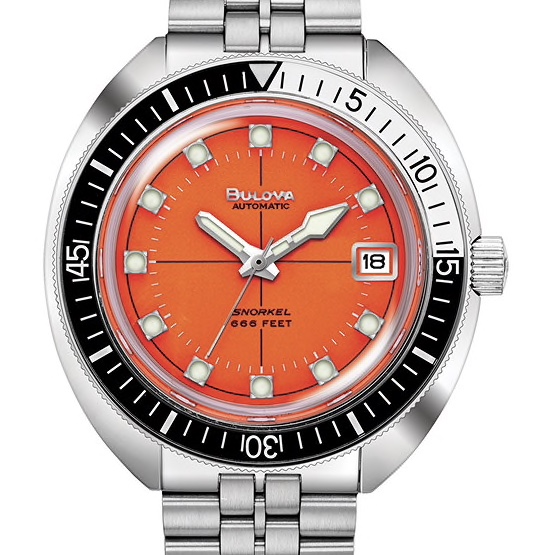
Please lock it- my liver can’t take anymore and I’m running out of web picks of Bulova’s to grab.

50m water resistance = water resistant to 50m
Since it's not likely that someone is going snorkeling to 50m and providing photos, let's look at some actual testing. Here's a case for a 145022-69 that is in the shop for a service - movement is waiting for parts, but the case needed new pushers, crystal, case back gasket, and crown, so all those were installed yesterday:
Off to the room where my wet testing equipment (approved by Omega) is located, along with the lathe, cleaning machines, etc.:
The testing chamber is filled with water, the case is placed in the holder, and the holder is placed into the chamber:
The water level is topped off:
The lid is placed on the chamber and clamped in place:
Now Omega only requires that this test is done on watches that have much higher water resistance than a Speedmaster does, so the gauge is not great at low pressures, so depending on how you read this, it's either 7.5 bar, or 12.5 bar...so either way well in excess of the 5 bar rating that Omega states:
Shot of the watch in the chamber with the gauge visible:
Since this is not a dive watch, I leave it in for 15 minutes - longer than most can hold their breath snorkeling:
Here it is before I remove the watch:
I place the watch on the heating plate, and over the next 30 minutes the temperature will rise to approx. 47 C:
After 30 minutes, I place a drop of room temperature water on the crystal, and let it sit for 1 minute:
I then wipe it away and look for condensation - none seen using a loupe, and the watch passed the testing:
I'm under no illusions that this will satisfy the troll, but for anyone who is willing to listen to reason, I hope you find this useful.
Again no one is claiming the Speedmaster is suitable for diving, and no one is saying you should or shouldn't take the watch into the water - that's a decision everyone has to make for themselves. But the fact is, when properly maintained, the Speedmaster has 50m of water resistance.
Cheers, Al

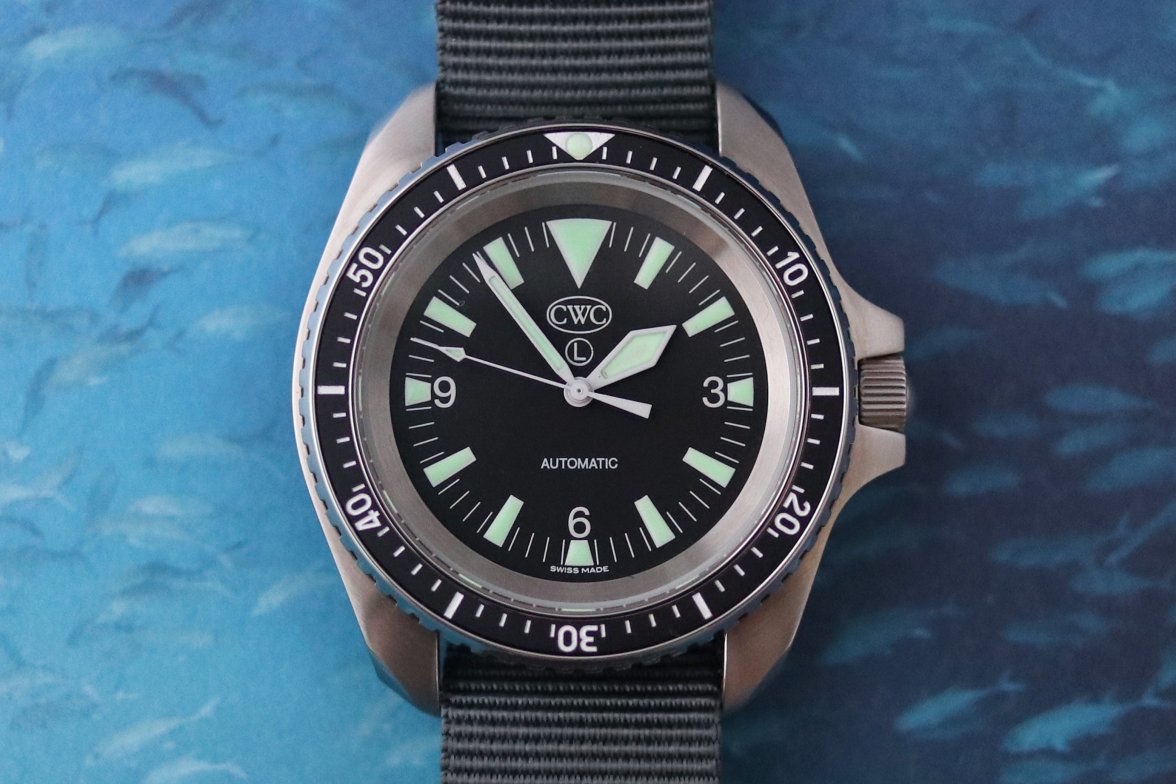
Correct, but please don’t wear a snorkel, this may invalidate your warranty.
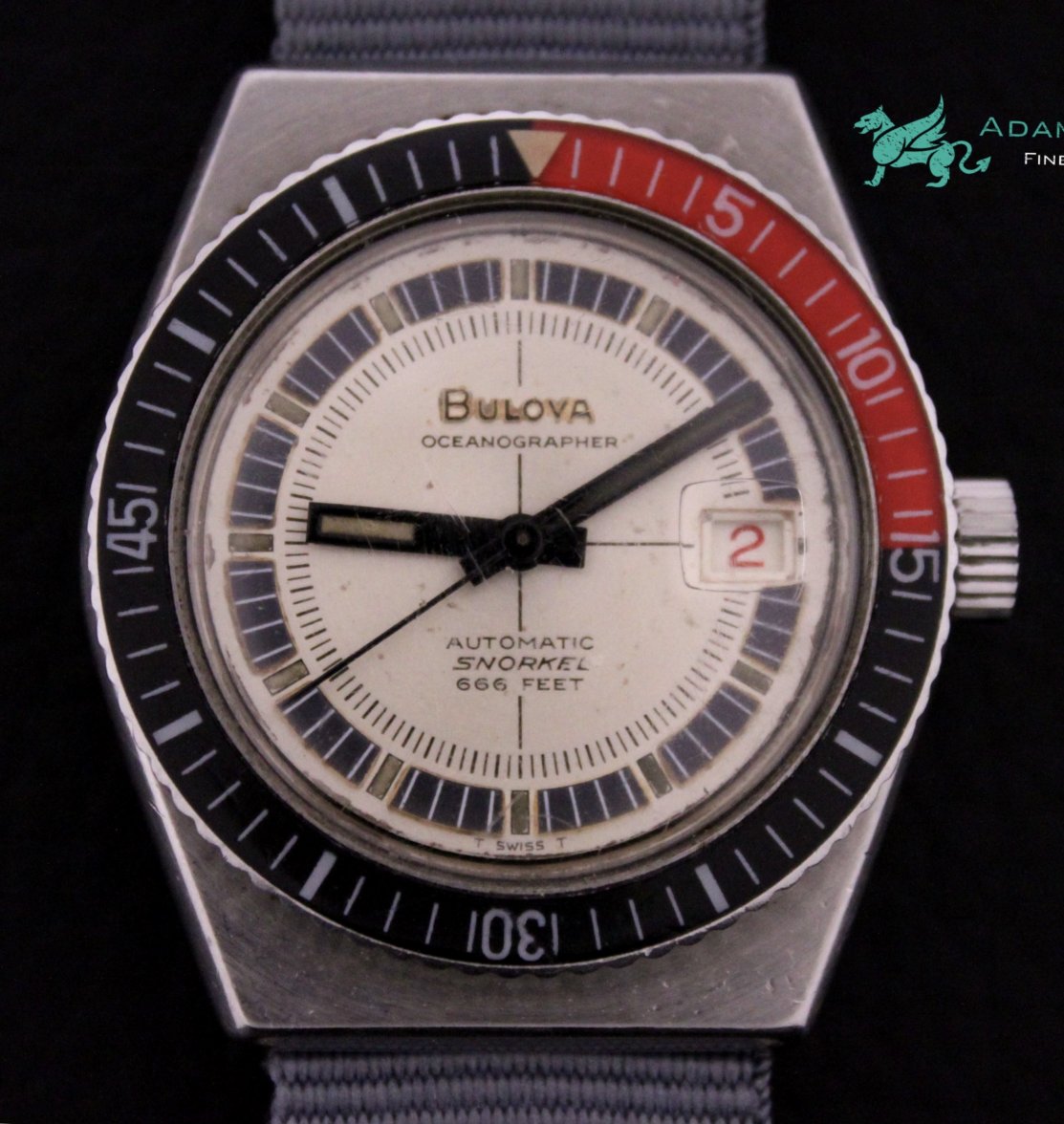
Doing a Padi certification at the moment - having a snorkel with you is a requirement. 😉
Tricky........ ok, wear snorkel, place watch in water and pressure proof container strap to jacket, re-calculate weight requirement - shed some lead - and do not open until resurfaced.
Best not to go below 30m unless you have done Advanced Padi.
Ok I'm a bit confused reading through this post. I thought 50m water resistant meant basically "splash resistant" i.e. washing hands, getting lightly rained on, etc.
I've always been told that the actual numbers don't mean that's how deep into water the watch can go. You guys are nutso if you're wearing vintage speedys in the pool, recently serviced or not..
Since it's not likely that someone is going snorkeling to 50m and providing photos, let's look at some actual testing. Here's a case for a 145022-69 that is in the shop for a service - movement is waiting for parts, but the case needed new pushers, crystal, case back gasket, and crown, so all those were installed yesterday:
Off to the room where my wet testing equipment (approved by Omega) is located, along with the lathe, cleaning machines, etc.:
The testing chamber is filled with water, the case is placed in the holder, and the holder is placed into the chamber:
The water level is topped off:
The lid is placed on the chamber and clamped in place:
Now Omega only requires that this test is done on watches that have much higher water resistance than a Speedmaster does, so the gauge is not great at low pressures, so depending on how you read this, it's either 7.5 bar, or 12.5 bar...so either way well in excess of the 5 bar rating that Omega states:
Shot of the watch in the chamber with the gauge visible:
Since this is not a dive watch, I leave it in for 15 minutes - longer than most can hold their breath snorkeling:
Here it is before I remove the watch:
I place the watch on the heating plate, and over the next 30 minutes the temperature will rise to approx. 47 C:
After 30 minutes, I place a drop of room temperature water on the crystal, and let it sit for 1 minute:
I then wipe it away and look for condensation - none seen using a loupe, and the watch passed the testing:
I'm under no illusions that this will satisfy the troll, but for anyone who is willing to listen to reason, I hope you find this useful.
Again no one is claiming the Speedmaster is suitable for diving, and no one is saying you should or shouldn't take the watch into the water - that's a decision everyone has to make for themselves. But the fact is, when properly maintained, the Speedmaster has 50m of water resistance.
Cheers, Al

Wow, you are persistent. No one said a Speedmaster was a dive watch. You’re arguing with yourself.
Tom
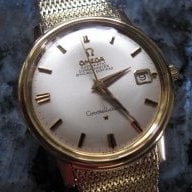
In another thread where people were complaining about the paultry 1atm waterproof rating of a Glycine Airman, a response I loved (to paraphrase) was if a pilot’s watch is submerged in water- there are bigger issues than worrying about how waterproof your watch is.


