- Posts
- 3,819
- Likes
- 16,168
Fritz
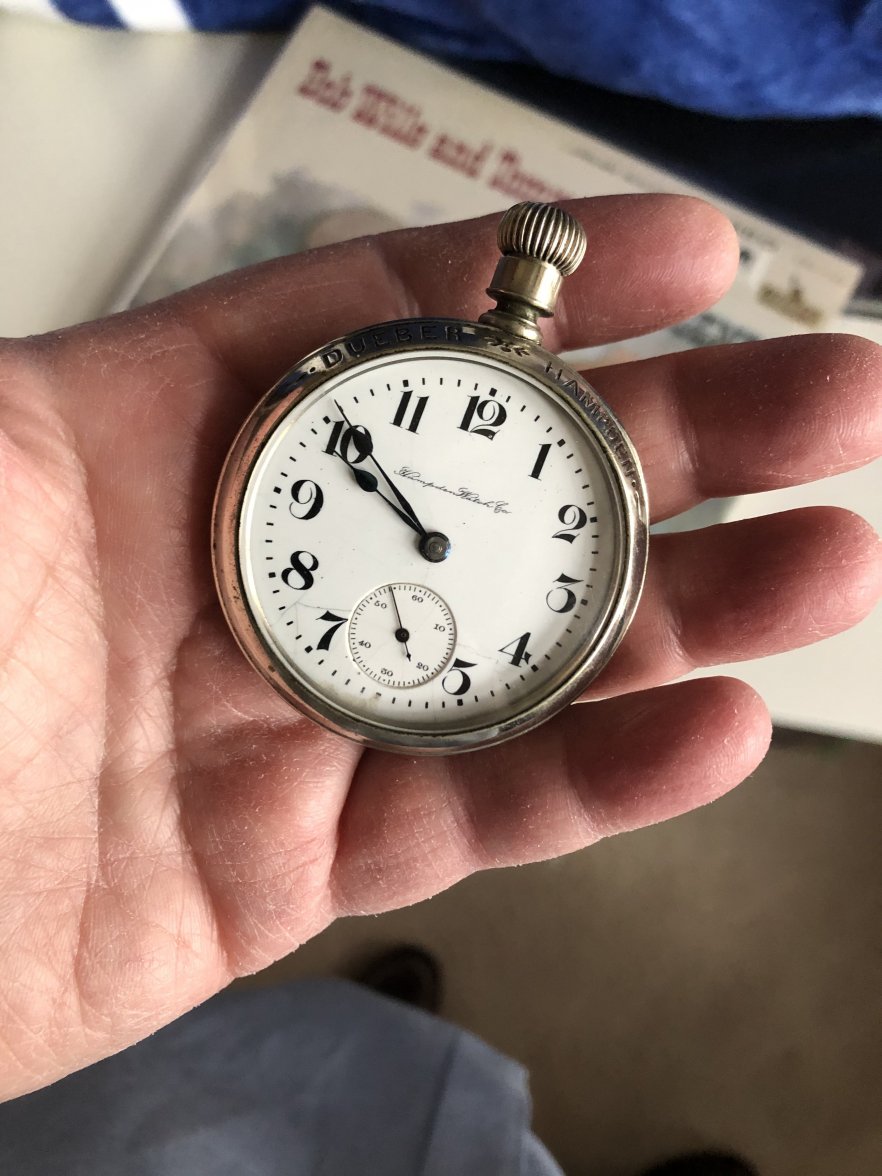
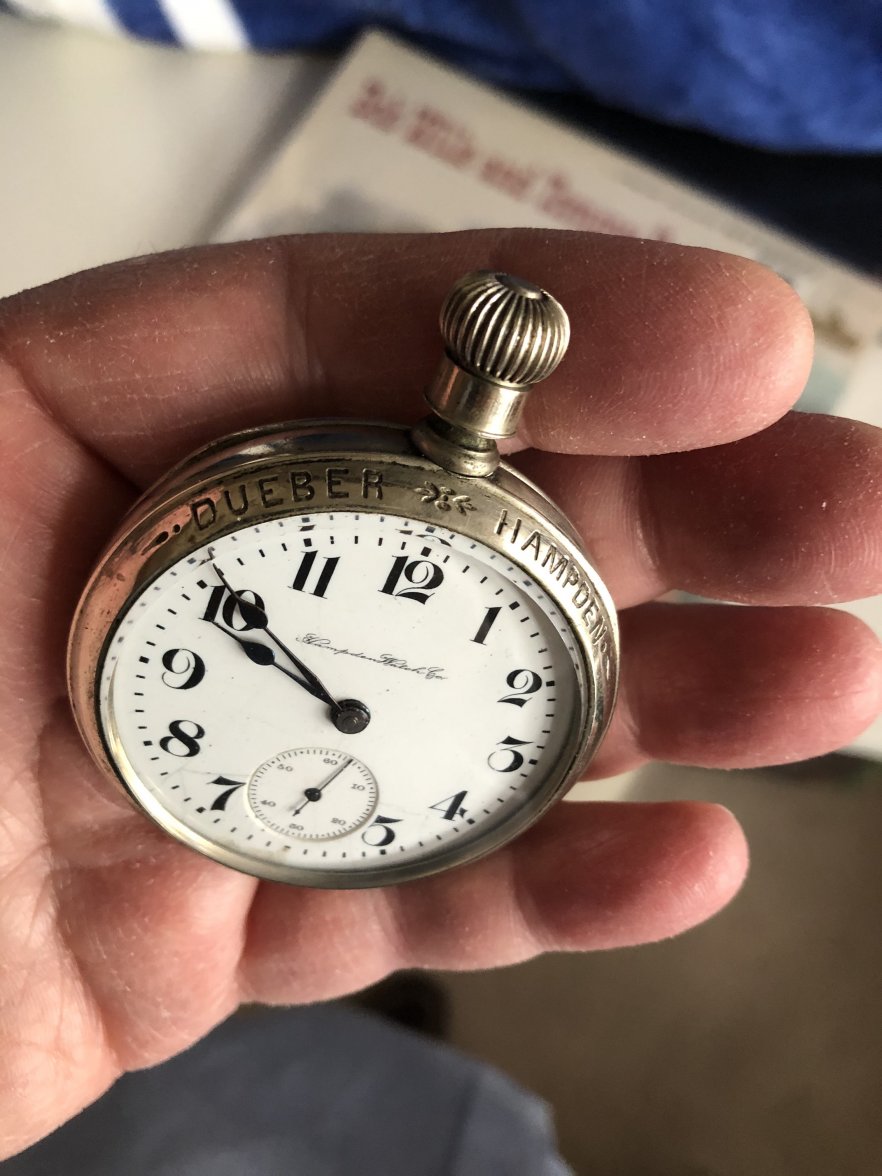
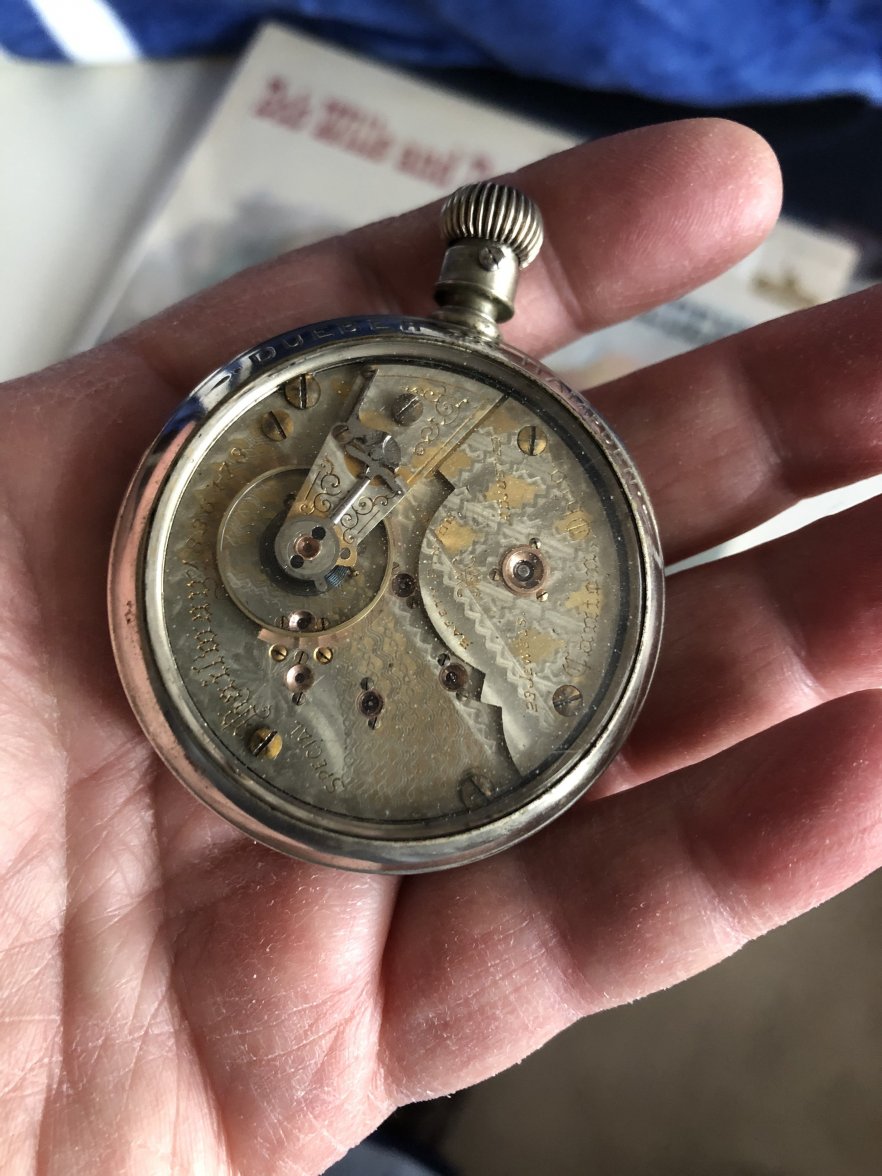
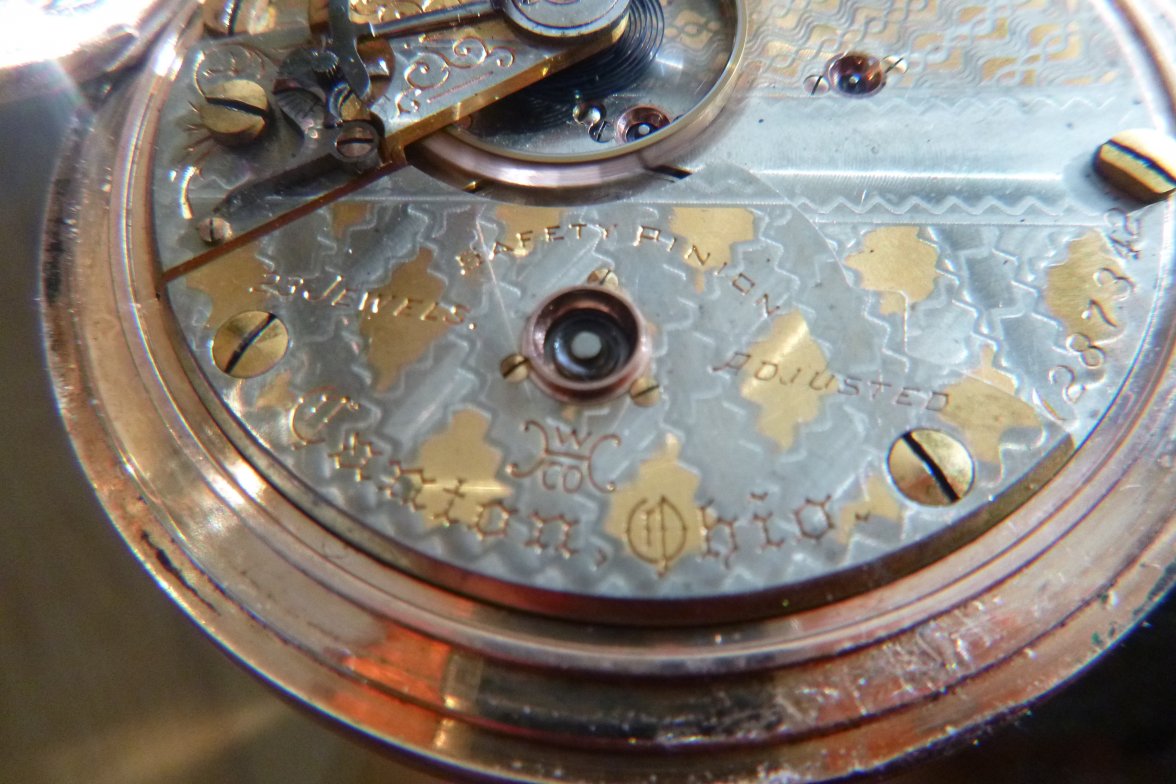
·Below is my "new" 23 jewel Hampden Special Railway, Deuber-Hampden's top of the line railway watch when it was made around 1899. Yeah it is pretty grungy, so its headed into the watchmaker's shop pretty quickly.
Dueber-Hampden lasted as one of America's larger watch factories from the mid 1870s until it closed down at the start of the great depression. The company was purchased by a Soviet concern and, along with the Ansonia clock company, packed of to the Soviet Union where the government wished to start up their own industry. Some American employees went to the USSR on short term contracts to show the new owners how it was done and so the First State Watch Factory was born.
That is until the German's gave the Russians a reason to pack it up and move it beyond the Urals for a few years. When that unfortunate time was over with, the Russians moved it back west where it became the First Moscow Watch Factory.
This concern went on to produce watches under several names including Sturmanski (Navigator's) and Poljot.
Sturmanski was the watch on Gagaran's wrist when he became the first man in space. It was also the first watch on a walk in space. The company also produced movements for pretty much everything used on the early Soviet space program as well as a lot of the Soviet navy's chronometers. So we've reach this weird spot where a team of Americans living in the Soviet Union showed the Soviets how to make their first watches so they in turn could make the first pieces to go into space.
WTF...
meanwhile... back to the Special Railway.
check out the gilt screws, gold mounted jewels, rack & pinion regulator, two tone demaskening and the size of that friggin jewel on the barrel! Crazy stuff that will make @Maddog drool!
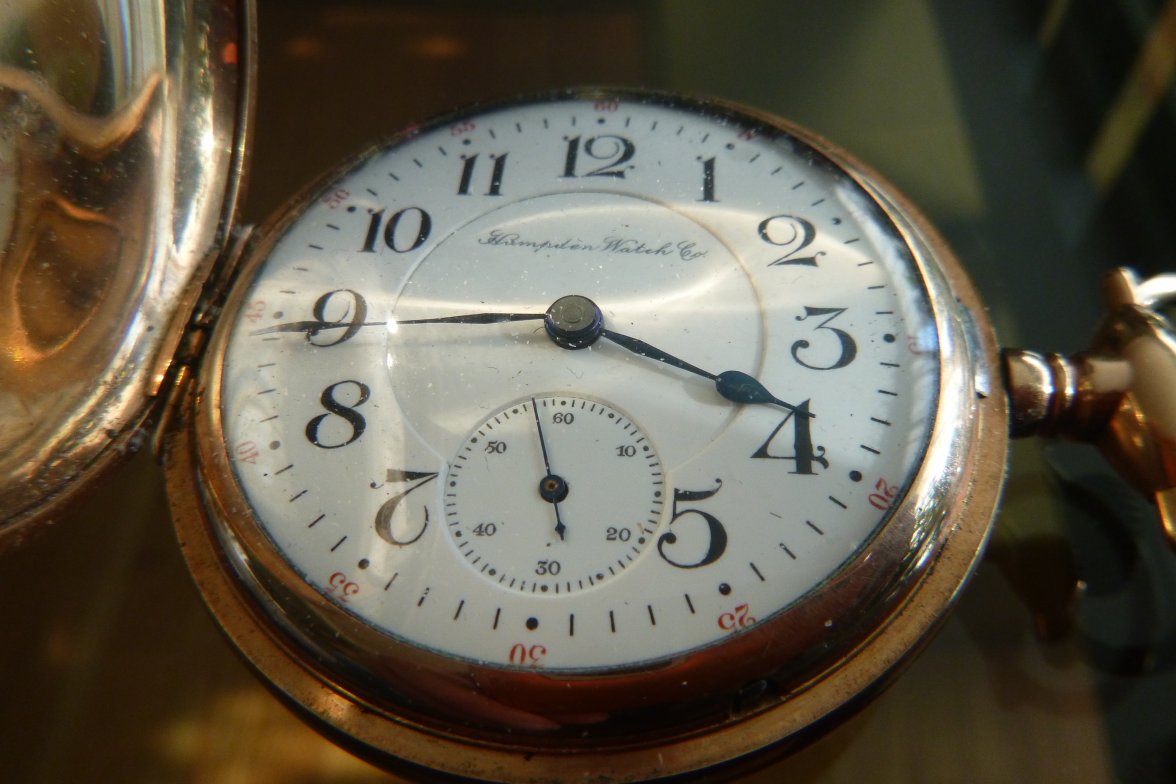
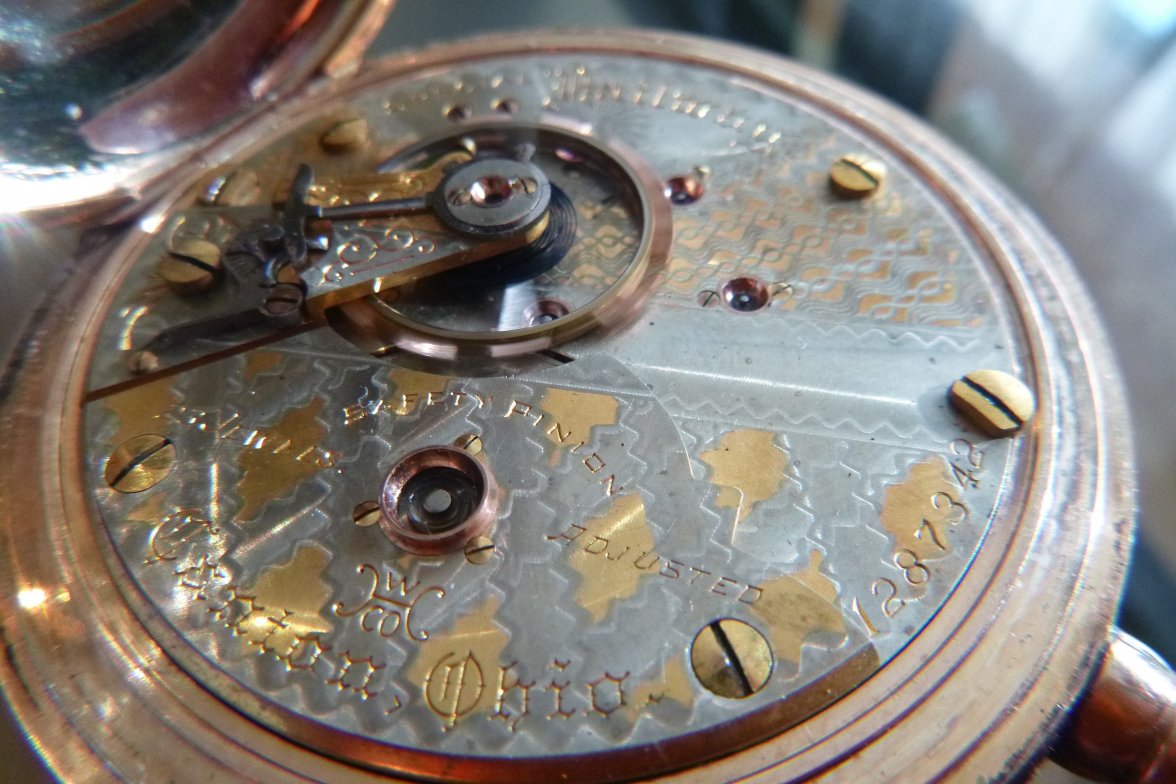
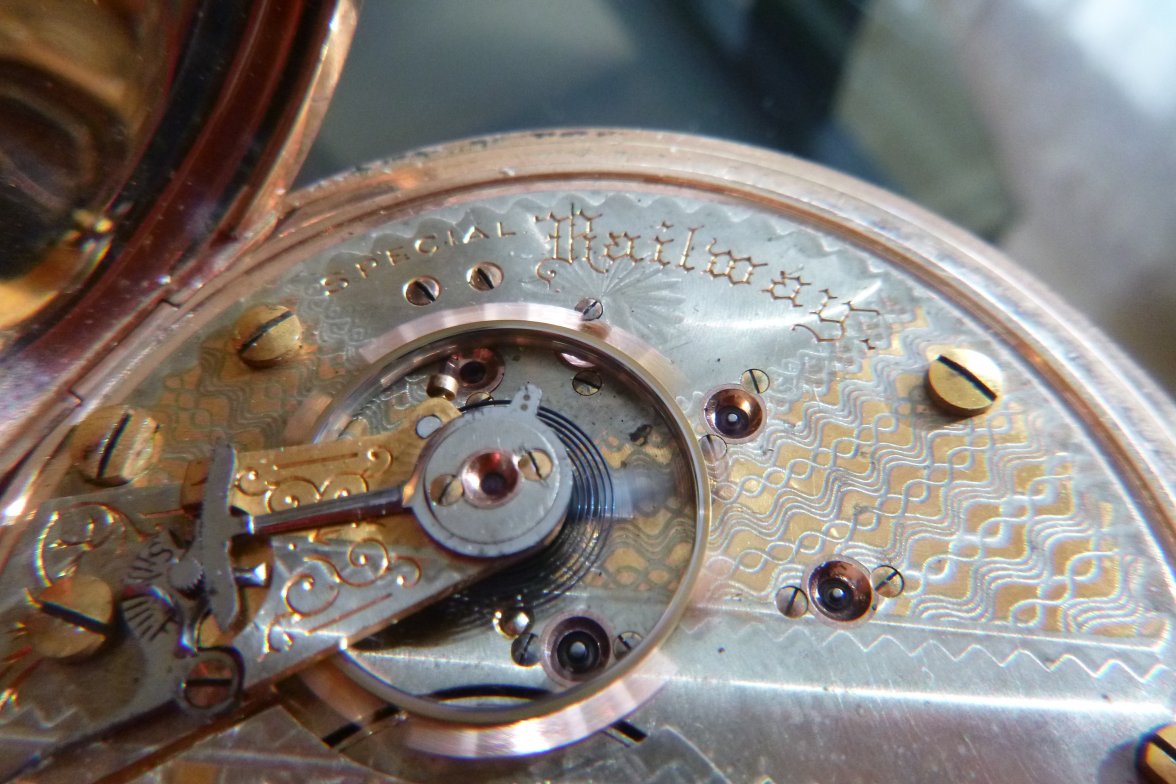
Dueber-Hampden lasted as one of America's larger watch factories from the mid 1870s until it closed down at the start of the great depression. The company was purchased by a Soviet concern and, along with the Ansonia clock company, packed of to the Soviet Union where the government wished to start up their own industry. Some American employees went to the USSR on short term contracts to show the new owners how it was done and so the First State Watch Factory was born.
That is until the German's gave the Russians a reason to pack it up and move it beyond the Urals for a few years. When that unfortunate time was over with, the Russians moved it back west where it became the First Moscow Watch Factory.
This concern went on to produce watches under several names including Sturmanski (Navigator's) and Poljot.
Sturmanski was the watch on Gagaran's wrist when he became the first man in space. It was also the first watch on a walk in space. The company also produced movements for pretty much everything used on the early Soviet space program as well as a lot of the Soviet navy's chronometers. So we've reach this weird spot where a team of Americans living in the Soviet Union showed the Soviets how to make their first watches so they in turn could make the first pieces to go into space.
WTF...
meanwhile... back to the Special Railway.
check out the gilt screws, gold mounted jewels, rack & pinion regulator, two tone demaskening and the size of that friggin jewel on the barrel! Crazy stuff that will make @Maddog drool!