Exciting times...
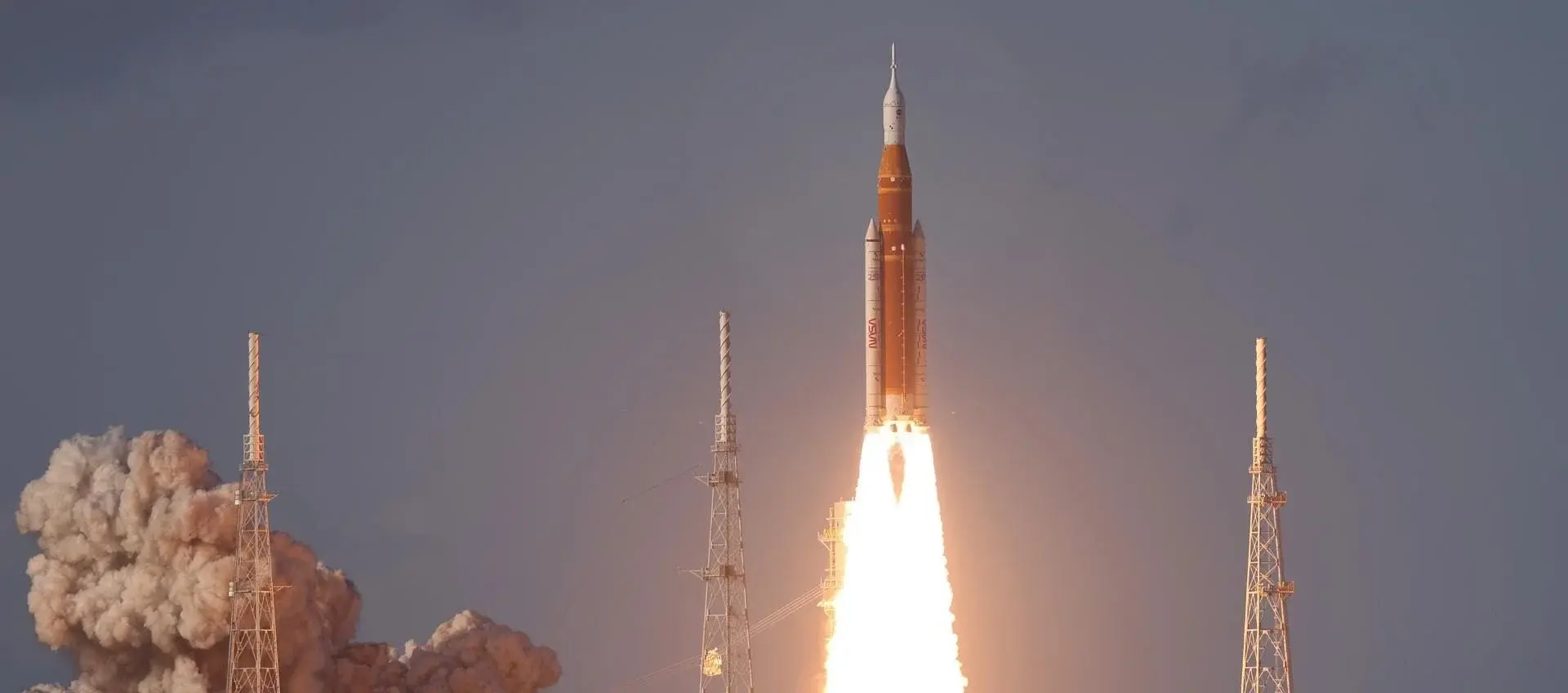
2026, March 29, pre-flight press conference in quarantine, as Artemis II astronaut Christina Koch clearly wore a NASA-issued Omega Speedmaster X-33 and the latest version of the NASA ActiWatch, her male colleagues all three wore a 24 hours dial Breitling Navitimer Cosmonaute chronograph.
Anno 2026, several wrist watch brands are still working on reliable and robust wrist watches for future missions to the Moon and the planet Mars. Preferably a 24 hours dial/movement. Remember the very first official NASA-issued astronaut watch was the 24 hours dial/movement Lecoultre “Mercury 7”, based on the Lecoultre Quartermaster. Between September 1959 and October 1963, the Mercury 7 used these 34mm pilot watches for NASA training.
Although we are familiar with the 12 hours dial, flight surgeons believe that a 24 hours movement/dial wrist watch chronograph, displaying an unambiguous representation of a whole day at one glance, would be a very useful tool for future long-duration spaceflight missions.On average, a Hohmann transfer orbit to the planet Mars will take spacefarers 300 days before arriving at the red planet. Crew members would benefit having a 24 hours movement/24 hours dial wrist watch as it instantly shows if mission control, and families on Earth are on AM or PM time.In this way the wrist watch will not only be a versatile backup timing device but also an accurate direct link to the home front!
Currently, the Artemis II crew all wear an Omega Speedmaster X-33 with pilot Victor Glover taking an extra Speedmaster X-33.
On May 24 1962, US Naval aviator Scott Carpenter was the first NASA astronaut to wear a wrist watch in space, a 24 hours dial Breitling Navitimer cosmonaute wrist chronograph.