- Posts
- 4,694
- Likes
- 17,779
Omegafanman
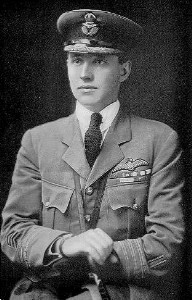
·I recall reading about the WW1 exploits of Bill Barker (A Canadian from Manitoba) when I was a kid -
William George "Billy" Barker, VC, DSO & Bar, MC & two bars….
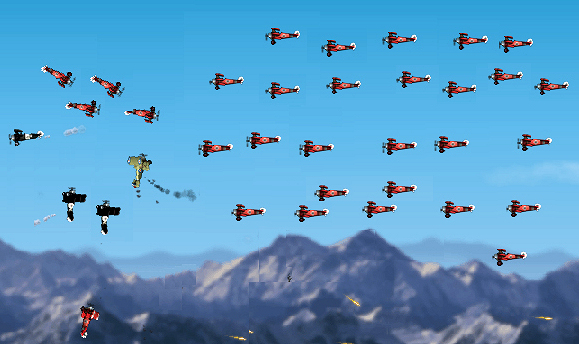
I recently looked up his last battle again and it struck me that it might be one of the greatest (if not the greatest) air engagements ever. One pilot, just 24 years old emerging alive and victorious after a forty-minute lone battle against at least 60 enemy aircraft, which led to him winning the Victoria Cross. I cannot even picture what 60-1 looks like (my poorly created graphic below only has about 35 attacking aircraft).
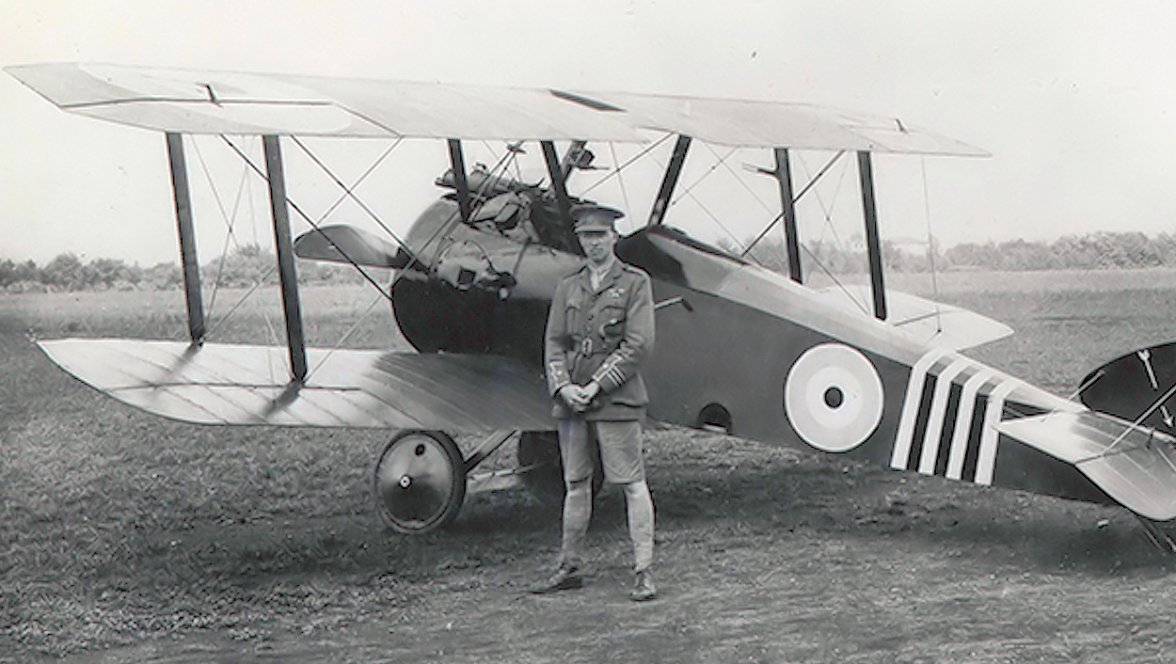
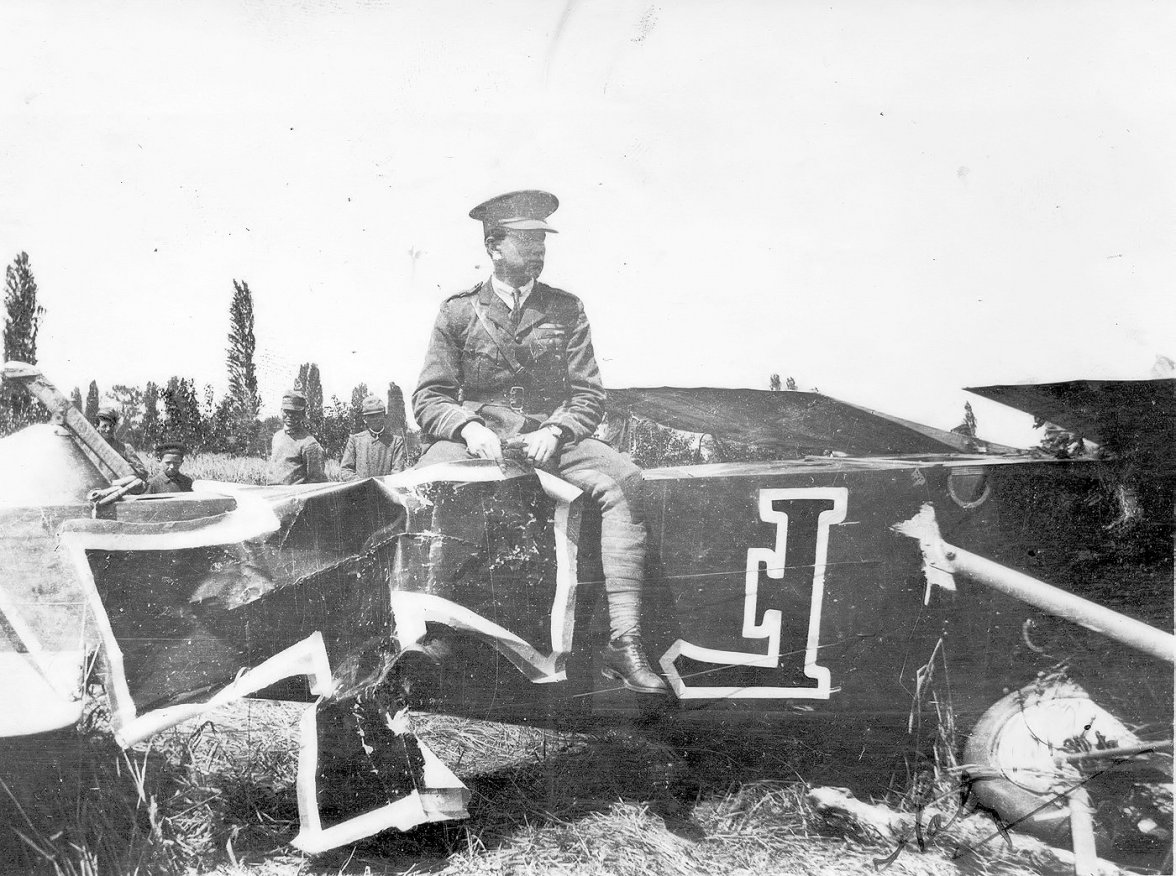
Photos below show him at earlier stages in the war with a Sopwith Camel and also sat on a downed foe (wearing a wrist watch but not sure which brand…)
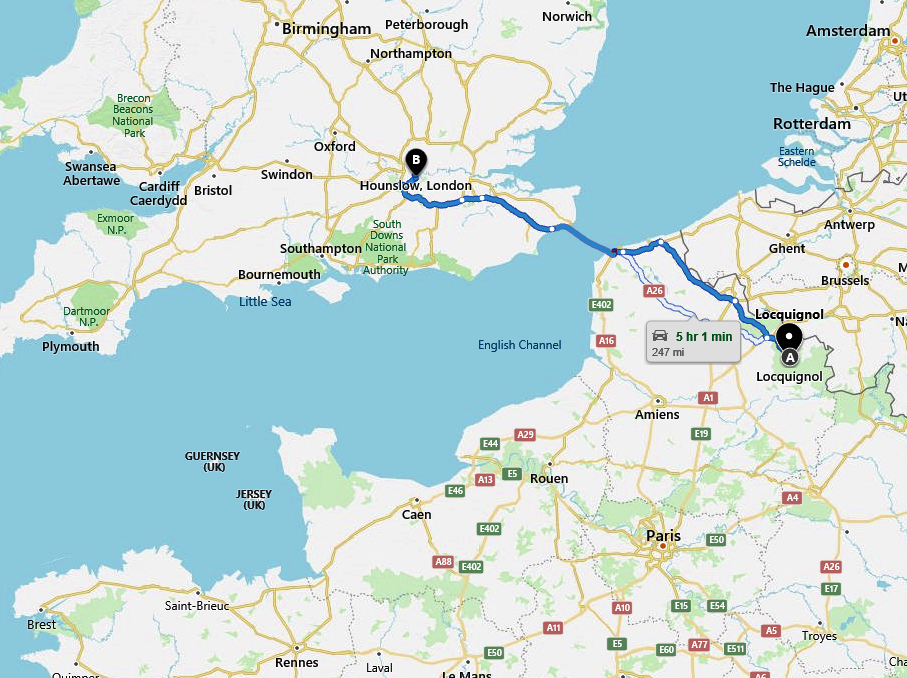
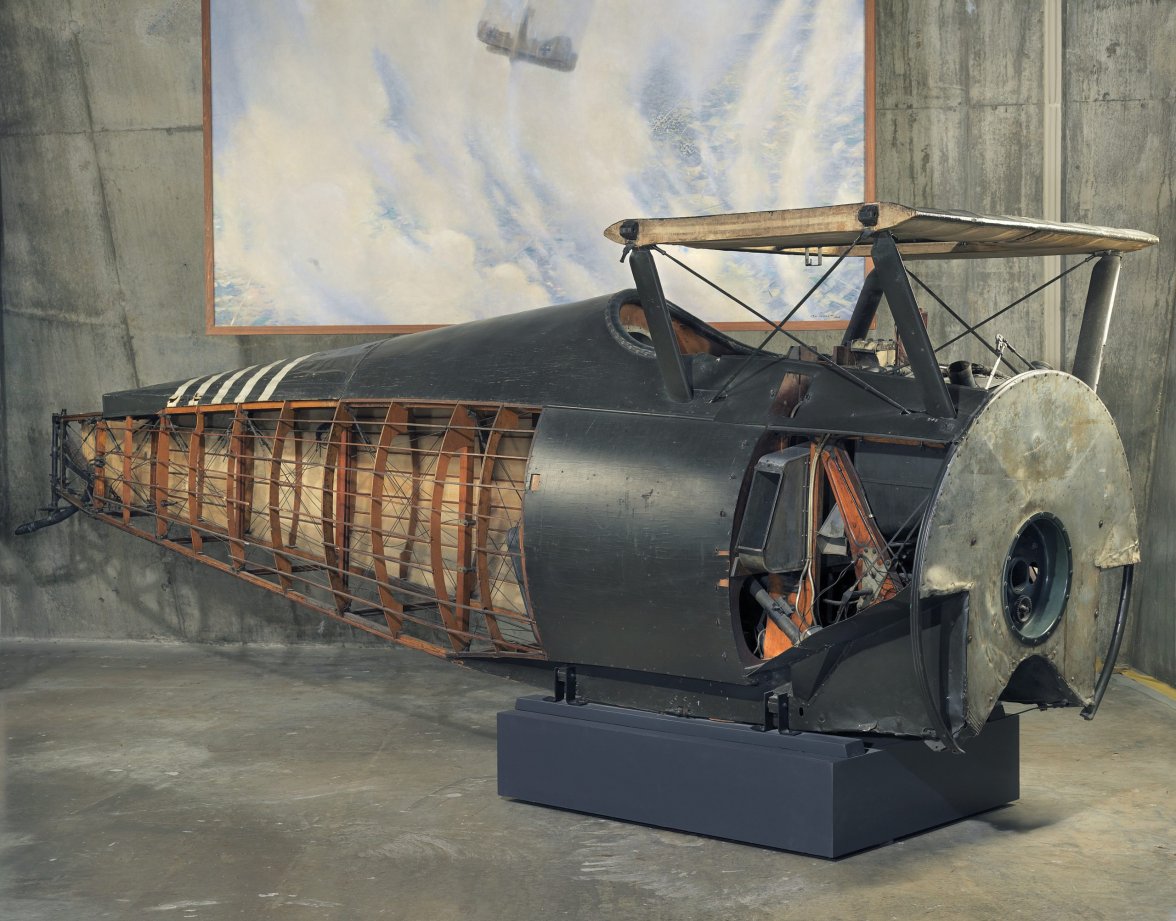
Already a famous Ace with 46 kills under his belt he was supposed to be heading for a safe posting in England… but instead of Flying towards the English Channel, he first deliberately strayed over enemy lines searching to add more kills to his record before being due to be grounded for a while. He should have been heading 230 miles home (Forest of Mormal area near the Belgium border to Hounslow England - see map). He was flying a recently introduced Sopwith Snipe - a new cutting edge fighter of the day.
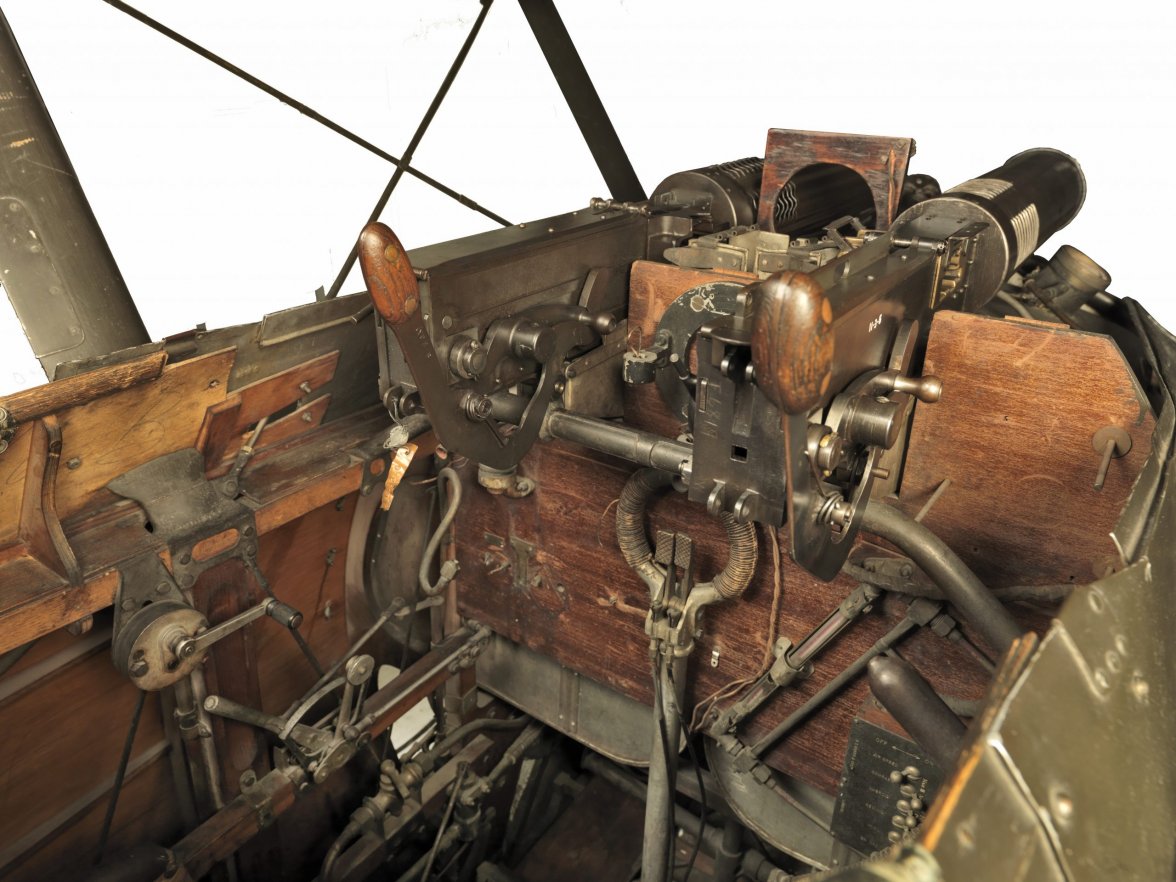
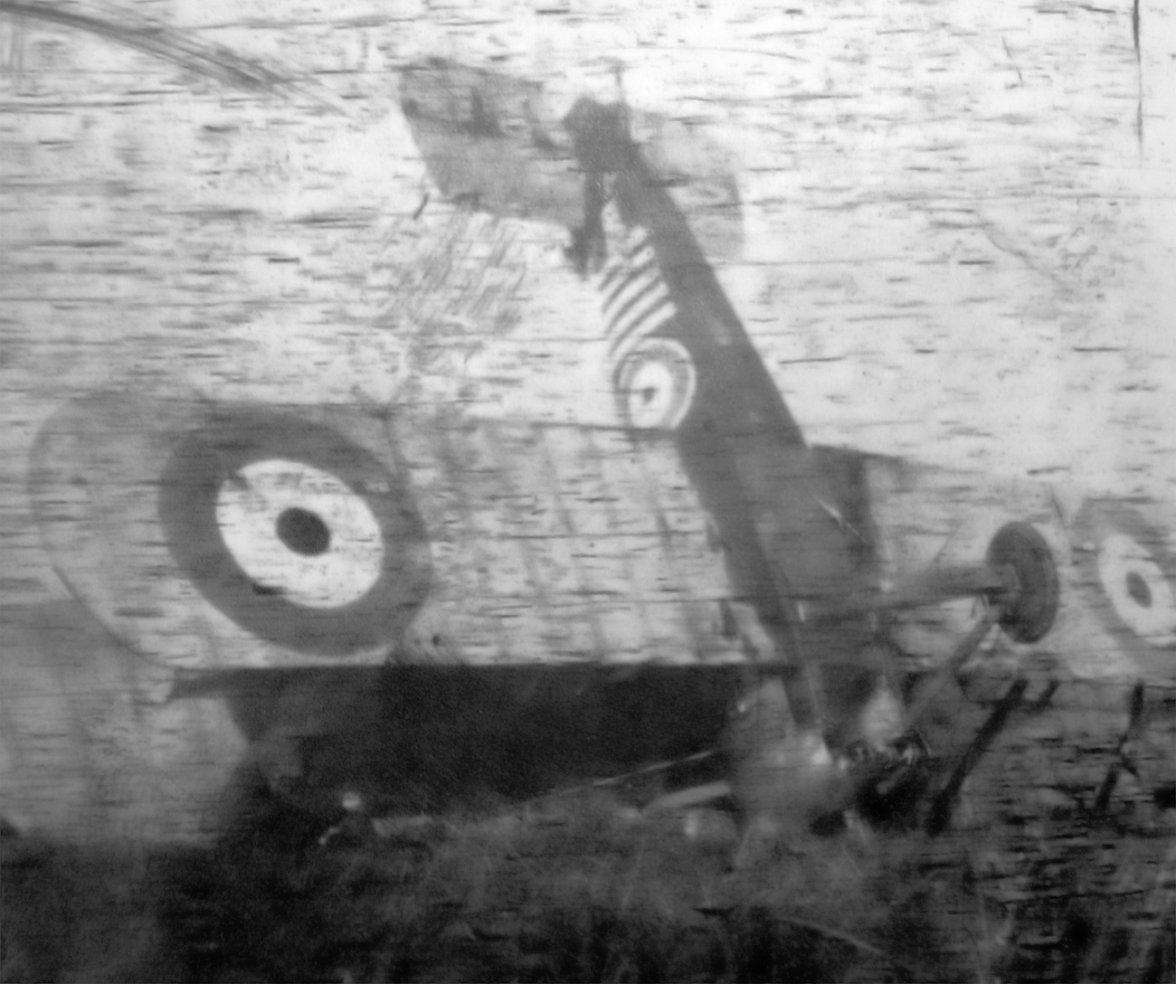
He spotted a German reconnaissance plane at twenty thousand feet (immune from most aircraft but not the Snipe). Without hesitation Barker attacked. In the resulting engagement his plane received light damage but the 2-seater was shot down (47). I have read the pilot parachuted to safety and that Barker was mesmerized by this, as sadly parachutes were not standard / common issue even at this late stage in the war due to unfounded fears around cowardice. Barker had forgotten his tail and was attacked by a Fokker Triplane. He was wounded in his right thigh as bullets tore into his aircraft. Managing to pull a steep turn and with superb marksmanship he destroyed the Fokker as it overshot him (48). Pressing his leg against the cockpit to stem the bleeding he hoped to make La Targette before he passed out when the sky became full of enemy aircraft. He tried to count them out of habit and reached fifty before he lost count. As one flashed past he instinctively pressed the trigger and saw the pilot slump dead (49). The enemy fighters were taking turns to fire on him now. Bullets whizzed past his head and through the wings and fuselage. With two on his tail he throttled down and put a burst in one as it shot past him cutting off its entire tail (50). Attacked from below bullets shattered his left leg and he blacked out. Cold air from the dive revived him and he managed to pull up at 12000 feet. A Fokker was heading straight at him guns blazing and being so weak and with shattered legs he decided to ram it - matching every turn and aiming straight for the aircraft. He suddenly saw an opportunity to fire and the enemy plan exploded at the last seconds before impact. He flew straight through the cloud of blazing fragments and by a miracle emerged unscathed (51). It was at this point his left arm was hit, his elbow shattered by a bullet and for the second time he slumped unconscious at the controls as the plane spiralled out of control. Again, the cold air brought him round and he recovered the plane as chasing enemy aircraft dived past. Amazingly his extraordinary reflexes and marksmanship kicked in and using his special peep sight he fired both Vickers at a passing enemy plane, killing the pilot with the first few rounds (52). Low over Allied territory the enemy disengaged. His erratic and suicidal flying, being seemingly impervious to enemy fire, the accuracy of his shooting, the loss of height, the location, the timing in the war and experience levels of the enemy pilots - we will never know what saved him being shot down but something made them disengage. It is possible the sheer number of enemy aircraft prevented a more coordinated attack. He was still in a desperate situation being incapacitated and only able to move his right arm + having lost a lot of blood. With cheering troops from the Highland division below and using his superb flying skills, with just the stick he flew the battered oil slicked and smoking plane in for a crash landing near a balloon crew. The Snipe hit hard and bounced, falling on its back in a cloud of dust and dirt. Nearby soldiers pulled him barley alive from the wreckage. He was still hovering on the edge of death at Rouen hospital when the armistice was signed on 11/11/1918.
He did make a recovery but sadly the adrenaline buzz pushed him to become a test pilot and he was killed in 1930.
William George "Billy" Barker, VC, DSO & Bar, MC & two bars….
I recently looked up his last battle again and it struck me that it might be one of the greatest (if not the greatest) air engagements ever. One pilot, just 24 years old emerging alive and victorious after a forty-minute lone battle against at least 60 enemy aircraft, which led to him winning the Victoria Cross. I cannot even picture what 60-1 looks like (my poorly created graphic below only has about 35 attacking aircraft).
Photos below show him at earlier stages in the war with a Sopwith Camel and also sat on a downed foe (wearing a wrist watch but not sure which brand…)
Already a famous Ace with 46 kills under his belt he was supposed to be heading for a safe posting in England… but instead of Flying towards the English Channel, he first deliberately strayed over enemy lines searching to add more kills to his record before being due to be grounded for a while. He should have been heading 230 miles home (Forest of Mormal area near the Belgium border to Hounslow England - see map). He was flying a recently introduced Sopwith Snipe - a new cutting edge fighter of the day.
He spotted a German reconnaissance plane at twenty thousand feet (immune from most aircraft but not the Snipe). Without hesitation Barker attacked. In the resulting engagement his plane received light damage but the 2-seater was shot down (47). I have read the pilot parachuted to safety and that Barker was mesmerized by this, as sadly parachutes were not standard / common issue even at this late stage in the war due to unfounded fears around cowardice. Barker had forgotten his tail and was attacked by a Fokker Triplane. He was wounded in his right thigh as bullets tore into his aircraft. Managing to pull a steep turn and with superb marksmanship he destroyed the Fokker as it overshot him (48). Pressing his leg against the cockpit to stem the bleeding he hoped to make La Targette before he passed out when the sky became full of enemy aircraft. He tried to count them out of habit and reached fifty before he lost count. As one flashed past he instinctively pressed the trigger and saw the pilot slump dead (49). The enemy fighters were taking turns to fire on him now. Bullets whizzed past his head and through the wings and fuselage. With two on his tail he throttled down and put a burst in one as it shot past him cutting off its entire tail (50). Attacked from below bullets shattered his left leg and he blacked out. Cold air from the dive revived him and he managed to pull up at 12000 feet. A Fokker was heading straight at him guns blazing and being so weak and with shattered legs he decided to ram it - matching every turn and aiming straight for the aircraft. He suddenly saw an opportunity to fire and the enemy plan exploded at the last seconds before impact. He flew straight through the cloud of blazing fragments and by a miracle emerged unscathed (51). It was at this point his left arm was hit, his elbow shattered by a bullet and for the second time he slumped unconscious at the controls as the plane spiralled out of control. Again, the cold air brought him round and he recovered the plane as chasing enemy aircraft dived past. Amazingly his extraordinary reflexes and marksmanship kicked in and using his special peep sight he fired both Vickers at a passing enemy plane, killing the pilot with the first few rounds (52). Low over Allied territory the enemy disengaged. His erratic and suicidal flying, being seemingly impervious to enemy fire, the accuracy of his shooting, the loss of height, the location, the timing in the war and experience levels of the enemy pilots - we will never know what saved him being shot down but something made them disengage. It is possible the sheer number of enemy aircraft prevented a more coordinated attack. He was still in a desperate situation being incapacitated and only able to move his right arm + having lost a lot of blood. With cheering troops from the Highland division below and using his superb flying skills, with just the stick he flew the battered oil slicked and smoking plane in for a crash landing near a balloon crew. The Snipe hit hard and bounced, falling on its back in a cloud of dust and dirt. Nearby soldiers pulled him barley alive from the wreckage. He was still hovering on the edge of death at Rouen hospital when the armistice was signed on 11/11/1918.
He did make a recovery but sadly the adrenaline buzz pushed him to become a test pilot and he was killed in 1930.