My recent experience with the Crew 12 launch showed me how complicated just scheduling a launch can become. There were so many conflicts that I wrote it down to help me remember the details later. Here's my summary, FWIW.
At 44 years old, Andrey Fedyav was already a veteran of space, having flown 168 days on the ISS. His Crew 13 mission scheduled for next year would add another eight months to his time in space. Before then, the father of four boys had recently celebrated the addition of a new baby girl and was in the process of building a new house for his large, happy family. A busy man, he was about to become busier.
On December 02, 2025, the Russian Space agency Roscosmos announced that they had pulled the cosmonaut from Crew 12, which was scheduled to launch (no sooner than) February 15, 2026.
The ISS is more than just a symbol of international cooperation. Made up of connected sections built by different countries, the space station requires trained workers from the countries who built those sections to keep them aloft. With a loss of their cosmonaut, Crew 12 needed another Russian cosmonaut to replace him. Cosmonaut Andrey Fedyaev would have to move from Crew 13 to Crew 12. Andrey’s house and new-born daughter would need to manage without him almost a year sooner than planned. Andrey had about two months to train for a new mission, but even that quickly approaching launch date would be moved up.
While Crew 12 was training 16 hours a day on Earth, Crew 11 was preparing for a spacewalk orbiting the Earth on the ISS .
Approximately 290 people had flown on the ISS over 25 years without an emergency requiring evacuation. There had been fires and dangerous air losses, but these had been managed. For the first time in 25 years, a spacewalk scheduled for January 08 had to be postponed due to a medical event.
While the unnamed person was soon stable, NASA decided to bring the whole Crew 11 home early, beginning January 14th. This would leave the ISS with only three people aboard, (two cosmonauts and one astronaut,) for one month until Crew 12 arrived.
On January 28th, NASA announced that Crew 12 would attempt to launch four days earlier than originally scheduled, with a launch window of February 11th, 12th and 13th.
To complicate matters, the Artemis mission to the moon was ongoing and required a great deal of NASA’s attention. In early January, NASA had identified three launch windows between February 6 and April 6, for the Artemis II mission to the moon. If everything proceeded as planned, there would not be a launch conflict between Artemis II and Crew 12.
Artemis II was the first crewed mission of the SLS rocket to the moon, so NASA would take every precaution, including conducting a so-called wet rehearsal. The rocket would be loaded with cryogenic propellants while the countdown was run from the final ten minutes down to 30 seconds before launch. The countdown would be stopped and reset several times to demonstrate that the rocket could maintain a hold, resume and recycle process if needed.
NASA plans for many contingencies, but one of the most difficult can be the weather. The week before the scheduled wet rehearsal, Florida experienced some of the coldest weather it had seen in 25 years, with temperatures reaching 24F degrees. In addition to killing fish in the shallow waters surrounding Kennedy Space Center, this cold snap meant delaying the wet rehearsal, which pushed the earliest launch date for Artemis II from February 06 to February 08, with the 10th and 11th as possible backups.
Depending on the outcome of the wet rehearsal, if Artemis II successfully launched on February 08, Crew 12 launch would need to be postponed until February 19th at the earliest to allow Artemis II to complete its ten-day mission and land back on Earth. Both Artemis II and Crew 12 eagerly awaited the results of the wet rehearsal.
The wet rehearsal would take almost 48 hours and began on February 02. Halfway through the test, the SLS experienced hydrogen leaks that meant the launch would need to be delayed until the March window at the earliest. Disappointing for the Artemis II team, but Crew 12 was still a go for a 0608 AM February 11th launch.
Meanwhile across the country in California, SpaceX planned a Falcon 9 rocket launch for the same day as the wet rehearsal. The California launch would deploy 25 Starlink satellites using the same type of Falcon 9 rocket that would launch Crew 12 in their Dragon capsule. The Falcon 9 had a strong record of 600 successful launches, but on this February 02 launch, the second stage of the rocket experienced an issue that led SpaceX and the FAA to ground all future Falcon 9 rockets. Crew 12 continued to train for an uncertain launch date.
A previous grounding required ten days to resolve. Also, SpaceX policy was to successfully launch an uncrewed Falcon 9 before attempting to launch a crewed Falcon 9 mission. The Crew 12 launch date was once more on hold for reasons unrelated to their mission.
Following an investigation that determined the cause and effect on Crew 12, on February 07, the FAA authorized SpaceX to resume launches using the Falcon 9 rockets. SpaceX soon launched the Starlink satellite payload, freeing Crew 12 to move forward with their scheduled February 11th launch date.
Although Florida had warmed to a beautiful 70F degrees, the northern East Coast was still experiencing frigid weather with strong winds. Because the Crew 12 abort window would occur over the northern East Coast, this poor weather required delaying the Crew 12 launch, despite temperatures that reached 80F degrees in Florida on the day before the scheduled launch. The launch was rescheduled for Friday, February 13th at 0515 AM, skipping February 12th to allow the East Coast weather more time to improve.
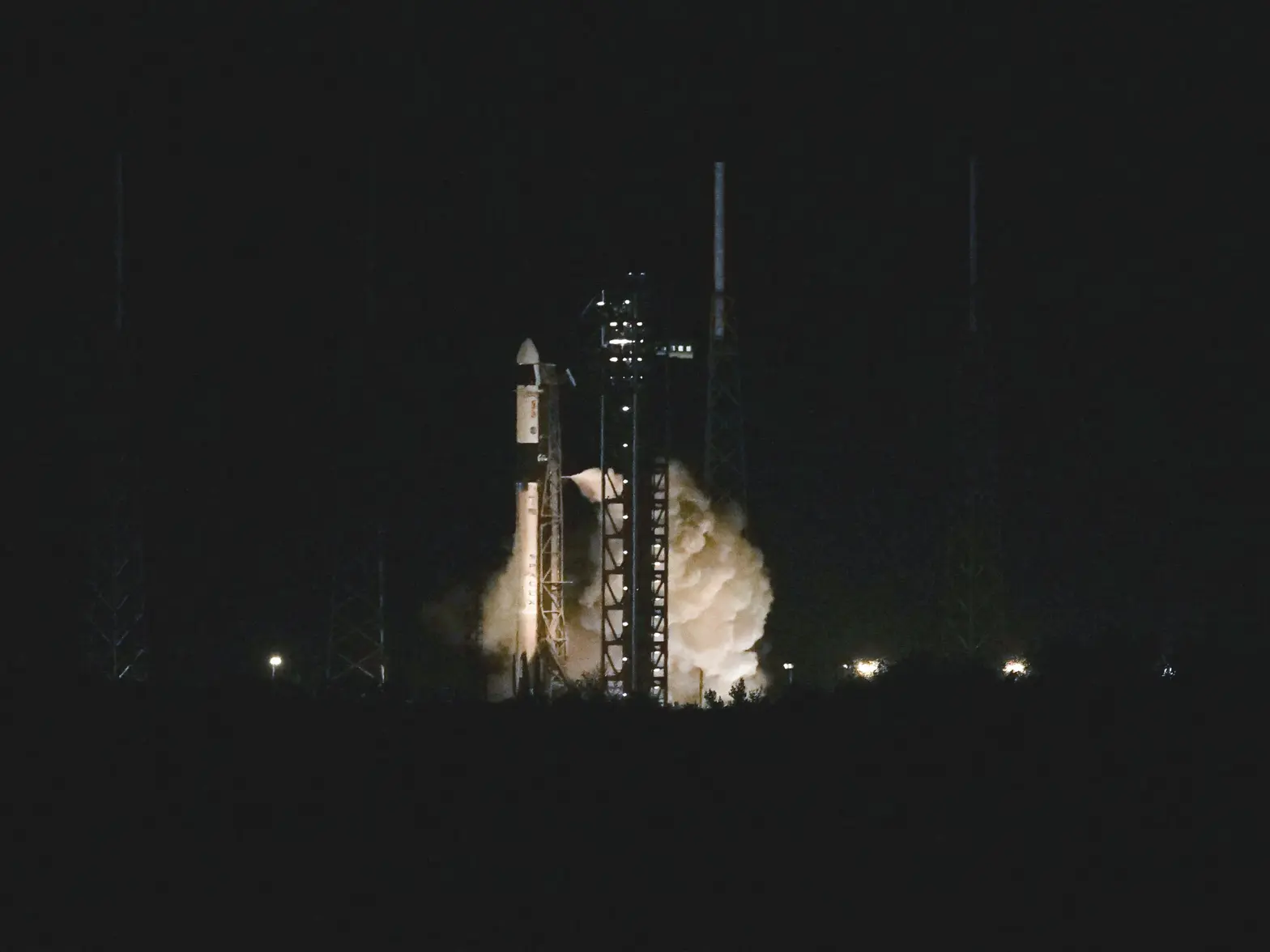
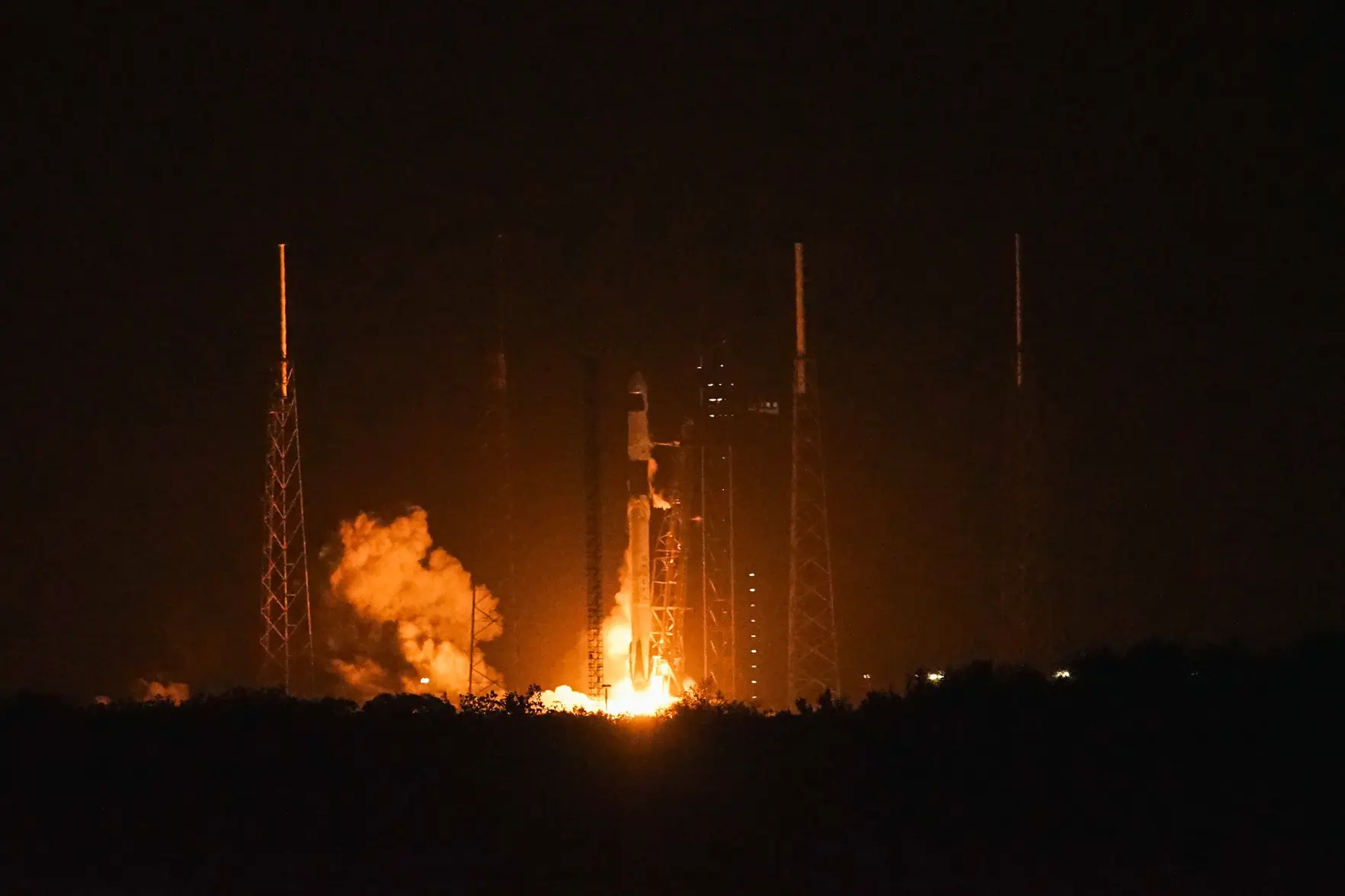
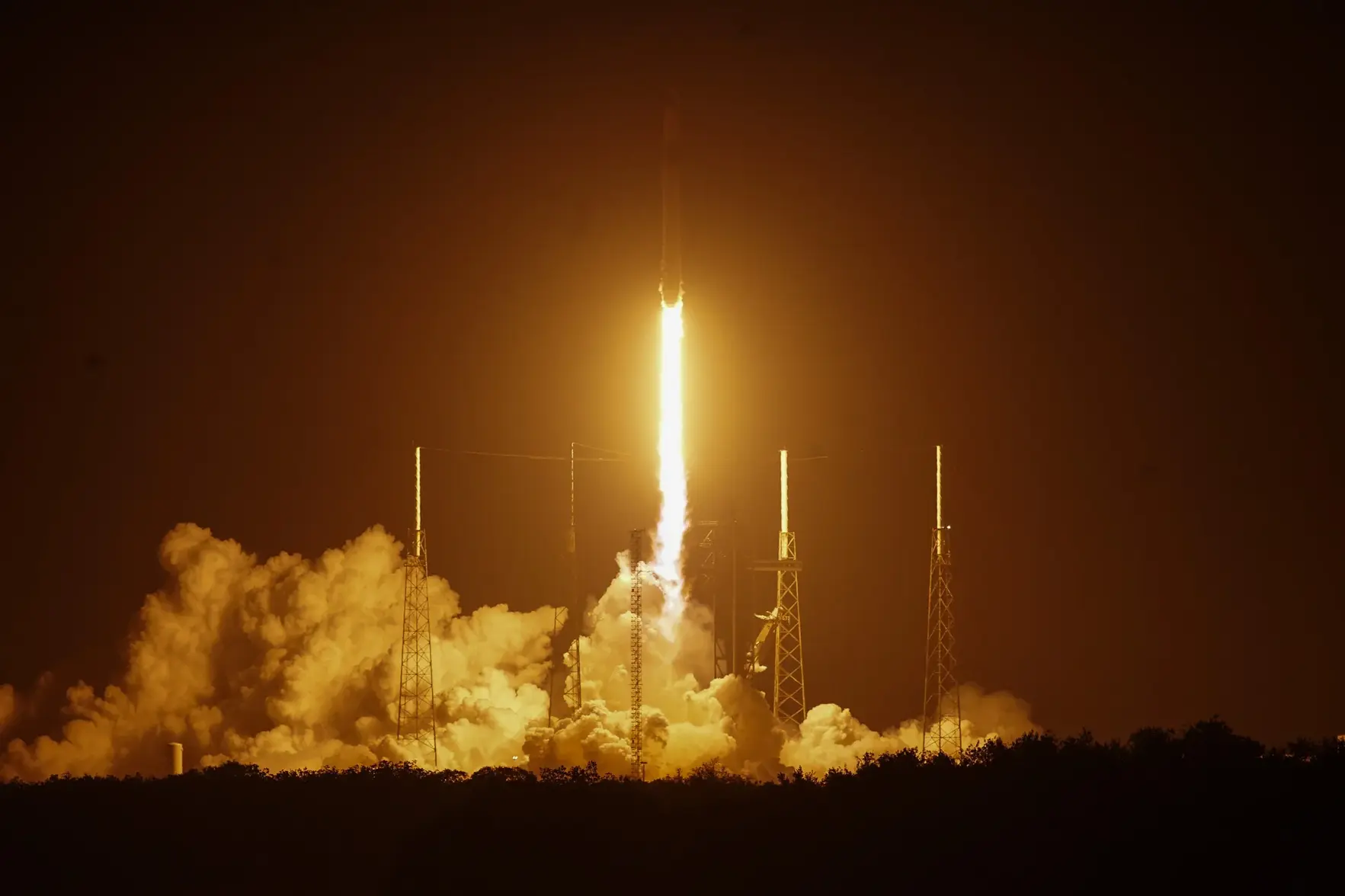
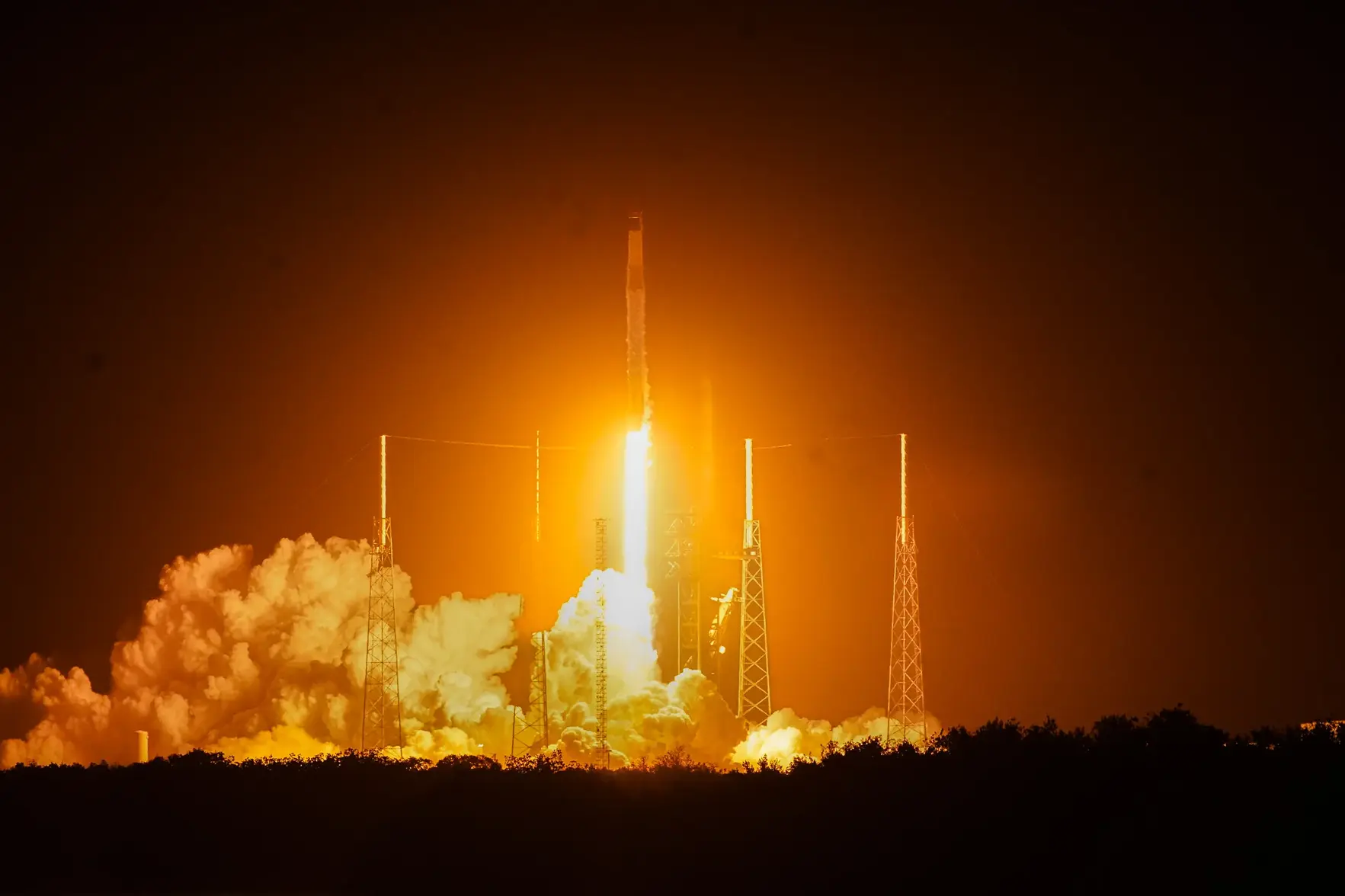
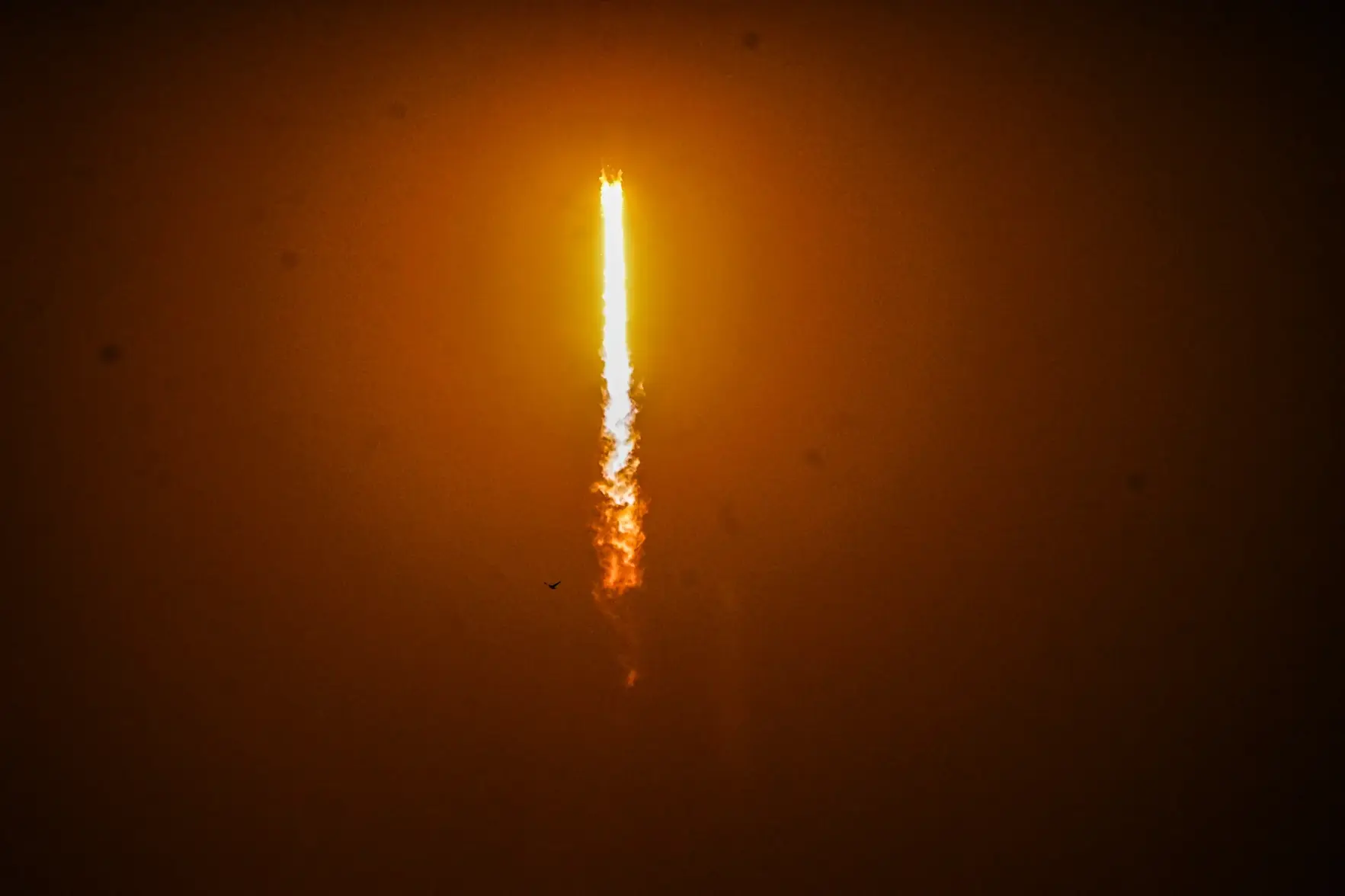
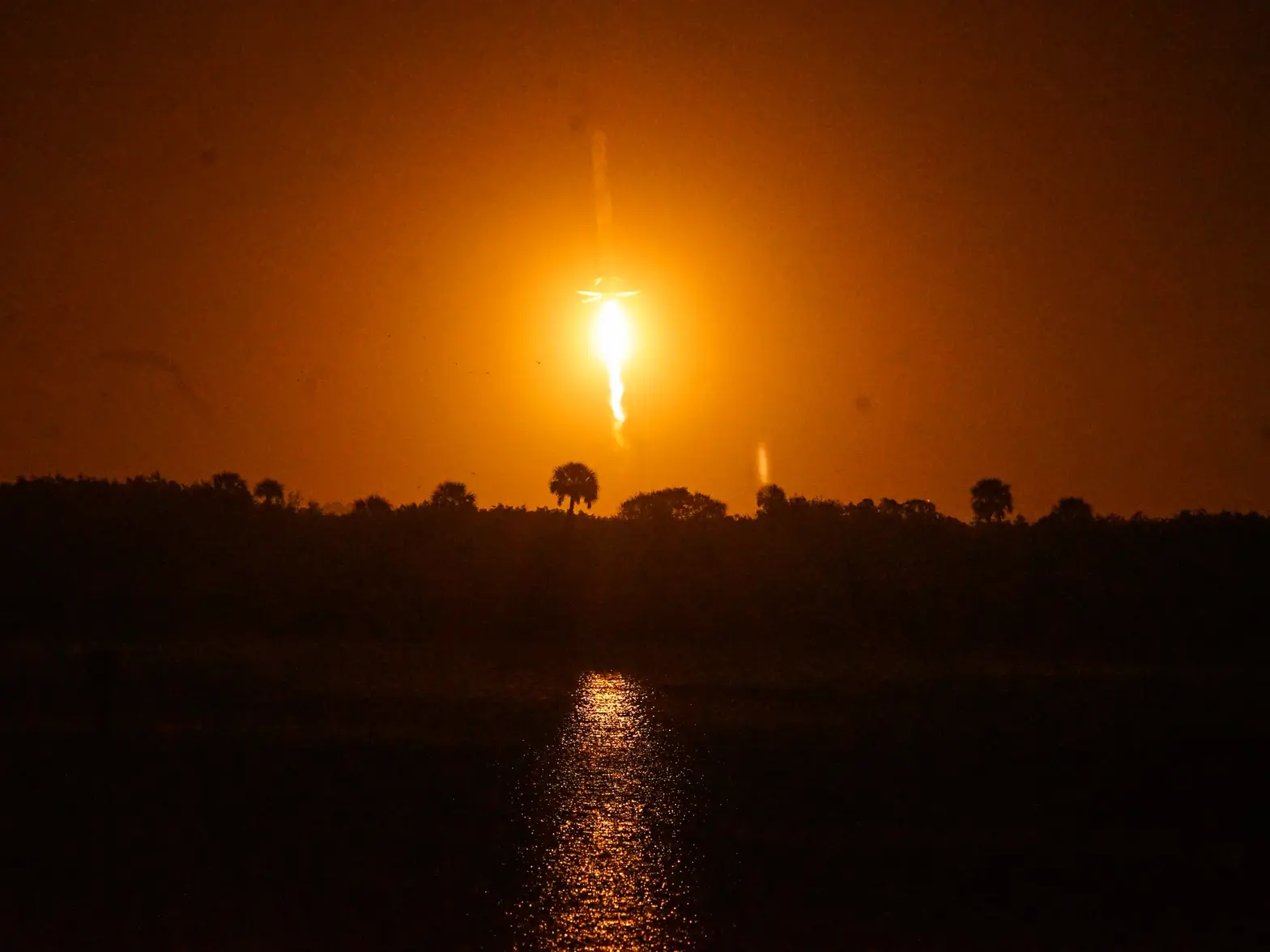
Friday the 13th proved to be a lucky day. After months of 16-hour training days in Hawthrone California, Houston, and finally quarantined in Kennedy Space Center, Florida, cosmonaut Andrey Fedyaev and his three crew members sat atop their Falcon 9 rocket, waiting through the many early hours of the countdown before hearing “10, 9, 8, 7, 6, 5, 4, 3, 2, 1, LAUNCH” at 0515AM on February 13th, 2025.
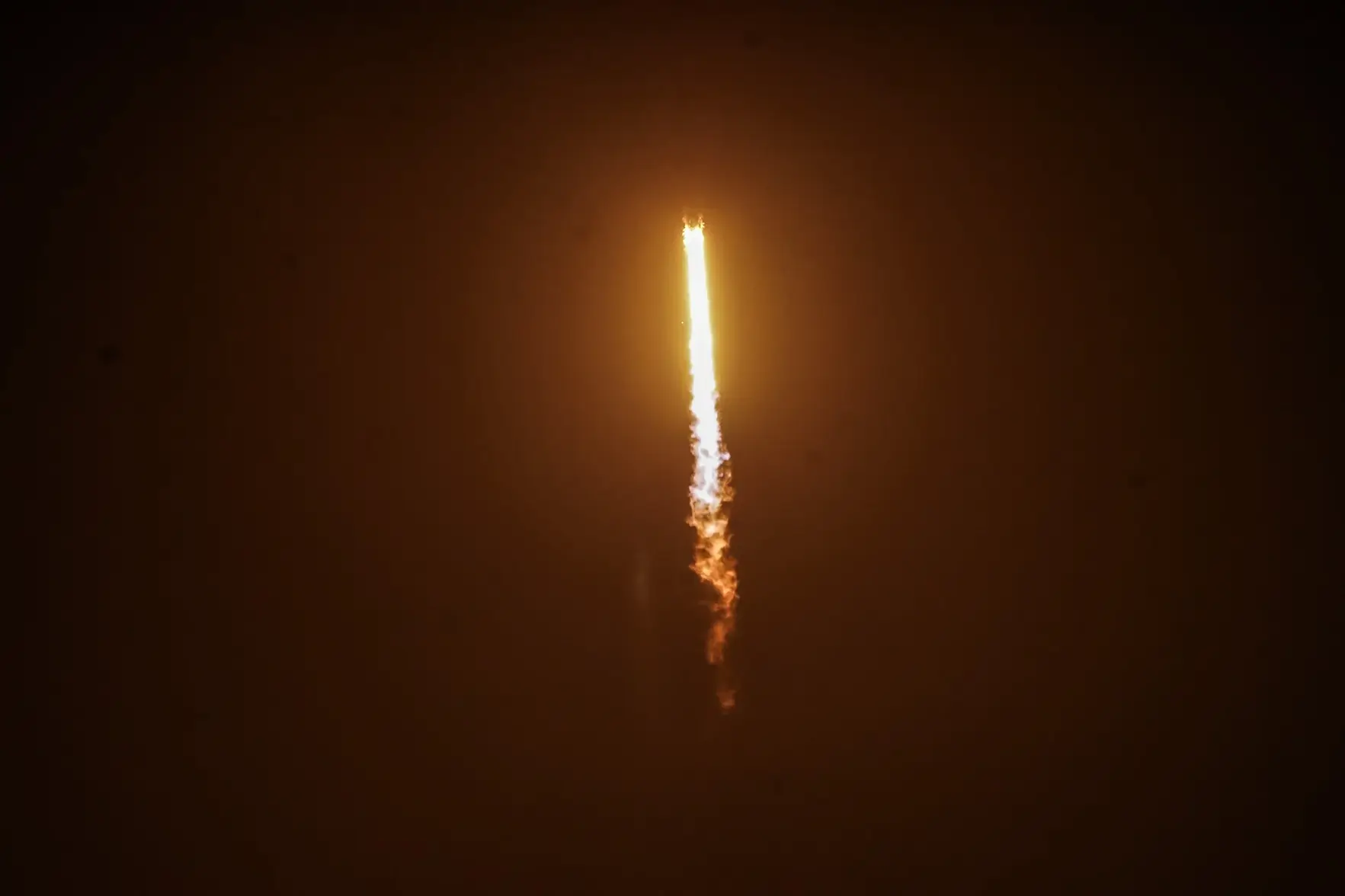
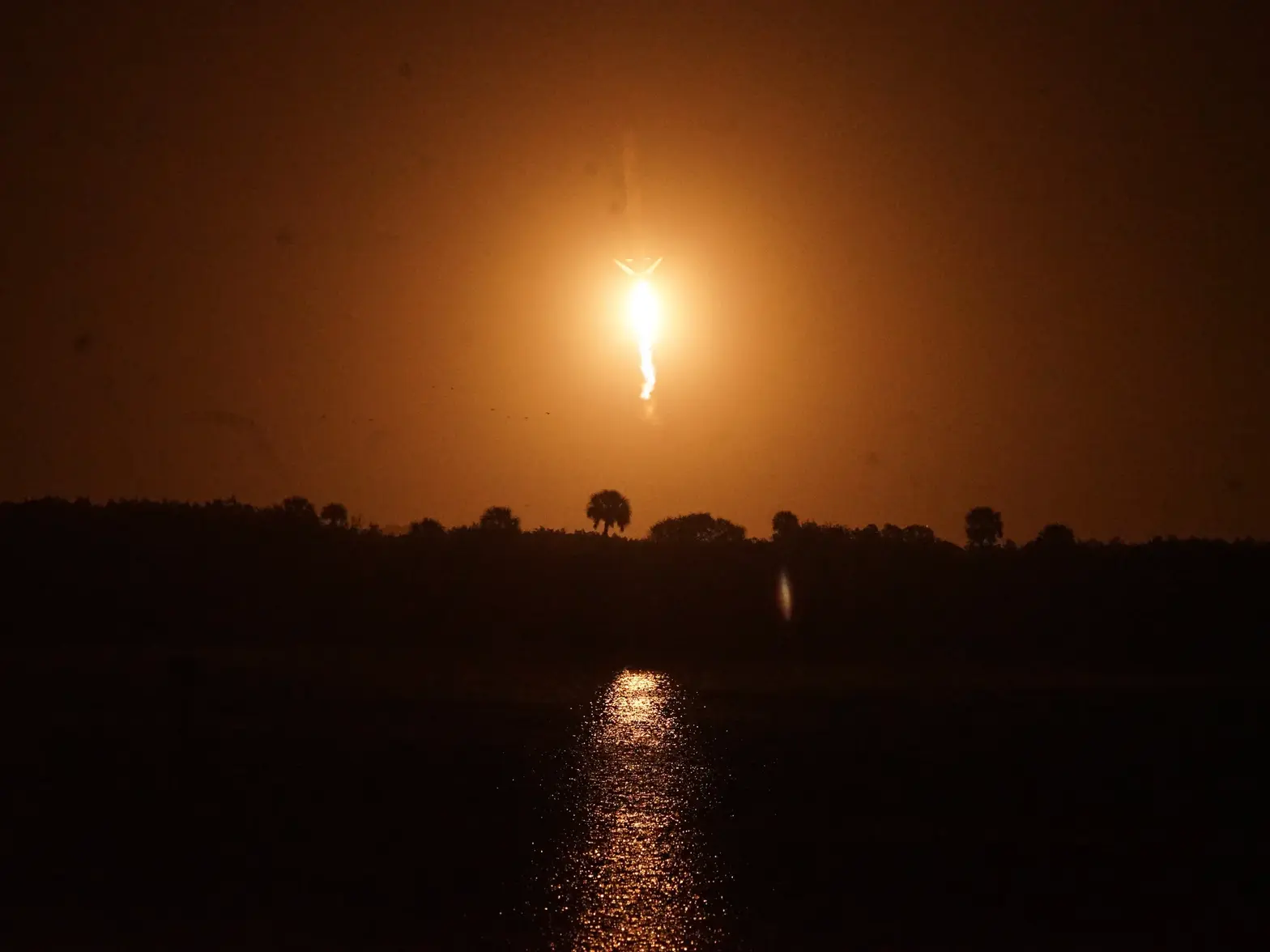
Nine minutes after launch Crew 12 reached space, and sixteen minutes after launch they were over Europe. Dragon would catch up to the ISS orbit 36 hours later, after which a joyous crew would dock with the ISS and join the three people on board to make up the crew of Expedition 74.