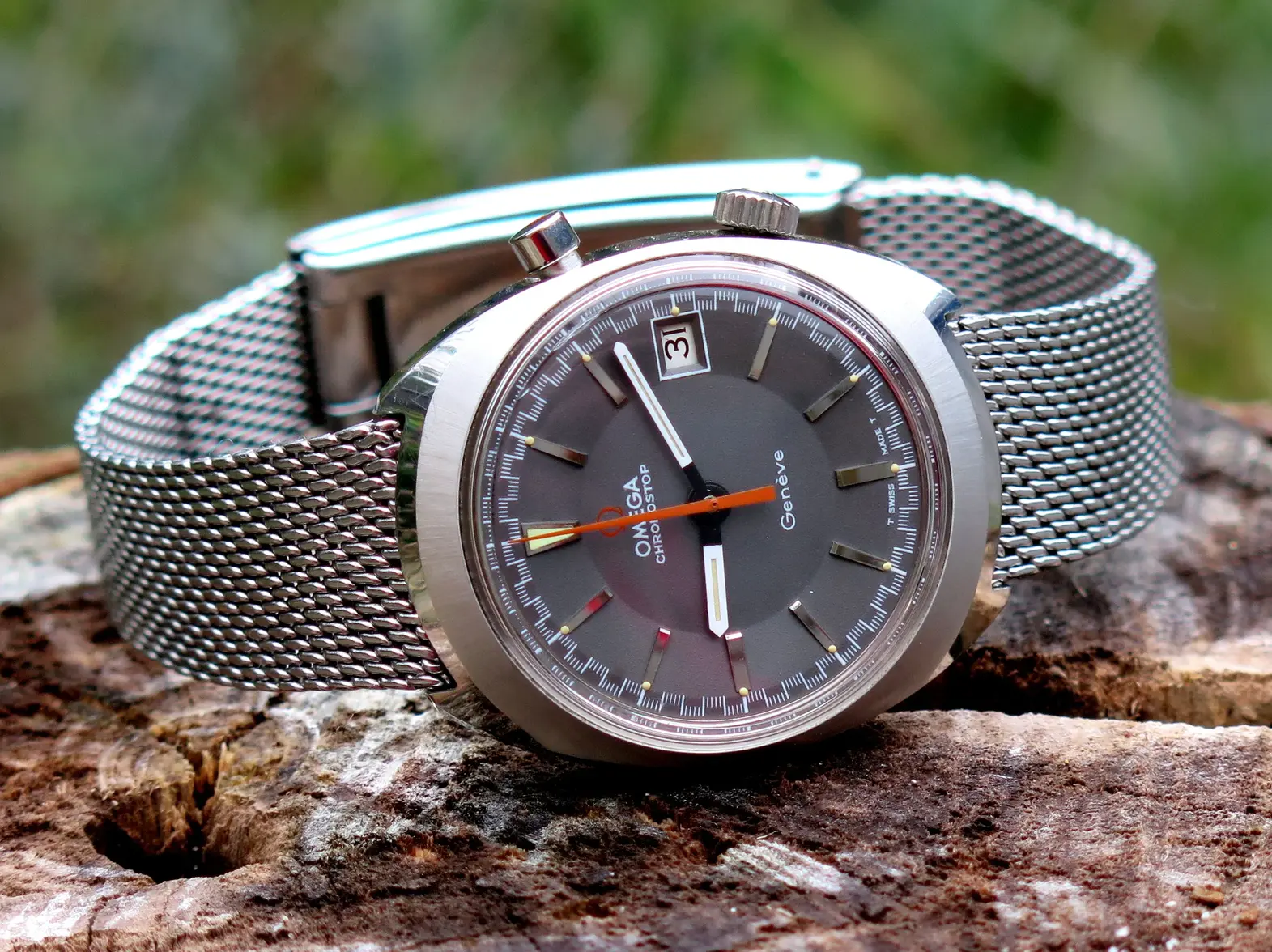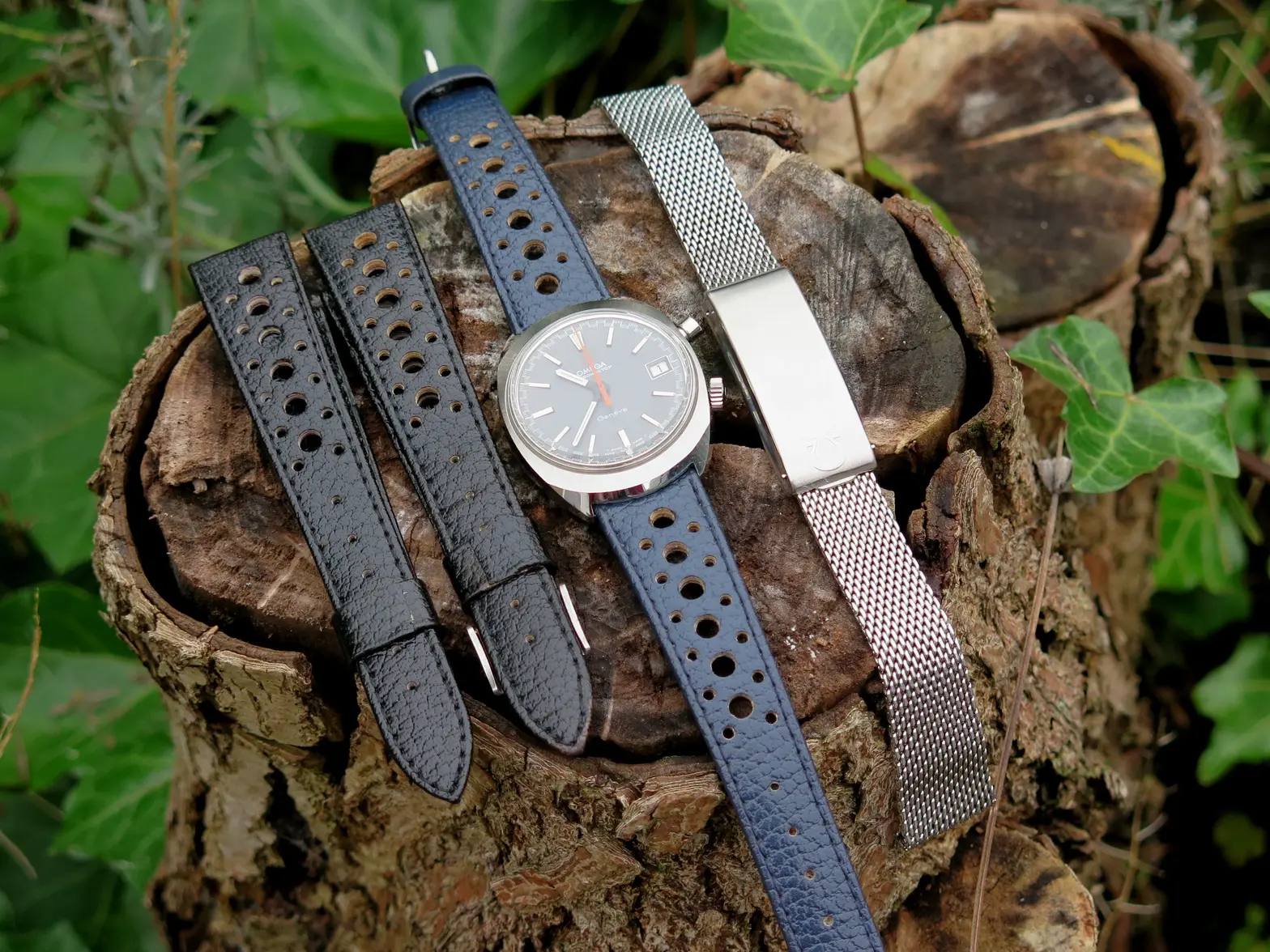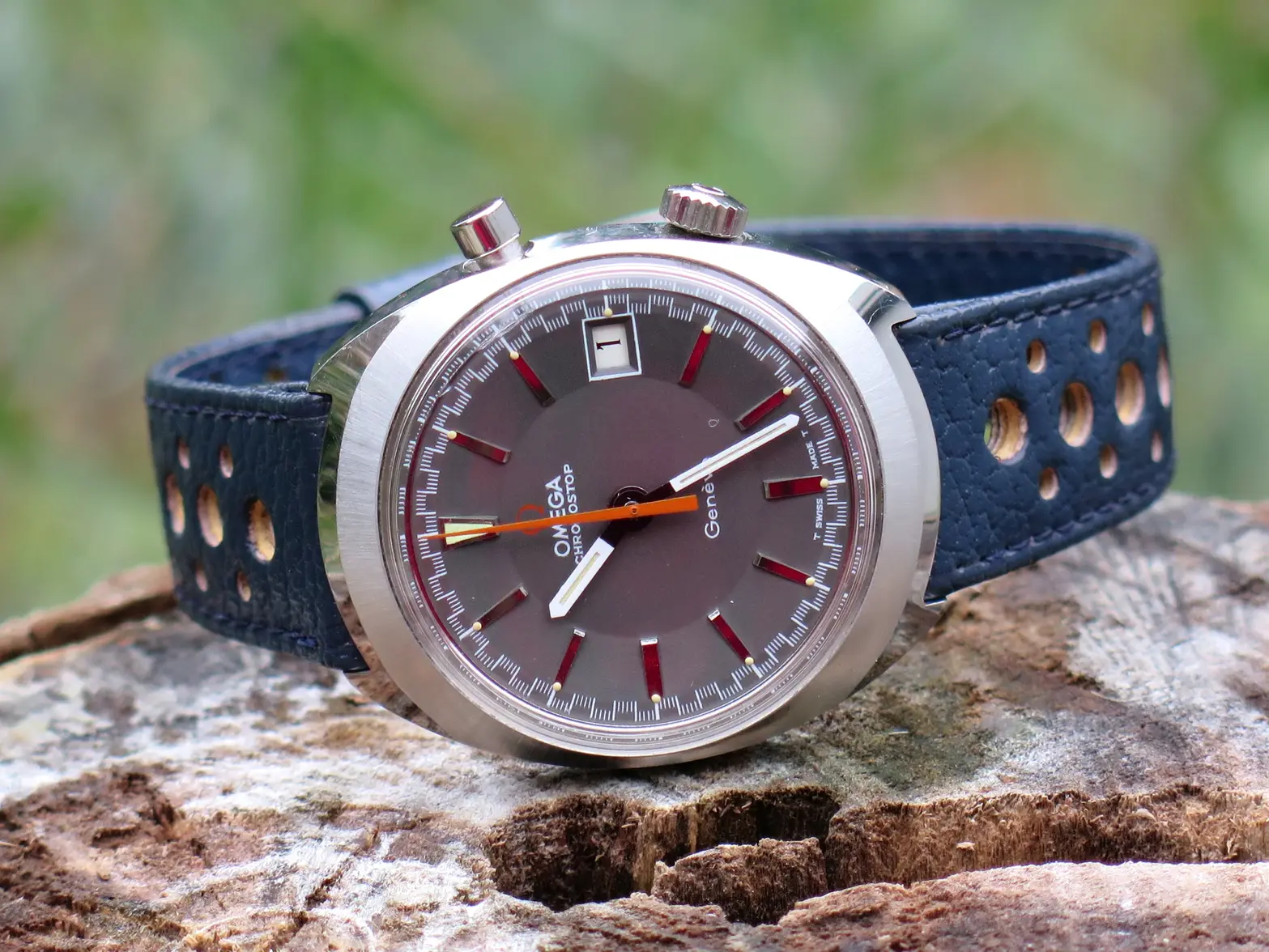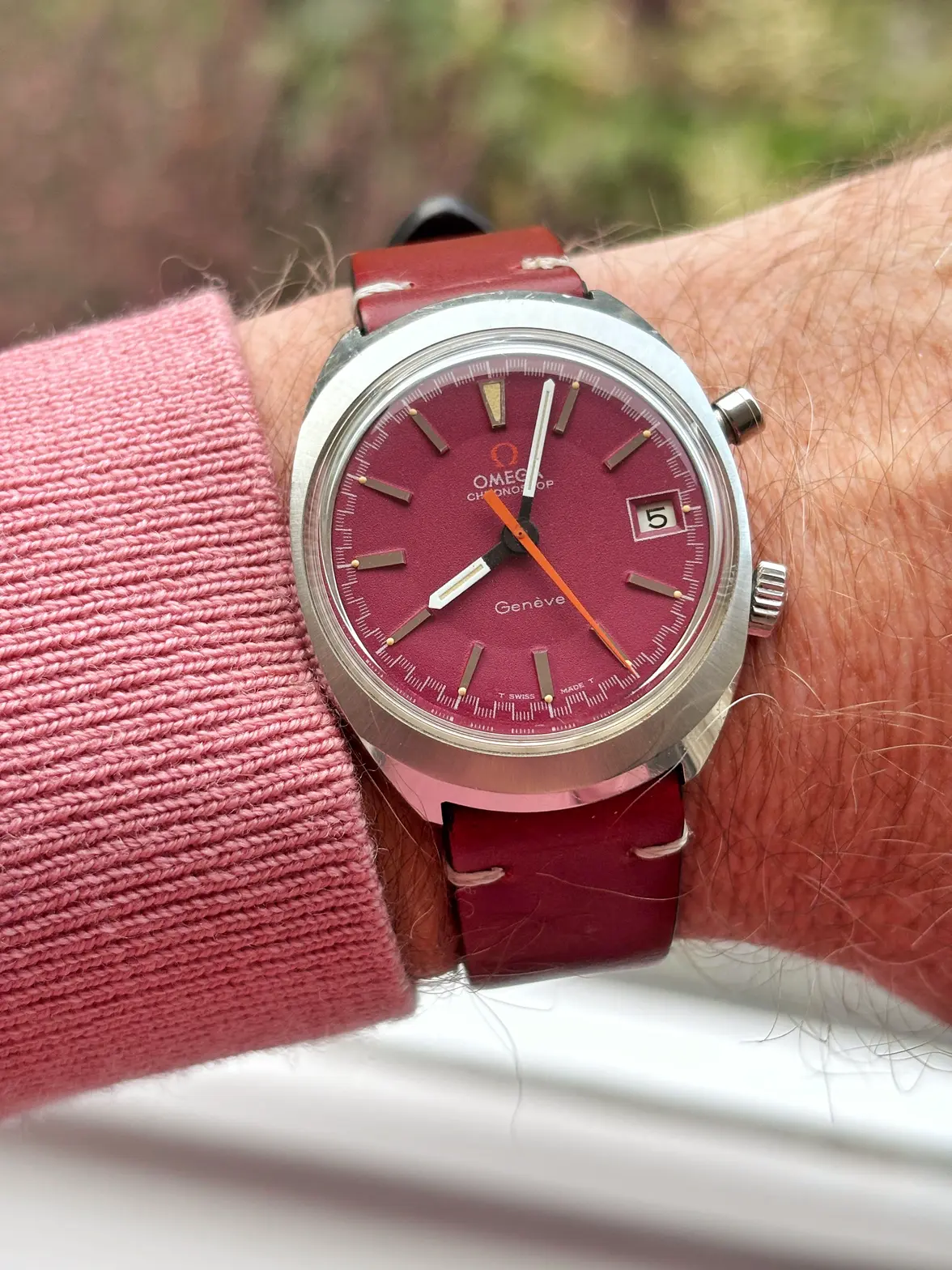
Researching Chronostop Genève references 145.009, 146.009, 145.010, and 146.010

Posts
9
Likes
11
New to the forum and eager to learn from the experienced members here. I hope to eventually contribute to this great community myself. Without further ado, here is my first post:

I have been focusing on the Chronostop Genève references mentioned in the title. I’ve started monitoring the market and have two questions (and I'm sure more will follow) for the seasoned collectors:

Market Trends: Is there a general rule or trend regarding how the market prices these four versions relative to one another? For instance, how do the "Driver" versions (145.010, 146.010) compare to the standard dial orientations (145.009, 146.009)? Similarly, is there a price delta between the Date (Cal. 920) and No-Date (Cal. 865) versions, assuming comparable condition, authenticity, and dial color? Or is the market volume too low to establish such trends, making individual seller pricing the deciding factor?

Original Configuration: Were the "Driver" models ever sold new with the full Milanese Mesh stainless steel bracelet and the No. 27 clasp, or were they exclusively offered on a leather rally strap with the No. 27 deployment?

Many thanks in advance for your input,

George
 
Posts
2,184
Likes
2,397
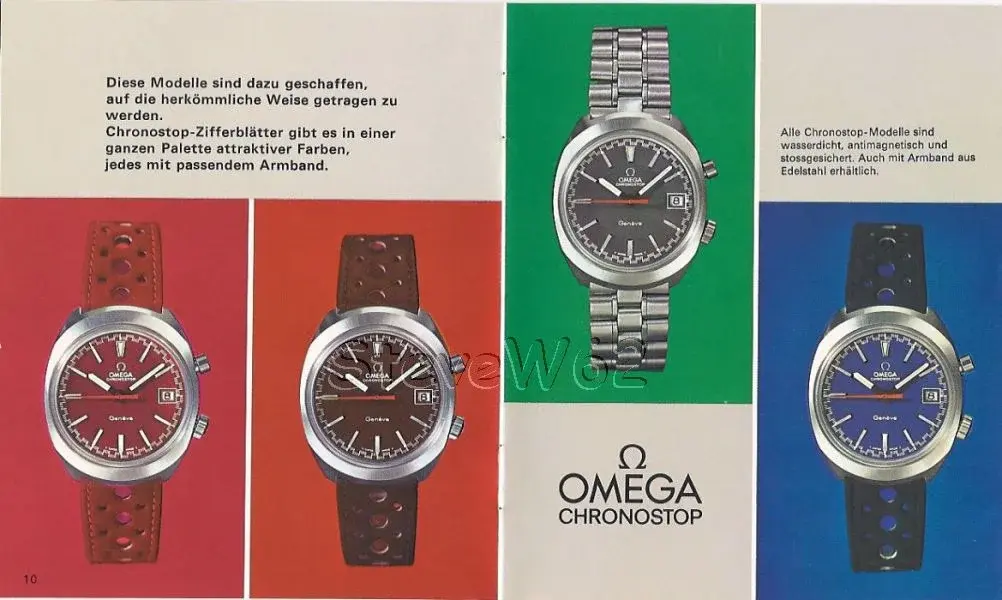
I spent a while looking for them (have 2 on my watchmaker bench/queue right now!). What I have found is that the Blue dials are the most valuable of the dials, and driver versions are worth a bit more on them.

I've not seen any real preference/cost difference on date/no date though.

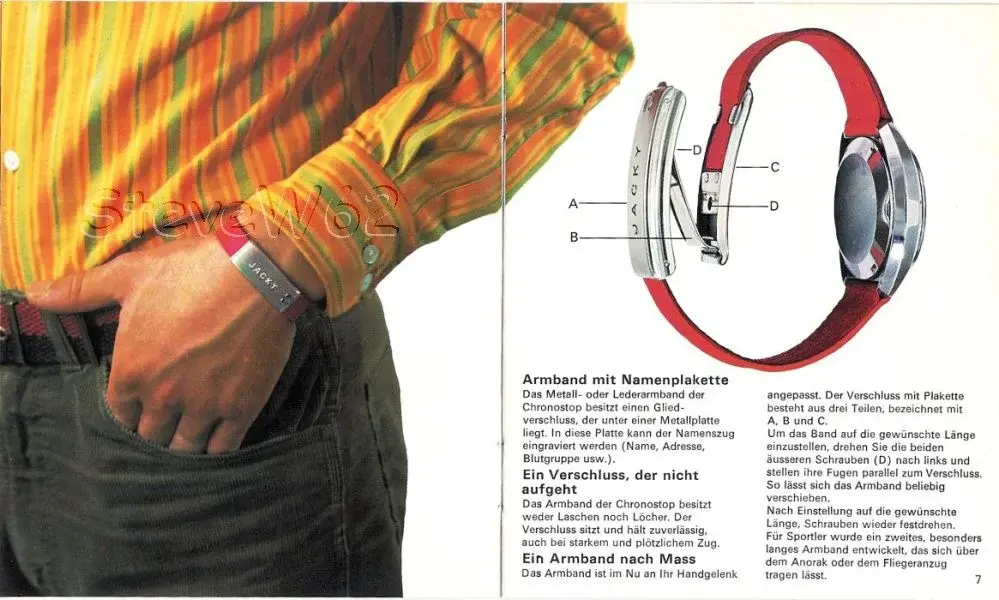
My understanding is at the time, Omega just made bracelets available at ADs, so there isn't really an 'official' bracelet, just ones that worked at the time. So I definitely imagine that some were SOLD with that bracelet, but that is just an AD including one.
 
Posts
239
Likes
270
I don‘t understand the watch to be honest. Because you can only time things 1min. Or am i wrong?
 
Posts
2,184
Likes
2,397
I don‘t understand the watch to be honest. Because you can only time things 1min. Or am i wrong?
Yep, you're wrong. Some of us live our lives a 1/4 mile at a time!

But yeah, it does seem less useful. Presumably if you only time short things it can be useful.
 
Posts
767
Likes
1,430
I don‘t understand the watch to be honest. Because you can only time things 1min. Or am i wrong?
Strange but true: Although I own several chronographs, I don't remember ever using one to time anything. I have, however, legitimately used a chronostop to time something in the real world. The exit gate for our neighborhood is supposed to remain open for 30 seconds after a vehicle passes through it, at least according to the installer/manufacturer. Using my chronostop, I was able to show that it was only staying open for 10 seconds. Obviously this was a very special case unlikely to be very common, but it goes to show that you sometimes never know what can come in handy.
 
Posts
630
Likes
5,331
I don‘t understand the watch to be honest. Because you can only time things 1min. Or am i wrong?

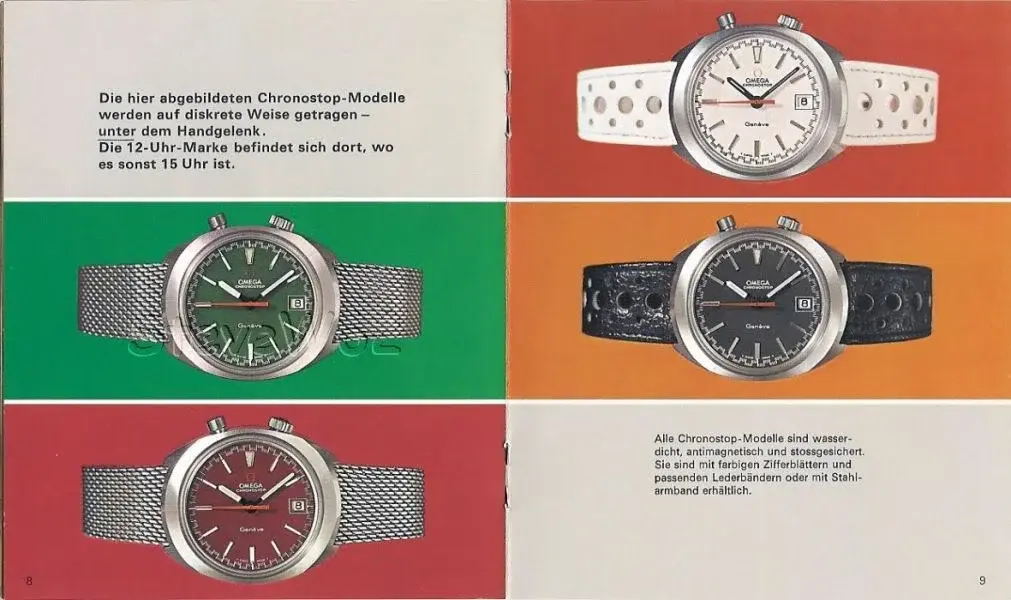
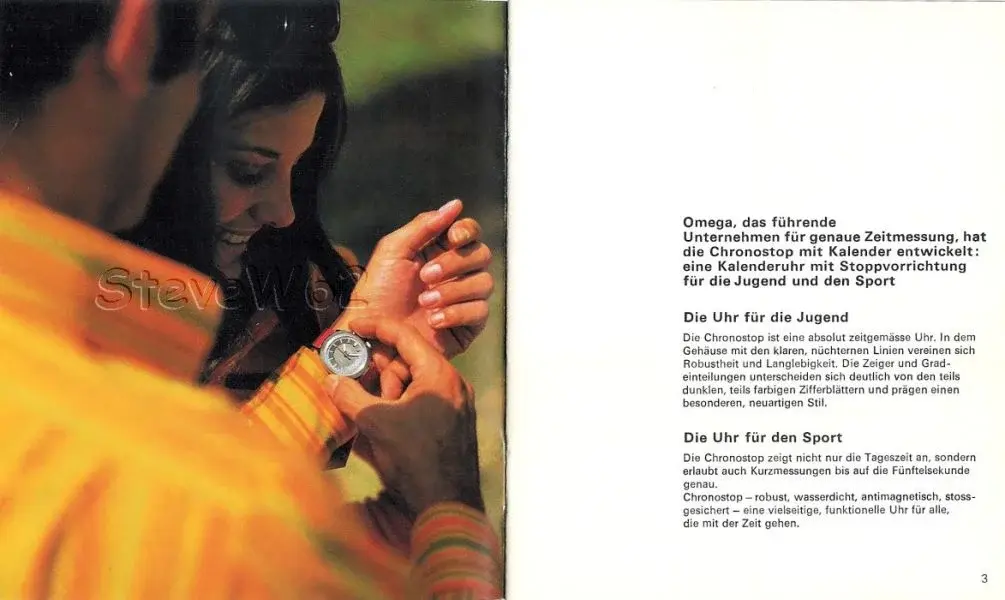
As @tdn-dk ’s German advertisement says in its copy:

‘The Watch for Youth, The Watch for Sport’… ‘A watch that ‘moves’ with the ‘times’.

The watch was created as an entry level watch for young men, particularly highschool kids and university students, basically active people looking to express themselves (hence the different colours).

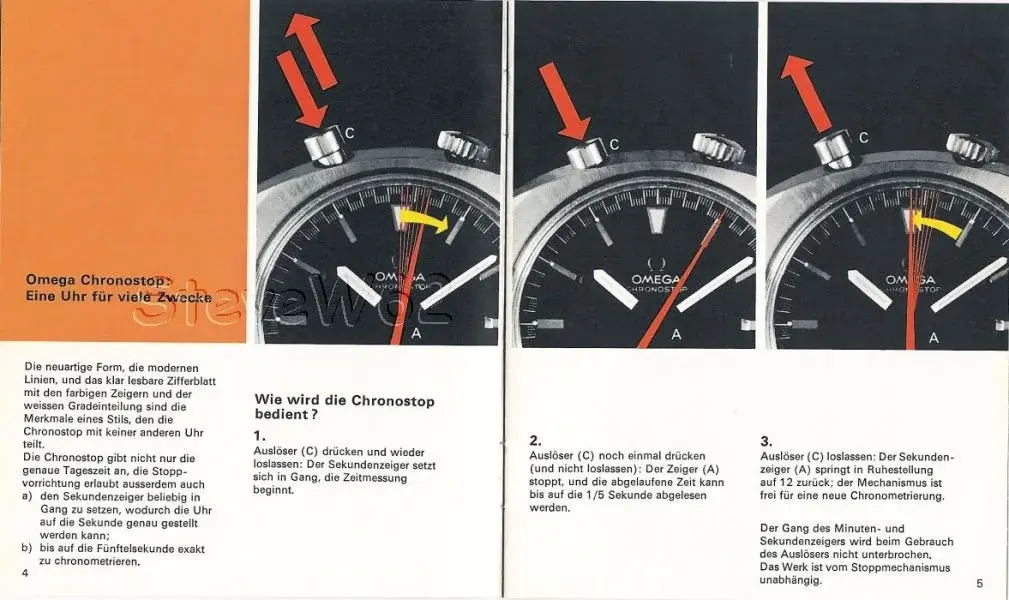
As such the timer reflects the types of sports these kids would naturally time: 100m, 200m, 400m sprints or interval training or lap times. In those contexts the 60 second timer is enough. Also not delivering a fully functional chronograph probably kept the price down to make these watches accessible to this specific demographic.

As @sathomasga has said the actual complications for most of the watches you see on this site are redundant… I would also include telling the time as one of those complications. If we’re all honest with ourselves, in a world inundated with digital clocks, these things have lost their use as tools and are now just male jewelry…

Here’s a photo of my Chronostop bangle 😉

 
Posts
1,086
Likes
3,769
I don‘t understand the watch to be honest. Because you can only time things 1min. Or am i wrong?
I have owned and really enjoyed both the Genève and the Seamaster Chronostop and thought I'd feel the same way. The very idea of a watch without a second hand seemed all wrong, but in daily use they're both really nice designs, very clear and coherent and all business.
 
Posts
2,877
Likes
4,594
I ❤️ my chronostop, althoug it is a seamaster. What I really like is the 24 division rotating bezel. The Genéve's look naked without the bezel.

Pretty much my go to watch when working security shifts or traveling.

As for timing. Back in the 1990s we still used mechanical timers to time the printers. Which went from minutes per page to pages per minute. I did use the speedmaster a few times for fun. Still have a collection of sports timers. Even managed to sell one to a co-worker.

Sometimes I would let the cronostop hand sweep like a seconds hand. Not sure how much wear that adds.

may have been a few times where I timed things with it. Do not remember anything specific. Something what lasted like 10 seconds or so. Not much use timing things less than 30 seconds or so.

Have not used it much since I got the apple watch(s) I serviced it (with the help of my mentor) some 30 or so years ago. So It probably could do with another. Back then we used 'chronometer' oil.
 
Posts
767
Likes
1,430
The very idea of a watch without a second hand seemed all wrong
I just keep the chronograph running. That's especially convenient with the chronostop since a single pusher press will both stop the chronograph and reset it.
 
Posts
767
Likes
1,430
Sometimes I would let the cronostop hand sweep like a seconds hand. Not sure how much wear that adds.
I don't know either, but I've heard several watchmakers say that with Seiko 6139, keeping the chronograph running would actually reduce wear.
 
Posts
2,184
Likes
2,397
I don't know either, but I've heard several watchmakers say that with Seiko 6139, keeping the chronograph running would actually reduce wear.
The 6139 uses a slipping clutch for its chronograph, it has two wheels connected by friction that when you 'stop' the chronograph pulls apart and they rub.

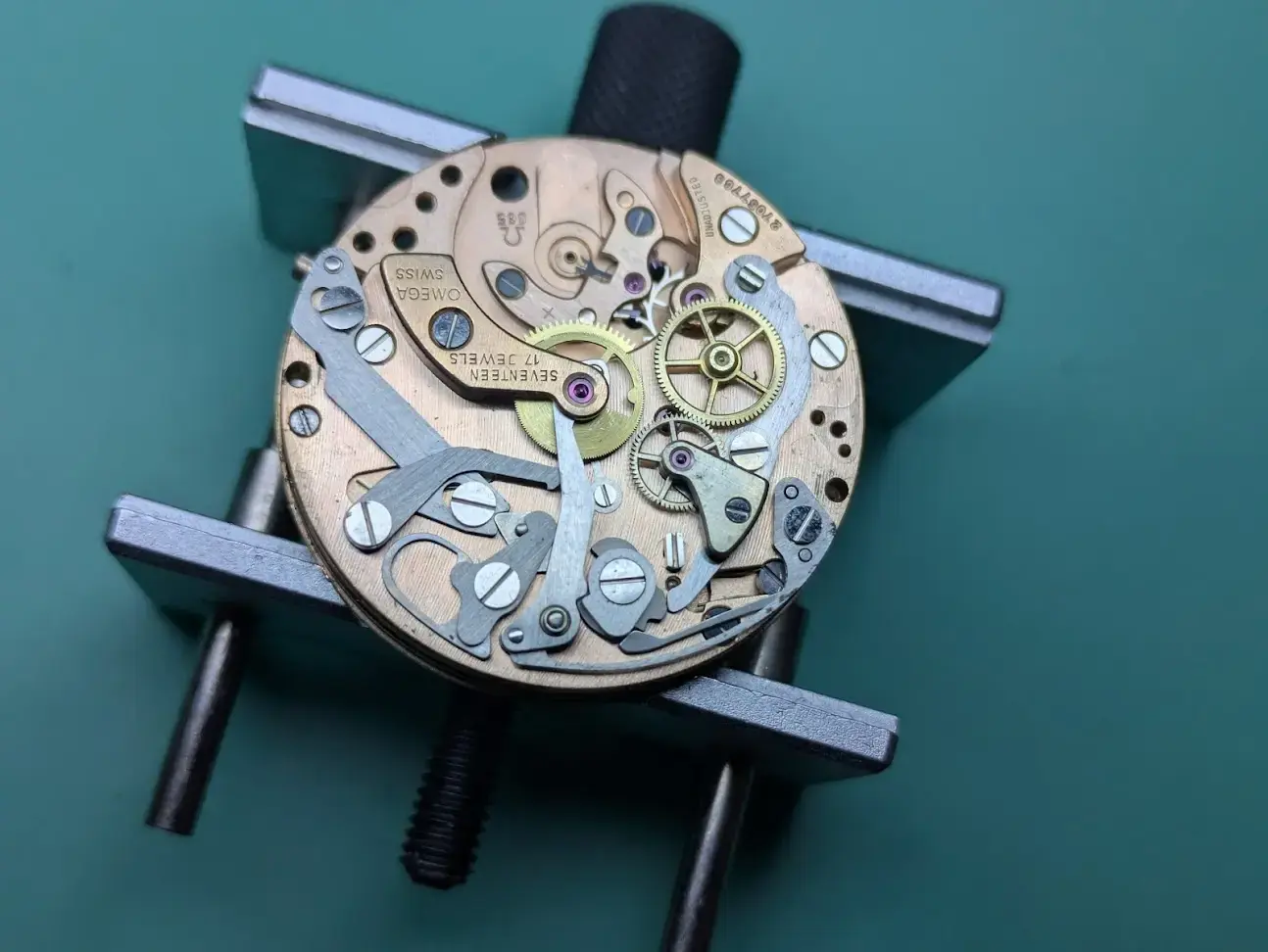
The Chronostop (and all of the 861-based chronographs) use a vertical clutch, where a wheel is 'shoved' into the other wheel when you start it. The result is that you DO 'wear' an additional pair of gears and pivots (since the clutch teeth are rubbing, plus the center wheel is turning), but I wouldn't say either of those are high wear surfaces.

See the photo below for the picture of the Chronostop I JUST finished movement servicing on (still tracking down a seconds hand 😀 ). The small wheel on the right pivots on its arm on the screw directly above it (across from the wheel-over-4th that is between it).

Basically, that wheel over-4th always spins, it is connected to the gear train. The clutch wheel always spins becasue it is in constant contact with the wheel-over-4th. The clutch wheel is shoved into the center/seconds wheel when you allow the chronograph to start, which turns it.
 
Posts
29,820
Likes
77,174
Sometimes I would let the cronostop hand sweep like a seconds hand. Not sure how much wear that adds.
Minimal. The teeth are not ideally shaped for power transmission, but the loads are small.

I don't know either, but I've heard several watchmakers say that with Seiko 6139, keeping the chronograph running would actually reduce wear.
The problem you may find with doing this on vertical clutch chronographs is that the chronograph wheel assembly can seize up. When the chronograph is stopped, one part of the assembly is stationary while the other moves. When the chronograph is running both portions turn together. Over time if they are allowed to run together they seize up, and when you stop the chronograph the watch stops completely.

I recommend if you are buying one of these make sure the watch runs with the chronograph stopped. If you have one and run the chronograph a lot, make sure you stop it every so often to keep it from seizing.