Ref 14759 SC-61 case identification help

Posts
5
Likes
0
Hi
I’m reaching out for help to resolve this mystery.
Given a Seamaster with this reference I bought some time ago for a project to work on.
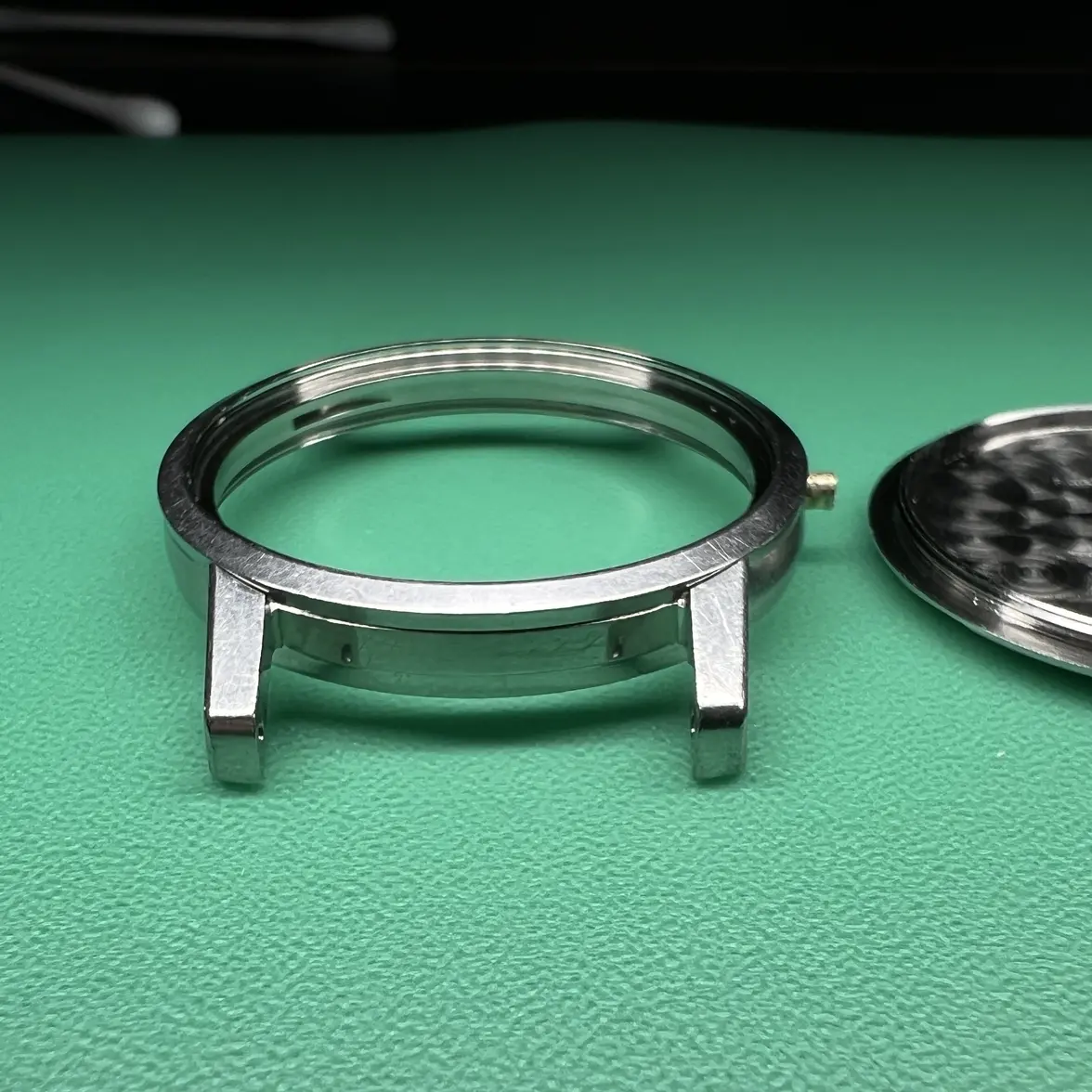
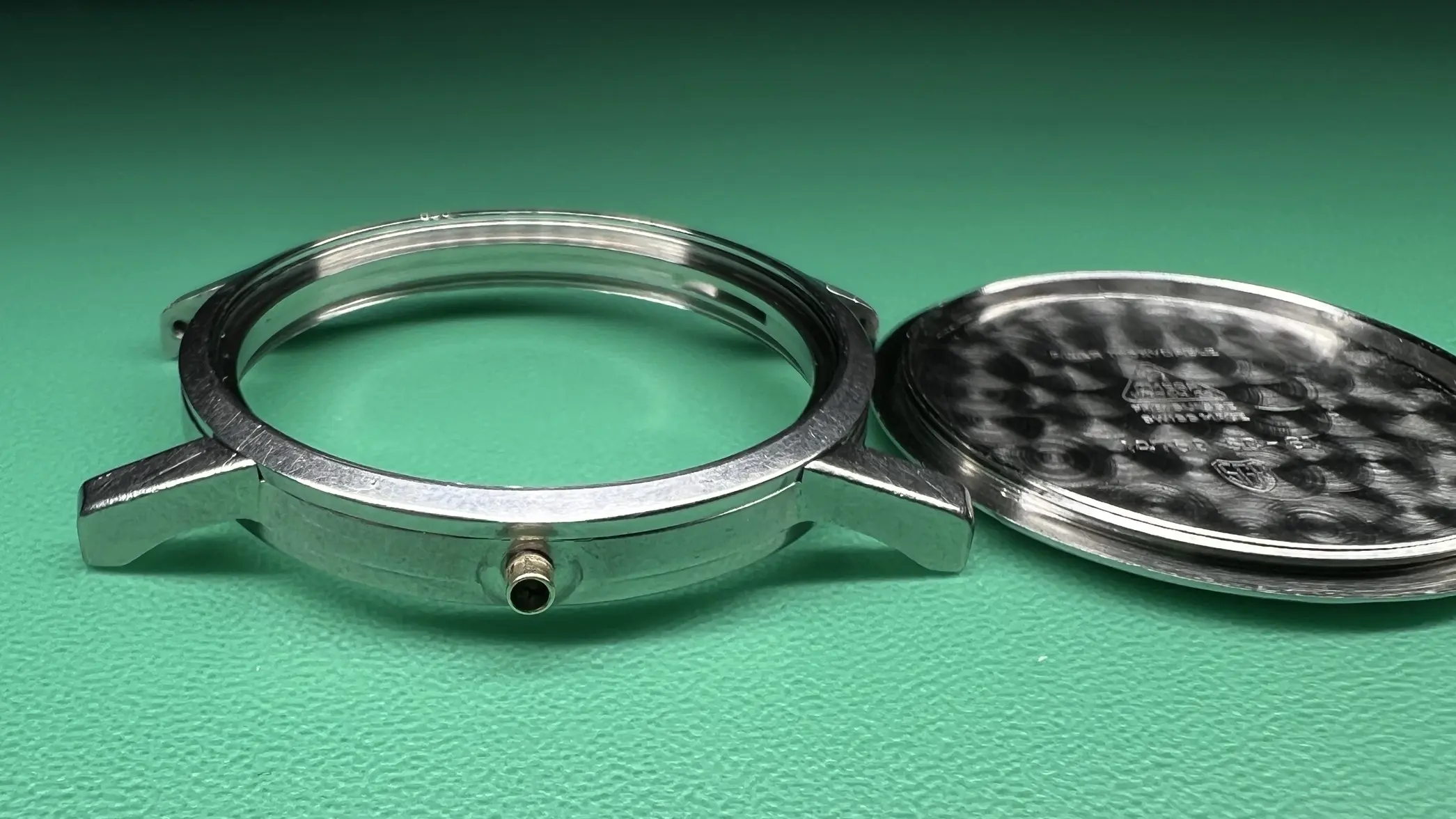
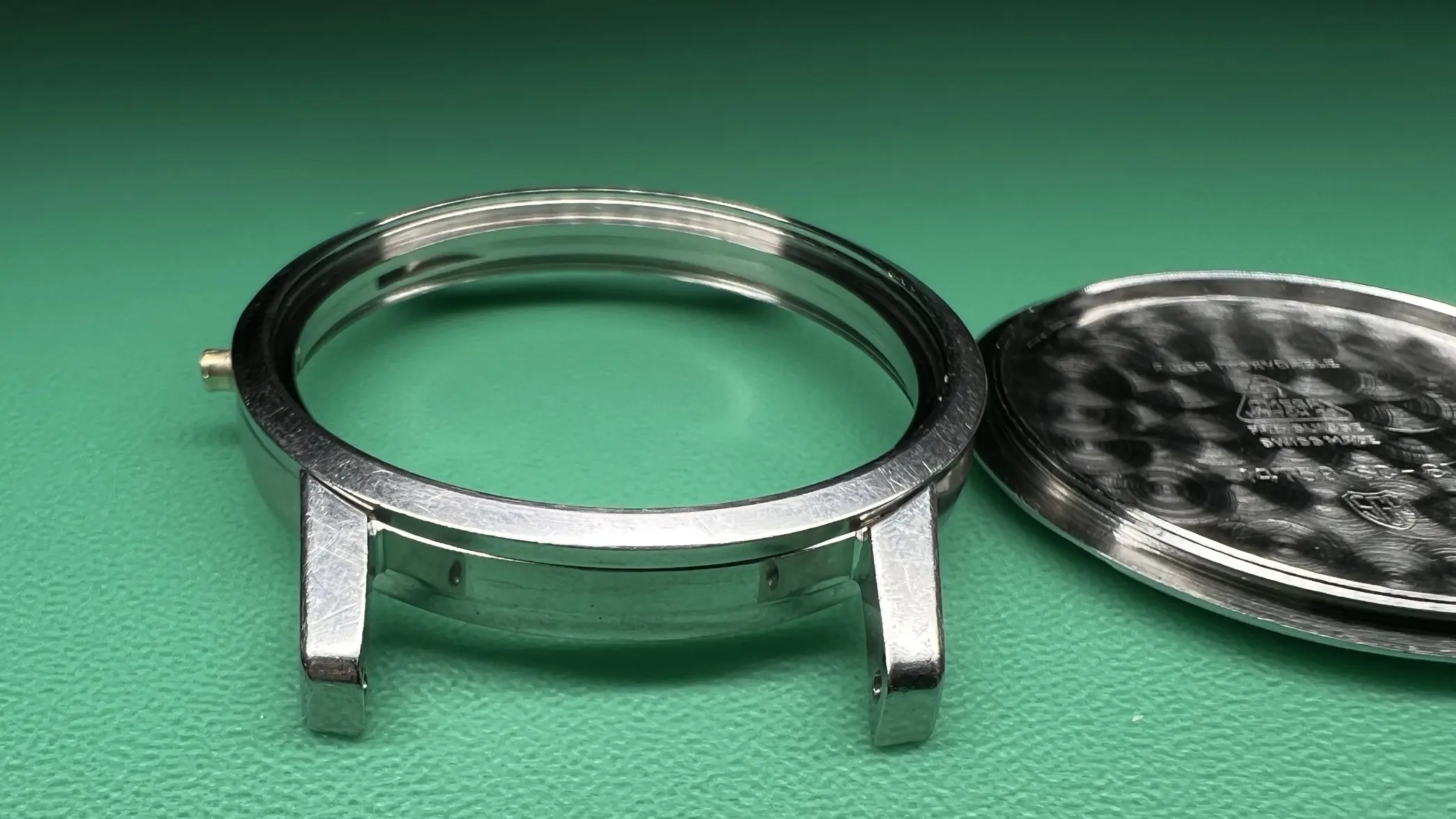
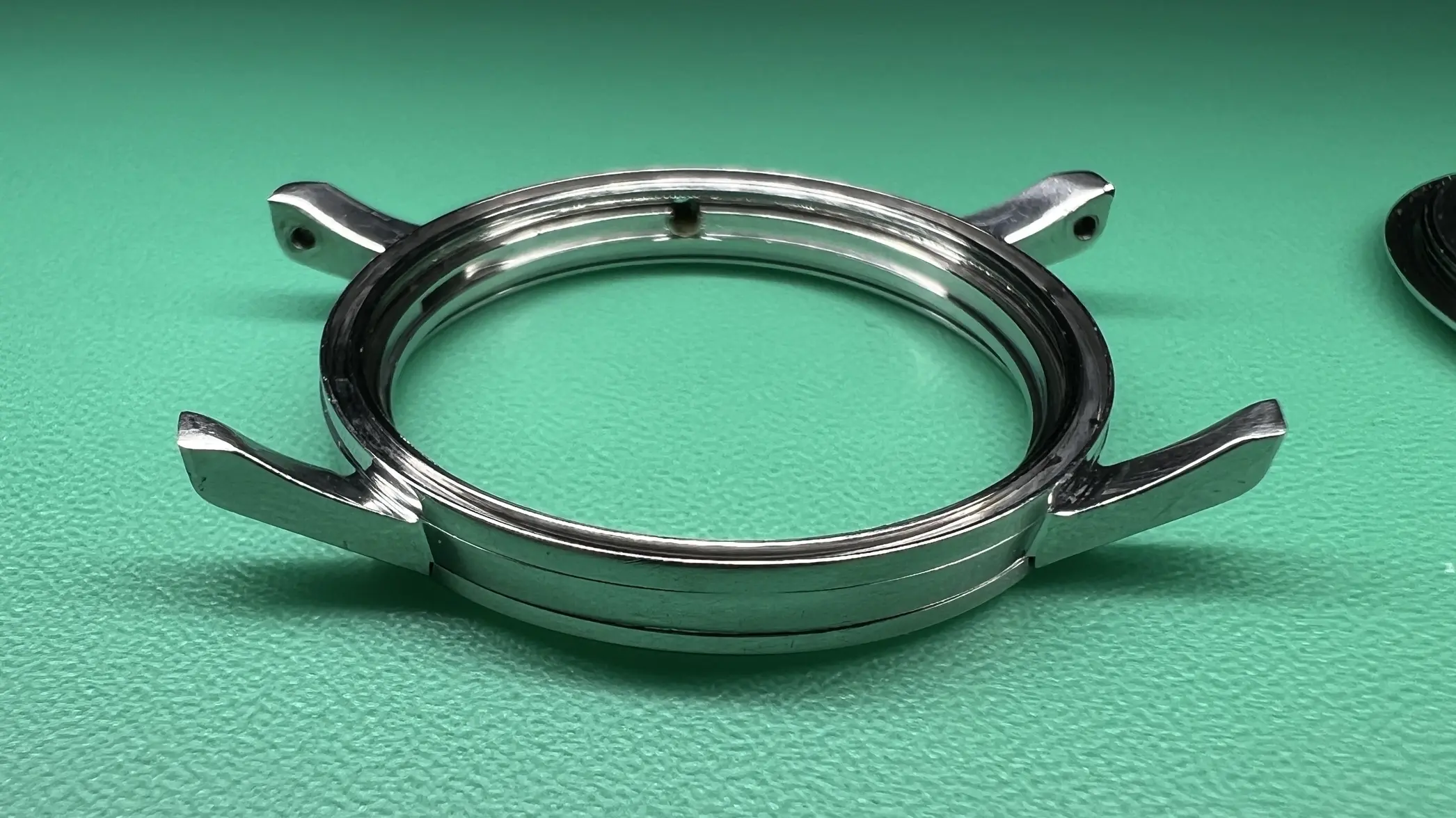
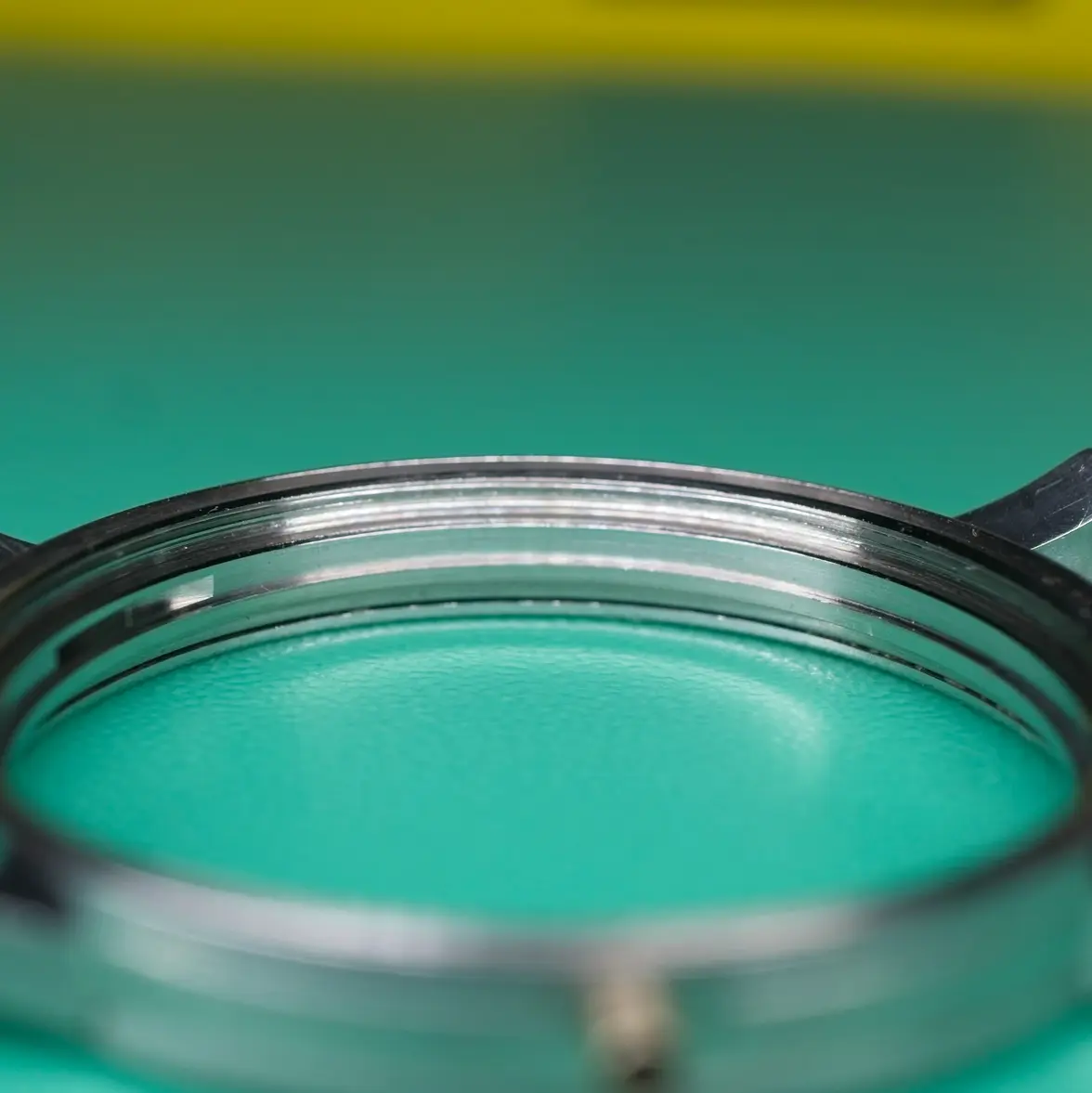
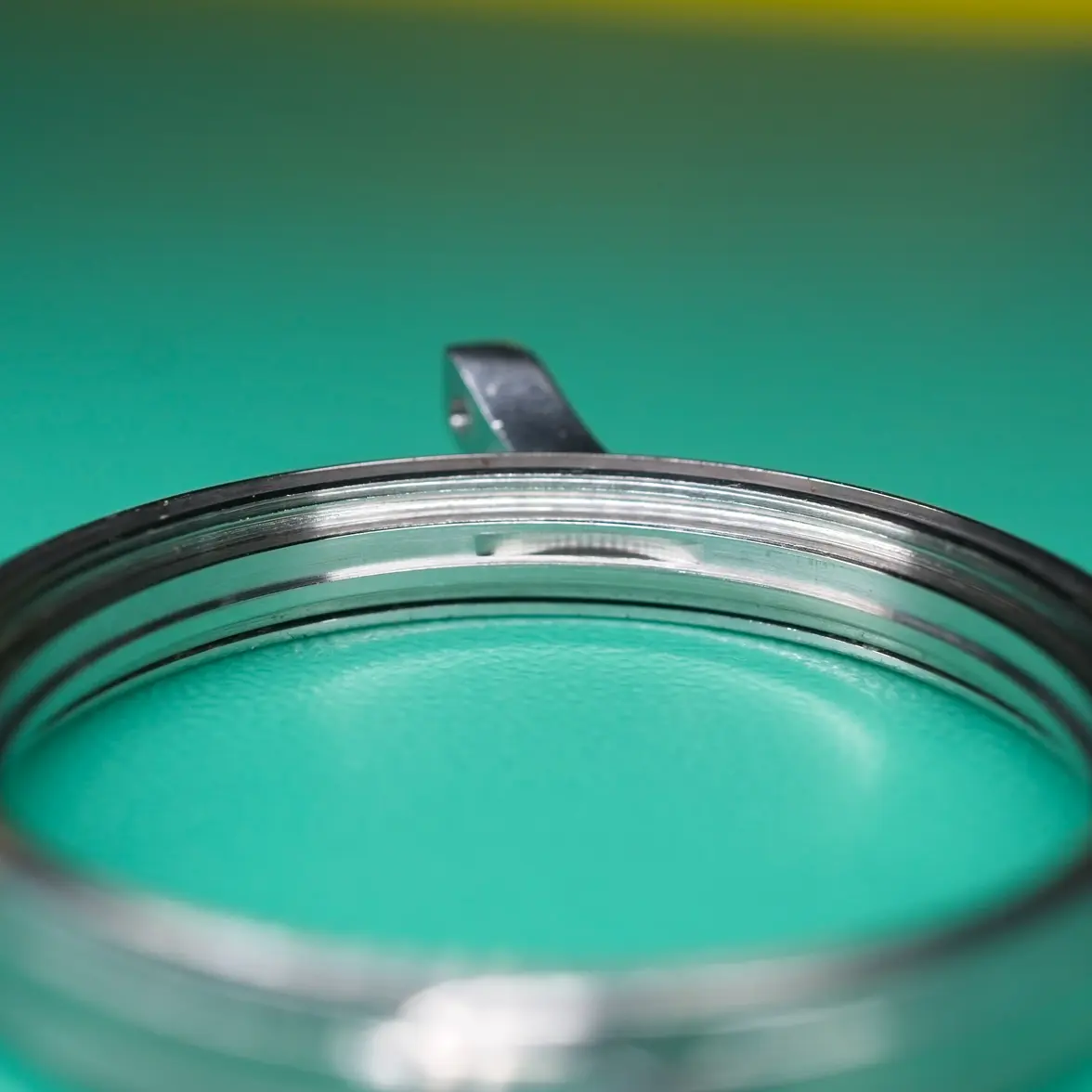
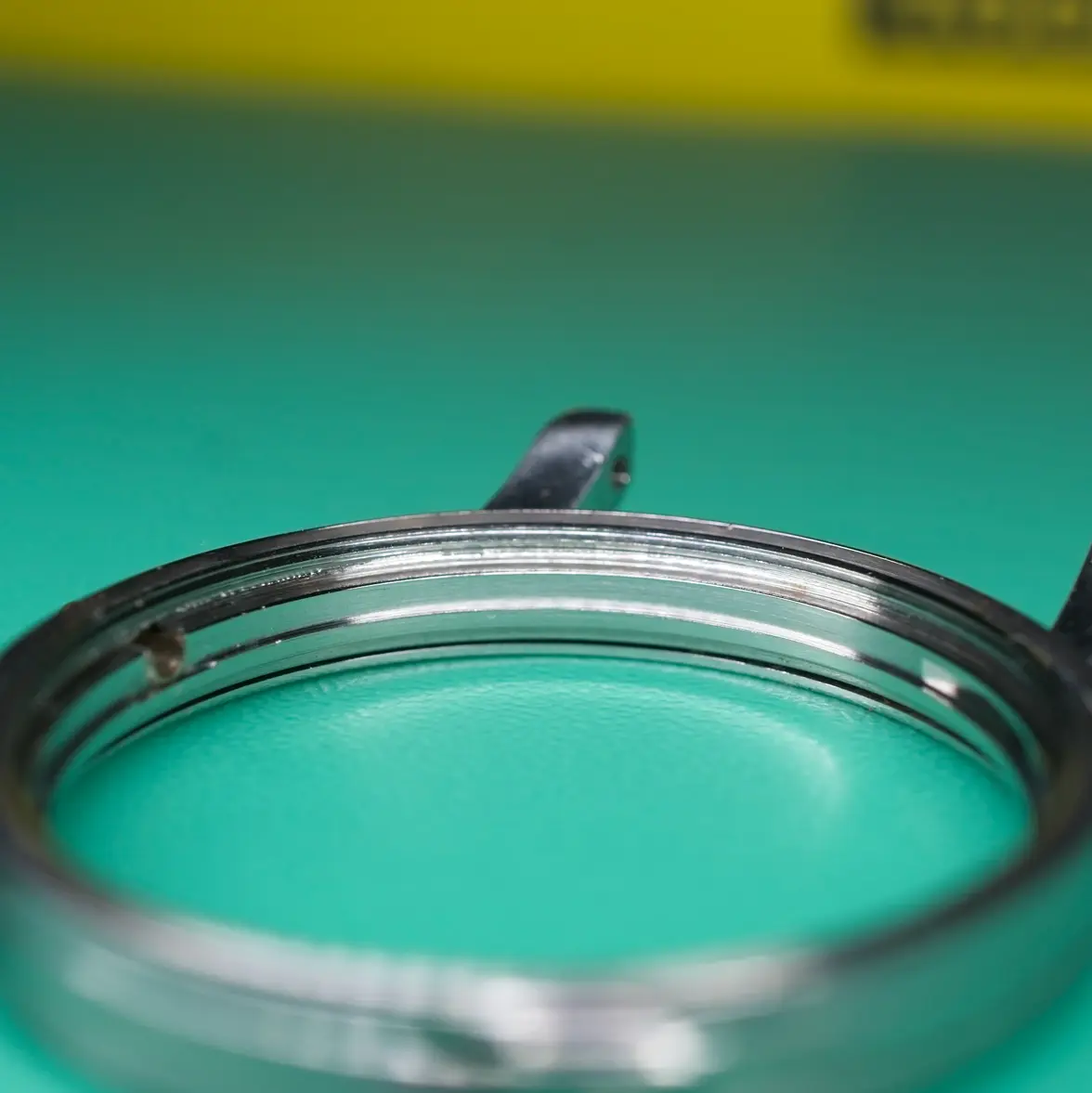
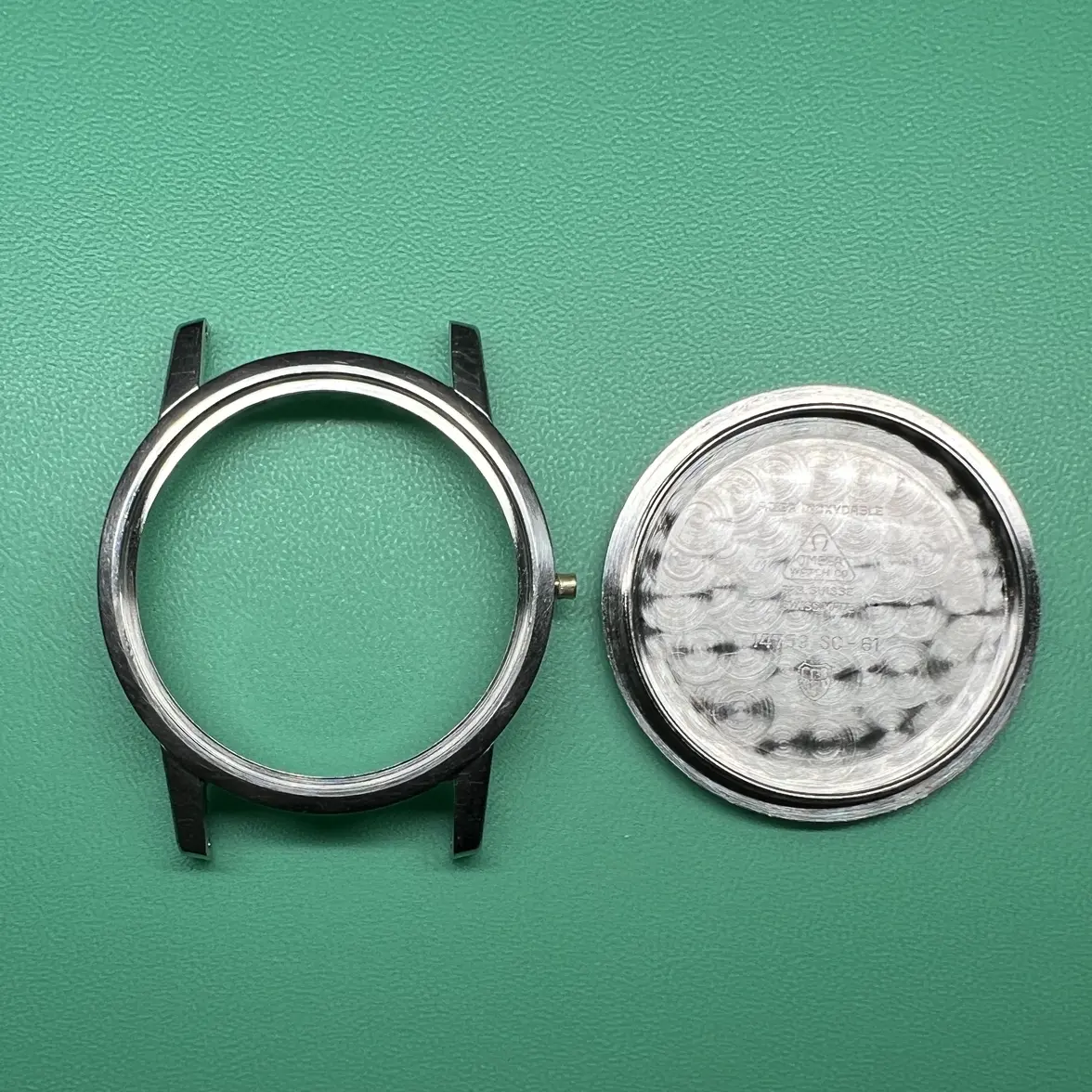
The watch was in one piece, no red flags as I could see. After dismantling and cleaning the case I’m no longer able to put the caseback back to the case. I know it sounds weird. I don’t recall removing the caseback was a problem at the first place. But I start to wonder it’s not the caseback for this case. I dealt with a good number of vintage Omega and never experienced such. Already when starting to screw the caseback, it doesn’t feel a good fit. Occasionally I can turn a few time but definitely not enough to close the case. Note the gasket has been removed but even so it’s far from a closed position.
Can someone help me review the case based and determine if I’m dealing with a franken case perhaps? I looked pictures of the same reference but it looks ok.

Thank you in advance!
 
Posts
23,904
Likes
53,113
It looks to be a 14759 mid-case. Perhaps the threads were crossed/damaged.
 
Posts
2,906
Likes
8,485
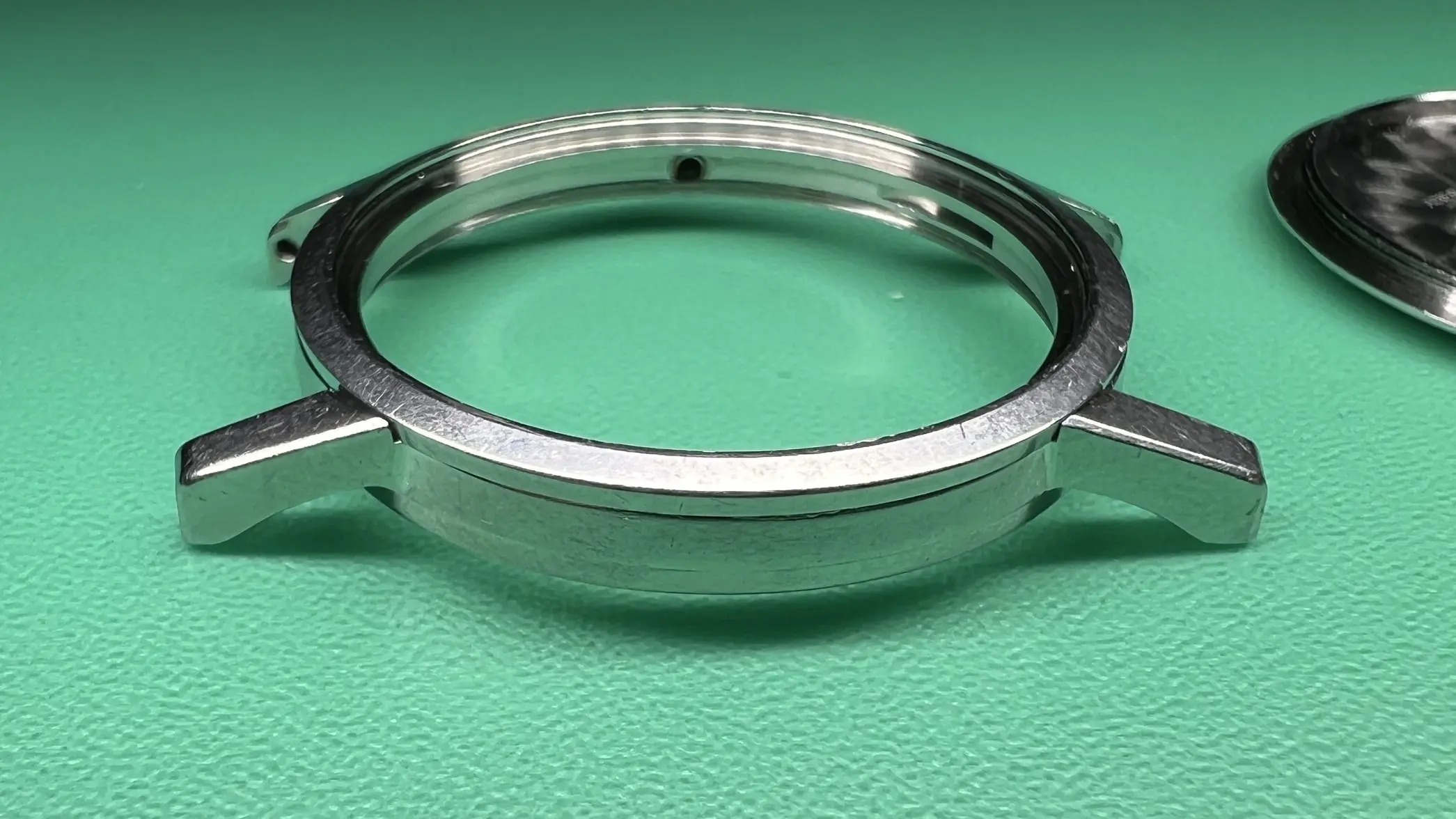
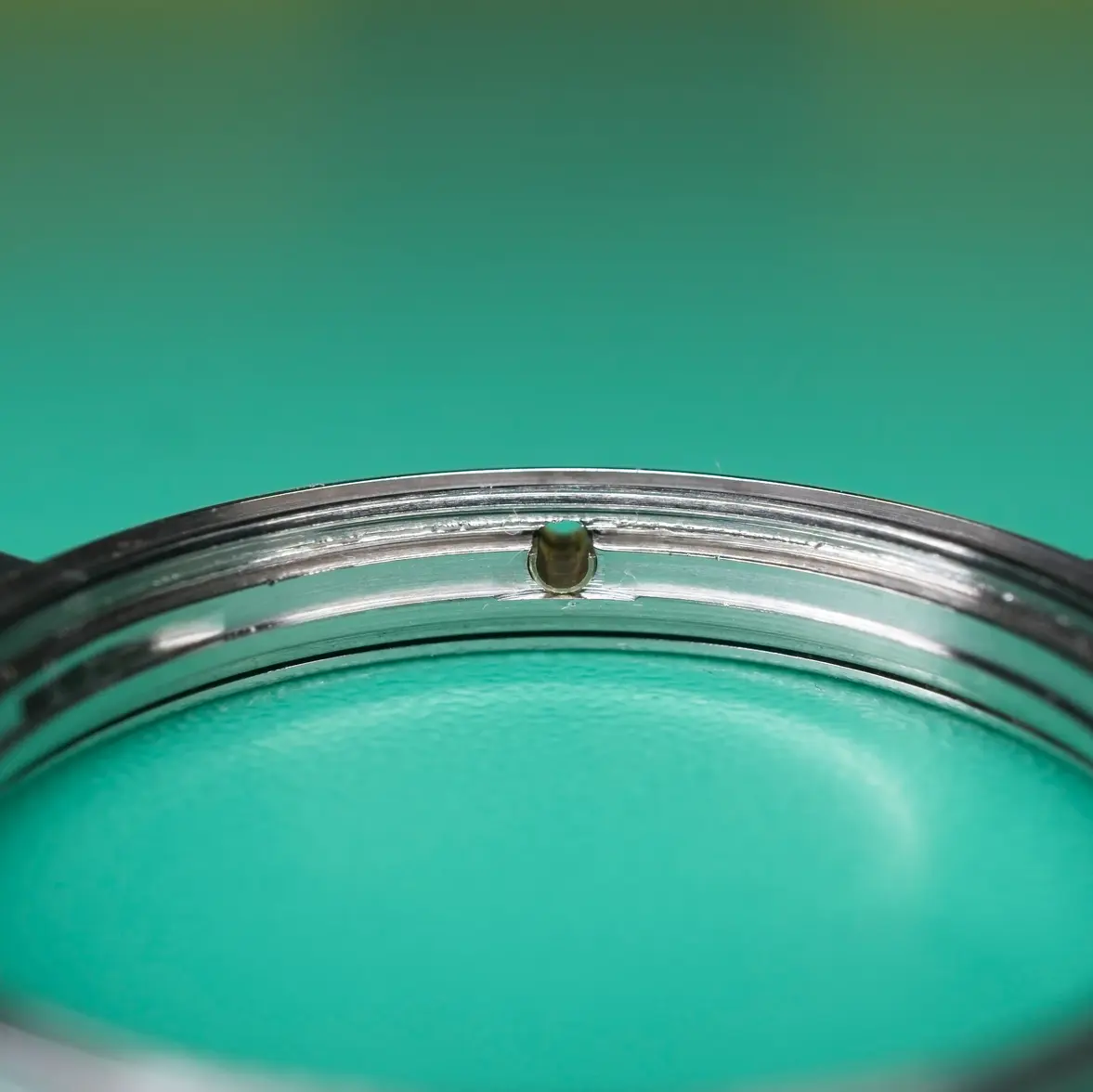
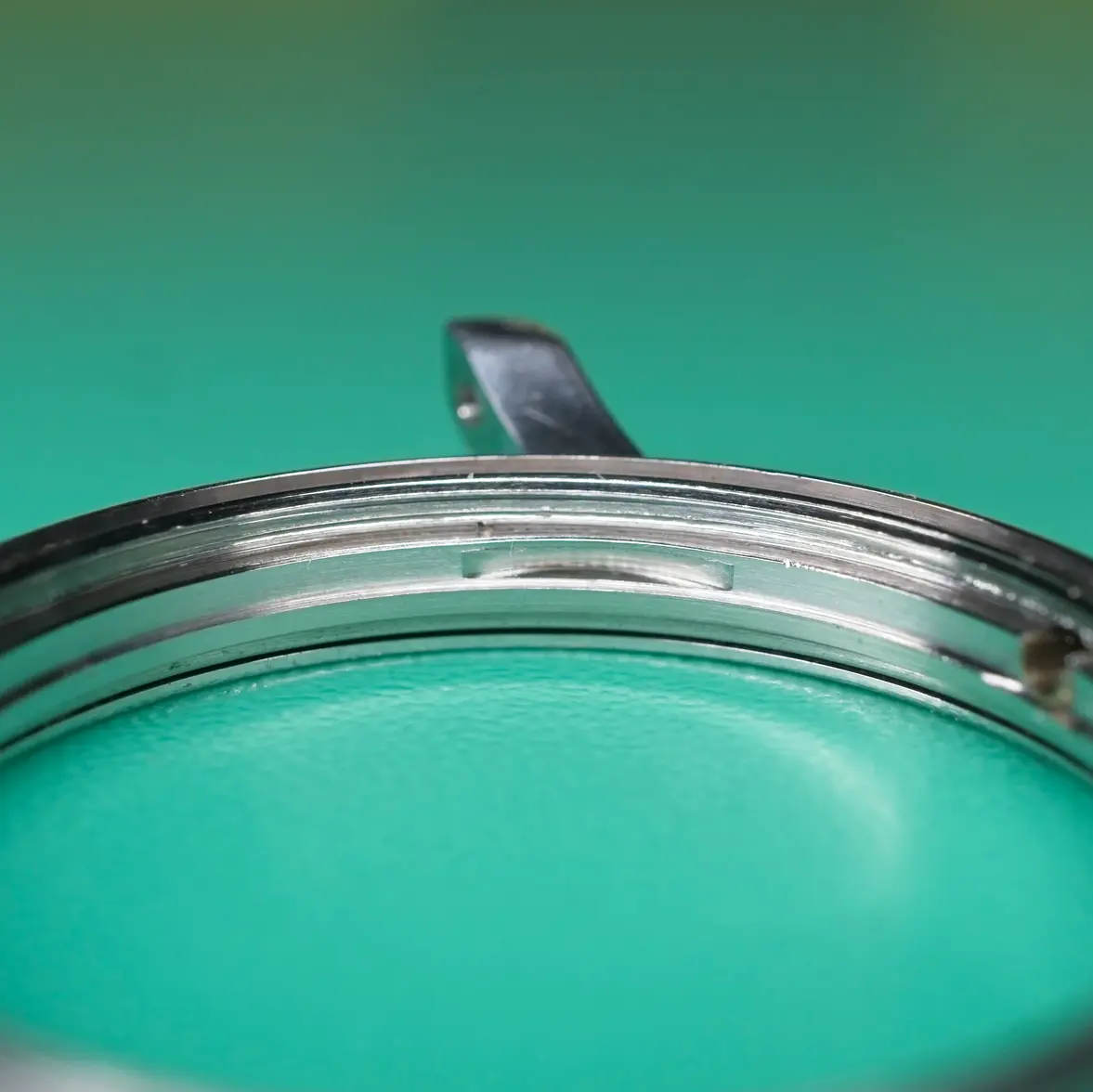
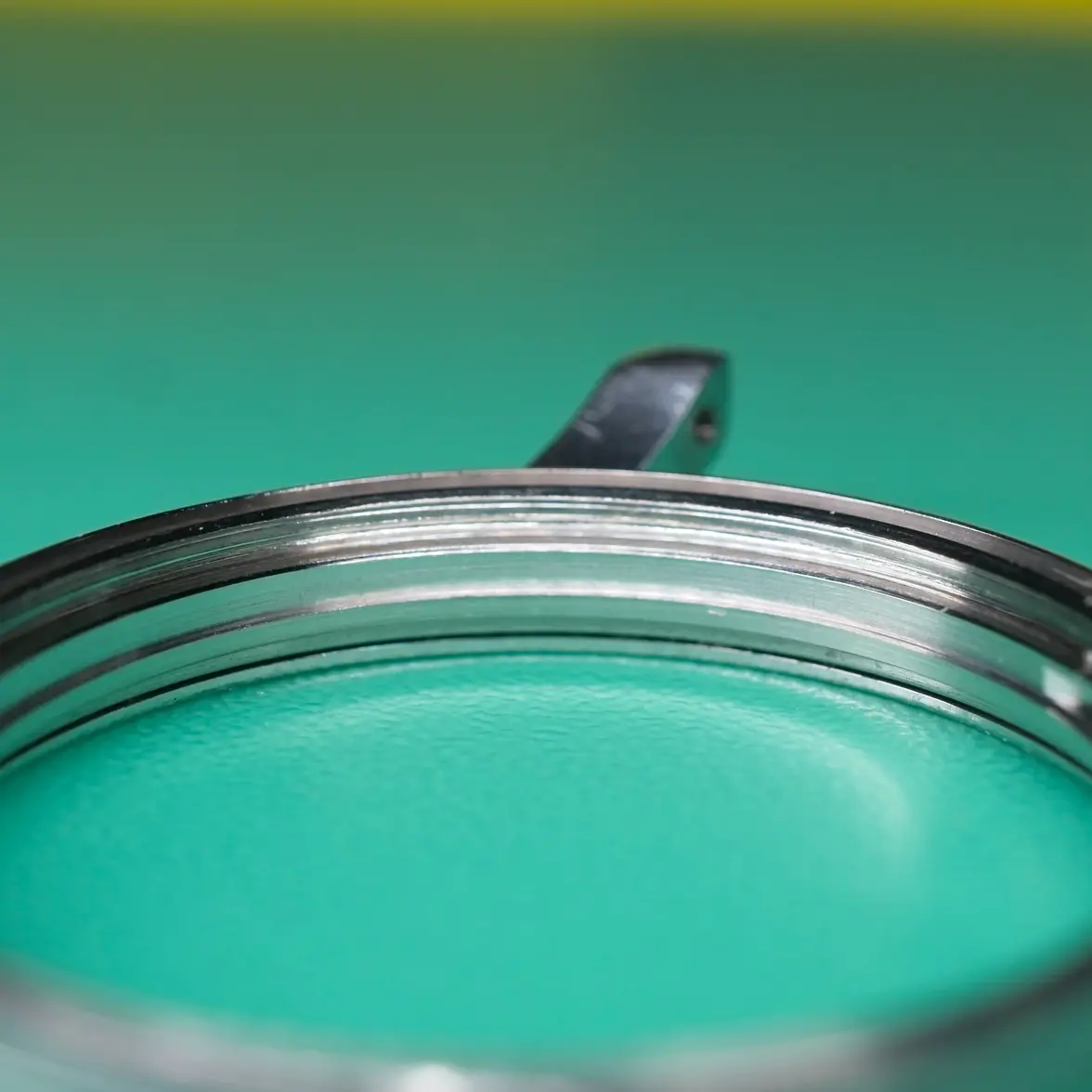
To me the threads looks damaged in the last picture, all those shiny spots could indicate that the thread tops are bent or worn down. At the left side it looks like the thread splits in two, an indication of cross threading.

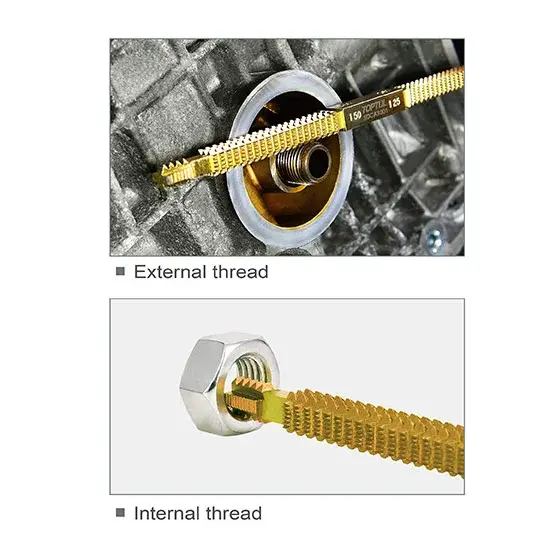
My screen is small, but I got new glasses so I am almost certain these threads are damaged. I had the same trouble with a milling machine chuck the other day. Two hours of work with a thread file and a triangular file I fixed it. Do watch makers repair threads and with what kind of tools or do they just swap cases?
 
Posts
5
Likes
0
Thank you @Dan S and @hen for your prompt responses. Much appreciated!
Yes, it really looks like the threads are damaged.
I took a few macros. It is indeed visible around the stem-hole.
@hen, your question is the main point here. Is that somehow fixable?
 
Posts
23,904
Likes
53,113
I have not worked on watch cases in this way, but very careful work with a fine file might improve the threads enough so that you can at least install the case-back. It looks like finicky work.

Other alternatives would be re-cutting the threads using a lathe, which would require the right equipment and substantial skill, but I'm pretty sure it can be done. You could also look for another case.

It might be worth contacting Peter Wuischpard (https://www.watchcaserepair.com/) to see what he thinks.
 
Posts
29,472
Likes
76,230
That would be pretty easy to clean up just using hand tools. Trying to chase those threads on the lathe would be overkill from what I see. All that is required there is to clean up the peak of the threads to get rid of any burrs.
 
Posts
1,659
Likes
1,715
Yeah, that is some gouging, but the rest of the threads are in place. I would need to get a better look, but if that is just a raised burr, you can probably nip it off with a burnishing rod/pick. Fixing that on a lathe is going to be tough, picking up threads is a skill enough, picking it up when it is an inside thread, with a small pitch, and such a short distance would be a challenge.
 
Posts
2,906
Likes
8,485
Do watch makers have tools like this, with a finer pitch.
 
Posts
1,659
Likes
1,715
Do watch makers have tools like this, with a finer pitch.
I have never seen a thread file small enough for this application. That said, my experience with machinist -sized ones shows they aren't particularly effective at cleaning up threads.
 
Posts
2,906
Likes
8,485
I have never seen a thread file small enough for this application. That said, my experience with machinist -sized ones shows they aren't particularly effective at cleaning up threads.
That is true they are not particularly effective on high grade steels, but often its the only alternative for threads M20 and bigger where taps and dies usually aren't available. Most times you need a lot of strong swear words and time in addition to the thread file.
 
Posts
1,659
Likes
1,715
That is true they are not particularly effective on high grade steels, but often its the only alternative for threads M20 and bigger where taps and dies usually aren't available. Most times you need a lot of strong swear words and time in addition to the thread file.
Every time I've tried them, I've applied TONS of swear words, and eventually given up, ground a threading tool, dialed the thing into my lathe, did the awful and horribly error-prone task of lining up on an existing damaged thread, and re-cut it with the lathe.

Thread files are one of those tools where I tell myself "at least I have something to try before doing it the hard way!", then waste my time with them.

<side note: Wilton Tap Extractors are the opposite! They are the tool that has never failed for me!>
 
Posts
29,472
Likes
76,230
Do watch makers have tools like this, with a finer pitch.
No - I would do it will a graver or smaller file.