- Posts
- 232
- Likes
- 342
Caselock
·Hi all,
after discussing the springbars (quick-release versus regular springbars) which I found in my last purchase, the nice 166.024 I got from a gentleman here on the forum. I thought it would be wise to separate the second topic I am braining on for a while now. I was searching this forum but could not find information on how to (re-) shape the old 516 endlinks on these flatlink bracelets. They have the reputation on beeing flimsy and usually are worn when found after years of use. On the watch I just got there was one endlink in very good condition, sitting very firm in its place, without much play, without any scratches on the inside. So I went to analyse this one to have an Idea how to shape the worn and torn ones. My observations so far are:
-the inner part, the part with the 516 inprint, is entirely flat
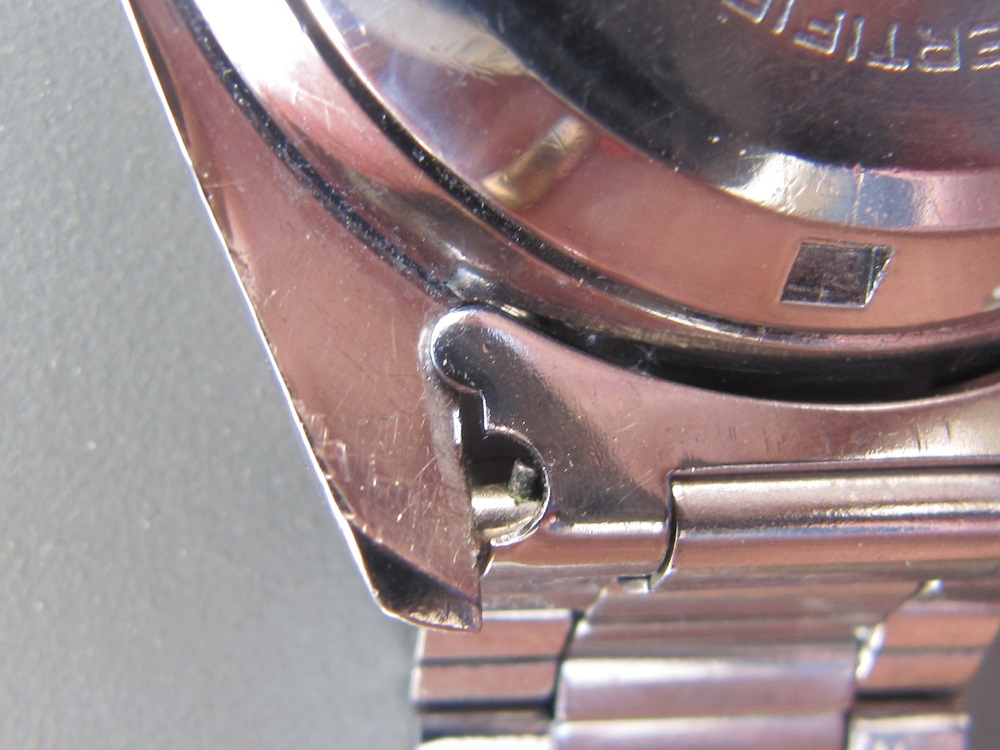
-the upper part, the part that can be seen from the outside when on the wrist, is curved in all 3 directions
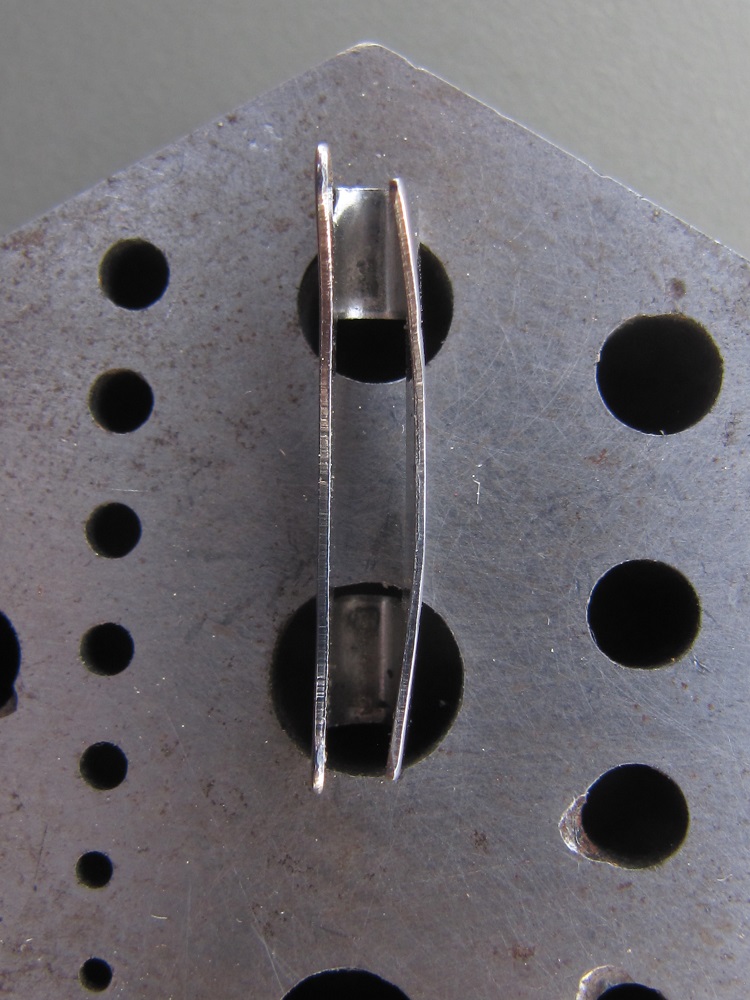
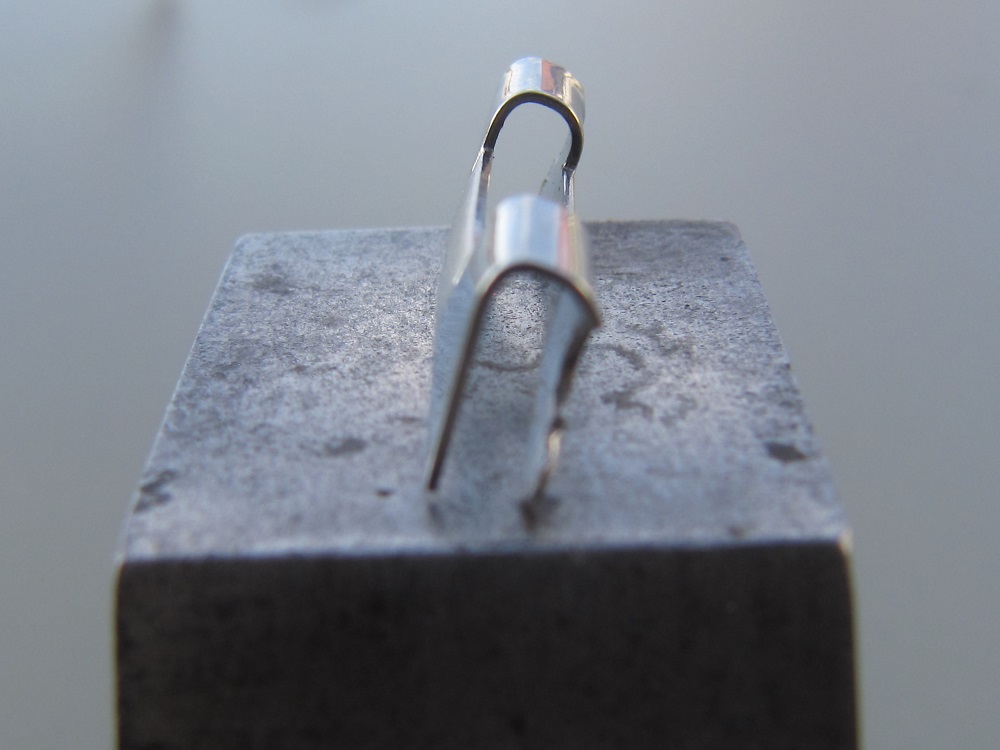
-the tips of the outer part that sit in the corners of the lugs are somewhat closer to the inner parts then the curved section where the springbar sits.
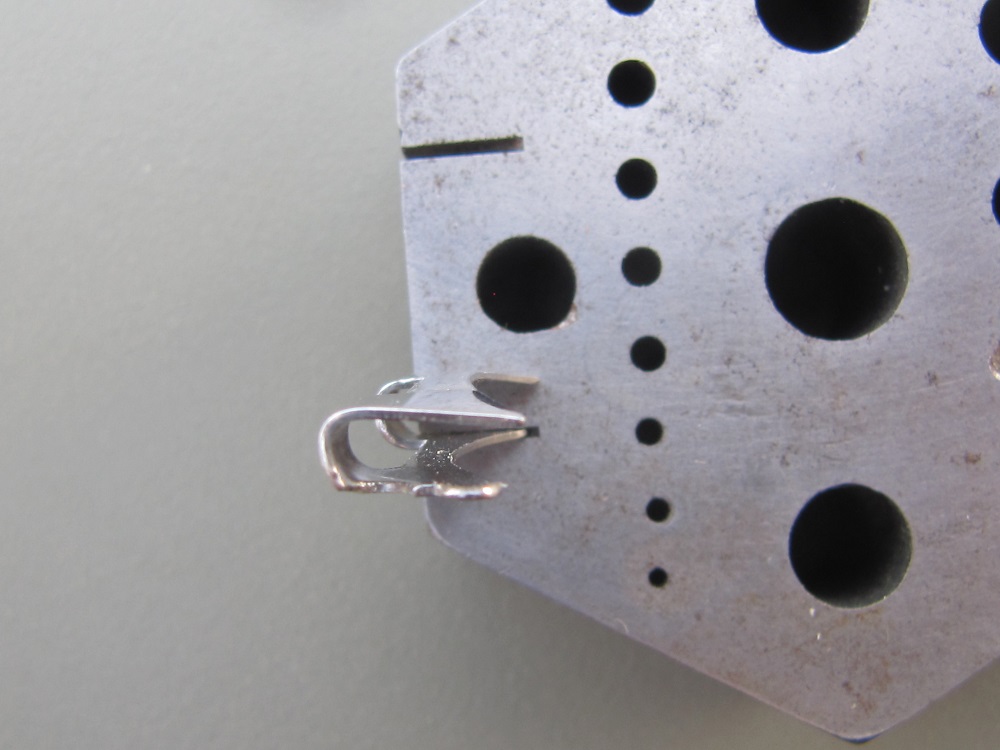
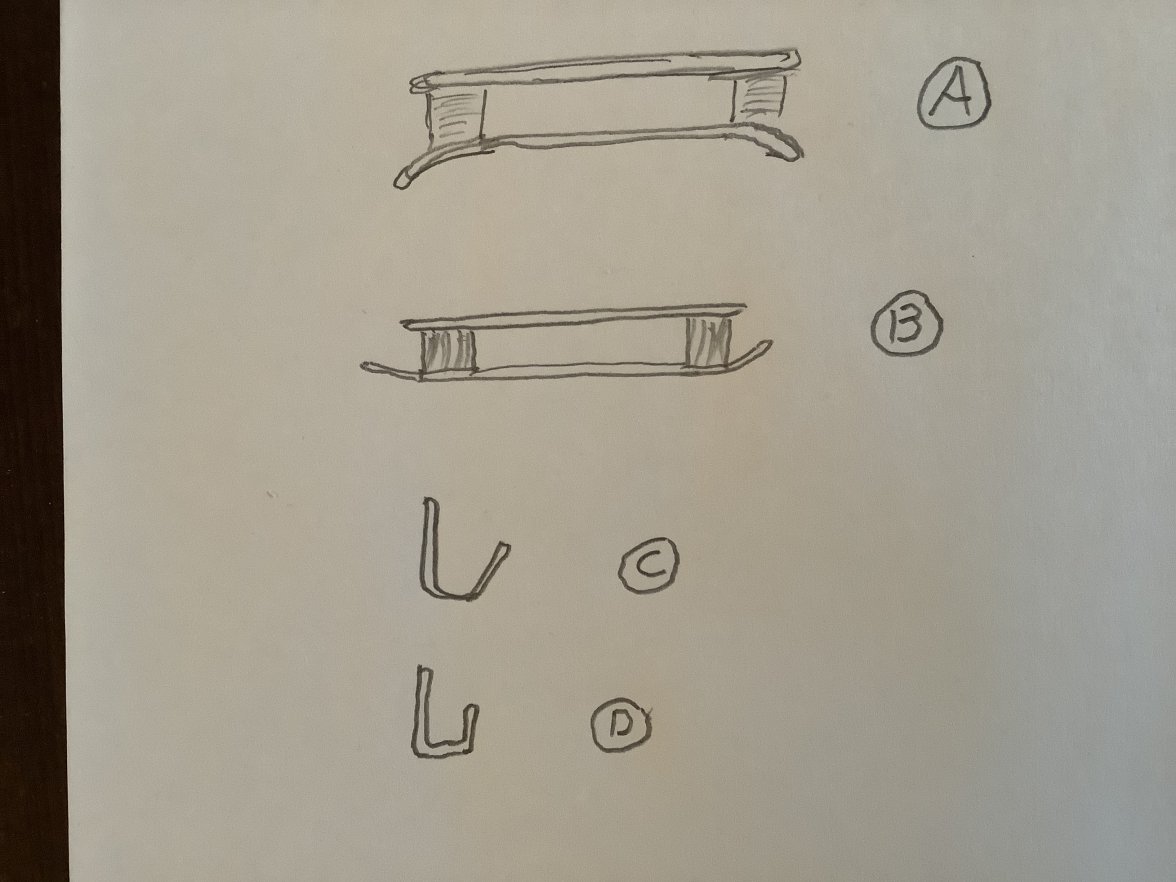
-the part where the springbar sits has a very destinct and characteristic curve, see above. When trying different sprinbars and their designs, it was my oberservation that the thickest springbar gives the best fixation of the endlink. In fact, the endlink is only held in position by the second link, the one that comes next to the endlink. If the second link has too much play, the endlink will not sit right in position.
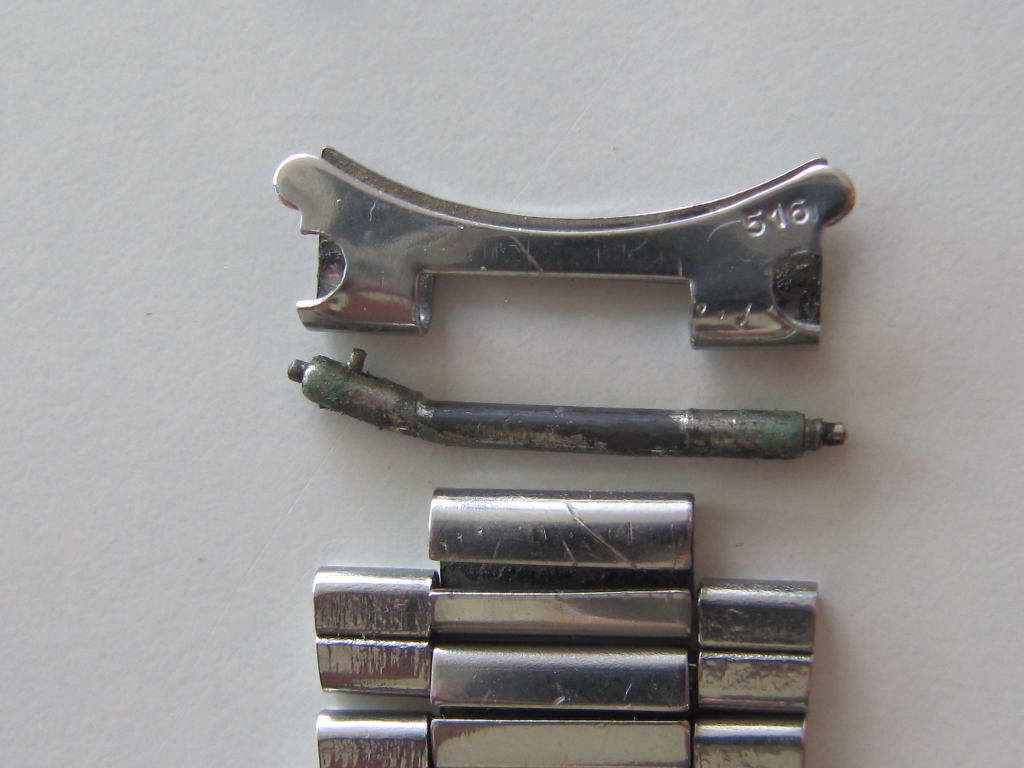
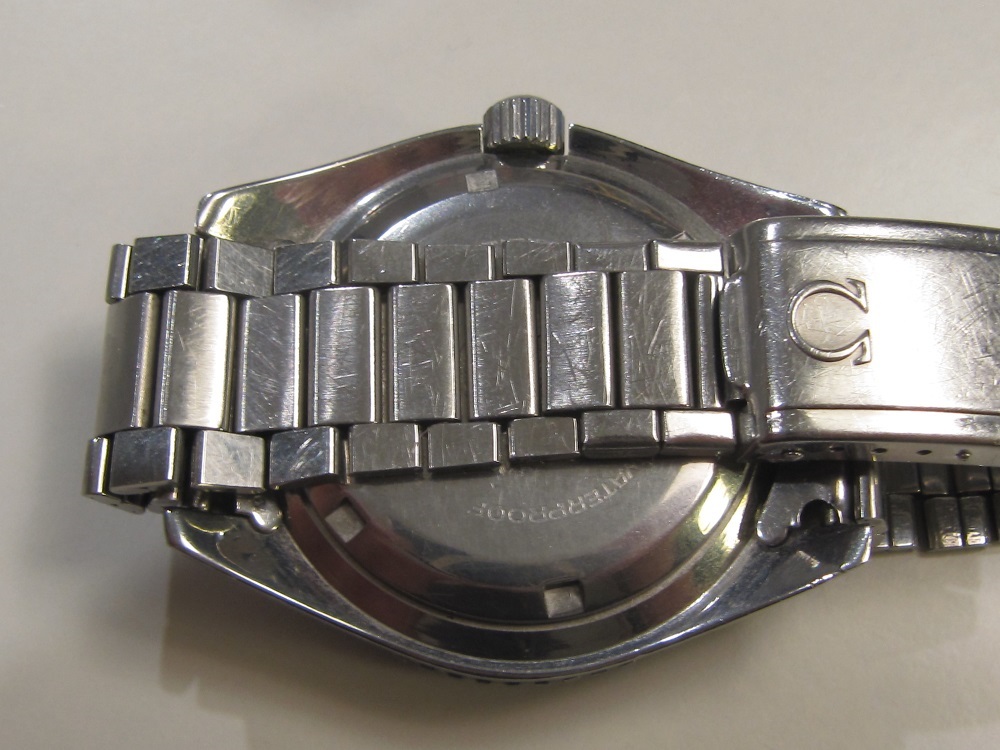
So it is mandatory to adjust the second / central link which offen shows a gap due to its age and wear and tension on the wrist. See pic. Seems to be a weak spot like the flexible links ...
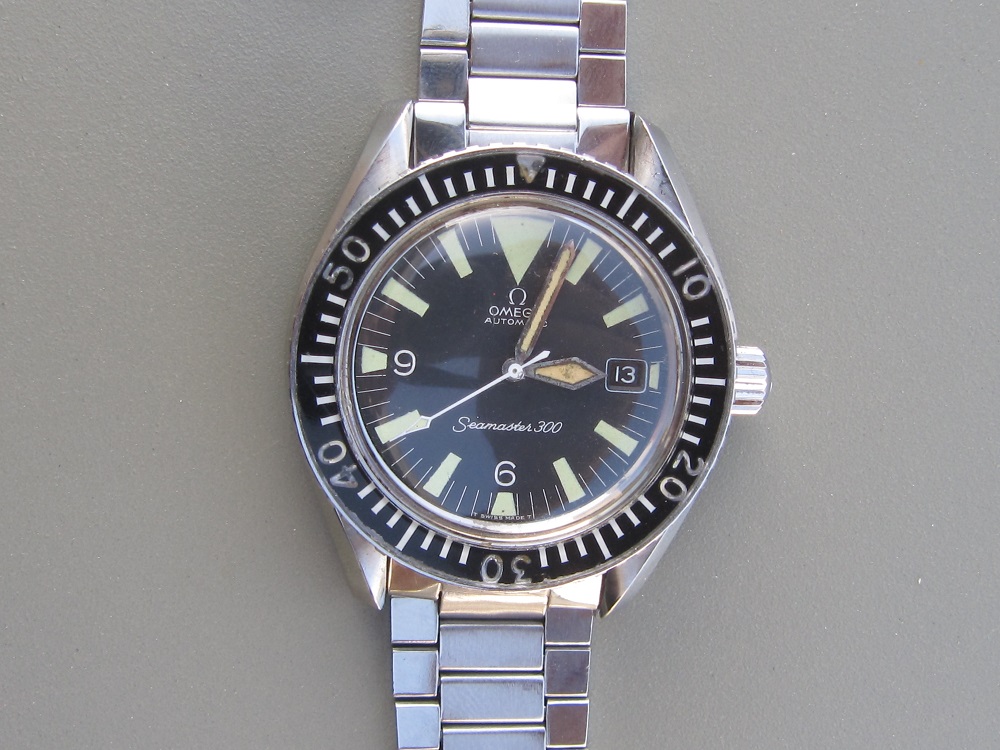
When placed and shaped properly, the endlinks should sit somewhat like this:
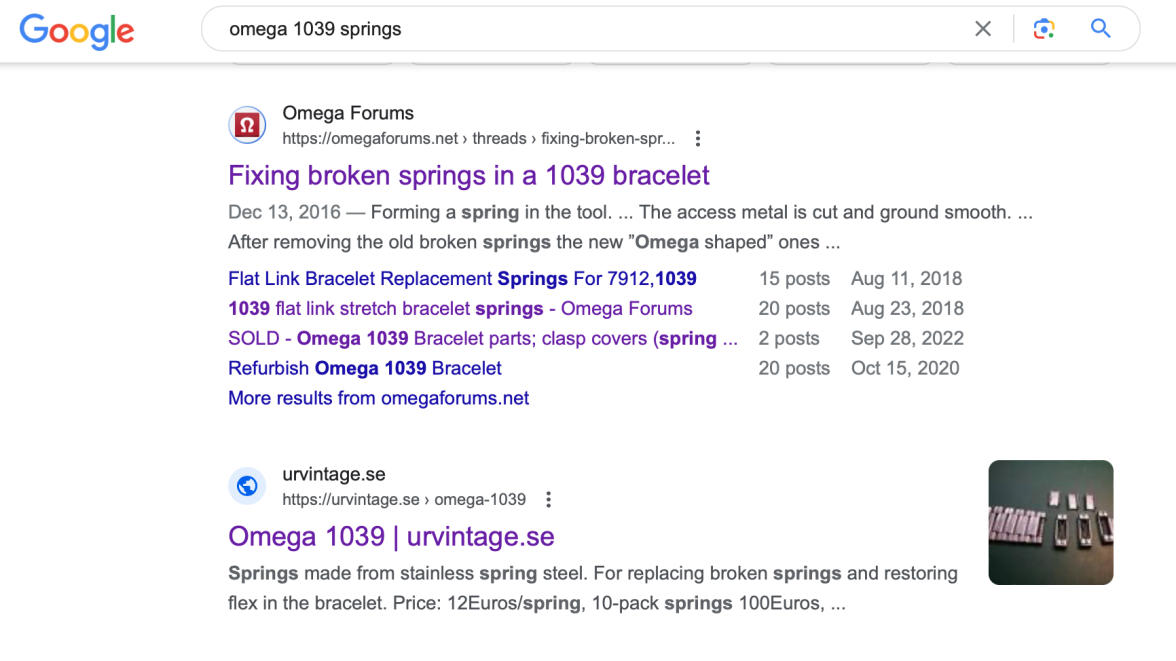
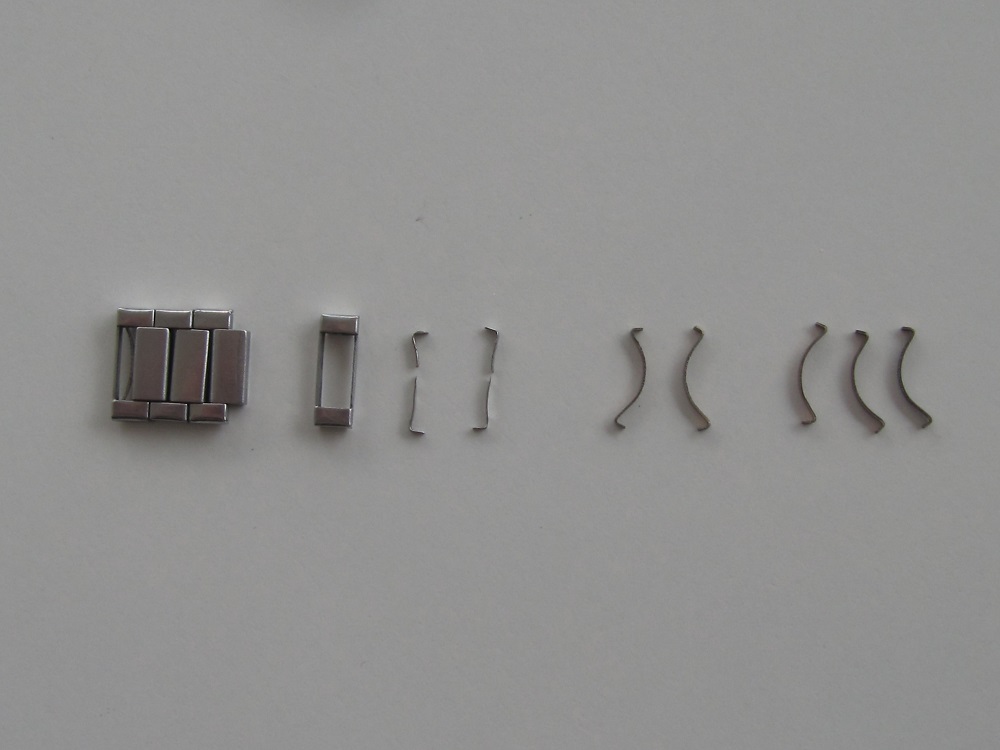
Which leads me to the next flatlink topic: where to obtain a new spring for the flexible links close to the clasp? I heard rumors that someone here has these springs on offer?!
Have a nice weekend,
caselock
after discussing the springbars (quick-release versus regular springbars) which I found in my last purchase, the nice 166.024 I got from a gentleman here on the forum. I thought it would be wise to separate the second topic I am braining on for a while now. I was searching this forum but could not find information on how to (re-) shape the old 516 endlinks on these flatlink bracelets. They have the reputation on beeing flimsy and usually are worn when found after years of use. On the watch I just got there was one endlink in very good condition, sitting very firm in its place, without much play, without any scratches on the inside. So I went to analyse this one to have an Idea how to shape the worn and torn ones. My observations so far are:
-the inner part, the part with the 516 inprint, is entirely flat
-the upper part, the part that can be seen from the outside when on the wrist, is curved in all 3 directions
-the tips of the outer part that sit in the corners of the lugs are somewhat closer to the inner parts then the curved section where the springbar sits.
-the part where the springbar sits has a very destinct and characteristic curve, see above. When trying different sprinbars and their designs, it was my oberservation that the thickest springbar gives the best fixation of the endlink. In fact, the endlink is only held in position by the second link, the one that comes next to the endlink. If the second link has too much play, the endlink will not sit right in position.
So it is mandatory to adjust the second / central link which offen shows a gap due to its age and wear and tension on the wrist. See pic. Seems to be a weak spot like the flexible links ...
When placed and shaped properly, the endlinks should sit somewhat like this:
Which leads me to the next flatlink topic: where to obtain a new spring for the flexible links close to the clasp? I heard rumors that someone here has these springs on offer?!
Have a nice weekend,
caselock