Rare Vintage Hanhart Cal.44 “Oversize” Pilot-Style Watch (≈39 mm) - Your Thoughts?

Posts
112
Likes
3
Hi everyone,


I recently won this vintage Hanhart and would really appreciate some expert opinions before I proceed further.


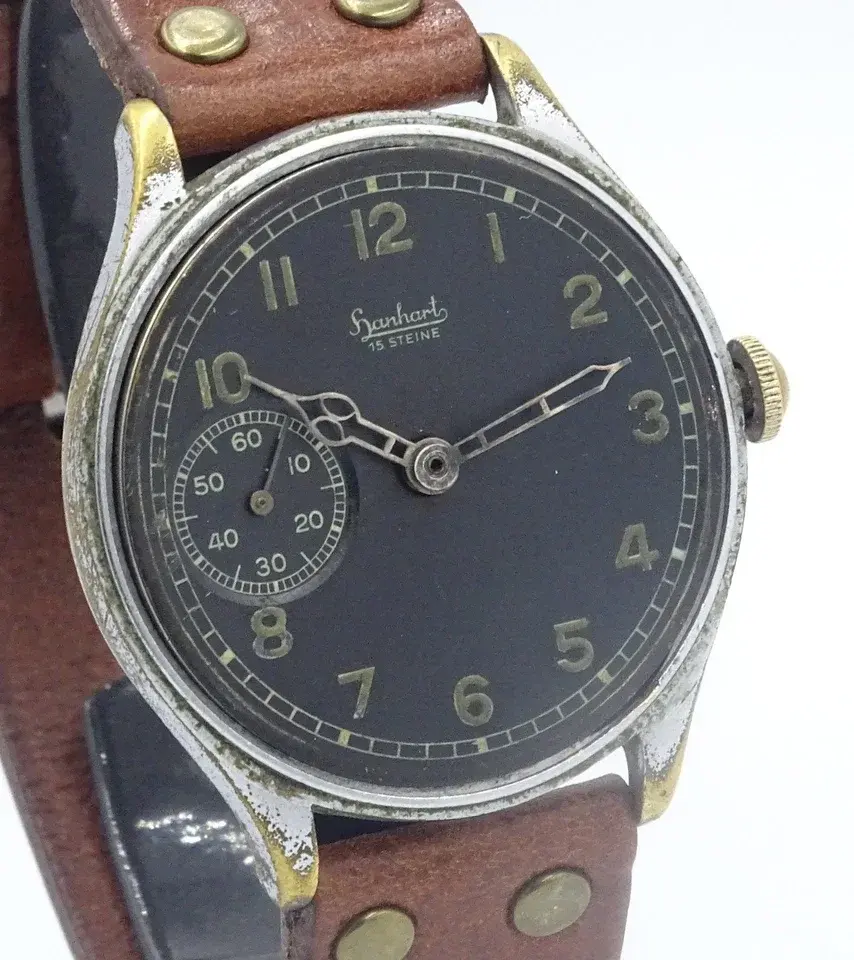
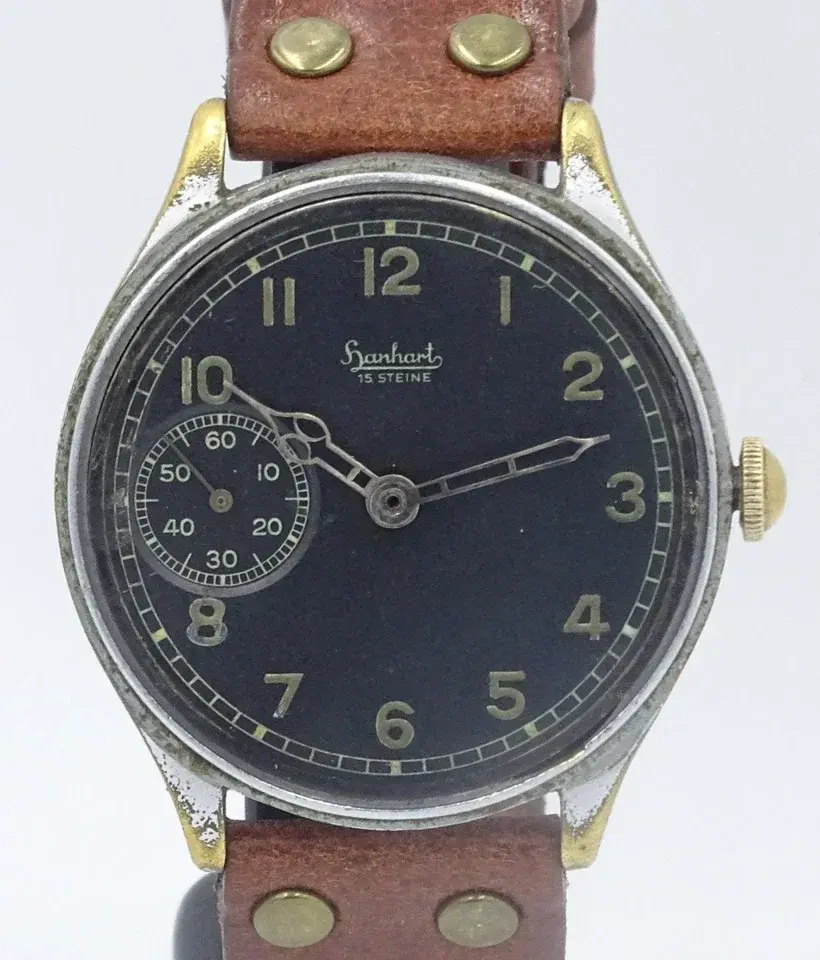
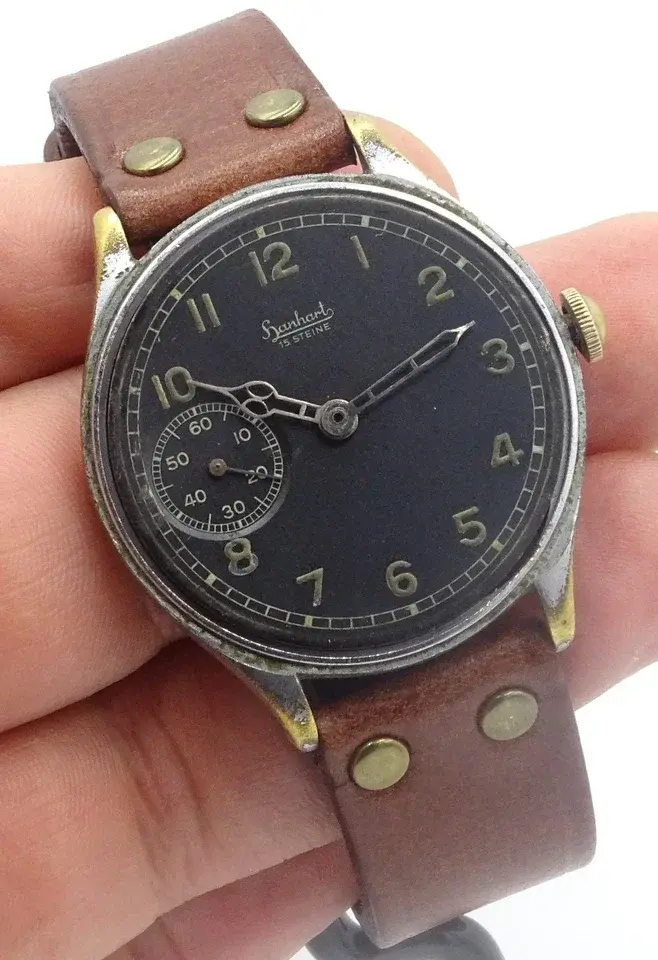
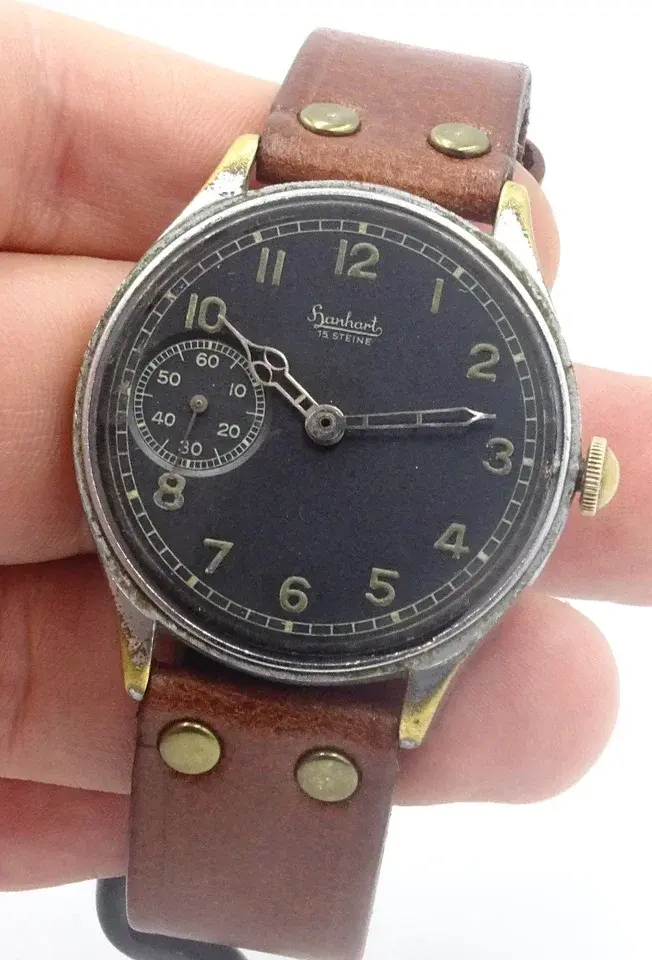
The seller described it as an oversize 39 mm Hanhart with cal.44 (15 steine) and a WW2 aviator/pilot style watch. As per the seller
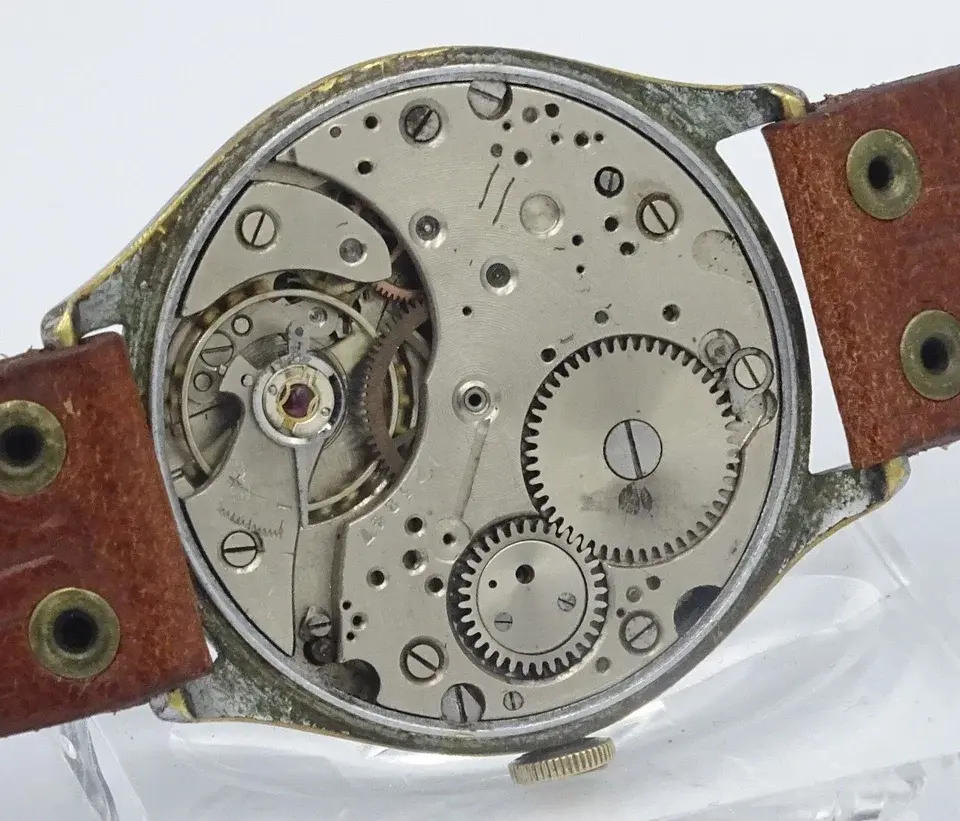
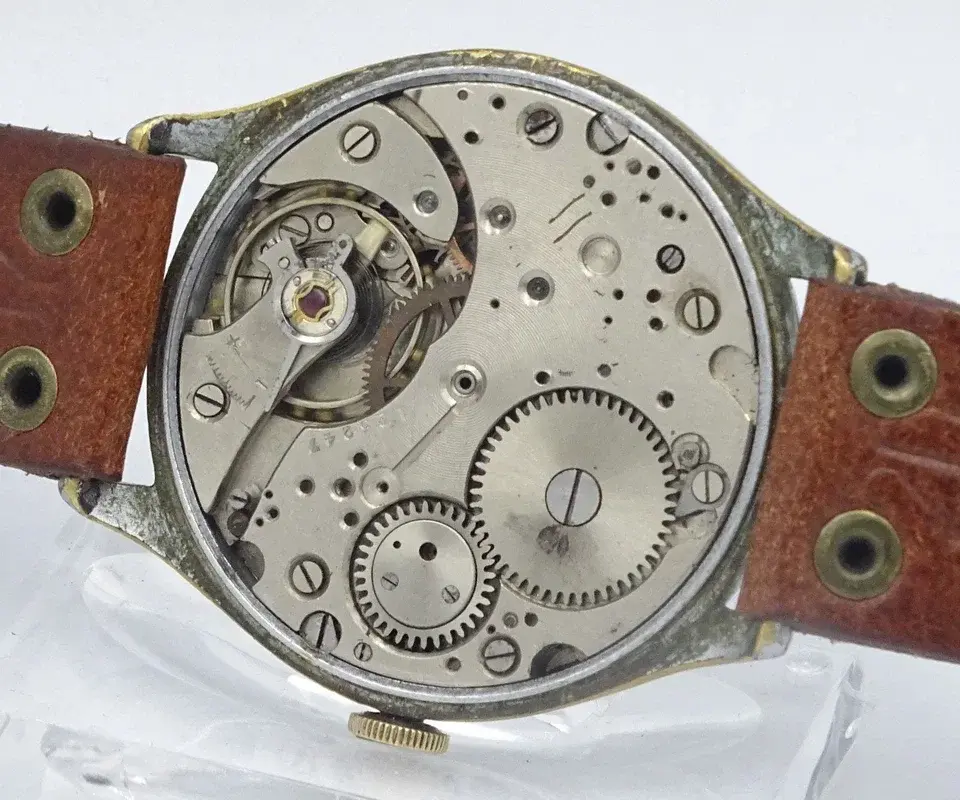
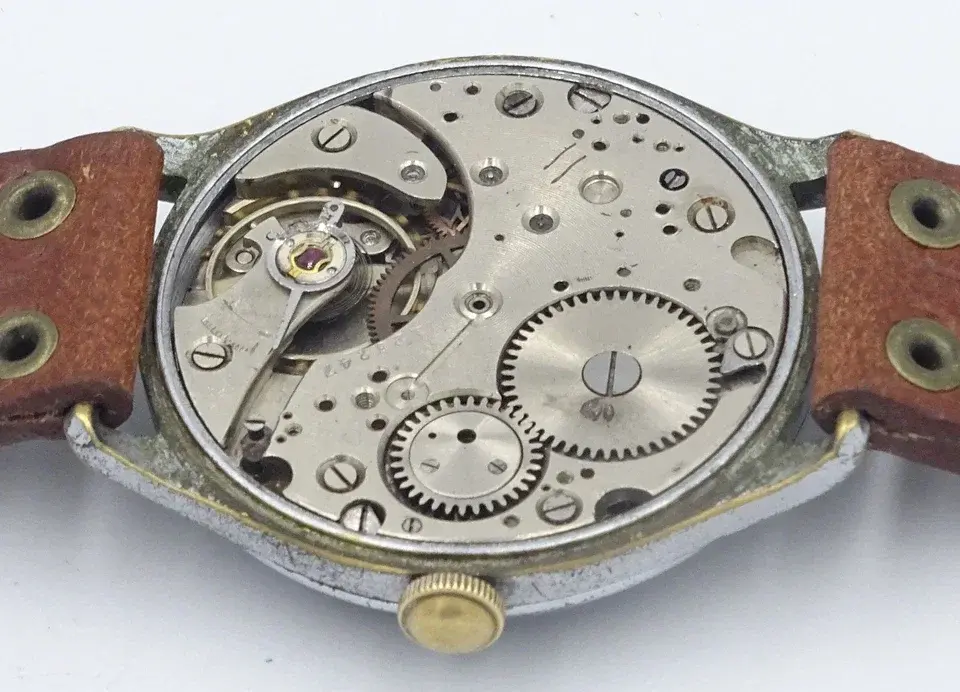
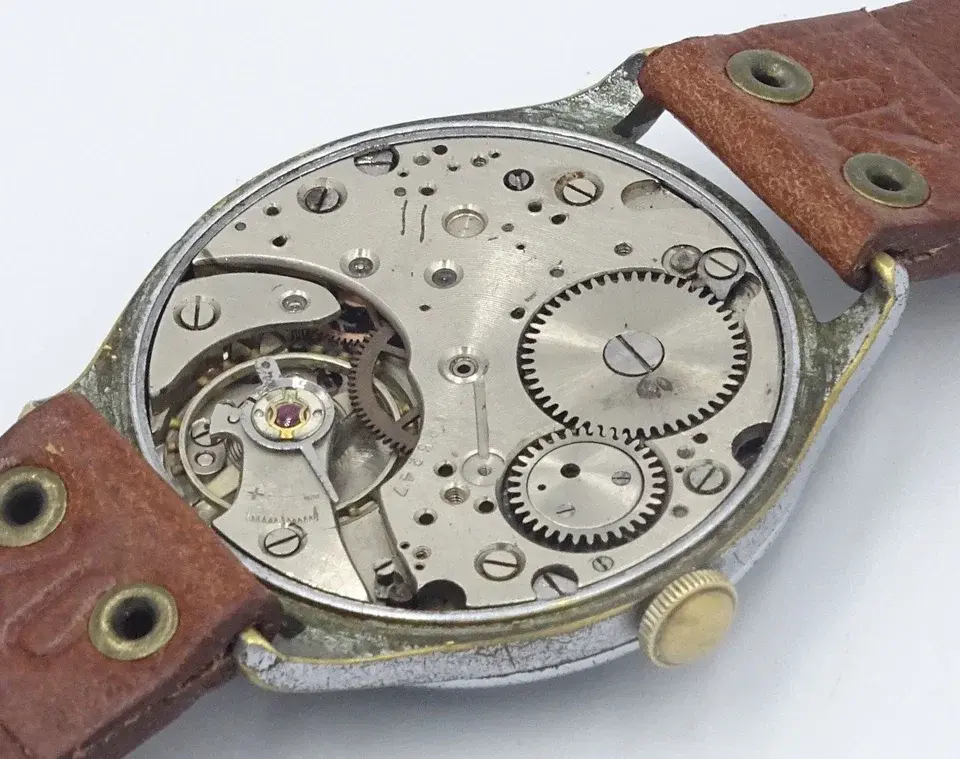
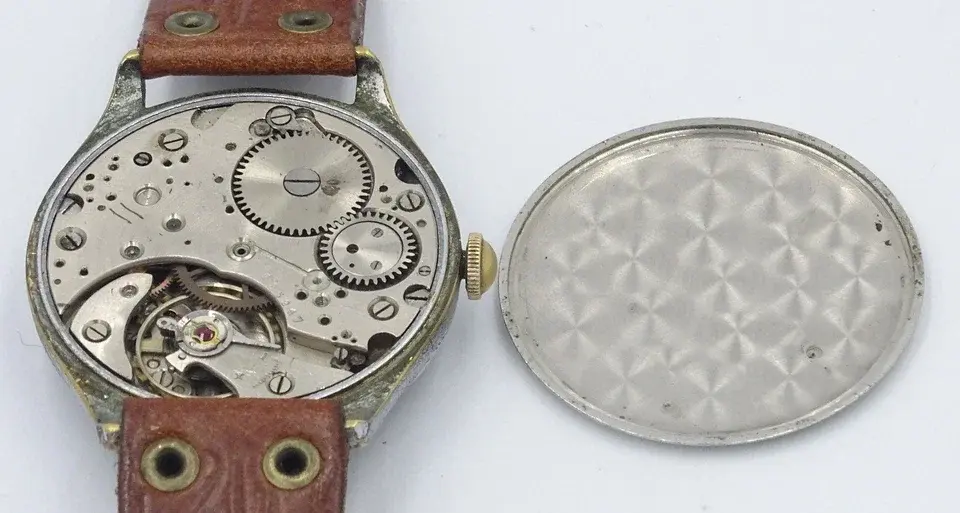
MOVEMENT: original, white, rhodium Hanhart movement in very good condition, caliber 44 !!!, the movement is clean, keeps time, with 15 jewels, compensation balance wheel, silver spirale, silver screws, precision regulator with jewel, signedNo.125247.

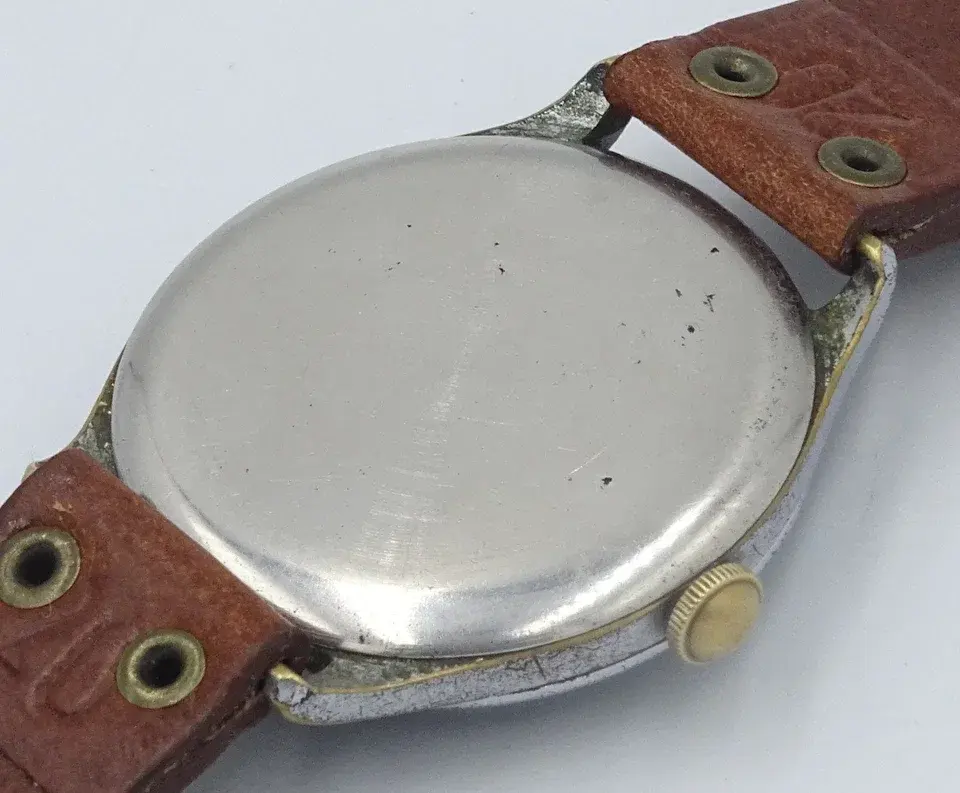
CASE: original case with stainless steel case back in original old condition, signed STOSSFEST STAHLBODEN ROSTFREI.

DIAL: original, metal black dial in original old very good condition with luminous arabic hours numerals, signed HANHART 15 STEINE.


The case shows plating wear, which seems typical for chromed cases of this period.


I’m particularly curious about a few things:


Does the dial appear original or possibly relumed/redone?
Is the movement correct for this reference?
Would this be considered simply a civilian pilot-style Hanhart, rather than an actual military-issued watch?
I ended up winning the auction for $900 (I tried ebay previous sales but not able to find similar and only found one example on Chrono24 where I believe seller asking for ridiculous amount of money, so I’m also interested in opinions on whether that’s in line with current market value for this type of Hanhart.

Thanks in advance for any insights - I’m still learning with these early German watches.
 
Posts
112
Likes
3
Your thought and expert opinion would be much appreciated, thank you
 
Posts
24,232
Likes
53,964
That watch is in poor condition, and there appear to be parts missing in the movement. Did somebody actually bid against you up to $900? Maybe someone wanted the dial.
 
Posts
112
Likes
3
That watch is in poor condition, and there appear to be parts missing in the movement. Did somebody actually bid against you up to $900? Maybe someone wanted the dial.
Thanks for the feedback, I appreciate you taking the time to look at it.

The case wear is definitely noticeable, which I assumed was typical for a chromed case of this period. Regarding the movement, I’m still trying to understand whether the extra holes and cut-outs are simply part of the cal.44 plate design or if something might actually be missing.

If you happen to notice specific components that should be present but aren’t, I’d be very interested to learn more. I’m still trying to understand these early Hanhart movements. Yes, there was another bidder. The auction went back and forth several times and I ended up adding about $20 to my bid toward the end to secure it. It was a private listing so unfortunately the bidder identities are hidden, but there was definitely active bidding competition.
 
Posts
112
Likes
3
Thanks for the feedback, I appreciate you taking the time to look at it.

The case wear is definitely noticeable, which I assumed was typical for a chromed case of this period. Regarding the movement, I’m still trying to understand whether the extra holes and cut-outs are simply part of the cal.44 plate design or if something might actually be missing.

If you happen to notice specific components that should be present but aren’t, I’d be very interested to learn more. I’m still trying to understand these early Hanhart movements. Yes, there was another bidder. The auction went back and forth several times and I ended up adding about $20 to my bid toward the end to secure it. It was a private listing so unfortunately the bidder identities are hidden, but there was definitely active bidding competition.
TBH I got confused and feel that I should not bid on something I am no expert
Edited:
 
Posts
24,232
Likes
53,964
I don't know that it's helpful to use the word "typical" for damage. Yes, the vast majority of old watches are badly damaged one way or another, but that doesn't mean I want to buy them. But that can depend on the buyer's budget and personal tastes.
 
Posts
112
Likes
3
I don't know that it's helpful to use the word "typical" for damage. Yes, the vast majority of old watches are badly damaged one way or another, but that doesn't mean I want to buy them. But that can depend on the buyer's budget and personal tastes.
That’s a fair point, and I understand what you mean. I probably should have phrased that better. I just meant that the plating wear seemed consistent with what I’ve seen on many chromed cases from that era, but I agree that condition obviously matters when evaluating a watch. I came across a YouTube video showing a Hanhart cal.44 movement, and the plate layout looks very similar to the one in my watch, including the unused holes in the main plate. That made me wonder if those features might actually be normal for this caliber rather than indicating missing chronograph parts.

Here is the video for reference:
Edited:
 
Posts
112
Likes
3
I’m still trying to understand these early Hanhart movements and how common this plate layout is. The reference movement in the video looked quite similar to mine, including the unused holes in the plate, but I may be misunderstanding something. If anyone familiar with cal.44 could clarify whether those features are typical for the caliber, or point out what parts might actually be missing, I’d really appreciate the guidance.

Also, from a collector’s perspective, do you think the price I paid was significantly above market for a watch like this? And in your experience, would servicing a movement like this usually be straightforward, or potentially a bit of a headache?
 
Posts
24,232
Likes
53,964
I have seen people post vintage military Hanhart watches on MWR pretty frequently, much less so on this forum. There is obviously overlap in the membership, but it would probably be worth your effort to join that forum or the FB group.
 
Posts
112
Likes
3
I have seen people post vintage military Hanhart watches on MWR pretty frequently, much less so on this forum. There is obviously overlap in the membership, but it would probably be worth your effort to join that forum or the FB group.
Thank you for the suggestion, I really appreciate it.
I actually tried to join the MWR forum but I haven’t received the activation email yet, so I’m still waiting for that.
In the meantime, I joined the Facebook group you mentioned and posted the watch there. I received a few likes so far but no comments yet.
Hopefully someone with experience in Hanhart military watches will share their thoughts soon. Thanks again
 
Posts
112
Likes
3
I wanted to share a few additional references I came across while researching this watch, in case they add some useful context to the discussion.

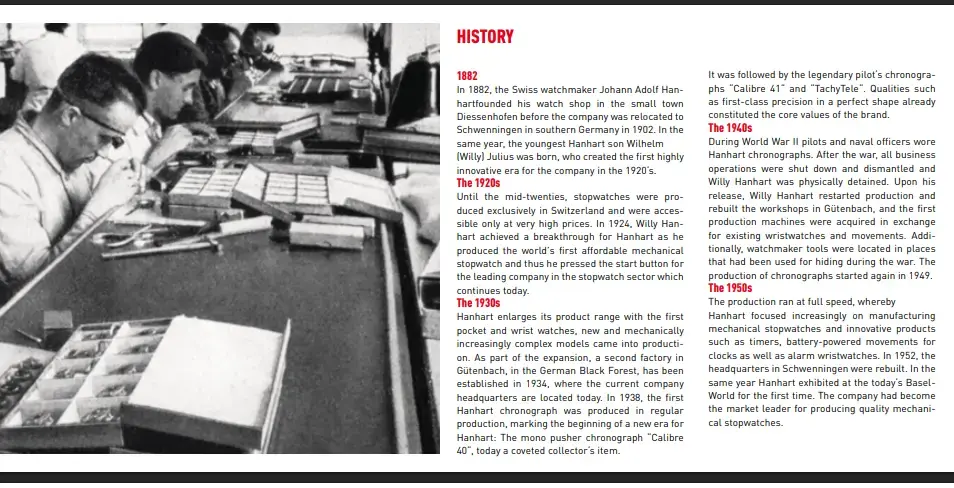
While looking into Hanhart history, I found documentation indicating that after World War II the company restarted production using existing wristwatch movements and components that had been hidden during the war, with chronograph production resuming again around 1949. This made me wonder whether watches like this could belong to that transitional period where existing movement plates and parts were reused.

I also came across a similar Hanhart described by a Japanese dealer, who suggested that some 1940s aviation style watches may have used movement architecture derived from chronograph designs, which could potentially explain the unused holes in the movement plate. Interestingly, that seller also noted that the exact origin of those models is not fully documented.

At this point I’m leaning toward the watch being a WWII-era or immediate post-war Hanhart pilot-style wristwatch rather than a confirmed military-issued piece. Of course I may still be misunderstanding some aspects of the movement architecture, so I would really appreciate any additional insight from those who have handled similar Hanhart examples.

I also noticed that the movement and caseback appear to share matching numbers, which may indicate that the watch has remained together since original assembly.

My intention isn’t to prove a specific theory but simply to gather as much context as possible. I’m very interested in learning how these transitional Hanhart watches were produced and how common this movement architecture is.