Purpose of "hash" markings on some ETA movements?

Posts
1,975
Likes
2,137
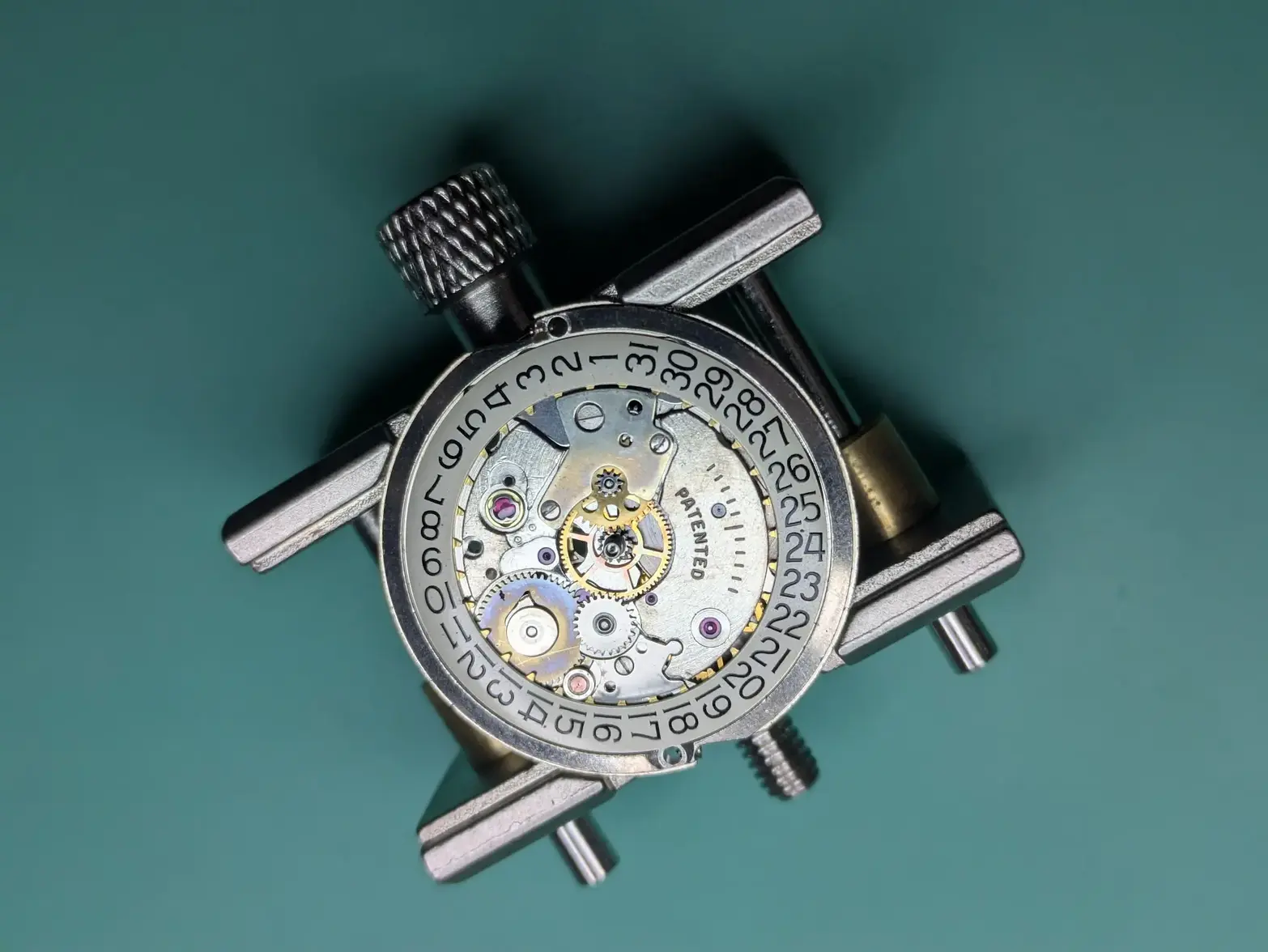
I've now had 3 ETA movements in a row that I've disassembled (a 1080, 1093, and 2452, the former two ended up being worth re-assembling due to various amounts of damage/not being nice watches in the first place) and noticed these funny 'hash' marks on them (near patented here):

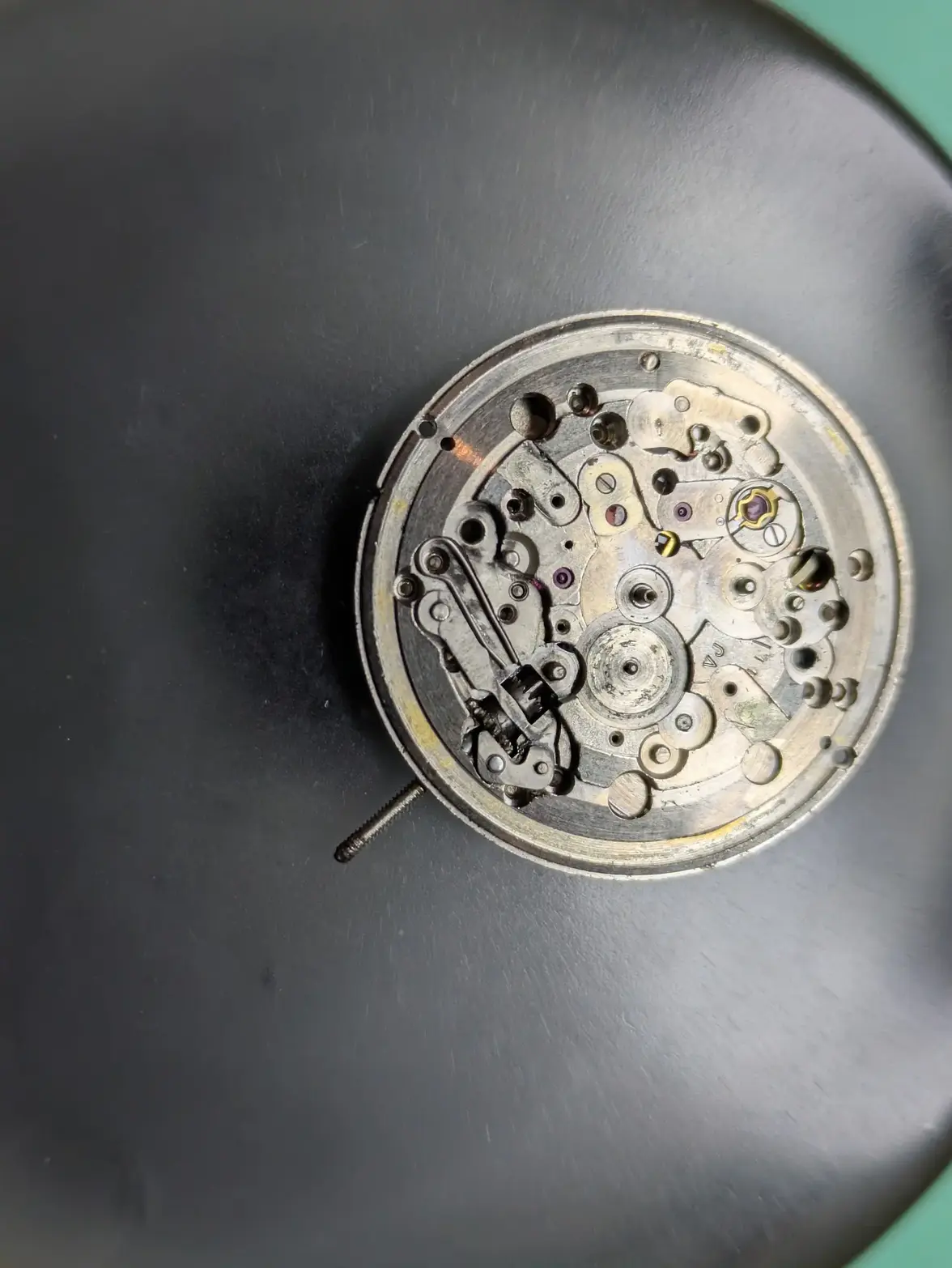
They are less prevalent here, but also there:

And this one here (the 1080) has it pretty obviously too:
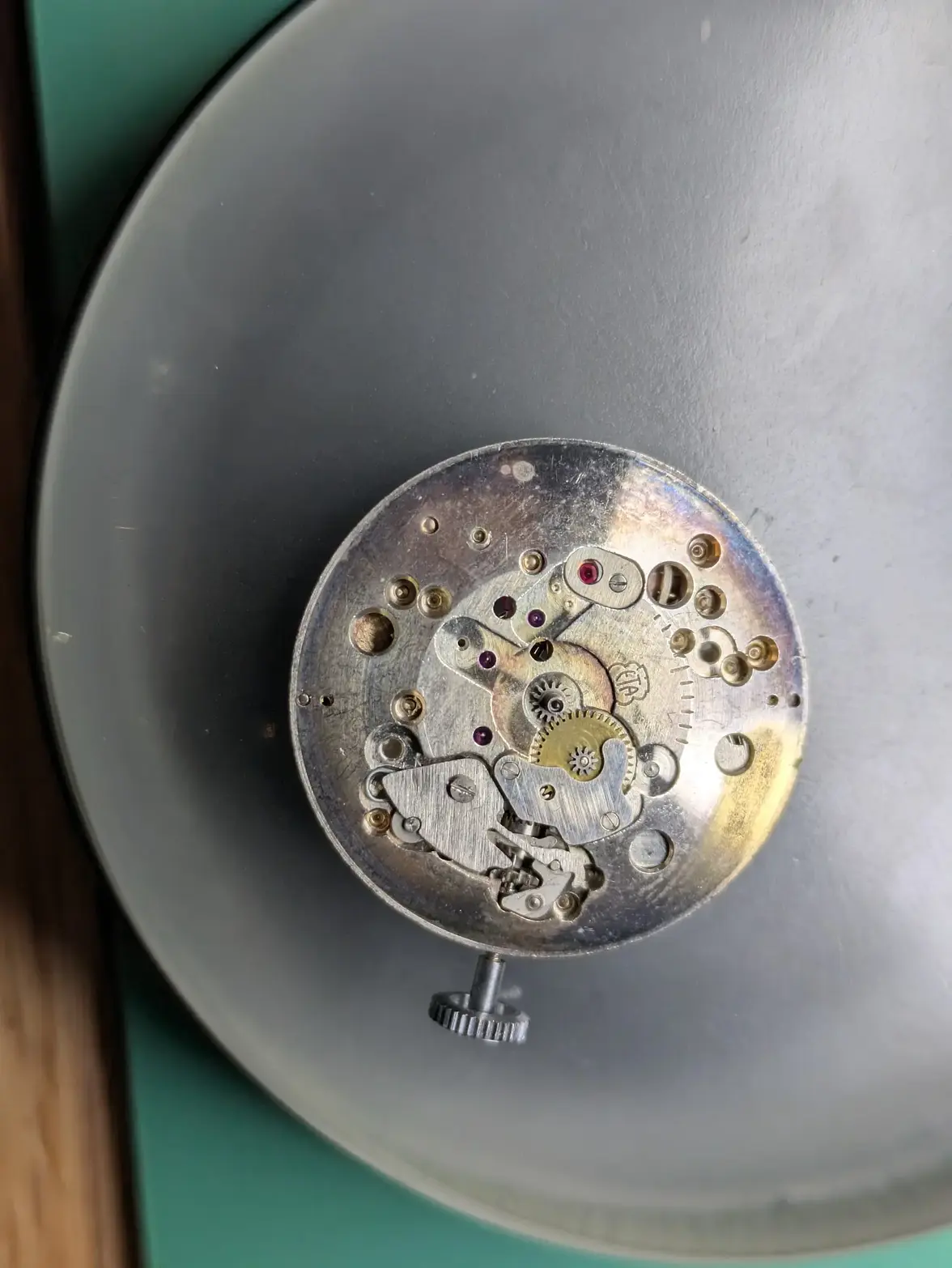


Does anyone have any idea what they are FOR? They seem to be centered over the center wheel in an arch, so I presume some sort of machinery along the way (though I haven't found the manual to any of these anywhere to check!), but I was wondering if anyone could satiate my curiosity 馃榾
 
Posts
670
Likes
2,003
Gemini tells that those are "internal identification codes, with different spacing and number of notches based on the caliber or ligne". Seems to make sense, but couldn't find any information on Google, probably because I didn't know how to search.

Now I'm invested too in learning about them 馃榿
 
Posts
368
Likes
459
I thought they were minute hashes for timing the movement without fitting a dial.
 
Posts
17,932
Likes
37,492
Index marks for aligning on a milling machine used to do holes and recesses?
There were no CNC machines then so the blanks may have had to get machined on different mills.
 
Posts
1,975
Likes
2,137
Index marks for aligning on a milling machine used to do holes and recesses?
There were no CNC machines then so the blanks may have had to get machined on different mills.
I guess it seems a little silly they'd do that instead of an alignment pin of some sort. BUT perhaps that is what they did on the rest of the movements that don't have anything like that 馃榾
 
Posts
2,838
Likes
4,530
I thought they were minute hashes for timing the movement without fitting a dial.
That was my impression. Repeater watches what struck the hours had similar marks, used for cutting the striking snail. These were often on the outer edge of the movement.

Calendar watches also have alignment marks for setting up the indicator wheels. I have a Venus 206 movement where the plates are stamped 180 as well. This was confusing as the diameter of the movement is much larger. So movements can have all sorts of unused 'options.'

I have not done much with ETA movements, as I prefer A. Schild.

While CNC is somewhat recent, (was old back in the late 1970s.) NC has been around for even longer. That used punched tape and dedicated controllers. I think this dates back to the 1940s or the 1950s.

There is also a tool called a shaper. Cam based tooling date back to the late 18th and early 19th centuries.

A lot of this was proprietary, and dependent on now forgotten institutional knowledge.