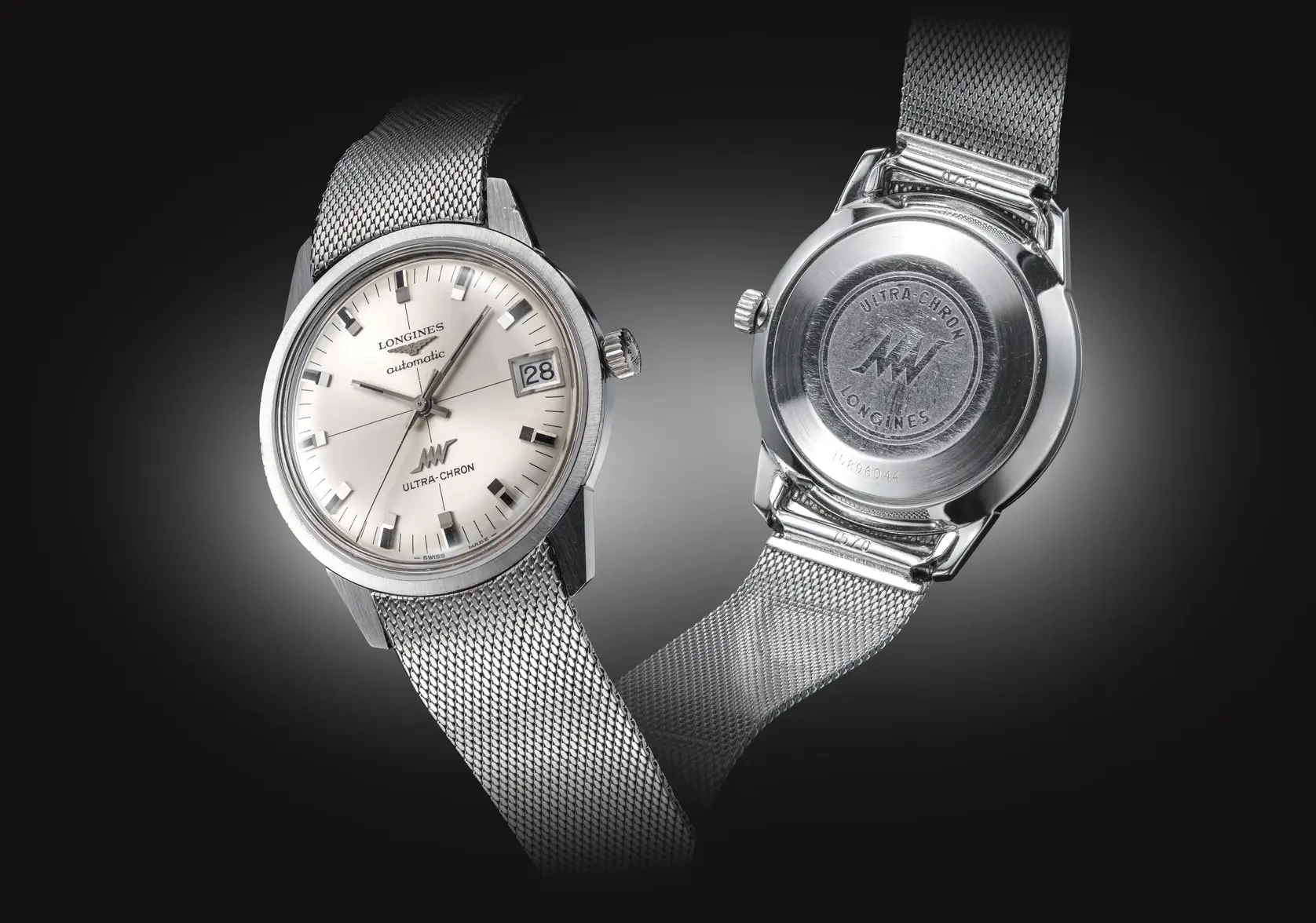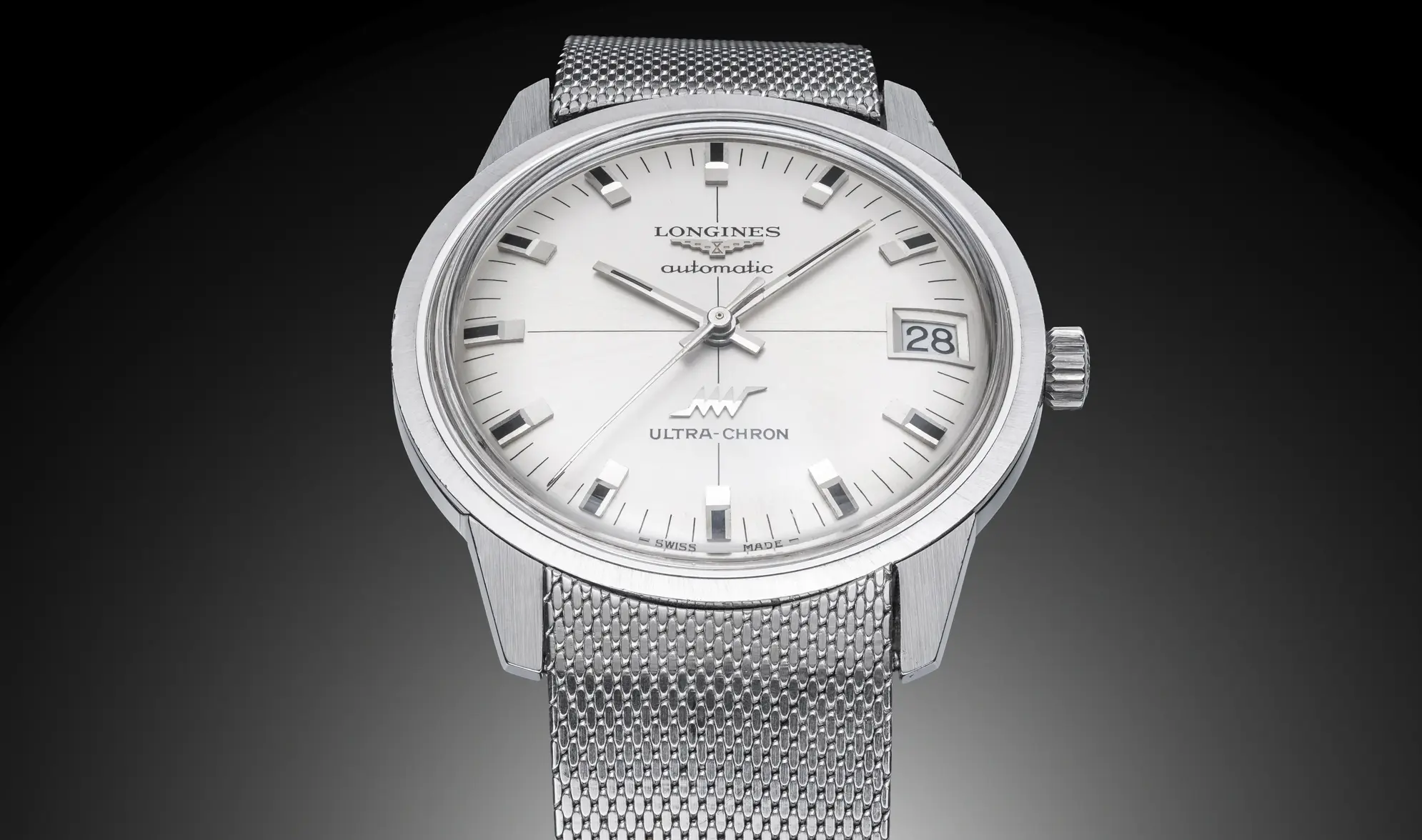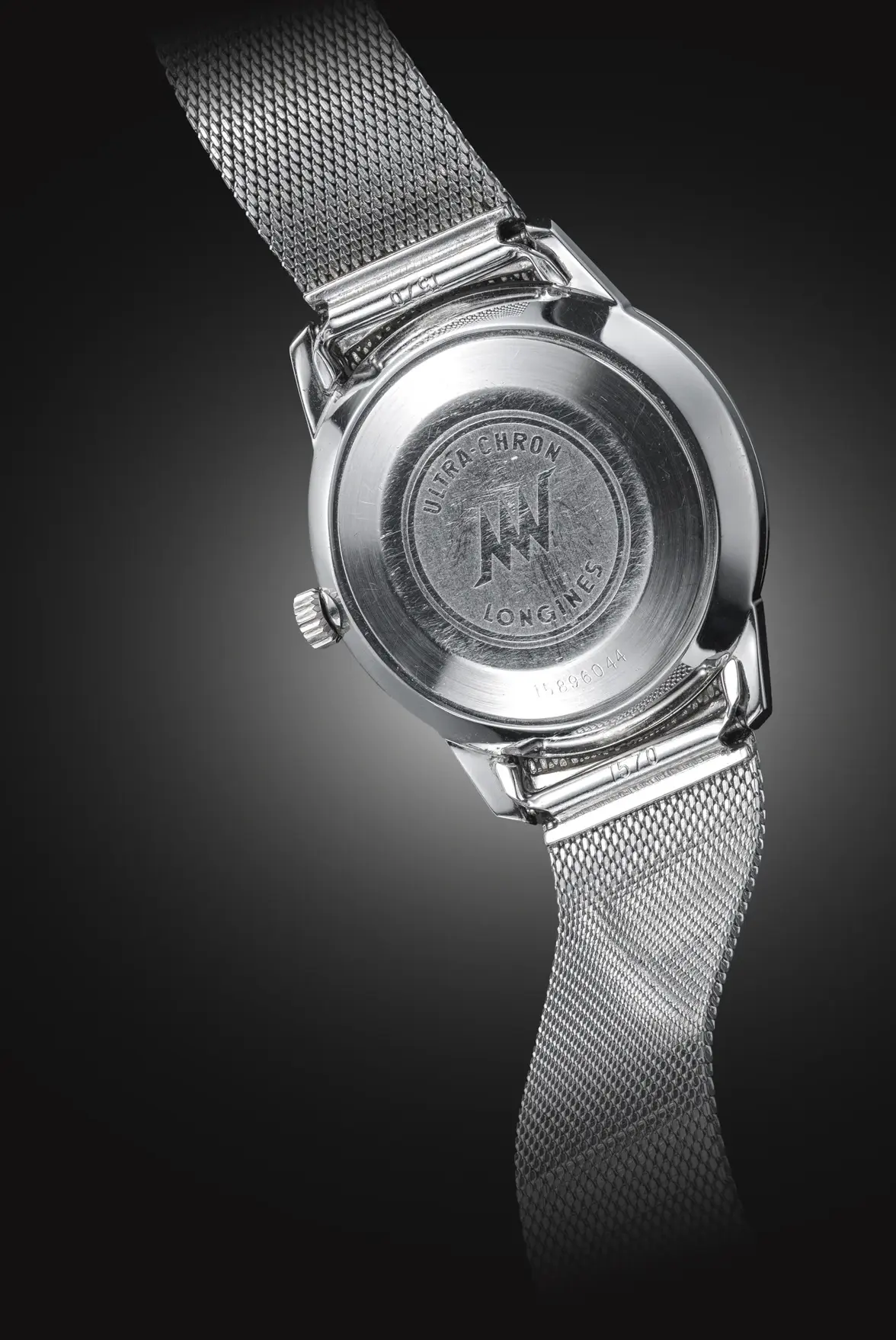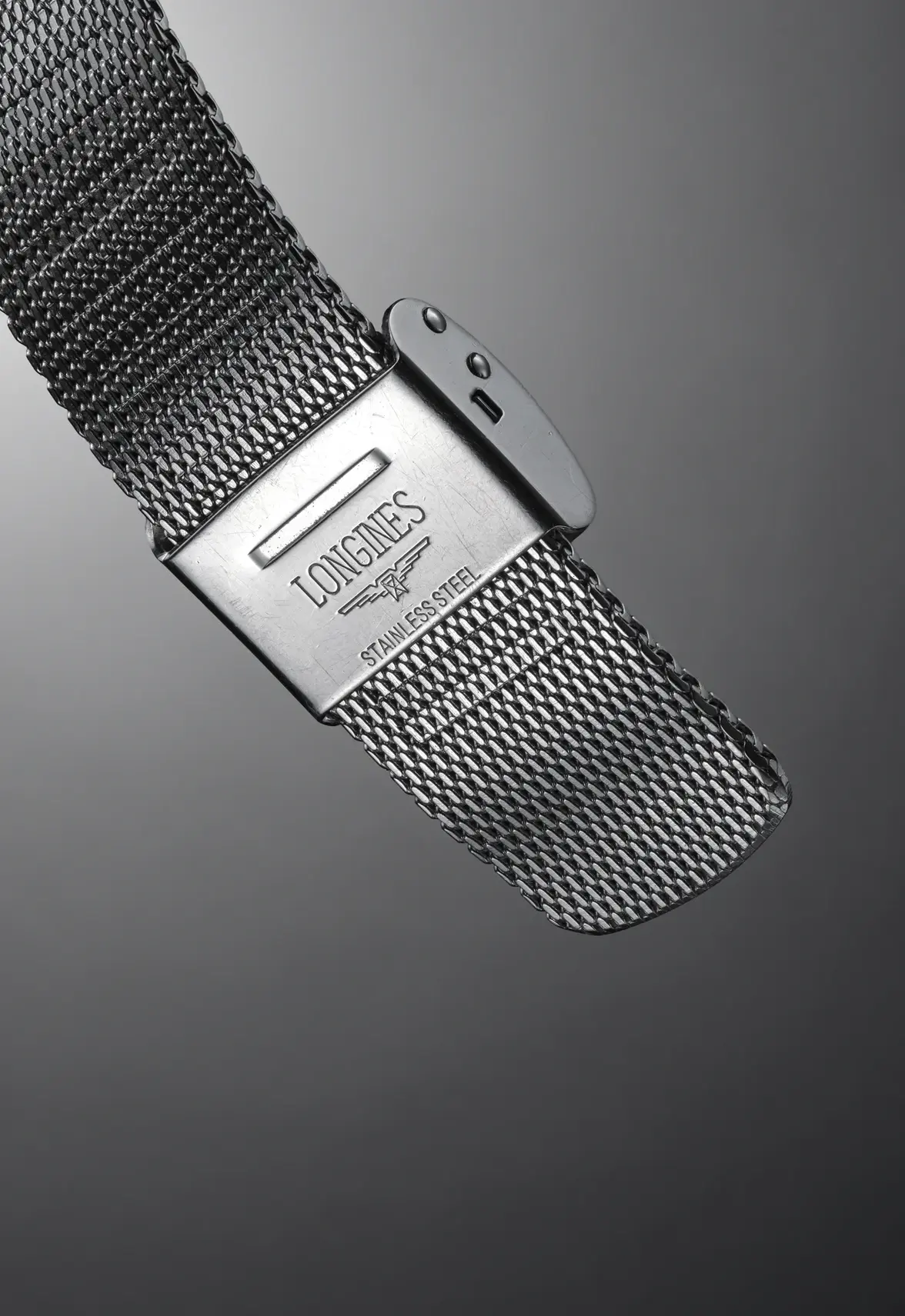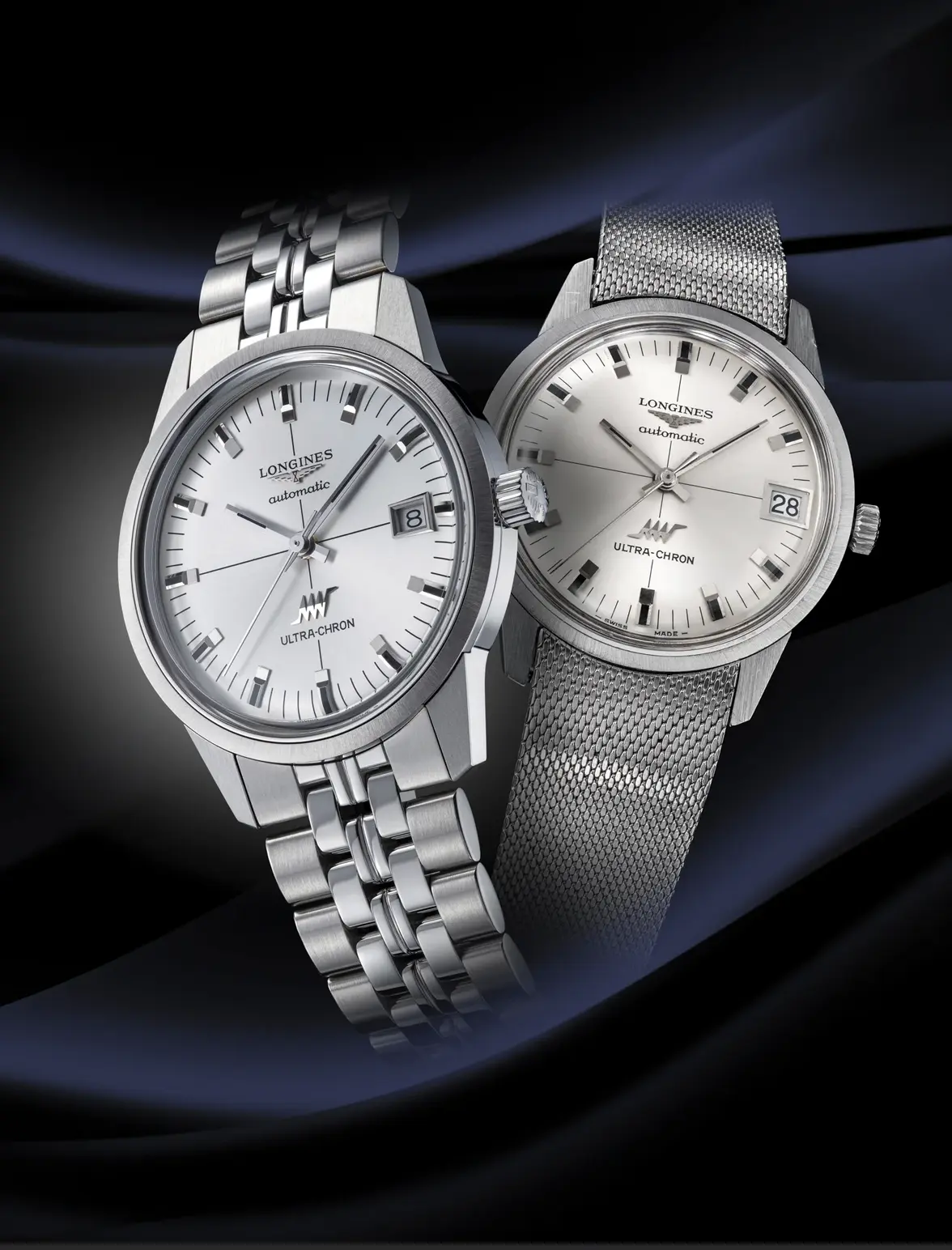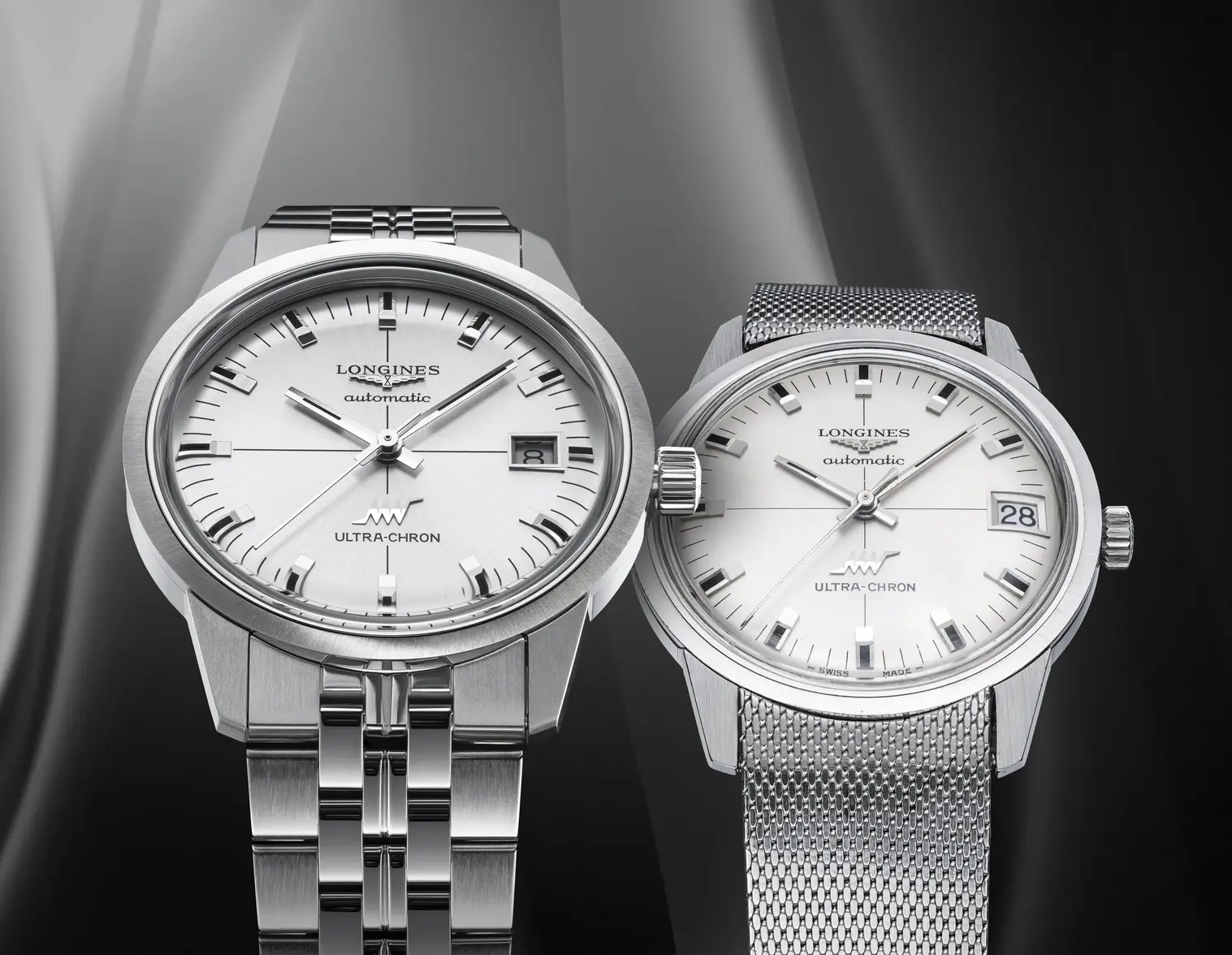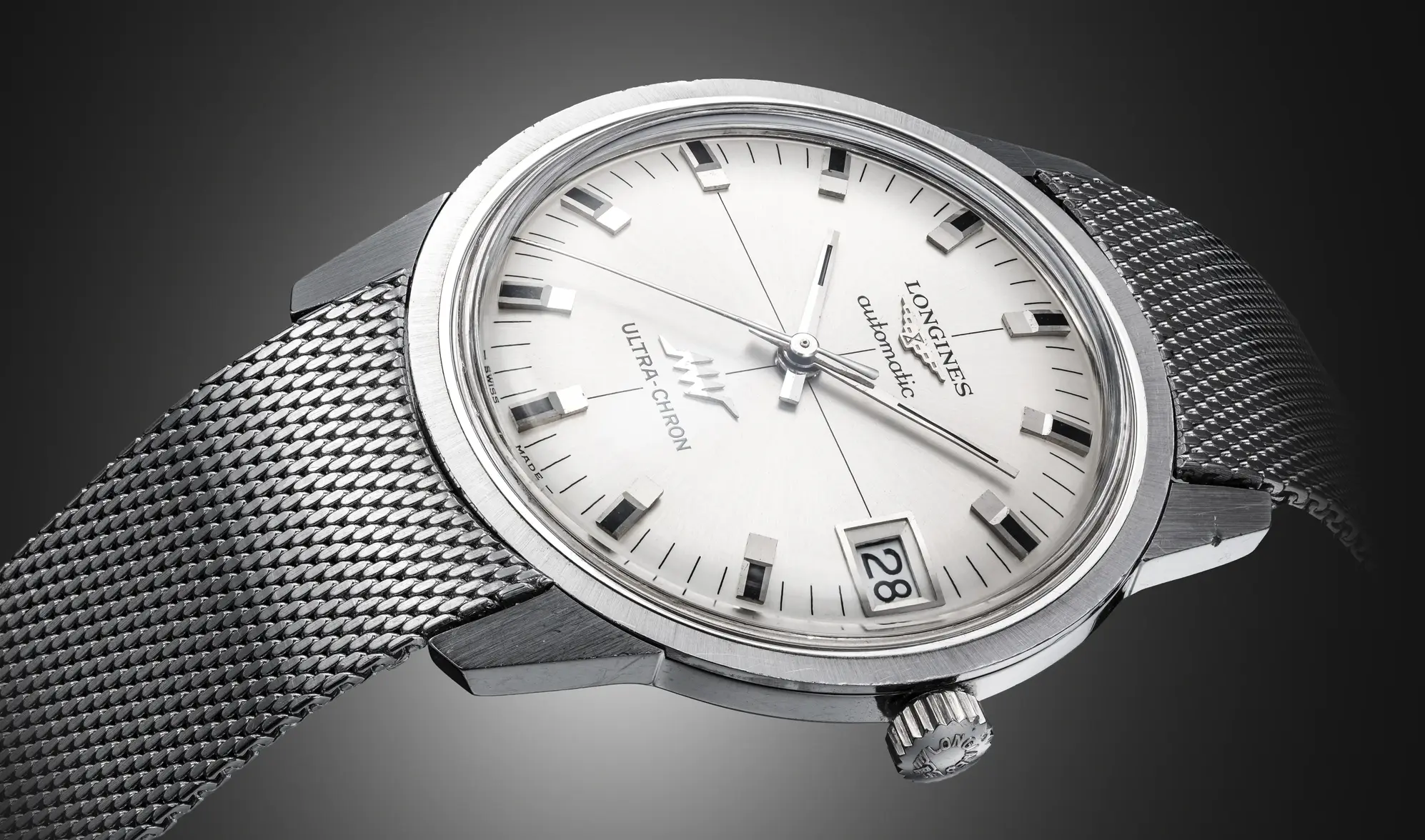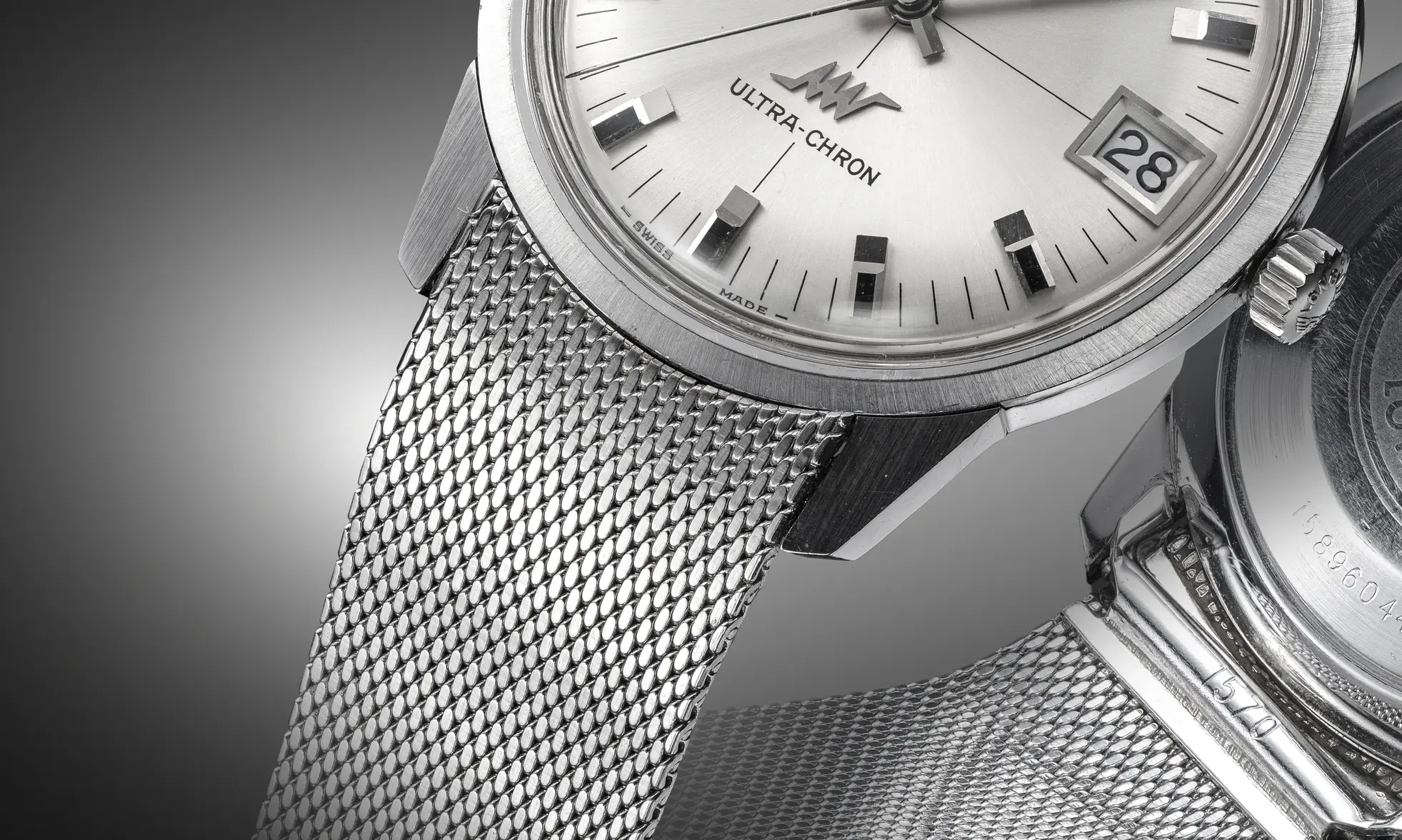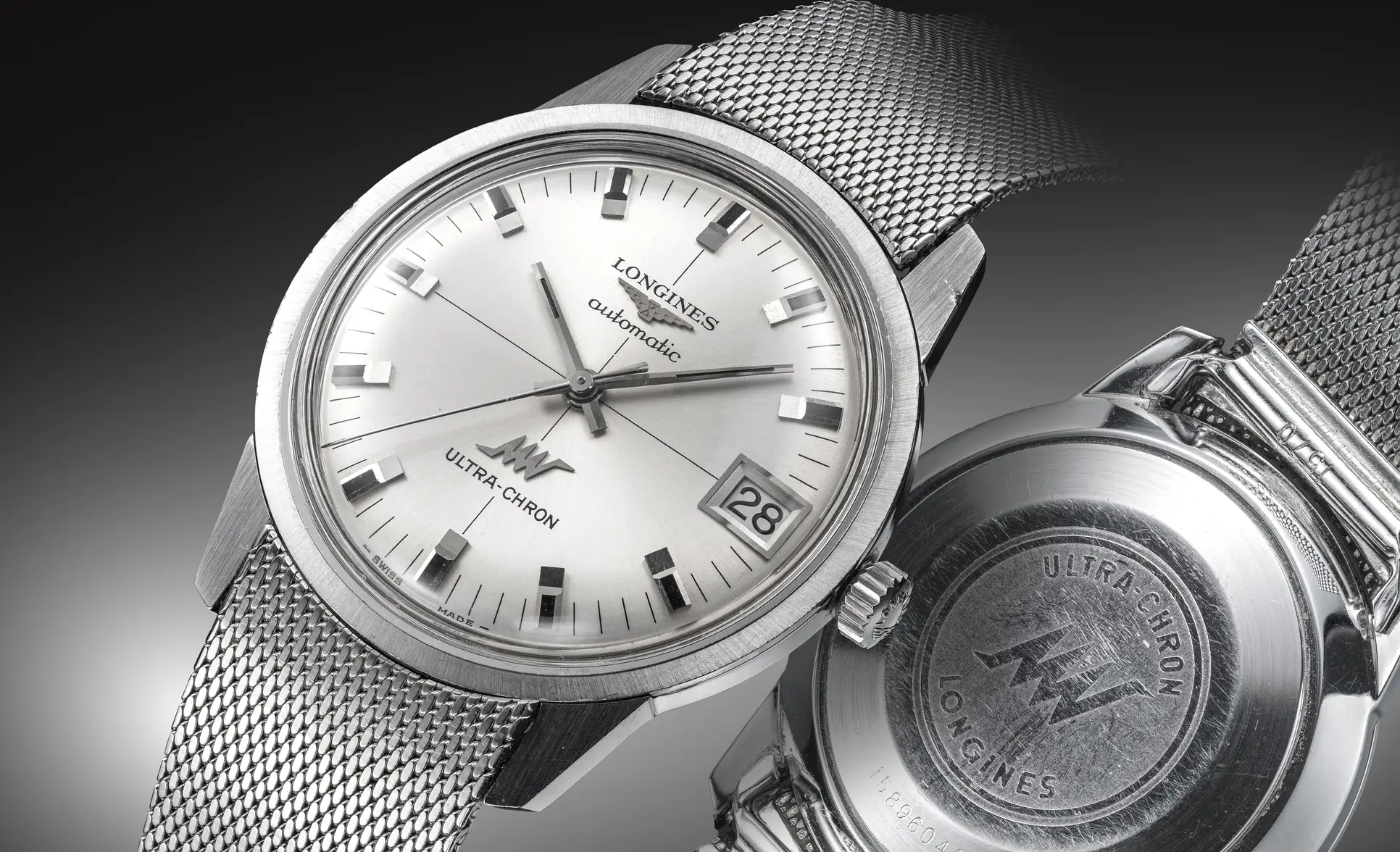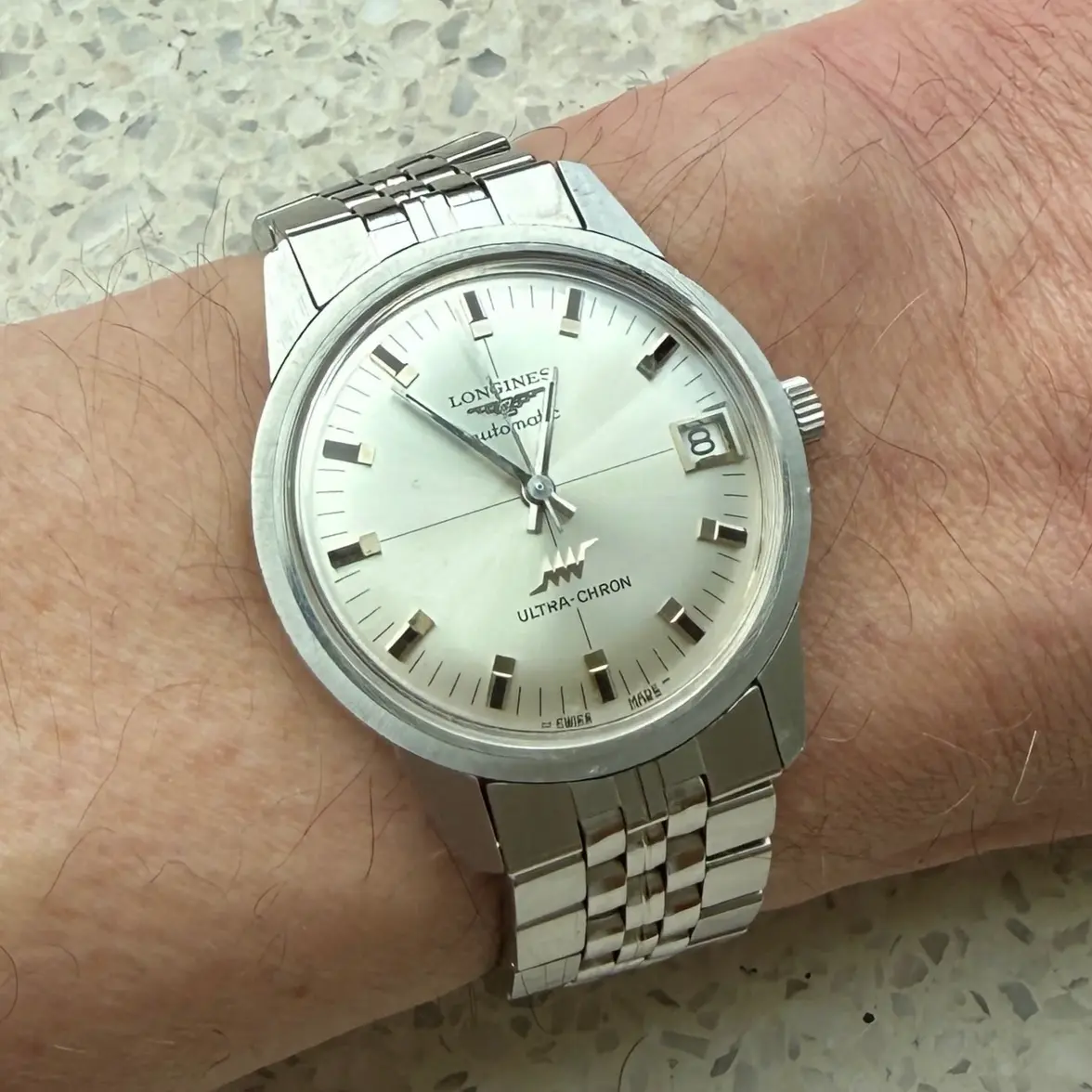
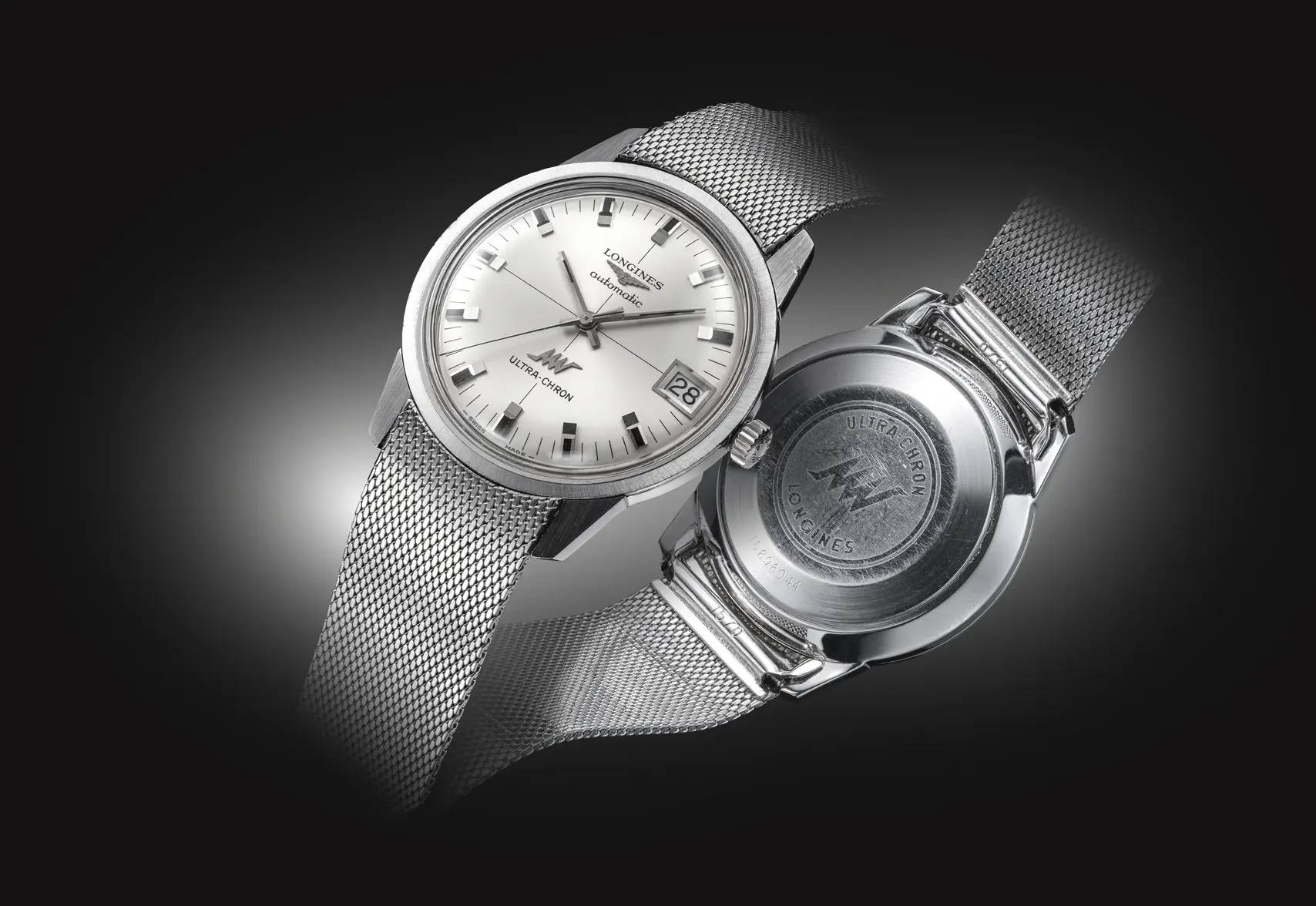
Photographing 1969 Ultra-Chron 8309

Posts
1,700
Likes
5,292
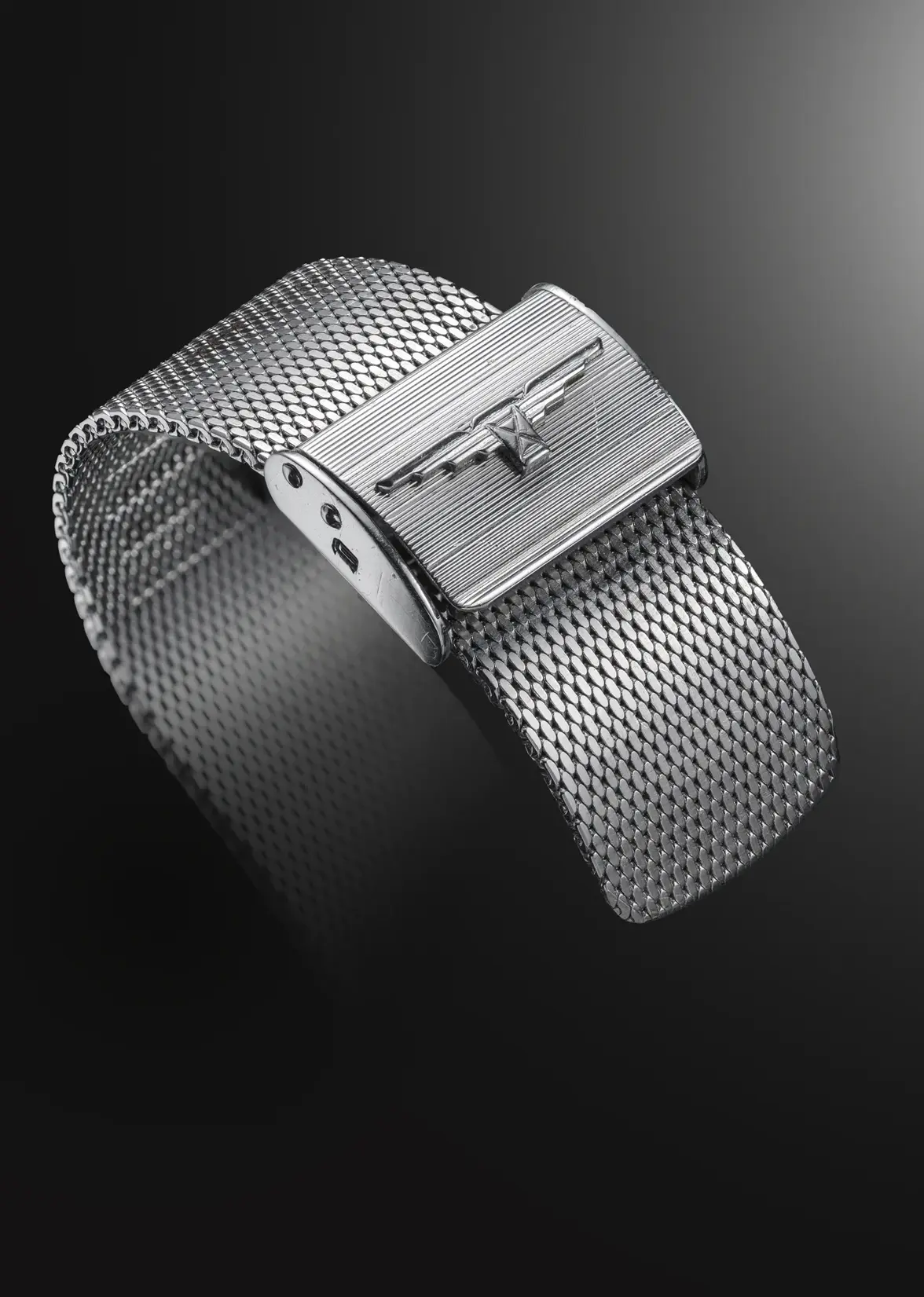
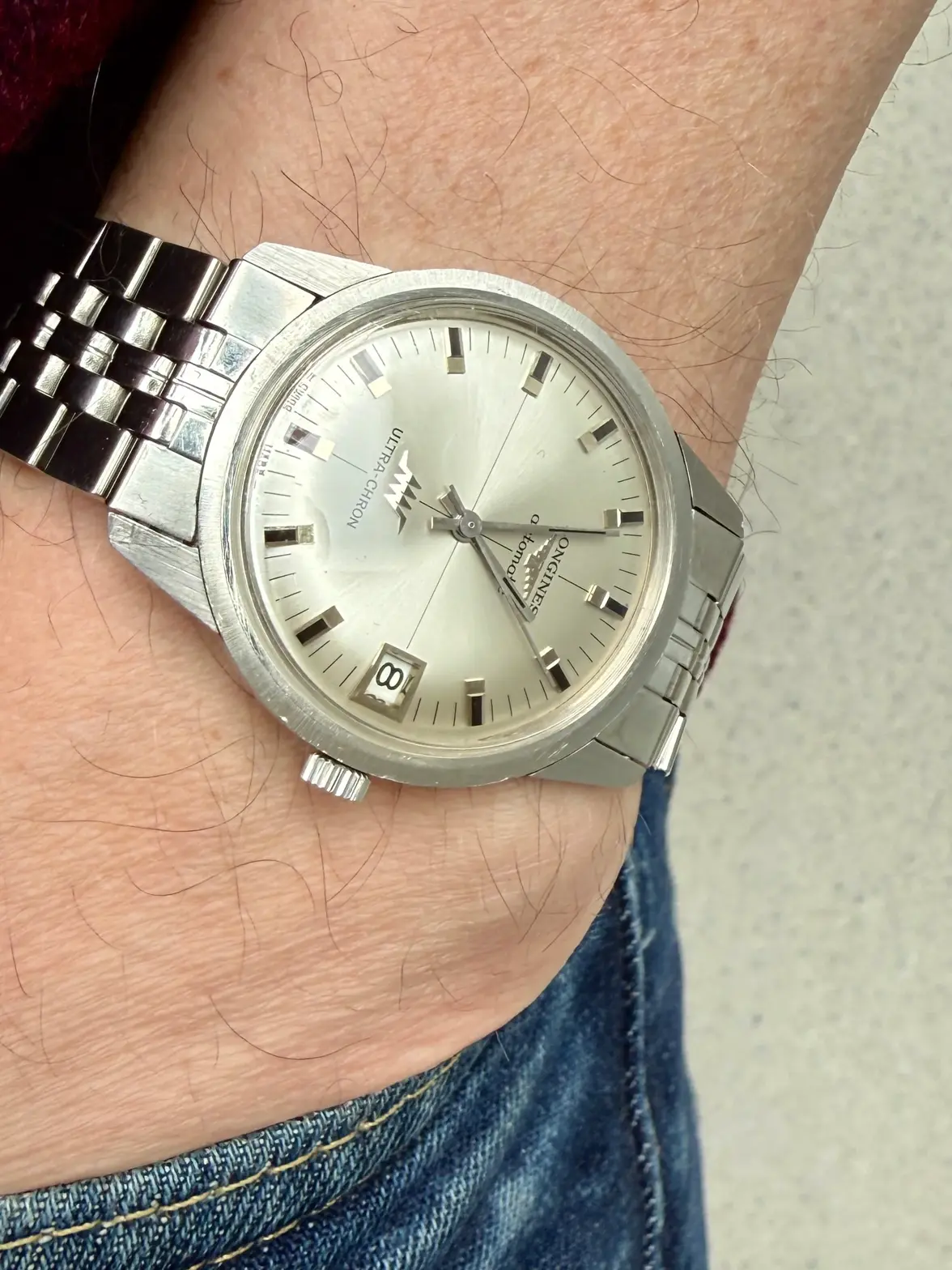
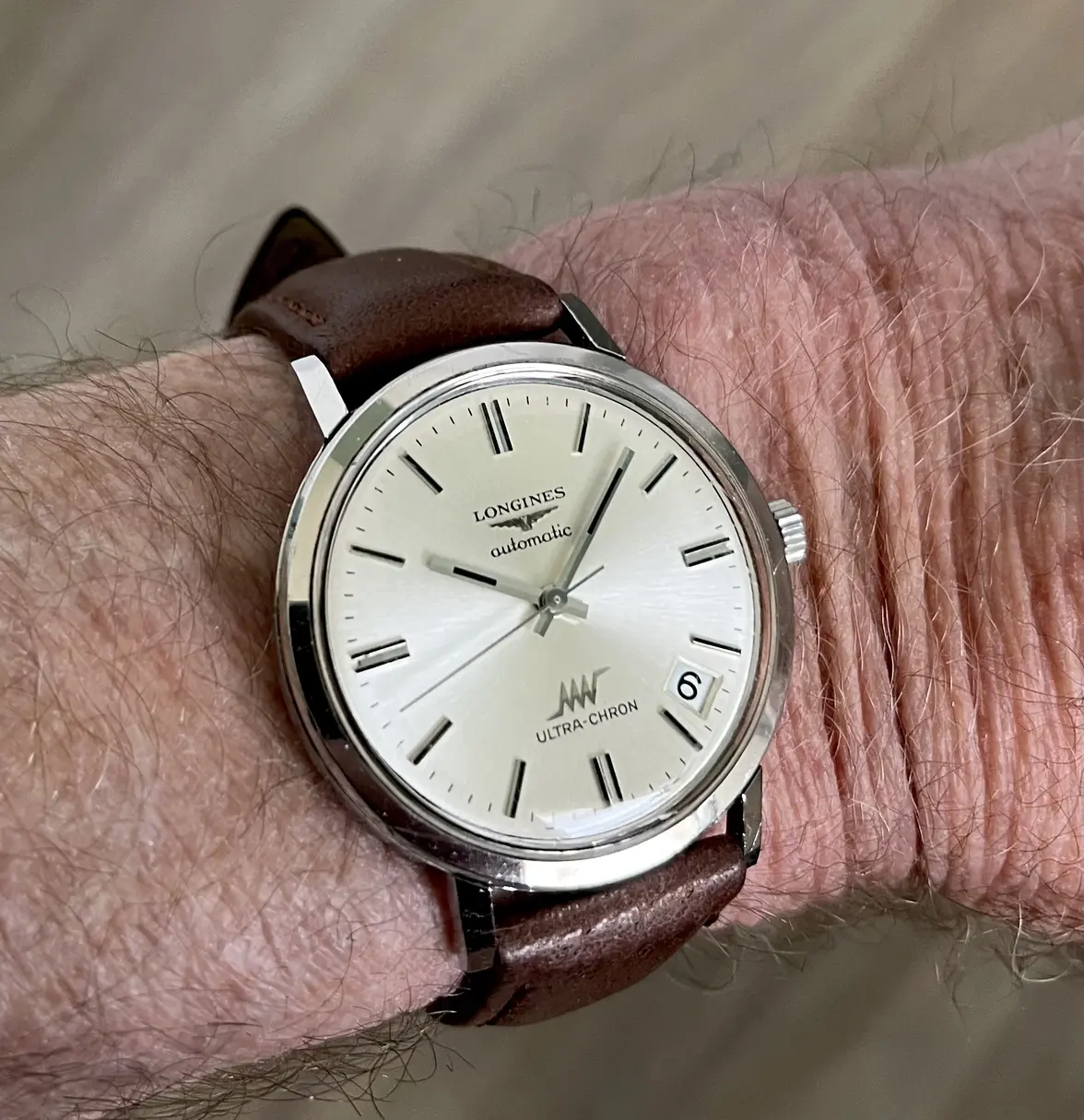
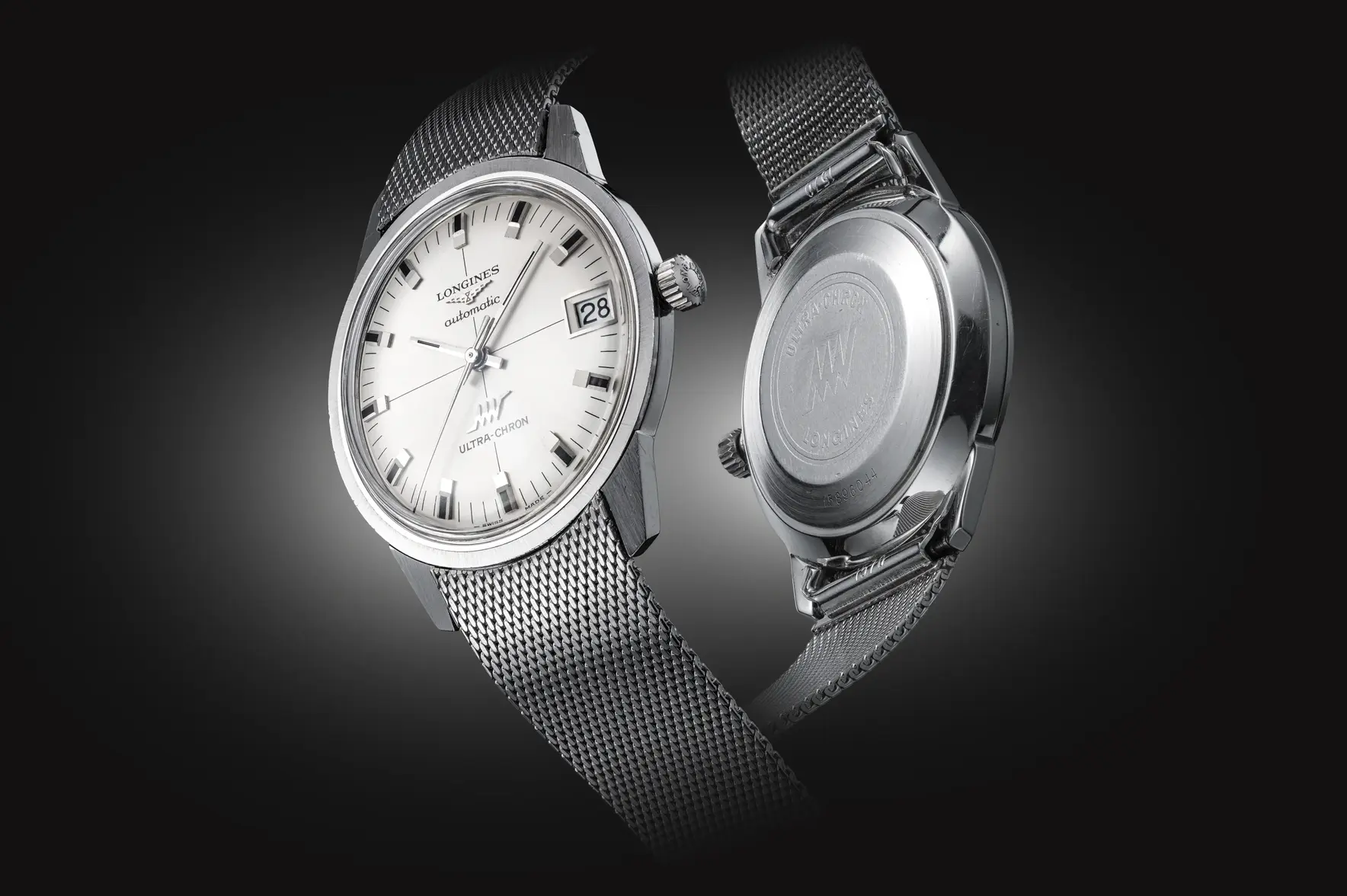
So, I got this beautiful 1969 Ultra-Chron 35mm on a mesh bracelet. I will shoot with a strap later.
Also, I have a few shots where I compare it with the revival model. Revival has a bit fatter and higher bezel, a larger crown (proportionally), and a sapphire crystal that is a bit better to photograph.
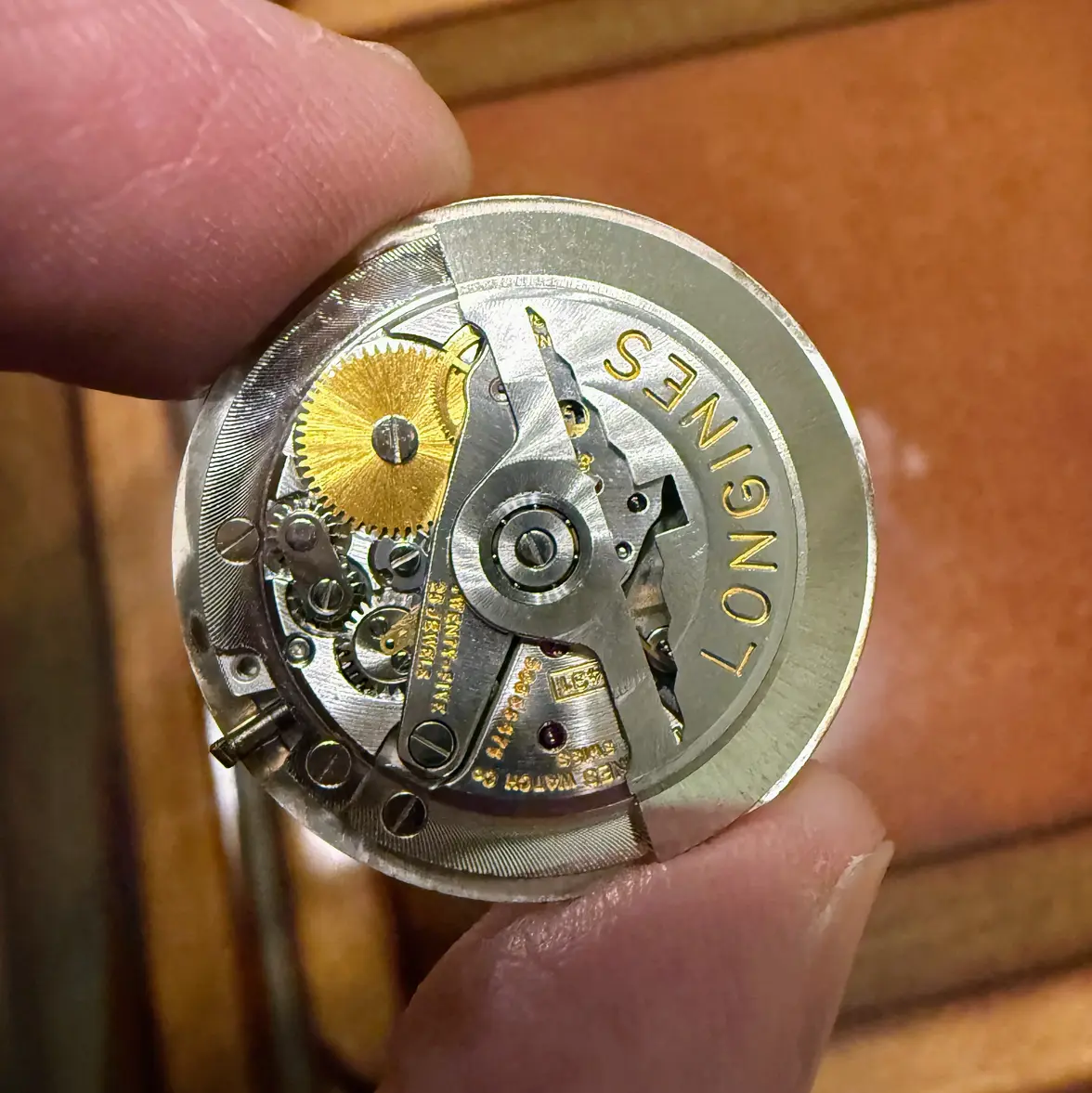
I wish I could open this watch to photograph the movement, but not sure if a local watchmaker can do this without risking breaking the crystal.
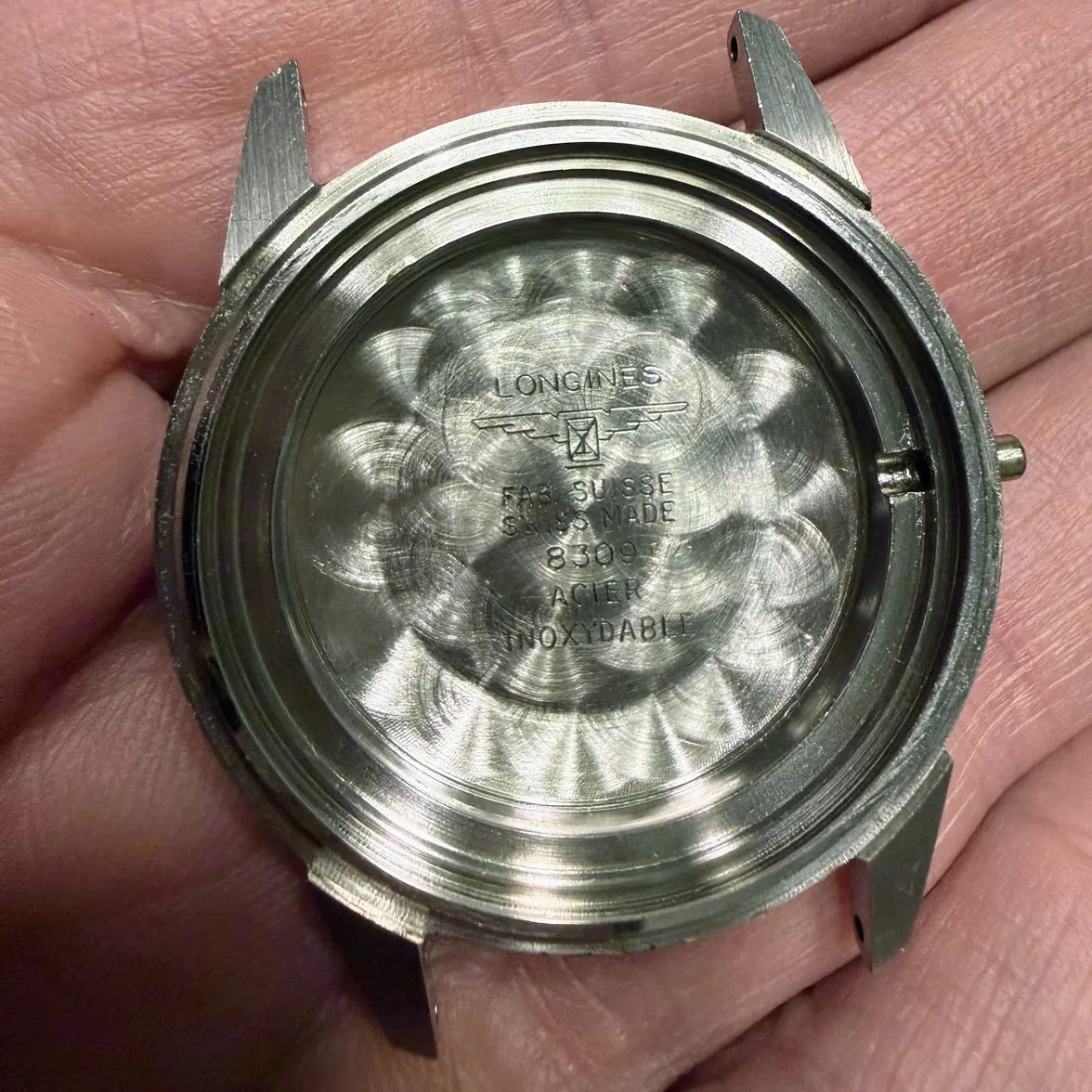
This watch should have caliber 6651 and perhaps reference 8309.
Edited:
 
Posts
352
Likes
2,656
Absolutely gorgeous pictures. These original mesh bracelets suited the Ultra-Chron so well!
 
Posts
1,700
Likes
5,292
And I have not cleaned any of these photos. Just color correction, etc. So, brutally honest look.

Here are a few close-ups. You can see the full size when you click on the image.

 
Posts
229
Likes
297
Wow, amazing pictures! And hugely interesting for me, as I've just got an 8309 myself and was planning to do a similar comparison, except that I don't have one of the new Ultra-Chron Classics... ;-)

It almost feels heretical to follow your spectacular photography with my quick iPhone snaps, but here's mine. Caseback serial number is 15894266, so less than 2000 before yours. Mine is an 8309 (rather than an earlier but seeming identical 7827), so I'm sure yours will be too. I have the bracelet version that the reissue one was based on, but TBH I almost think the mesh looks better!

Edited:
 
Posts
229
Likes
297
I wish I could open this watch to photograph the movement, but not sure if a local watchmaker can do this without risking breaking the crystal.
I managed to open mine a couple of days ago, but I did it very, very carefully.

- The bezel needs to be removed first - I used a piece of razor blade at a point between the bottom lugs to open up a crack initially. Fortunately it's not as tight as many other bezels, to the extent that I was (just) able to snap it back on again with my fingers.

- Similarly, the crystal was not too tight. I used one of those claw pullers, but didn't need to crank it up very hard. I didn't feel I was at great risk of cracking the crystal (compared to a King Seiko 5246-6010 the tightness was nothing!). The thing you really need to watch out for is to very carefully position the puller. There's a tiny raised ridge that's part of the case that you could very easily mistake for the base of the crystal, and if any of the claws are external to that you'll damage the case, and possibly also scratch the lugs. It's worth spending some time positioning the puller and checking the position all round with a loupe before tightening it.

- There's a loose ring at the edge of the dial that just falls out. The stem is the split type, and while it might be OK just to pull the crown off of the stem, if you pull it to the hand setting positon and orientate it with the split slot vertical, you can carefully lift the movement out and detach the crown at the same time.


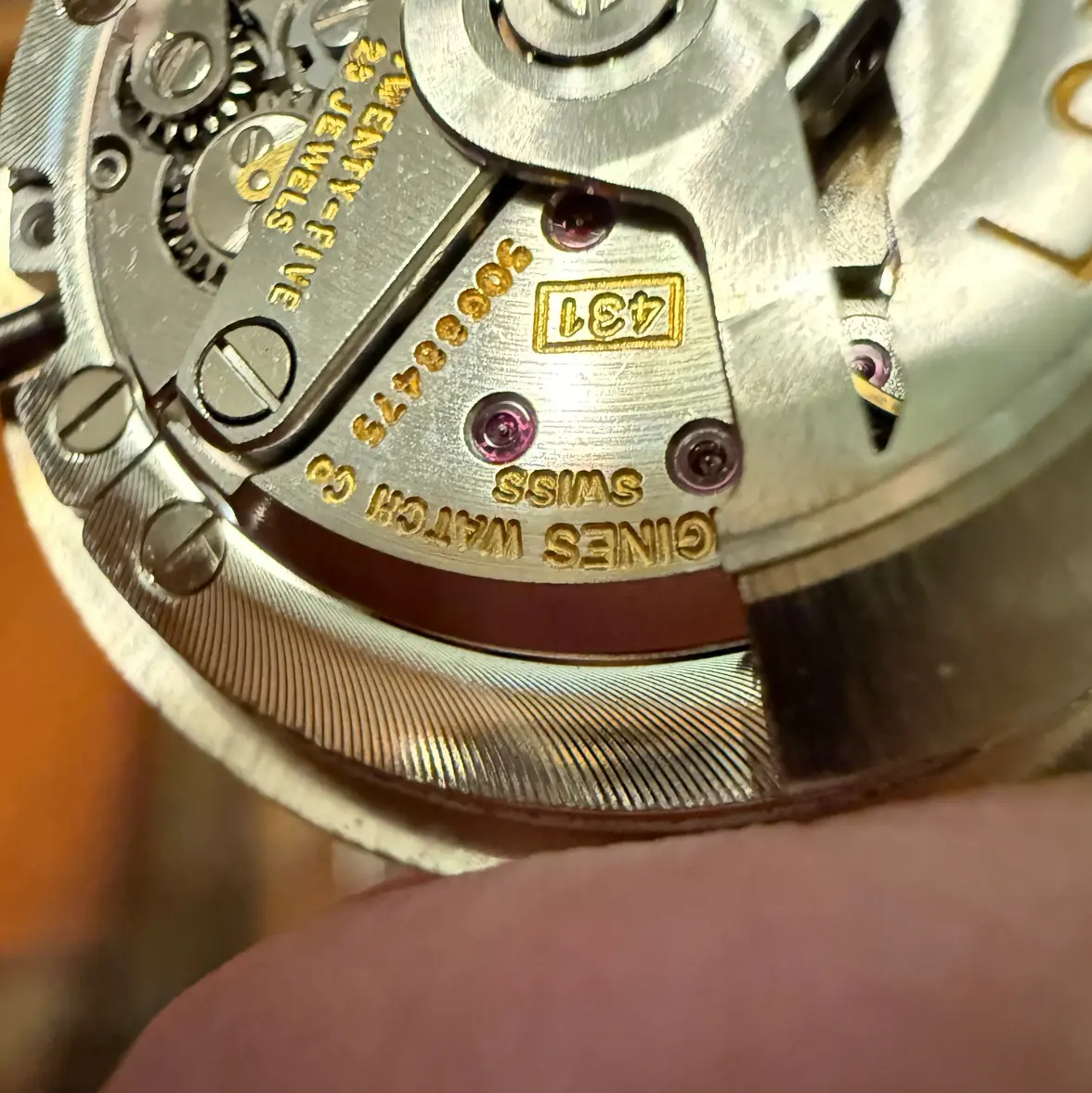
<edit> Is yours definitely a calibre 6651 rather than 431? If so that's really interesting given the close caseback serial numbers of our two watches, and really helps to narrow the period when the transition occurred. Would be interesting to see what your movement serial number is! I'm planning to get an extract from the archives for mine at some point.
Edited:
 
Posts
636
Likes
1,695
Wow, absolutely amazing! Those images are 🔥 The mesh bracelet looks like a beautiful, enveloping ribbon wrapping around the watch.
 
Posts
8,772
Likes
72,746
I’m afraid I’m gate-crashing this thread.

My Ultra Chron is a 1969 cal 431 with a 15****** serial so not 1970s

I’m always impressed by the quality of the dials (and the watches generally) because 1960s/1970s Longines dials don’t seem to deteriorate like many other 50+ year old makes - no bubbles, no patina, and rarely re-dialled.

So far as mine is concerned, it was a pretty spontaneous purchase on OF from @JohnSteed because I liked the case shape and the 4 o’clock date window

 
Posts
1,700
Likes
5,292
I managed to open mine a couple of days ago, but I did it very, very carefully.

- The bezel needs to be removed first - I used a piece of razor blade at a point between the bottom lugs to open up a crack initially. Fortunately it's not as tight as many other bezels, to the extent that I was (just) able to snap it back on again with my fingers.

- Similarly, the crystal was not too tight. I used one of those claw pullers, but didn't need to crank it up very hard. I didn't feel I was at great risk of cracking the crystal (compared to a King Seiko 5246-6010 the tightness was nothing!). The thing you really need to watch out for is to very carefully position the puller. There's a tiny raised ridge that's part of the case that you could very easily mistake for the base of the crystal, and if any of the claws are external to that you'll damage the case, and possibly also scratch the lugs. It's worth spending some time positioning the puller and checking the position all round with a loupe before tightening it.

- There's a loose ring at the edge of the dial that just falls out. The stem is the split type, and while it might be OK just to pull the crown off of the stem, if you pull it to the hand setting positon and orientate it with the split slot vertical, you can carefully lift the movement out and detach the crown at the same time.


<edit> Is yours definitely a calibre 6651 rather than 431? If so that's really interesting given the close caseback serial numbers of our two watches, and really helps to narrow the period when the transition occurred. Would be interesting to see what your movement serial number is! I'm planning to get an extract from the archives for mine at some point.
Excellent post! I want to have it opened up, but I don't have the crystal puller. Local watchmakers don't really have experience with these (ex-USSR country, after all). I am not sure it's not cal 431, but the seconds hand has some jerky movement, like big jerks, and doesn't look as smooth as my 36000vph King Seiko (45). I want to shoot some studio photos of the movement. Love your description of how to open it up!

I edited the post title to the year 1969.
 
Posts
1,700
Likes
5,292
I’m afraid I’m gate-crashing this thread.

My Ultra Chron is a 1969 cal 431 with a 15****** serial so not 1970s

I’m always impressed by the quality of the dials (and the watches generally) because 1960s/1970s Longines dials don’t seem to deteriorate like many other 50+ year old makes - no bubbles, no patina, and rarely re-dialled.

So far as mine is concerned, it was a pretty spontaneous purchase on OF from @JohnSteed because I liked the case shape and the 4 o’clock date window


I also agree that dials on these are great. Although I have seen many Ultra-Chrons with not-so-nice dials. As these cases rarely get opened, I suppose the dials have less chance of getting moisture in. Btw, mine has a very stiff crown (to wind). I guess it needs a service. Also loses a significant amount of time in the 24 hours.
 
Posts
8,772
Likes
72,746
The main problem with these older Longines is locating replacement parts.

Good luck
 
Posts
229
Likes
297
Excellent post! I want to have it opened up, but I don't have the crystal puller. Local watchmakers don't really have experience with these (ex-USSR country, after all). I am not sure it's not cal 431, but the seconds hand has some jerky movement, like big jerks, and doesn't look as smooth as my 36000vph King Seiko (45). I want to shoot some studio photos of the movement. Love your description of how to open it up!

I edited the post title to the year 1969.
The seconds hand might just be jerky due to it being an indirect centre seconds movement and the spring that tensions the second hand needing to be tightened.

You can usually tell if it's a 36000 bph movement just by listening to the ticking - if it's a 28,800 6651 movement the ticking will sound distinctly slower compared with your 36000 KS.

I'd actually guess around 1971 for the date of the watch - the online lookup tables are confusing because they tend to stop at 1969, when serial numbers moved from the movement to the caseback. A new series of movement serial numbers (beginning with 50) was introduced shortly afterwards, but Longines seem to use the caseback numbers after 1969 to date the watch.
 
Posts
352
Likes
2,656
I find using a watch app one of the best ways to find out it it's a 431 or 6651 movement - something like "Watch Accuracy Meter" for Android, and I'm sure there's something for Apple, too. When set to "auto" it will detect the beat rate, even on a watch that is long overdue for a service.

Granted, this won't tell you if it's the 17 or 25 jewel version of the 431, and neither will it tell you if it's a 6651 or 6652 movement. But the "big difference" (beat rate) is clear right out.