Omega SMP solar proto?!

Posts
33
Likes
4
Dear Omega enthusiasts and forum members,

I would like to kindly ask for your opinion regarding a rather unusual Omega Seamaster 300 question.

First of all, to avoid any misunderstanding: the watch is not in my possession, and the photos were not taken by me. I am asking because of a Facebook post and the discussion that developed around it, which raised an interesting technical and historical question.

Have any of you ever come across, or heard of, an Omega Seamaster 300 - possibly a “Not for Sale”, prototype, test piece, presentation model, or special-purpose version - that was fitted with a solar quartz-based movement?

Do you think such a configuration could realistically have existed as an internal Omega prototype, experimental model, service-modified piece, or any other official or unofficial variant?

I would also be very interested to know whether any documentation, archive reference, catalogue note, service record, or collector information exists that could help confirm or disprove such a possibility.

I am not trying to make any claim about the watch - I am simply curious and would very much appreciate the knowledge and experience of the forum members.

Many thanks in advance for any thoughts, references, or guidance.
 
Posts
768
Likes
1,433
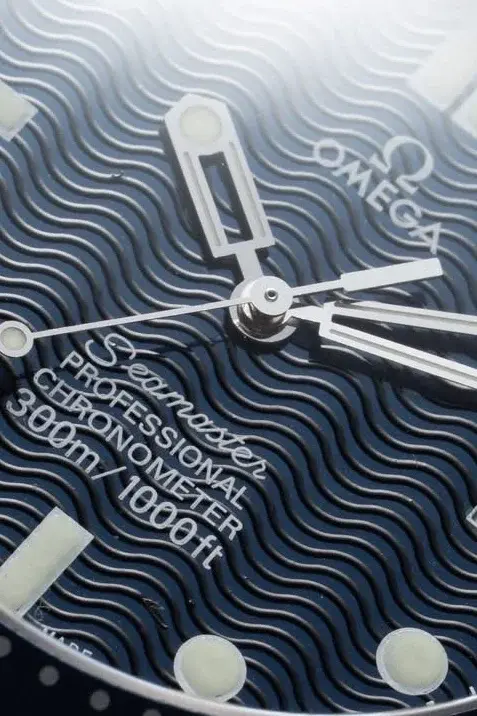
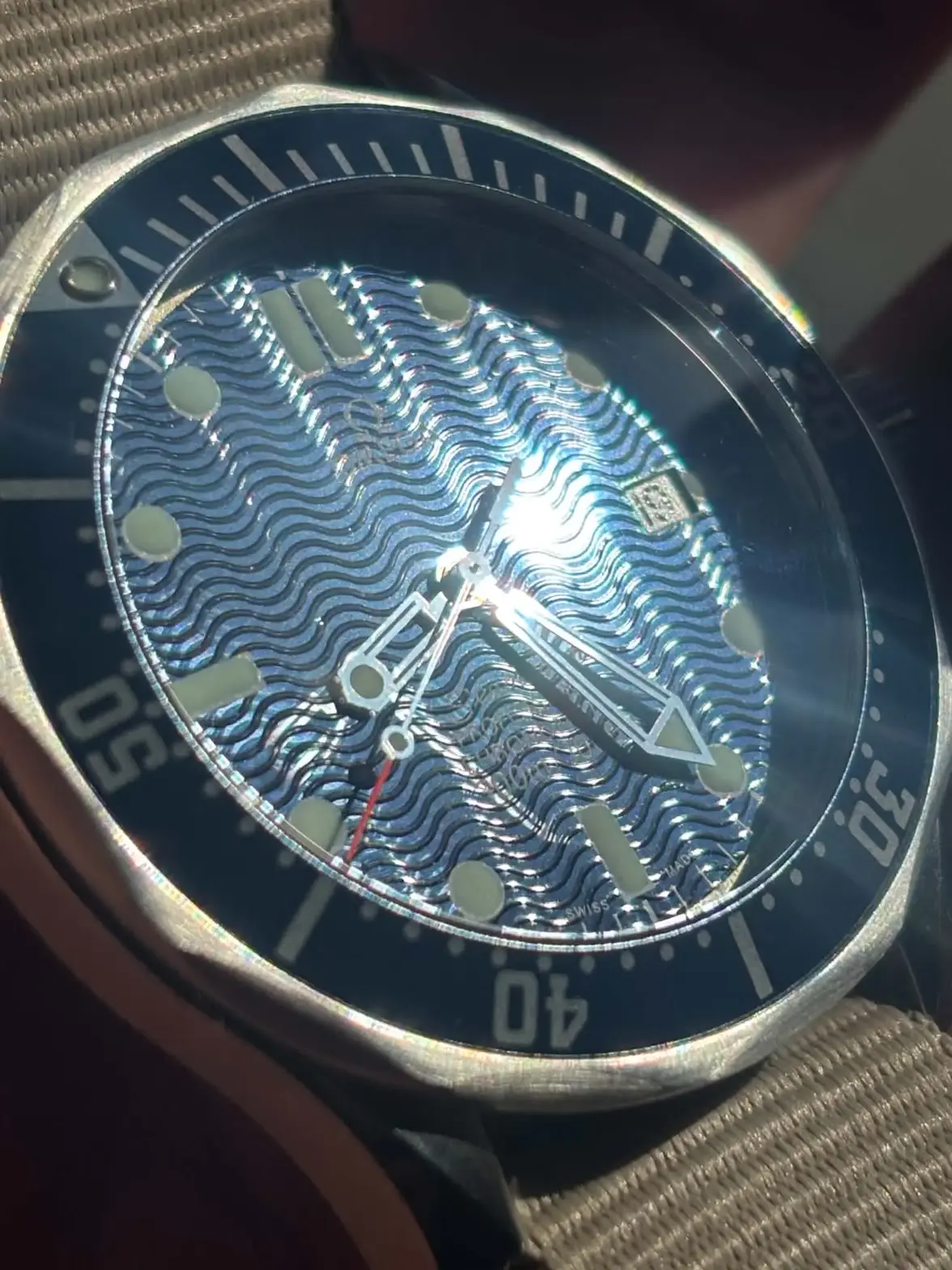
The dial looks like that of a standard 2531.80.00 automatic.

If it were a quartz movement, it would not be Chronometer certified.

If it were a solar quartz movement, there would have to be some way for light to penetrate the dial to reach the movement.

Agree with @YY77, it's a franken watch using a regular (not solar) quartz movement.
 
Posts
3,091
Likes
9,189
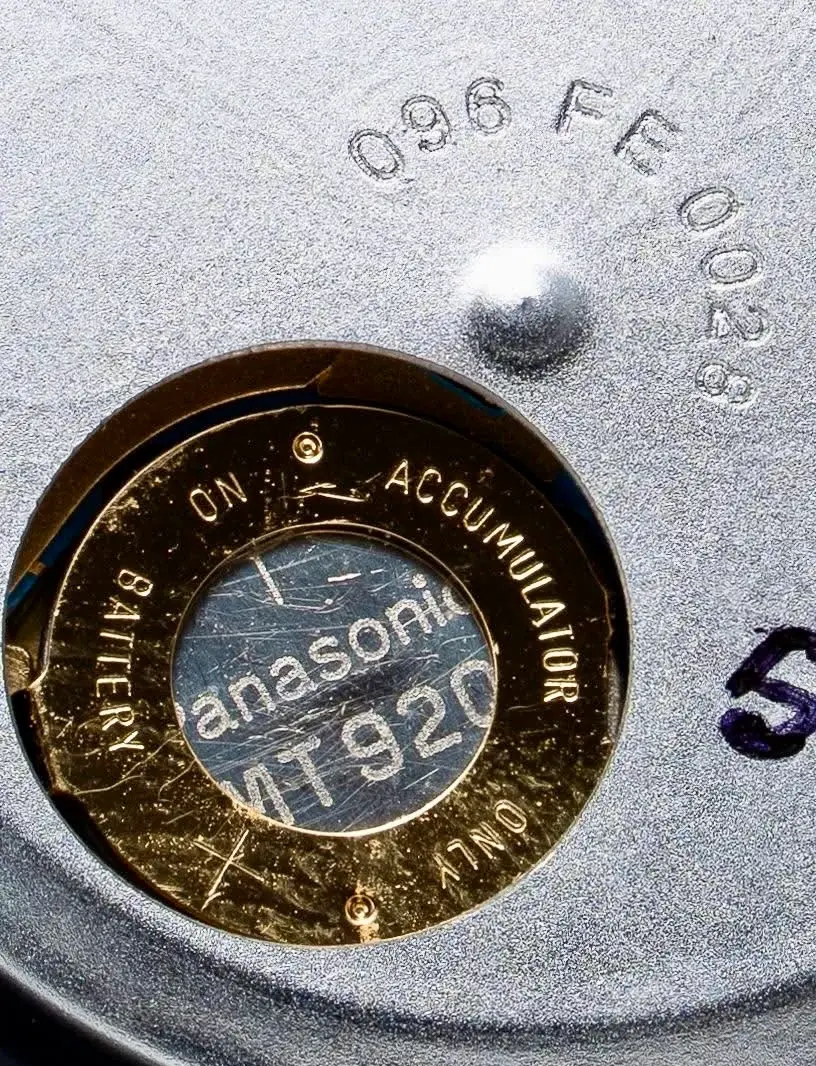
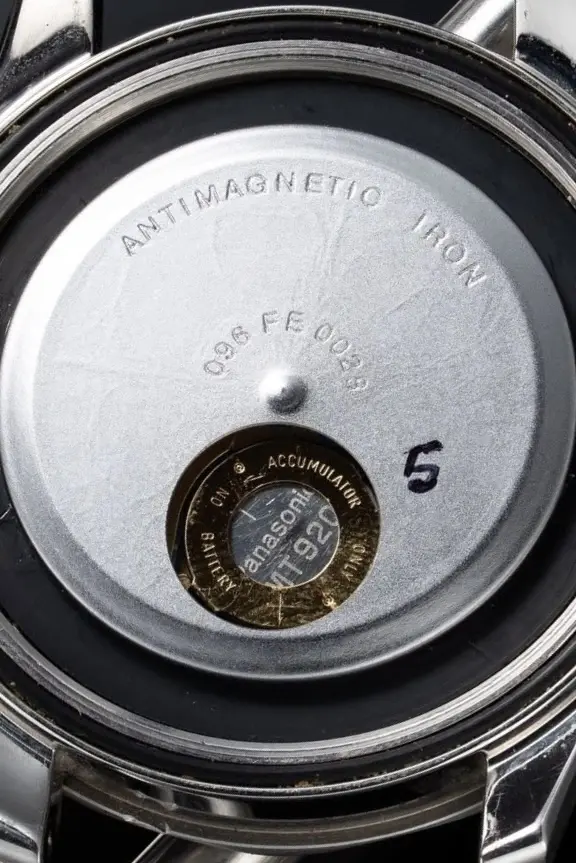
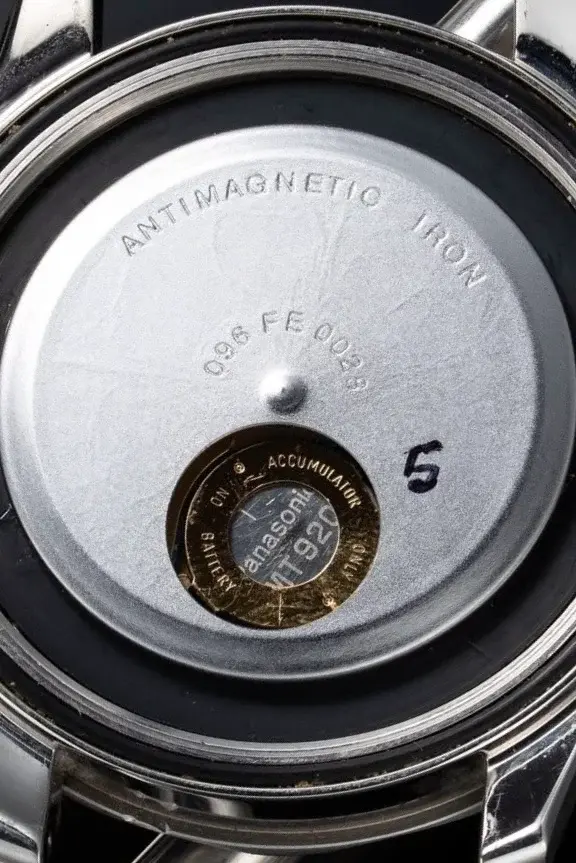
The Panasonic MT 920 is used in Seiko solar watches among other brands.

But why would a quartz movement need a iron shield? And why they cut a hole in that sheild? To make battery access easier?

Too bad the pic was cropped so no He was in the frame.

This is my Eco drive the "solar panels" are visible, not on the Omega

:fakecat:

Ohh shit was it originally posted on April 1 st. ?
Edited:
 
Posts
33
Likes
4
The Panasonic MT 920 is used in Seiko solar watches among other brands.

But why would a quartz movement need a iron shield? And why they cut a hole in that sheild? To make battery access easier?

Too bad the pic was cropped so no He was in the frame.

This is my Eco drive the "solar panels" are visible, not on the Omega

:fakecat:

Ohh shit was it originally posted on April 1 st. ?

 
Posts
33
Likes
4
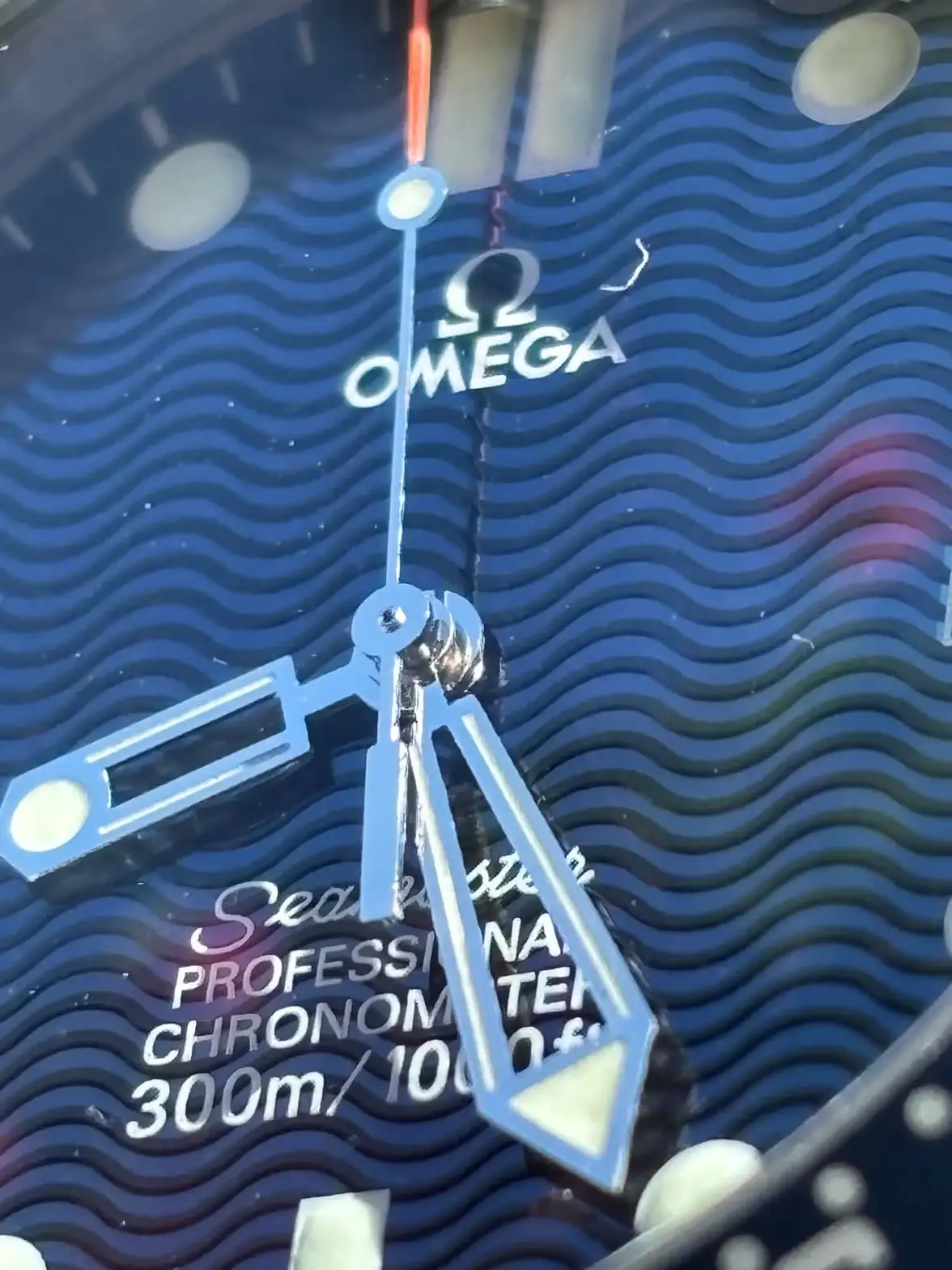
asked the seller for more pictures, and he sent me these photos. As far as I can tell, this appears to be a solar panel located beneath the dial. However, I have been unable to find any similar example or historical reference from Omega that would confirm the existence of such a model or prototype (or the exact opposite)

 
Posts
34,590
Likes
39,123
It looks like a normal Bond Seamaster dial to me, can’t really see any evidence of anything odd there
 
Posts
2,203
Likes
2,429
It looks like a normal Bond Seamaster dial to me, can’t really see any evidence of anything odd there
Yah, same. There is no solar panel inside of that dial, that is a bog-standard dial.

I was open to considering this could be real (though this is one of those things that without proper documentation, it doesn't have value), but the more I see, the less open I am 😁

First: The handful of prototypes I've seen Omega will modify the print to be accurate, so 'chronometer' on the dial leaves me suspicious.

Second: I can see the value to the magnetic shield (if only to take up space in the movement) if it were real, but the hole there is ODD. It only allows access to SEE the battery, not to change it?

Third: What actually IS the movement inside? Without seeing it, we can't even answer that. I'd see if we can get photos under the magnetic shield. That said, I don't think it is an omega movement based on that clamp. My search for Omega movements shows that the clamp style you can see there isn't particularly consistent with any I've seen. Omega seems to do either a 'thinner' ring that goes over the sides, a large-flat circular one with a big Omega logo cut out of it, or a flat clamp. So, I'm not even sure that is an Omega clamp.
 
Posts
33
Likes
4
The dial looks like that of a standard 2531.80.00 automatic.

If it were a quartz movement, it would not be Chronometer certified.

If it were a solar quartz movement, there would have to be some way for light to penetrate the dial to reach the movement.

Agree with @YY77, it's a franken watch using a regular (not solar) quartz movement.
Can’t disagree ! Thank you for the answer
 
Posts
33
Likes
4
Yah, same. There is no solar panel inside of that dial, that is a bog-standard dial.

I was open to considering this could be real (though this is one of those things that without proper documentation, it doesn't have value), but the more I see, the less open I am 😁

First: The handful of prototypes I've seen Omega will modify the print to be accurate, so 'chronometer' on the dial leaves me suspicious.

Second: I can see the value to the magnetic shield (if only to take up space in the movement) if it were real, but the hole there is ODD. It only allows access to SEE the battery, not to change it?

Third: What actually IS the movement inside? Without seeing it, we can't even answer that. I'd see if we can get photos under the magnetic shield. That said, I don't think it is an omega movement based on that clamp. My search for Omega movements shows that the clamp style you can see there isn't particularly consistent with any I've seen. Omega seems to do either a 'thinner' ring that goes over the sides, a large-flat circular one with a big Omega logo cut out of it, or a flat clamp. So, I'm not even sure that is an Omega clamp.
Thank you for sharing your thoughts - they are both highly professional and genuinely thought-provoking.

I would also add that, based on my previous experience with the brand and with similar industry cases, even when full documentation is not available, prototypes or internal “not for sale” pieces are usually very clearly marked. In most cases, they carry serial numbers with “X” or “0” patterns, multiple engraved or printed “Prototype” indications, and explicit “Not For Sale” markings as part of both internal industry standards and brand-protection practices.