- Posts
- 5
- Likes
- 9
robertmei
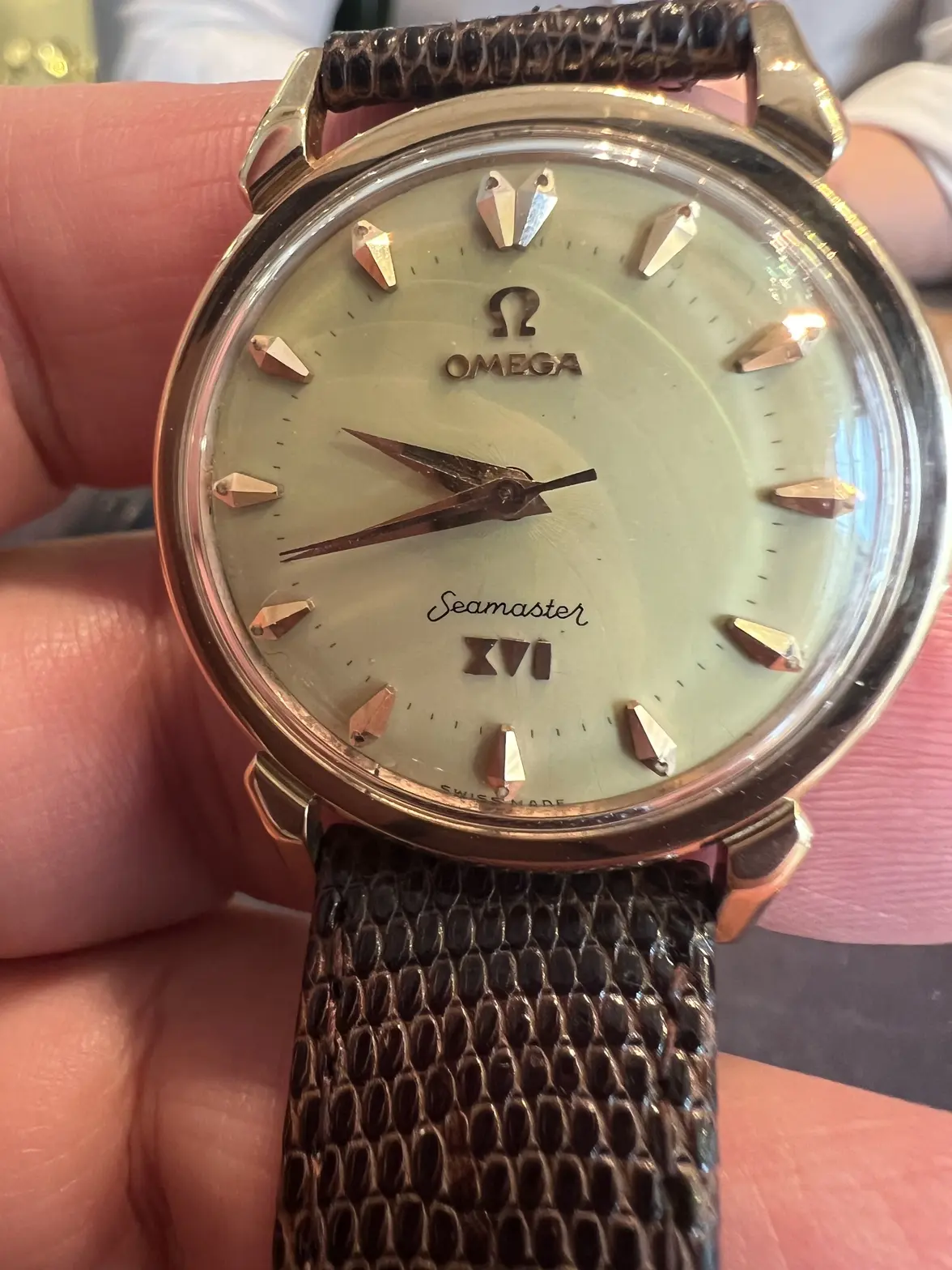
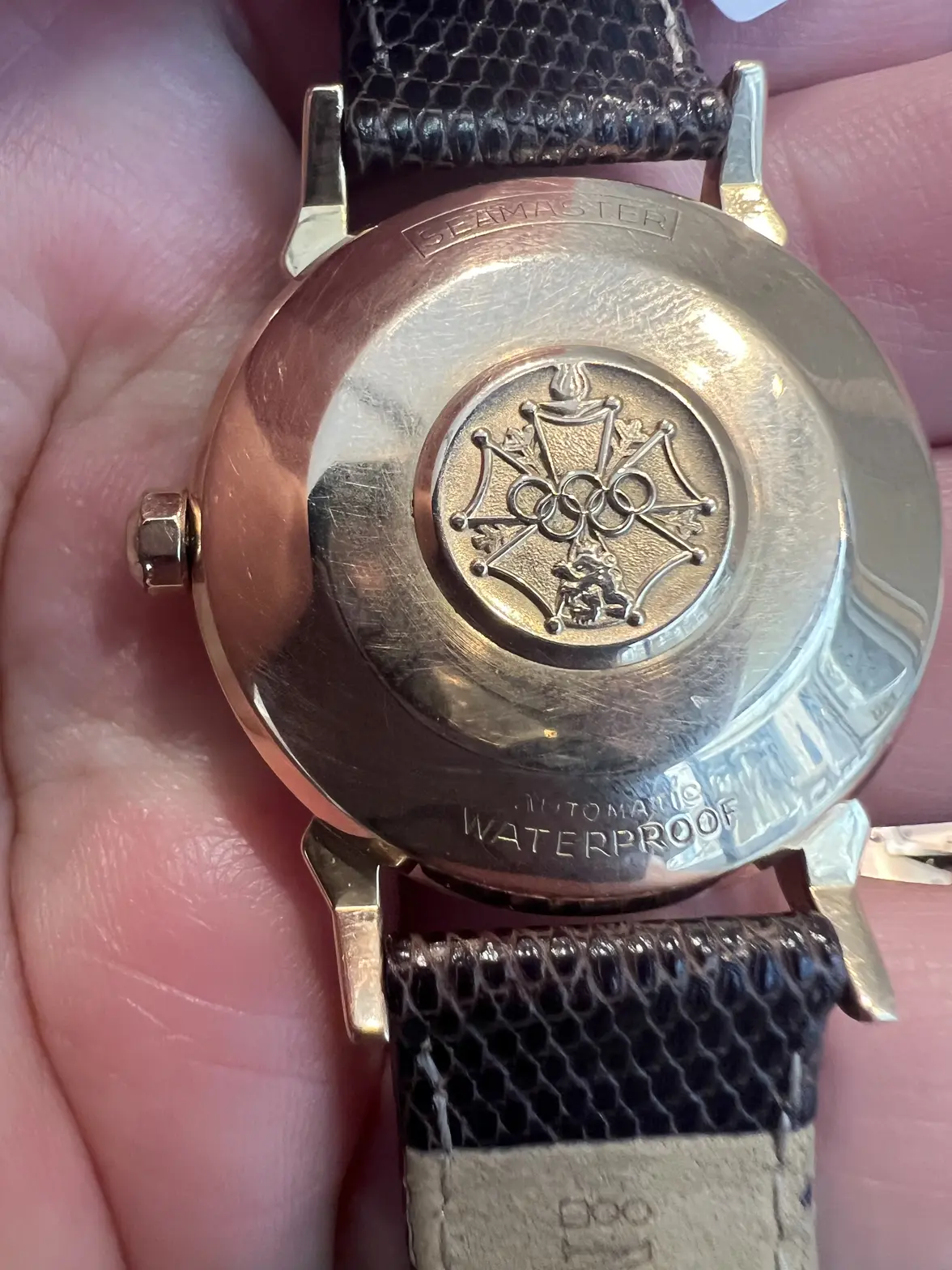
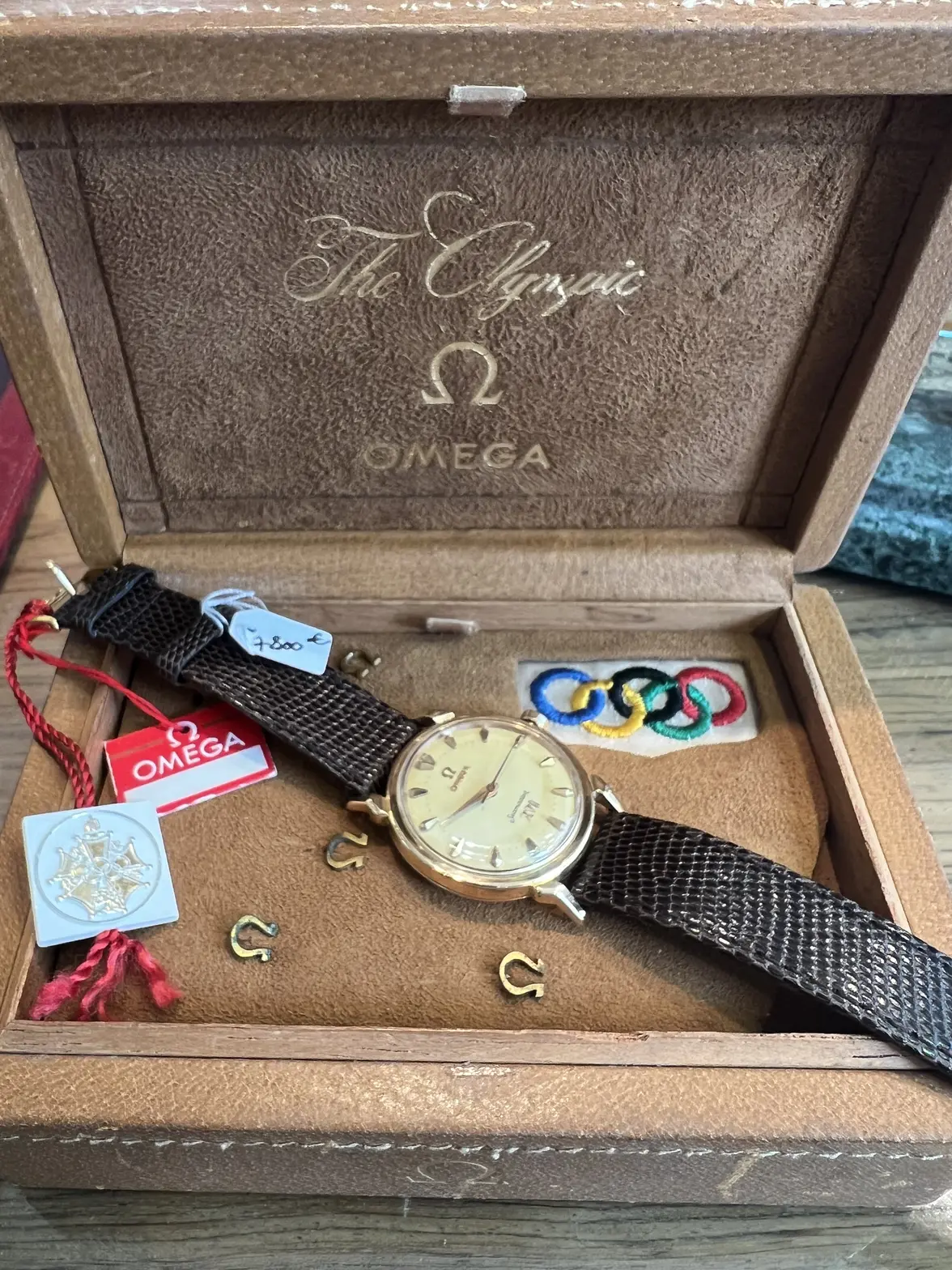
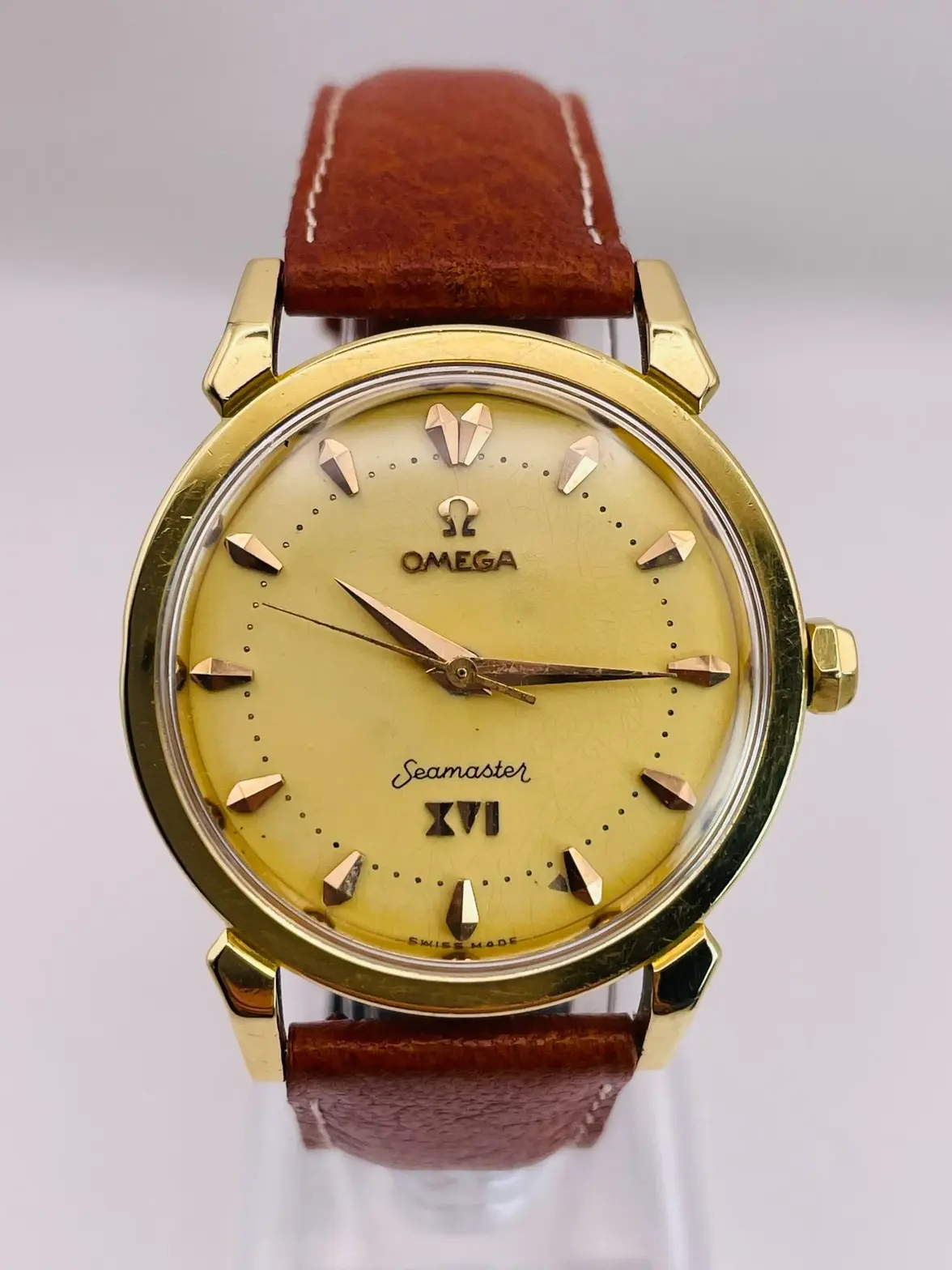
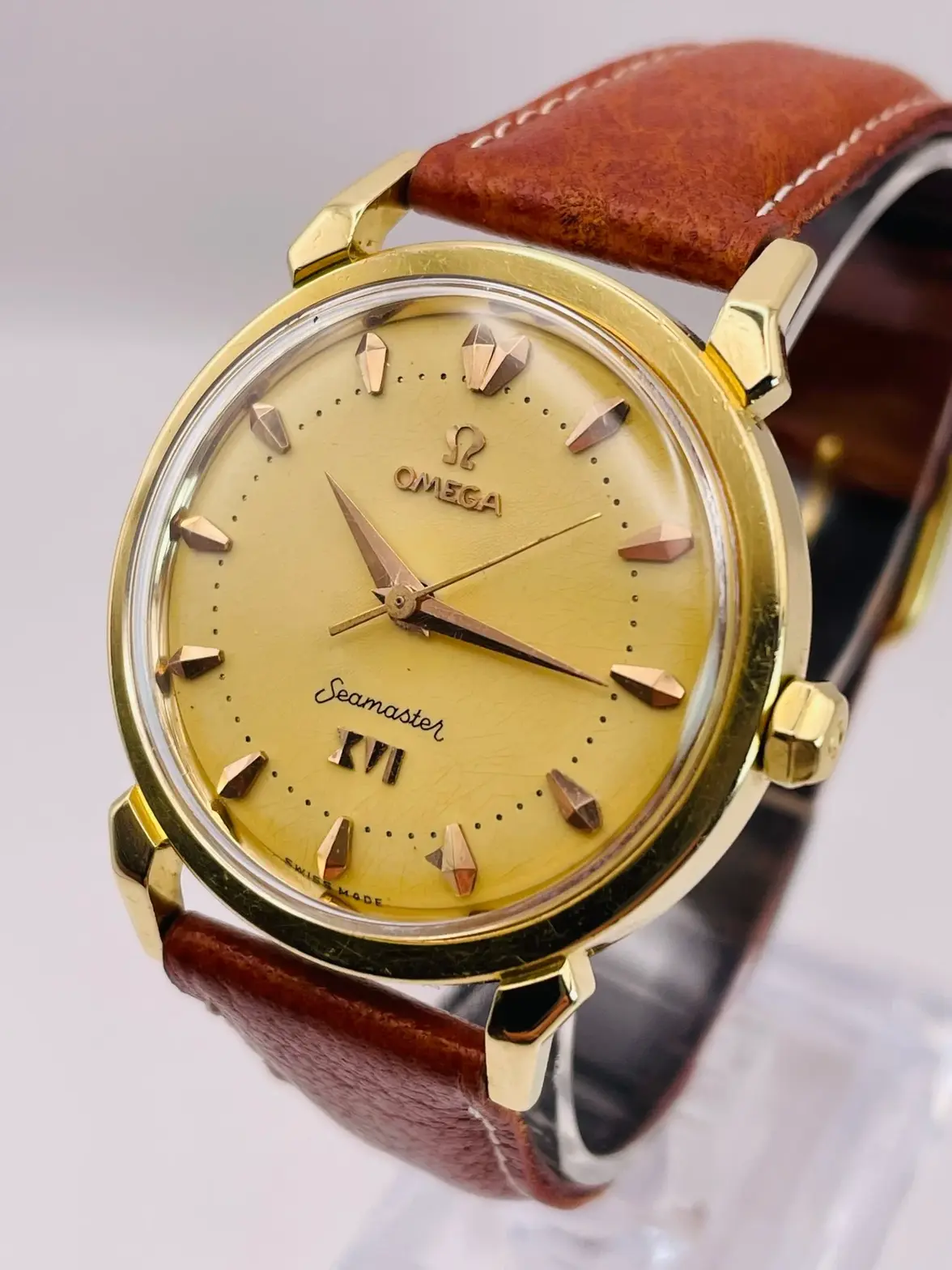
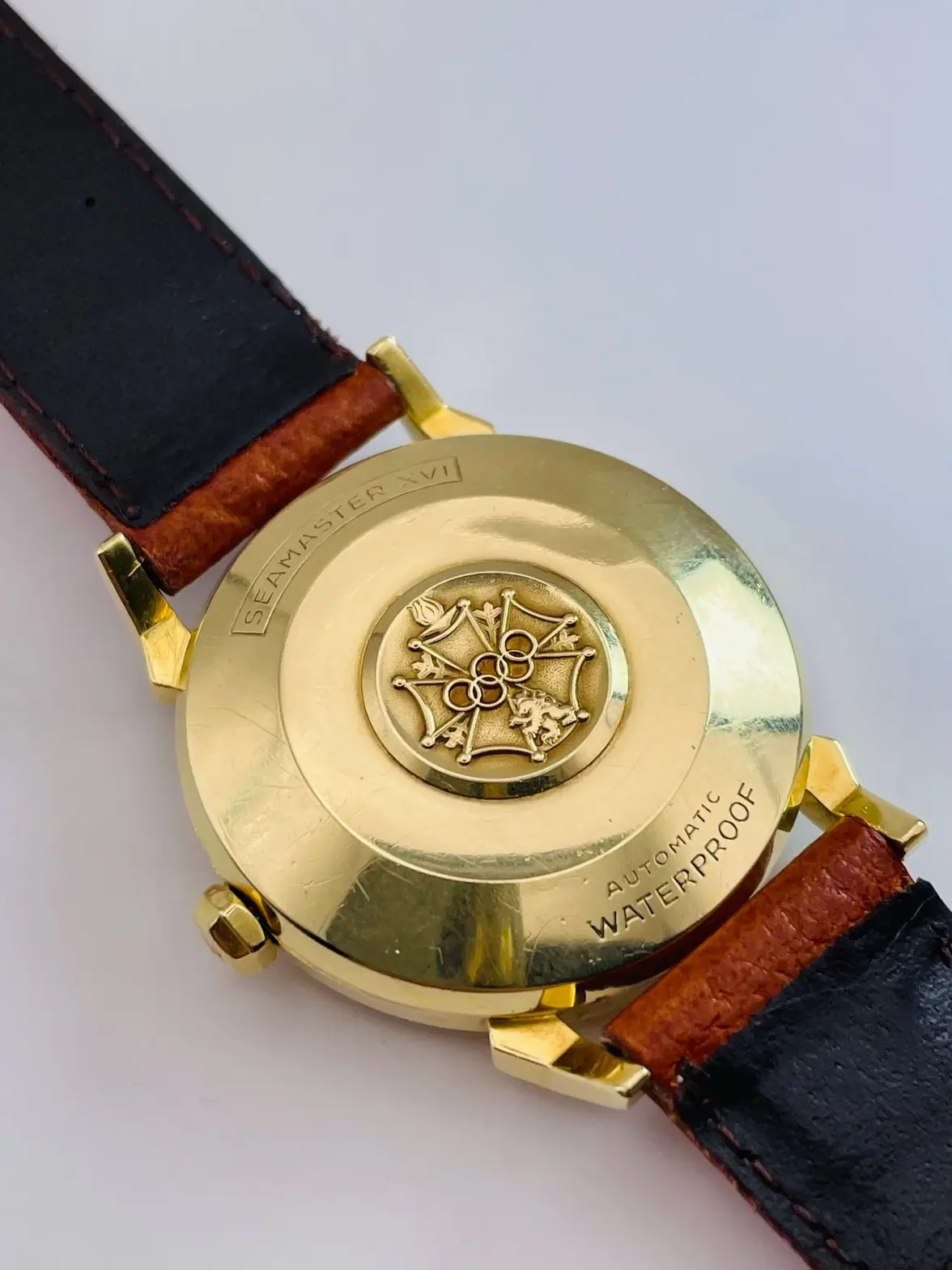
·I'm looking at a vintage Omega Seamaster XVI commemorating the 1956 Melbourne Olympics (ref. 2850, 18k yellow gold case, Cal. 471 automatic). It's the commercial version with the Roman numeral "XVI" above 6 o'clock, champagne dial, faceted/cut hour markers.
The dial shows typical age-related spider cracking (hairlines, common on these lacquered dials from the era). Overall condition seems decent with some wear, small case dent, non-original strap.
These are collectible pieces, and while spider cracks are original/factory, I've noticed that cracked dials on vintage Omegas sometimes get refinished/redialed over the years to look "better," especially on desirable references like this one.
To those familiar with ref. 2850 / 1956 Olympic Seamasters:
Any red flags to watch for on a spider-cracked dial example that might indicate a redial (even if it looks aged)?
Specific tells in font/printing of "Omega" signature, "Seamaster", "Automatic", or the "XVI" appliqué/placement?
Lume plots, color/tone of the champagne dial, alignment issues, or other inconsistencies vs. known originals?
How do original spider-cracked dials typically age/appear compared to refinished ones?
Appreciate any insights from collectors who've handled or studied these—photos of the dial/markers would help if you have comparables, but general advice is great too. Thanks in advance!
The dial shows typical age-related spider cracking (hairlines, common on these lacquered dials from the era). Overall condition seems decent with some wear, small case dent, non-original strap.
These are collectible pieces, and while spider cracks are original/factory, I've noticed that cracked dials on vintage Omegas sometimes get refinished/redialed over the years to look "better," especially on desirable references like this one.
To those familiar with ref. 2850 / 1956 Olympic Seamasters:
Any red flags to watch for on a spider-cracked dial example that might indicate a redial (even if it looks aged)?
Specific tells in font/printing of "Omega" signature, "Seamaster", "Automatic", or the "XVI" appliqué/placement?
Lume plots, color/tone of the champagne dial, alignment issues, or other inconsistencies vs. known originals?
How do original spider-cracked dials typically age/appear compared to refinished ones?
Appreciate any insights from collectors who've handled or studied these—photos of the dial/markers would help if you have comparables, but general advice is great too. Thanks in advance!