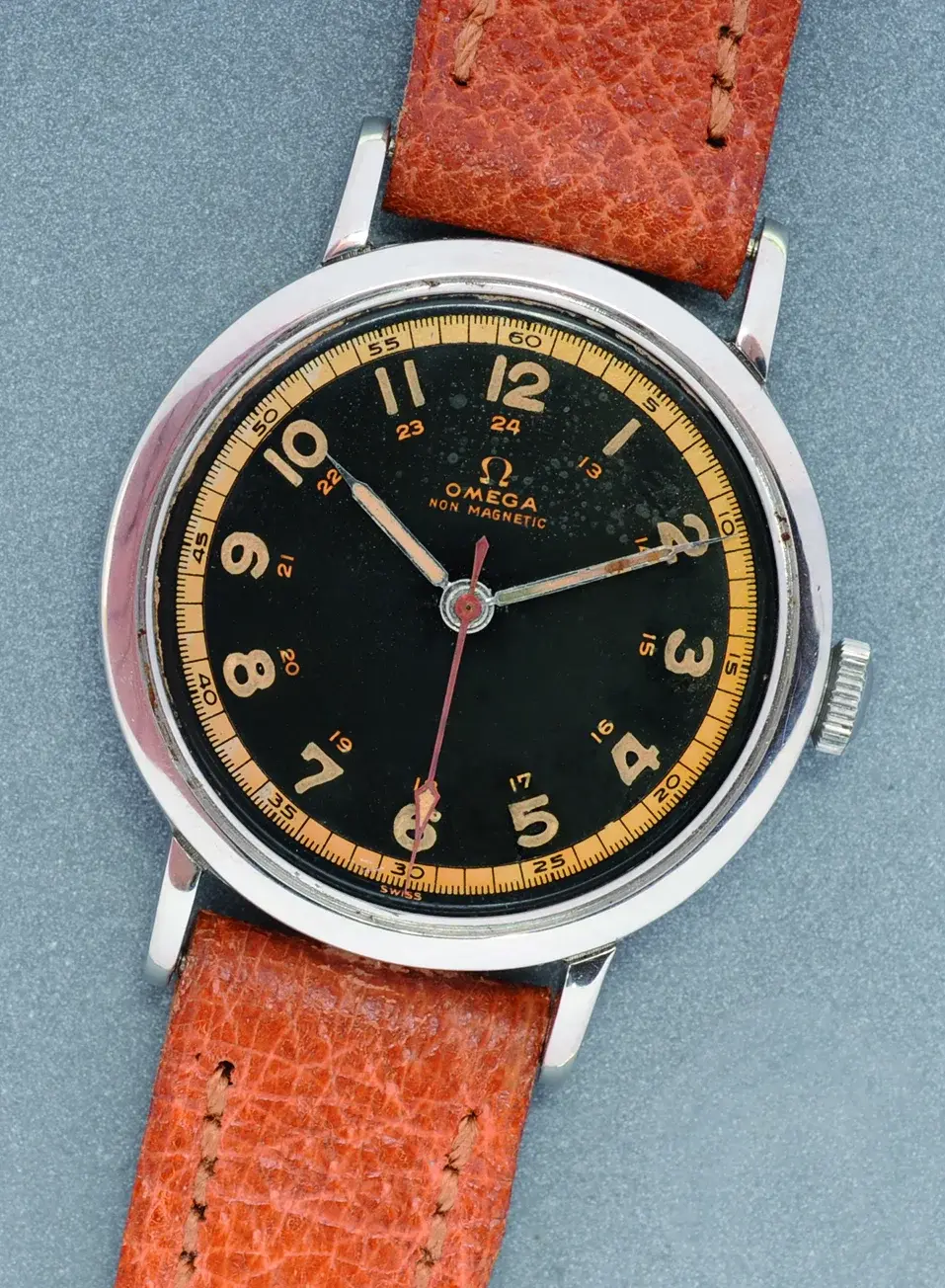
Hey Erich, danke für deine Antwort!
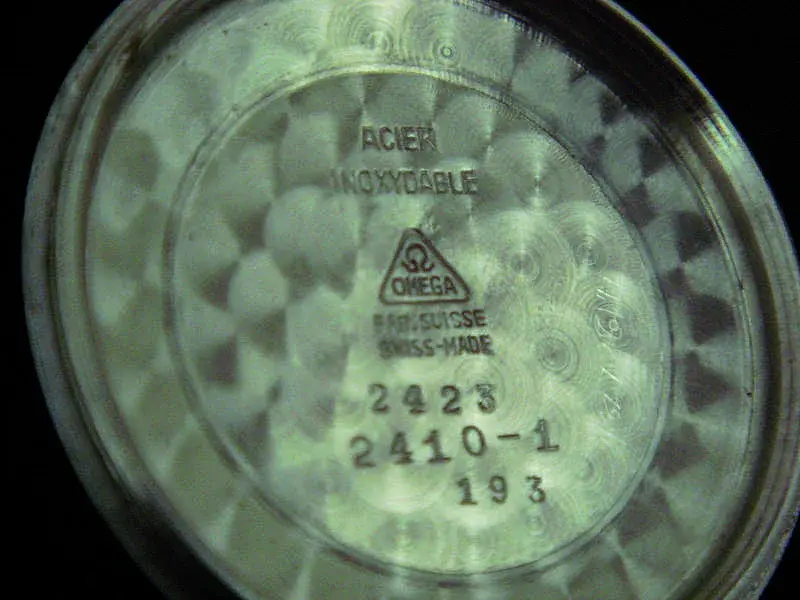
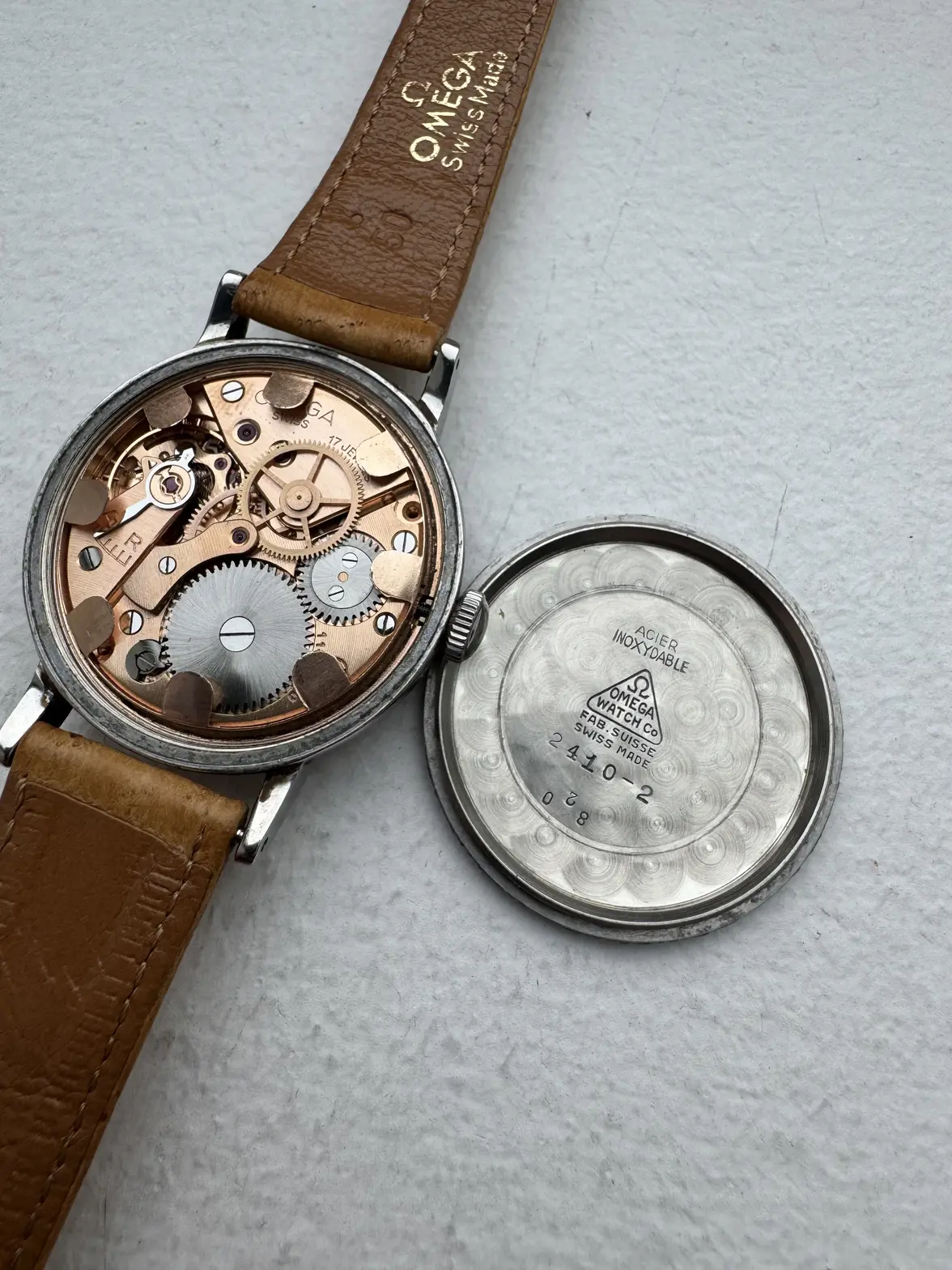
But I have a few questions. It clearly says 2410-2 in the caseback, how can it be a 2423 then?
Is 2410 exclusive to chronometers and is there any „proof“ without buying your book
😀
Thanks, Nico
Hi Nico,
it is how I described in my above response. Omega used left over 2410 chronometre cases to create a new ref. which they numbered 2423. The problem which causes confusion in the collectors community is that Omega did not ammend the ref. number 2410, they used just the old cases. Some have been added the new number 2423.
I have seen several (but not many) ref. 2423 where both numbers are present - see example in my above response.
An easy way to distinguish:
A ‘genuine’ 2410 is a chronometre and has a 30 SC T2
Rg movement - this is mandatory!
If you find a 2410 case with a different movement its not a ‘genuine’ 2410 but a 2423 even if it does not show the number 2423.
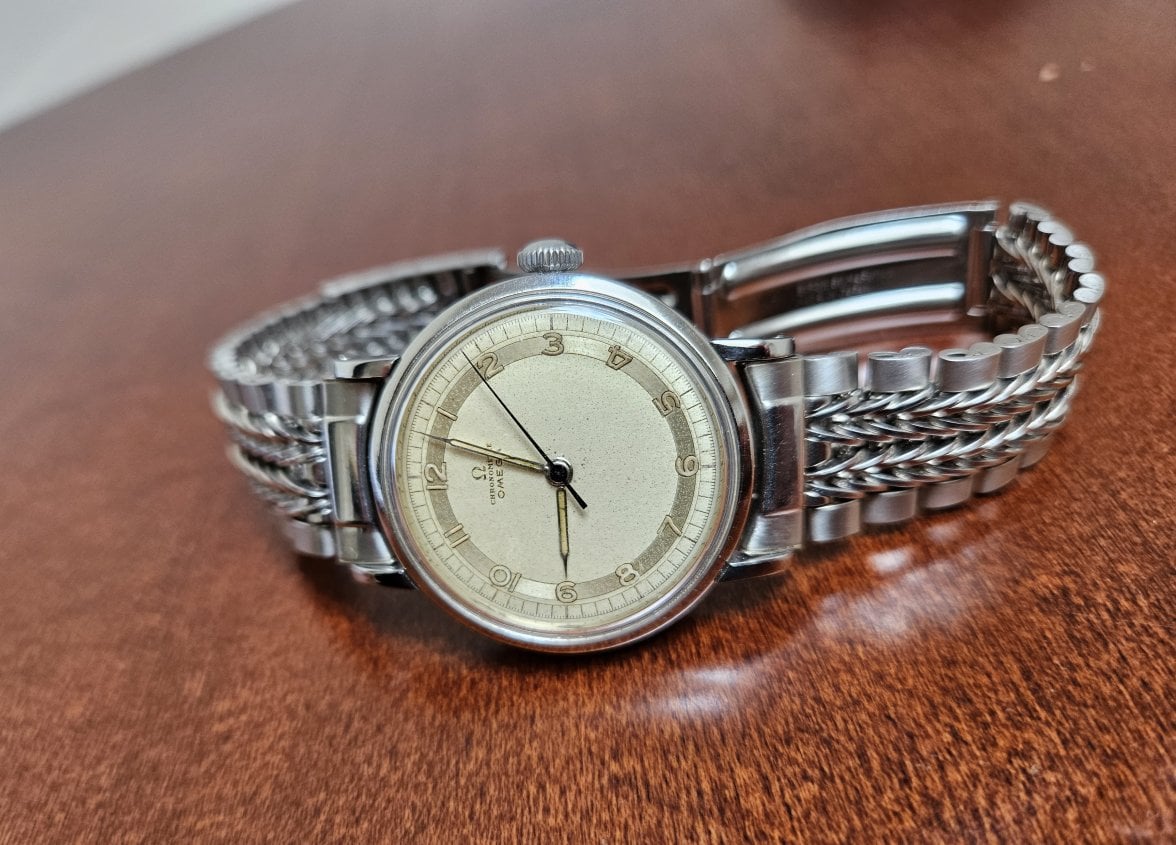
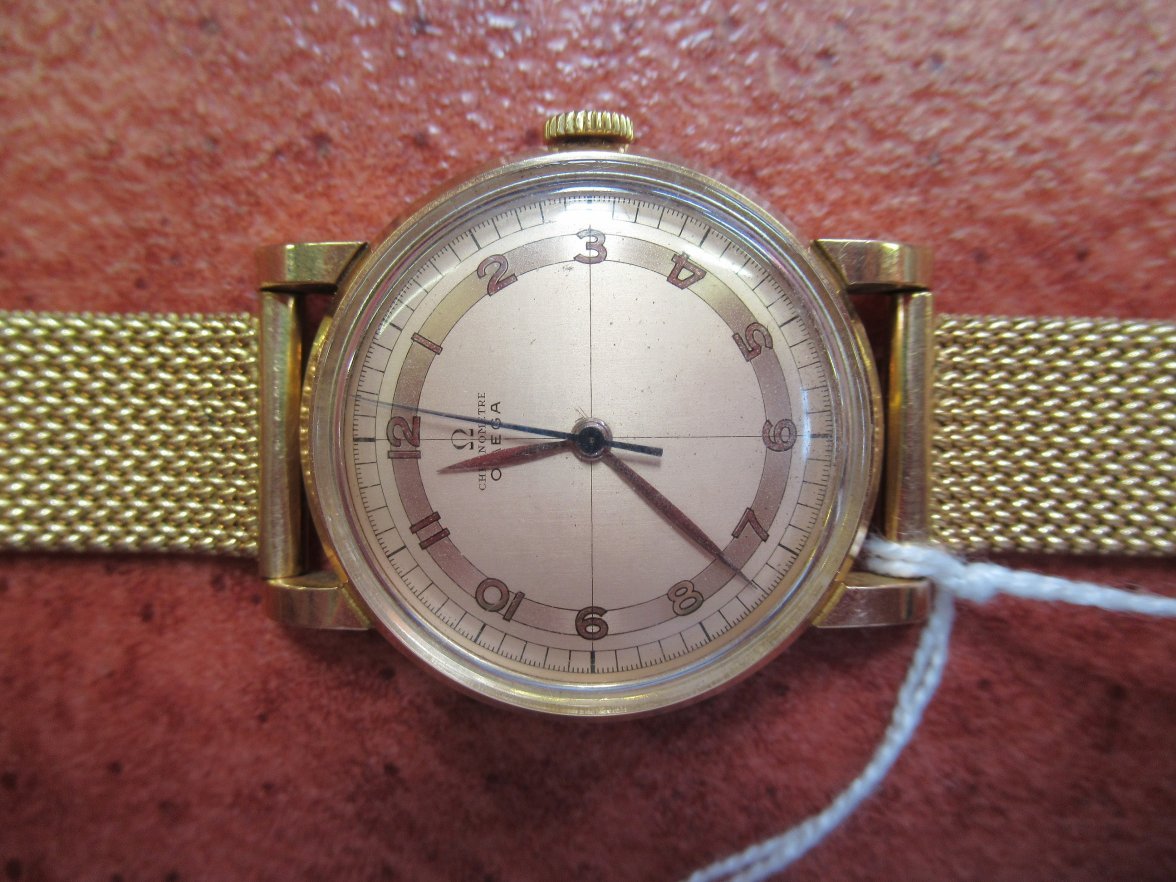
The 2423 comes in 2 variants:
1) with a
17J movement
283 or
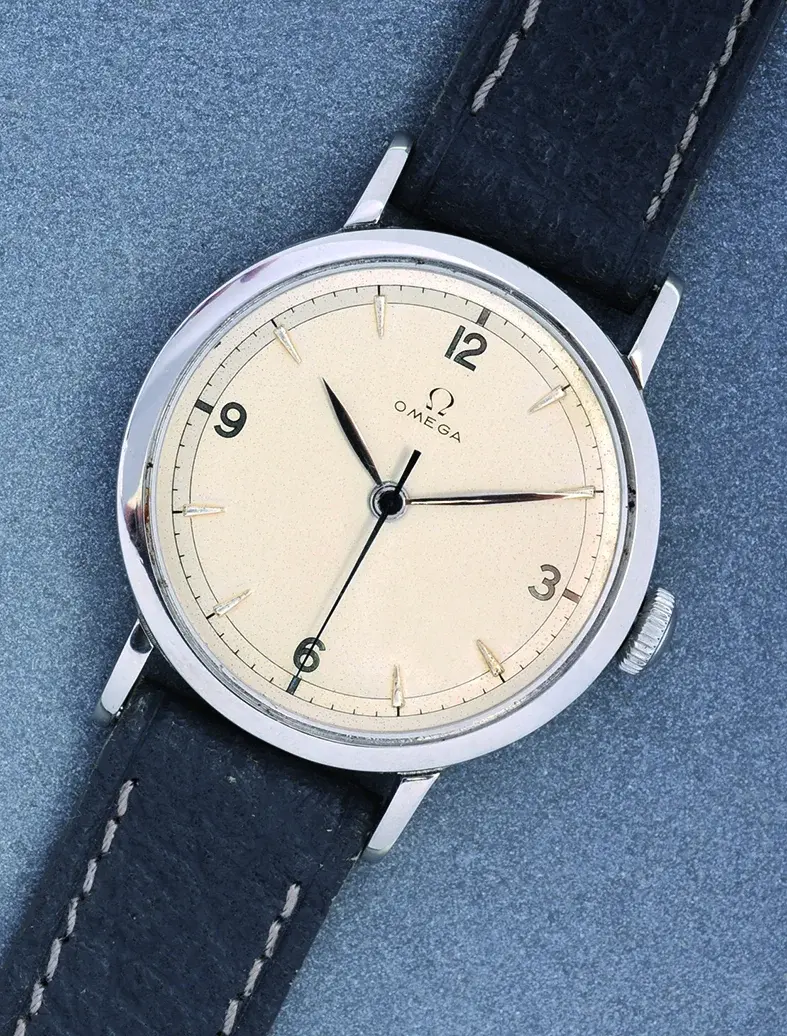
30 SC T2 PC, most I have seen had various "
bright" coloured dials. See an example below.
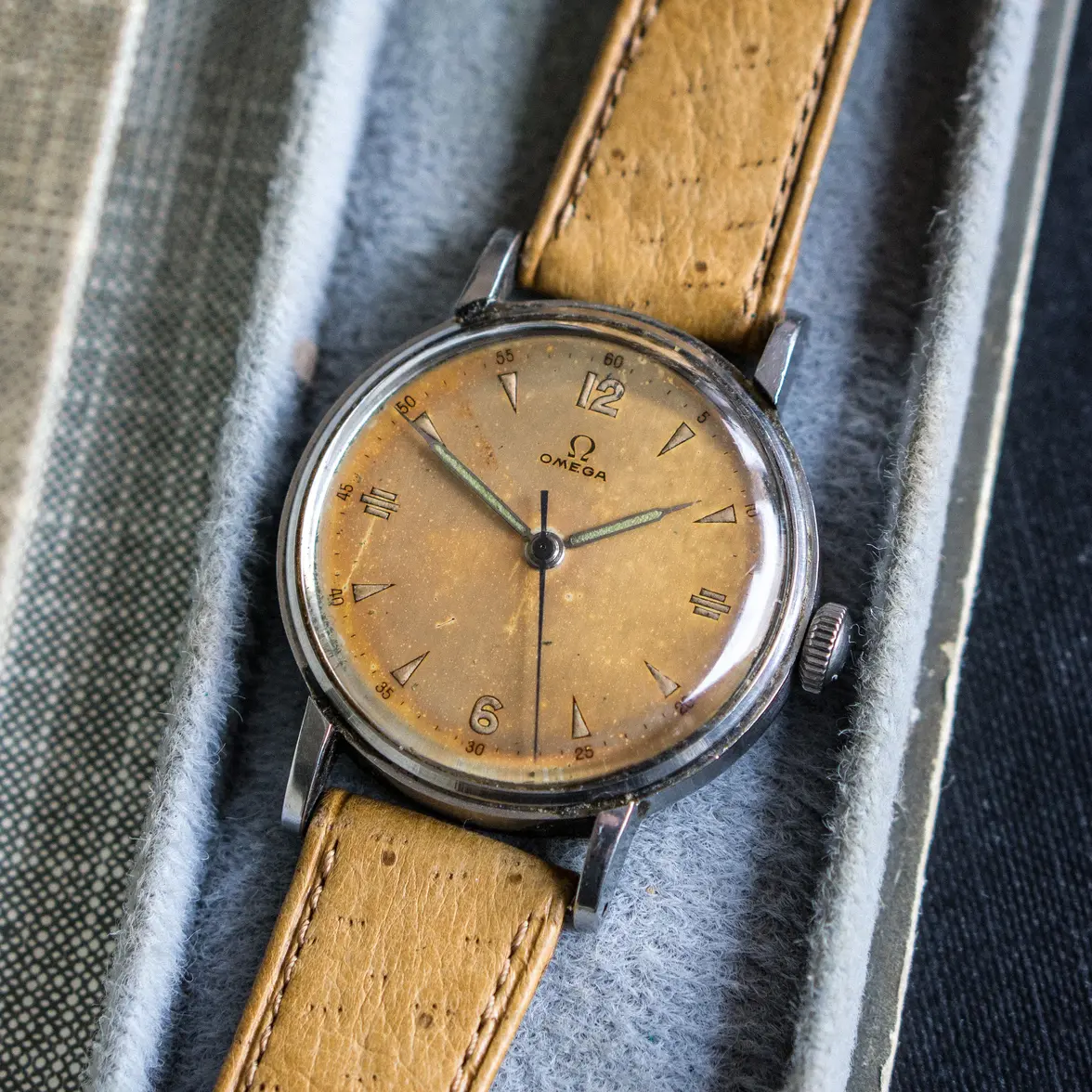
2) with
18J movement cal
30 SC T2 PC, most I have seen had "
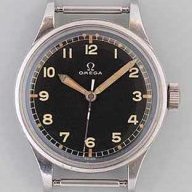
dark" dials. Black in the centre, bearing "NON MAGNETIC", and a narrow silvered seconds track. See photo
These dials were galvanic sandwich dials (some call them gilt, although this is nonsense as there is no gold colour at all).
I had all of my 2423 verified in the Omega archives. Unfortunately no EoA are available, otherwise it would be easy to verify it yourself.
Nota bene:
There is the same "problem" of confusion with the second SS cross reference pair:
2254 / 2337
You will never find a number 2337 embossed in the case, only 2254 but without the mandatory cal 30 SC T2 Rg which is encased in a "genuine" 2254.
I had also all of my 2337 verified in the Omega archives.