New Tudor Black Bay Inhouse

Posts
424
Likes
754
Can I ask what sort of detail you are referring to? In a watch like this, the main reason for going "in-house" (whatever that really means) is for the sake of exclusivity. The main complaint of people who typically hold the view that ETA makes a watch less valuable is that the movements are common. Common doesn't mean inferior, and uncommon doesn't mean better in any way.

The ETA 2824-2 comes in COSC grade, so if Rolex wanted to, theycould have had the ETA version made COSC, but my feeling is they would not want to advertise that someone else's movement can be as accurate as theirs is by putting the best version in their watches. In fact even non-COSC grade 2824-2's can be made to run well within the commonly accepted COSC requirements with not a lot of effort.

I don't know a ton about the new Tudor movements, and in fact no one really will other than Rolex. The reason is that no one will be servicing these, even the Rolex service centers. If there is a problem with the movement, or its due for servicing, the whole movement gets swapped. The old movements are sent back to the factory and serviced there, and then sent back out to be swapped into other watches. This is an increasing method of "service" in the industry.

This means that no spare parts will leave the factory, so there will be no channels for spares to get to the open market. You would be captive to Rolex for servicing in perpetuity. For that reason alone, the "in-house" movement version is worth a lot less to me personally, and I think many will feel this way as time goes on and they discover the service restrictions (I doubt they tell you this when you buy the watch). Now if you are the type who uses the factory for service anyway, this may mean nothing to you, but for many they don't want to use factory service, so it will be an ugly surprise when they find out their trusted watchmaker can't service the watch...

Cheers, Al
Thanks for the info, this totally make sense and I am glad I purchased the one I did. I will admit that I did not know this and the sales person did mention how he though the ETA version might be more sought after.
 
Posts
530
Likes
3,540
This was discussed a while back. Have a look at the thread https://omegaforums.net/threads/this-is-scary.44666/
Personally i would take the eta version any day. i am looking for a new eta pelagos for a while now and what i see is that the prices for eta vs in-house are almost the same, and it wont be long before you will have to pay more for the eta version (if you can find one)
 
Posts
9,596
Likes
27,692
If I were to buy a Tudor, I'd go after an ETA as well. If not for the better service options, then for the nicer looking dials 馃榾

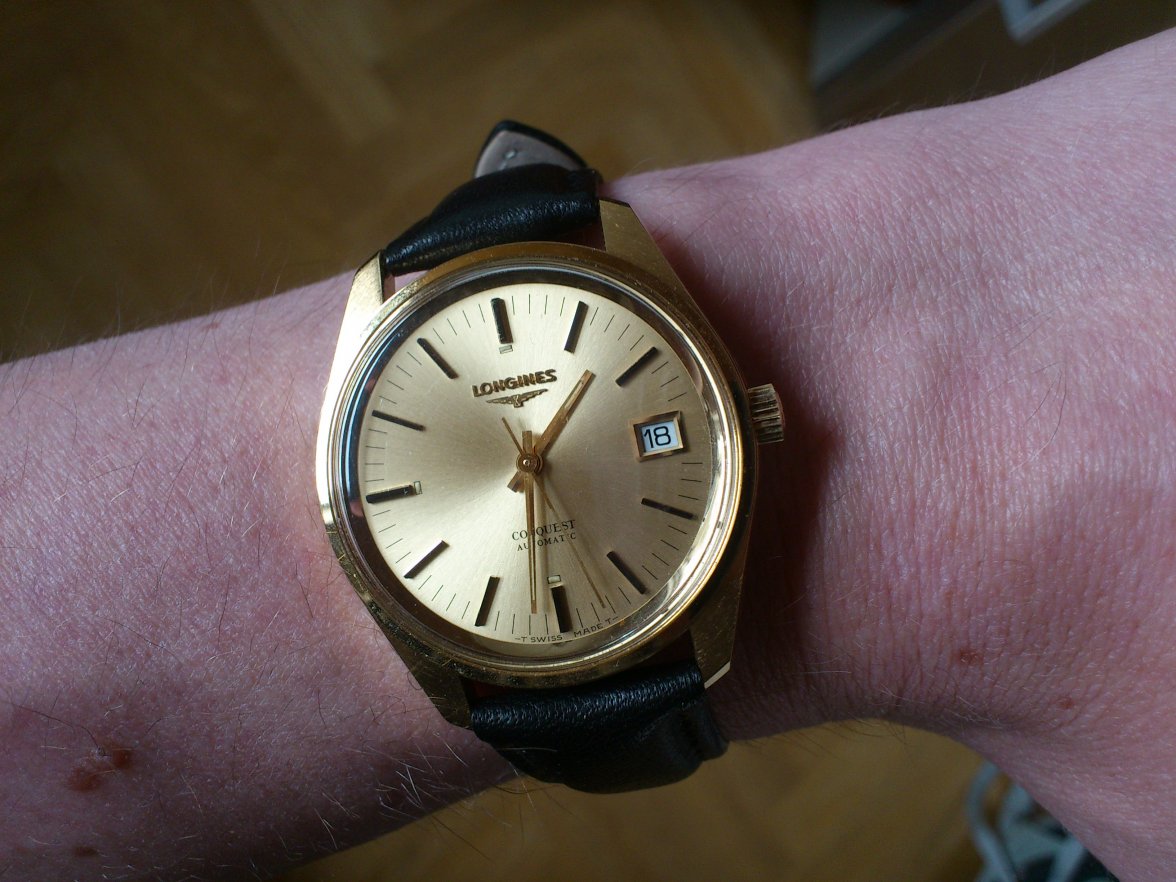
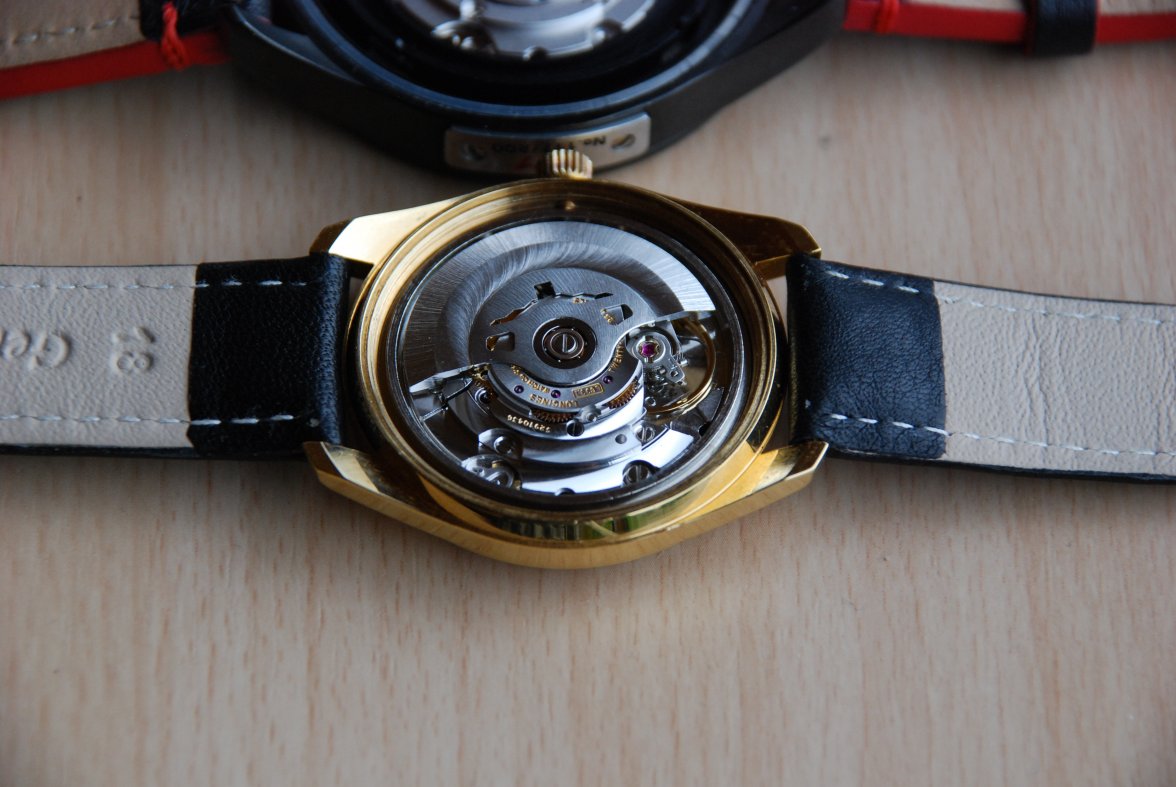
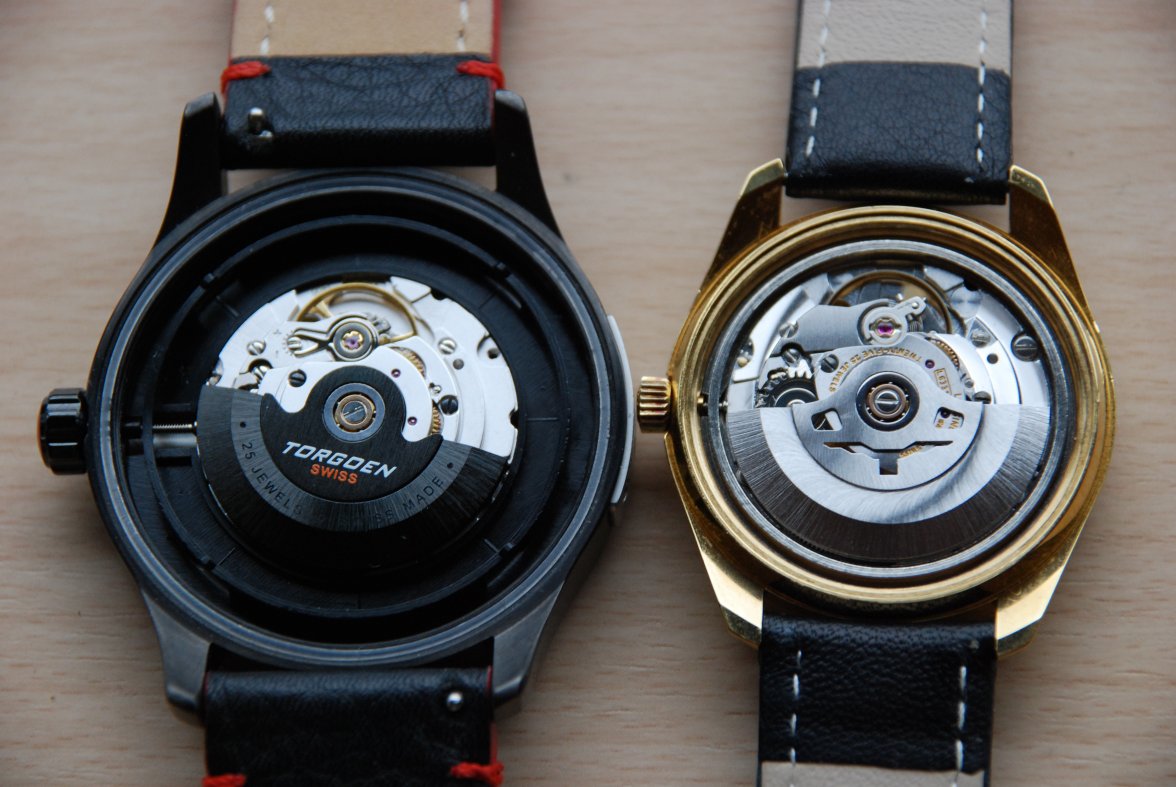
I have one ETA-engined watch, a Longines (funnily enough my Eterna hasn't got an inhouse movement!), and it is the most accurate vintage watch I own.


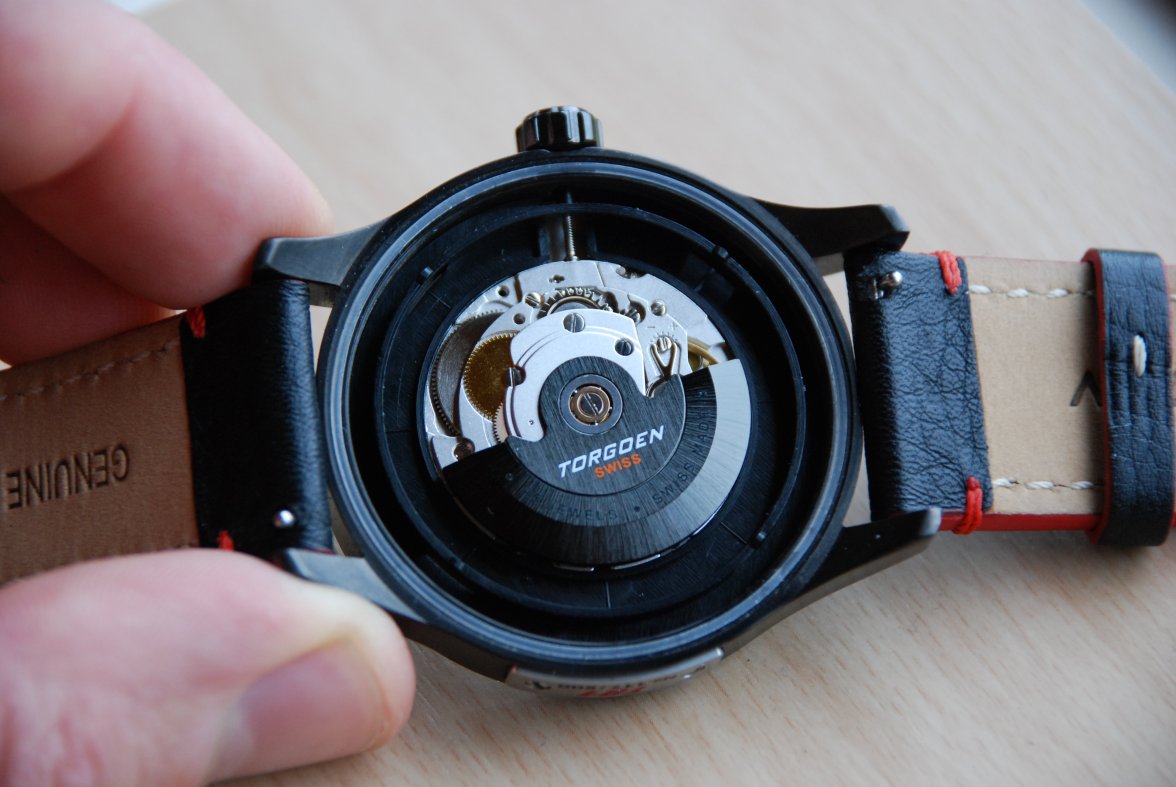
...Compare the level of finishing with the 39 years younger watch with a clone of the same movement:

 
Posts
424
Likes
754
This is one thing I have thought about recently. The Pagani Huayra uses a V12 engine made by Mercedes and then modified in house by Pagani. In the automotive world this practice is known and respected. For some reason when it's done in watches there seems to be a negative stigma attached to it. Color me confused馃.
 
Posts
18,104
Likes
27,413
This is one thing I have thought about recently. The Pagani Huayra uses a V12 engine made by Mercedes and then modified in house by Pagani. In the automotive world this practice is known and respected. For some reason when it's done in watches there seems to be a negative stigma attached to it. Color me confused馃.

That's more a recent thing from the Swiss. Someone did a great write up on this last year. It has to do with marketing and prestige. Since Uber high end is all house the middle guys jumped on the band wagon, to the average consumer what's the difference between a top ETA movement modified by an upper market company for 6,000 and an 800 dollar watch with an ETA. It was a hedge against what eta did a few years back. Personally in the segment of the market I shop in I want a reliable watch that I can get serviced. Heck go back and many of the most iconic watches do not have inhouse movements.

Also side note Seiko is inhouse but not considered in house...
 
Posts
1,695
Likes
5,406
The movement swap idea is an interesting way to maintain vertical integration after the initial sale of the watch, but I wonder if it will be more difficult for Omega. The serial number of my SM300 MC is engraved on the 7 o'clock lug and on the movement itself ... I would think it would be pretty evident if Omega swapped out the movement at the first service interval.
 
Posts
404
Likes
330
The movement swap idea is an interesting way to maintain vertical integration after the initial sale of the watch, but I wonder if it will be more difficult for Omega. The serial number of my SM300 MC is engraved on the 7 o'clock lug and on the movement itself ... I would think it would be pretty evident if Omega swapped out the movement at the first service interval.
Ha, reading through this thread and I started discussing it with my wife - I just said the exact same thing about my Speedy Pro!

Maybe the difference between cars/watches in the analogy above is that a watch is a more personal item, often with more sentiment attached, and can last a lifetime (not so with most cars).
 
Posts
18,104
Likes
27,413
The movement swap idea is an interesting way to maintain vertical integration after the initial sale of the watch, but I wonder if it will be more difficult for Omega. The serial number of my SM300 MC is engraved on the 7 o'clock lug and on the movement itself ... I would think it would be pretty evident if Omega swapped out the movement at the first service interval.
I'm pretty sure Omega only swaps movements in the Speedy reduced models if needed. There might be more, but the piggy back chrono movement is better serviced centrally and swapping the whole movement makes financial sense.

Rolex is doing it on that Tudor for only what I can assume is a mixture of reasons. Its a new movement that they want to see what is failing so they can update the movement, they are updating the movements and its better to just swap. There is something about the movement that most watchmakers do not have the tools or training to do. Financially it makes more sense for them to just swap out the movement.
 
Posts
29,229
Likes
75,534
The movement swap idea is an interesting way to maintain vertical integration after the initial sale of the watch, but I wonder if it will be more difficult for Omega. The serial number of my SM300 MC is engraved on the 7 o'clock lug and on the movement itself ... I would think it would be pretty evident if Omega swapped out the movement at the first service interval.

Not all Omega movements have had serial numbers. For example many non-COSC movements in recent modern watches are not serialized, such as the 3220 modular chronograph movement in the Speedy reduced. So when they swap out the modular chronograph, you would have no way of knowing it's a different movement inside. Some versions of the same base movement may be serialized and some not. So the Cal. 1151 and 1152, which are both based on the ETA 7750 are not serialized, the Cal. 1164 is because it's a COSC rated movement.

When a movement is swapped that has a serial number for whatever reason (usually heavy damage from rusting), Omega updates their records to reflect that the new serial number for the movement goes with a specific serial number on the case.

There are even rules around replacing bridges that are serialized in a movement. For example early version of the Cal. 1120 had the serial number on the barrel bridge, and this is a part that can get damaged and worn. I've replaced them and had to send back the original bridge with the serial number on it, and they cut the same serial number in the replacement bridge. It's one of the few instances where I have to send a used part back to Omega in order to get a new one. Now I could just get a non-serialized bridge, but then there would be no serial number on the movement, and that's a bad idea. Eventually Omega realized having the serial number on this bridge was causing them more work, so they ended up moving on larger watches to the balance cock, so a part that rarely has to be replaced.

For Tudor and Rolex, the serial number on the watch case doesn't reflect the serial of the movement, so it's not as obvious unless you took the time to write them both down before you sent a watch in for service or had some other document showing the movement serial number.

Rolex does update the records when they swap out these new Tudor movements according to my contacts.

Cheers, Al
 
Posts
1,695
Likes
5,406
Well worded and thoughtful reply for those of us who aren't as expert on all of this cool watch stuff. Much appreciated as always, Mr. @Archer!
 
Posts
10,305
Likes
16,126
I have no great desire to own any recent Tudor but playing devils advocate for a minute, ignoring the future servicing issues, which by the sound of things are a real concern, from the POV of respect for the technology, the Tudor in house movement is pretty impressive. At face value it shares a passing resemblance to the latest Rolex 3255, though with a different escapement and hairspring tech and shares that movement's 70 hour reserve (achieved note with one single barrel - unlike Omega). Some may be tempted to try a watch with this tech simply because it seems a clear improvement over what was there before. The latest Rolexes are claimed to perform at -2/+2s per day over periods presumably approaching 10 years (since this is the stated service interval) so if the in house Tudors can perform similarly, it could be argued an expensive factory service every 8-10 years isn't too high a price to pay for that performance.

These watches probably aren't really aimed at the likes of us and do seem to represent a negative step wrt the choice in servicing options but it did seem a logical choice for the company after the policy of restricting supply of ETA components & movements were announced. I guess it is possible that further down the road the independents who service Rolexes may be able to work in these in some limited capacity but then I suppose it is also possible they won't and you will be at the mercy of the dealer organisation for as long as they see fit to offer servicing, this may not be indefinitely.

Tudor started life using bought in movements in off the shelf Rolex cases and now seemingly uses Rolex (derived) movements in bespoke cases. A complete reverse?
Edited: