NASA-Issued Omega Speedmaster Distribution Quirks

Posts
7,030
Likes
12,984
60 years ago... 1966, August 4
During a press conference at NAA - North American Aviation at Downey California, we saw the entire Apollo 1 crew wearing NASA-issued Omega Speedmaster chronographs for the very first time.
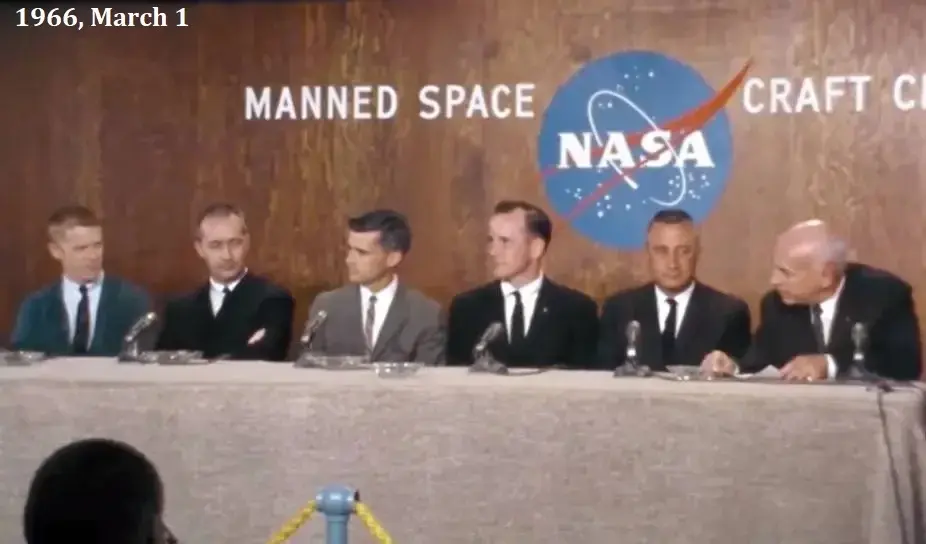
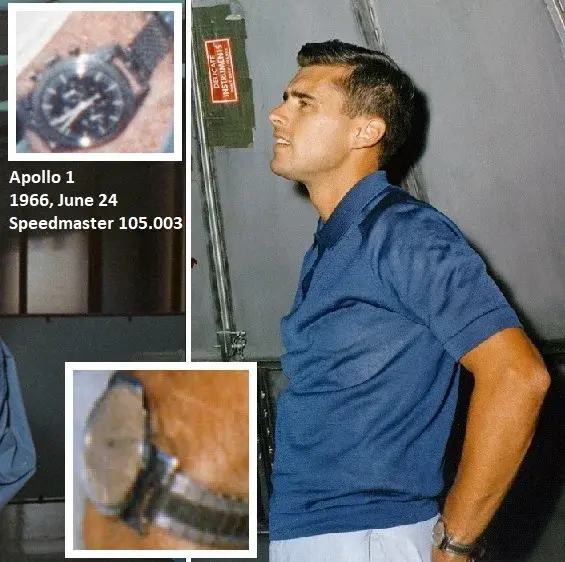
The crew, LtCol Virgil Grissom, LtCol Edward White & Lt Roger Chaffee, had been announced 1966, March 1 with only Grissom & White wearing a NASA-issued Speedmaster 105.003 wrist chronograph as they had been using it for almost one year at that time. Roger Chaffee was still wearing his personal cream-dial Times Electric wrist watch.
During the Apollo program, 1968 onwards, NASA would aim to distribute an Omega Speedmaster to an astronaut the day of the crew announcement.
But as I will point out further in this topic, this wasn't always the case.
In this case, Apollo 1 it took 5 months before the complete crew had a NASA-issued Omega Speedmaster chronograph, but here's the quirk:
Wouldn't You want the very best for the new program and distribute the Speedmaster 105.012-65 of which NASA had received the first batch by the end of 1965, or did NASA keep these 105.012 aside for the actual spaceflight mission? In fact the latter would have been the case and was a modus operandi during the rest of NASA's manned space program up to STS.
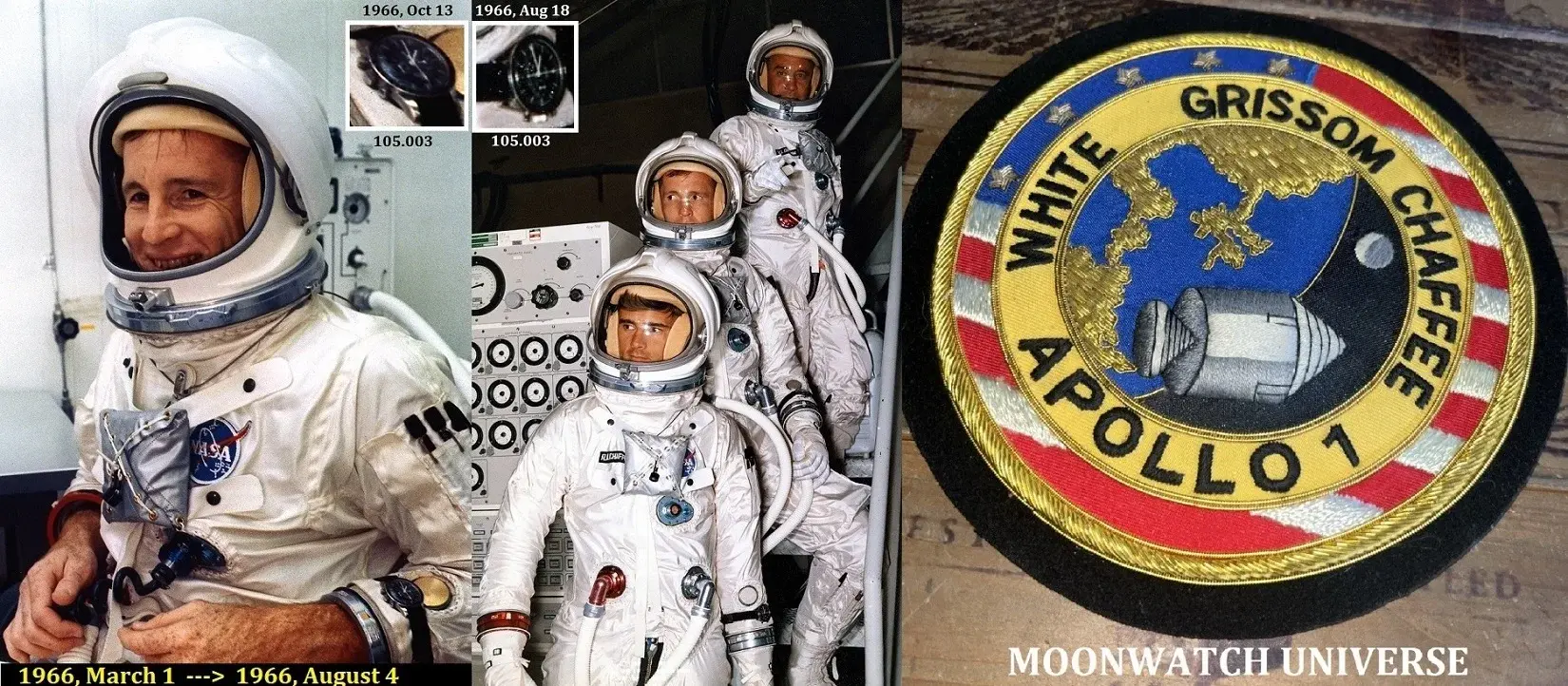
Thusfar NASA photos point out that 1966, August 18 was the first time the Apollo 1 crew trained in WSS wearing the Speedmaster...
NASA soon realised, with 55 astronauts recruited of which 30 on "active" flight status, they didn’t have enough wrist chronographs and quickly ordered more. It would last until December 1968 before NASA considered to have enough Omega Speedmaster chronographs to be issued to prime & backup crews of the busy Apollo program!
(Photos: NASA)
.
 
Posts
4,718
Likes
17,862
60 years ago... 1966, August 4
During a press conference at NAA - North American Aviation at Downey California, we saw the entire Apollo 1 crew wearing NASA-issued Omega Speedmaster chronographs for the very first time.
The crew, LtCol Virgil Grissom, LtCol Edward White & Lt Roger Chaffee, had been announced 1966, March 1 with only Grissom & White wearing a NASA-issued Speedmaster 105.003 wrist chronograph as they had been using it for almost one year at that time. Roger Chaffee was still wearing his personal cream-dial Times Electric wrist watch.
During the Apollo program, 1968 onwards, NASA would aim to distribute an Omega Speedmaster to an astronaut the day of the crew announcement.
But as I will point out further in this topic, this wasn't always the case.
In this case, Apollo 1 it took 5 months before the complete crew had a NASA-issued Omega Speedmaster chronograph, but here's the quirk:
Wouldn't You want the very best for the new program and distribute the Speedmaster 105.012-65 of which NASA had received the first batch by the end of 1965, or did NASA keep these 105.012 aside for the actual spaceflight mission? In fact the latter would have been the case and was a modus operandi during the rest of NASA's manned space program up to STS.
Thusfar NASA photos point out that 1966, August 18 was the first time the Apollo 1 crew trained in WSS wearing the Speedmaster...
NASA soon realised, with 55 astronauts recruited of which 30 on "active" flight status, they didn’t have enough wrist chronographs and quickly ordered more. It would last until December 1968 before NASA considered to have enough Omega Speedmaster chronographs to be issued to prime & backup crews of the busy Apollo program!
(Photos: NASA)
.

60 years ago... 1966, August 4
During a press conference at NAA - North American Aviation at Downey California, we saw the entire Apollo 1 crew wearing NASA-issued Omega Speedmaster chronographs for the very first time.
The crew, LtCol Virgil Grissom, LtCol Edward White & Lt Roger Chaffee, had been announced 1966, March 1 with only Grissom & White wearing a NASA-issued Speedmaster 105.003 wrist chronograph as they had been using it for almost one year at that time. Roger Chaffee was still wearing his personal cream-dial Times Electric wrist watch.
During the Apollo program, 1968 onwards, NASA would aim to distribute an Omega Speedmaster to an astronaut the day of the crew announcement.
But as I will point out further in this topic, this wasn't always the case.
In this case, Apollo 1 it took 5 months before the complete crew had a NASA-issued Omega Speedmaster chronograph, but here's the quirk:
Wouldn't You want the very best for the new program and distribute the Speedmaster 105.012-65 of which NASA had received the first batch by the end of 1965, or did NASA keep these 105.012 aside for the actual spaceflight mission? In fact the latter would have been the case and was a modus operandi during the rest of NASA's manned space program up to STS.
Thusfar NASA photos point out that 1966, August 18 was the first time the Apollo 1 crew trained in WSS wearing the Speedmaster...
NASA soon realised, with 55 astronauts recruited of which 30 on "active" flight status, they didn’t have enough wrist chronographs and quickly ordered more. It would last until December 1968 before NASA considered to have enough Omega Speedmaster chronographs to be issued to prime & backup crews of the busy Apollo program!
(Photos: NASA)
.
Great info and photos as always. Shows how adhoc the programme was at times
 
Posts
7,030
Likes
12,984
Most Speedmaster fans know about the 105.012-65 version as NASA n° 43 was the first wrist chronograph worn on the Moon by Apollo 11 Edwin Eugene "Buzz" Aldrin.
Looking into the case of Aldrin on how & when & which NASA-issued Omega Speedmaster wrist chronographs he received between 1966 and 1969, we bump into yet another quirk of the NASA distribution.
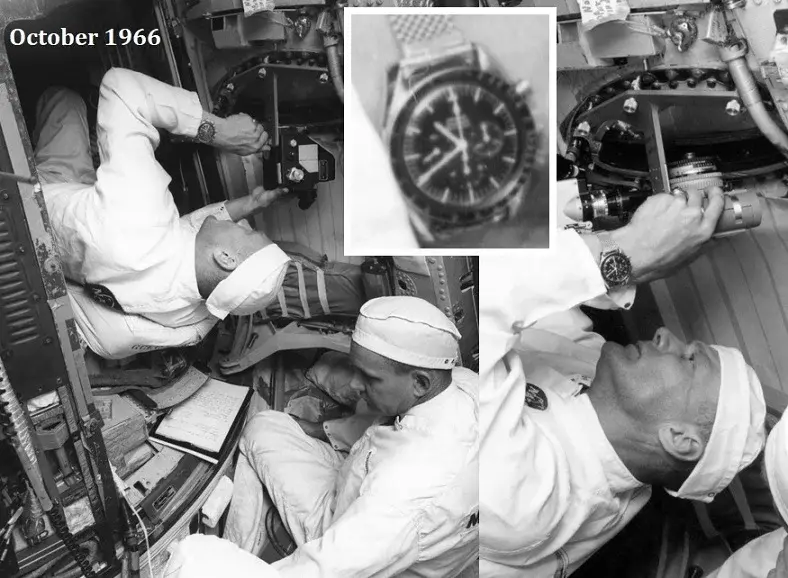
These October 1966 Gemini XII training photos show Aldrin wore a NASA-issued Speedmaster 105.012-65 but on the actual mission he wore a 105.003-64. Did NASA want to preserve the more modern 105.012 versions for actual Apollo flights? It seems so !
Gemini XII worn wrist watches:
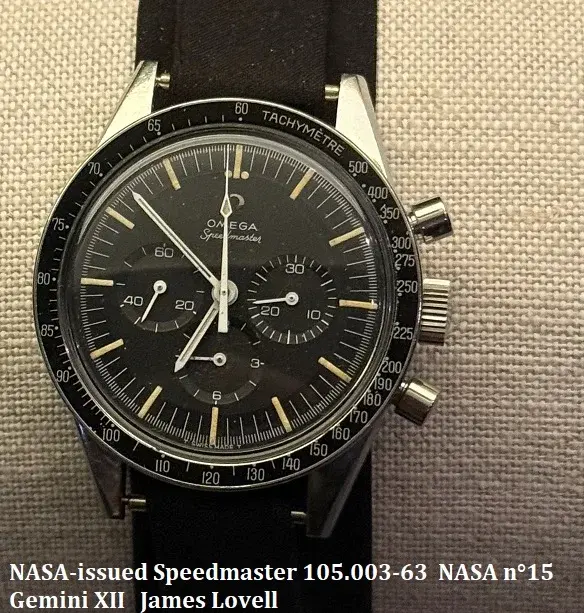
Command Pilot James Lovell : Speedmaster 105.003-63 ( NASA n° 15)
Pilot Edwin Eugene Aldrin : Speedmaster 105.003-64 (NASA n° 23)
(Photos: NASA)
.
 
Posts
7,030
Likes
12,984
Thusfar, I have encountered half-a-dozen of these quirks on the subject of NASA-issued Omega Speedmaster distribution for the period 1965-1985... Project Gemini & Project Apollo by far the most interesting.
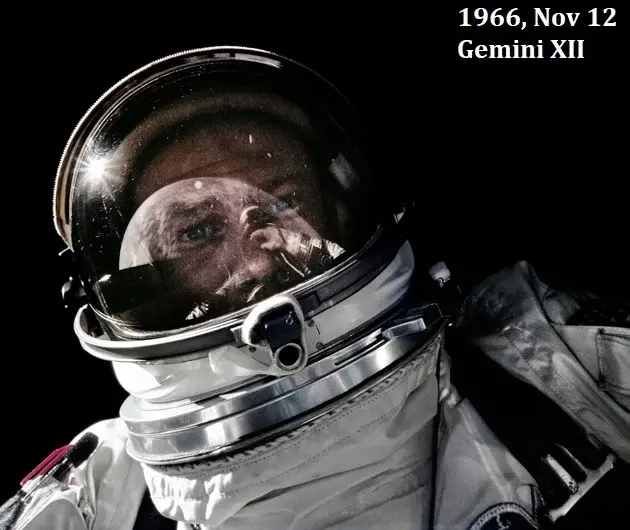
1966, November 11-15, NASA was well aware that the Gemini XII was the very last chance to perform a perfect complete spacewalk from exiting to re-entering the spacecraft!
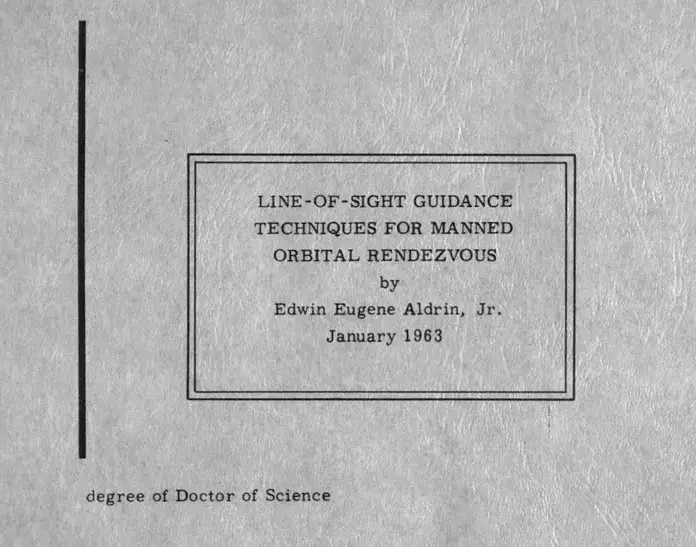
Although Edwin Aldrin was a rookie astronaut, as a US Air Force Major he had a PhD in Astronautics entitled: Line-of-Sight Guidance Techniques For Manned Orbital Rendezvous
.
.
Aldrin, who had been backup for Gemini IX, studied all problems encountered during the Gemini era spacewalks: IV Edward White, IX Eugene Cernan, X Michael Collins and XI Richard Gordon.
Aldrin introduced underwater spacewalk training and found out in practice a too long life-support umbilical (communication, Oxygen, electrics) can be a hazard and that a safety tether could be necessary. Moreover, well-placed hand- & foot-holds on the spacecraft were a must.
Aldrin abandoned the idea of using a Hand-Held Maneuvering Unit (jet gun as used on Gemini IV) and NASA decided no longer to use the AMU - Astronaut Maneuvring Unit backpack (as used on Gemini IX). Aldrin performed two stand-up EVAs (not leaving the Gemini spacecraft entirely) for orientation, preparation (he would install a hand-rail himself !) and dumping unnecessary equipment.
Perfect performances by Dr Rendez-Vous, who even had time for the first spacewalk-Selfie.
(photo: NASA)
.
.
Knowing which beating the Omega Speedmaster strapped over the spacesuit underwent in the cramped Gemini spacecraft on previous missions, no wonder NASA had chosen/pre-reserved an Omega Speedmaster 105.003 for the actual flight.
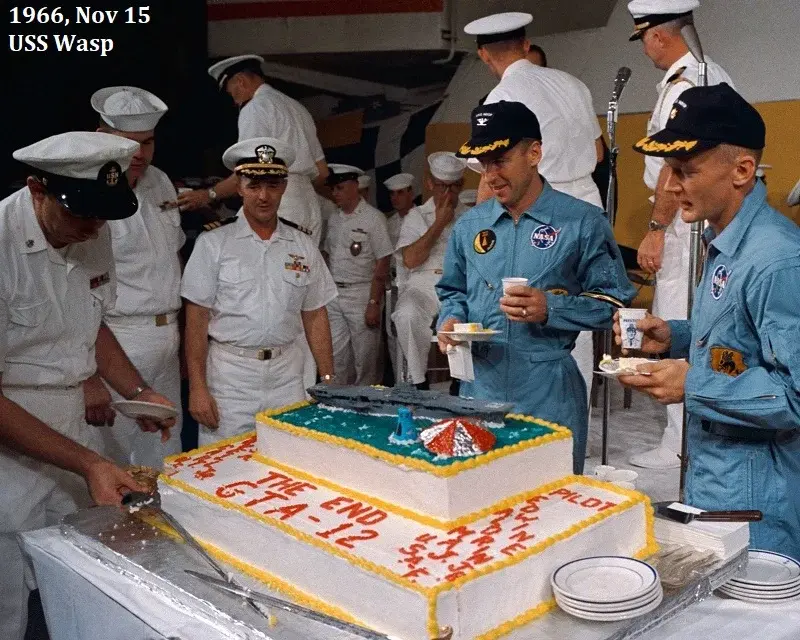
James Lovell & Edwin Aldrin celebrated the end of Project Gemini with a "piece of Cake" ...
(Photos: USN/NASA/NASM)
.
 
Posts
7,030
Likes
12,984
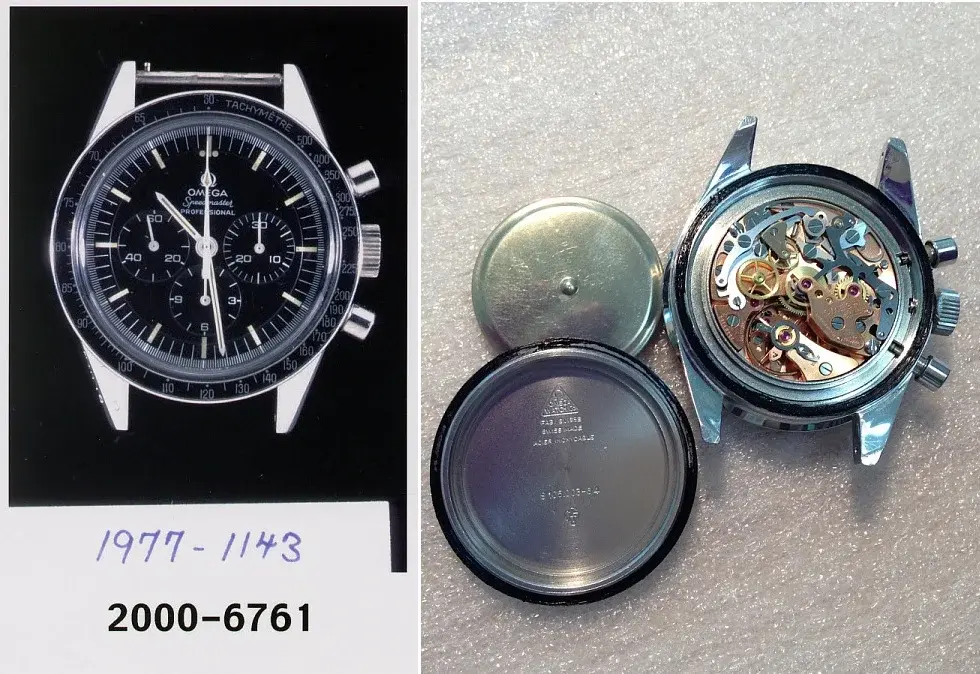
If You think the quirks of distribution were unexpected or an odd Modus Operandi , which might have depended on how good the Chief Astronaut was your friend, some of the maintenance practices were sometimes " awkward " with " repairing " older 105.003 with 105.012 parts.
All-in-all understandably as these were just toolwatches, so whatever to keep these running !
e.g. NASA n°19, a 105.003-64 used by Walter Schirra during Gemini VIa (1966)
(photo: NASM)
.
 
Posts
7,030
Likes
12,984
55 years ago, the Apollo 15 returned from a long mission, lunar stay had been 67 hours, compared to the previous Apollo 14 that was double (33.5 hours) as long.
No quarantine for the Apollo 15 astronauts, a couple of days post-mission we see they already gave their space-flown Speedies back as we see Scott & Worden wearing the practical "60 seconds" bezel Speedmaster again...
During the post-mission celebrations, obligations & press meeting Scott even wore his Gold BA145.022-69 "Apollo 11 tribute" Speedmaster.
In September the crew visited the IAF congress and appeared on Belgian BRT TV. Between 6 to 22 November 1971 the crew had a Goodwill tour, visiting wearing their practical "60 seconds" bezel Speedmaster again...

The quirk?
After five years of specific NASA astronauts' feedback on the wrist chronographs, they finally received a practical "60 seconds" version but NASA had already pre-reserved Speedies 42, 45 & 47 for the actual spaceflight mission.
Alfred Worden told me he believed these bespoke "60 seconds" bezels were made by NASA and that the agency ordered half-a-dozen, for the prime & backup crew of Apollo 15.
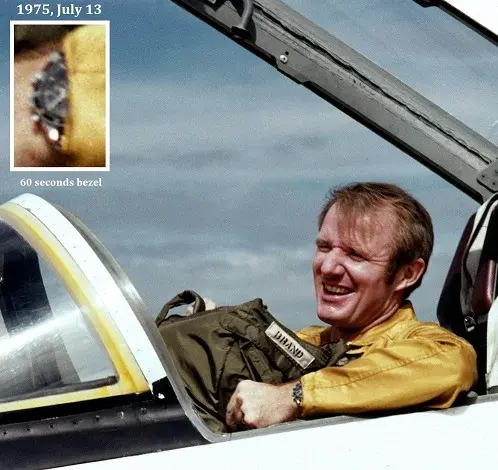
Up to 1975, Vance Brand wore the practical "60 seconds" bezel Speedmaster, but on his ASTP-mission, NASA again had pre-reserved six "Tachymetre" bezel Speedies.
(photo: NASA)
.

More:
 
Posts
7,030
Likes
12,984
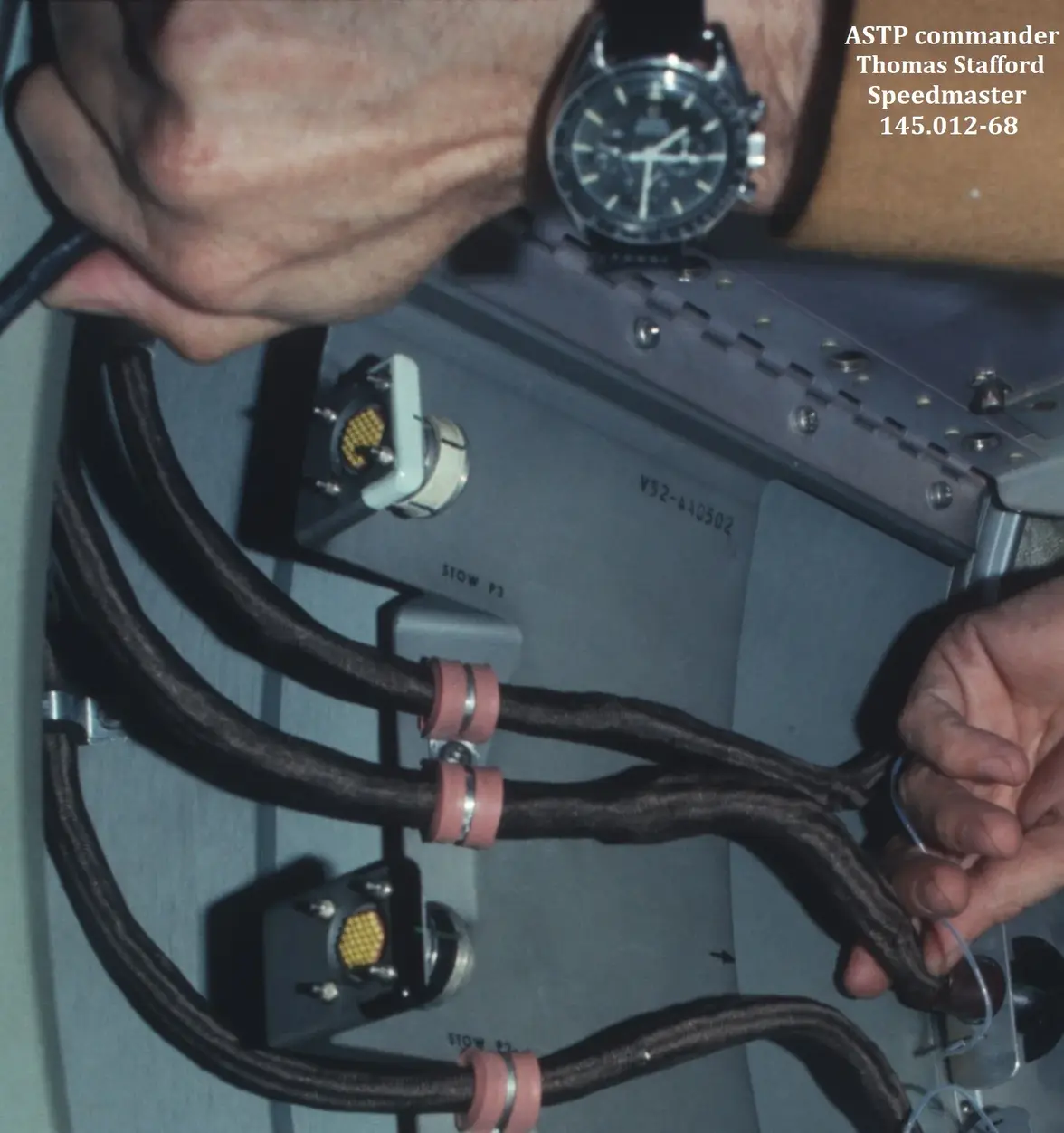
1973, 1974, 1975... It became clear the Space Shuttle orbiter, STS Space Transportation System, NASA distributed Omega Speedmaster 145.012 for ASTP Apollo Soyuz Test Project training.
On the whole, 17 of these NASA Speedmaster 145.012-68 remained unflown !
Post-July 1975, the US space program was dormant for six years, a period in which the Soviets flew 21 manned missions and wore some amazing Omega wrist chronographs, such as the Omega MarkIII, the Omega Speedmaster 125 automatic and the Alaska Project with its red outer case !
 
Posts
7,030
Likes
12,984
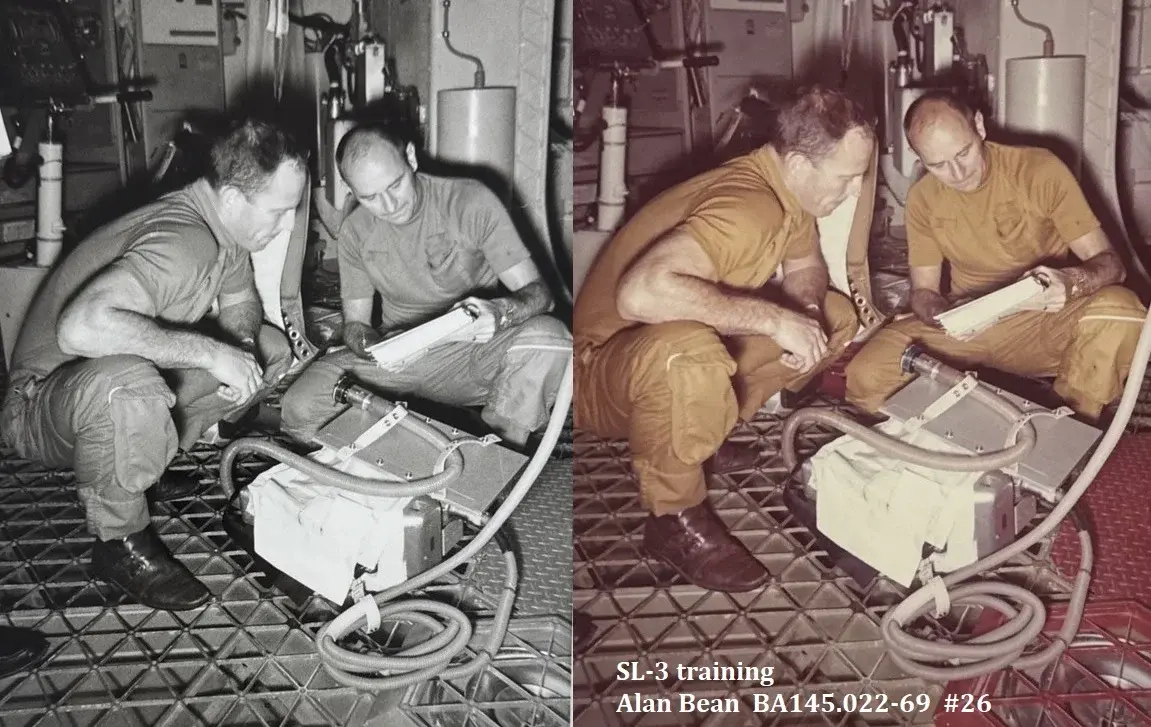
Not a quirk, but interesting anyway: Spot the Gold BA145.022-69
Just a quick comparison how a Gold Speedmaster BA145.022-69 can be far more easily spotted in a color photograph.
Besides having lots of other Skylab training photos, one would have to look twice to spot n° 26 on Alan Bean's wrist in the black & white version of this July 1973 official NASA photo.
Skylab SL-3 commander Alan Bean was one of only 4 astronauts to actually wear the Gold "Apollo 11" tribute Speedmaster during NASA training.
(NASA photo S73-28794)
.
 
Posts
7,030
Likes
12,984
On this date... September 2, 1972
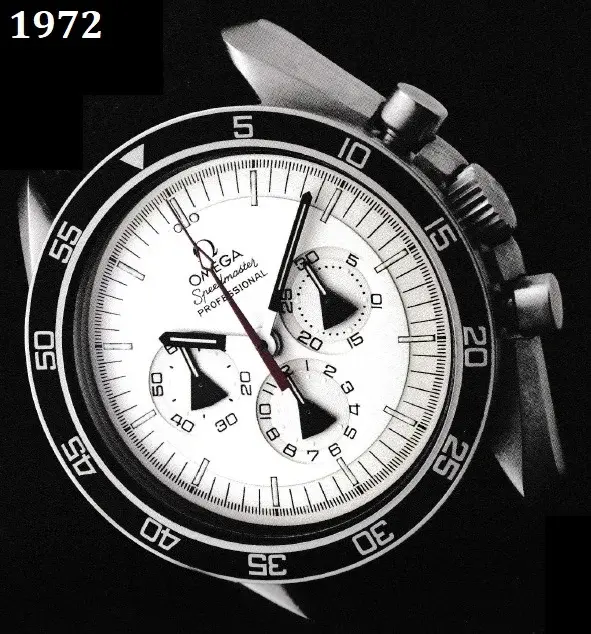
After the 1969 Alaska Project Speedmaster with its outer case, Omega completed the Alaska Project II Speedmaster as prime example of the ultimate space watch.
However, with the Apollo 18, 19 and 20 cancelled, Omega's Alaska Project Speedmaster never made it to the Moon, but no despair as America's first space station and the space shuttle were already planned.
(photo: Omega)
.

After all the launch of NASA's orbital workshop "Skylab", the first American space station, sat barely 10 months in the future, so Omega entered the realm of quartz & electronics with caliber 1250 which was used in the clocks of the Skylab Earth Terrain Camera.
Skylab launched in May 1973 and saw three resident crews, with all astronauts wearing NASA-issued Omega Speedmaster 105.012-66 and 145.012-68, with the latter subject for another story...
Documents point out NASA received 27 of the 145.012-68 but barely 10 of these would be used during an actual spaceflight mission (Apollo 11, 14, SL-2, SL-4 and ASTP).
(photo: NASA)
.