
- Posts
- 3,034
- Likes
- 32,089
Duracuir1
··Never Used A KodakSeveral personal bests were recorded at the World Track & Field events this past weekend.
Some are wondering if the timing system - by Seiko - was a bit off.
When hundreds of a second matter, precision is not to be taken for granted.
For the experts here, how different is the timing technology from one brand to another? Seiko (here) vs Omega (Olympics) vs Rolex (F1), and others. And if it’s all identical technology, is it entirely just advertisement? (Attachments from NYTimes)

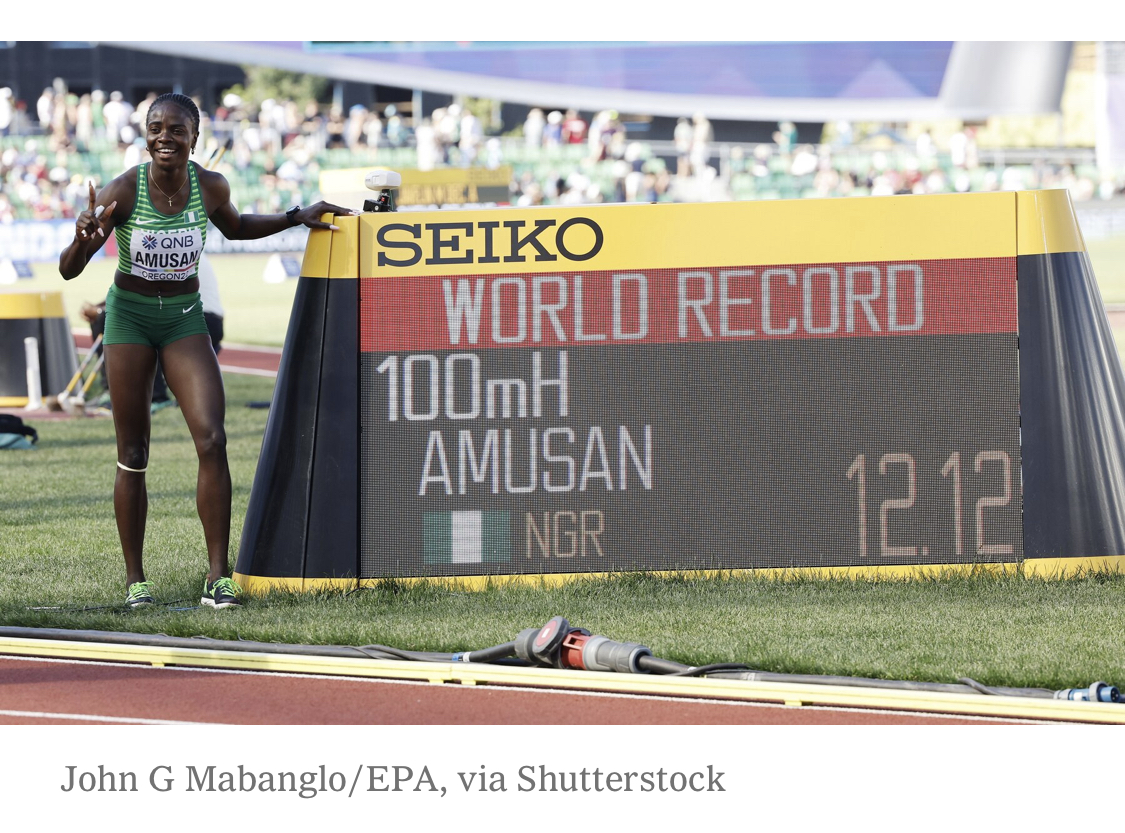
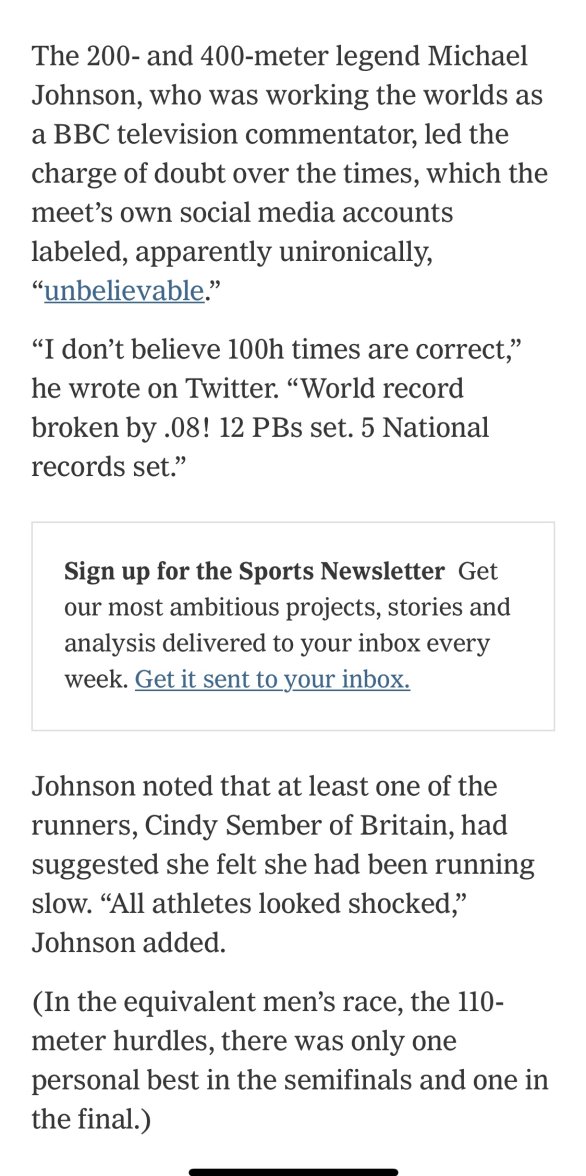
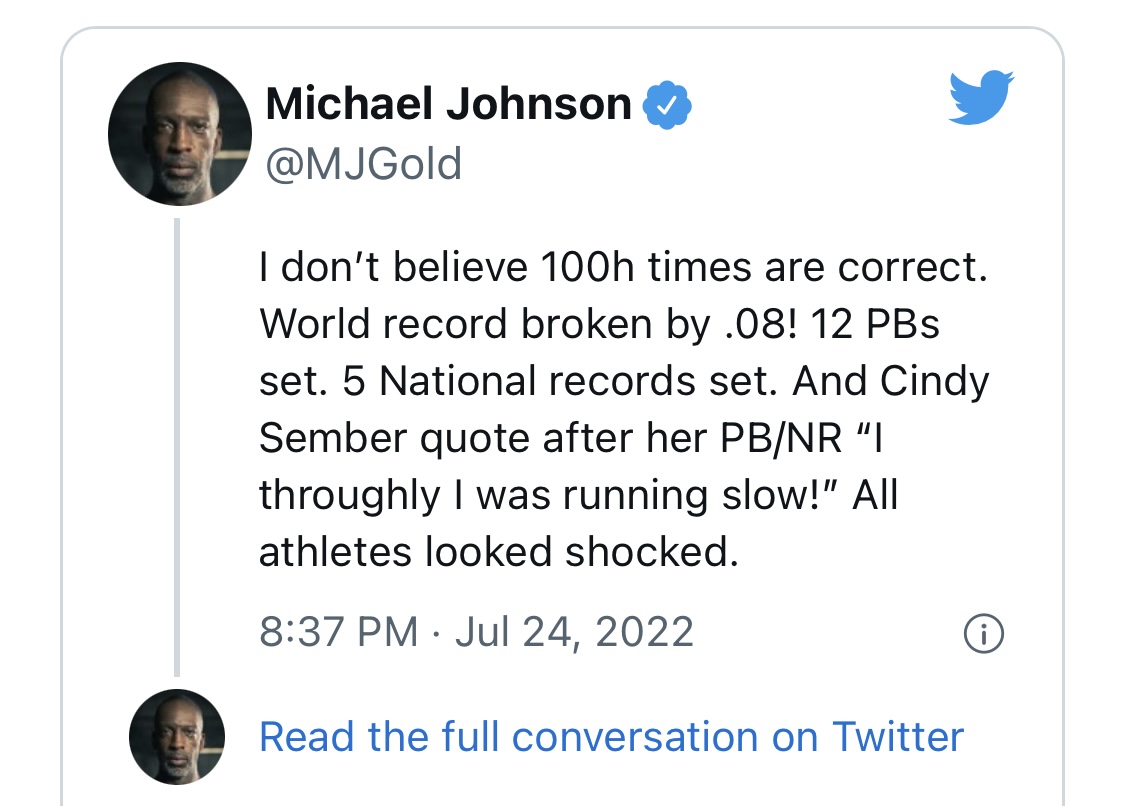
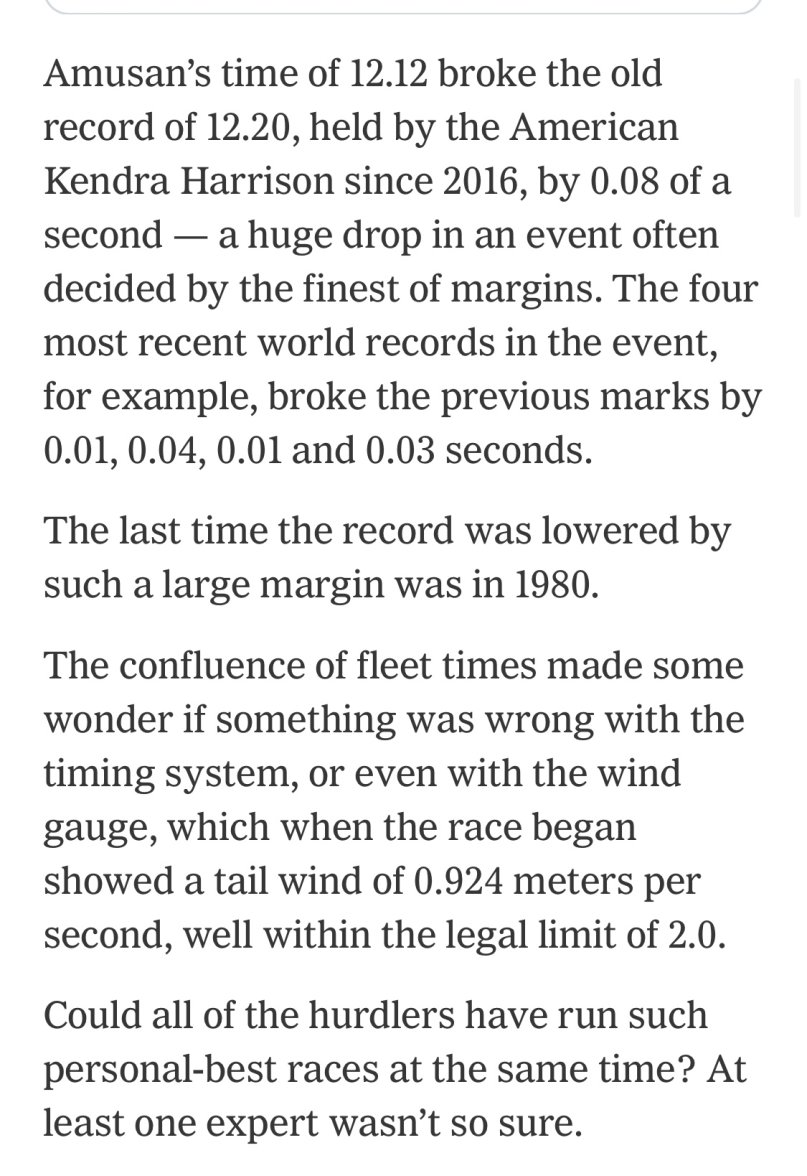
Some are wondering if the timing system - by Seiko - was a bit off.
When hundreds of a second matter, precision is not to be taken for granted.
For the experts here, how different is the timing technology from one brand to another? Seiko (here) vs Omega (Olympics) vs Rolex (F1), and others. And if it’s all identical technology, is it entirely just advertisement? (Attachments from NYTimes)
Edited: