Movement Collectors?

Posts
105
Likes
59
Hi all,

Is there anyone here who collects watch movements rather than watches?

Personally I often find the movement a lot more interesting than the watch itself. So I am pondering whether I should start to focus on building a themed movement collection. With the gold price as it is I can only assume more movements will find themselves without cases so there could be some good opportunities. And I think there would be some very fun ways of displaying this.

A few genres I had in mind were:

- Railroad Grade and complicated pocket watch movements.

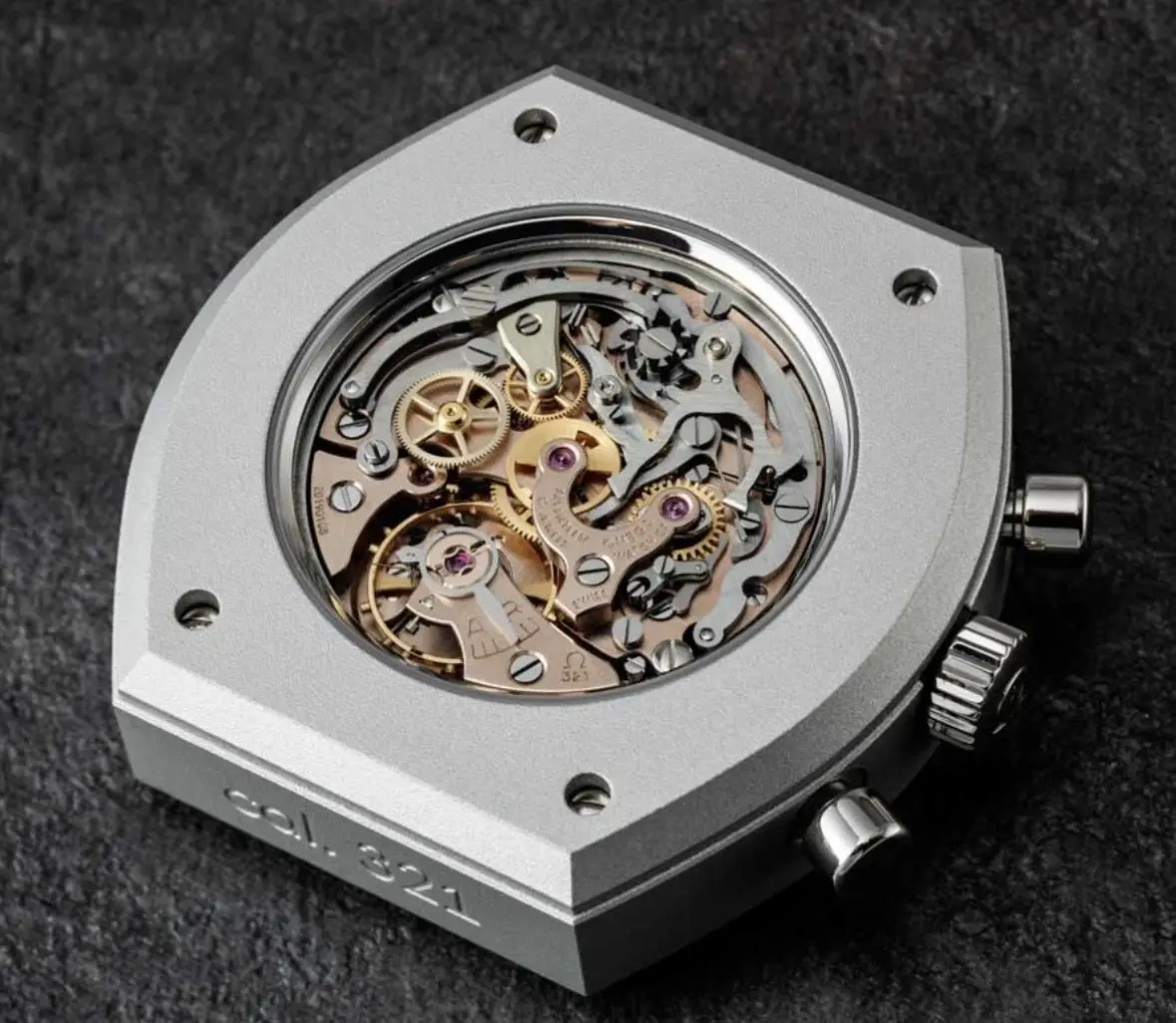
- The different generations of movements leading up to the 321.

- Movements that are either visually or technically exciting.

Interested to hear any thoughts or ideas for themes!
Edited:

 
Posts
243
Likes
278
Thats an interesting topic for sure! I often See really old poket Watch calibers from the 1800 in the Internet. They are often unbranded and nobody knows where they belong to anymore. I really Like Those old alarm movements in Pocket watches. Also i love to see that old ship chronometers. I once got to work on an old ww2 airplane Watch. I think it was an Junghans BZ30 or so from 1945. the germans were able to build one pusher chronographs while almost every City was destroyed. I find that fascinating.
But its definetily a cool idea to collect movements. Please keep us updated.
(Sorry for my Bad grammar)
 
Posts
8,142
Likes
28,721
For a sad reason, the timing to to begin, or increase such a collection is very good. Why? Gold values. There are an increasing numbers of gold cased watches being sold for scrap, which leaves orphaned movements behind.

I do think that high-quality movements in particular are a fine collecting focus.
 
Posts
2,878
Likes
4,596
Sometimes it seems that way.

The cases never seem to fit the movements at hand. Suspect I am more of a 'parts' collector.

The OP may be onto something. I have been decades ahead of the trend curve in the past before.

One movement I have is a grand complication with moon dials the works. I doubt it will ever have a case again, unless I cut some sort of display frame from acrylic with a laser. Meanwhile Omega automatic (55x 33x) parts are still fairly common in the estate sale aftermarket, and not that much more than generic A Schild or other classic watch movements of the post war 1950s and 1960s. Tens if not 100s of millions may have been made. It was not really the quartz crisis that devastated the Swiss economy. More of it was over production, where 100,000 units was a small order. (One of my mentors ran a Silicon Valley tool and die shop which made parts for the 30 or so watch companies what sprang up after calculators became commonplace.)

I went through a whole phase of collecting bits of repeaters. Partly under the influence of Addie Chapiero, who literally wrote the book on the subject. I though I could use the 1990s desktop manufacturing to replicate the missing parts. Taking photographs and such in factories of machines and training exhibits. Some which were cut and shaped from acrylic.

This could then be used to create CAD models, and somewhat virtual watches. That was 30 years ago.

I do think this will eventually happen.

Steampunk came about in the early 2000s when the old guard went to the great watch shop in the sky. So 100+ year old pocket watch stuff became art projects.

AI has the potential to enable some of this. Not the generic LLMs. More of a specialized model based on the data in the old bestfit catalogs, and manufacture data sheets. Not sure though that anyone wants to take the time to train something with limited profitability.

Ironically the very statistics what separate a railroad grade watch or chronometer are the same statistics what underlay AI. The secret was literally grading the watches, so the parts with the tightest tolerances went into the highest grade.

Over 100 years parts get swapped about, so it is probable that a movement may be an assemblage of high and low grade parts. All of which are within tolerance. Since the tolerance gauges no longer exist. No amount of visual inspection can indicate how the parts left the factory.

At best one can use timegraphers and such to see if a watch runs within the rated specifications.

Then there are the differences between a movement running in static display vs. one that was in daily use where lives depended on it working.

On the other hand movements which are 'visually or technically exciting.' could have some potential. Although the market for people interested in such things is limited.
 
Posts
2,198
Likes
1,376
Had 2 containers with vintage omega movements. Bumper and manual wind. Bought when cheap. Still have 4 containers of omega parts.

Only full movements left are Omega T17, doctors movement and a Chinese floating disk just to check out

Dr.’s movement

Won’t insert image

www.timesrunningout.net/dr.JPG
 
Posts
61
Likes
38
I in a way collect movements, though they still have the whole watch. For example I have bought the Longines Flagship case type from -57 to -60 with all movements it was offered. This wouldn't make much sense from other than movement point of view because they look so similar.

So I would totally understand if someone wants to collect bare movements. They are stunning when displayed properly.
 
Posts
105
Likes
59
Thats an interesting topic for sure! I often See really old poket Watch calibers from the 1800 in the Internet. They are often unbranded and nobody knows where they belong to anymore. I really Like Those old alarm movements in Pocket watches. Also i love to see that old ship chronometers. I once got to work on an old ww2 airplane Watch. I think it was an Junghans BZ30 or so from 1945. the germans were able to build one pusher chronographs while almost every City was destroyed. I find that fascinating.
But its definetily a cool idea to collect movements. Please keep us updated.
(Sorry for my Bad grammar)
I agree. There are so many interesting genres to choose from, which is one of the reasons I thought this would be a fun idea.

It will probably be a slow process building the collection but hopefully I will get lucky with a few interesting movements.
 
Posts
105
Likes
59
Some which were cut and shaped from acrylic.

This could then be used to create CAD models, and somewhat virtual watches. That was 30 years ago.

Then there are the differences between a movement running in static display vs. one that was in daily use where lives depended on it working.
The acrylic display cases was the exact idea I had. Quite easy to design yourself and and allows for the movements to be safely handled. The crown and any pushers can easily be left on the outside to enable operation.

Omega made a very nice case for the 321 relaunch, but the manufacturing costs would be much higher given the added complexity.

 
Posts
18
Likes
32
I used to have a couple of pair of cuff links fashioned from small ladies' watch movements.
 
Posts
15,598
Likes
46,470
Several decades ago, I was asked to remove the 24-jewel Illinois movement from a 14-karat gold case because the owner had a handshake deal with a scrapper. I weighed the case and made him a better offer on the watch than the scrapper offered. He declined my offer as he felt honour bound to the deal with the scrapper. A year or two later, he offered me the naked moment for $500. Buy a movement with no case? Not me, thanks!