Meaning of a small ‘M’ stamped into the movement bridges

Posts
25
Likes
98
Hello,

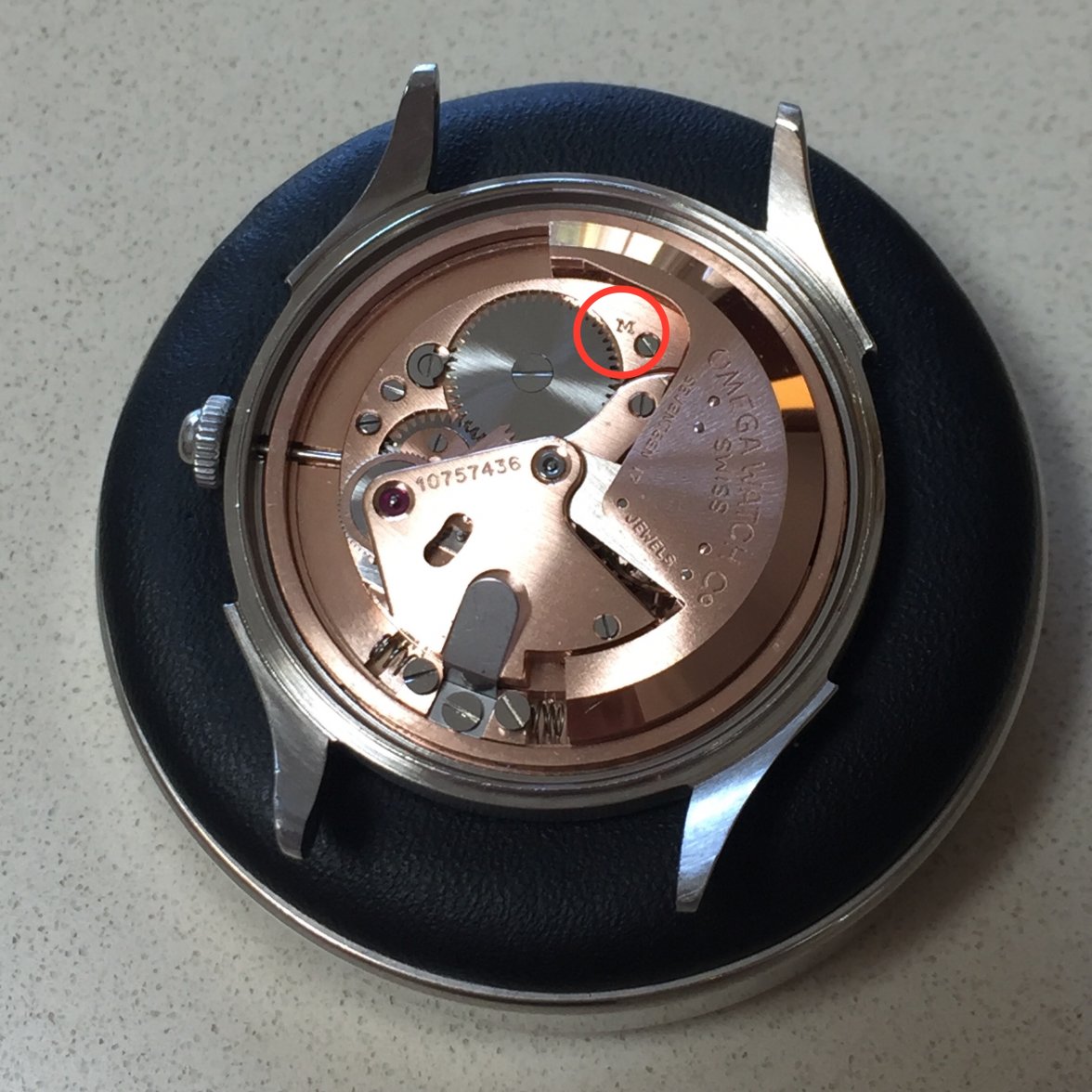
I was wondering about the meaning of a small ‘M’ stamped into the movement bridges on two of my watches.

Both are 1940’s

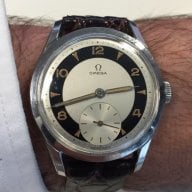
First one is Ref 2421, a 28.10 RA SC PC / cal 350 bumper


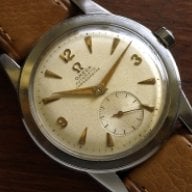
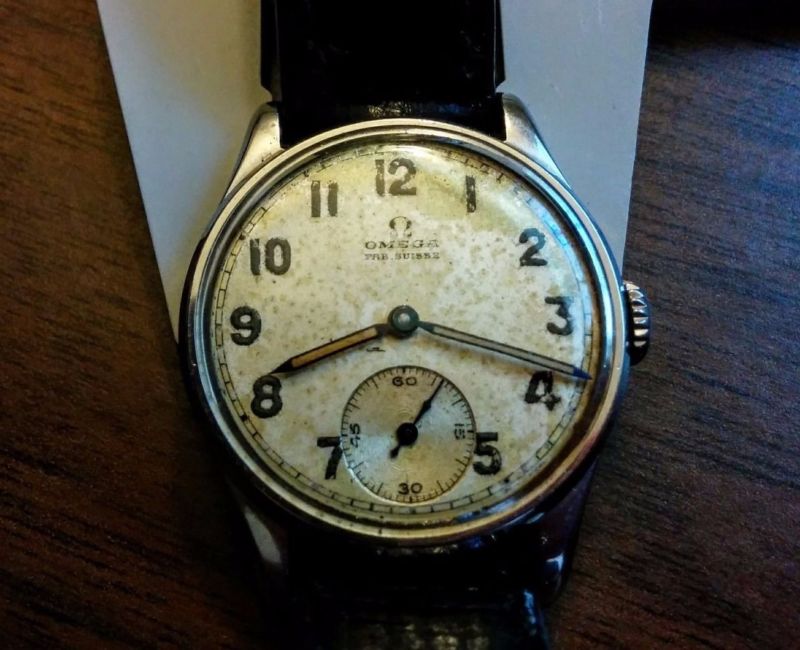
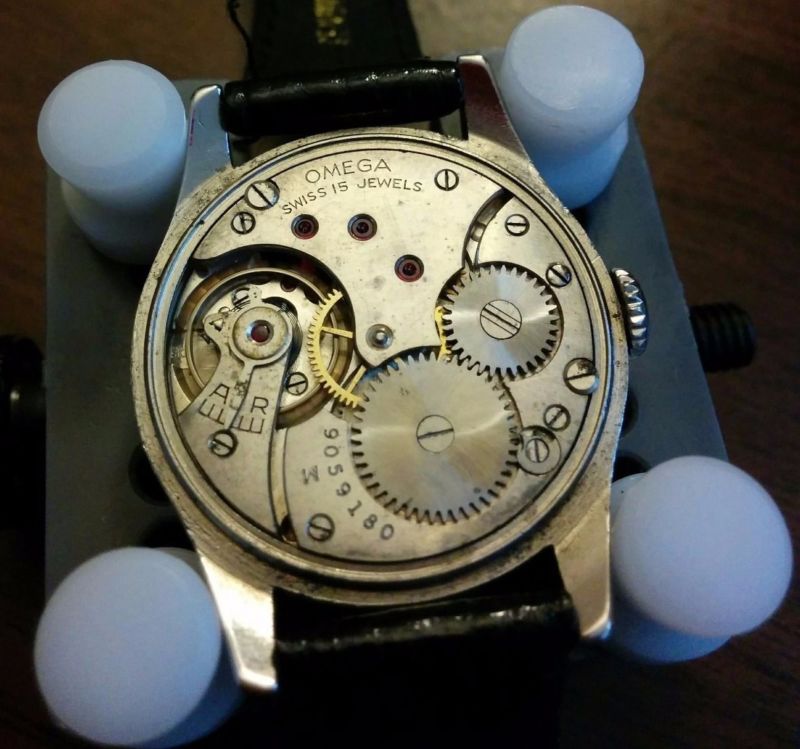
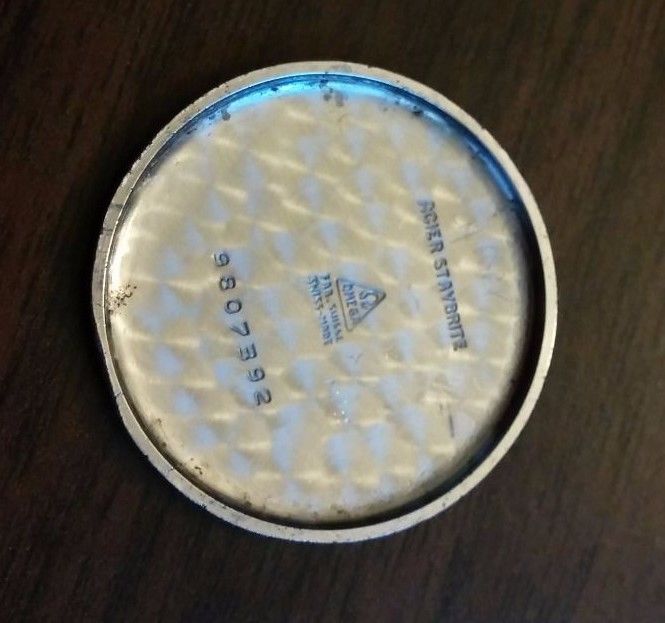
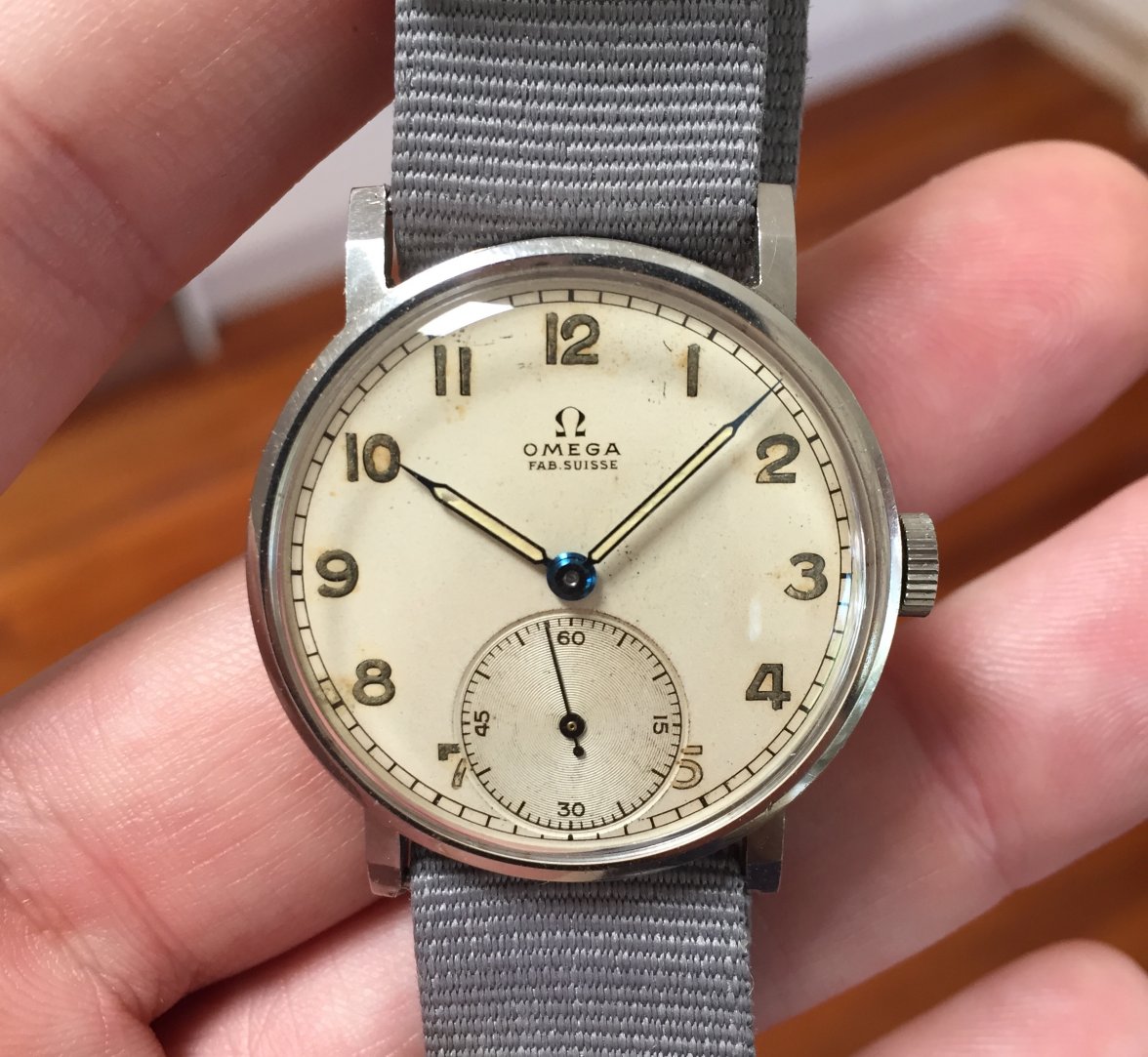
2nd one is a Cal 30, military style hand wind, made for the French market I believe, based on the ‘Fab Suisse’ on the dial. Don’t know the case reference for this - there is only a serial number stamped in the case back.
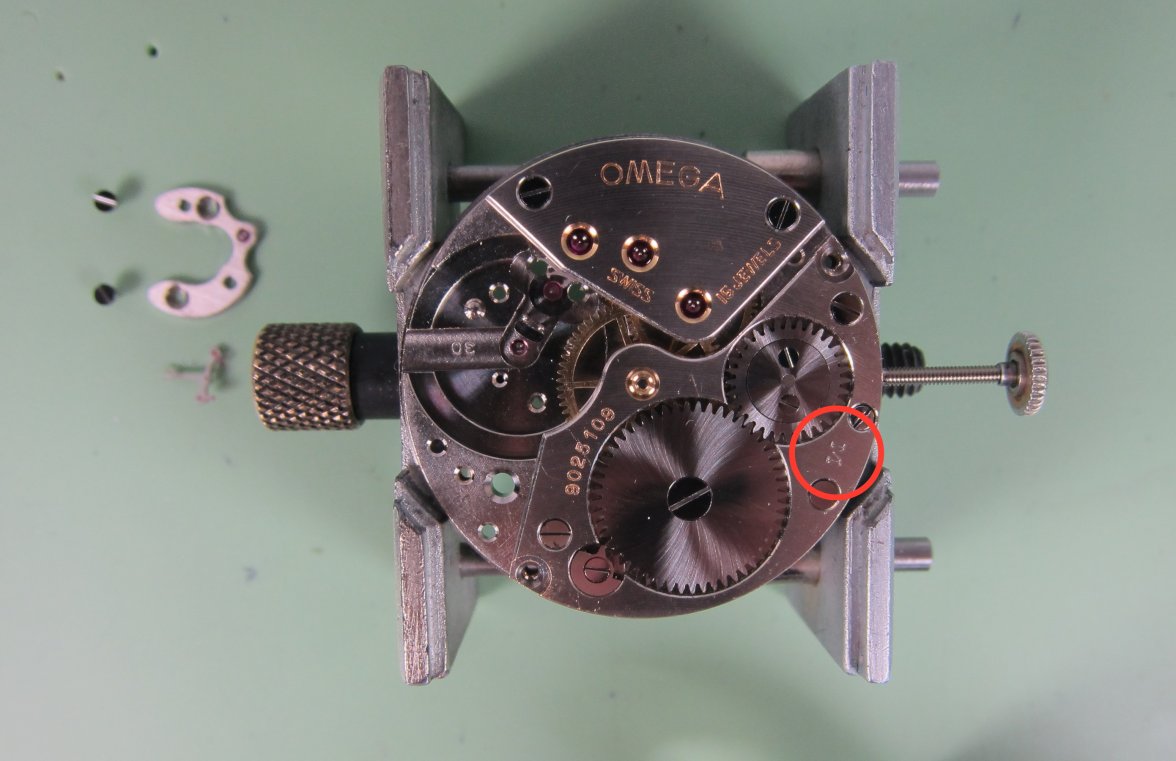

Anyone know what these marks mean ?

grumio

 
Posts
2,804
Likes
4,888
It means that the watch was originally sold in France. "M" is for métal as opposed to "A" for argent or "O" for or. This practice seemed to die out by the 1950s. I still do not know exactly why it was done.
 
Posts
17,700
Likes
37,017
Possibly because of import tariffs on precious metals?
 
Posts
25
Likes
98
It means that the watch was originally sold in France. "M" is for métal as opposed to "A" for argent or "O" for or. This practice seemed to die out by the 1950s. I still do not know exactly why it was done.
Interesting, thank you.

Consistent with the 'Fab Suisse' on the dial of the calibre 30 hand wind watch.
 
Posts
2,804
Likes
4,888
Possibly because of import tariffs on precious metals?
Could you elaborate? Why would movements need to be marked?
 
Posts
17,700
Likes
37,017
I was actually asking the question.

A number of countries had various forms of import tariffs and gold and silver watch cases were either heavily taxed or locally produced.
I thought the "M" might be to indicate to customs inspectors that the movement metal had been certified as "not precious metal".
 
Posts
2,804
Likes
4,888
I believe that the markings refer to case material rather than movement material.
 
Posts
17,700
Likes
37,017
I believe that the markings refer to case material rather than movement material.

That makes more sense, seeing that both cases are SS in this instance.

Although why they marked the movement and not the case is puzzling.
 
Posts
1,531
Likes
1,087
As far as I know, as said above, the M is for Métal, which refers to the material of the case. I do not think it is related to the import duties and it can be seen in watches with Swiss case. Typically, I do not remember I have seen a mark (O for gold) in gold French cased Omegas.

But I do not know the reason of these marks! I can think of several hypotheses: an internal mark to distinguish between series of movements, maybe (but I am not convinced!) in relation to some quality degrees (the best movements for the gold cases); a way to get more control, thanks to movements, about the use of gold in watches. But I do not have any basis to say that!
 
Posts
17,700
Likes
37,017
"Hey Rudi, pass me that little 'M' punch on your bench".

"What do you want it for Märti?"

"I just thought of a funny prank that will drive watch collectors crazy in a few years time, now pass me the punch Rudi!"

"You are one funny pranker Märti, here you are."
 
Posts
1,329
Likes
3,686
It means that the watch was originally sold in France. "M" is for métal as opposed to "A" for argent or "O" for or. This practice seemed to die out by the 1950s. I still do not know exactly why it was done.
As far as I know, as said above, the M is for Métal, which refers to the material of the case. I do not think it is related to the import duties and it can be seen in watches with Swiss case. Typically, I do not remember I have seen a mark (O for gold) in gold French cased Omegas.

But I do not know the reason of these marks! I can think of several hypotheses: an internal mark to distinguish between series of movements, maybe (but I am not convinced!) in relation to some quality degrees (the best movements for the gold cases); a way to get more control, thanks to movements, about the use of gold in watches. But I do not have any basis to say that!

I also have the same explanation. I think I had found a reliable source for this explanation, but impossible to find any now. Does any one of you have such a source that would confirm?
 
Posts
560
Likes
1,440
It means that the watch was originally sold in France. "M" is for métal as opposed to "A" for argent or "O" for or. This practice seemed to die out by the 1950s. I still do not know exactly why it was done.

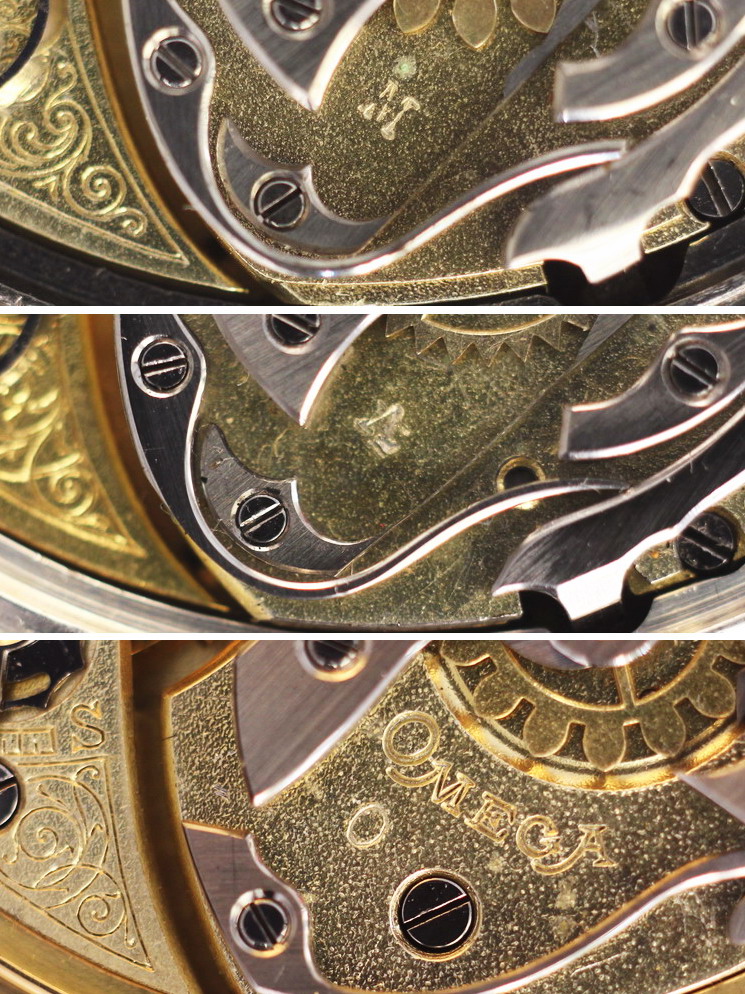
I concur. I can’t explain it - but I can provide the evidence (in each case from chronographs - although it was not restricted to chronos, as we know).

 
Posts
8,025
Likes
28,187
Well, at least the hive-mind seems to have ruled out "merde"! 🙄