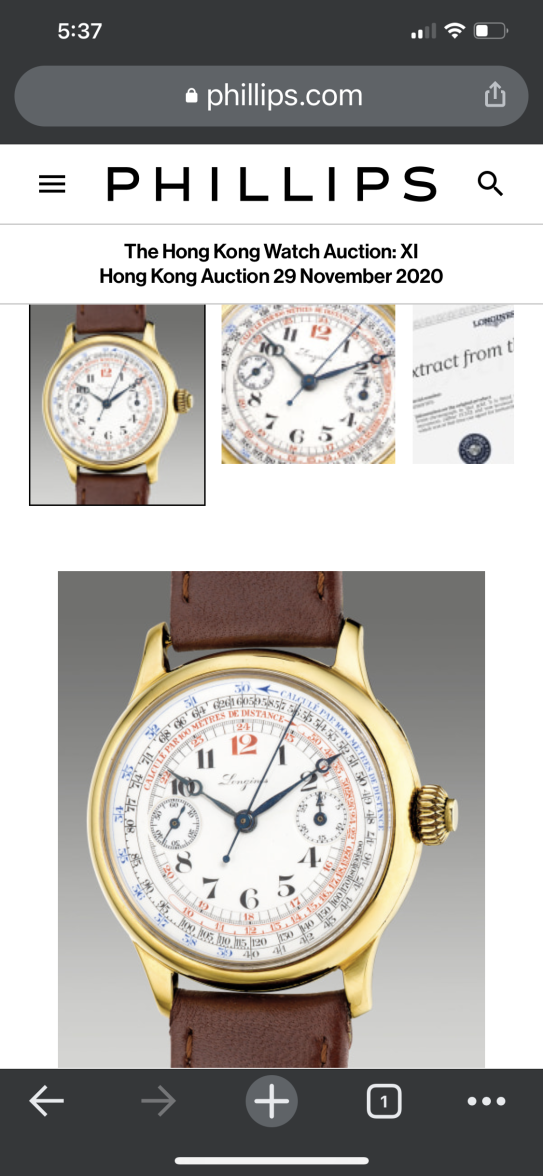
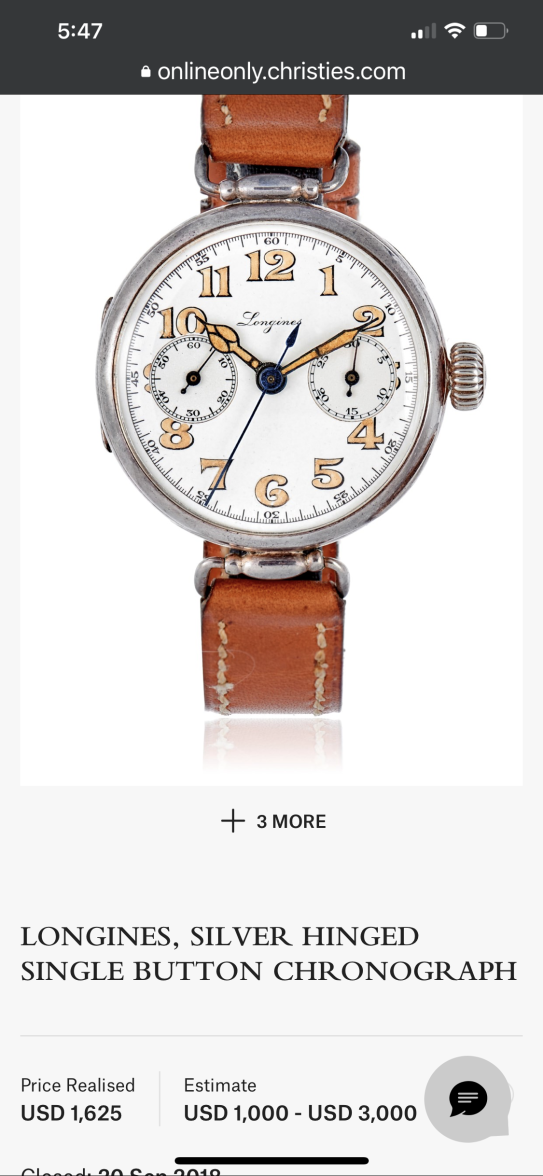
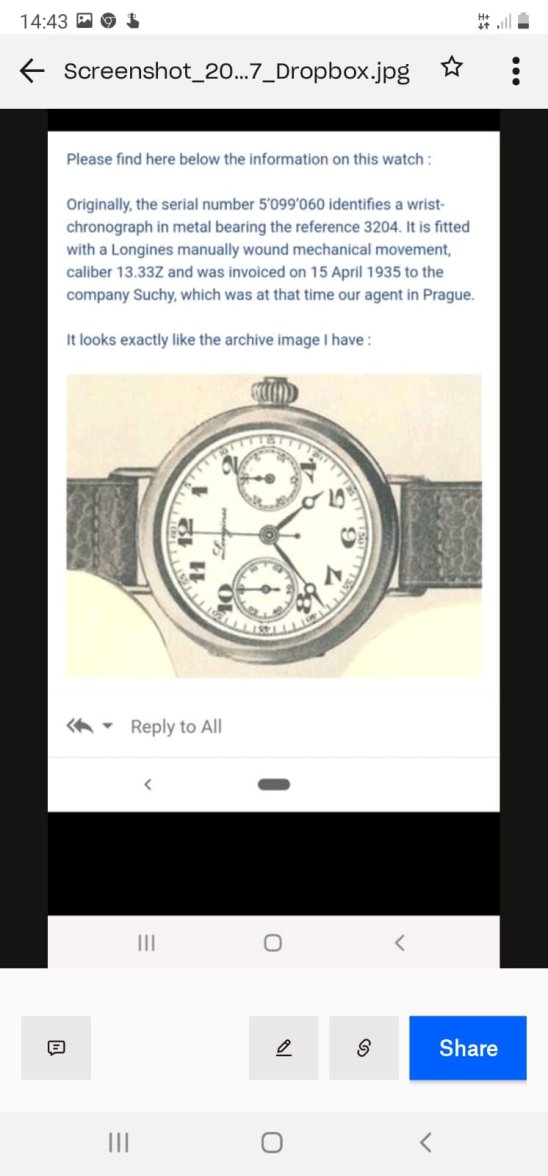
Longines 13.33z monopusher

Posts
1,439
Likes
4,191
Sotherby's, Christies', Phillips, Watches of Knightbridge; they won't accept watches unless famous or in AA condition
 
Posts
1,439
Likes
4,191
I bought this watch. I made them take it back. Was not perfect by a mile. Did not have matching numbers. Cuvette was wrong. Hands wrong. I didn't have all the pictures when I bid. Dial was mint, case excellent, mechanical perfect. But I said not AA.

Edited:
 
Posts
432
Likes
741

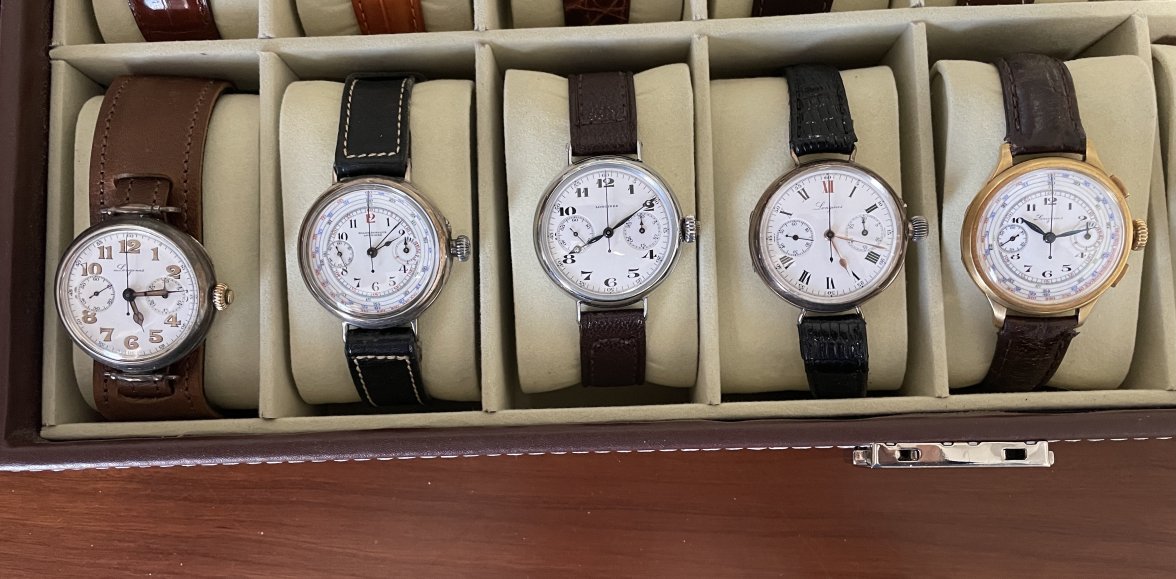
I started collecting enamel dial Longines not long ago. I gravitated towards 13.33 for the variety and history. I currently have (5) 13.33 and starting from the left.

The first one on the left was actually the first one I bought from a good watch friend, it's a wire lug, silver case, with a radium enamel dial.

The next one I got at an auction, a fixed lug, silver case, kilometrique dial multi-colored (including green) enamel dial.

The middle one I bought from another Longines collector, a fixed lug, steel case, with a beautiful simple white with black print dial.

The fourth one is a very early one invoiced to Baume & Co. The roman numeral 12 along with the red 12 is indicative of the first series on the 13.33. The cases were not stamped "Longines but "AB" (Arthur Baume) for the English market. It's a wire lug, silver case

The last one I also bought from a Longines collector, a fixed lug, 18k case with the Kilometrique enamel dial. It is different from the other 4 as it it's also a flyback. Amazing to think that Longines produced an instantaneous second chronograph with a flyback function in 1935.

I wear all my 13.33 along with other enamel dial Longines quite regularly. I am of the belief that they were built in some cases to be in the trenches and was very much a tool watch. I am very careful when wearing them but that can be said for all my watches.

I also believe most hairlines, cracks and, chips were caused when serviced and the screws holding the feet were not loosened enough. I cannot prove that but just my theory.
 
Posts
13,696
Likes
53,497
Great to see a thread on these.
 
Posts
432
Likes
741
I just reread and saw the two buttons. You have a flyback!!! In 5 colors
 
Posts
432
Likes
741
I just reread and saw the two buttons. You have a flyback!!! In 5 colors

The steel and flyback are definitely special to me but so is the 1st series one in the middle. Almost impossible to find, most have been in collections for years.

When I purchased the steel one it was in a collection for 5 years. He got it at an auction where it was advertised to have come from the original family. Wouldn't be shocked if the auctioneer may have embellished the story.

 
Posts
1,439
Likes
4,191
You have an exception collection of 13.33z, this is without any debate.
In comparison, I have a mediocre chronograph 😀

I will warn others to hold onto their cushions since JohnL is out on the hunt.
 
Posts
2,598
Likes
5,660
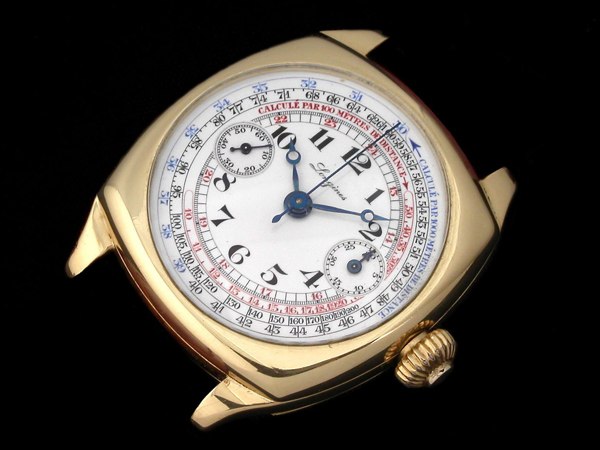
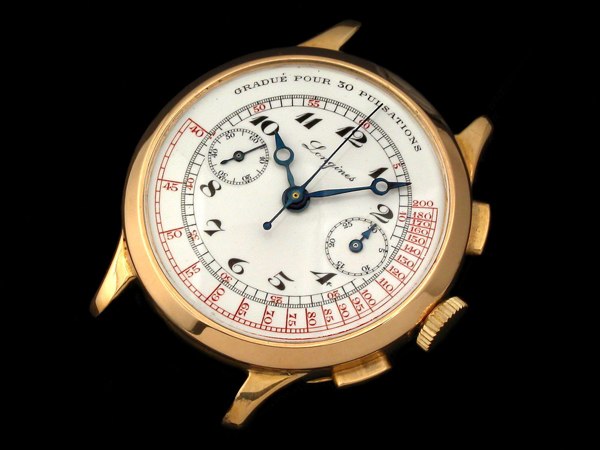
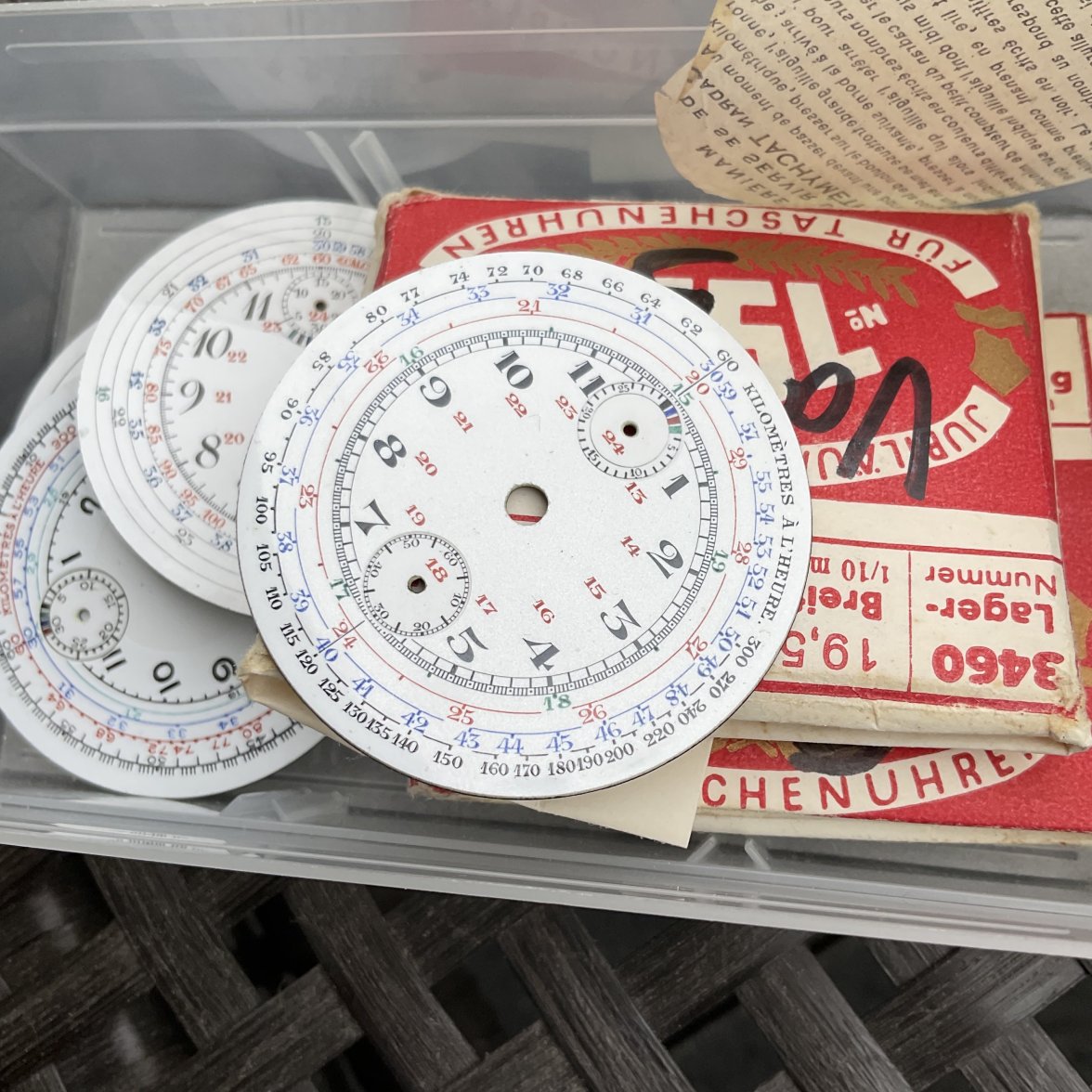
Are the five colour dials really so difficult (and therefore expensive) to make ? They were fairly commonly used on pocket chronographs such as those with the valjoux 5.

 
Posts
1,439
Likes
4,191
Yes, they were higher rates of infant mortality.
Are pocket watch dials worth anything... market demand not there.
 
Posts
2,598
Likes
5,660
Yes, they were higher rates of infant mortality.
Are pocket watch dials worth anything... market demand not there.
No that’s my point they’re close to worthless, so it’s the market that creates the high prices for the multi colour dialled Longines chronos. This is more likely due to rarity and attractiveness rather than initial difficulty of manufacturer.

As this Multi-colour design was so prolific on pocket chronos I don’t imagine they were excessively difficult to produce.
 
Posts
1,439
Likes
4,191
Room temperature changes cracking dials is absolute non-sense. Kiln temperatures are hundreds of degrees of temperature changes. Cooling too fast or heating too fast, all the dials would be destroyed or the print would melt or the dial would take on a glossy appearance. Tension builds up on these dials as the process is repeated over and over again. Each time the color is added, there is a chance to crack the dials.
 
Posts
2,598
Likes
5,660
Room temperature changes cracking dials is absolute non-sense. Kiln temperatures are hundreds of degrees of temperature changes. Cooling too fast or heating too fast, all the dials would be destroyed or the print would melt or the dial would take on a glossy appearance.
It’s a bit of an unfair comparison as the kiln cycle happened a handful of times at inception, whereas daily temperature cycles happened over 30,000 times on an old dial. I’d still agree it’s an unlikely reason though.
 
Posts
432
Likes
741
No that’s my point they’re close to worthless, so it’s the market that creates the high prices for the multi colour dialled Longines chronos. This is more likely due to rarity and attractiveness rather than initial difficulty of manufacturer.

As this Multi-colour design was so prolific on pocket chronos I don’t imagine they were excessively difficult to produce.

I agree it's more likely the supply and demand that creates the prices for watches. One could argue that because of the difficulty to make the dial there would be less thus fueling the demand.