- Posts
- 438
- Likes
- 747
JohnLy
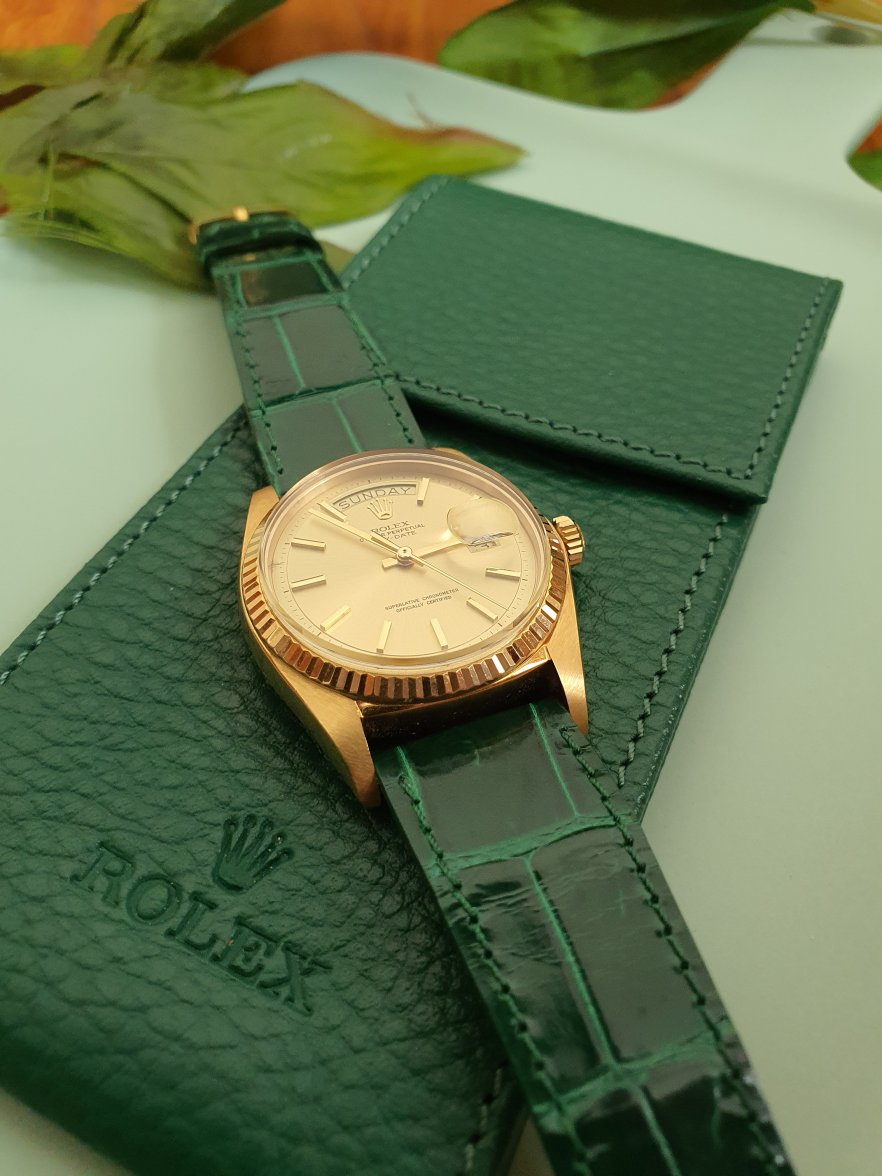
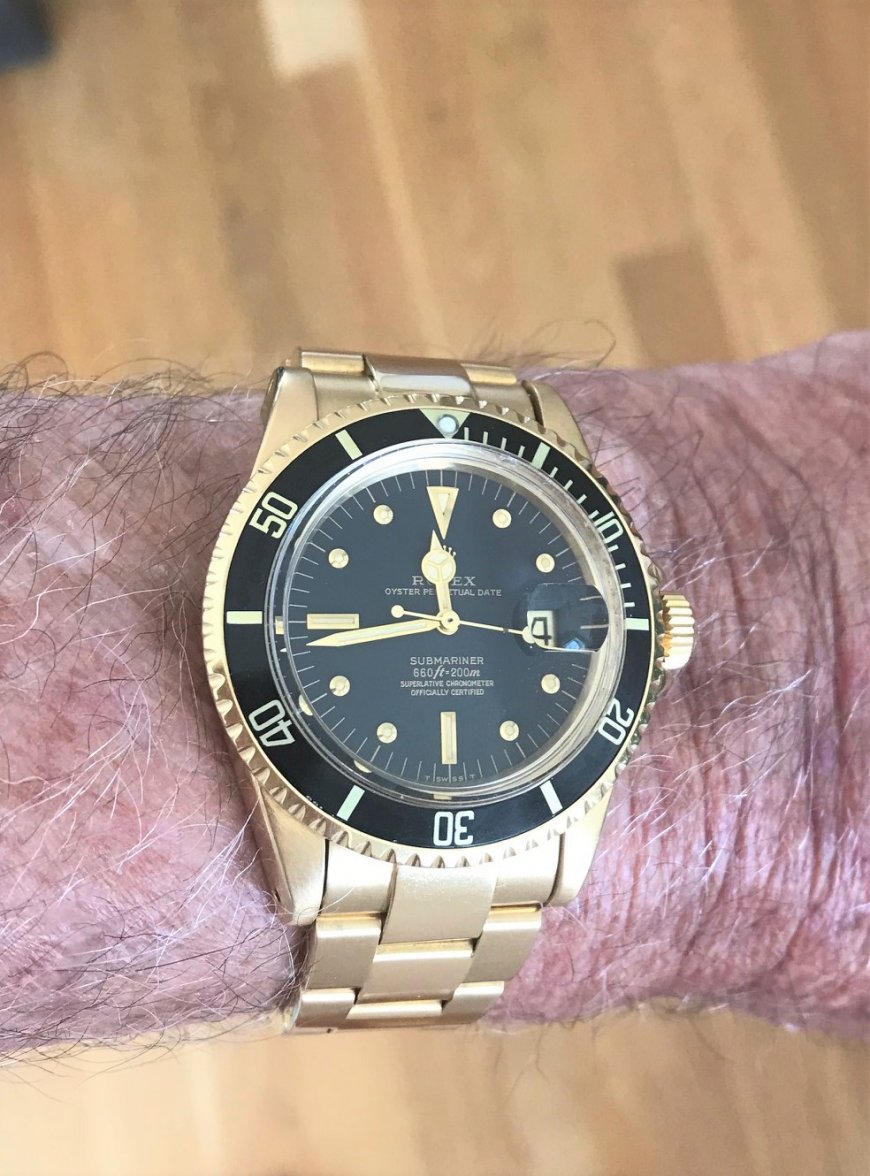
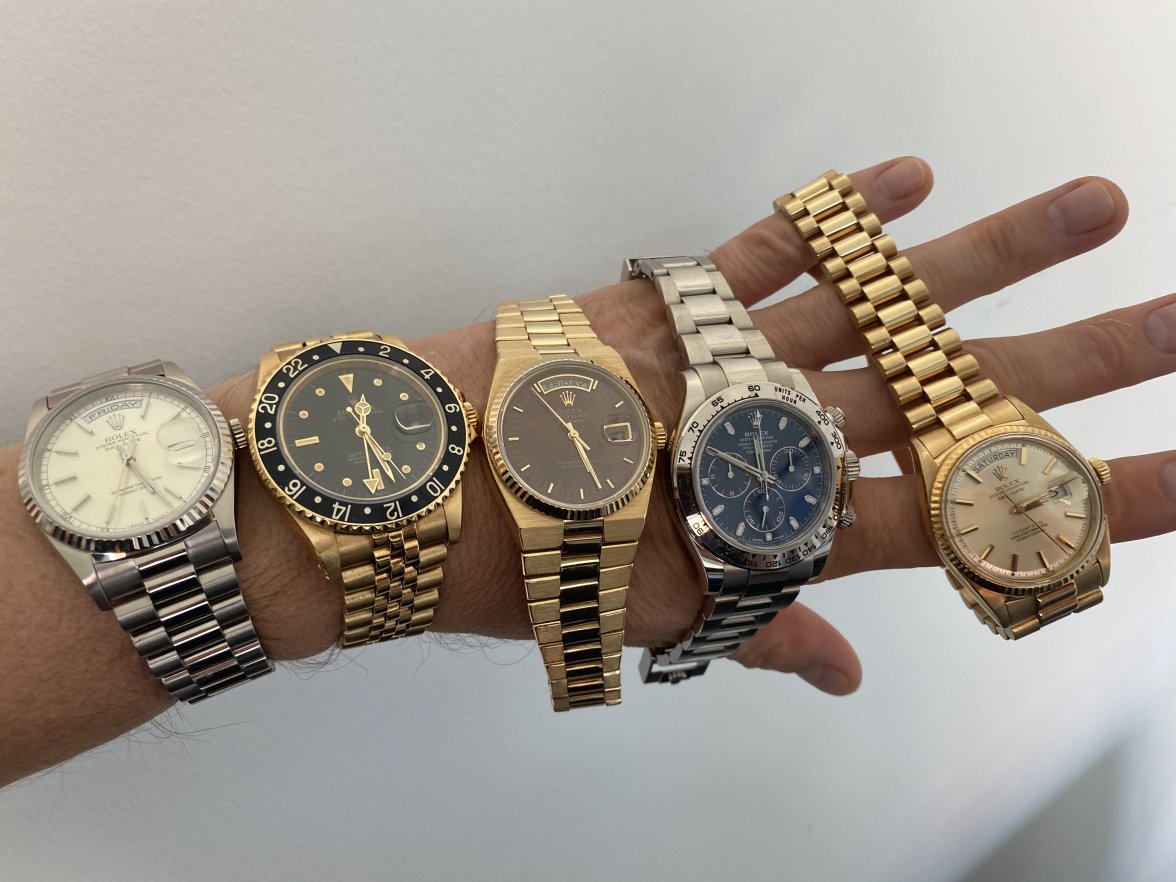
·I know that the stainless steel is the go to metal for Rolex being a tool watch but Rolex also made some pretty nice gold watches also. I will kick it off with a new purchase a 1680/8 Submariner.
Please consider donating to help offset our high running costs.
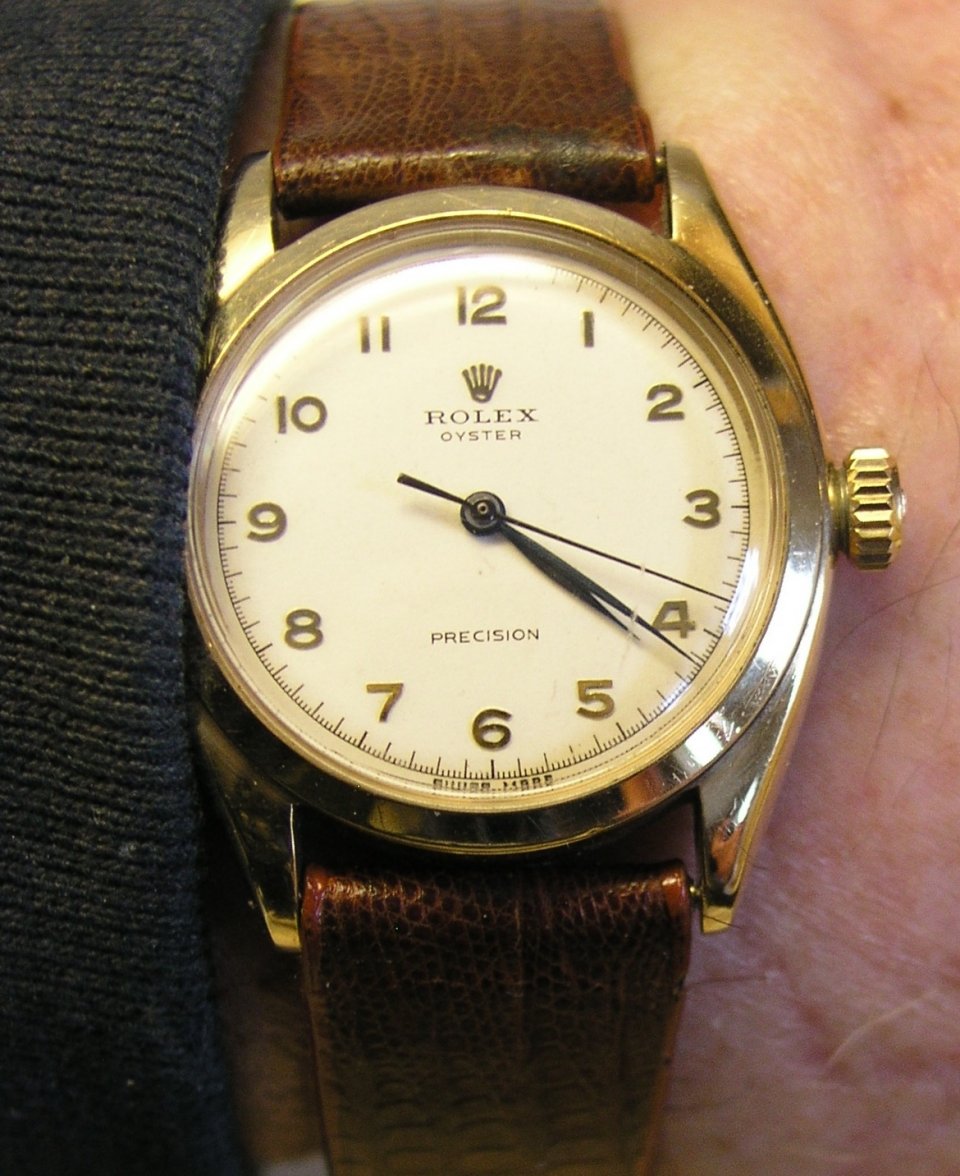
Almost counts.
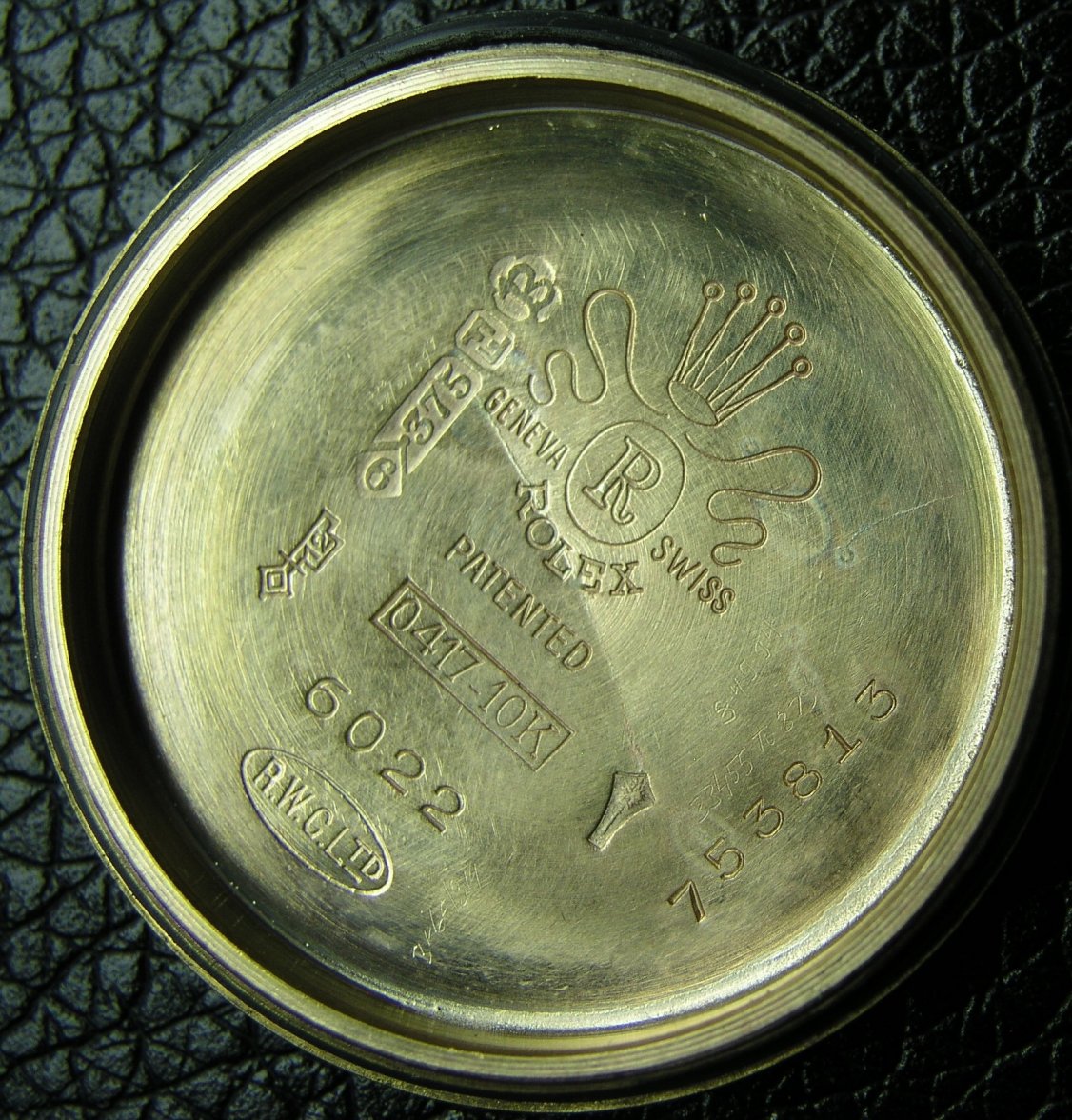
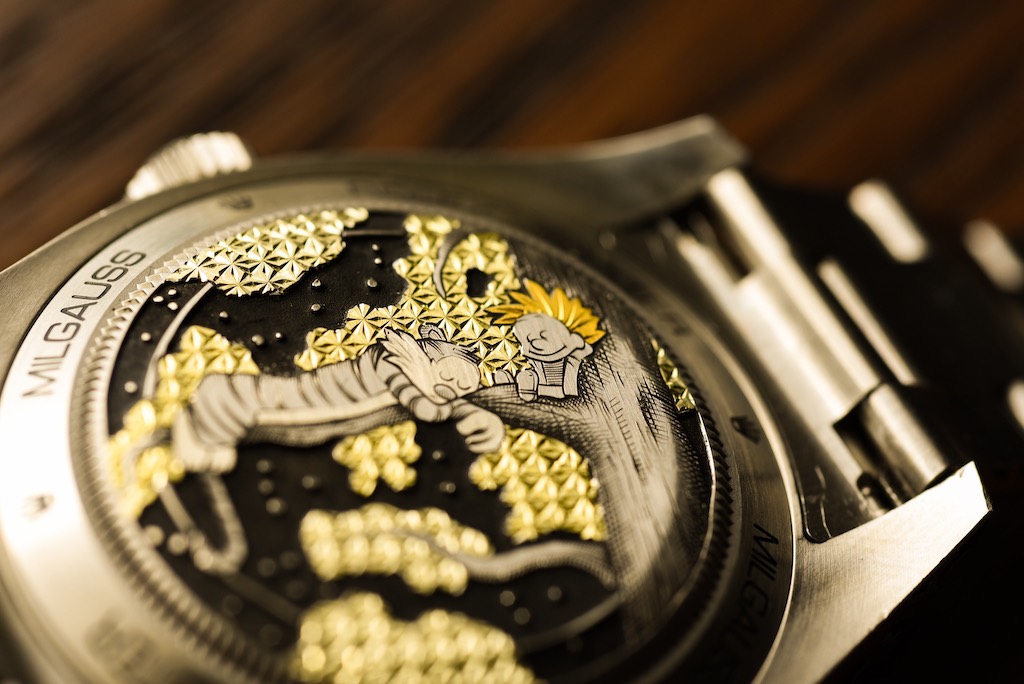
The engraving on the inside of the case back has got to be the best one I have ever seen. Was this typical for that reference?
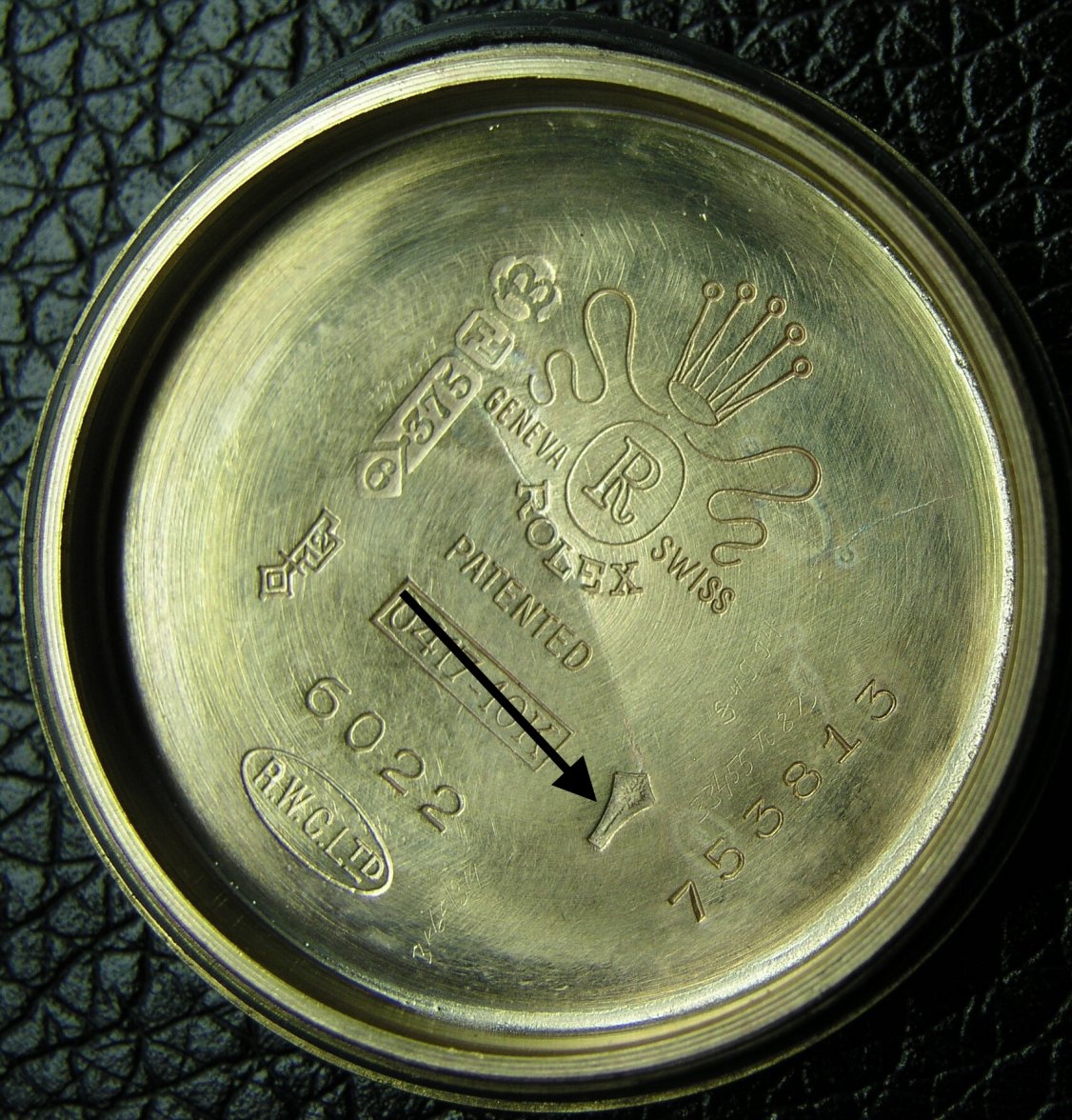
That's wild, can you tell us more about it?
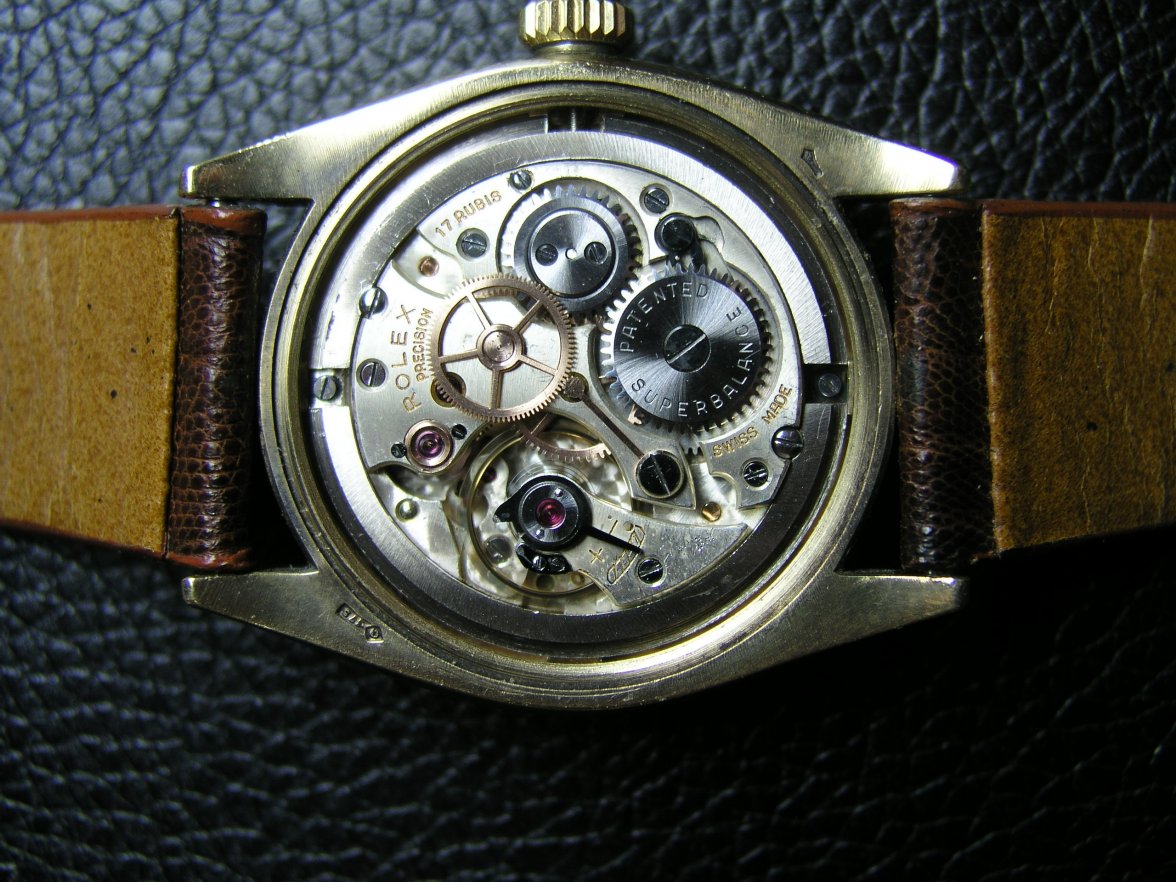
In England, 9 karat was a legal standard. But it wasn’t recognized as a legal alloy by the Swiss. I have read that the Swiss did produce some 9 karat gold items for export to England, but the items would not be presented to the Swiss authorities for scrutiny. This case back has the markings you would expect to find in a Swiss made gold article, and it has the export mark you would expect to see. If you check out the lug at the 2:00 position on the picture of the movement, you will see a mark that is also Swiss. (An un-official Swiss mark,) Why the10 karat back and the 9 karat case? I suspect this might have been common practise, but this is the only example I have seen.
Since an official Swiss standard mark for 9 karat didn’t exist, and since English purchasers of Swiss 9 karat items were loathe to accept a 9 karat item that didn’t have a standard mark, the Swiss makers would apply their own “official” looking standard mark to 9 karat items. The unofficial standard mark under the case lug matches the unofficial standard mark in the case back as indicated by the arrow. I have never seen this mark represented as officially of official Swiss origin.
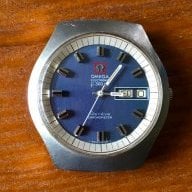
(I posted this once in a local forum, but here was the long version/journey -- scroll to the bottom couple paragraphs for the specifics)
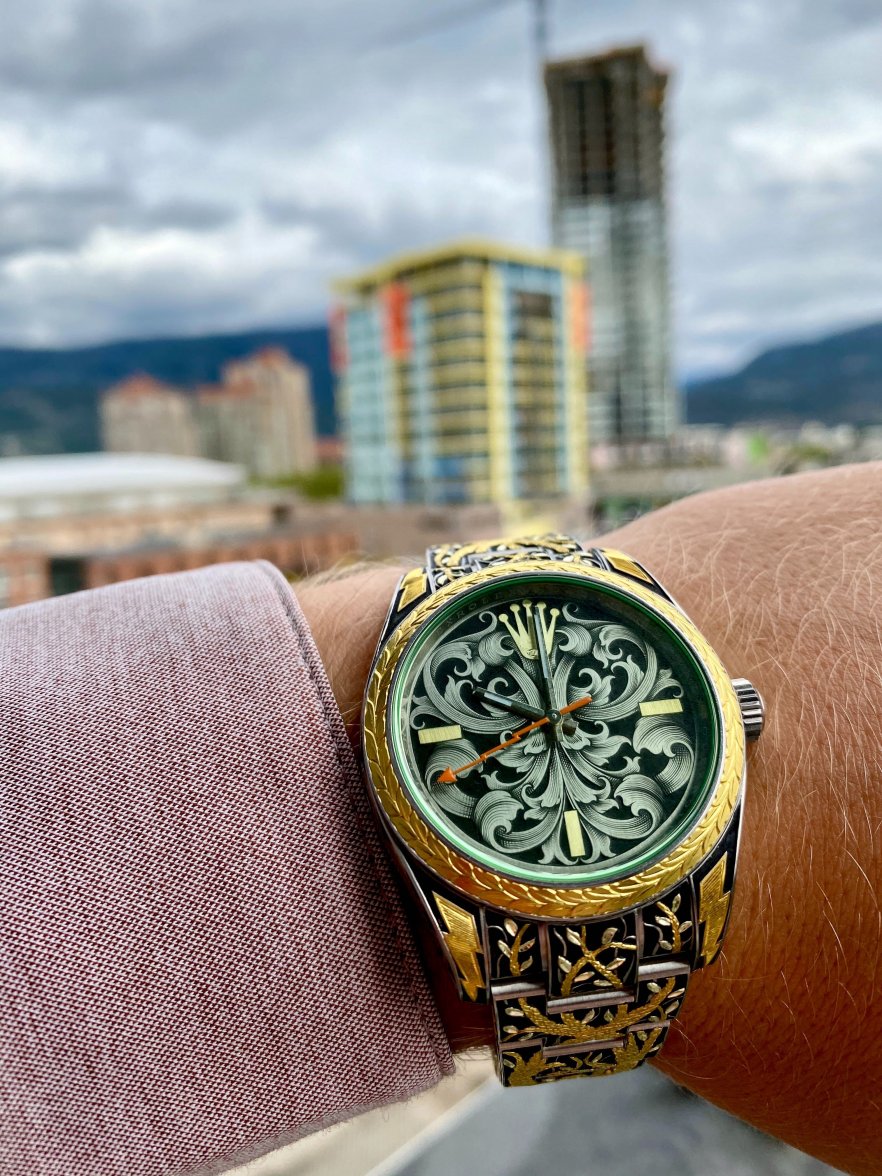
For those who might be wondering, "How do you ever justify/want to do that to a Rolex ?". Here's a short breakdown of what it took:
Firstly, I've been collecting watches for about 16 years now. I started when I was about 13-14, and I'm now 30.
It started with a handful of Nixon watches when they first started advertising in Skateboard magazines.
From there, I received a $500ish dollar Citizen eco drive, followed by a few more citizen level watches, and then a solid 30 Swatch watches (which I still think are fun to collect)
After which I became really interested in vintage watches (1930s-1960s in particular). I would search high and low, from garage sale, to antique store, ebay etc.
This led me to become nearly obsessed with vintage Omegas. I acquired well over 100 Omega watches over two years (no more than 15 at a time). I loved the Omega Mark ii, and owned multiple of each version (black dial, racing dial, and the gold plated 145.034). I could write all day about my favourite models and calibers(26X in particular) - but I digress.
The ultimate goal of the buying and selling these vintage Omegas was to hopefully purchase 1 grail watch (at the time I thought having 1 particularly high end watch would satisfy all my horological needs/wants).
I managed to save up enough money through this selling to buy my absolute, seemingly unattainable grail, a pre-owned Rolex Milgauss. Despite being in university, working for $17/hr, I owned a Rolex, purchased with my own money (I worked throughout university and did not receive money from my parents). I found real satisfaction every single time I put it on.
To more recently - over the last 3 years, I've owned approximately 30-40 high(er) end watches, ranging from $1500-$45000 - each one brought me joy, or at least the ability to learn more about a particular brand. I've owned most of the big names, and a good chunk of the lesser known micro-brands.
During the later half of this period I started developing a more "complex" love of watches, their variety, and interest in the seemingly strange watches that I could never previously understand. ----
While I'm not a big fan of him in general, John Mayer actually said it best in an interview where he discussed the sapphire clad Daytona (often referred to as the Rainbow). While I don't remember the exact quote, he essentially said something like,
"You don't look at the watch like this and immediately think "this watch is so me, it really matches my personality and taste", but instead you appreciate it for what it is, and so you wear it, and eventually you start to think it actually looks badass" (again, I for sure butchered the quote, but the idea is there)
Long story short, I recently transitioned into being an entrepreneur and have been blessed with success. To celebrate, I decided to take my beautiful z-blue, the watch that once represented an unattainable grail, and entrust the great Jeff Parke to do his magic. We discussed ideas and themes and he went to work. I couldn't be happier, and look forward to wearing it subtly under a longsleeve or a jacket, letting it peak out whenever I need something incredible to look at. I may, at some point in the future, consider re-installing the original z-blue dial, but for now, I'm really impressed with what he was able to do. The watch took Jeff about 200 hours of work.
I obviously realize that not everyone will see the beauty in the watch, but I assure you that for those who are earlier into your collecting journey - your tastes WILL change, and that's honestly one of the funnest things to look at retrospectively.
Cheers friends.
In England, 9 karat was a legal standard. But it wasn’t recognized as a legal alloy by the Swiss. I have read that the Swiss did produce some 9 karat gold items for export to England, but the items would not be presented to the Swiss authorities for scrutiny. This case back has the markings you would expect to find in a Swiss made gold article, and it has the export mark you would expect to see. If you check out the lug at the 2:00 position on the picture of the movement, you will see a mark that is also Swiss. (An un-official Swiss mark,) Why the10 karat back and the 9 karat case? I suspect this might have been common practise, but this is the only example I have seen.
Since an official Swiss standard mark for 9 karat didn’t exist, and since English purchasers of Swiss 9 karat items were loathe to accept a 9 karat item that didn’t have a standard mark, the Swiss makers would apply their own “official” looking standard mark to 9 karat items. The unofficial standard mark under the case lug matches the unofficial standard mark in the case back as indicated by the arrow. I have never seen this mark represented as officially of official Swiss origin.
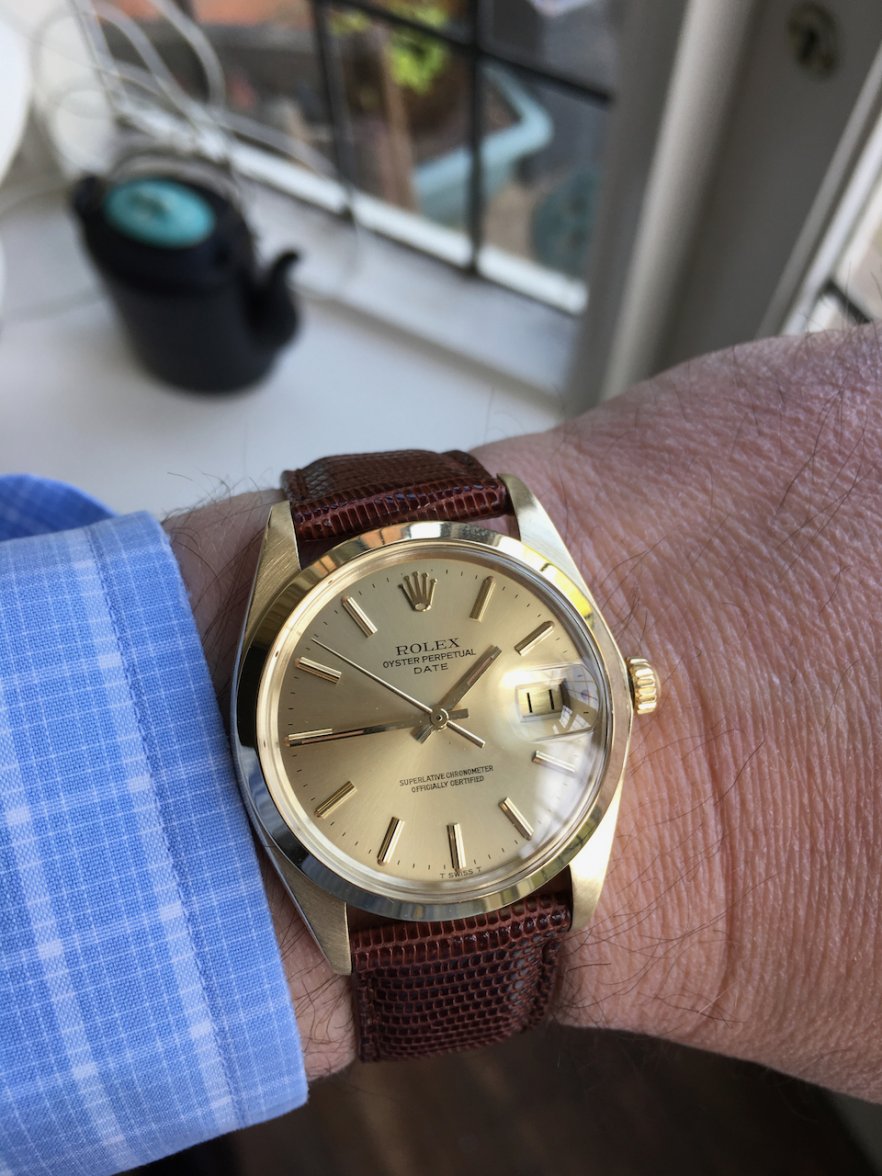
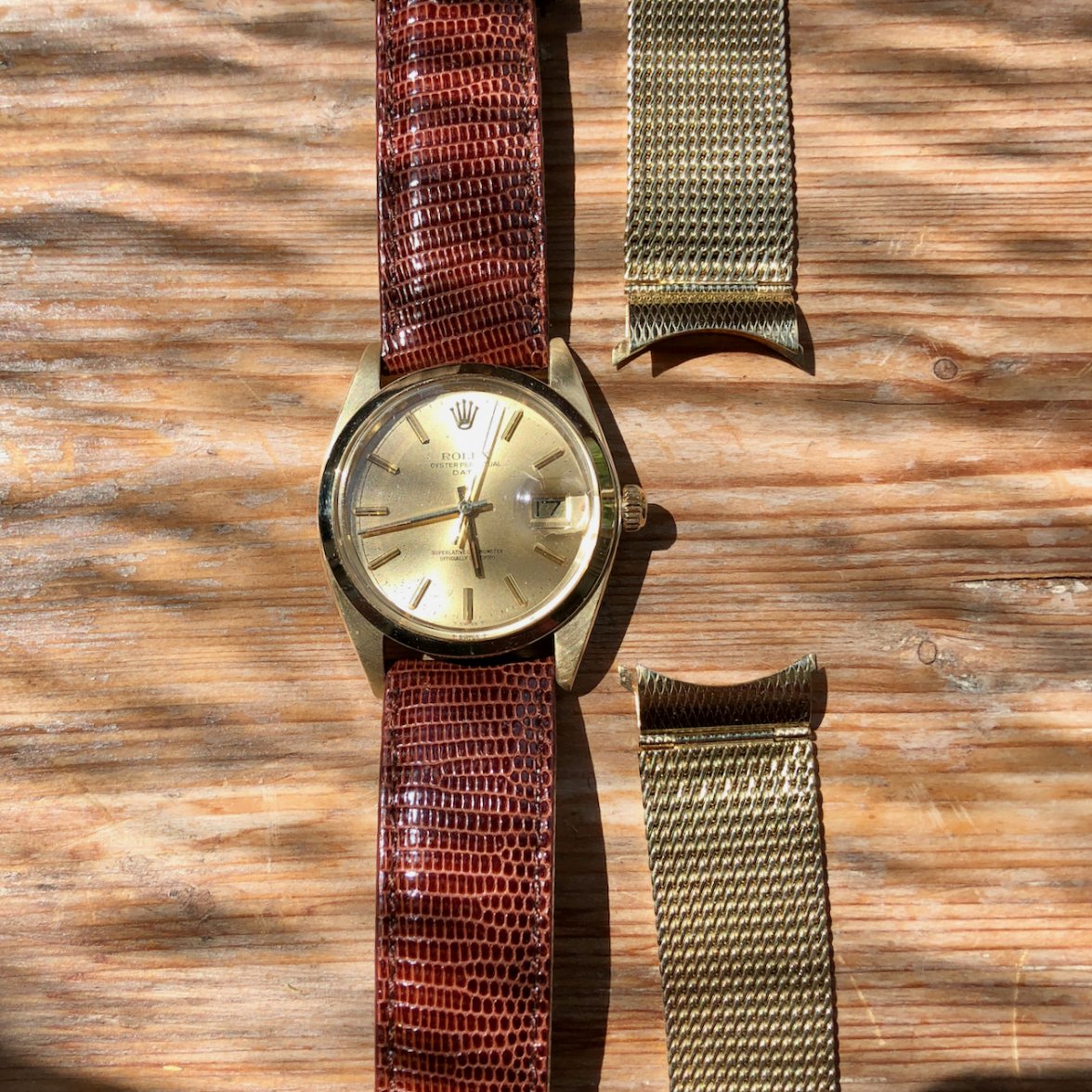
I am more an Omega guy but just to show I am not prejudiced, here is a shot of my solid 14K model 1500 Date. I really like it even though these are a bit small at 34mm. Note the matching Shackman UK made but official Milanese strap:

This watch has the import mark for London (the peculiar F symbol from what I’ve been told). Clearly, it was made for the market in England. Canada doesn’t use 9 karat alloy. As to where it was retailed? I bought it in Canada, from a Canadian, but how many hands has it been through? I have no idea.
Canada enacted legislation some years ago where karat gold alloys must be plumb, or better. So the actual gold content of this case could be closer to 10 karat. @padders has posted some excellent information which could very well pertain to how this watch ended up marked as it is. I had thought perhaps the case might have been of English make because the Swiss refused to make it in 9 karat. But it appears the Swiss might have made it in 9 karat, but sent it out without sanction of the Swiss government bureau who concerned themselves with such matters. Odd!
Not odd at all really. Rolex made the whole watch to better than the UK 9K standard but the UK in their wisdom didn't (and still dont) recognise the 10K standard so it got a minimum 9K marked case and on the back where they had the room to explain got both 9K and 10K indications. These days an XRF tester can assay gold to within 1% in 10 seconds, I have one at work I can use but back then it wasn't so easy.