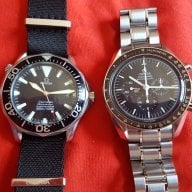
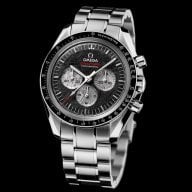
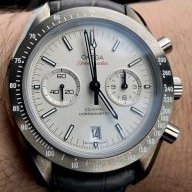
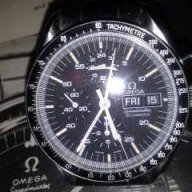
By that definition, maybe it's still a tool; but I'd offer a different definition: namely, that a tool watch is one that is still the best, most efficient, and most practical tool for the job. By that definition, a Speedmaster is now a luxury item with a historic tool origin that now enjoys a cult following some of whose members may still choose to use it as a tool for nostalgic reasons despite the fact that it's no longer the best, most efficient, or most practical choice. IMO, its price and fact that it's less accurate and requires more maintenance than its modern counterparts means that it's no longer the best tool for functional purposes, notwithstanding that it might have been the best tool for its intended purpose 50 or 60 years ago. There are engineers who still use slide rules because they like the "feel" of doing the calculations themselves; but modern scientific calculators are a much more useful tool for everything besides displaying some types of multiple calculation results simultaneously.
I'd argue that unless you're marooned on a relatively dry island for longer than the lifetime of a quartz watch battery, a $100 modern quartz chronograph (or an X-33) would be a much better tool than a Speedmaster. One
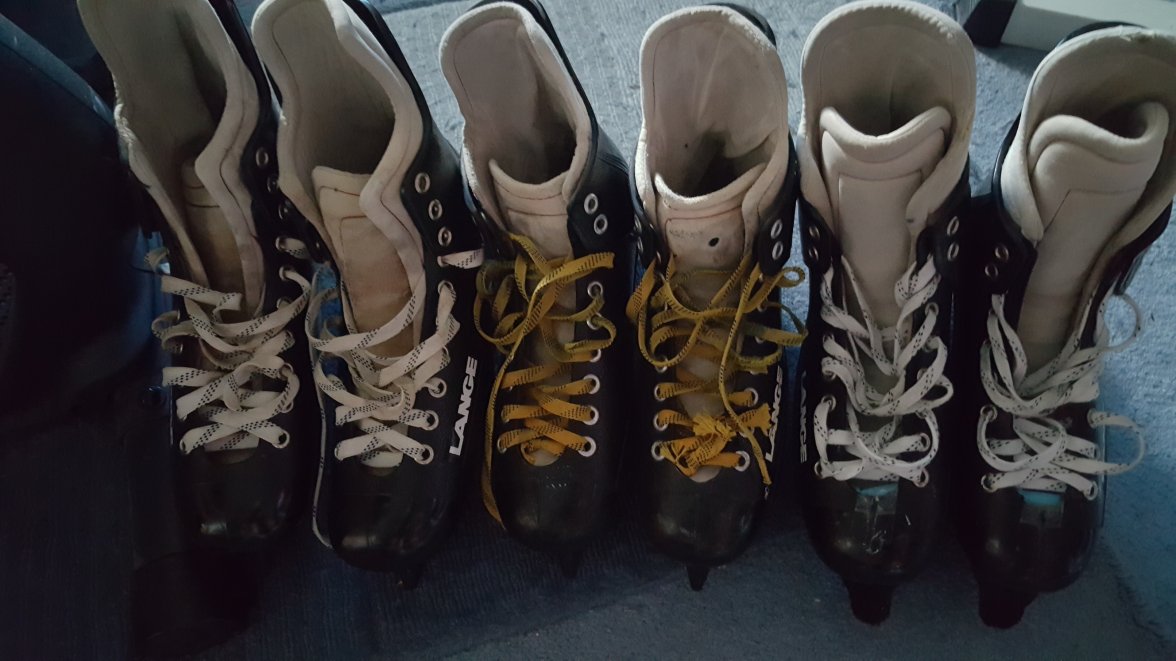
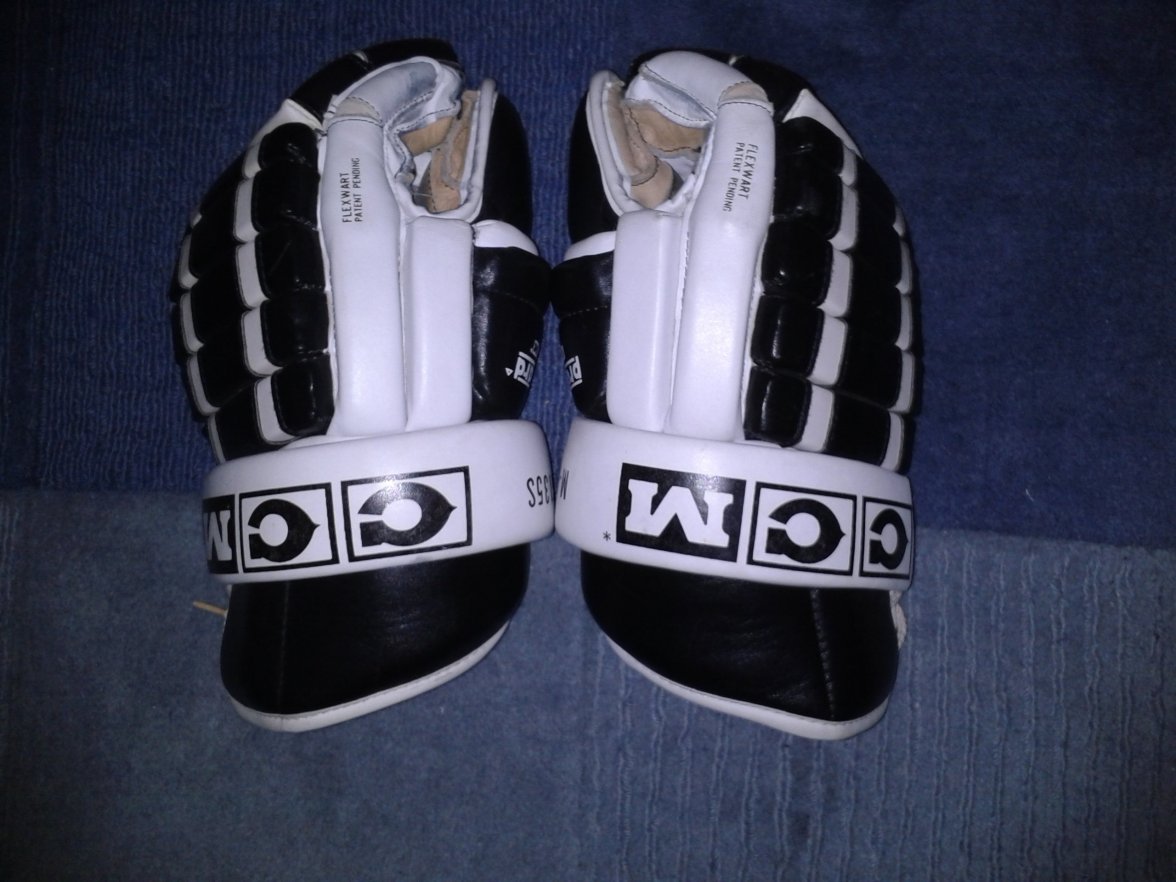
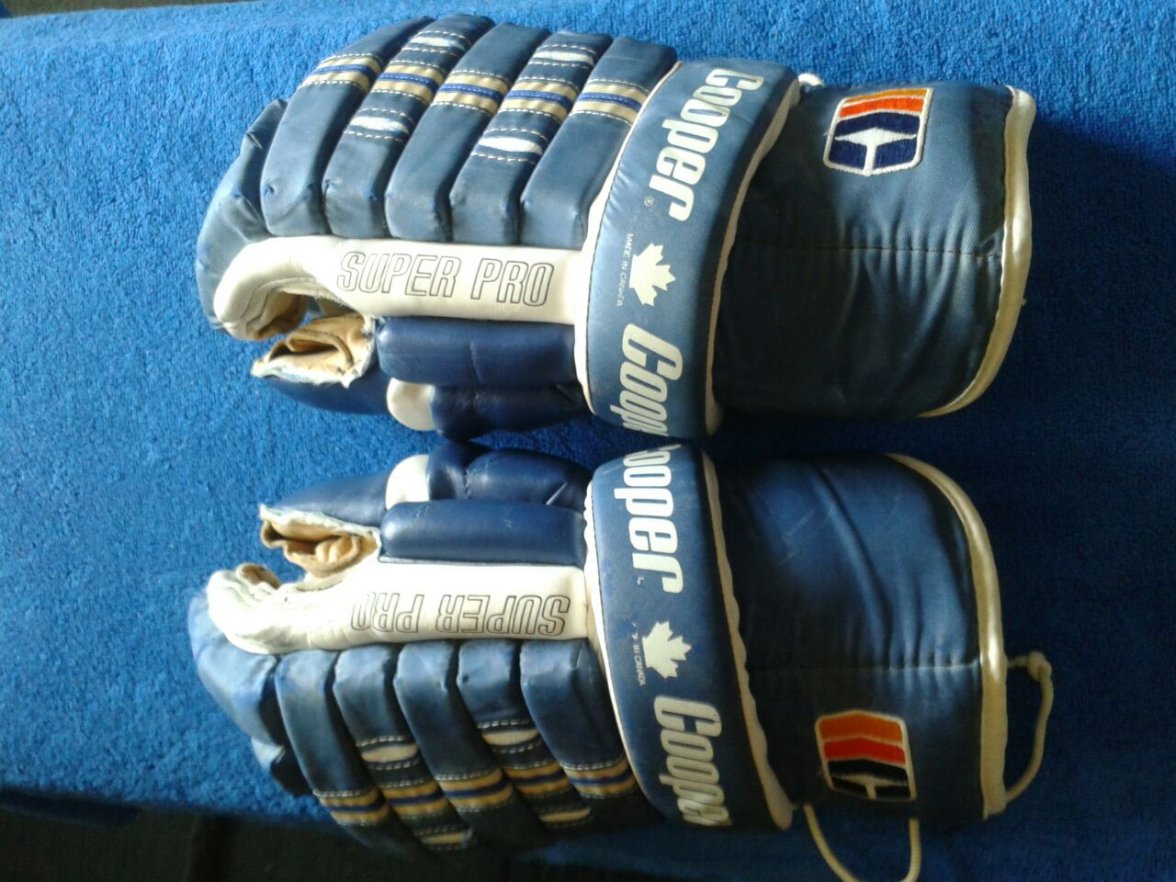
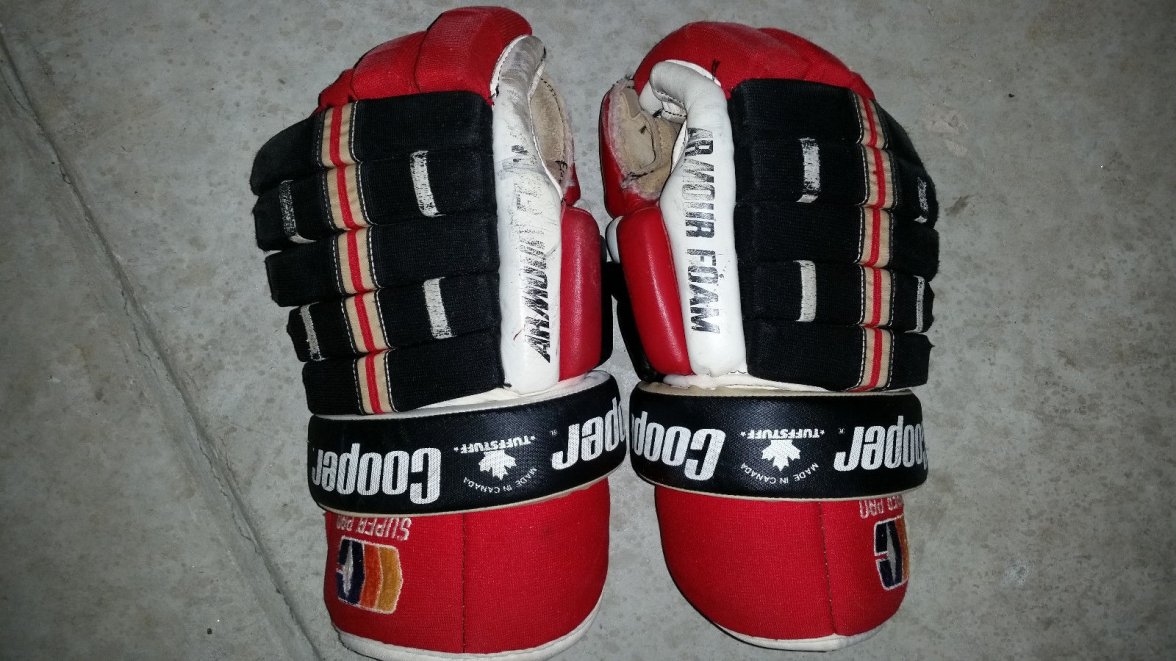
could choose to use a rotary-dial telephone or drive a hand-cranked Rolls Royce for daily transportation; but if they're extravagantly-priced in relation to modern phones and cars that work better, they're luxury items with cult-collector followings. Nostalgic appreciation isn't lost on me: I'm wearing a Speedmaster as I type this and I choose to play hockey in vintage equipment (and skates) that haven't been made in 40 years and that are heavier and less protective than their modern counterparts; but I definitely wouldn't consider them to have a tool value. It's just a personal preference and there's a hobby/collector element to it; but if they were 10 x the price of lighter, more protective, quicker-drying modern gear, I'd consider them to be luxuries, too.