Interesting article (even if you are not into Daytonas)

Posts
860
Likes
1,038
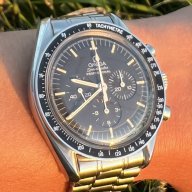
I've owned Daytonas, and they always get sold because I can't read the time. I had a similar legibility issue with the FOIS, unfortunately.

From the article, the math doesn't add up for me: "The ‘Albino’ sold for USD 952,500 incl. premium. The hammer price was USD 750,000.".
 
Posts
1,362
Likes
5,994
From the article, the math doesn't add up for me: "The ‘Albino’ sold for USD 952,500 incl. premium. The hammer price was USD 750,000.".

Why not? 27% premium over 750k USD hammer gets you there.
 
Posts
860
Likes
1,038
Why not? 27% premium over 750k USD hammer gets you there.
Because I can't do math. 😉

Isn't 27% a rather odd number? And rather high? I'm used to 10% auction fees.
 
Posts
7,557
Likes
13,953
Because I can't do math. 😉

Isn't 27% a rather odd number? And rather high? I'm used to 10% auction fees.
26-27% is the current range for the buyer premium for most of the bigger Houses. But the seller's premium is a lot lower now than in the past, around 5% (including shipping, cataloguing, pictures and insurance), and if you have a very valuable watch they may take it at close to zero percent to the seller. The juice is made from the buyer's side now. That's the current business model for the auction scene today.

Selling at auction can be good for the seller if the watch is interesting, in good condition, and is wanted in the marketplace. The downside is the wait period between consignment and the settlement date (35 days after the auction closes). So there may be 4-6 months delay depending on when the watch is consigned. Not a big deal if you aren't starved for money.
 
Posts
860
Likes
1,038
26-27% is the current range for the buyer premium for most of the bigger Houses.

Golly, and I thought eBay was bad!

I guess that's the way the world is going these days, but i just don't see how they can justify those percentages.
 
Posts
6,315
Likes
9,902
I'm used to 10% auction fees
That was loooong ago