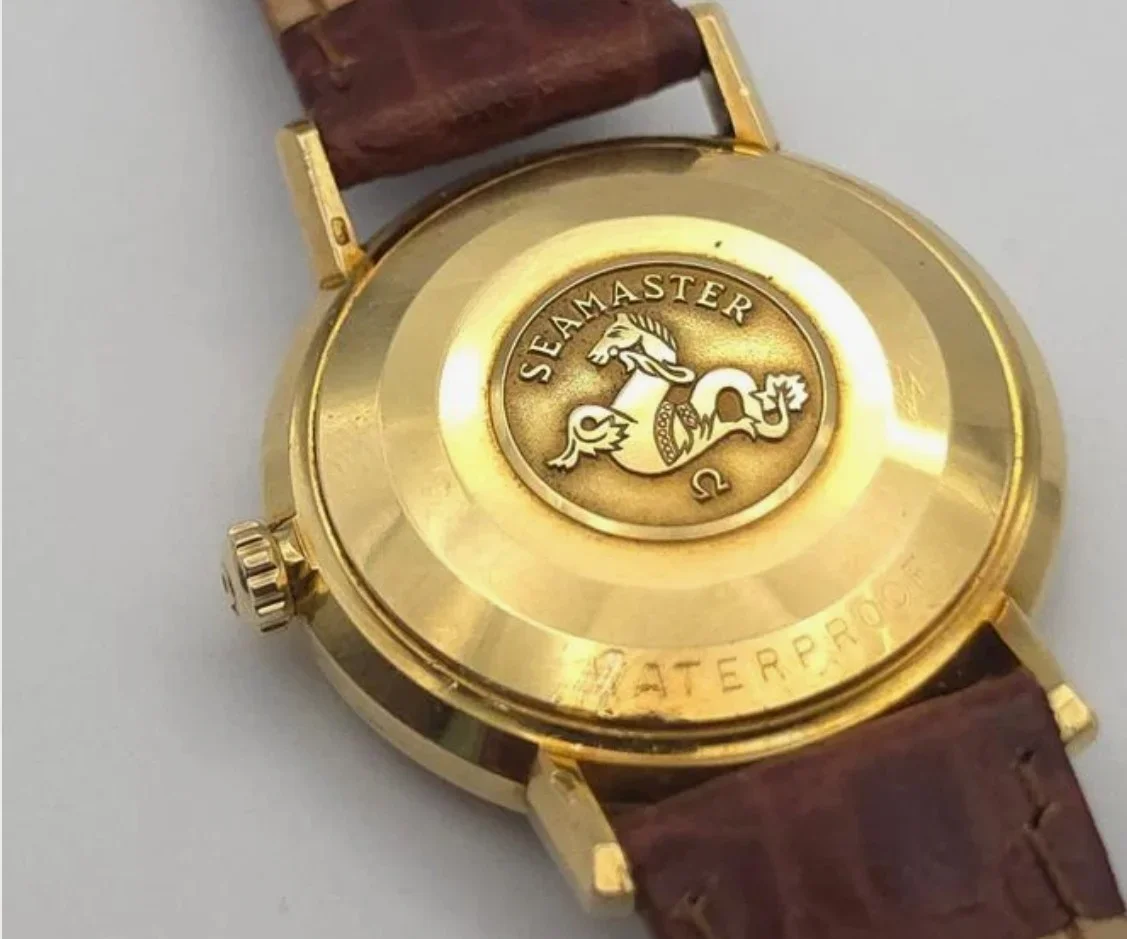
Help with vintage Seamaster De Ville value

Posts
3
Likes
0
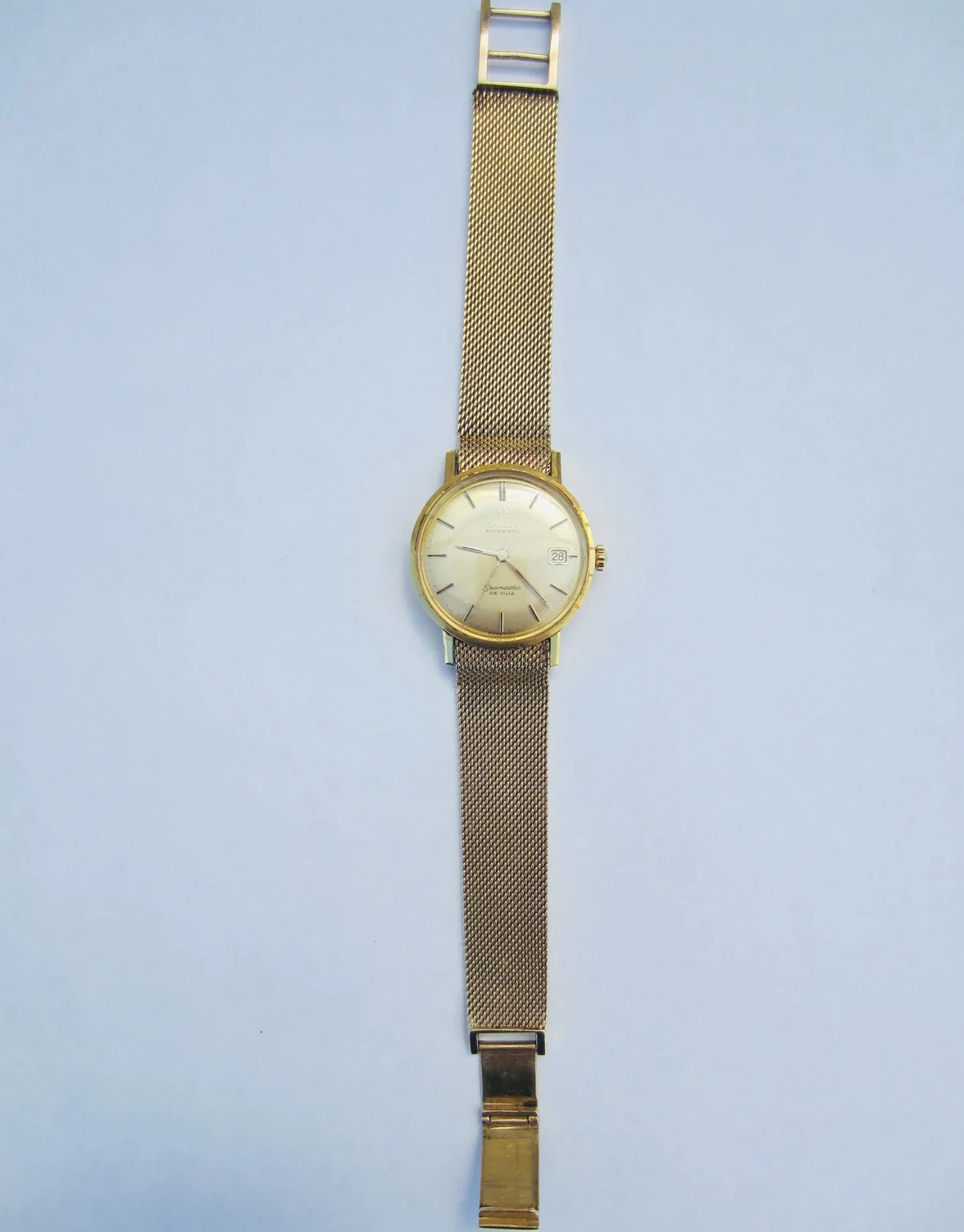
Hello! I’m new to this, so I hope you don’t mind me reaching out for some sage advice. I inherited a 1960s Seamaster DeVille 14k watch with a 14k band. I did have it appraised, just so I would have something to show it’s authentic. It works perfectly, and looks great.
In truth, I need to sell it. My question, if any of you know, is with such high gold prices, is it worth more just melted or as a beautiful vintage piece? I would prefer that someone enjoys it, of course. Any thoughts as to how to get the best price for such a piece?
Thanks much!
 
Posts
3,681
Likes
8,015
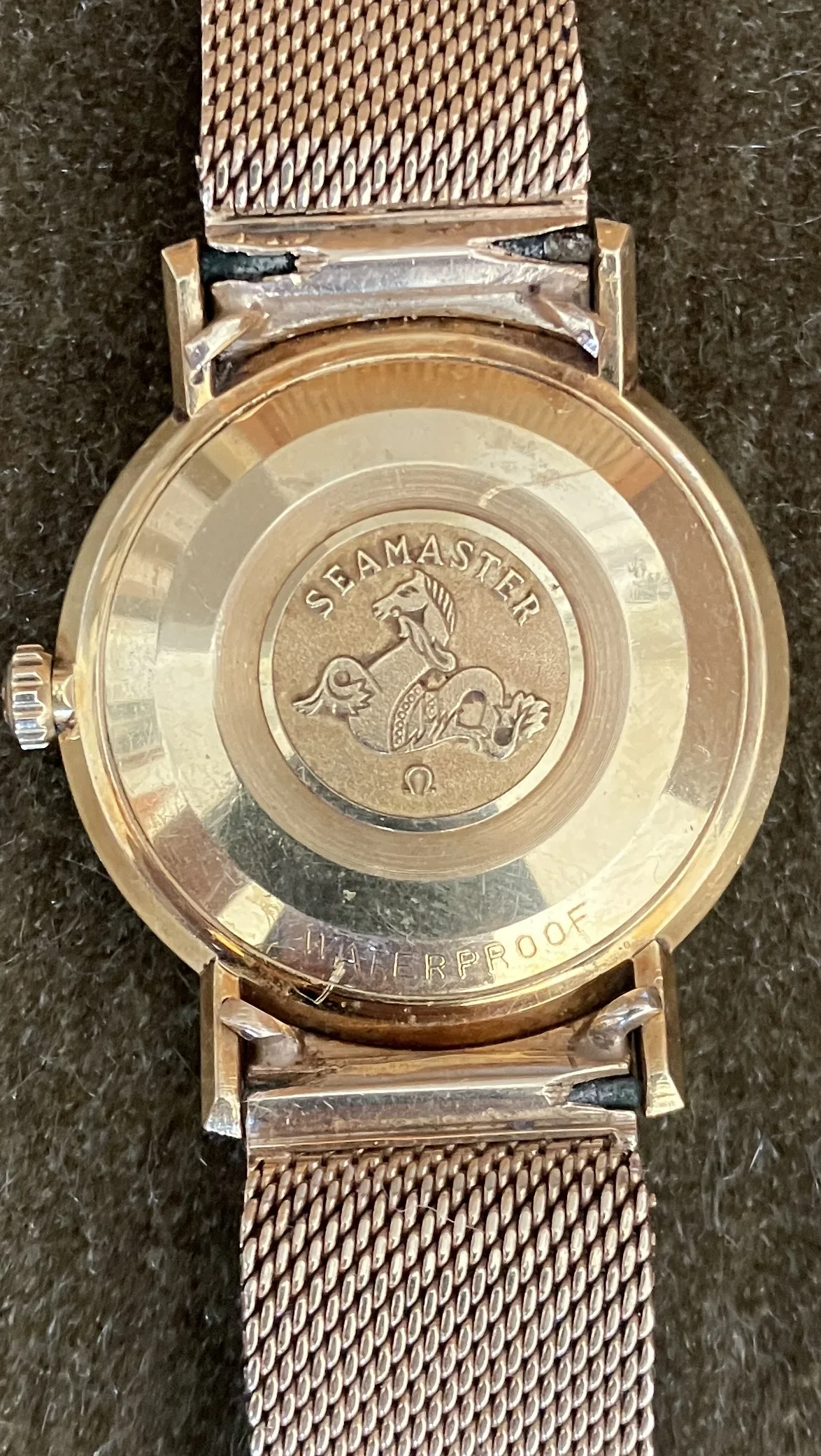
EBay it will find its market value. If it has 14K marking on Caseback and bracelet get closeup photos of that too. Check somewhere on clasp
Nice heirloom pity you can’t keep and enjoy it.
 
Posts
3
Likes
0
EBay it will find its market value. If it has 14K marking on Caseback and bracelet get closeup photos of that too. Check somewhere on clasp
Nice heirloom pity you can’t keep and enjoy it.
Thanks, I’ll look into that. Oddly, I can’t find the gold stamp on the watch case, although it’s noted in the appraisal. There’s a clear stamp on the clasp.
I wish I could keep it too, but I need the funds more than I need the watch!
 
Posts
3,681
Likes
8,015
Sometimes the 14K is between the lugs but would need to remove bracelet and probably not worth risking scratch or damage to endlinks
 
Posts
24,838
Likes
55,263
If the bracelet is short, you may need to remove it and sell it for gold value. The watch head itself, should sell for a bit more than gold value because it's attractive and in good shape.
 
Posts
344
Likes
1,009
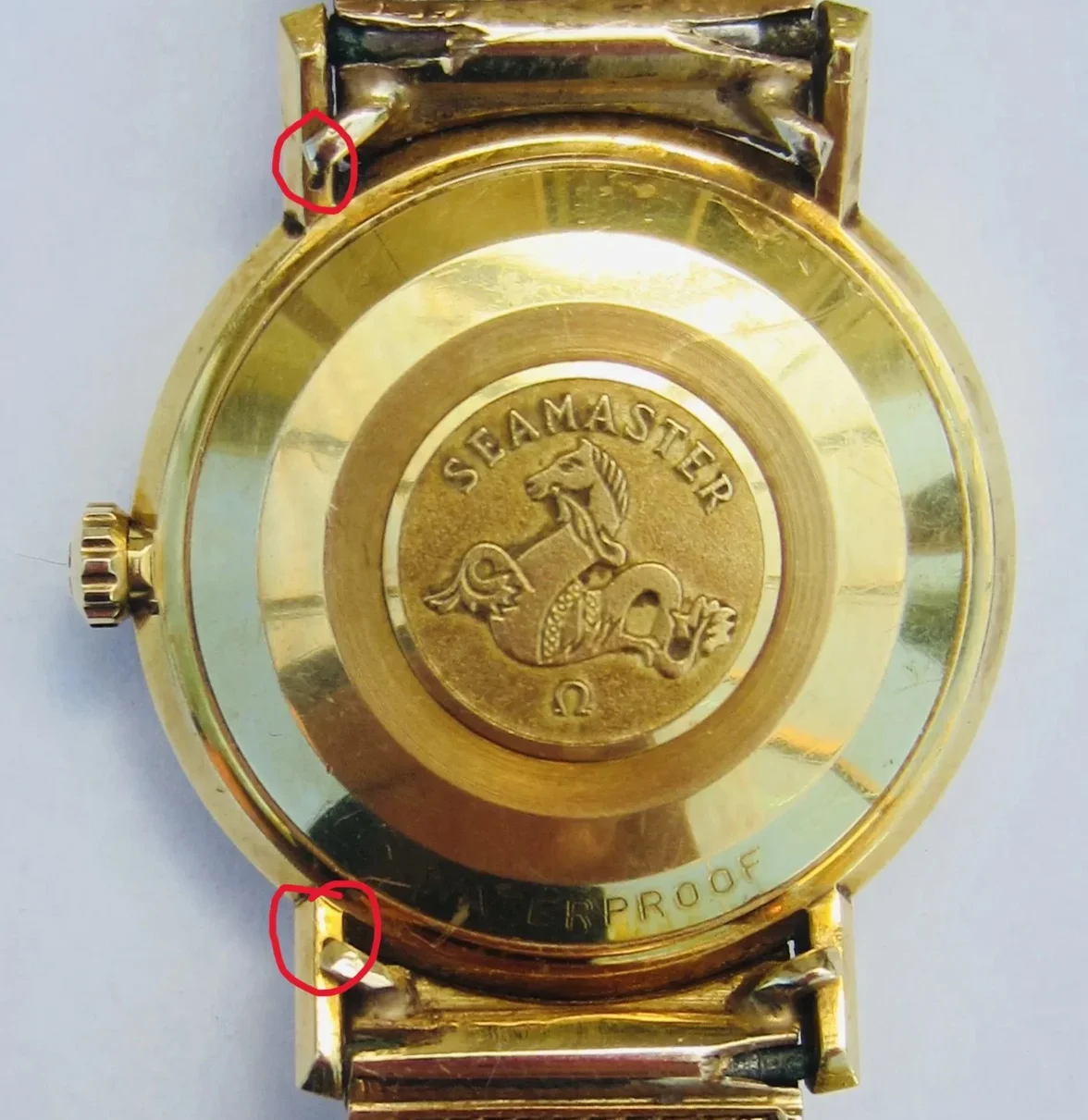
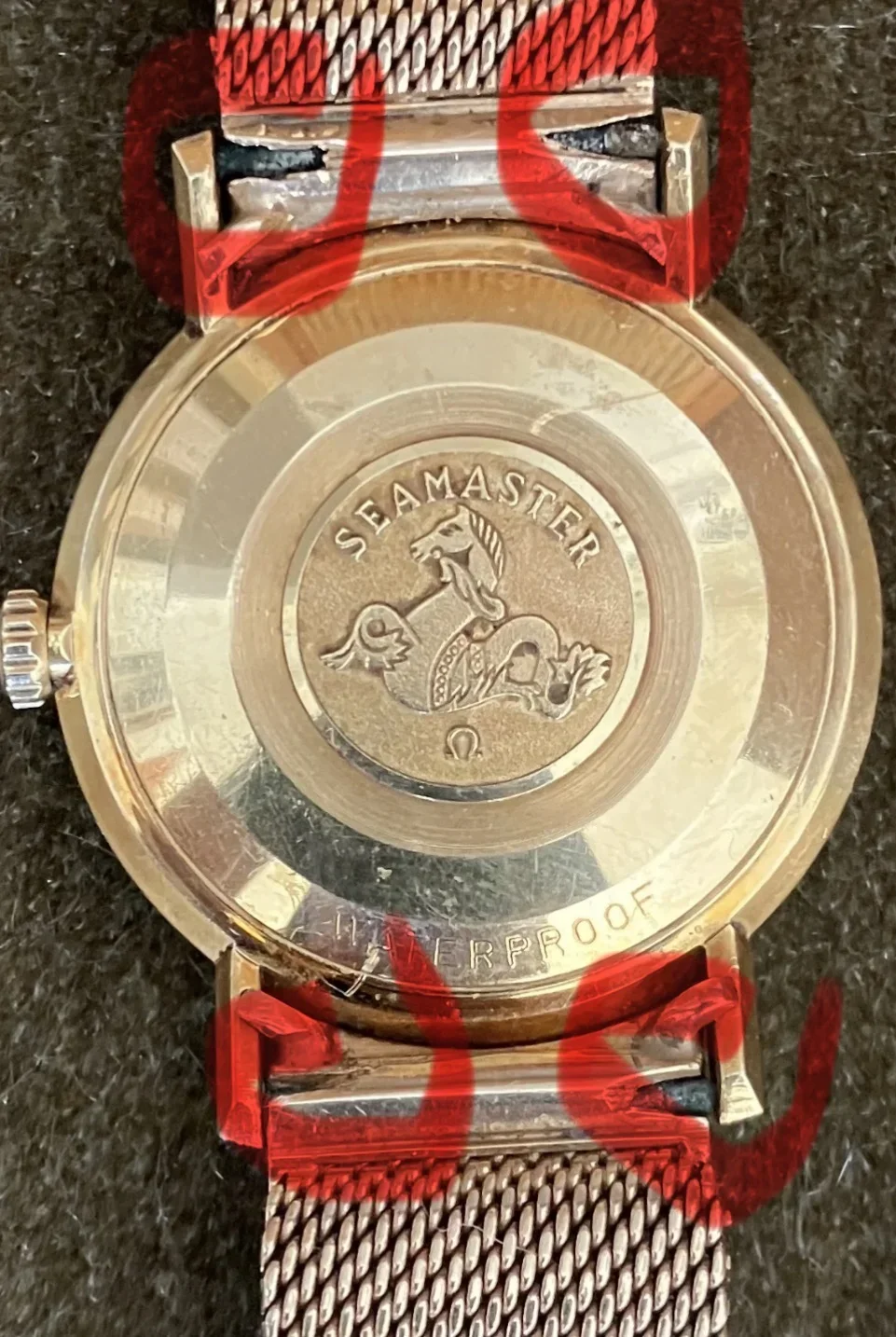
Try and find out if there are hallmarks on the lugs at the spots I have marked below. You may have to remove the bracelet. If those are hallmarks a Helvetia head would be 18k and a squirrel 14k.
Also, your watch might have a 18k dial. And the case is indeed in excellent condition, so much so that the bracelet detracts from it IMO. So it might be best to sell the head separately.

 
Posts
3
Likes
0
If the bracelet is short, you may need to remove it and sell it for gold value. The watch head itself, should sell for a bit more than gold value because it's attractive and in good shape.

Try and find out if there are hallmarks on the lugs at the spots I have marked below. You may have to remove the bracelet. If those are hallmarks a Helvetia head would be 18k and a squirrel 14k.
Also, your watch might have a 18k dial. And the case is indeed in excellent condition, so much so that the bracelet detracts from it IMO. So it might be best to sell the head separately.

Thanks for this. The appraiser wrote “one 14k yellow gold (stamp) Omega-Seamaster…” so I’m thinking he must have removed the band and noted the stamp. Would this be standard practice for an appraiser? It also indicates “CZ color test set”, which I take to be how they check gold purity. I didn’t work with him directly, it was through a local watch/jewelry shop that I trust.
 
Posts
3,681
Likes
8,015
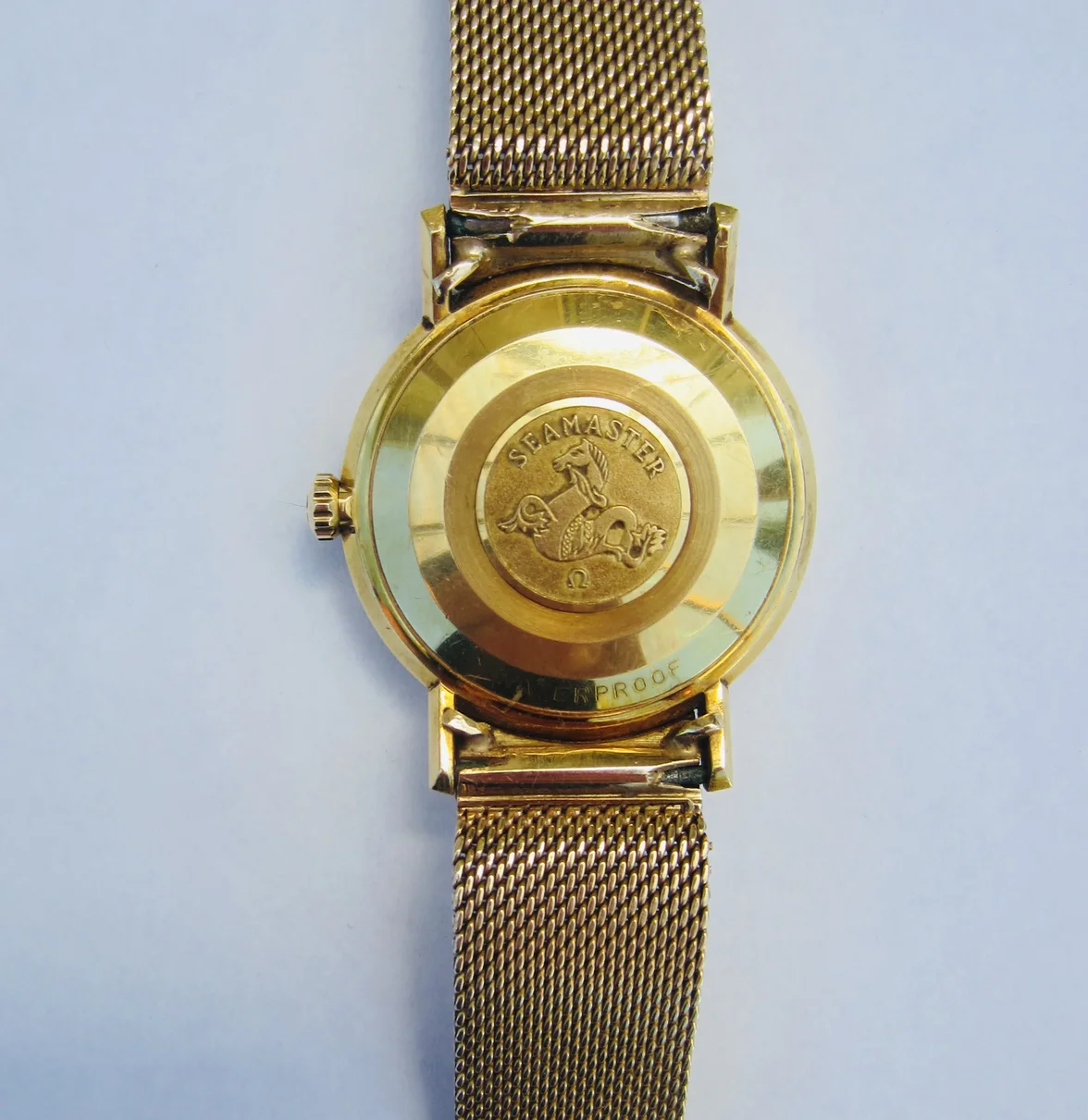
The bracelet has been notched out to better access the springbar see circled areas. May compromise integrity while wearing. Also bracelet color appears different than case color maybe @aprax is correct case could be 18k. I would remove bracelet to search for markings and argues in favor of selling it separately.
 
Posts
13,559
Likes
23,507
The watch is certainly worth slightly above melt value. The bracelet probably worth around melt value
 
Posts
13,680
Likes
19,058
Try and find out if there are hallmarks on the lugs at the spots I have marked below.
If the watch is a U.S. market piece, it may not have hallmarks on the lugs. As stated above, sometimes these have “14K Gold” between the lugs, but it could be hidden or worn off by the bracelet. The only way to know for sure is to have a watchmaker remove the movement. There almost certainly will be hallmarks (Swiss or American) on the inside.
gatorcpa
 
Posts
344
Likes
1,009
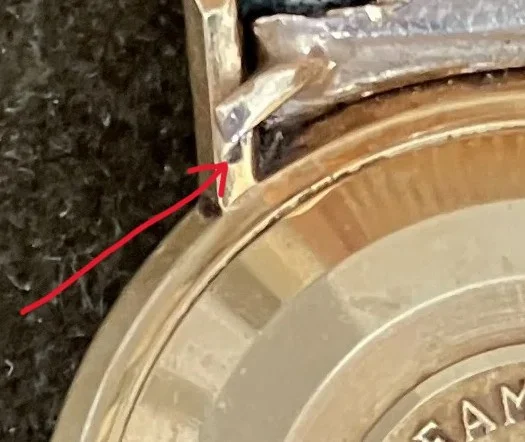
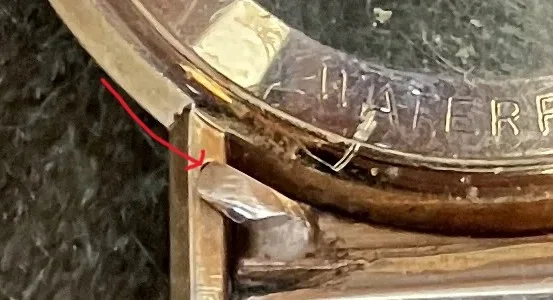
I can clearly see what looks like the impression of partially covered hallmarks here:

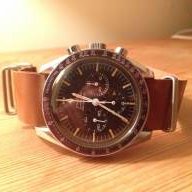
And they would be in the correct position for a Swiss model 166.020. Like for instance in this watch:


So for me the first (and fairly easy) step would be to take a loupe, lift those end links a bit and have a look.