Help needed with vintage Waltham !

Posts
77
Likes
33
Hey guys, 馃榾

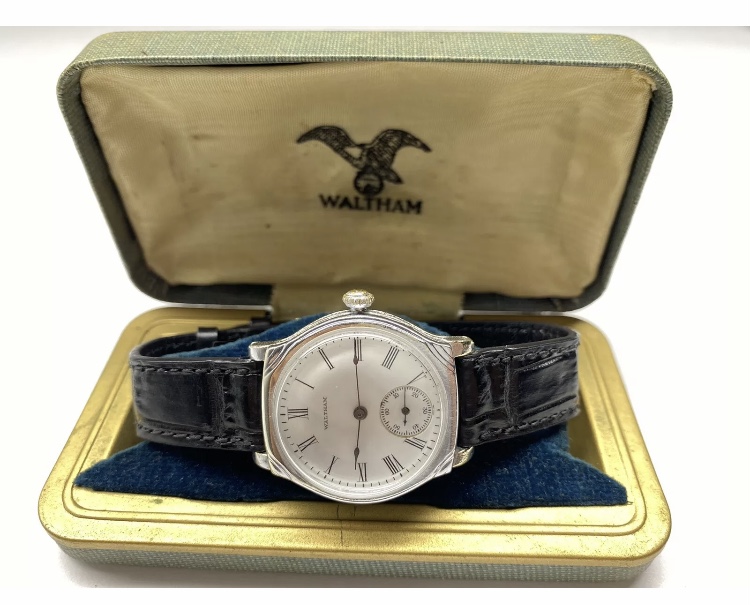
I'm curious to hear your opinions about this Waltham. Also, if anyone can help me to answer these questions, please do:

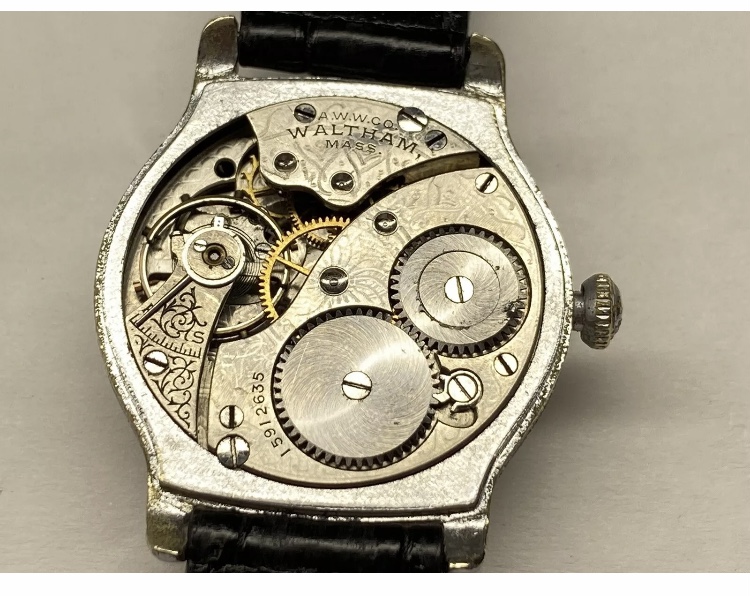
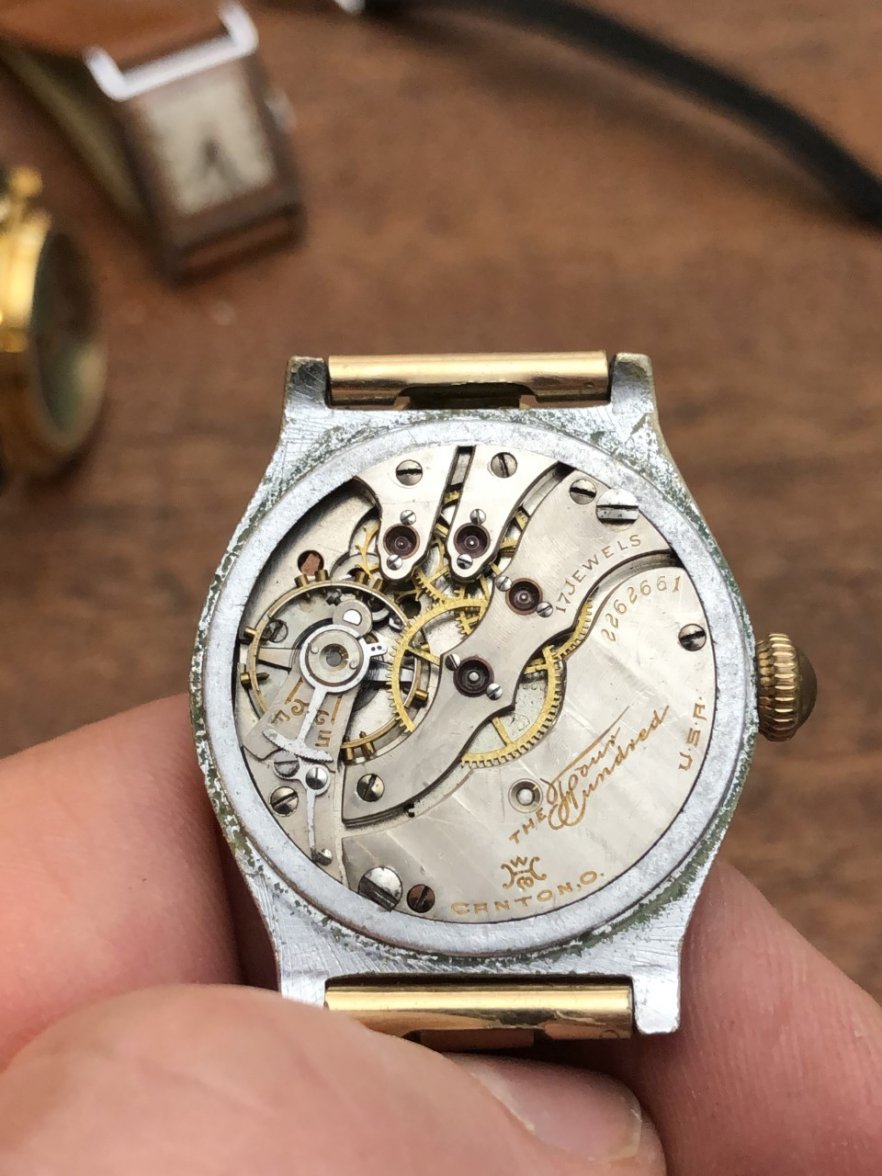
- Has the movement been in pocket watch earlier and just recased into this one? I have seen people talk about that in other forums about watches like this.
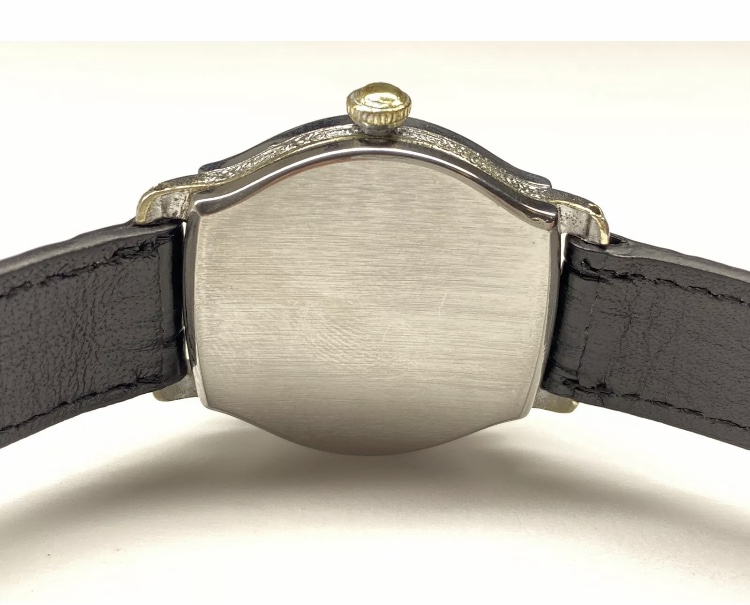
- Can the corrosion showing yellow be fixed? If yes, how much would it cost?
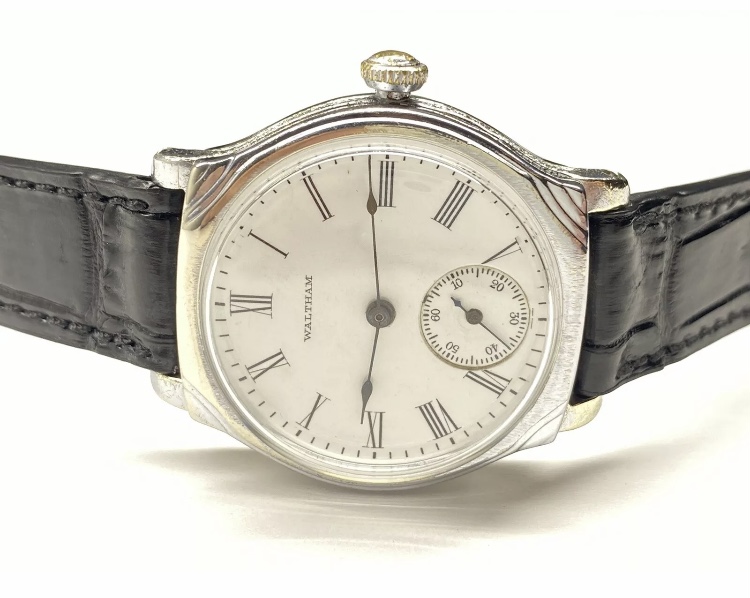
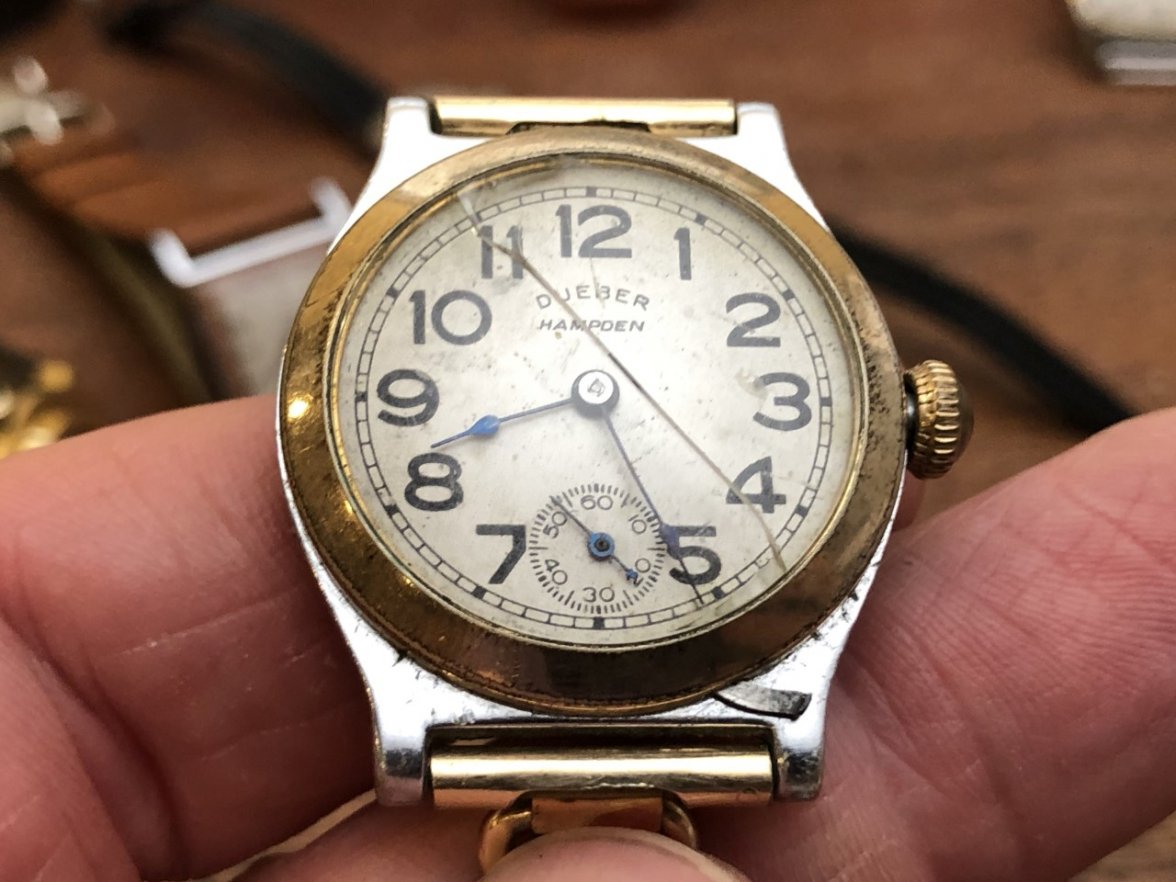
- Does the dial look original to you? Seller says it's porcelain.
- Which year was this watch produced? The listing says 1930-1939.

Help appreciated!
 
Posts
4,593
Likes
10,810
Interesting watch and American made before the switchover to Swiss movements. Not looking like a pocket watch conversion at all. I think that yellow color you speak of on the case is plating wear thru to the base metal, not corrosion. Not sure about that box as it appears to be for a lady's watch.
 
Posts
77
Likes
33
Interesting watch and American made before the switchover to Swiss movements. Not looking like a pocket watch conversion at all. I think that yellow color you speak of on the case is plating wear thru to the base metal, not corrosion. Not sure about that box as it appears to be for a lady's watch.
Thanks!

And I actualy think the movement is from a pocket watch: https://pocketwatchdatabase.com/search/result/waltham/15912635
 
Posts
1,957
Likes
25,748
Handsome watch. The serial number on the movement places the year of production around 1907. As you surmise, most likely a pocket watch movement decades at a later date, which was very common back in the day. By the case design, I would guess mid- to late 1920s.
 
Posts
77
Likes
33
Oh no doubt Waltham repurposed lady's size pocket watch movements to wristwatch duty but your watch was factory issued in that configuration and not a conversion.
Okay interesting!

How can you tell this is factory issued and not a recase?
 
Posts
4,593
Likes
10,810
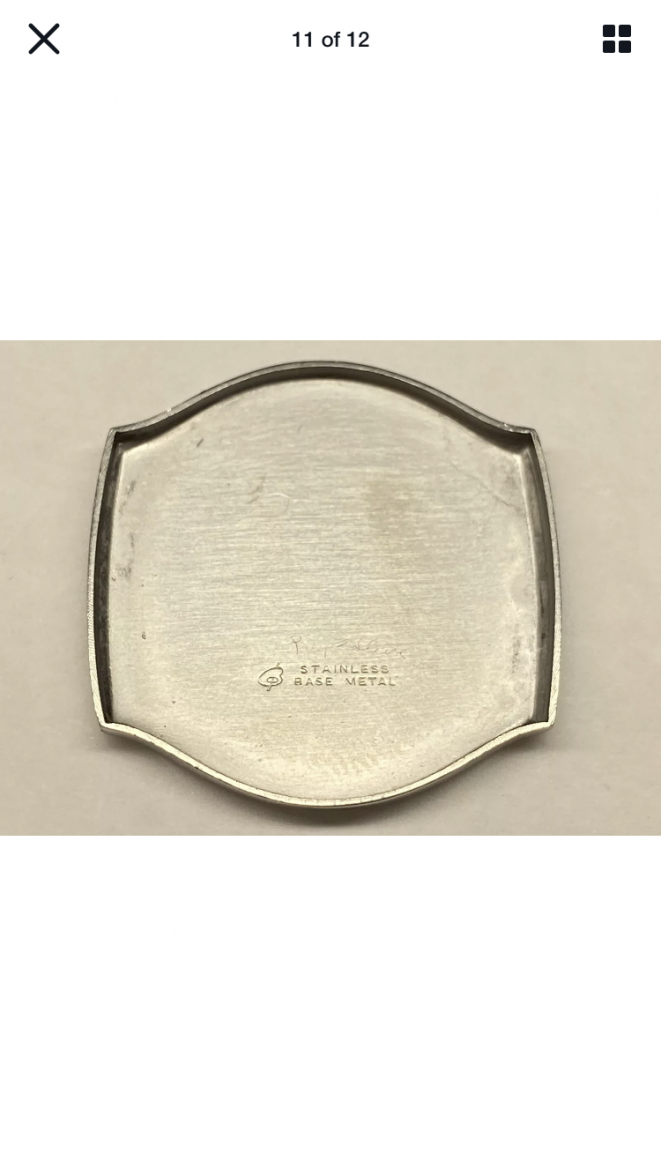
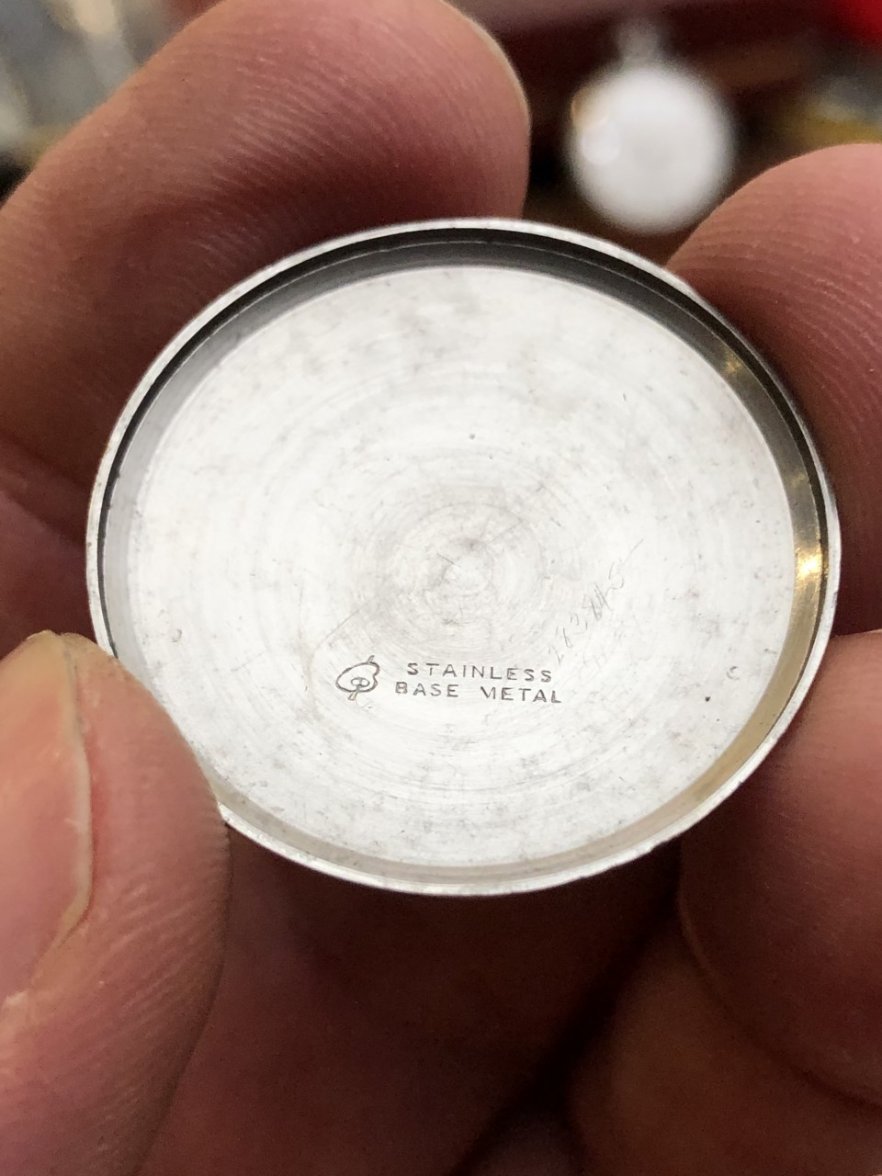
I see plenty similar watches all over here in northeast USA. Surely the inside of the case back is Waltham signed no?
 
Posts
77
Likes
33
I see plenty similar watches all over here in northeast USA. Surely the inside of the case back is Waltham signed no?
Unofortunately it seems not to be signed馃槙
 
Posts
1,372
Likes
2,000
Okay interesting!

How can you tell this is factory issued and not a recase?
I have a similar one from Hamilton. If you look at old catalogs from the 1910s-1930s, a lot of the movements used in wrist watches (both men's and women's, they were the same size at the time) used movements that were also put into size 6/0 pocket and lapel watches. So a bunch of movements would leave the factory floor and some would head to the pocketwatch division and some would head to the wrist watch division.

I wouldn't worry too much about whether the case is signed Waltham or not. It wasn't particularly common for movement makers to make cases in house until closer to WW2.

When people talk about conversions, they're usually referencing much larger movements (size 12 or 16) that either had lugs welded on to the case or new cases made. Yours might in fact be a smaller version of the latter. Pocketwatch Database isn't 100%, but when you have multiple hits for the same date range and movement, it's probably on point.
 
Posts
77
Likes
33
I have a similar one from Hamilton. If you look at old catalogs from the 1910s-1930s, a lot of the movements used in wrist watches (both men's and women's, they were the same size at the time) used movements that were also put into size 6/0 pocket and lapel watches. So a bunch of movements would leave the factory floor and some would head to the pocketwatch division and some would head to the wrist watch division.

I wouldn't worry too much about whether the case is signed Waltham or not. It wasn't particularly common for movement makers to make cases in house until closer to WW2.

When people talk about conversions, they're usually referencing much larger movements (size 12 or 16) that either had lugs welded on to the case or new cases made. Yours might in fact be a smaller version of the latter. Pocketwatch Database isn't 100%, but when you have multiple hits for the same date range and movement, it's probably on point.
Thank you this helped a lot 馃榾 !
 
Posts
1,957
Likes
25,748
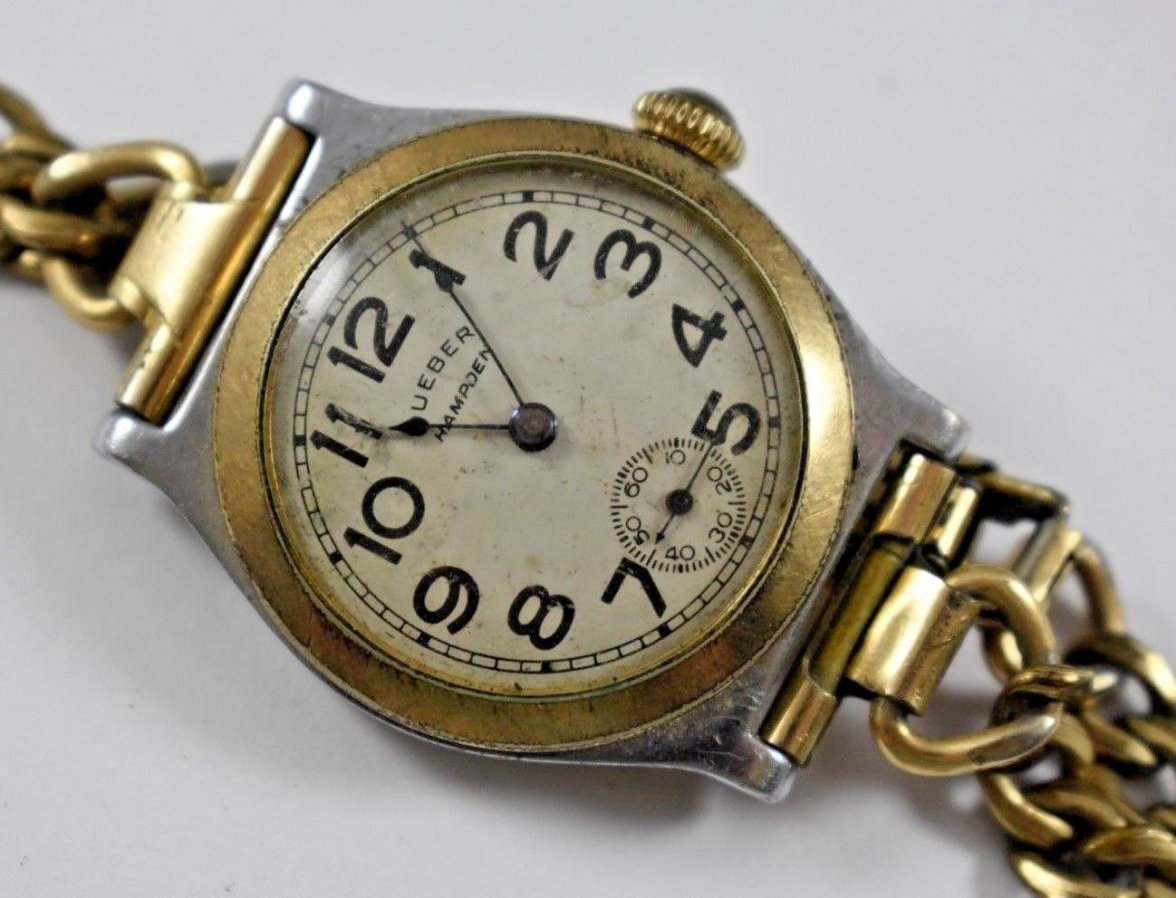
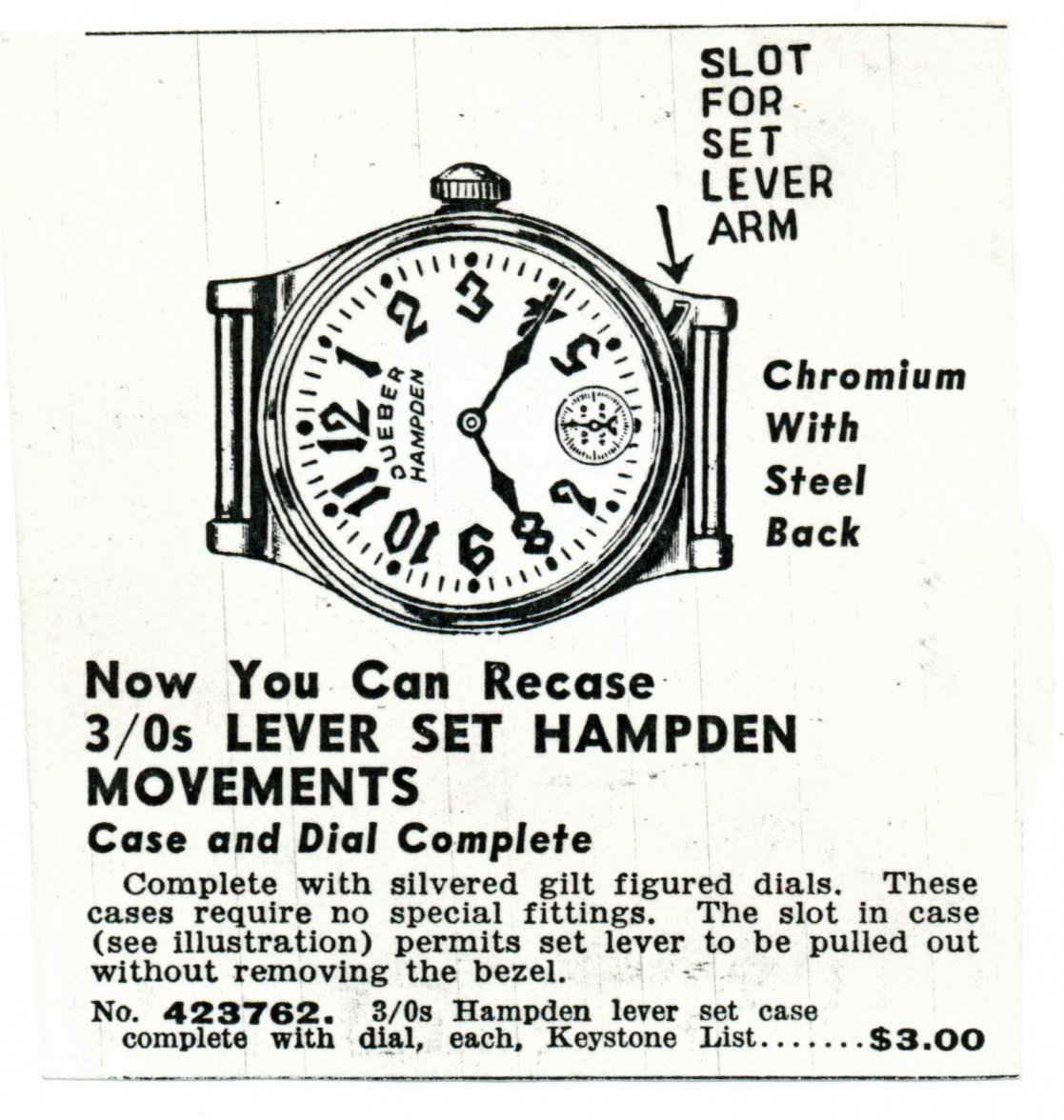
Pocket watch to wristwatch conversion kits were quite popular post WWI. Here is an example of a 1906 Dueber Hampden '"The Four Hundred" pocket watch movement recased using a conversion kit. Note that the case used for the conversion is made by the same case maker as the Waltham in question. Coincidence? I think not, but I am often wrong....just ask my wife.
 
Posts
8,506
Likes
60,762
I would think the OP's watch was for a male (with the sunk seconds at 6.) And the size for the era would point to same.
 
Posts
1,372
Likes
2,000
I would think the OP's watch was for a male (with the sunk seconds at 6.) And the size for the era would point to same.

Au contraire

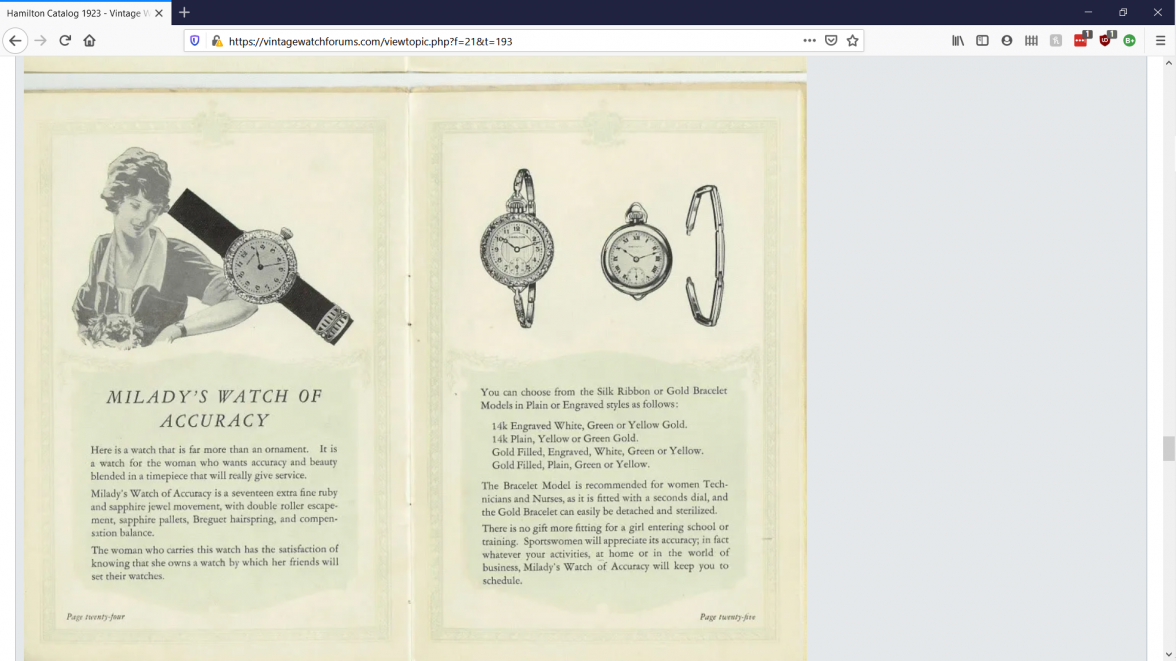
From a 1923 Hamilton Catalog:


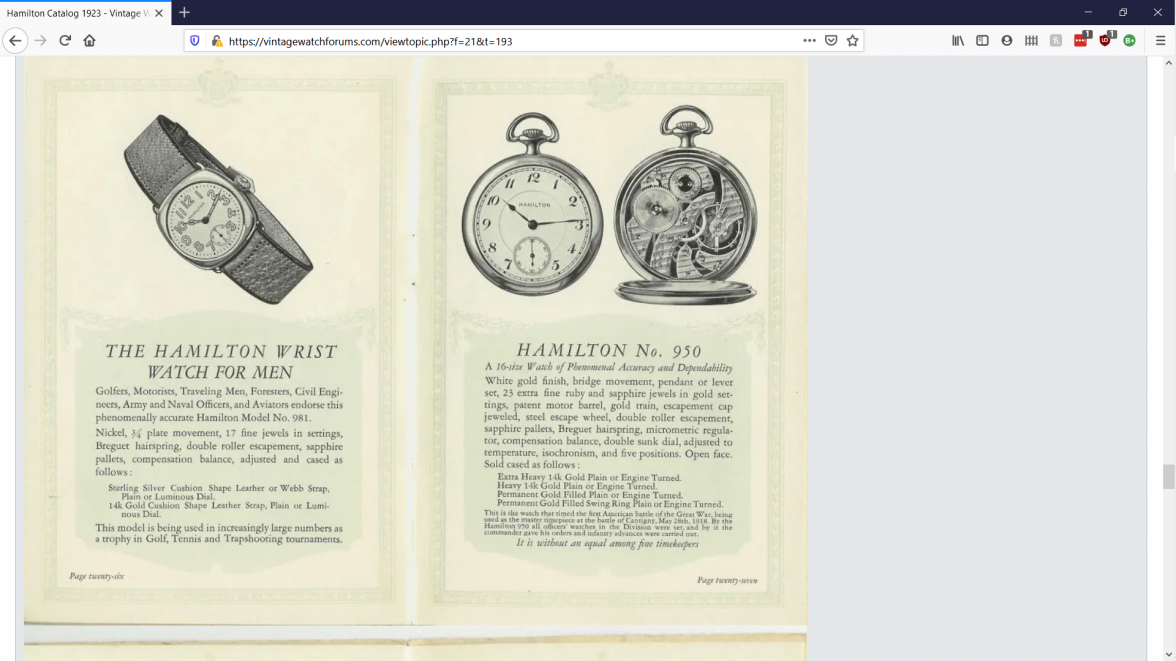
And on the next page:


(courtesy of vintagewatchforums.com)

Both men's and women's watches of the era were of the same size and could come with or without a seconds subdial. The difference between the men's and women's watches were down to the fact that men's watches had the option of a [radium] lume dial. The irony of that, lol. I also like how the wrist watch for women was marketed as a valuable tool for women working outside the home and the men's was marketed as a trophy.馃榿
 
Posts
77
Likes
33
Au contraire

From a 1923 Hamilton Catalog:


And on the next page:


(courtesy of vintagewatchforums.com)

Both men's and women's watches of the era were of the same size and could come with or without a seconds subdial. The difference between the men's and women's watches were down to the fact that men's watches had the option of a [radium] lume dial. The irony of that, lol. I also like how the wrist watch for women was marketed as a valuable tool for women working outside the home and the men's was marketed as a trophy.馃榿
Nothing to add but oh how I love the good ol' logic behind things like these. nothing makes sense馃榿