Let's start by defining entropy in the way these language researchers are using it: in this case entropy is simply how often a symbol (or word) is repeated within a sample. So, the modern language sample in the table you shared earlier the TeDDi (Text Data Diversity) has higher rates of entropy and lower rates of repetition because we are communicating more complex ideas.
In the Uruk V samples you see a much higher rate of repetition and lower rate of entropy because it's mostly communicating numeric values and has fewer instances of ideographs. As cuneiform became more sophisticated in Uruk IV and Uruk III more and more ideographs started to be used to communicate more complicated information.
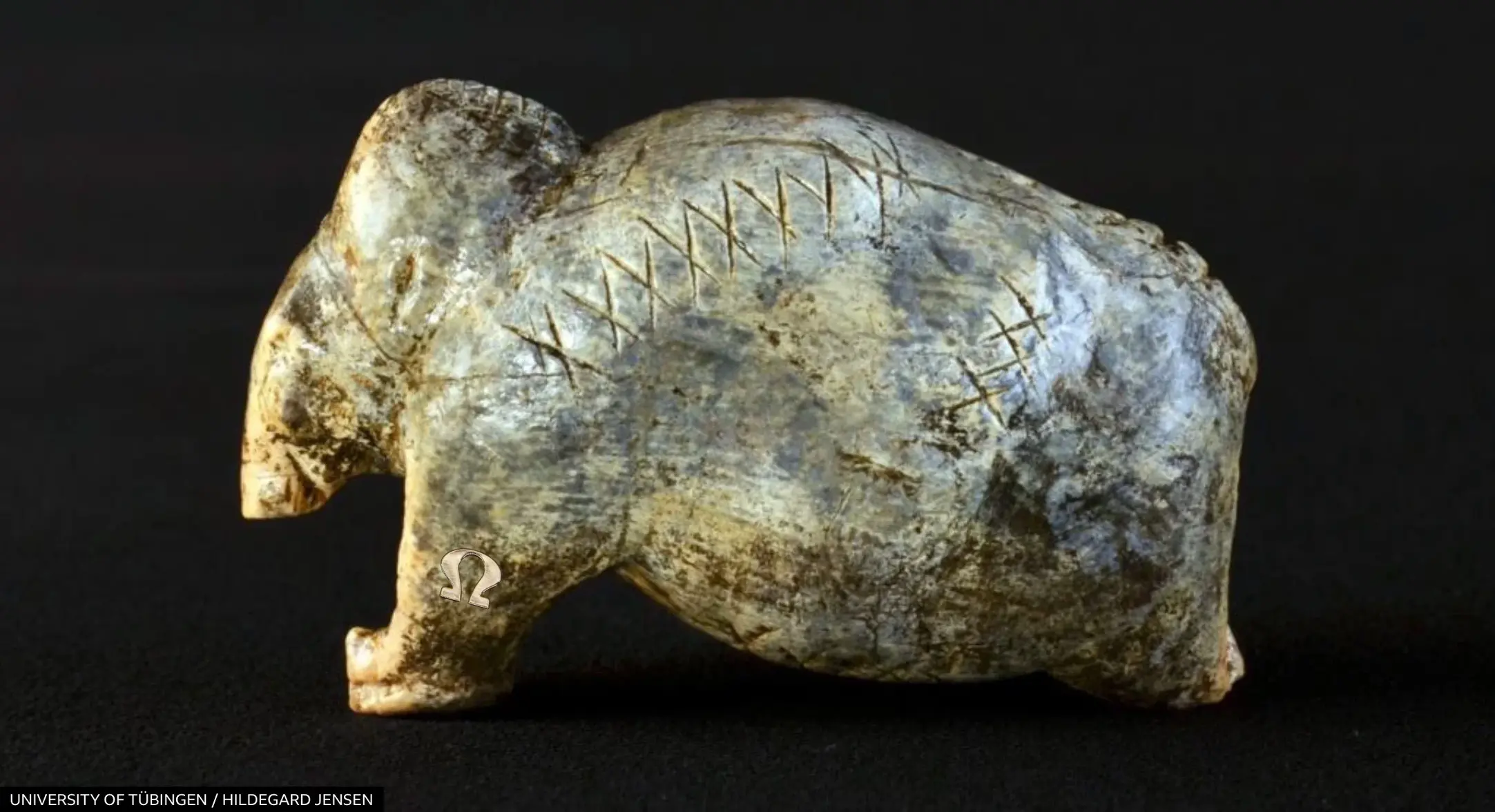
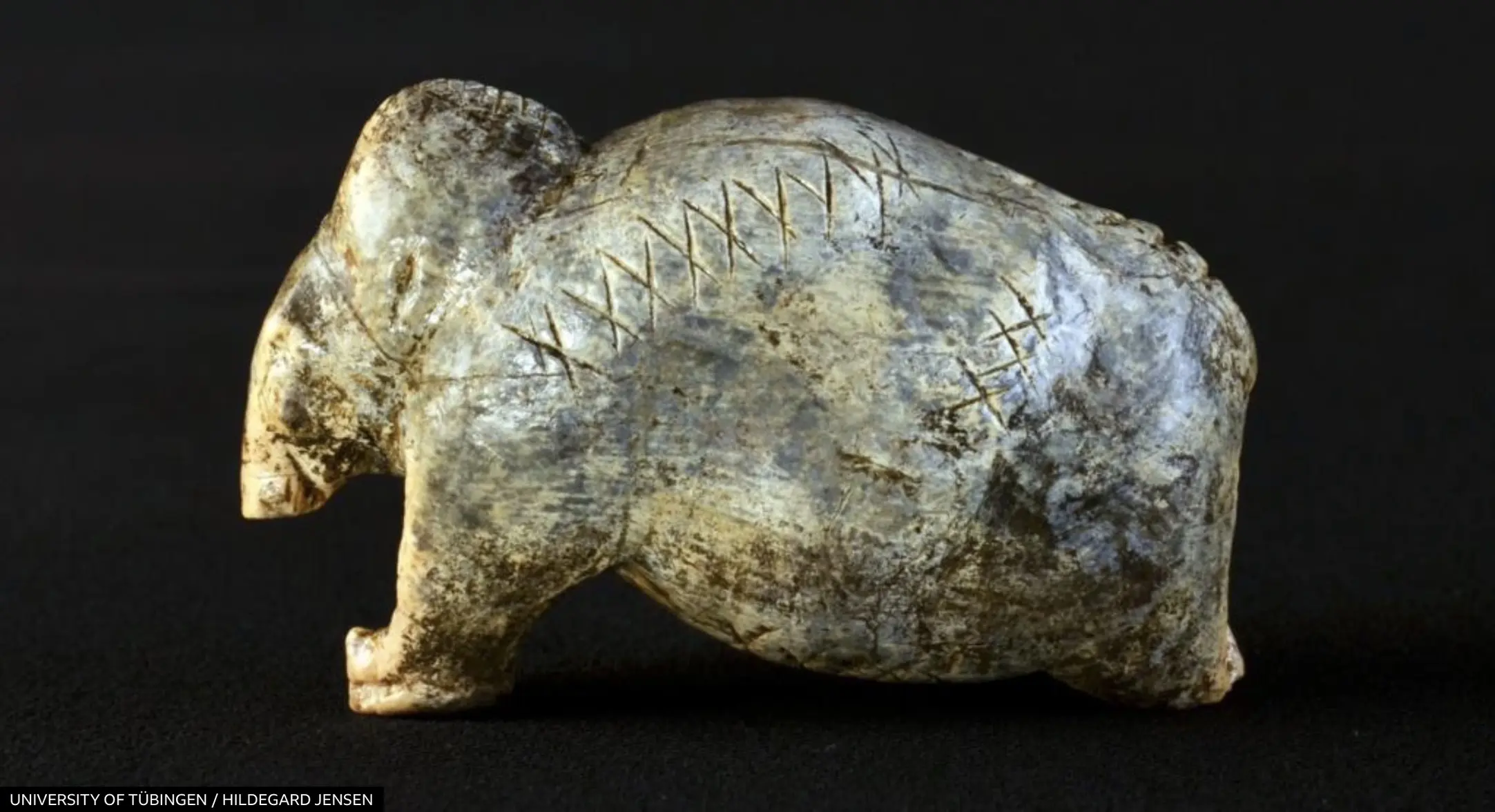
The researchers, after using these three series of cuneiform and several modern languages as their control group, ran these and the Aurignacian symbols through their algorithm. The researchers found that the Aurignacian symbols and Uruk V had similar rates for both repetition and entropy. This leads them to believe that the Aurignacian symbols were communicating similar information to what is found in Uruk V proto-cunieform.