- Posts
- 617
- Likes
- 2,986
Rudi99
·Hi everyone. It is yet another cold gray day in Germany and whilst I eagerly wait for my beloved Seamaster 2846 come fresh out of service on Tuesday, and also for a purchased book to arrive so I can further learn about Omega production (A Journey through Time) I was seeing some fotos and wanted to expand my knowledge on vintage matters.
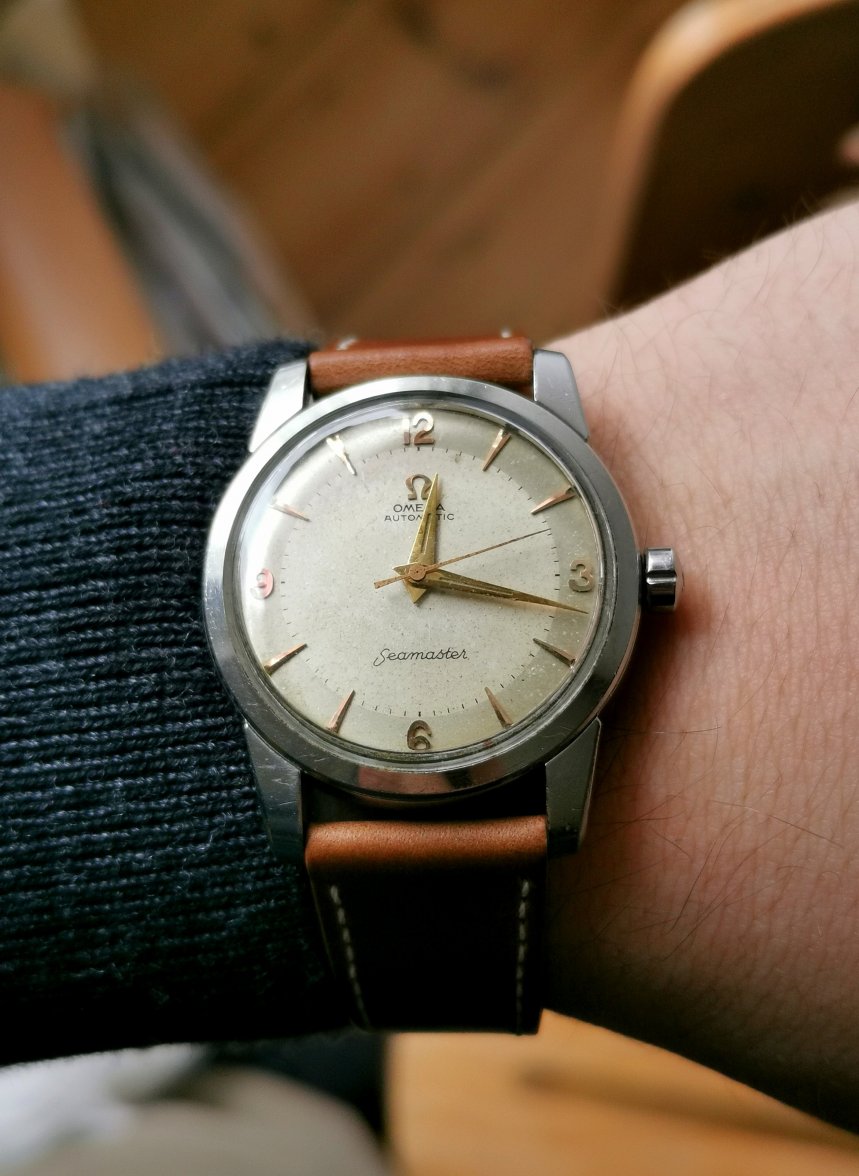
One thing I started to realise was that the gold tone colour of the hands of a determined watch not always match the tone of the indices 100%.
Sometimes the difference is little. Some other times it looks almost as if either the hands are yellow gold and the indices rose gold and vice-versa.
I was wondering if that is because the hands were eventually replaced or if the aging of the gold can vary depending on climate or if in the 40s, 50s and 60s Omega sometimes just would assemble a watch with what they had on that period, and it might have been that the hands and the indices didn't have the exact same copper content or shade of gold and that was still fine and within the quality standard at that time.
I will post some shots of general watches where I have seen this. Some are from here, some are not.
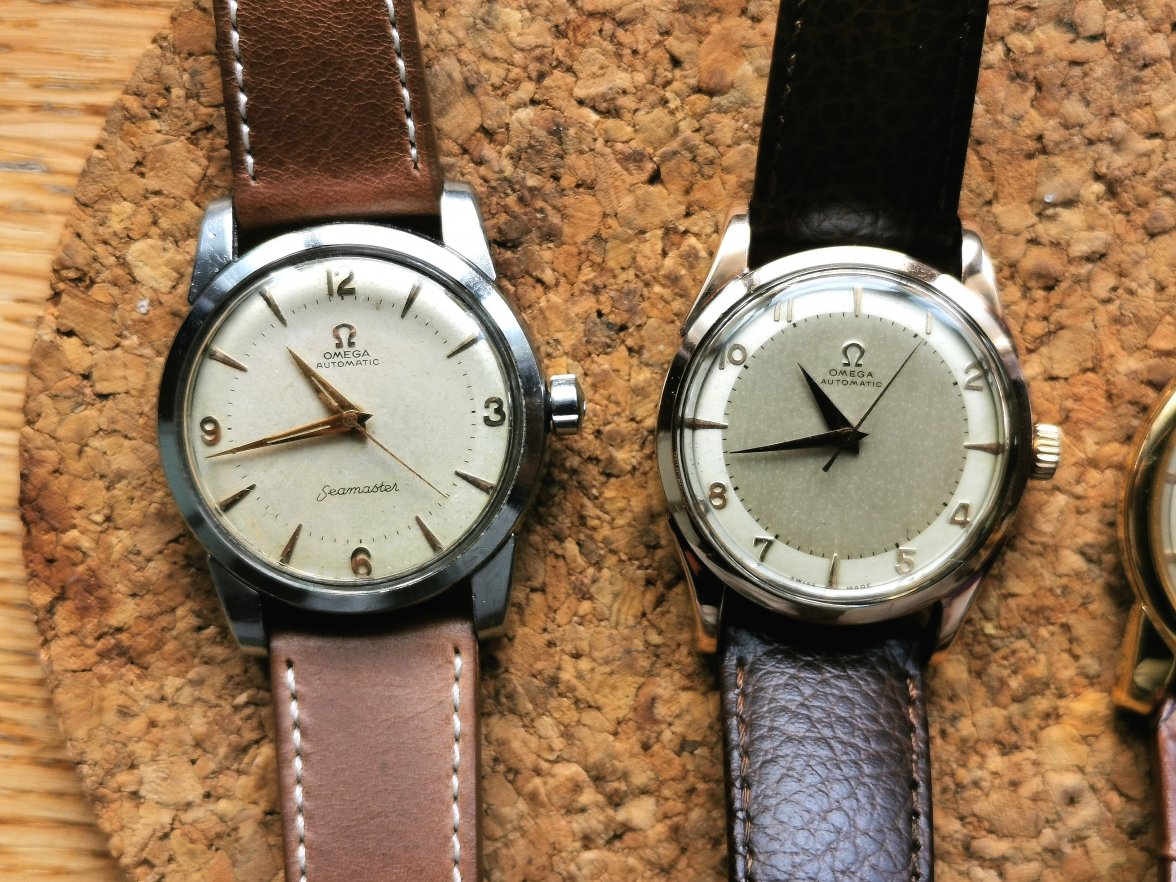
In some cases, the length of the hands also surpasses the "inner" dial of some two-tone dials or of those with a minute track that is not near the tension ring of the watch. I read here in the past that both are correct.
I was wondering what do the most experienced have to say about it and just in general if that bothers you or not (colour and length) 😀
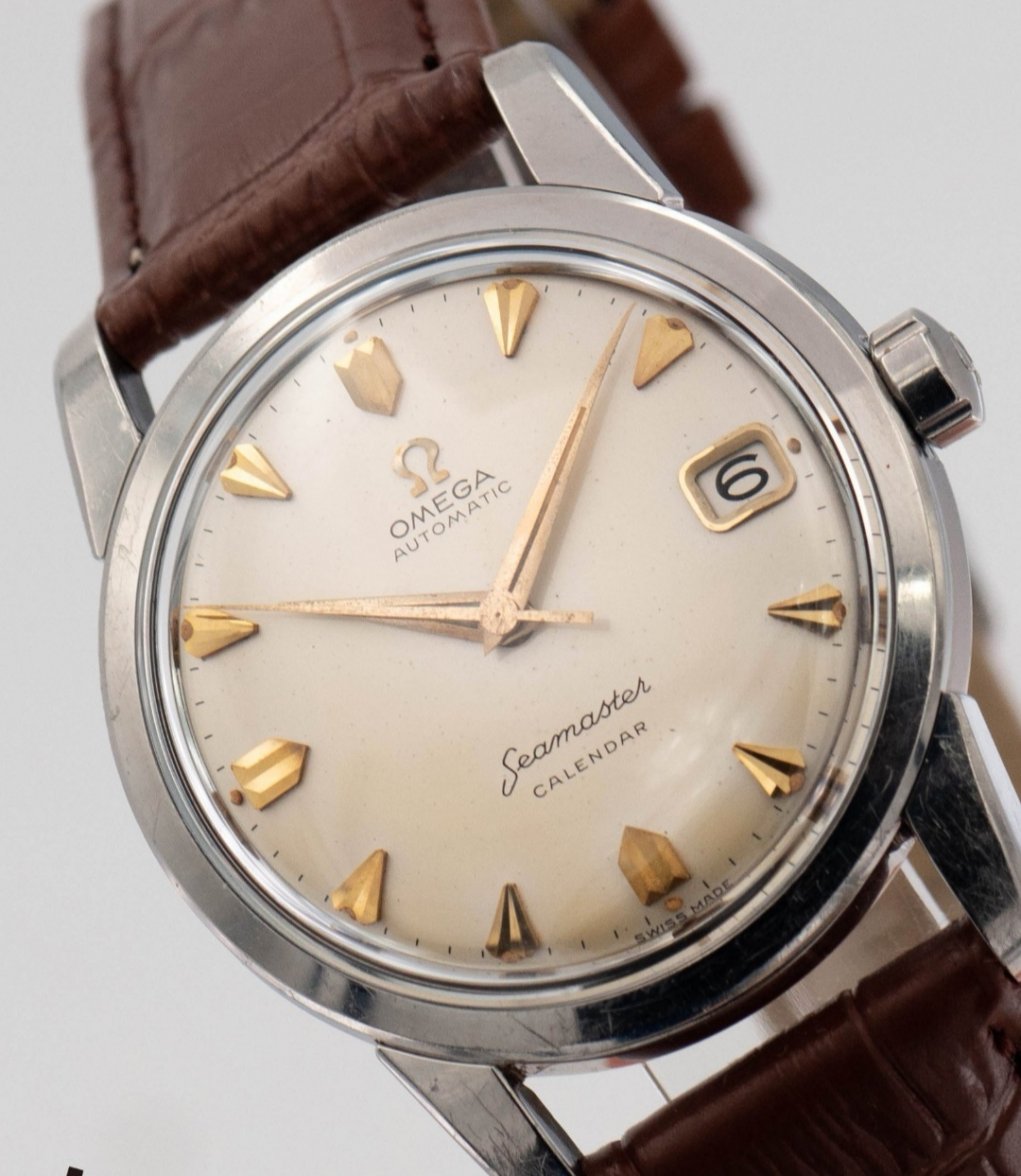
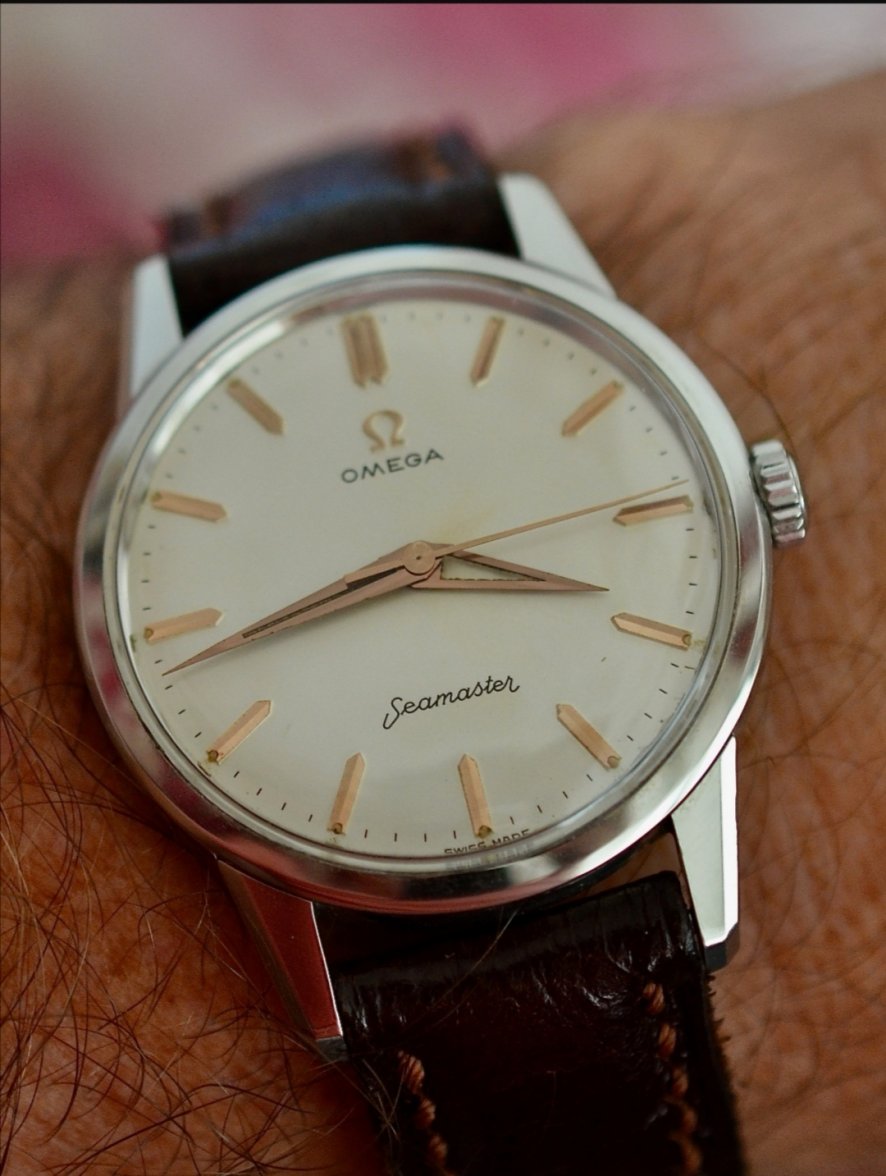
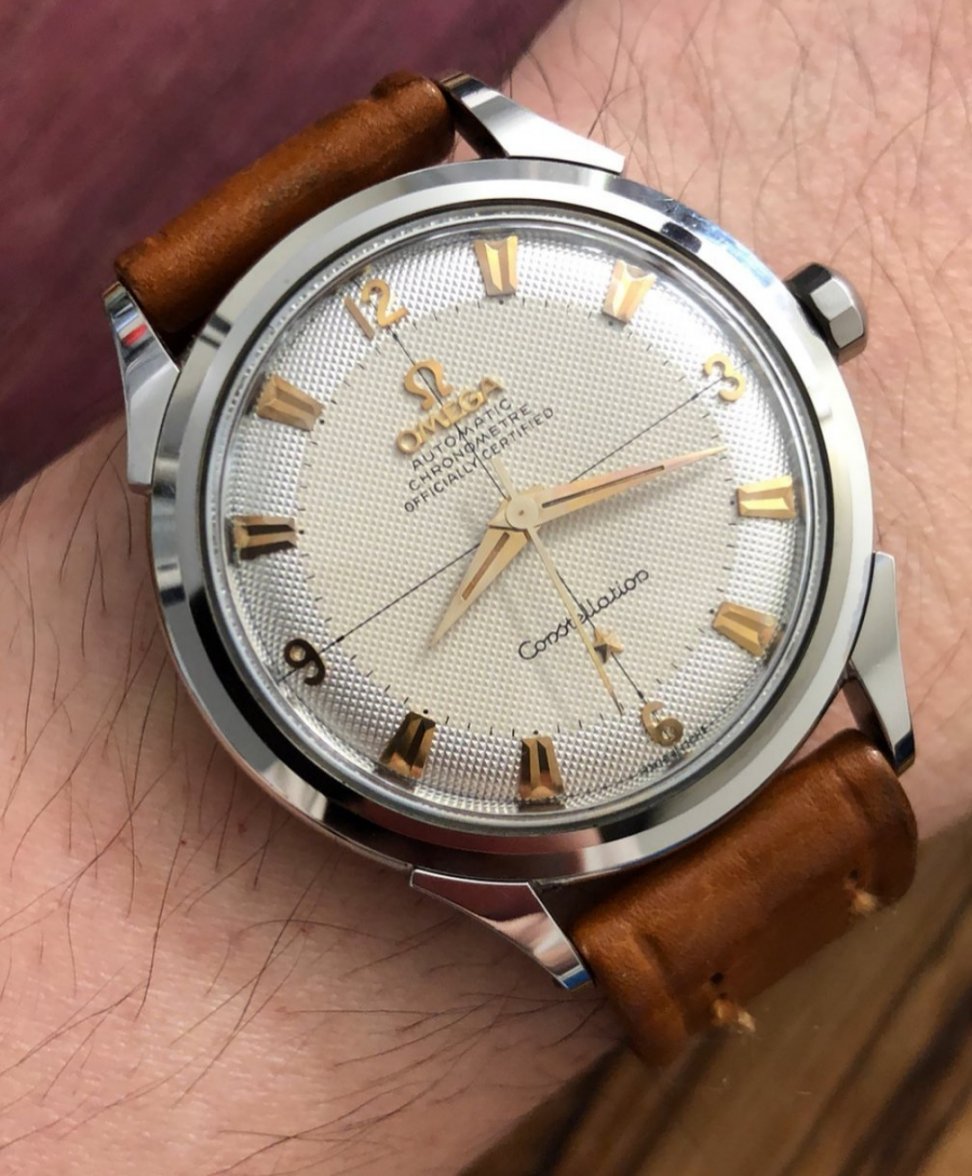
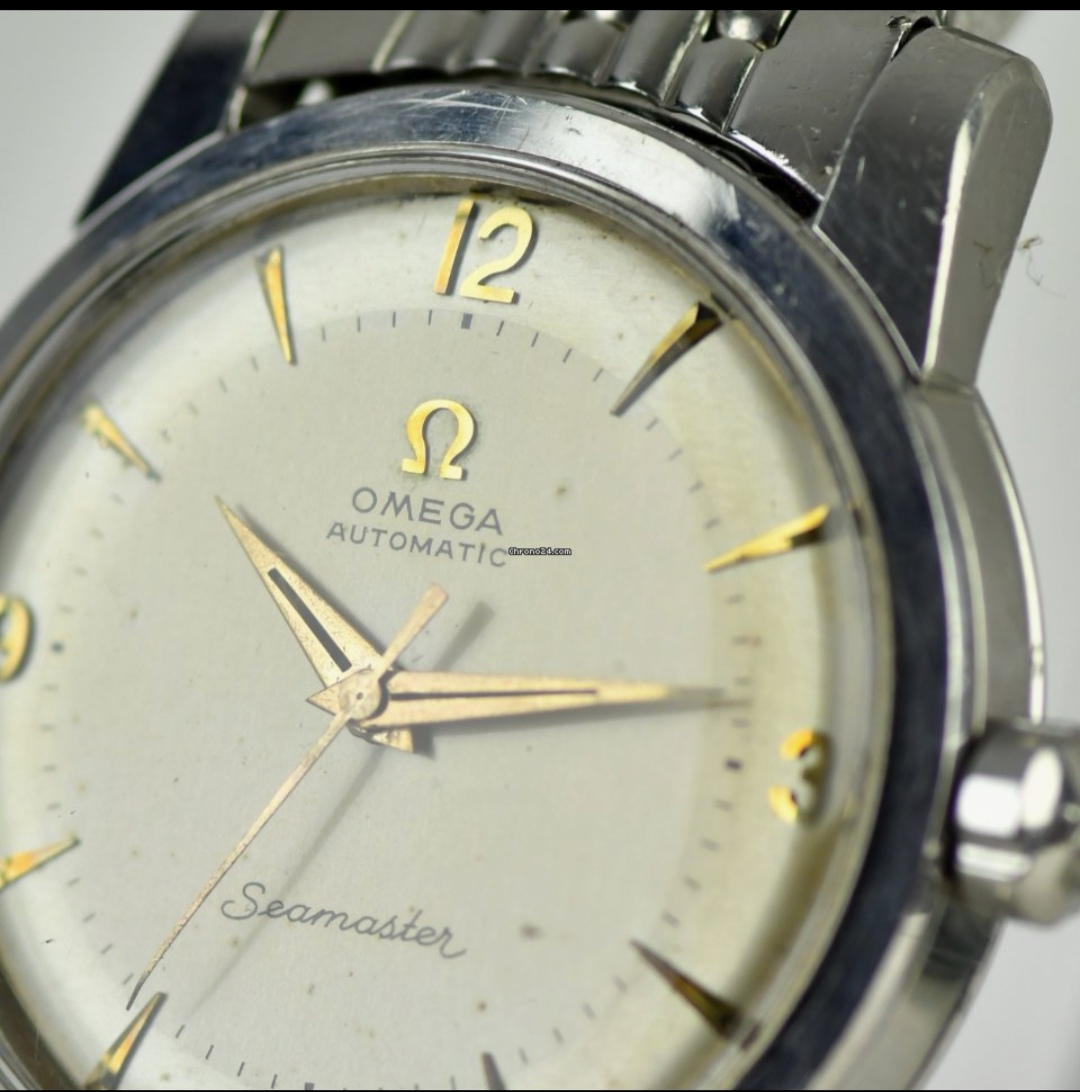
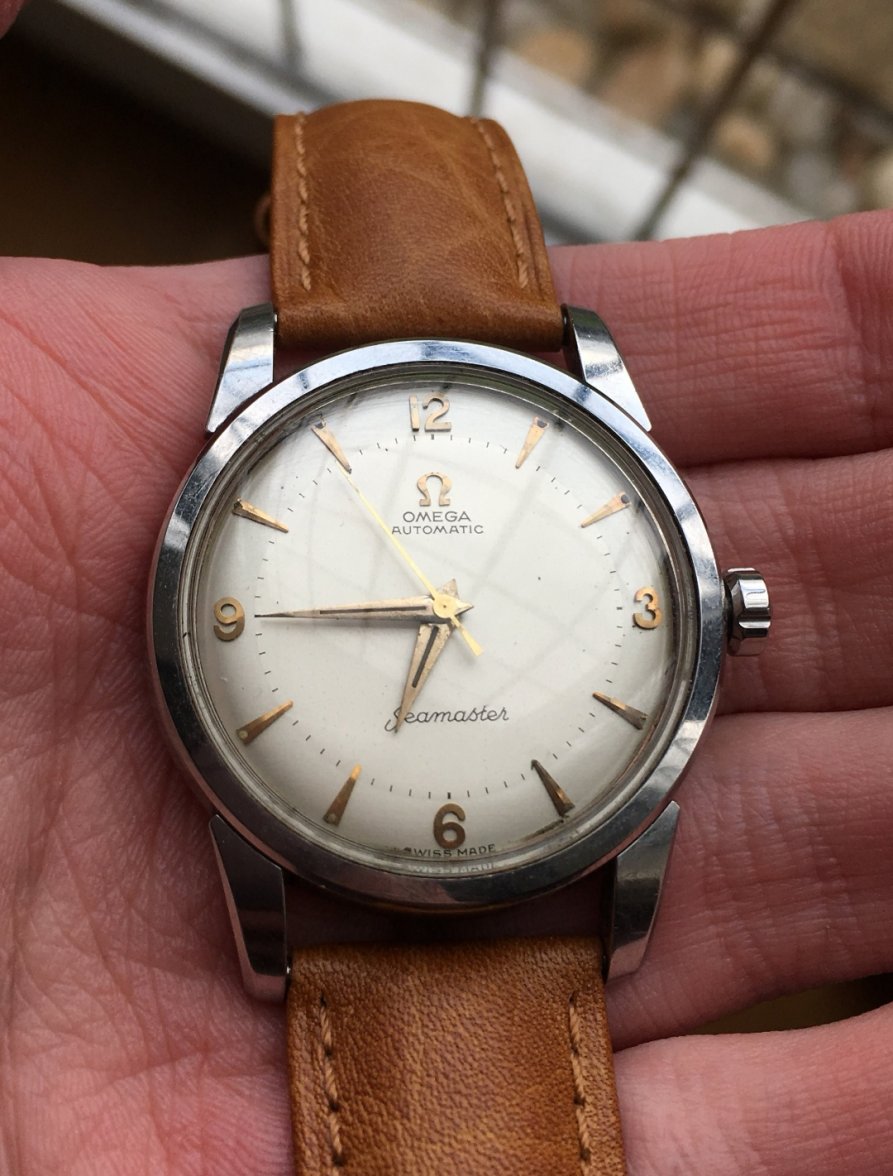
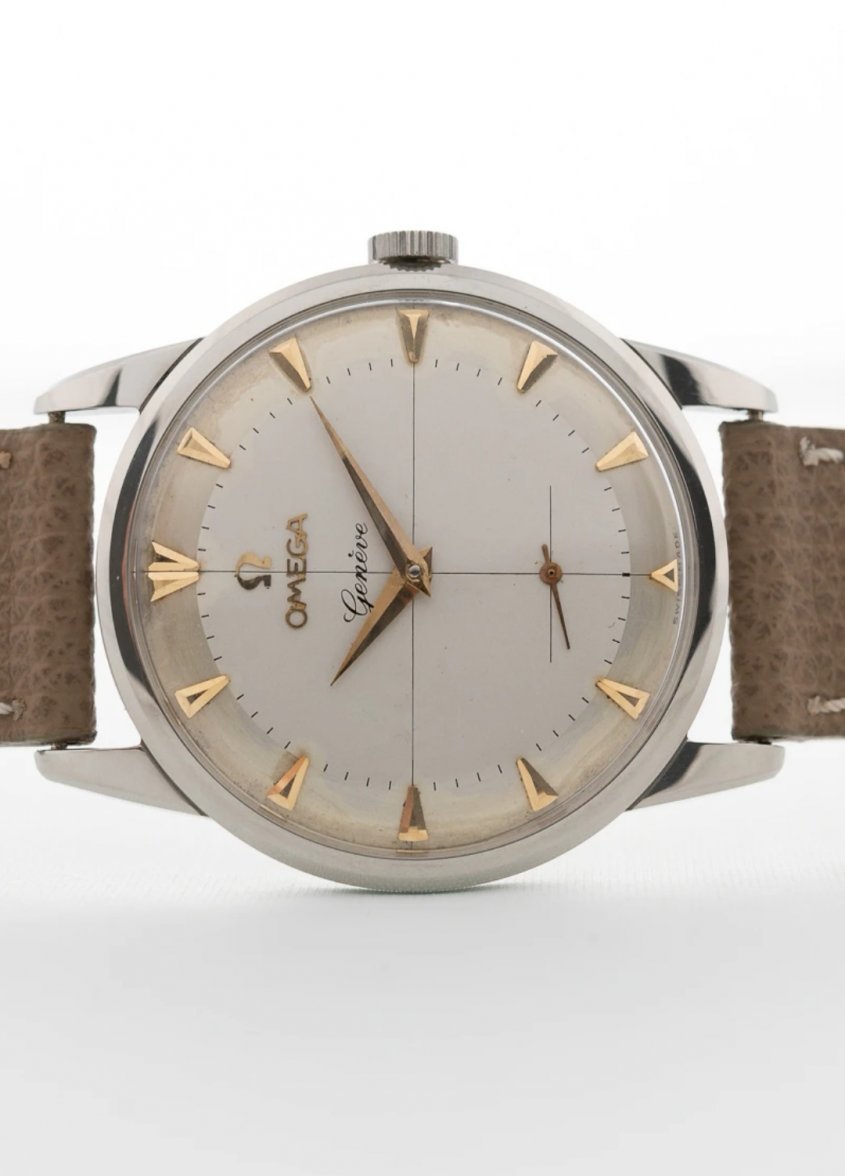
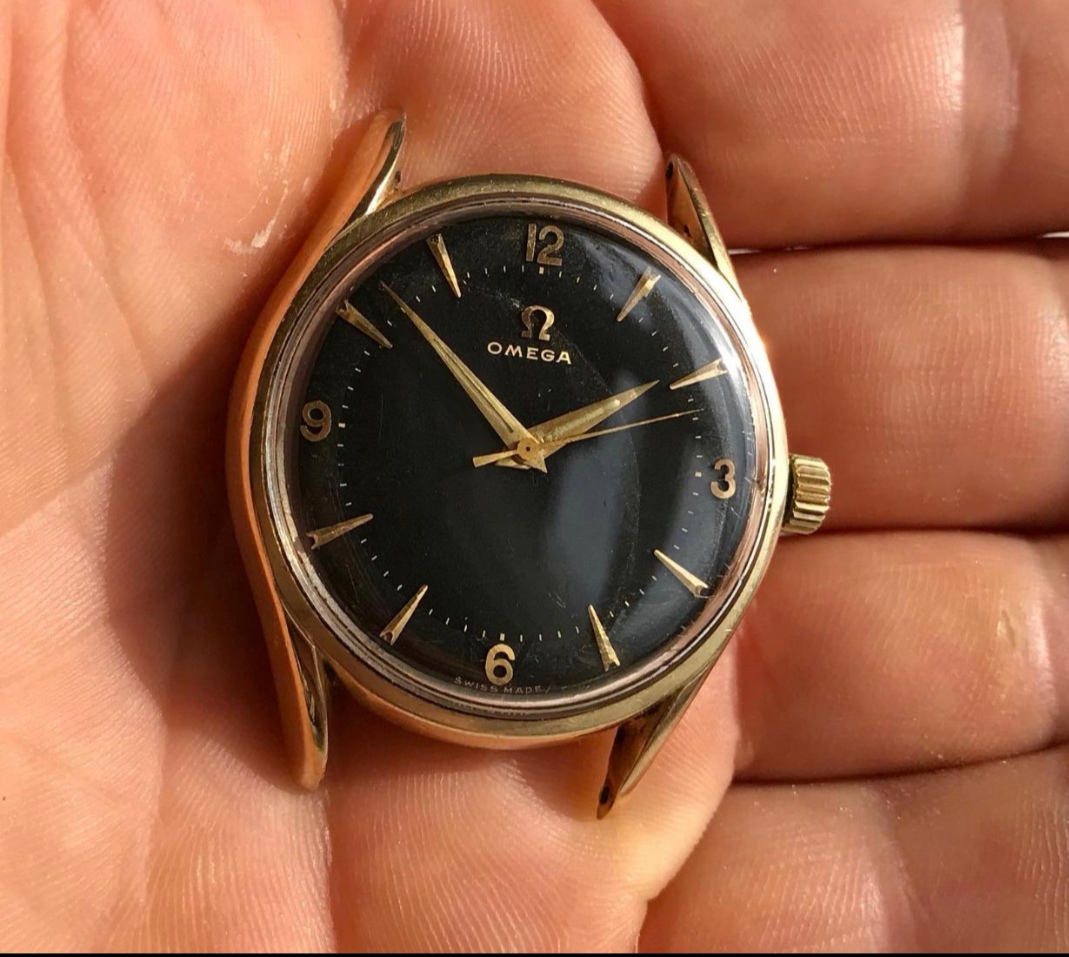
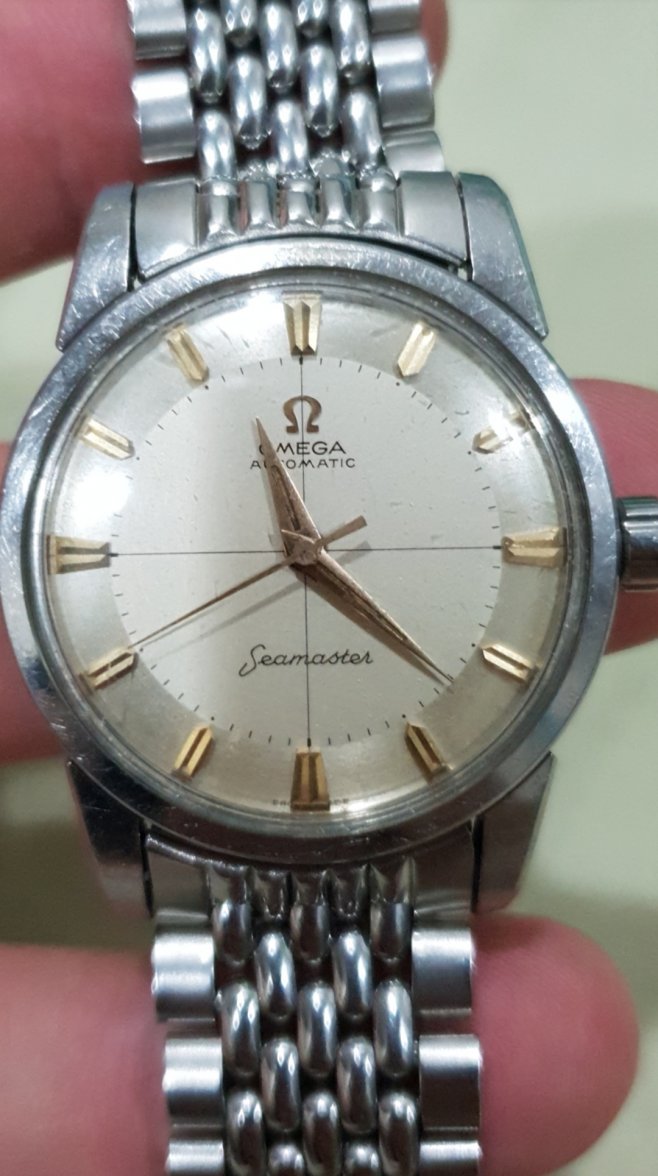
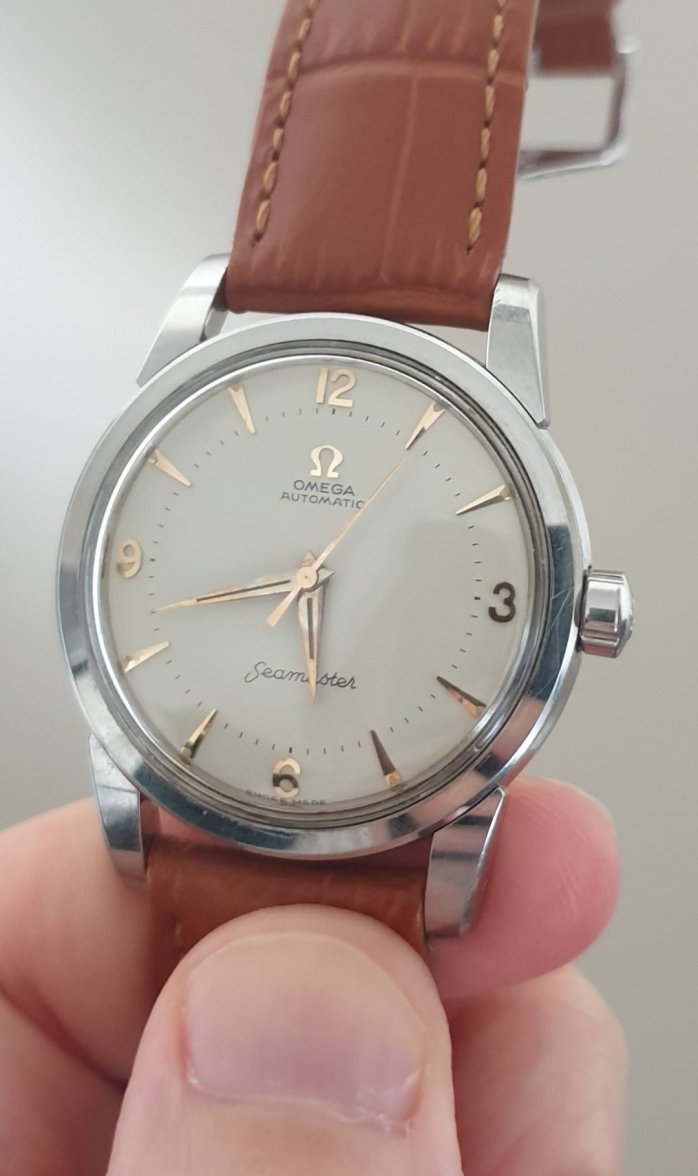
Here two examples with my own 2846 and another one from another member with hands of different colour and length. The difference in colour on mine is most of the time not visible. I picked up two fotos where the difference is really there to be seen and two where it is not. Last foto is of a 2846 another member's.
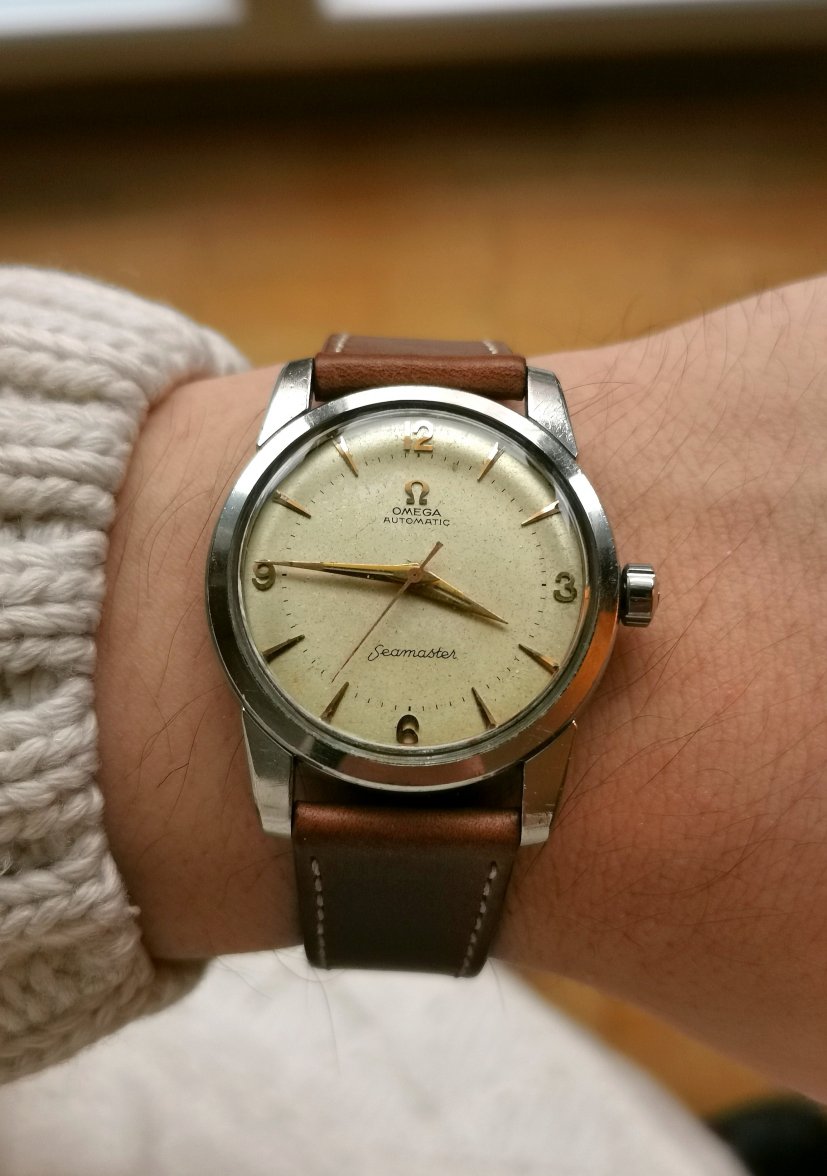
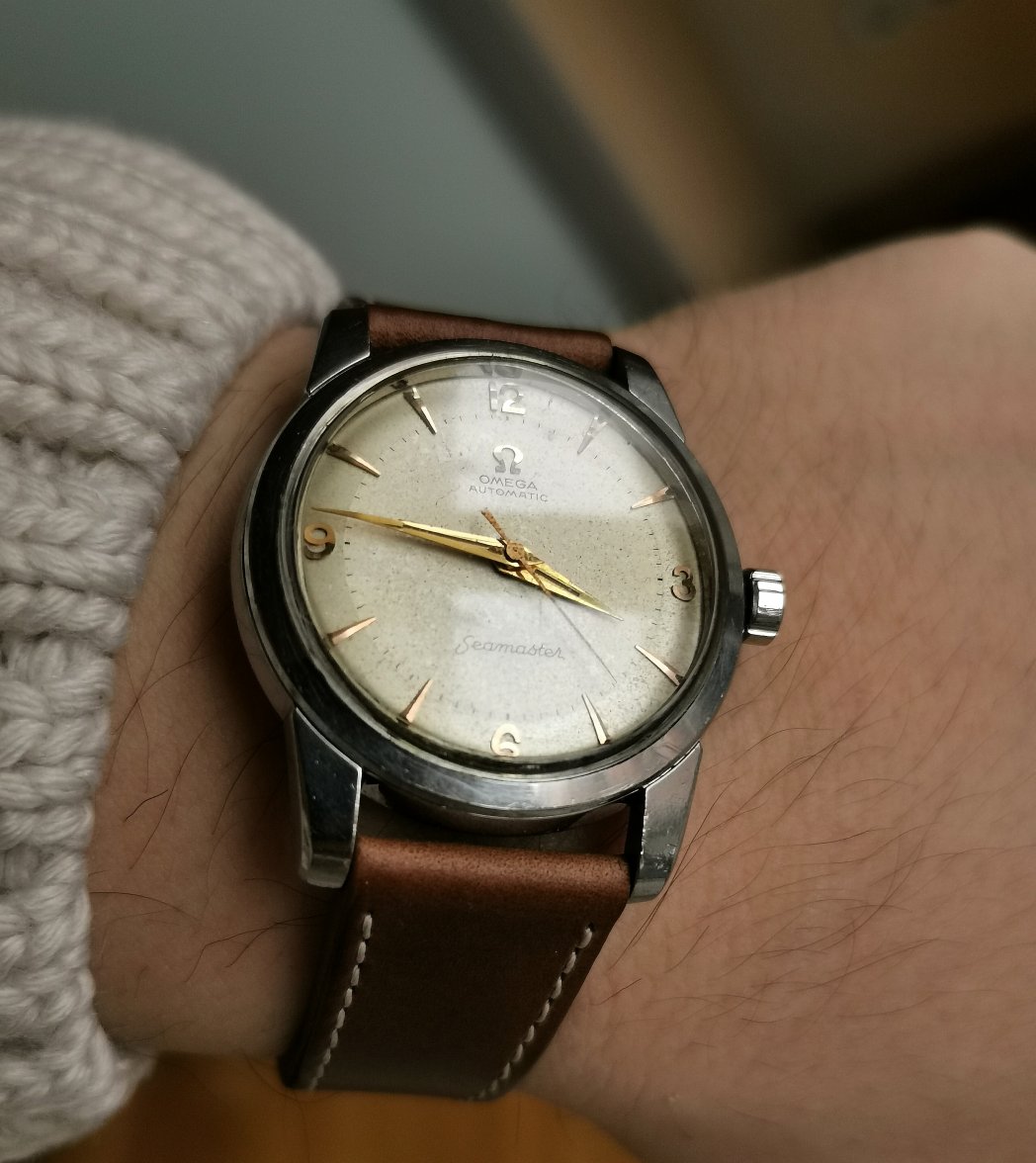
Be safe out there and best wishes,
Rudi
One thing I started to realise was that the gold tone colour of the hands of a determined watch not always match the tone of the indices 100%.
Sometimes the difference is little. Some other times it looks almost as if either the hands are yellow gold and the indices rose gold and vice-versa.
I was wondering if that is because the hands were eventually replaced or if the aging of the gold can vary depending on climate or if in the 40s, 50s and 60s Omega sometimes just would assemble a watch with what they had on that period, and it might have been that the hands and the indices didn't have the exact same copper content or shade of gold and that was still fine and within the quality standard at that time.
I will post some shots of general watches where I have seen this. Some are from here, some are not.
In some cases, the length of the hands also surpasses the "inner" dial of some two-tone dials or of those with a minute track that is not near the tension ring of the watch. I read here in the past that both are correct.
I was wondering what do the most experienced have to say about it and just in general if that bothers you or not (colour and length) 😀
Here two examples with my own 2846 and another one from another member with hands of different colour and length. The difference in colour on mine is most of the time not visible. I picked up two fotos where the difference is really there to be seen and two where it is not. Last foto is of a 2846 another member's.
Be safe out there and best wishes,
Rudi