Calling all Pocket Watch Buffs

Posts
15,472
Likes
45,797
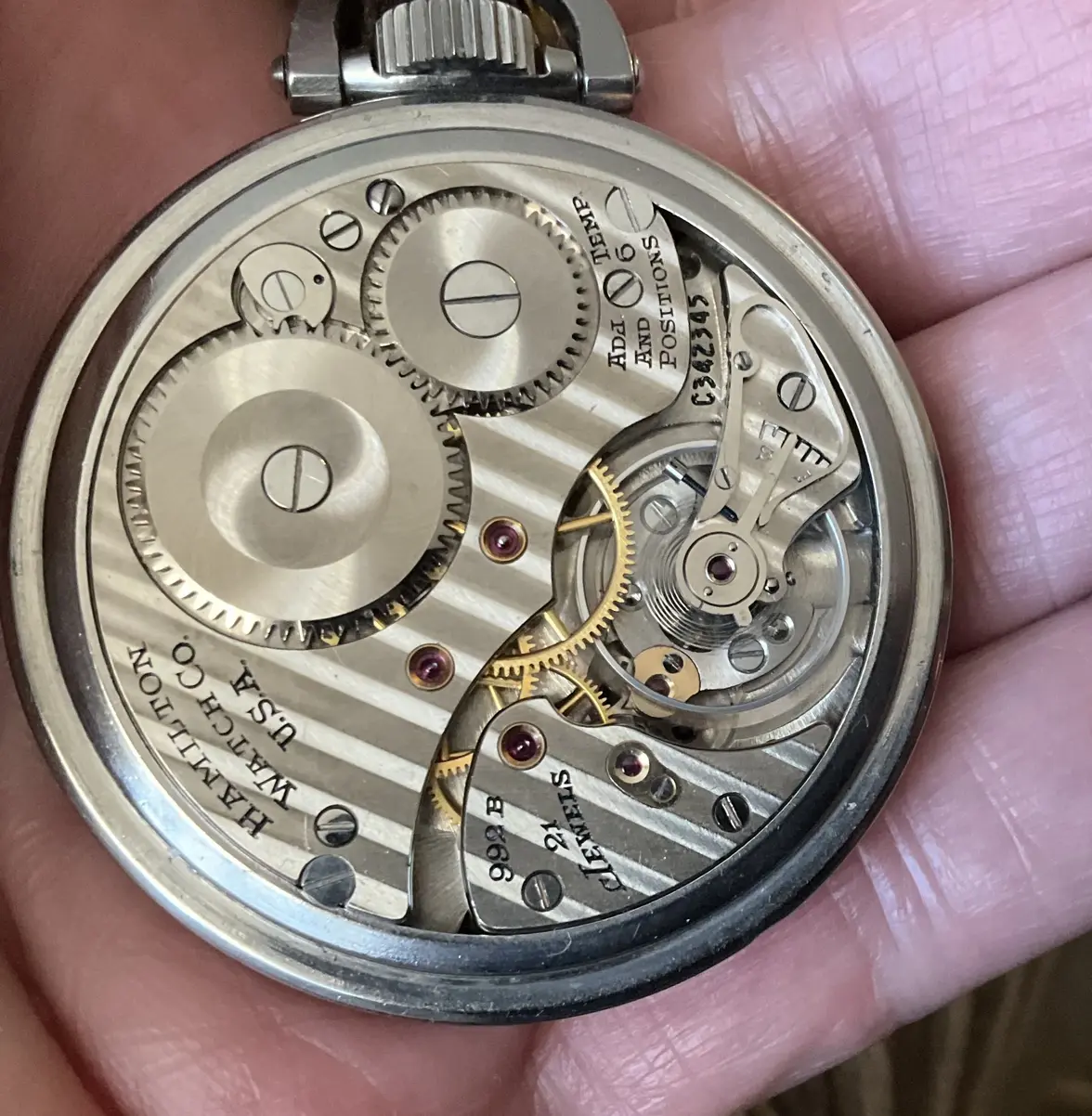
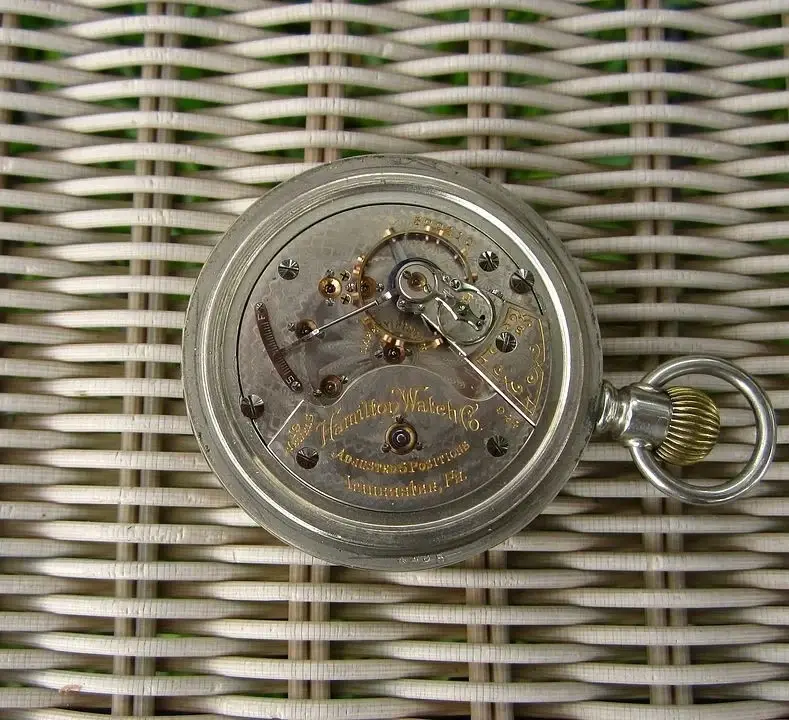
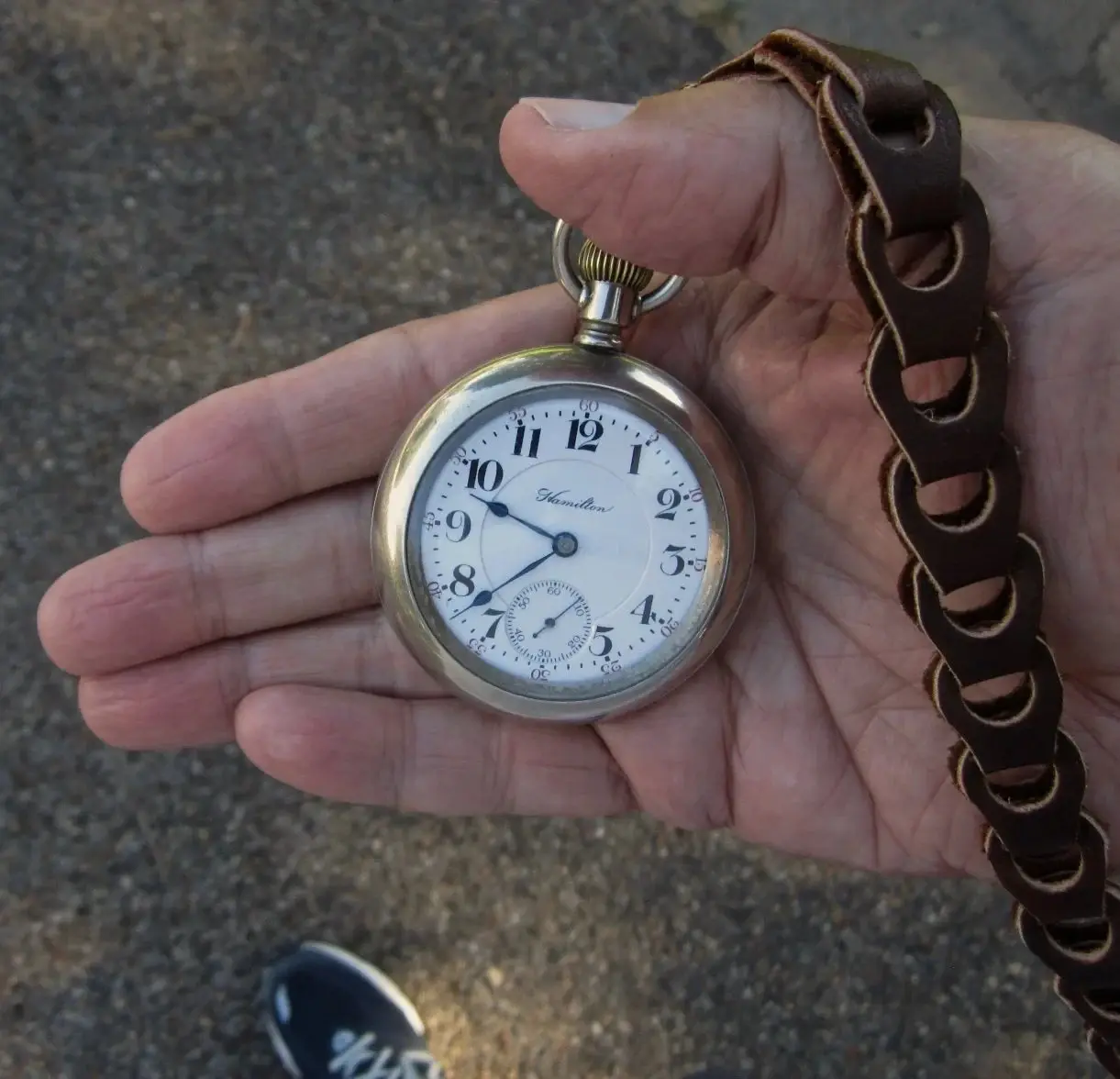
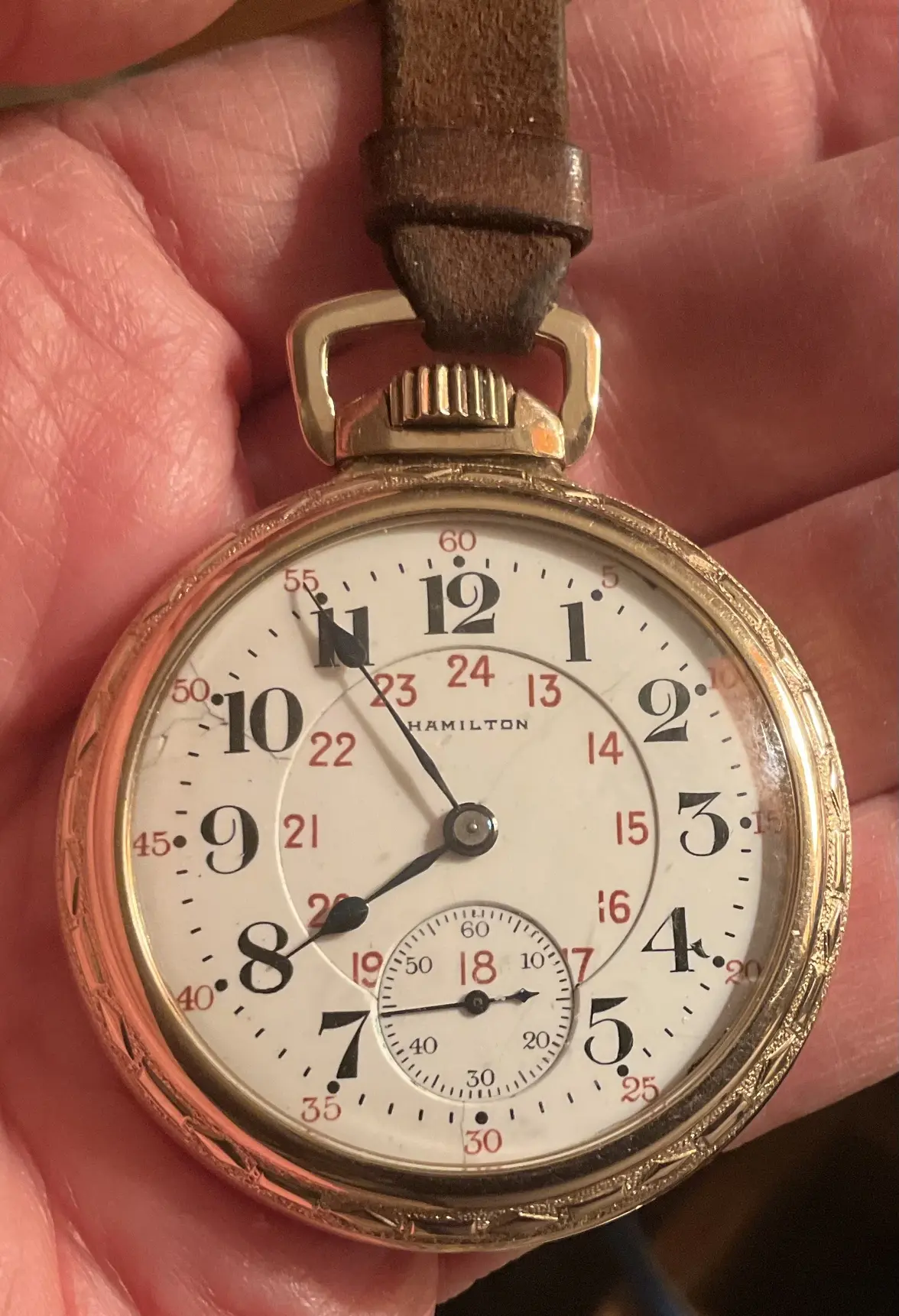
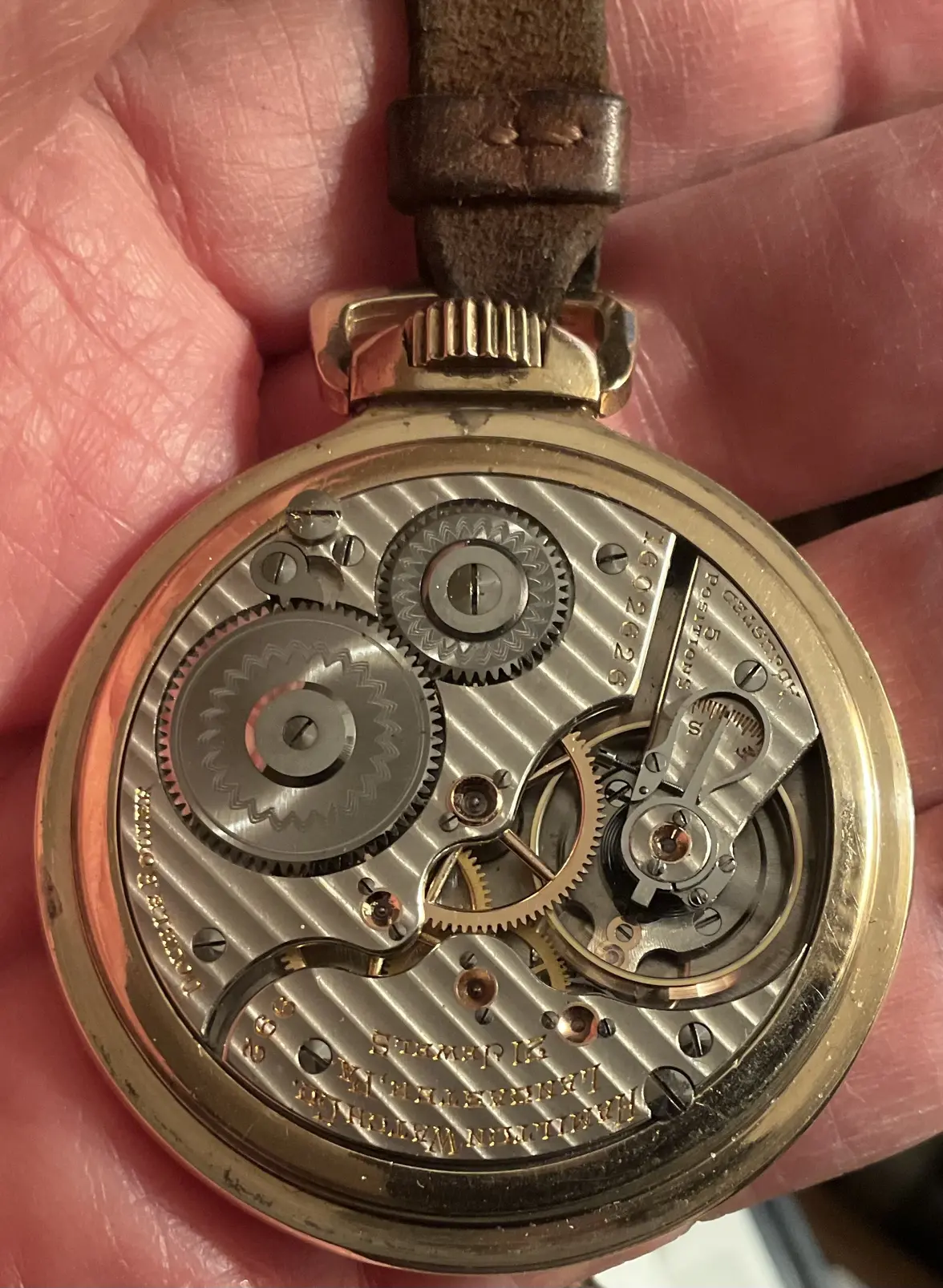
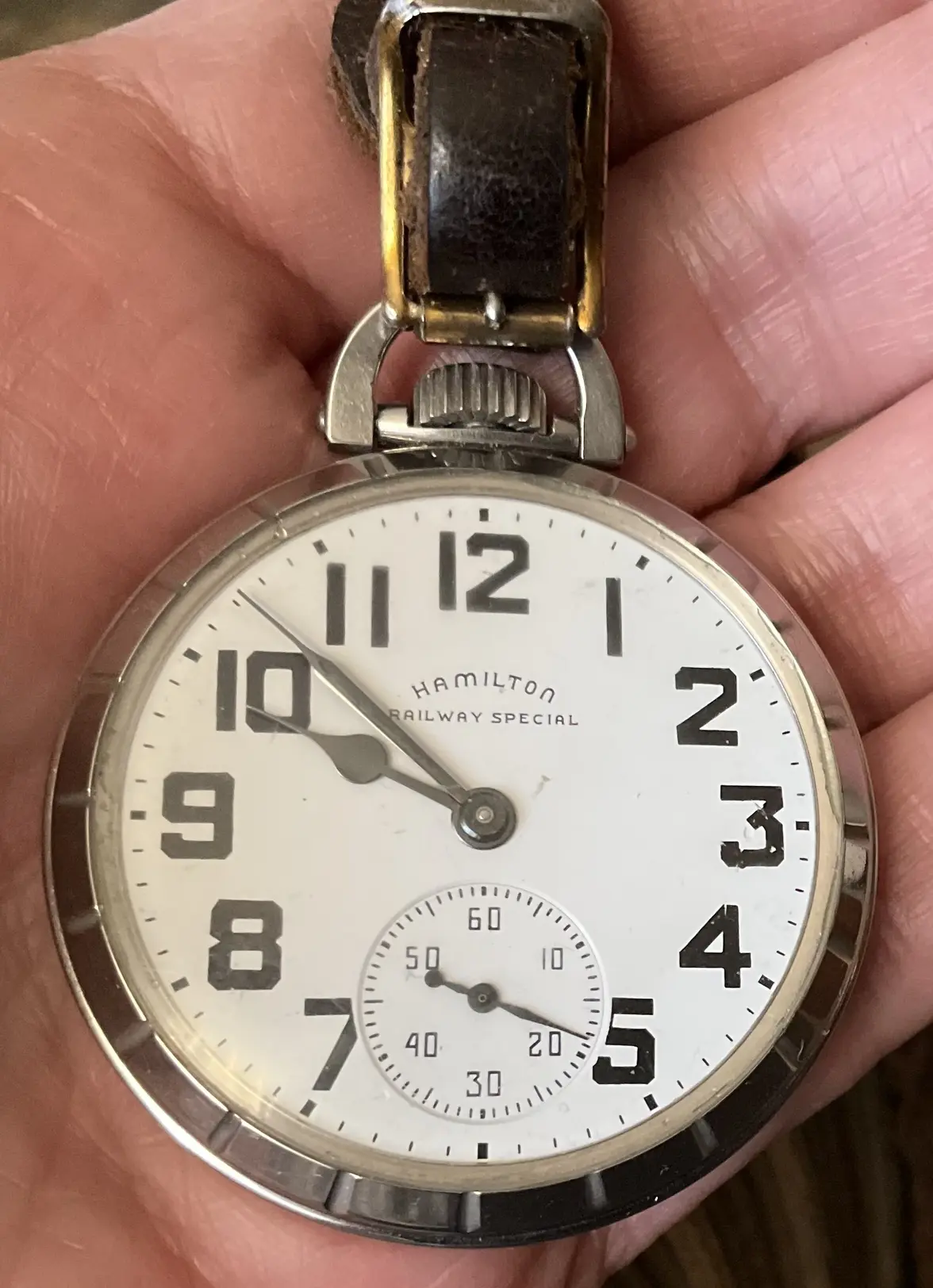
This one (Hamilton 992B) is presently running - 1 second per day. This is following a lengthy tuning session five days ago. Well within railroad standards. Good for an approximately 80 year old watch.
 
Posts
3,949
Likes
11,022
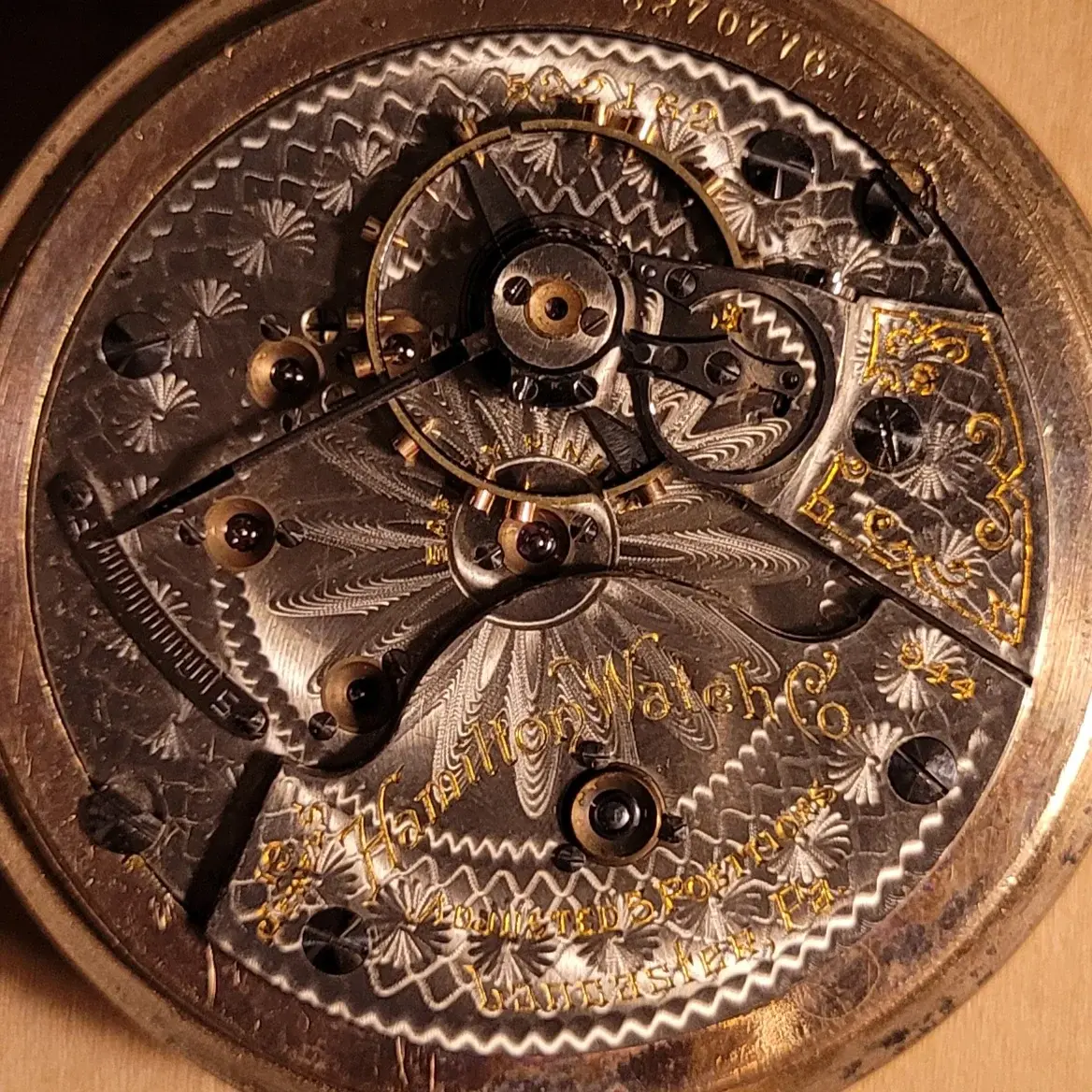
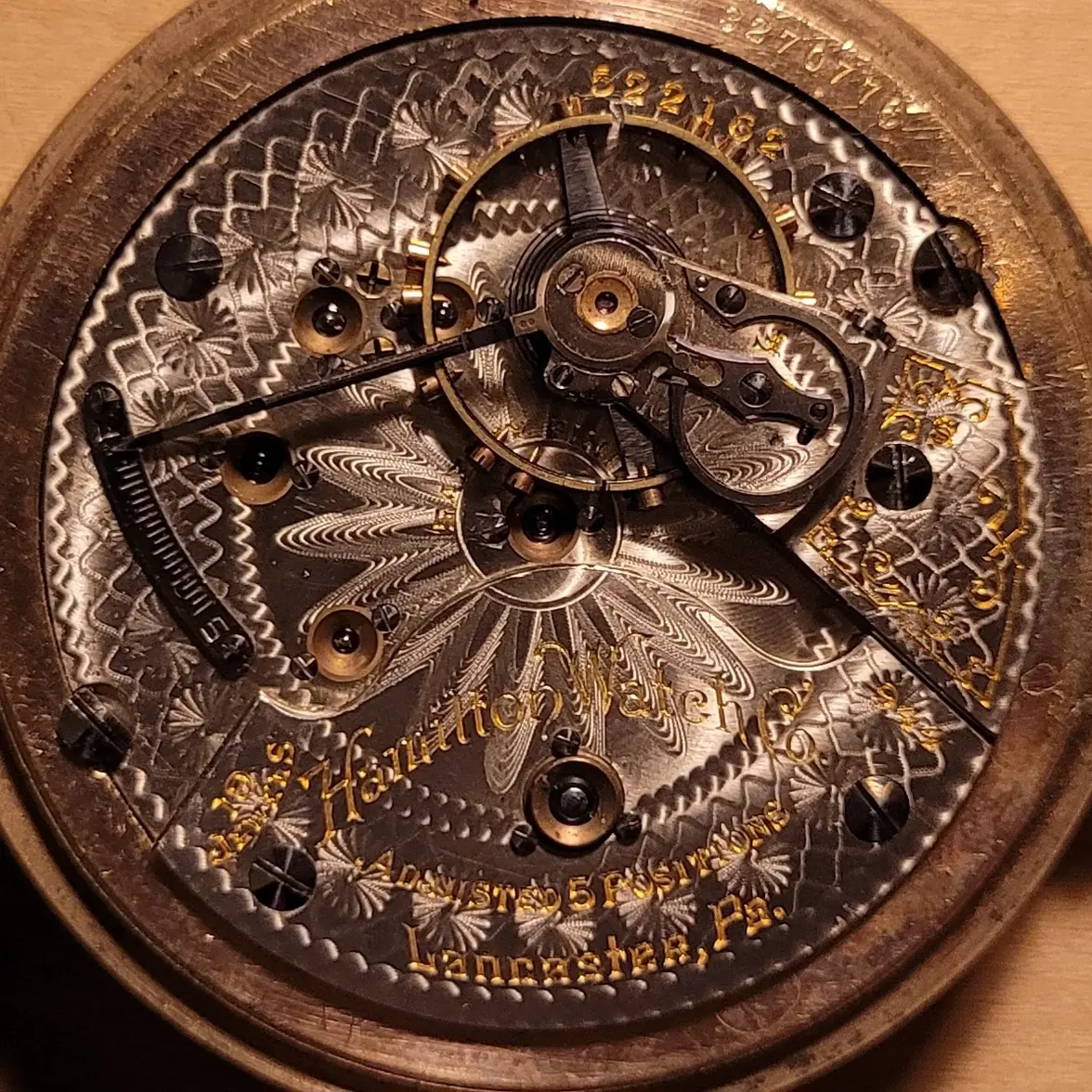
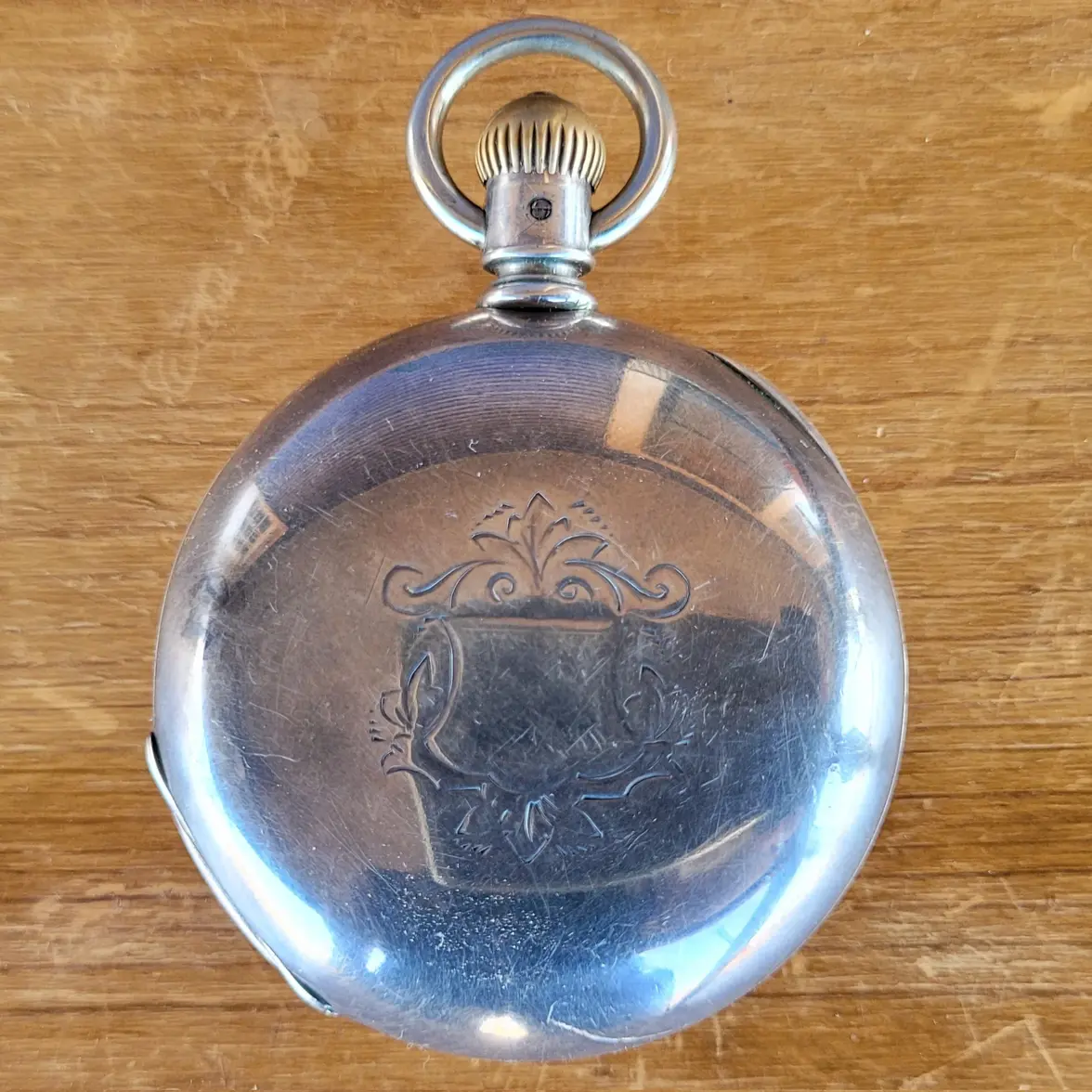
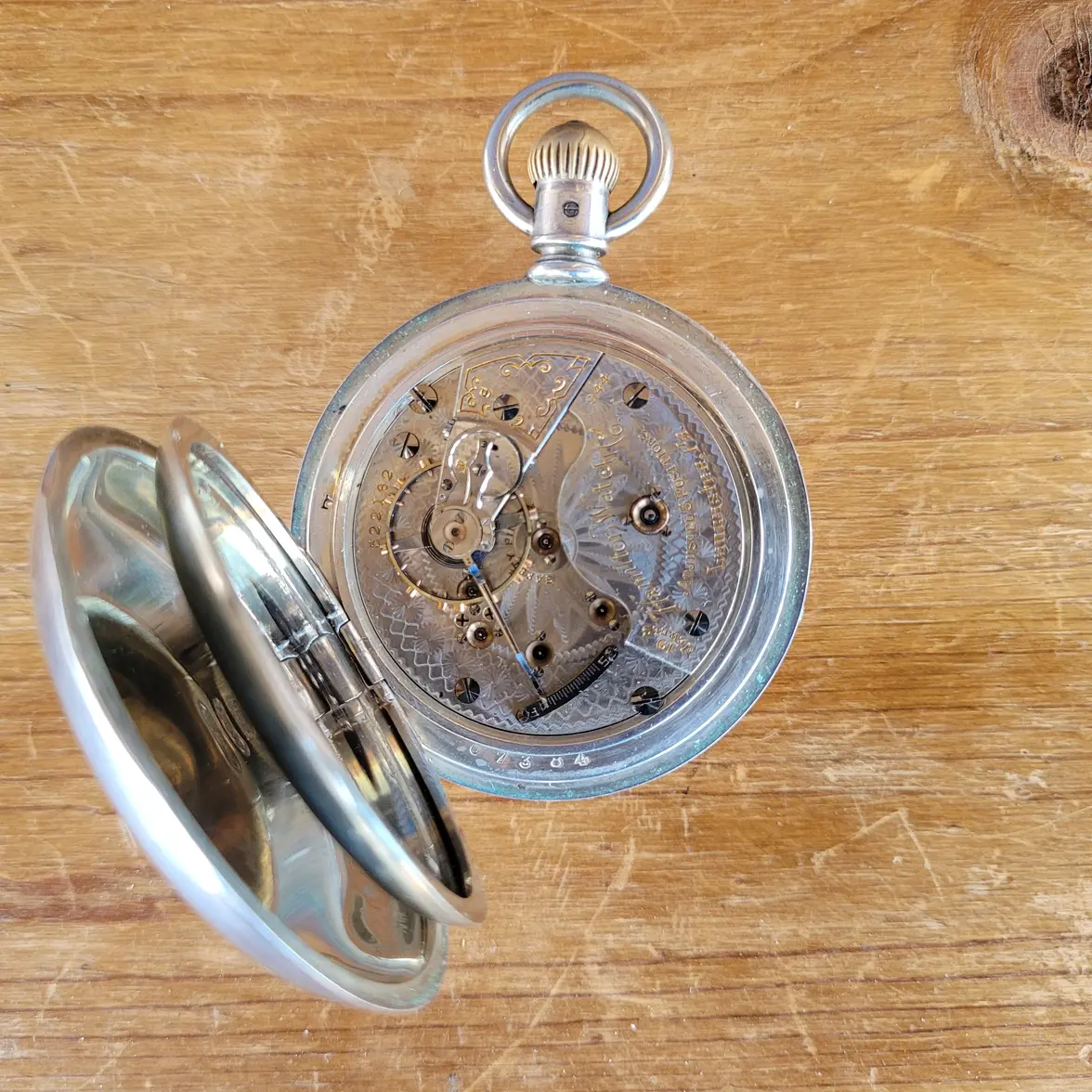
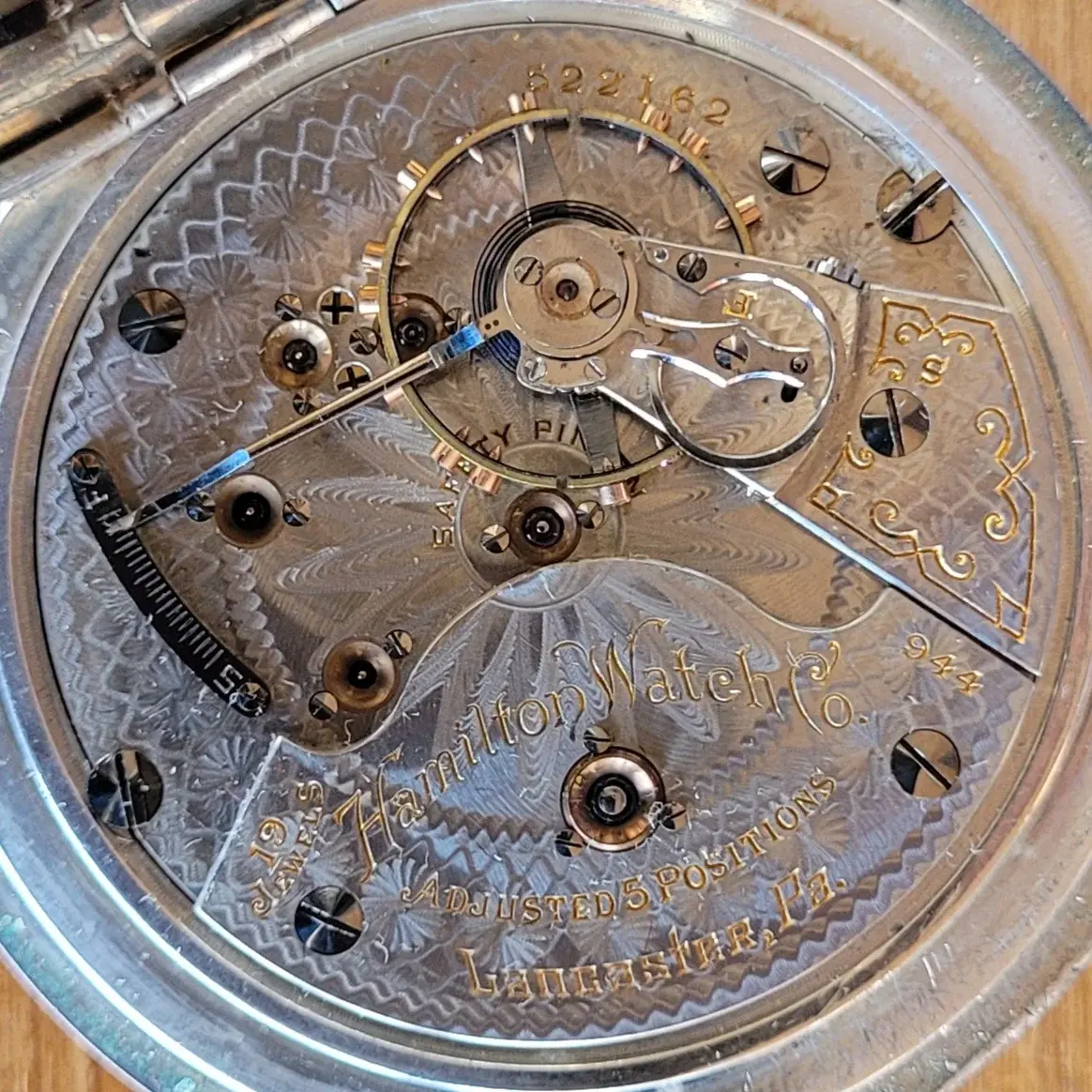
My streak of Ebay wins has come to an end. Emboldened by three excellent watches in November and December I bought a Hamilton 944. It arrived over the weekend, and instead of being "over wound" as the seller claimed, it has a broken staff. No problem, a new staff is on its way from Ebay and this one will go into my project pile for now.

It has a heavily brassed case, but an absolutely beautiful dial. It'll be one handsome watch when it's up and running.

 
Posts
15,472
Likes
45,797
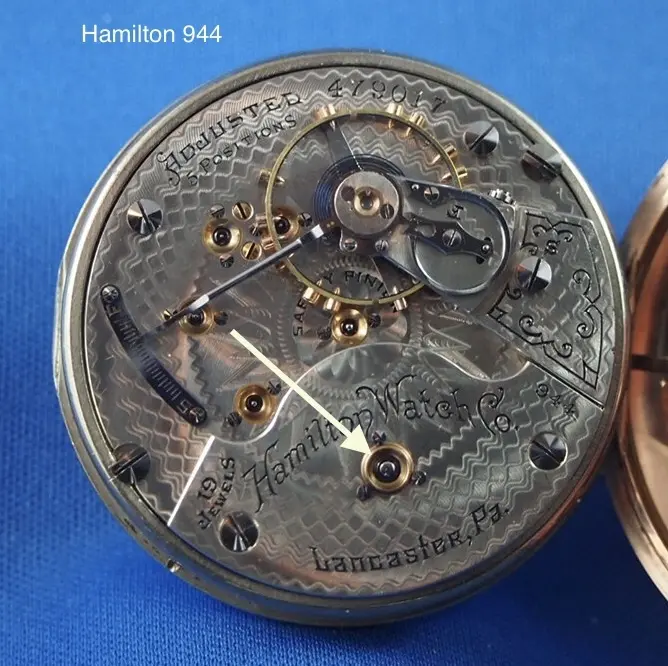
I too have a Hamilton grade 944. Rarer than the venerable Hamilton grade 940.

https://pocketwatchdatabase.com/search/result/hamilton/522182

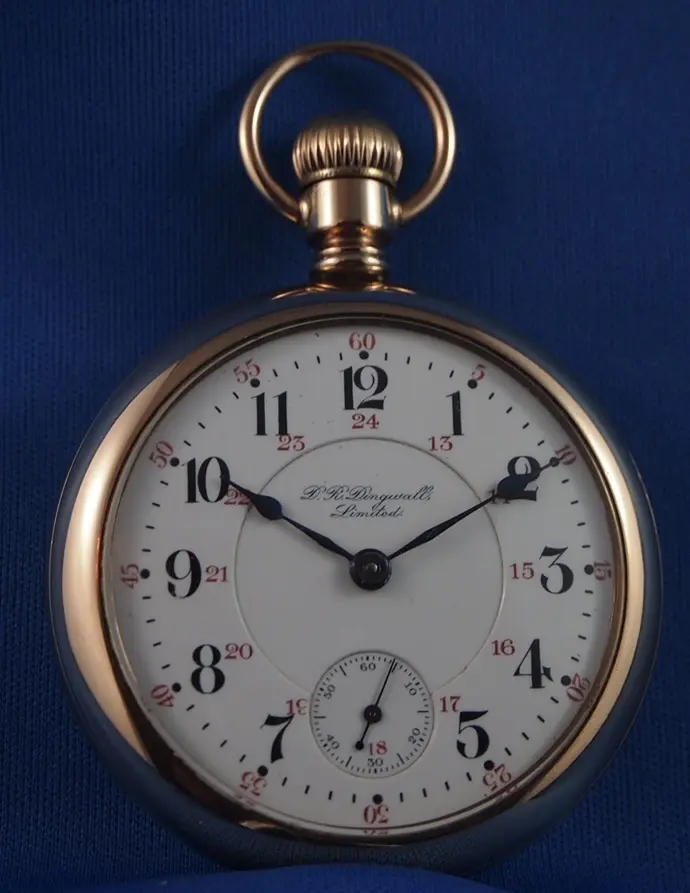
I particularly like the jewelled mainspring barrel arbor with the top jewel barrel arbor set into the barrel bridge. Mine is a private label for D R Dingwall, the jeweller and watch inspector in Winnipeg, Manitoba. The dial is marked D R Dingwall Limited, no location given. I bought the watch in Portland, Ore., about 40 years ago. It would take a Canadian to recognize the name on the dial, and to explore.
 
Posts
6,648
Likes
52,261
Why we can all be the 19-jewel brothers as we can provide the Forum with 944 photos!

A 1908 Hamilton 944 lives also lives here. I sought an example because I was intrigued with the fact that it is a little less common.
Edited:
 
Posts
3,949
Likes
11,022
We should make a 944 secret handshake. I was digging through parts today to see if I had a staff for a 944 sitting around, and I found a nice 4 oz coin silver case, so the old brassed case my new 944 was in has been replaced. I find this combination rather pleasing.
 
Posts
8,483
Likes
60,613
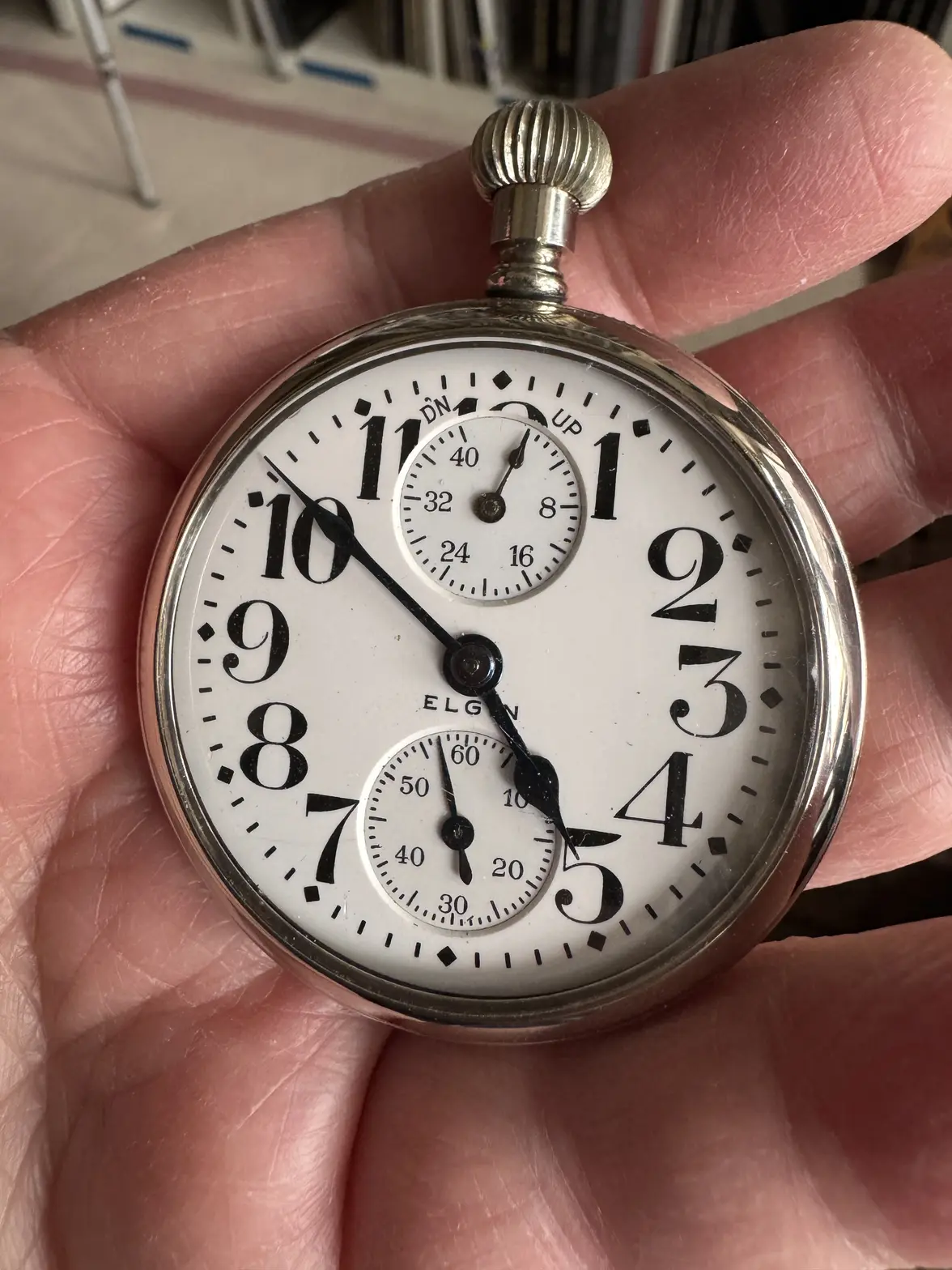
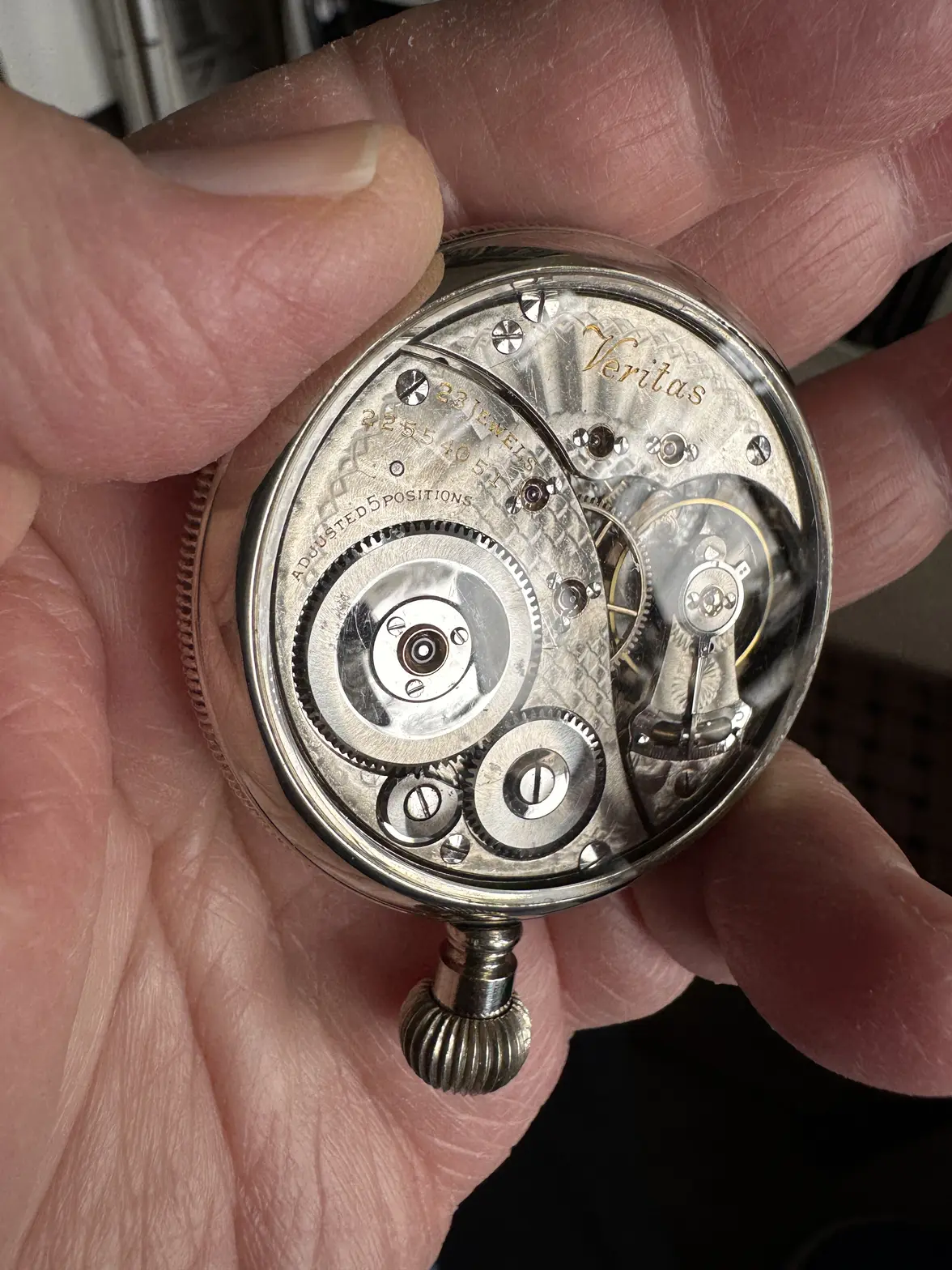
16s Elgin grade 453 circa 1920
RR grade 23j.
Wind Indicator ( appears to me it is blowing in from the N NE) cool feature when one cannot get outdoors.😀

 
Posts
15,472
Likes
45,797
https://pocketwatchdatabase.com/search/result/elgin/22554051

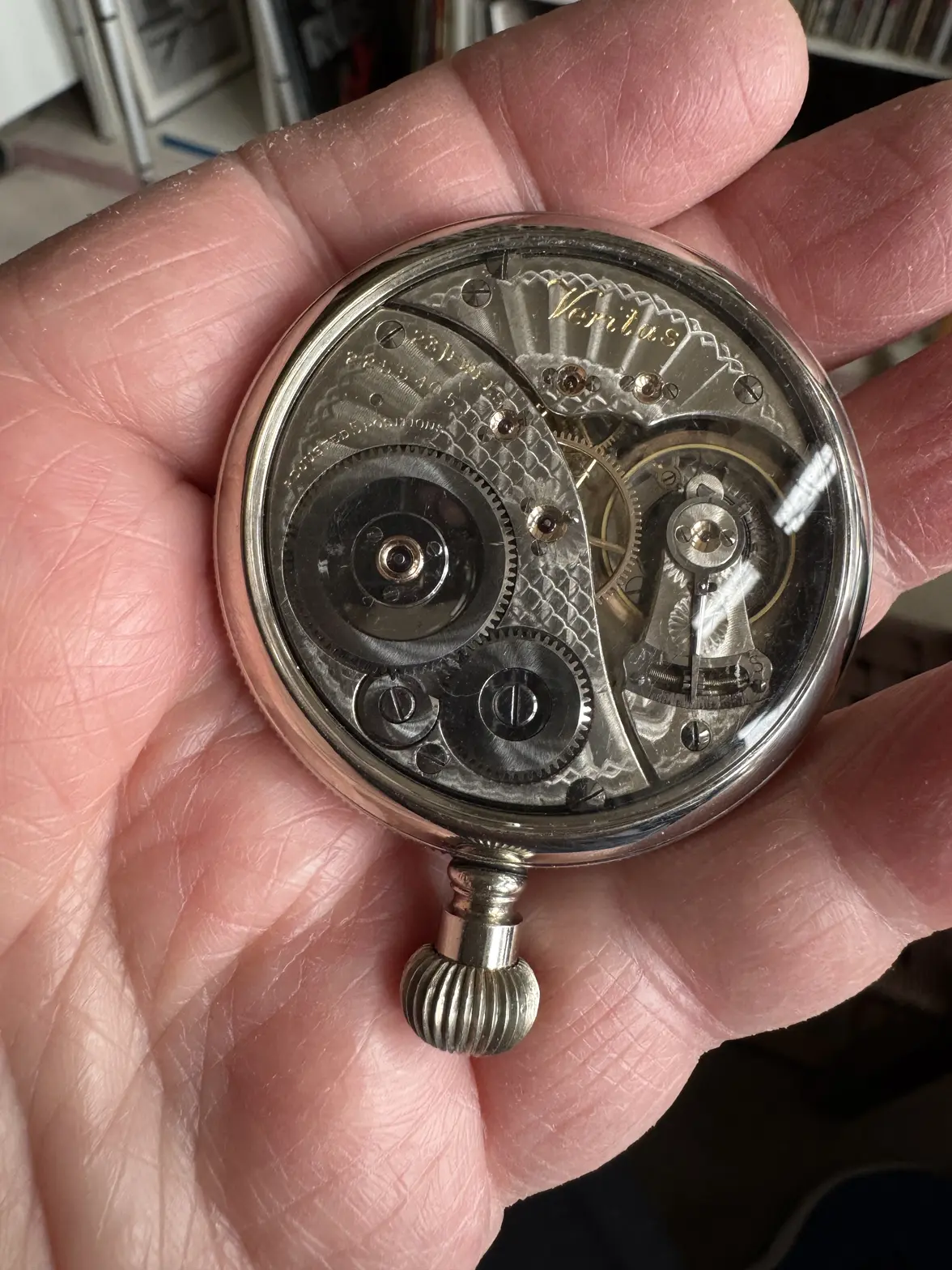
I have long admired this basic Elgin model. A 3/4 plate model, not a typical American full plate, 18-size. The case on the Elgin posted by @TexOmega is interesting because it appears to not have accommodation for a bow on the pendant. How might it have been used if not carried in a pocket? I have an earlier version of this movement (first run, circa 1901) with only 19-jewels, and without the wind indicator. Mine is a B W Raymond. I had to look at it a second time to conclude it appears to be in a display case.
 
Posts
8,483
Likes
60,613
Yes, mine has a display case my watchmaker had in his stash when he serviced it. I also had him install 2 glass crystals.

I like seeing the movement on the nifty looking examples.
 
Posts
15,472
Likes
45,797
Yes, mine has a display case my watchmaker had in his stash when he serviced it. I also had him install 2 glass crystals.

I like seeing the movement on the nifty looking examples.
The case suits it perfectly. I wonder if the case had been intended as a “salesman’s sample”.
 
Posts
17,937
Likes
37,506
Wind Indicator ( appears to me it is blowing in from the N NE) cool feature when one cannot get outdoors.
Re the wind indicator, does the NNE direction indicate that the mainspring is wound/unwound?
And if it was pointing NNW (to the 40) does that indicate the mainspring is fully wound or fully unwound?
And what is the meaning of the Down/Up, in layman's terms.
Another thought.
My understanding is that the hand rotates CW as it unwinds, and the wind indicator simply tells you how long the watch has been running since full wind.
Edited:
 
Posts
15,472
Likes
45,797
Up = wound up. Down = run down. And the hand rotates CLOCKWISE after a full wind, as it runs down. And COUNTER clockwise as it is wound. But this may be reverse in the southern hemisphere 😃.

 
Posts
8,483
Likes
60,613
Up = wound up. Down = run down. And the hand rotates CLOCKWISE after a full wind, as it runs down. And COUNTER clockwise as it is wound. But this may be reverse in the southern hemisphere 😃.
I've never understood how our southern hemisphere friends get anything to work properly since they are always upside down with their hair in their eyes.

It is just a mystery, I guess......😀
 
Posts
3,195
Likes
33,324
Out in the open for a wind.


And back in the case and in the pocket for another day.

 
Posts
15,472
Likes
45,797
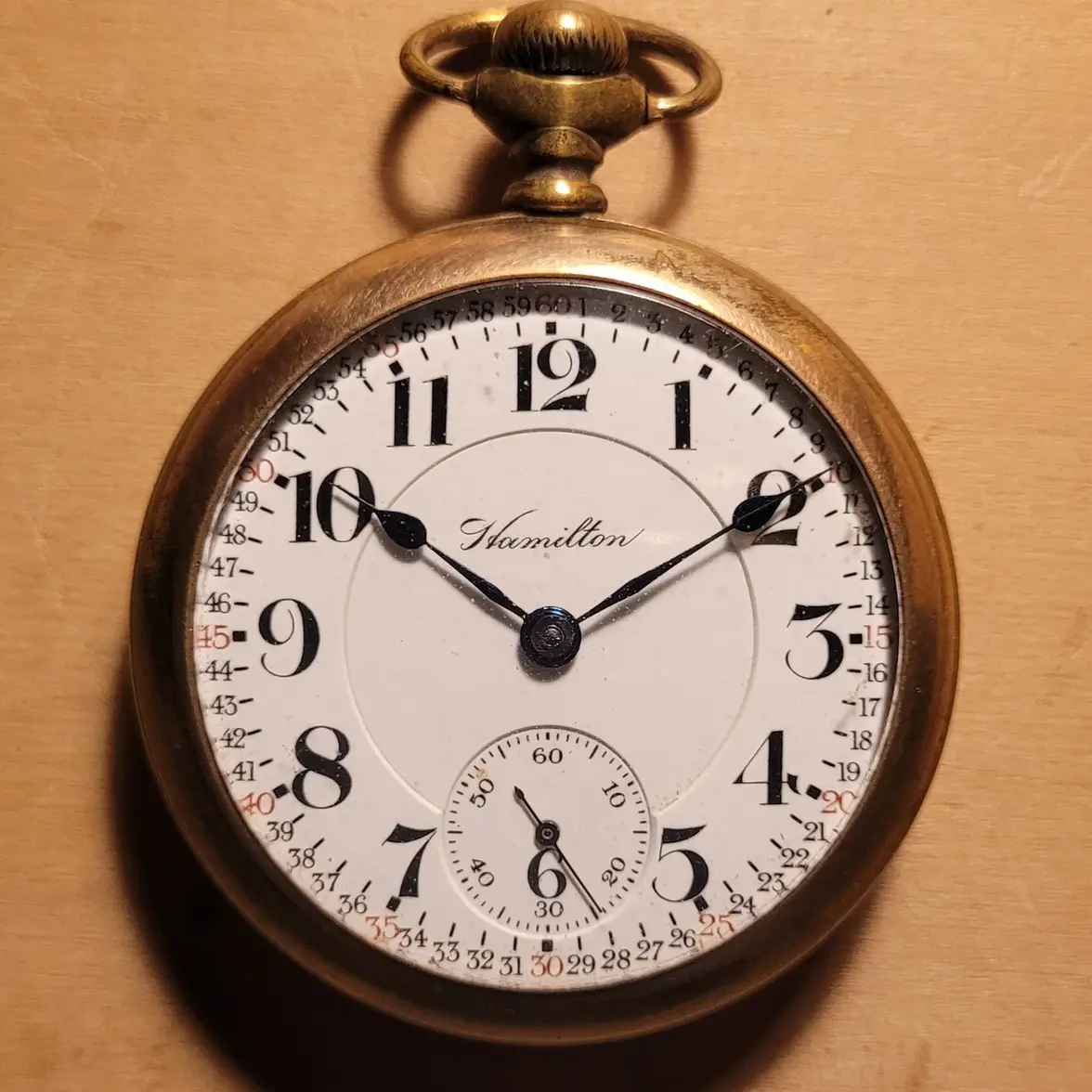
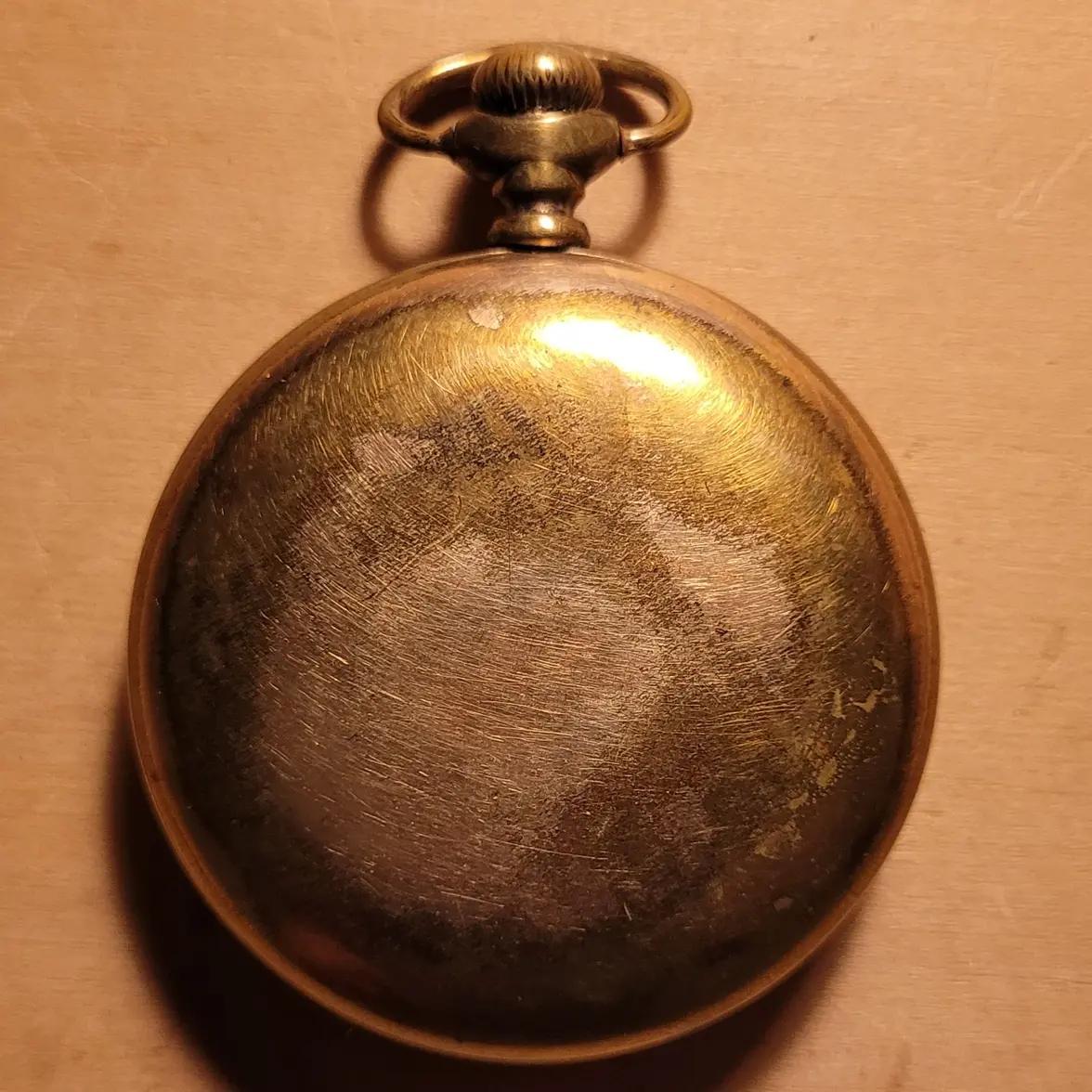
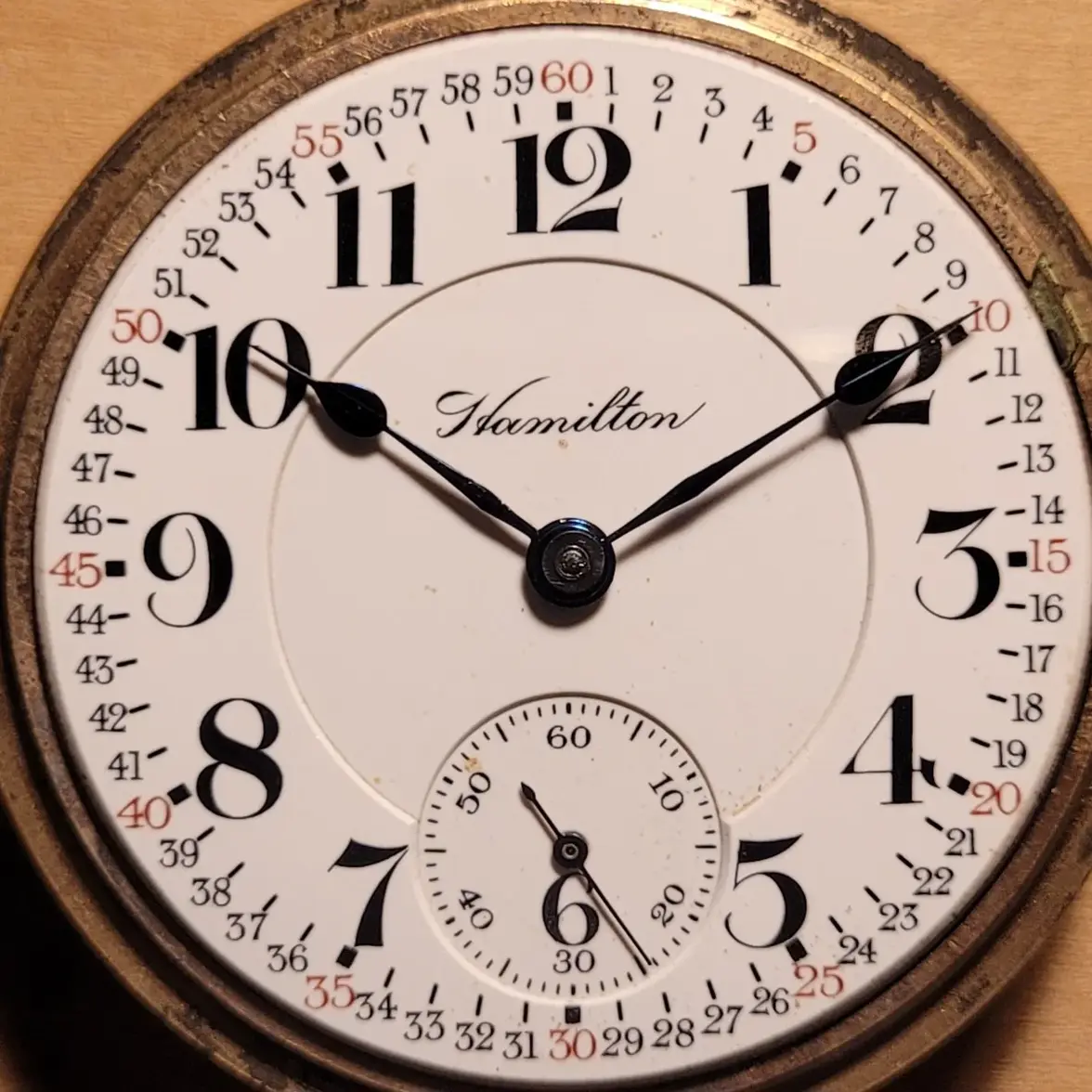
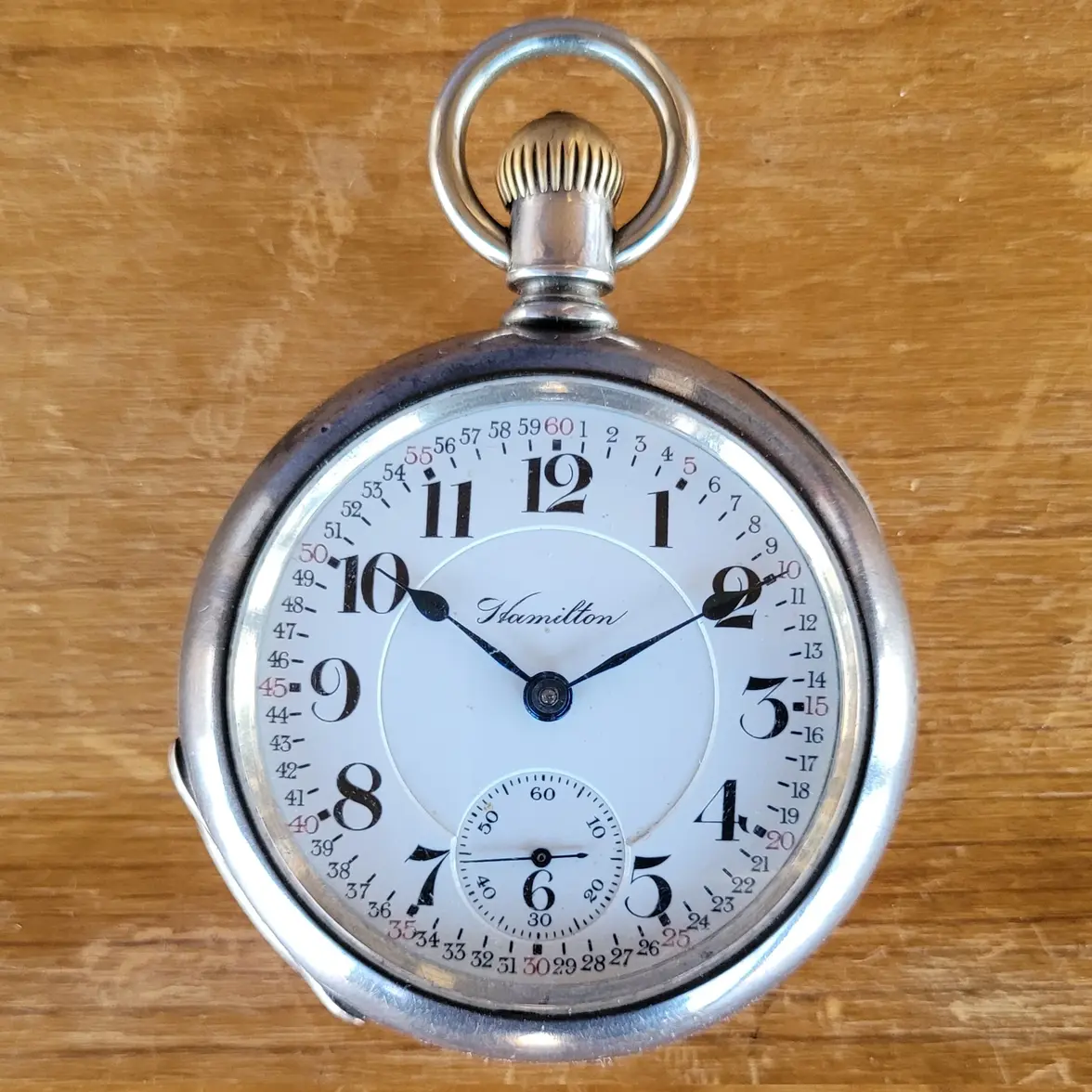
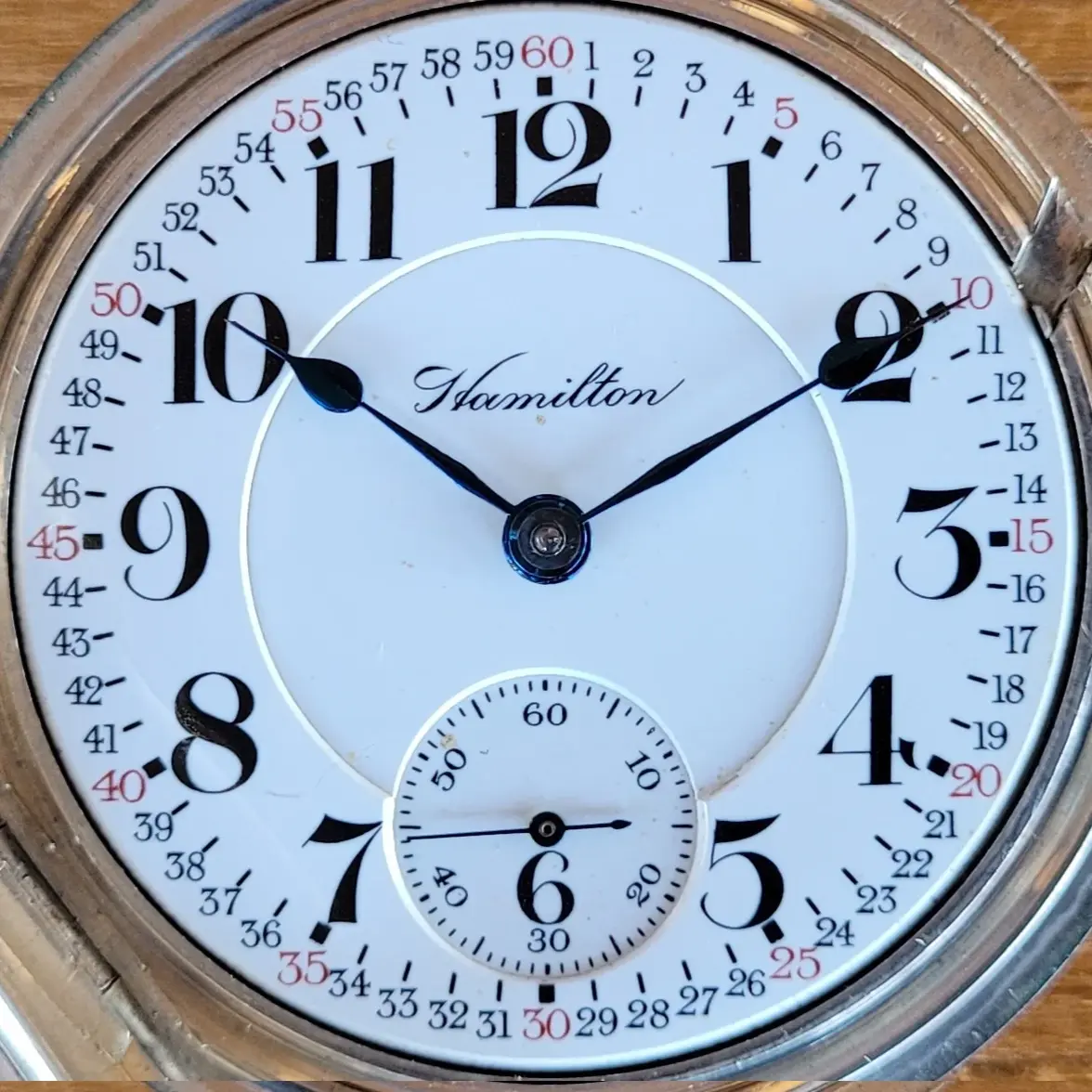
After an extensive period involving rating, adjusting, and regulating, my 110 year old Hamilton grade 992 is now running within 10 seconds per week. This watch has been in our family for close to 65 years. My late father acquired it second hand, and he used it on his watchmaker’s bench as a chronometer. When he passed away 50 years ago, it became mine. Many would look down their noses at the less than perfect vitreous enamel, double sunk, 24-hour dial, but I look at it as a badge of honour.


Posts
3,949
Likes
11,022
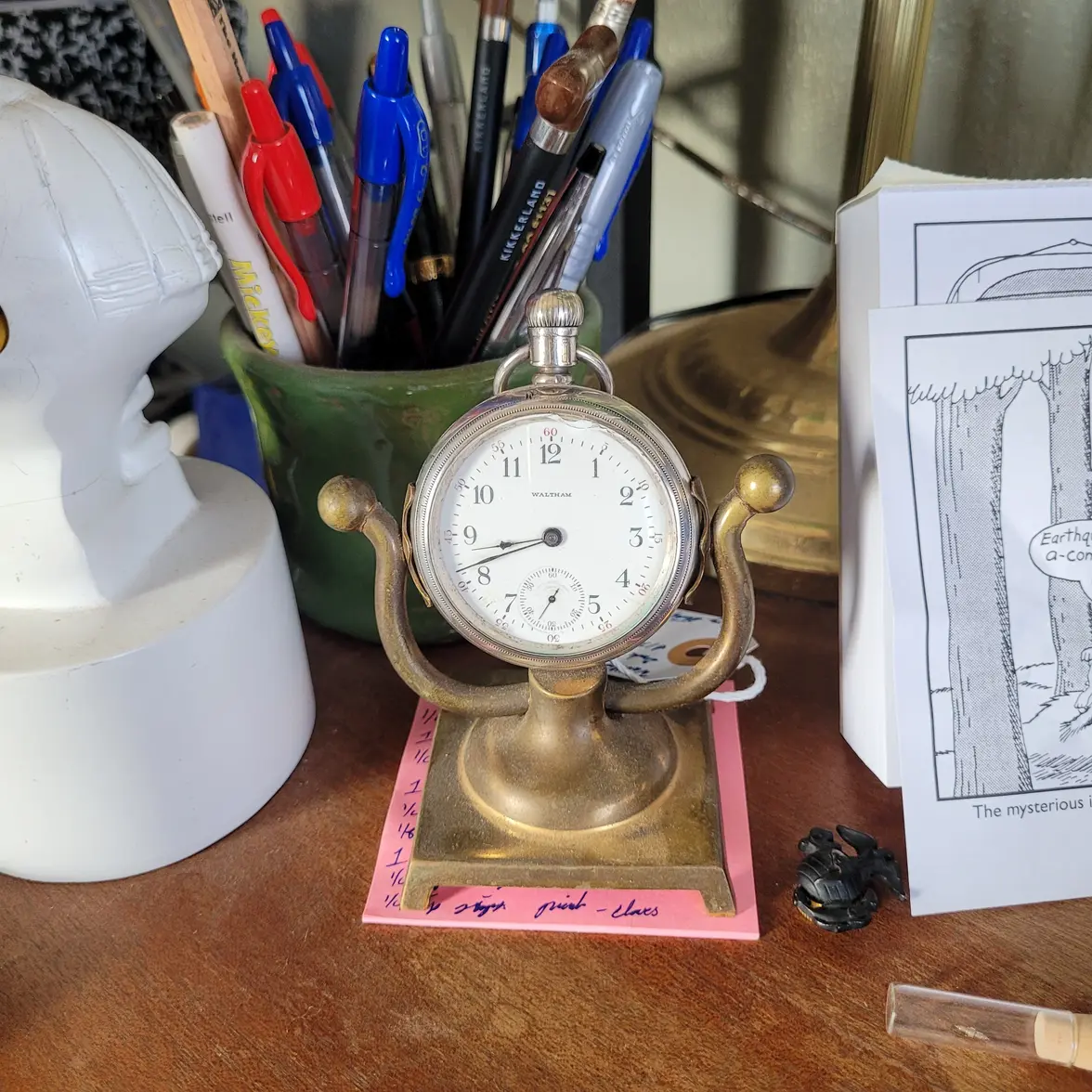
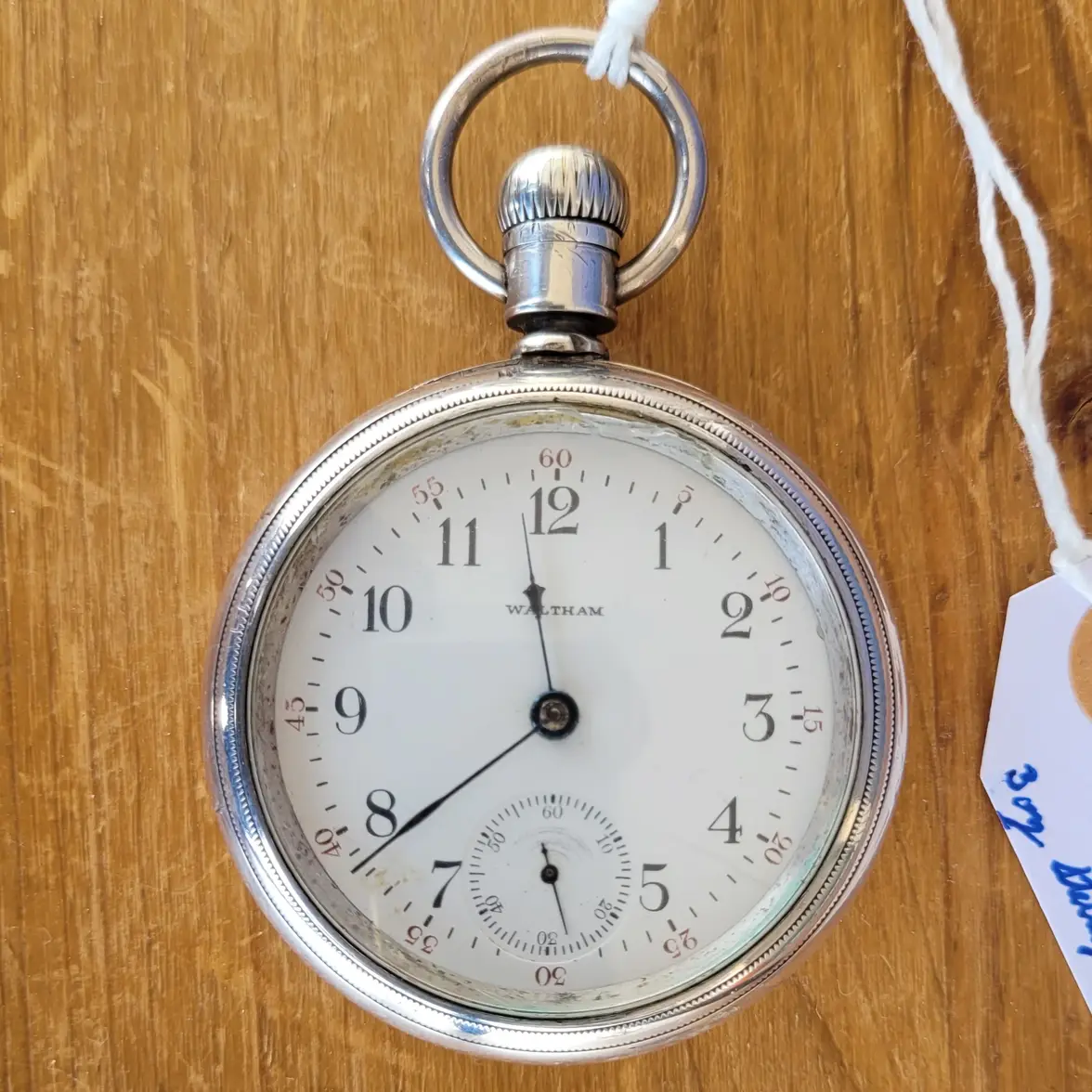
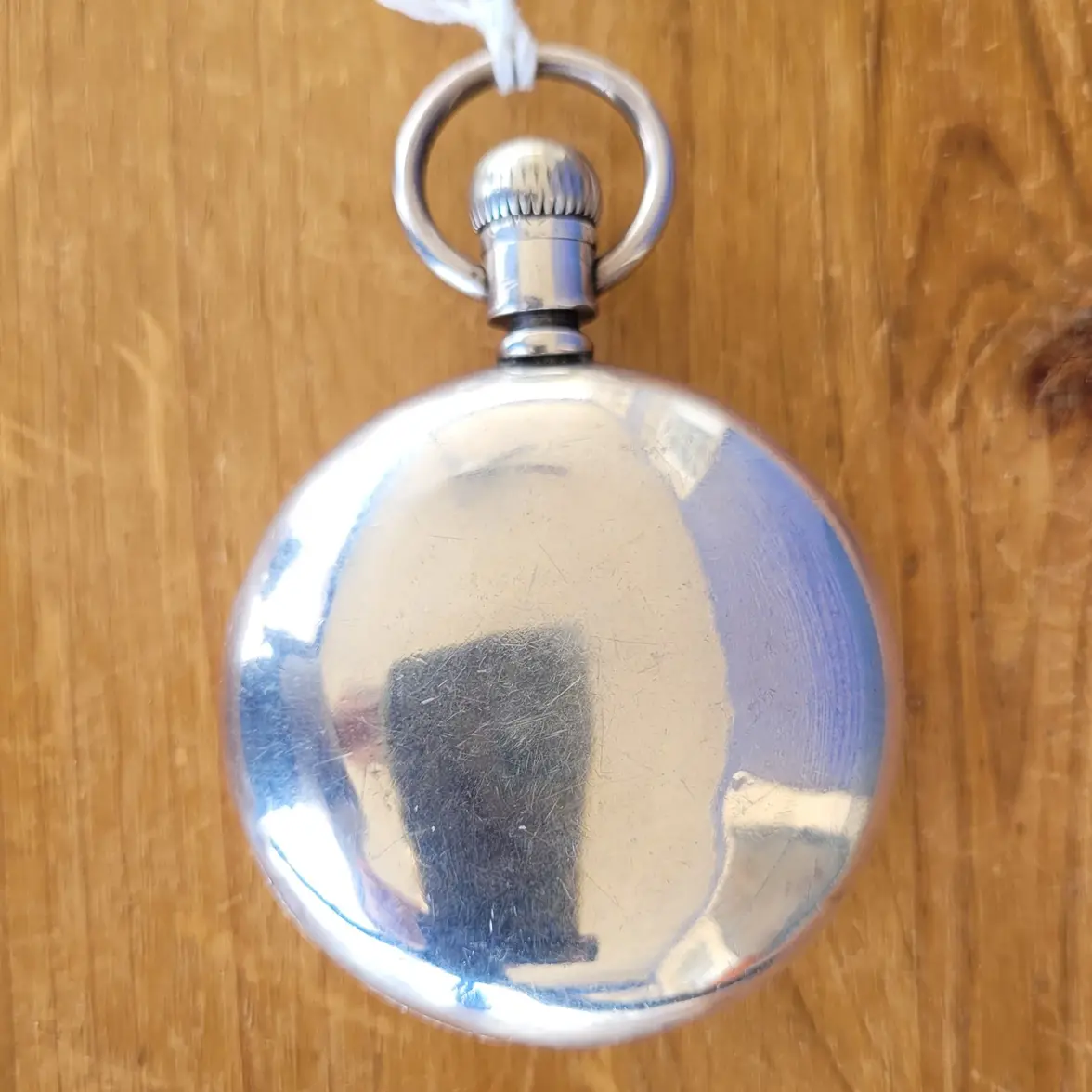
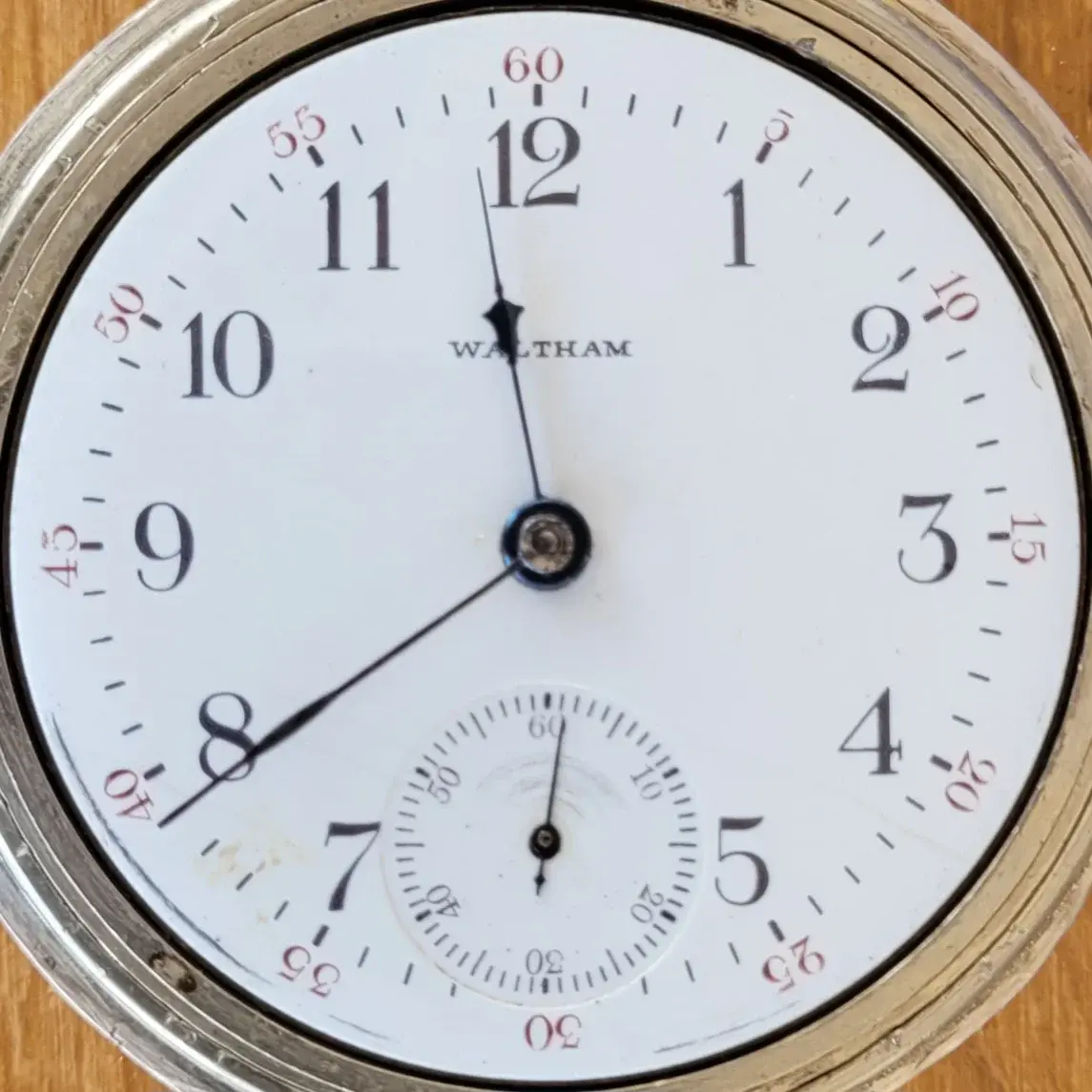
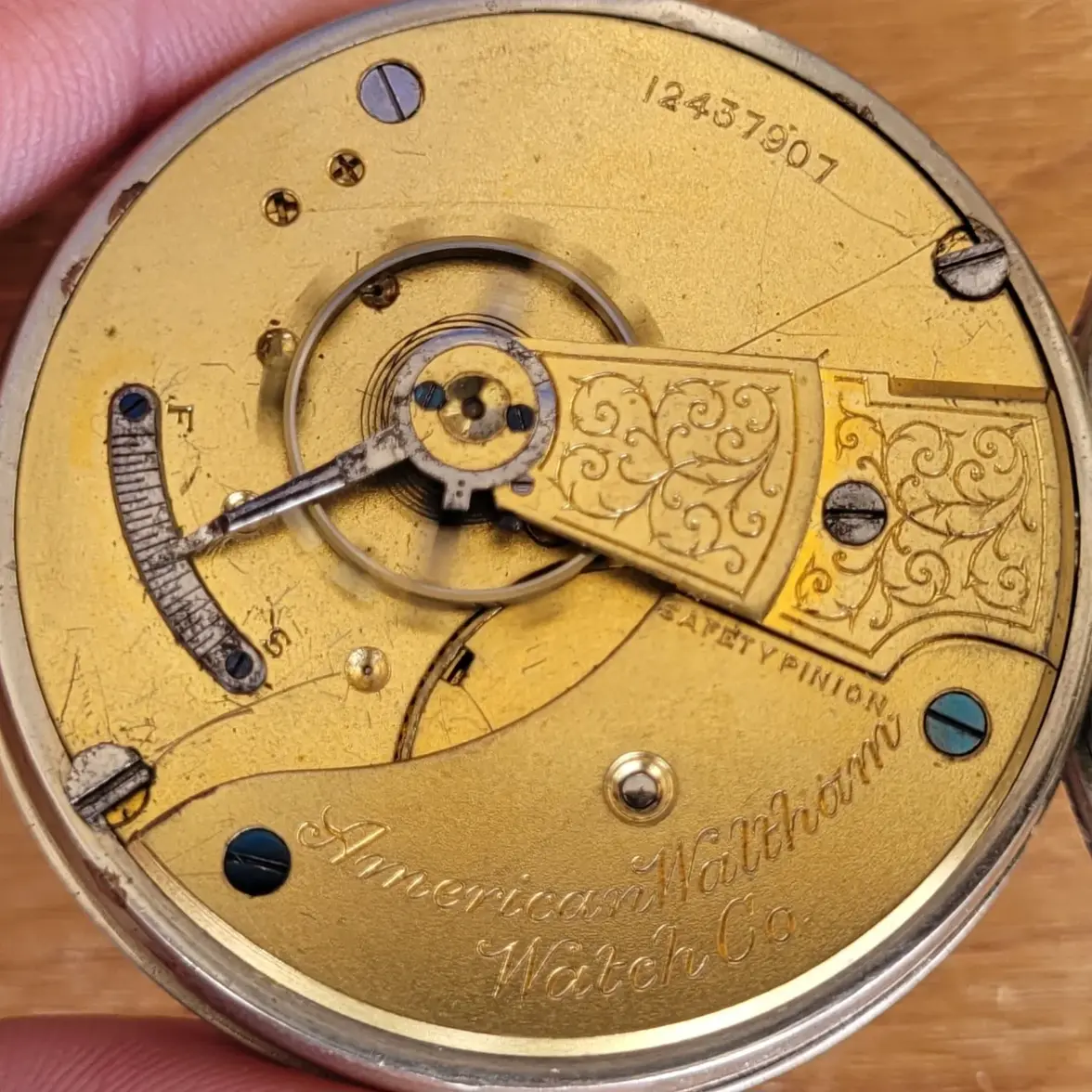
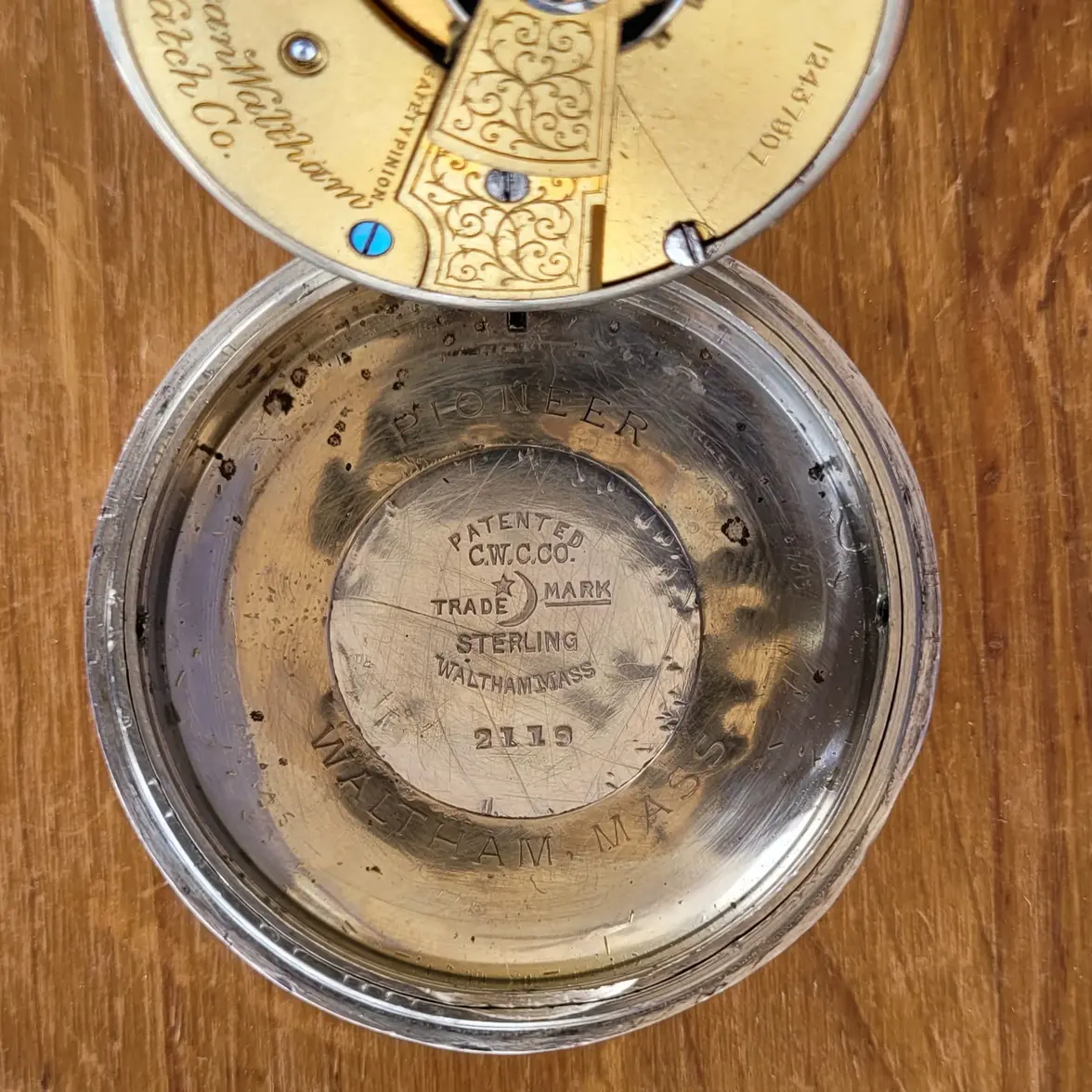
I recently picked up this Waltham, a model 1883, grade No.1, 7 j, made in 1903. I think it's a good candidate for "desk clock" duty. At 3 oz., the sterling case is worth way more than the watch itself is.
 
Posts
15,472
Likes
45,797
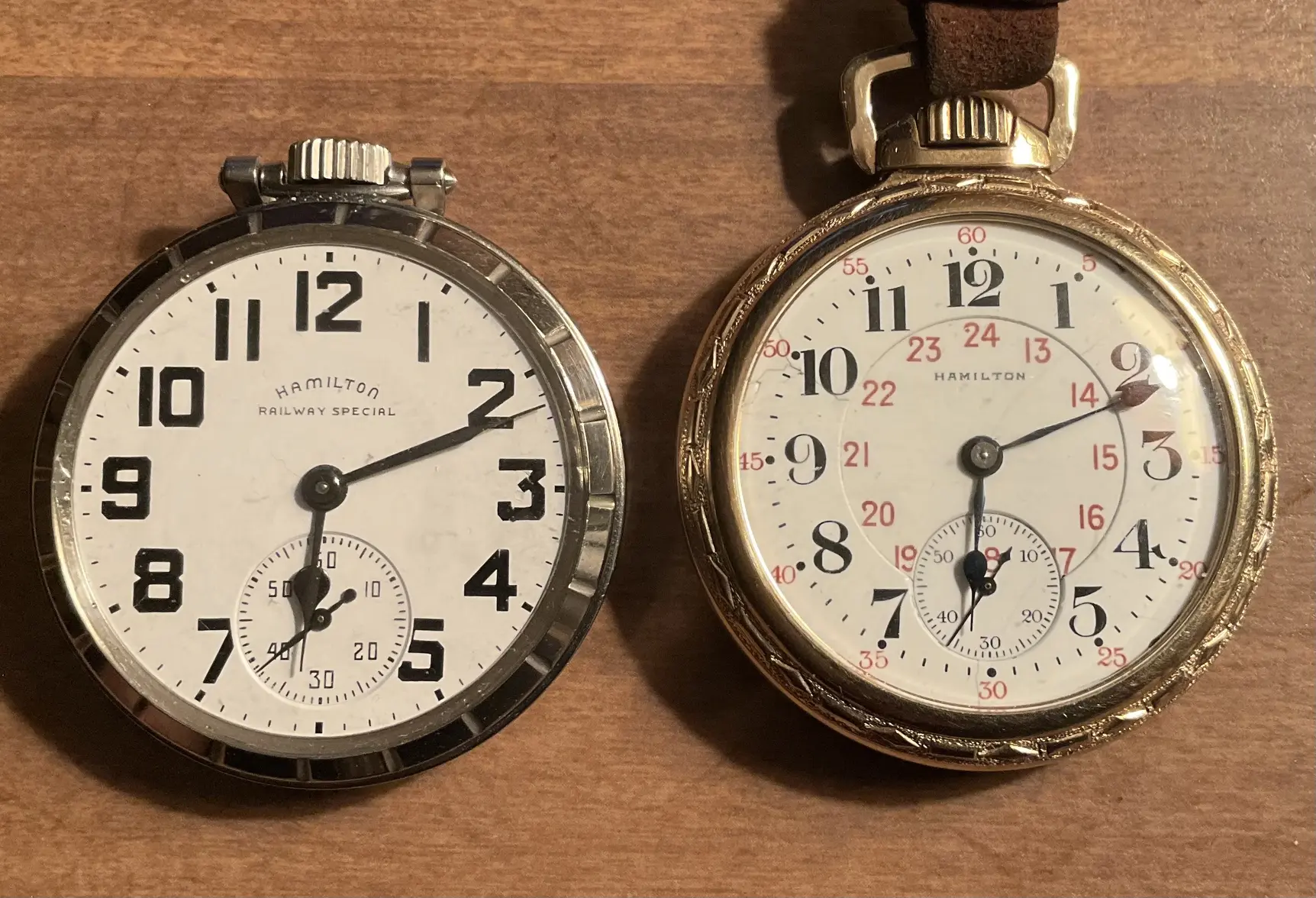
Yesterday (Monday), I did some regulating on my latest two projects. My 110 year old Hamilton 992, and my 70 (approx) year old Hamilton 992B. Within 3 seconds of each other, and both within 5 seconds of the correct time.

 
Posts
25
Likes
45
Some proper photos of this new Waltham.

Very nice. I had a similar deal occur a few weeks ago when I bought a coin silver 18 Size full hunter which had a 7 jewel Hampden inside it. My case also weighed in at 3 ounces once I got the watch home and removed the movement. Ive decided to restore a Waltham 18S 15J Model of 1877 made in 1883 using this case. The estate auction never published a weight estimate for the case so got it for roughly the value of one ounce of silver.
 
Posts
53
Likes
230
After an extensive period involving rating, adjusting, and regulating, my 110 year old Hamilton grade 992 is now running within 10 seconds per week. This watch has been in our family for close to 65 years. My late father acquired it second hand, and he used it on his watchmaker’s bench as a chronometer. When he passed away 50 years ago, it became mine. Many would look down their noses at the less than perfect vitreous enamel, double sunk, 24-hour dial, but I look at it as a badge of honour.


After an extensive period involving rating, adjusting, and regulating, my 110 year old Hamilton grade 992 is now running within 10 seconds per week. This watch has been in our family for close to 65 years. My late father acquired it second hand, and he used it on his watchmaker’s bench as a chronometer. When he passed away 50 years ago, it became mine. Many would look down their noses at the less than perfect vitreous enamel, double sunk, 24-hour dial, but I look at it as a badge of honour.


Having family history and a story attached to that watch makes it more valuable than gold, in my opinion.
Neither my father or grandfather wore a watch, as best I can remember. Nonetheless, I would give a million bucks to have a watch that one of them used daily. I make an effort to make my collection of Speedmasters and vintage Hamilton RR pocket watches visible and part of daily life in the hopes that my son will feel that attachment when I’m gone. The thought of him showing one of my Speedmasters or an ancient Hamilton to someone in the future and saying,…”this was my Dad’s watch”, makes me feel happy. Who knows…he might sell them all when I’m gone. That will be his choice.
 
Posts
15,472
Likes
45,797
Very nice. I had a similar deal occur a few weeks ago when I bought a coin silver 18 Size full hunter which had a 7 jewel Hampden inside it. My case also weighed in at 3 ounces once I got the watch home and removed the movement. Ive decided to restore a Waltham 18S 15J Model of 1877 made in 1883 using this case. The estate auction never published a weight estimate for the case so got it for roughly the value of one ounce of silver.
Let us know how you make out fitting an 1883 Waltham movement into a Waltham 1877 model case. Might not be as easy as you think.