Anyone in Clocks (Bracket or Longcase)?

Posts
632
Likes
2,134
I guess there’s a lot I don’t know about roasting jacks!

I knew essentially nothing until I had by occasion found this and then researched a little bit. A really interesting source of information is from this Austrian museum showing various tower clock movements, and an own chapter dealing with roasting jacks ("Bratenwender"), unfortunately in German only.

http://web10165.web4.mynet.at/wp-content/uploads/2017/06/Uhrenstube-Manuskript-AFAHA.pdf
 
Posts
632
Likes
2,134

Hi, many thanks for the photos. Did you research a little bit about the maker (I cannot read the name)?

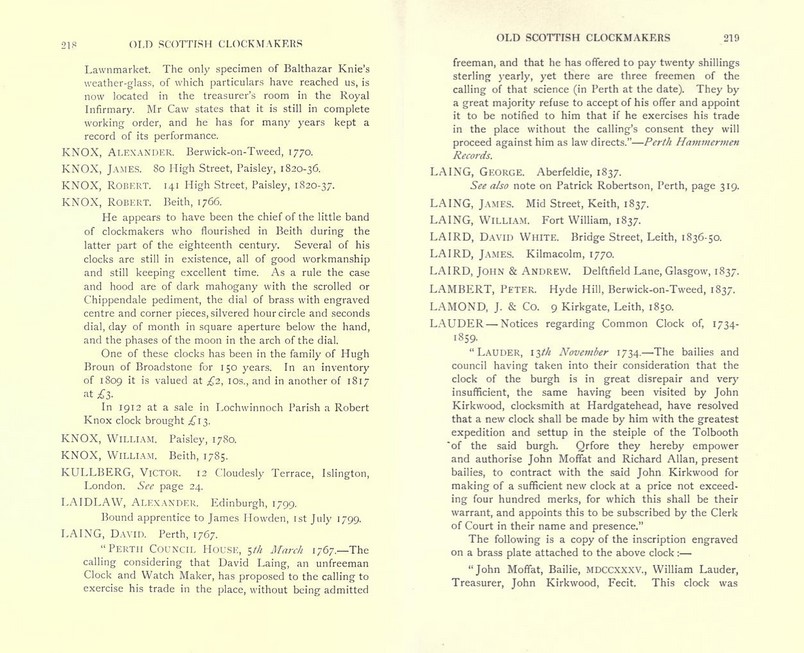
I have a great resource listing all Scottish clock makers as a pdf (cannot be attached to posts, apparently). I might either look him up, or send you the pdf, if you give me your email address.

In case of my Robert Knox (Beith) clock, the resource lists him like this.


Cheers, Bernhard
Edited:
 
Posts
462
Likes
632
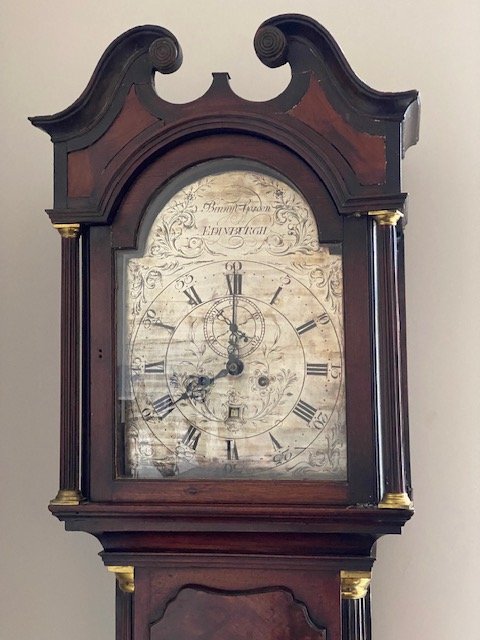
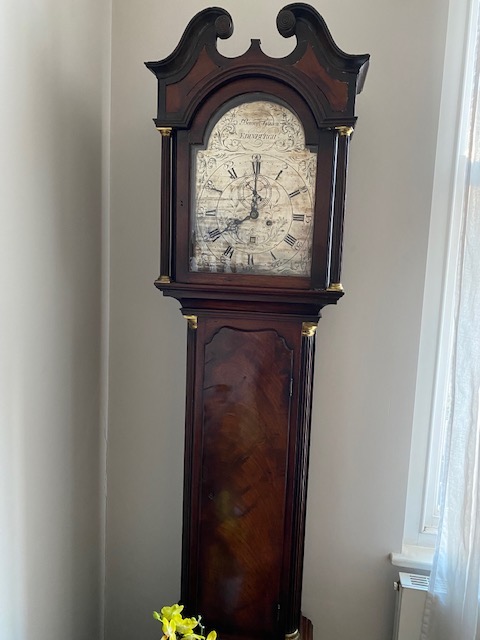
Hello Bernhard, it is Binny Gordon, Edinburgh, am not sure if anyone in the family knows much about it, except we have it in some very old pics etc
 
Posts
632
Likes
2,134
Hm, there are various "Gordon" listed for Edinburgh, but no "Binny". I have sent you the pdf, so you can look it through yourself.

Cheers, Bernhard
 
Posts
632
Likes
2,134
Here you go 😀

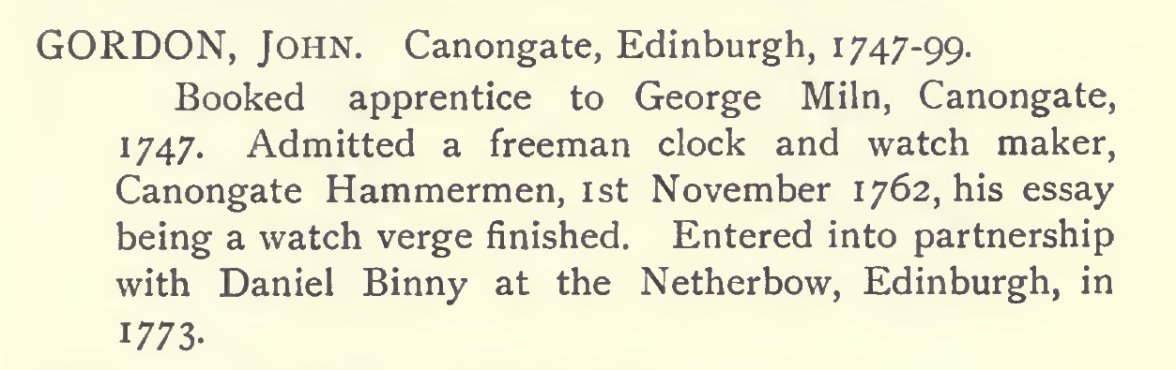
Daniel Binny has a quite long entry, you can look it up yourself. 😀
 
Posts
462
Likes
632
Here you go 😀

Daniel Binny has a quite long entry, you can look it up yourself. 😀
Fascinating
: 2114683, member: 20945"]BINNY & GORDON. Nether Bow, Edinburgh, 1774.[/QUOTE]
 
Posts
632
Likes
2,134
This one will arrive soon 😀. A so-called hook and spike clock. It is hung to a wall using the hook and the spikes hold it safe against the wall when winding. It can very safely be dated around 1720-1730. Many of these "simpler" clocks were without signature, in contrast to this one. Also the side doors are a rather unusual feature.


View attachment 1550446
 
Posts
1
Likes
0
I have a really nice Georgian mahogany bracket clock ca. 1780 by the eminent Eardley Norton of London. He was considered one of the most talented clockmakers in the second half of the 18th century, and is represented in the Royal Collection at Buckingham Palace where he made a four dial astronomical clock for King George III.

This clock has an 8 day triple fusee movement and has its original verge escapement (many of these clocks have had their escapements 'modernized' over the years for better accuracy). It chimes the quarter hours on a nest of eight bells and the hour on a separate bell. It has handles on the side so it could be moved into the bedroom at night and it has a pull repeat cord in the event you wanted to know what the time was in the middle of the night. The back plate has Norton's name and is engraved with scrolls and flowers as was the standard in that era. These were obviously expensive items made for the wealthy. It's been ticking away for many years in my foyer.

Hello, Evitzee !
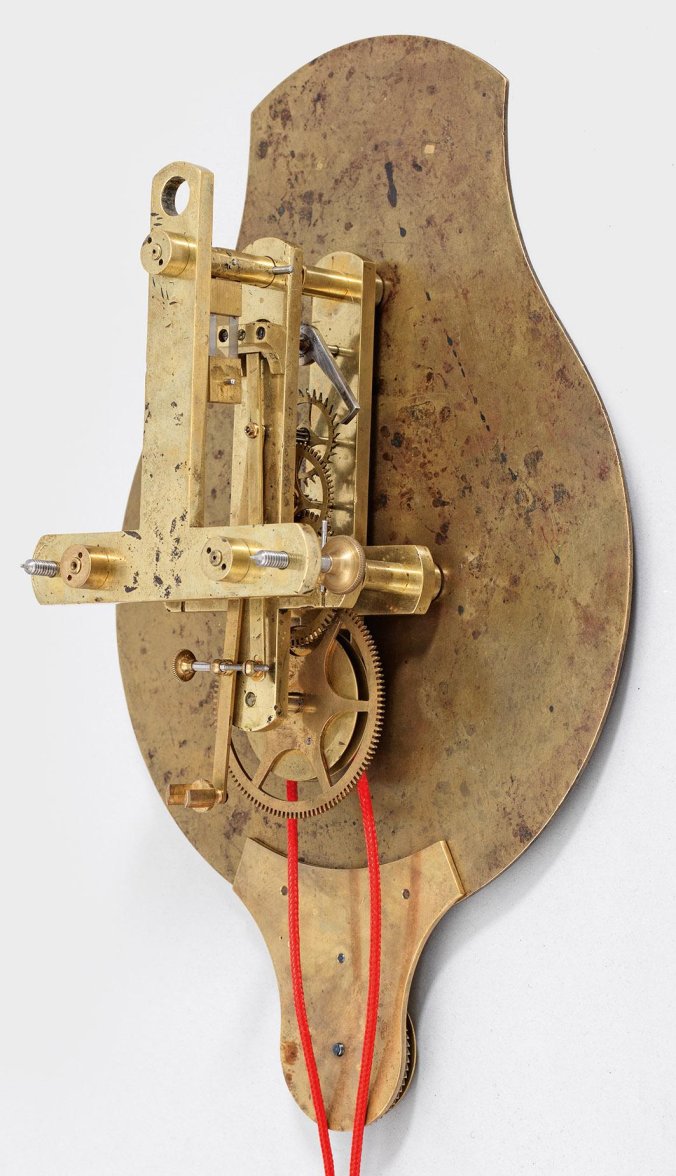
Your clock is in excellent condition. I have a similar clock. However, it is known that Norton numbered his clocks. The number is usually engraved on the back plate of the movement in the upper or lower right corner, and is also often duplicated on the dial. For some reason, the number is not visible on this clock. 😕
Regards, Oleg.
 
Posts
339
Likes
2,313
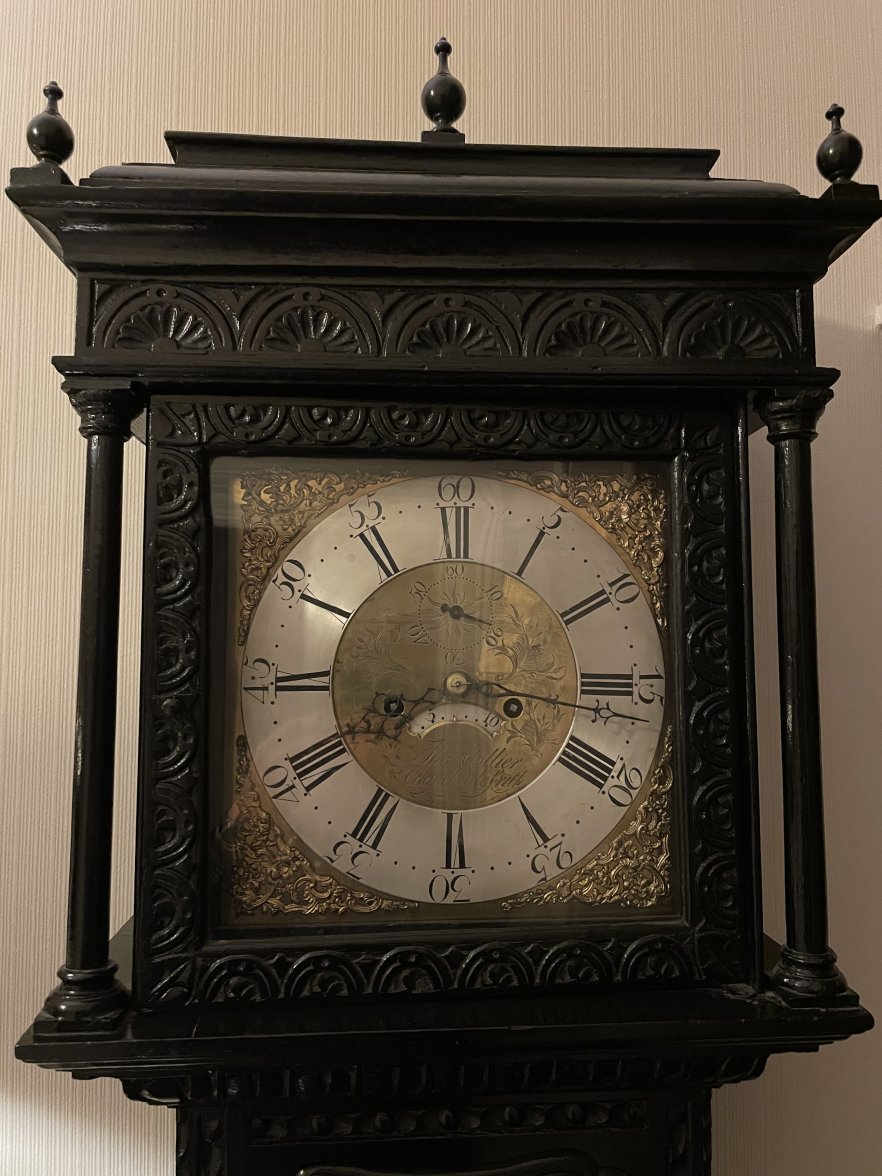
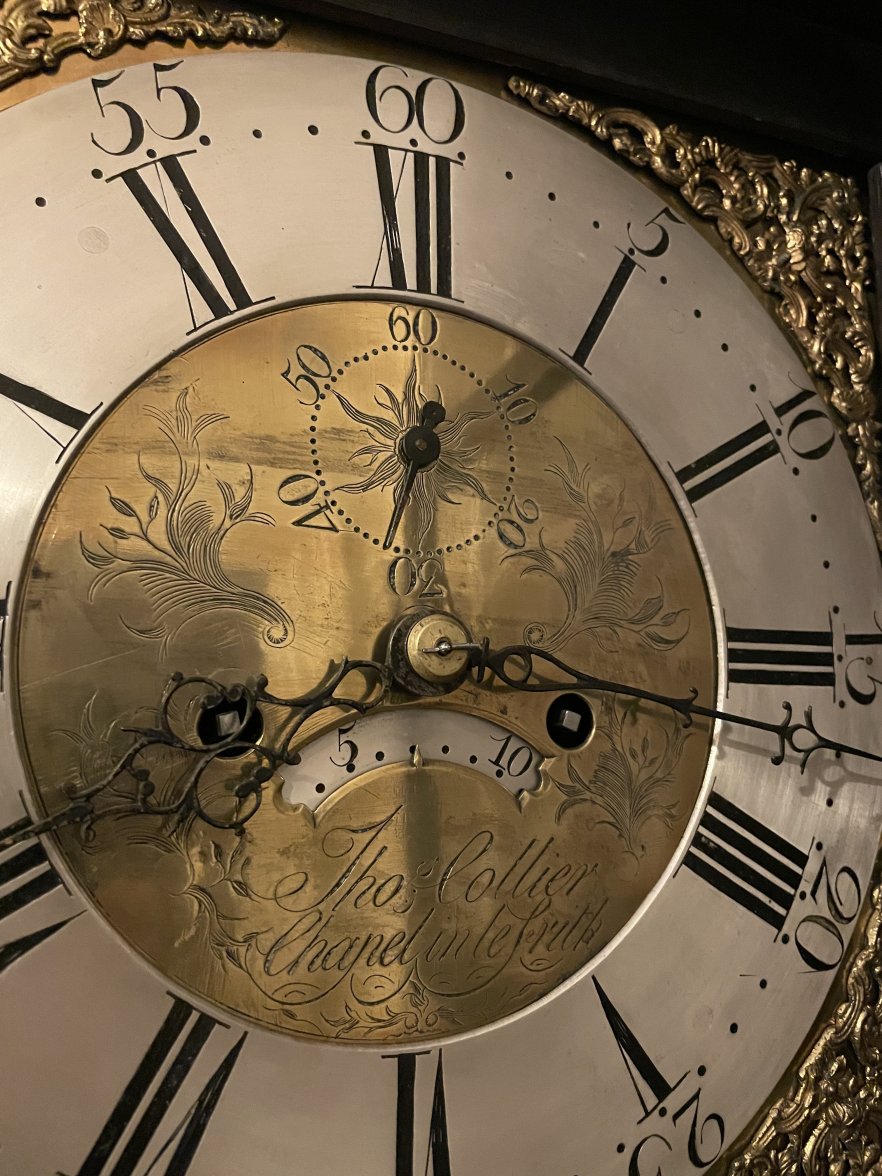
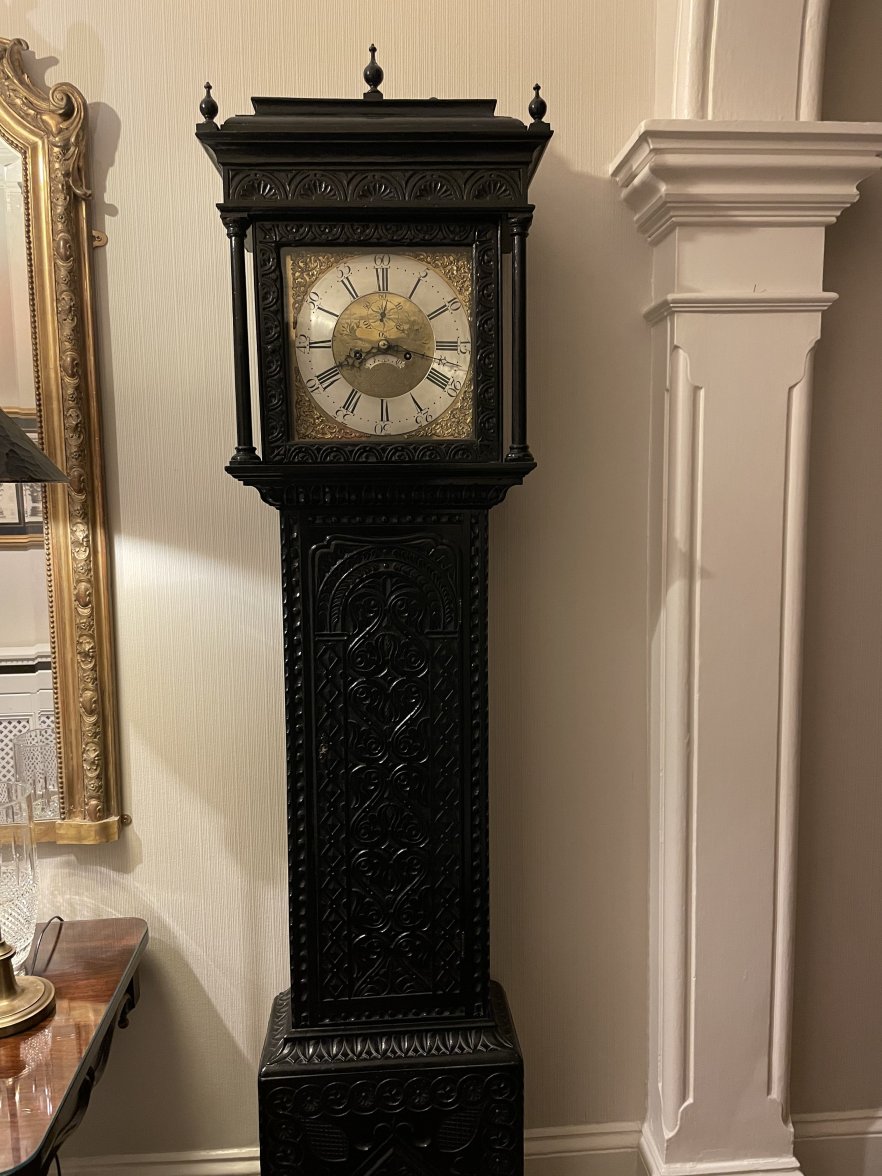
Also love my clocks - a few London brackets from the 1800s. And then found in Dublin where I now live this beauty made in Chapel en le Frith, Derbyshire in the late 1700s though the movement was replaced with a 8 day from the early 1800s. I grew up near and in Chapel. How this piece made it over the water I don’t know but it now dutifully chimes the hours to keep our house in time.
 
Posts
4,740
Likes
47,636
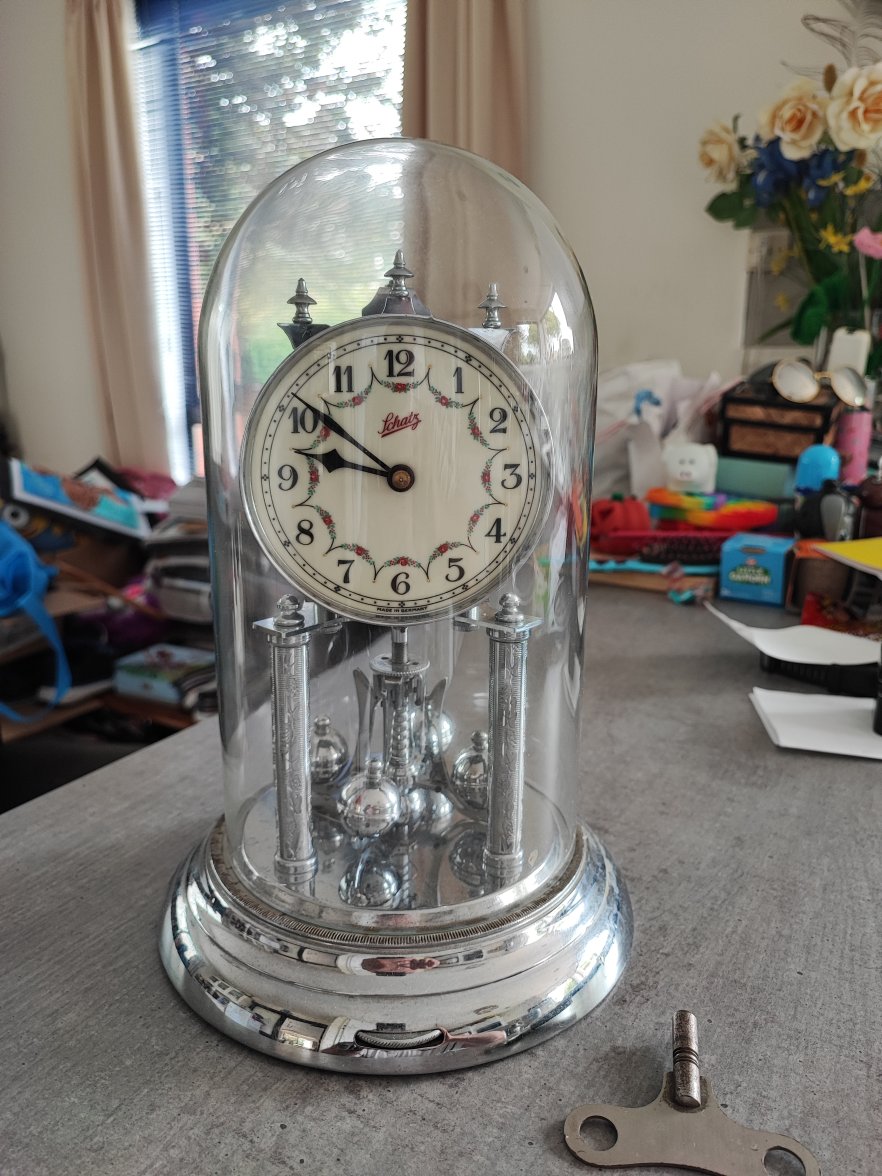
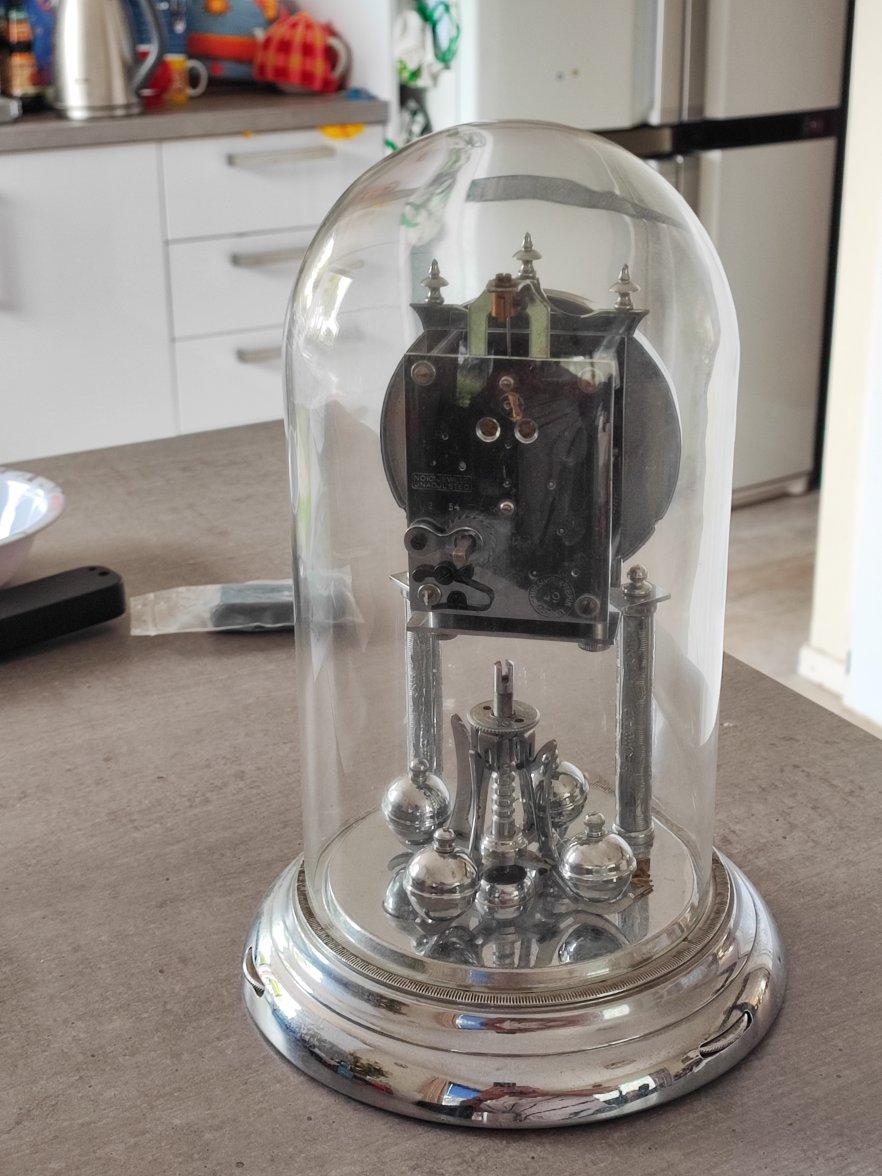
For want of a better place, just bought at auction and picked up this lovely 400 day or anniversary clock.
I love the chromed look, I have another almost identical Koma 400 day with a brushed and engraved stainless dial so it was good to pick this enameled dial version.
The suspension spring is unfortunately broken but was apparently working well prior the the spring mishap so I might try just shortening the existing as it broke right at the saddle or replace with a spare one from another one I got last week or just see if my Watchmaker has another new one 😁

 
Posts
4,740
Likes
47,636
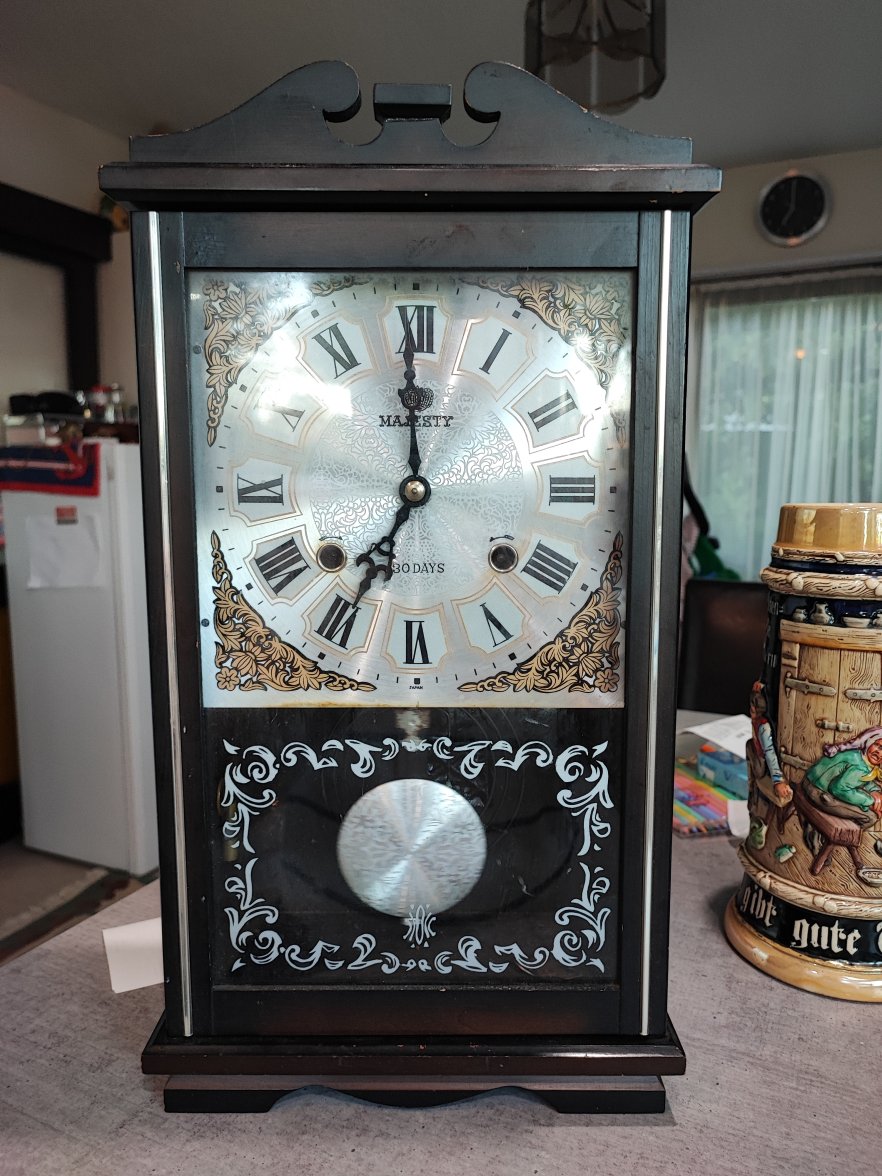
Came across this today and at the price and unusualness of it I couldn't resist.

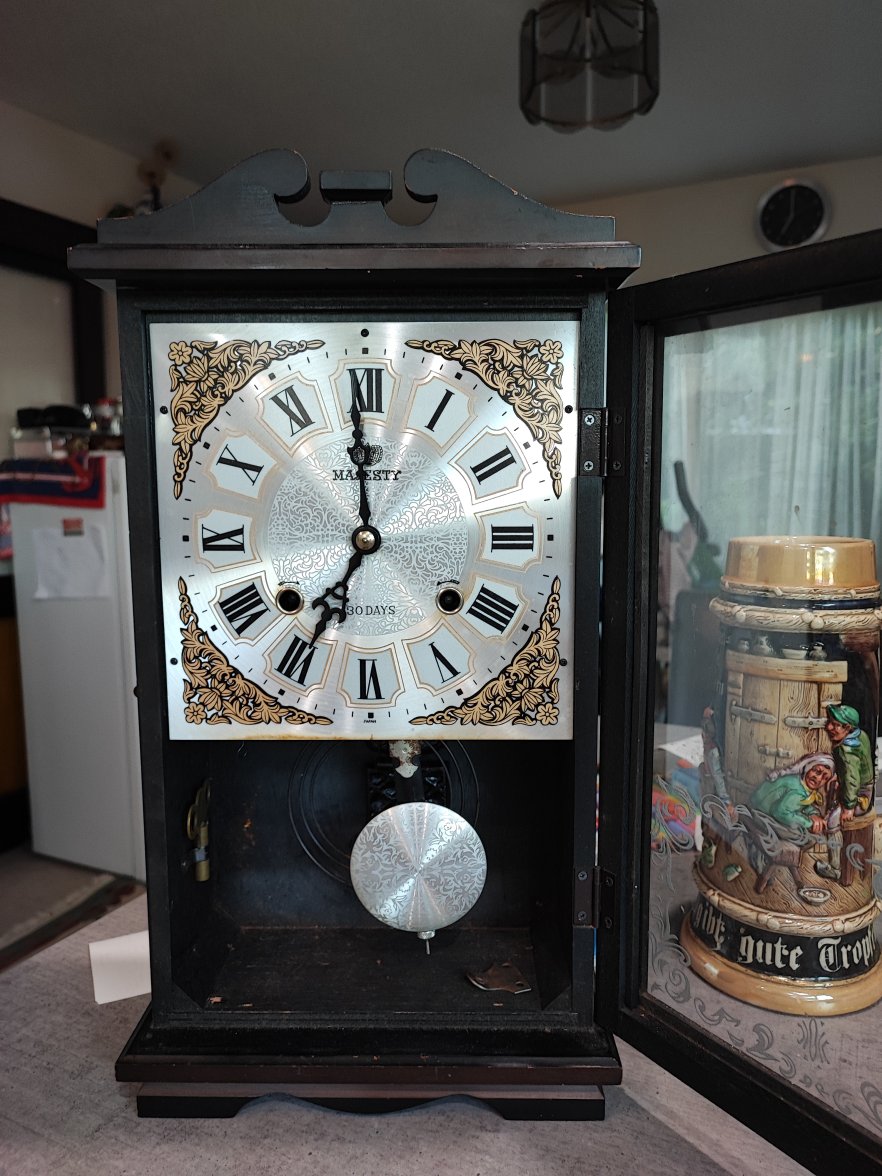
A Majesty 30 day striking mechanical Japanese made table or wall clock in working order but I need work out some striking inconsistencies, probably just need to service it to sort.

For an idea of size the beer stein next to it is 30 cm ( 12 inches ) high, those Germans know how to drink beer 1 1/2 litres at a time!


Posts
15,477
Likes
45,823
That dial says Japan, but it looks to me like it might be Korean.
 
Posts
4,740
Likes
47,636
That dial says Japan, but it looks to me like it might be Korean.

Hopefully get the movement out later today but I feel relatively confident that it is Japanese rather than the ubiquitous Korean fare that you normally see, one reason other than the made in Japan dial label is the case construction which has all the styling and construction methods that the Japanese used, Korean case construction and materials tend to be different.
 
Posts
1,094
Likes
5,727
Here are a few of my clocks.
AkhFT3G.jpg
A Seth Thomas NO.2 regulator made in the 1920's they were used in train stations and public building.
jwnAQnu.jpg
ULRALH9.jpg
KviLHT9.jpg
Elliott RAF station clock with fusee movement
XPH8NPX.jpg
A Waterbury Calander clock from the late 1800's
Edited:
 
Posts
1,094
Likes
5,727
Y7bzGV6.jpg
9ByxaVn.jpg
RAF Mess Clock WW2 another fusee movement made by Elliott.
This one on it's way from England to the states. Made by Smiths in 1941 for the Royal Navy you can see how the war caused shortages in clock material. The case is made with bakelite an early form of plastic instead of wood and the movements were more simpler compared to the Elliott mantle clock above.
COjTiAx.jpg
whf72n9.jpg
mUi74Te.jpg
5253ixq.jpg
 
Posts
632
Likes
2,134
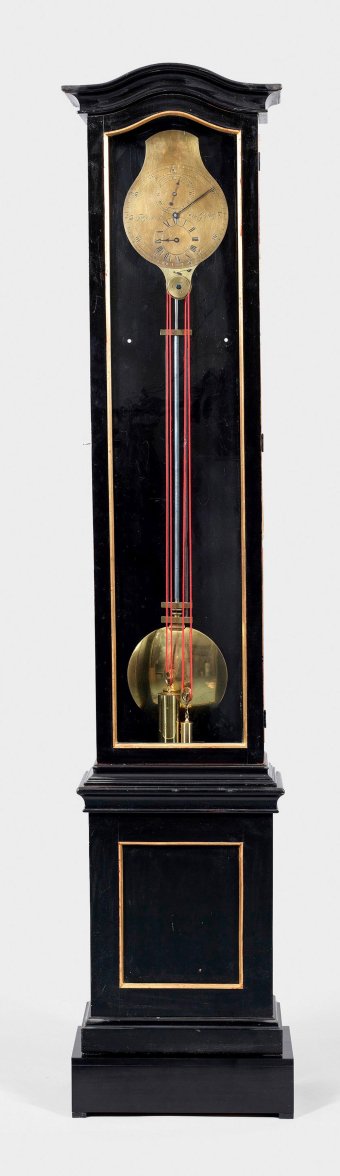
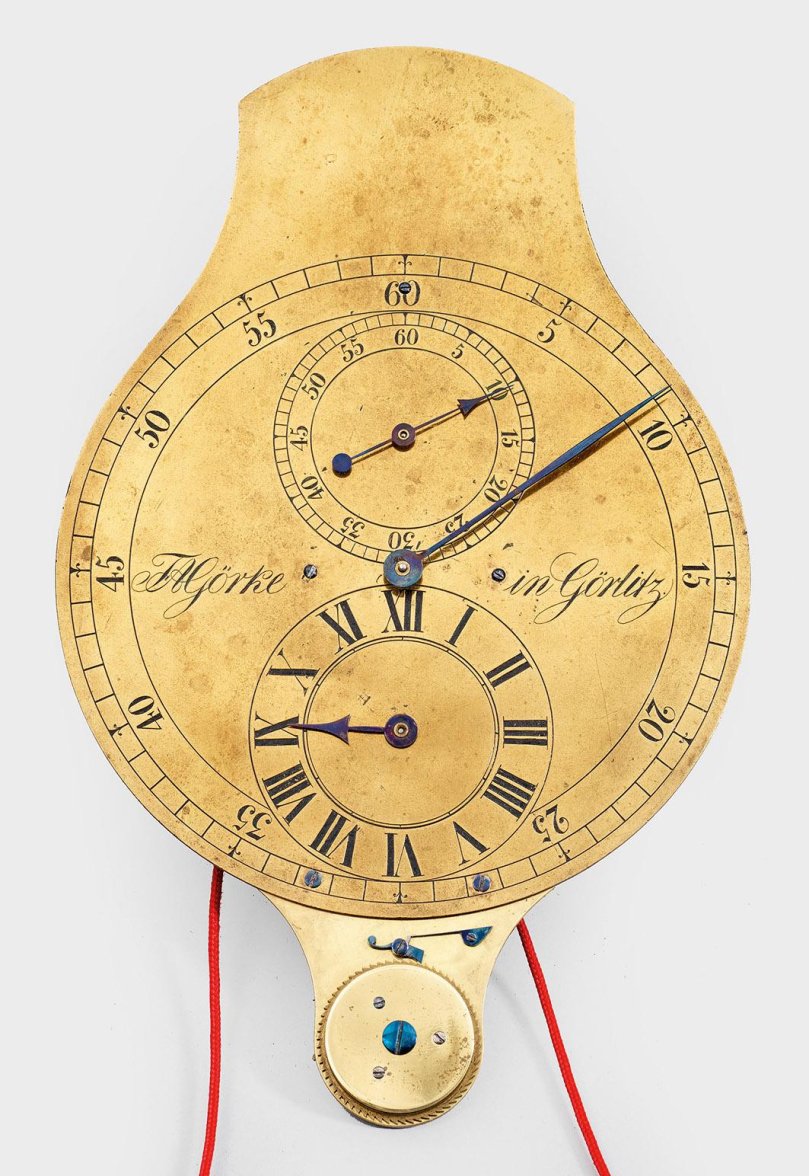
Last weekend in an auction. A precision pendulum clock by Friedrich August Görke in Görlitz (Germany, not far from Dresden), about 1830-1840. Very (!) low estimate, about a third of the hammer price of 1999 for the same clock. I bid, thinking to go one step and then let it pass. I had expected it to shoot up like hell. And one other fellow made just one bid. I made my second and final bid. And now I have a problem, i.e. finding a place at home for setting it up ... 🙄😁.

This is a sensational clock absolutely worth a museum. Similar clocks had been made by Seyffert, Dresden, who is known a bit better nowadays. I would not sell it for double or triple of what I paid (at about 10 times I might begin thinking).

 
Posts
632
Likes
2,134
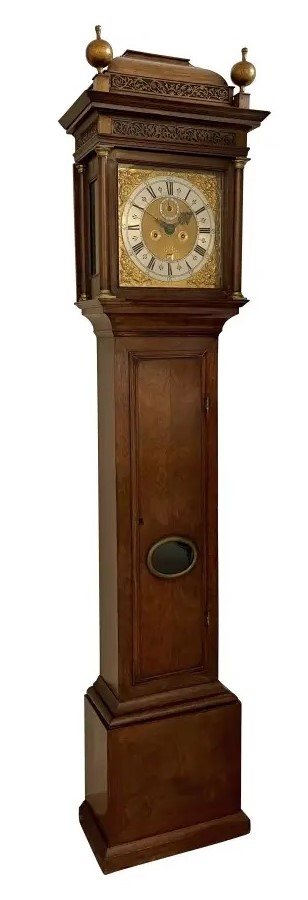
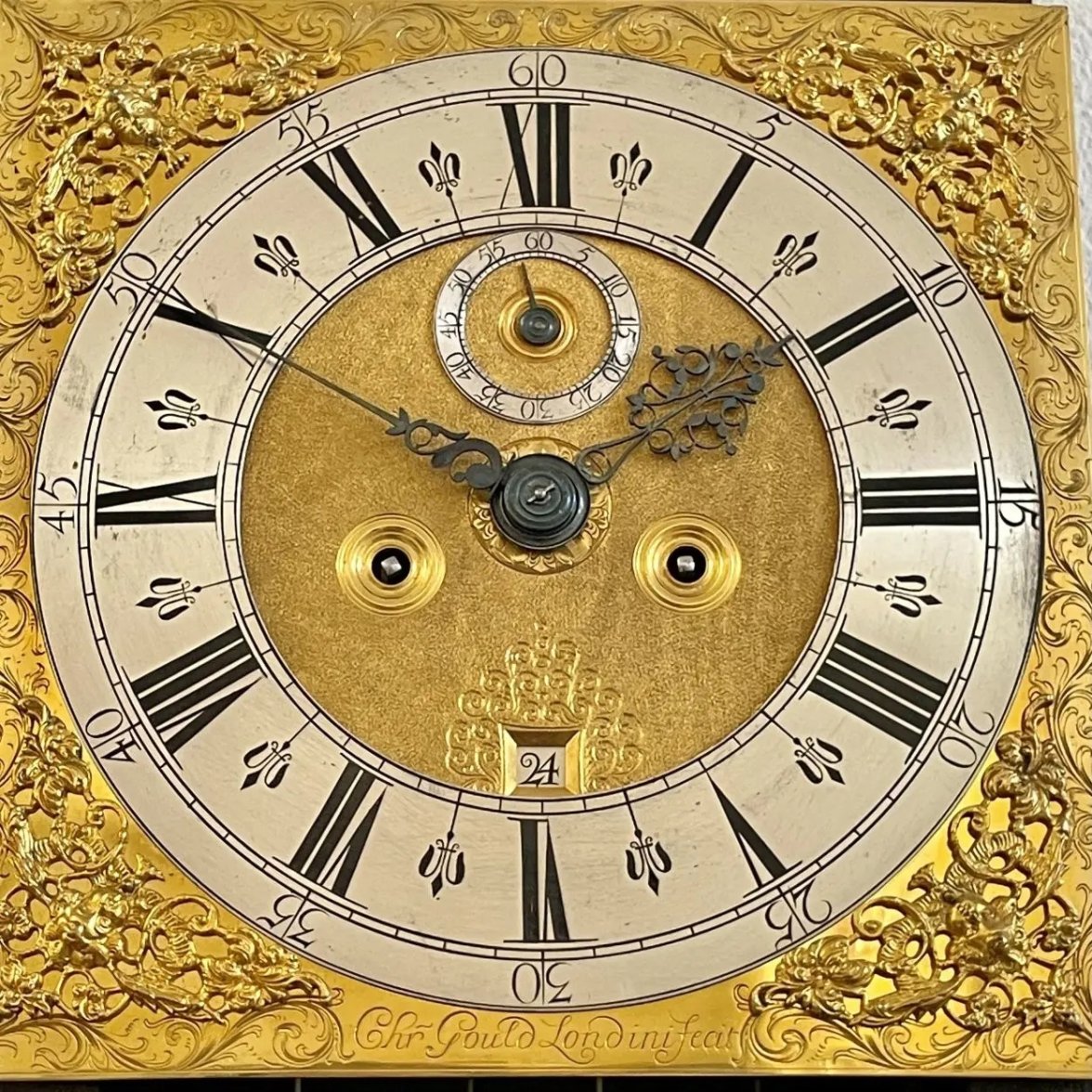
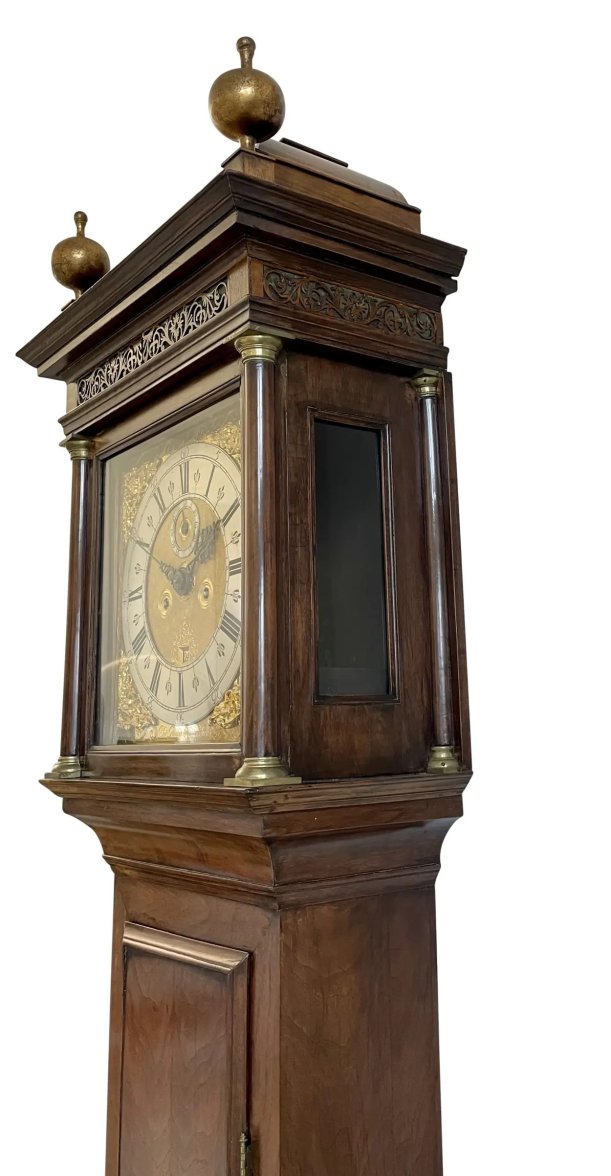
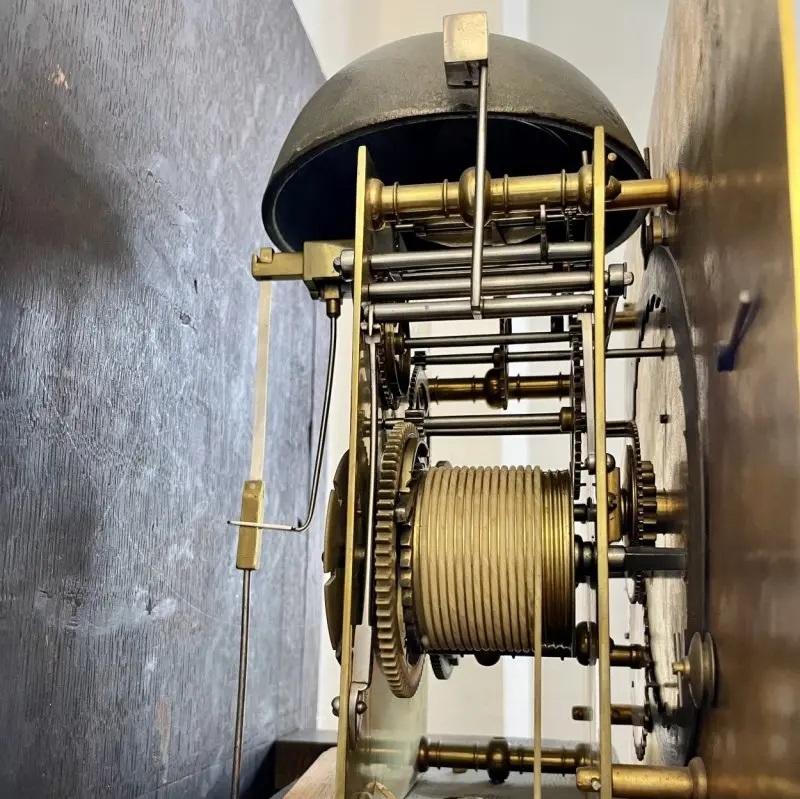
Also won in a classic auction, just recently. This great clock by the well known Christopher Gould. This clock is about 320 years old and still performing nicely.

 
Posts
632
Likes
2,134
If you like longcase clocks, now is the time to buy. They have become incredibly cheap. The Gould clock would have cost me 10 times as what I paid now about 30 years ago.

I am confident that antique clocks of renouned makers will recover again considerably. But actually no issue for me, because I have no intentions to sell. 😎 Clocks clearly outside of my budget 30 years ago have now become very affordable. 😀
 
Posts
6,498
Likes
10,176
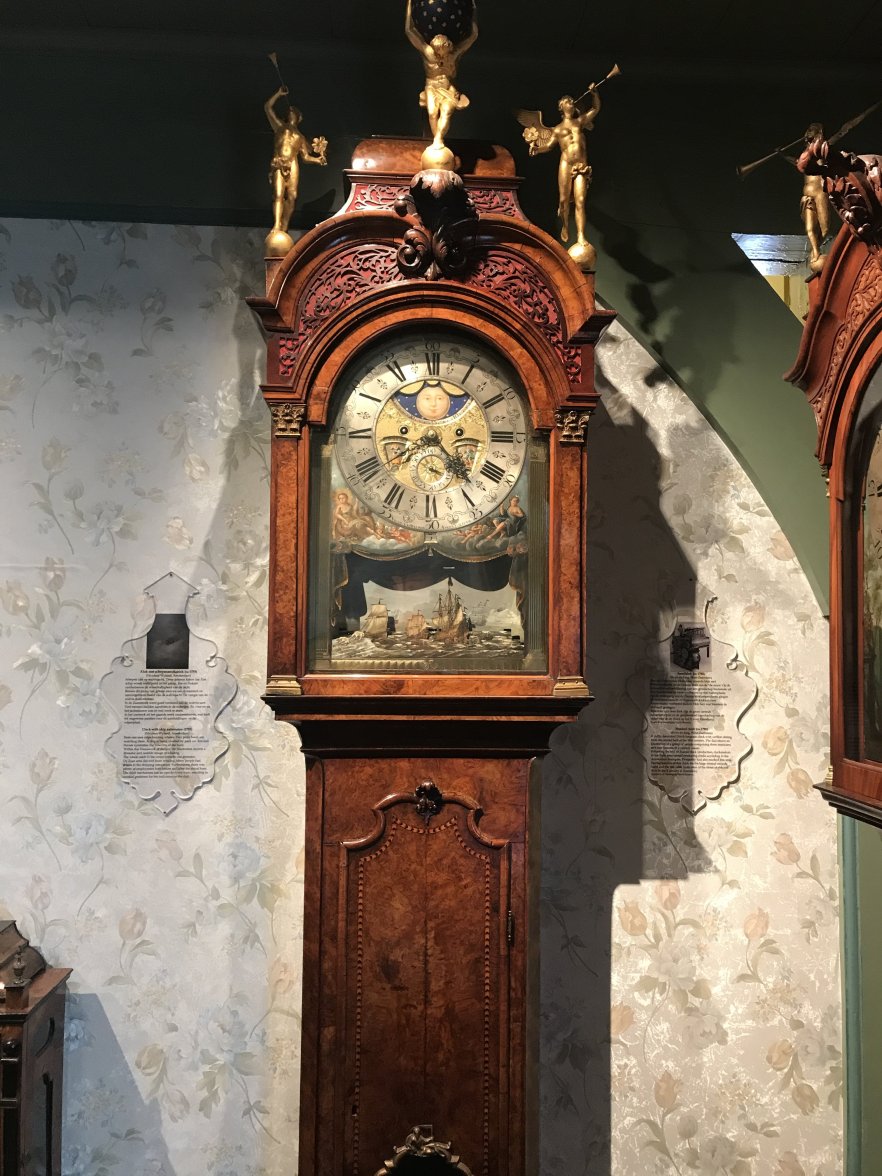
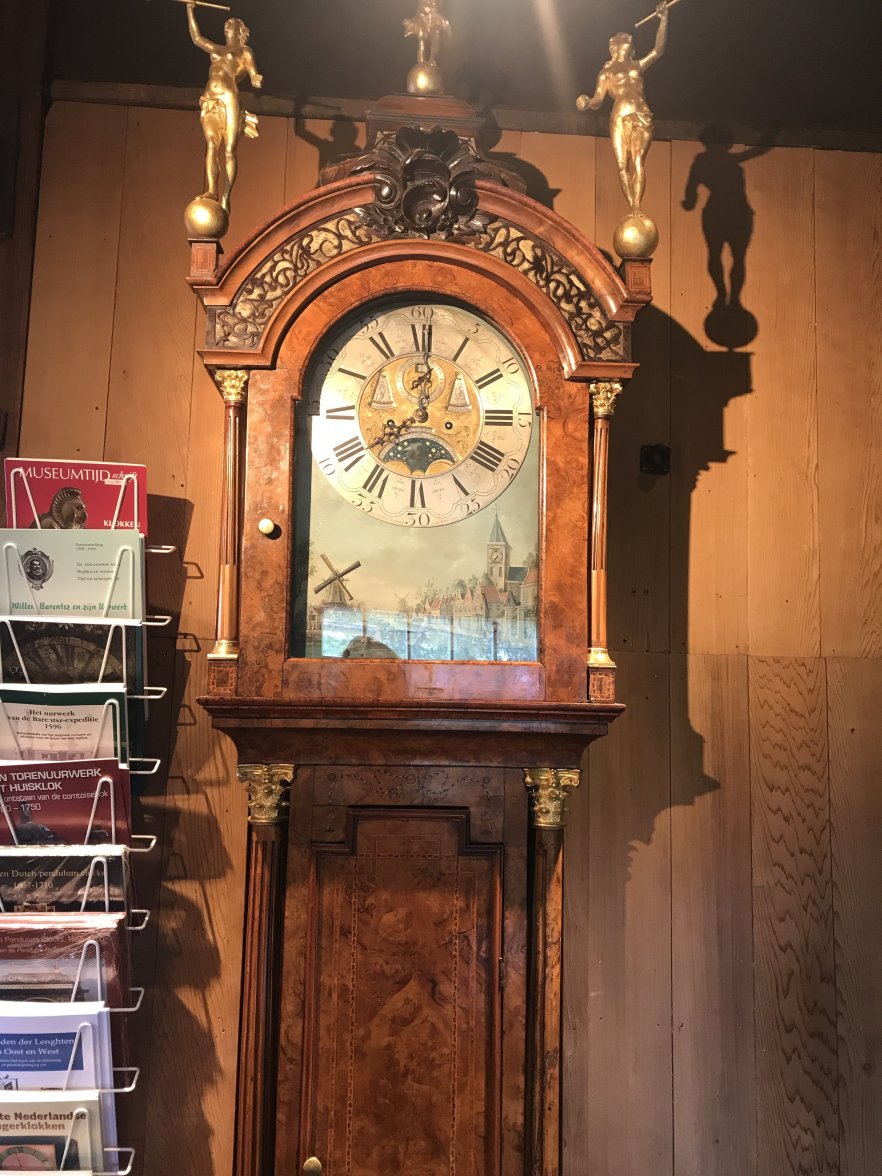
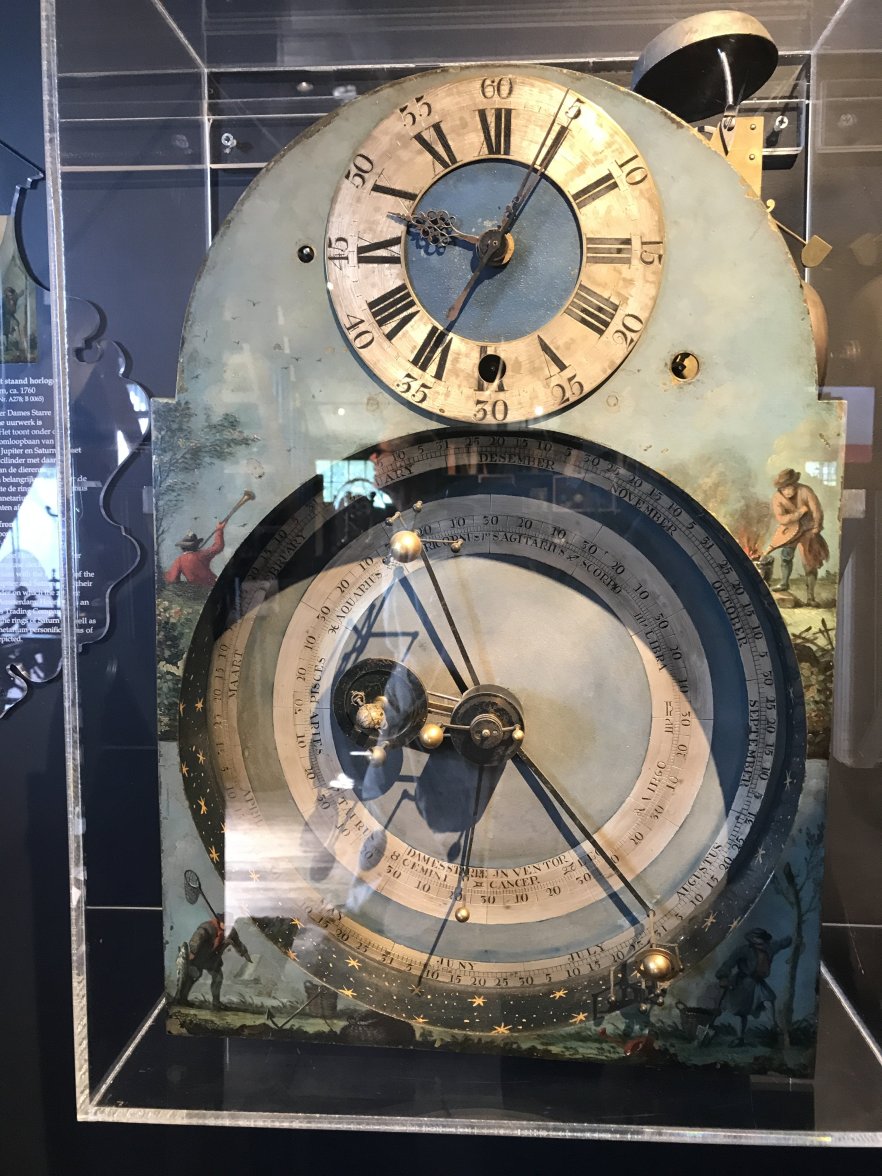
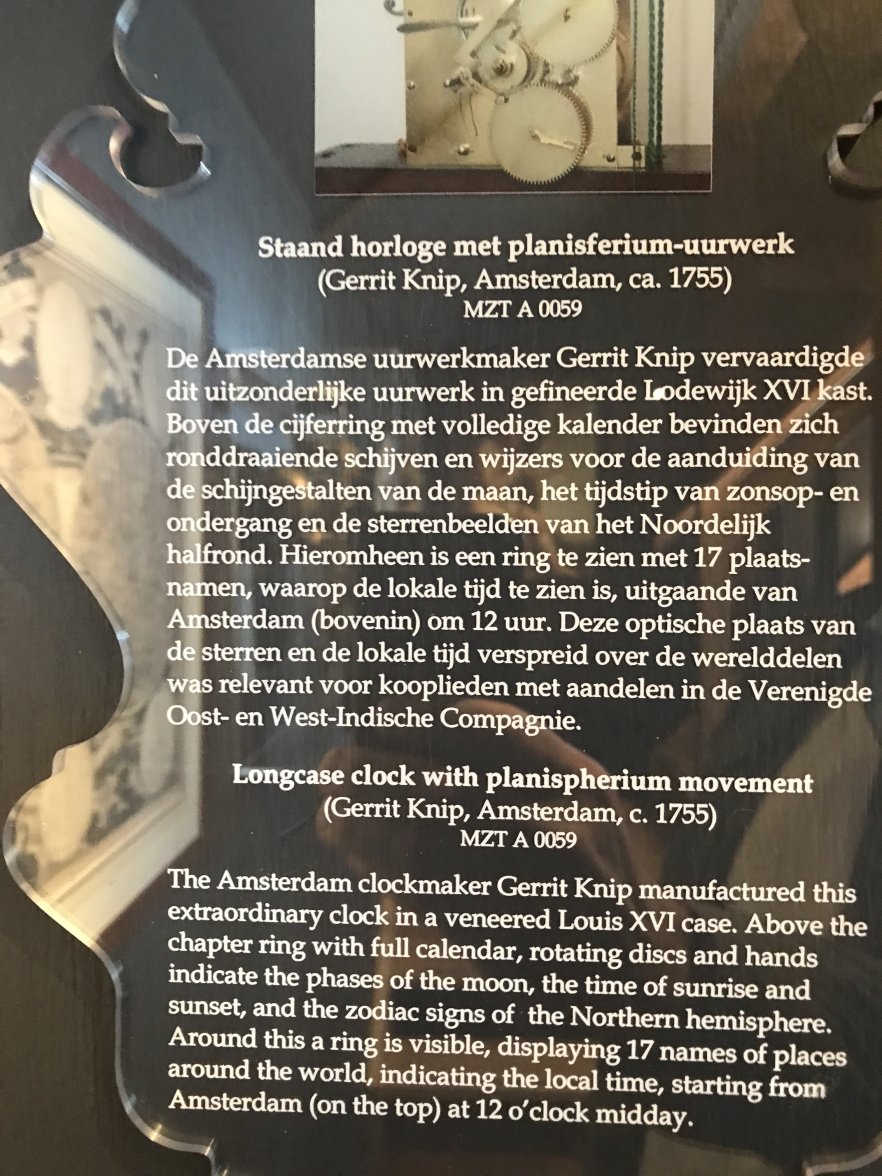
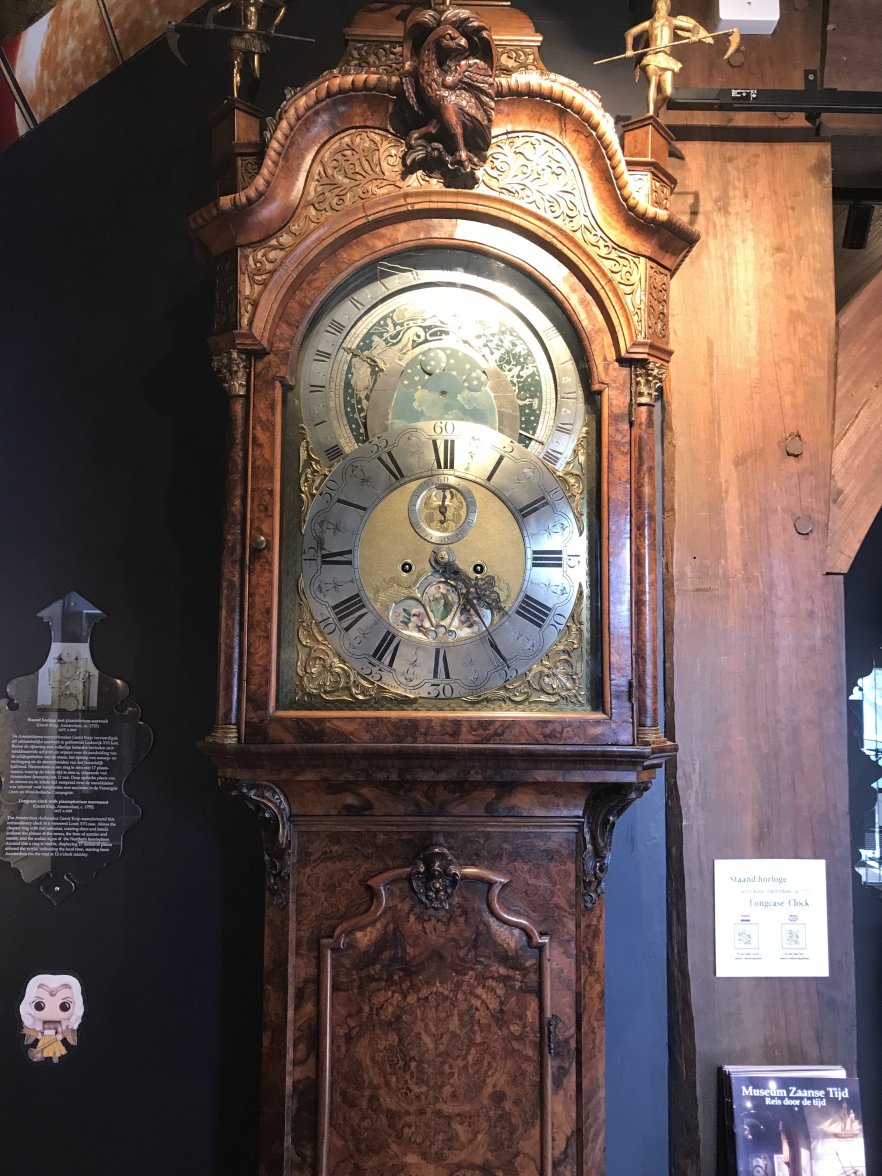
Yesterday I visited the time museum in Zaandam. Nice clocks there!